



10 ft Tent Guide: Choosing the Right Size, Frame, and Setup
A 10 ft tent is often the first tent people buy, and sometimes the one they end up replacing the most. On paper, it sounds simple: compact, portable, and widely accepted at events.
In real life, the way a 10 ft tent is built, fitted, and set up makes a huge difference in how long it lasts and how much it costs you over time.
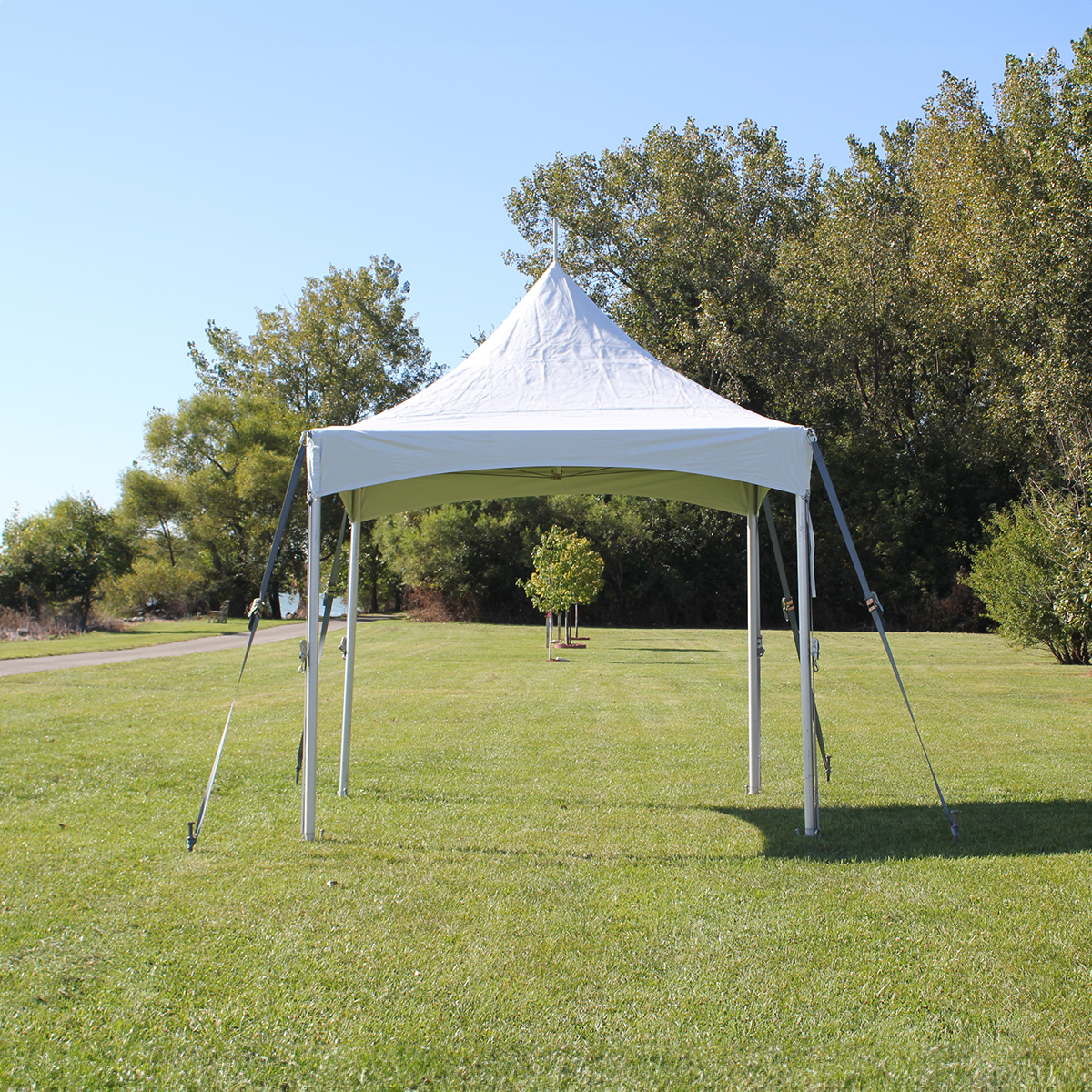
This guide breaks down what to look for beyond the size label, the mistakes that quietly add expense, and how to choose a 10 ft tent that stays reliable season after season.
What a 10 ft Tent Really Refers To
A 10 ft tent usually means a tent with a 10x10 footprint. It’s a popular size because it fits neatly into vendor layouts, market stalls, and event grids, while still being easy to transport and store.
But here’s the catch: the “10 ft” label doesn’t tell you the most important things—frame strength, fabric durability, and how well the tent holds up outdoors.
Two tents can both be labeled 10 ft and still perform completely differently once they’re under tension, exposed to wind, or set up repeatedly.
Why the 10 ft Tent Is Used So Often
The 10 ft tent hits a sweet spot. It’s big enough to cover tables, people, and displays, but small enough that one or two people can set it up without special tools.
That flexibility is why you see it everywhere—business booths, sports sidelines, backyard gatherings, and pop-up sales.
The downside is that people often buy based on size alone, instead of choosing a version that matches how often they’ll use it and what conditions it needs to handle.
Common Situations Where a 10 ft Tent Is Used
Markets and Vendor Booths
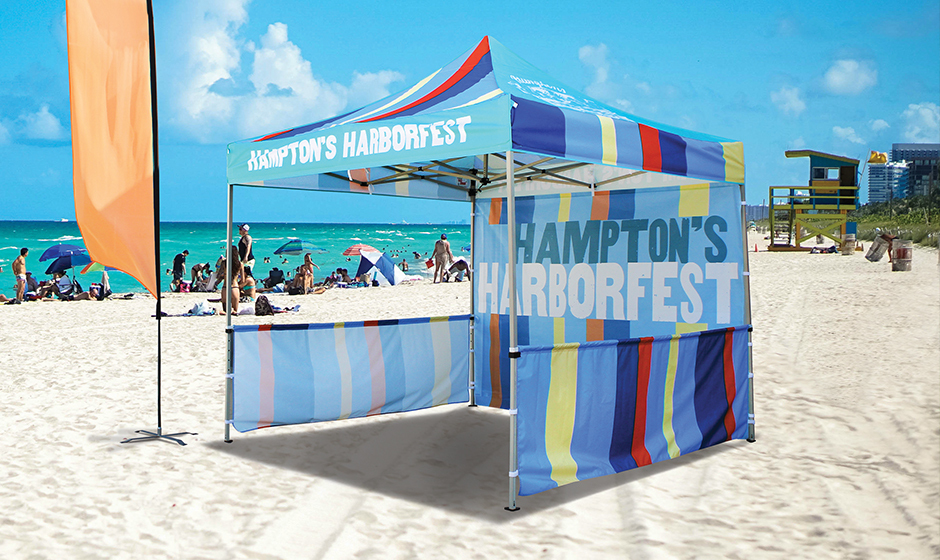
Many markets require vendors to stay within a 10x10 space. A 10 ft tent gives you enough room for a table, product display, signage, and a little space to move without feeling crowded.
If you’re setting up weekly, durability matters. Lightweight frames and thin canopies might look fine at first, but they’re more likely to loosen, bend, or fade when they’re constantly being packed, moved, and installed.
Promotional and Brand Events
At outdoor promotions, your tent becomes part of the brand impression. A clean, well-tensioned canopy looks professional. A sagging top or bent legs makes your setup look rushed, even if your products are great.
This is where material quality and proper fit really start to matter, because your tent is basically a billboard and a storefront at the same time.
Backyard and Personal Events
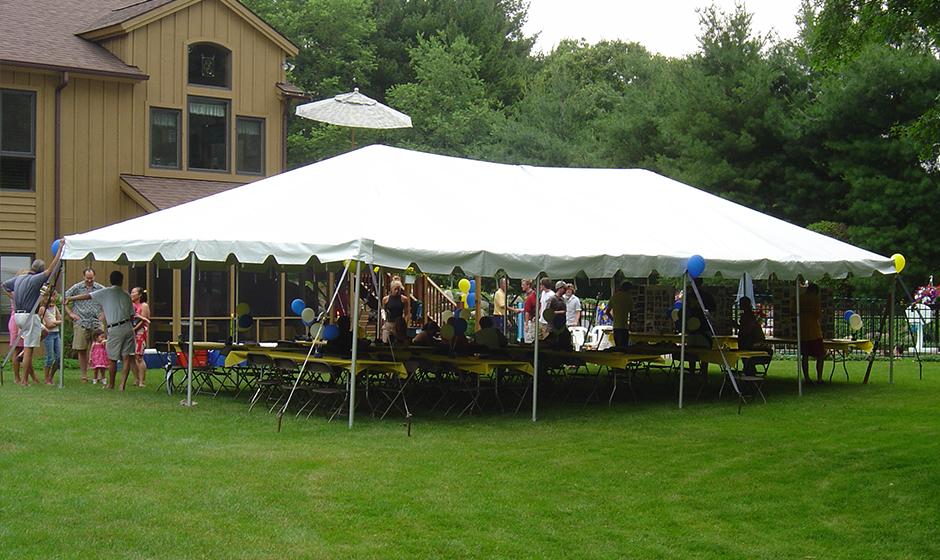
For personal events, a 10 ft tent is popular because it creates instant shade. People often buy the most affordable option for parties and gatherings, which can be fine for occasional use.
But stability still matters. A sudden gust of wind or quick rain shower can expose weaknesses in lighter frames and water-resistant (not waterproof) canopies.
Seasonal Sales and Temporary Setups
Seasonal setups—like holiday stalls and outdoor sales—often use multiple 10 ft tents side by side. In those setups, consistency is important.
If tents don’t match in height or tension, you end up with awkward gaps, uneven roof lines, and more places for wind and water to cause trouble.
Frame Construction Makes or Breaks a 10 ft Tent
Lightweight Consumer Frames
These are designed for occasional use. They’re easy to carry and budget-friendly, but they tend to weaken faster if you set them up often.
Common issues include joints that loosen, legs that bend, and locking mechanisms that start slipping after repeated setups. If you’re using the tent a few times a year, it may be okay. If you’re using it weekly, it can become a repeat expense.
Commercial-Grade Frames
Commercial frames are built for repeated setups. They usually use thicker aluminum or steel, reinforced joints, and stronger locking systems that hold tension better over time.
They cost more upfront, but they usually save money long-term because you’re not replacing frames constantly or dealing with frequent repairs during busy seasons.
Height and Interior Clearance
Not all 10 ft tents have the same height. Some are low-profile, while others provide taller clearance and adjustable legs.
More headroom improves airflow and comfort, and it gives you space for signage, banners, or lighting—especially helpful if you’re using the tent for branding or long event days.
Tent Top Materials and Why They Matter
Polyester Canopies
Polyester is lightweight and common in entry-level tents. It’s easy to transport and works fine for occasional use.
The downside is that it generally fades faster in strong sun and can stretch over time. It’s often water-resistant rather than truly waterproof, which matters if you’re expecting real weather.
Vinyl-Coated Polyester
Vinyl-coated tops are heavier, tougher, and more durable. They tend to hold tension better, resist UV wear longer, and are easier to clean.
If your 10 ft tent will be used regularly for markets, promotions, or rentals, vinyl-coated options are usually the smarter long-term move.
Fit Is More Important Than Most People Realize
Fit affects everything—setup time, durability, and how the tent performs in wind and rain.
When a canopy doesn’t fit properly, it can sit loose in certain areas and overly tight in others. That uneven stress shortens the lifespan of the fabric and increases strain on the frame.
A properly fitted canopy tensions evenly. It looks better, installs smoother, and reduces the chance of flapping, pooling, or premature tearing.
Setup Mistakes That Quietly Increase Costs
Not Anchoring Properly
A 10 ft tent should always be anchored. Even on calm days, wind can pick up suddenly. Weights or stakes keep the tent stable and prevent dangerous tipping.
Most “tent failures” at events happen because the tent wasn’t secured, not because the frame was automatically bad.
Over-Tightening the Fabric
Over-tightening puts extra stress on seams and corners. It can also strain joints and locking mechanisms.
Balanced tension is the goal—tight enough to avoid sagging, but not so tight that you’re forcing the fabric and frame beyond their comfort zone.
Skipping Routine Checks
Small issues often show up early: tiny seam splits, loosening bolts, bent feet, or worn corners.
A quick inspection before setup helps you avoid discovering problems mid-event when you have no time (or tools) to fix them properly.
How to Make a 10 ft Tent Last Longer
A few habits can add years to a tent’s usable life. Clean the canopy after events, dry it fully before storage, and store it somewhere cool and dry.
Check your frame joints and hardware regularly, and replace worn canopy sections before they become full failures.
If you treat your tent like a tool instead of a disposable item, it will perform like one—consistent, reliable, and easier to work with.
When It’s Time to Upgrade Your 10 ft Tent
If you keep replacing the same tent every year, it usually means you’ve outgrown the lightweight category.
Upgrading makes sense if you’re setting up often, using the tent for branding, or working in conditions where wind and weather are unavoidable. In those cases, a stronger frame and better canopy reduce downtime and save money long-term.
Why Many Professionals Choose CELINA
CELINA designs tents as complete systems—frames, tops, and hardware engineered to work together properly. That means fewer fit issues, smoother installs, and better performance over repeated setups.
For anyone comparing options, CELINA’s 10 ft tent systems on gettent.com include clear specifications that make it easier to choose the right setup without guesswork.
Choosing the Right 10 ft Tent Is About More Than Size
A 10 ft tent may look simple, but the right choice protects your time, budget, and reputation.
When you understand frame quality, fabric performance, fit, and setup habits, you avoid the mistakes that lead to frequent replacements and stressful event days.
Need a 10 ft Tent That Holds Up Event After Event?
If you’re using a 10x10 tent for markets, promotions, or repeat setups, upgrading to a better frame and canopy can save you money long-term. Explore CELINA’s commercial-grade options built for fit, tension, and reliability—so your setup stays professional season after season.
Explore 10 ft Tent Options at CELINAFAQ
How many people fit under a 10 ft tent?
A 10x10 tent typically fits about 6–10 people standing, depending on how much open space you keep. If you’re using tables, product displays, or equipment, it’s usually more comfortable for 4–6 people seated. Planning your layout ahead of time helps you avoid cramped walkways and makes the space feel bigger. If you need help choosing the right layout, CELINA can guide you based on your use case and event type.
Is a 10 ft tent waterproof or water-resistant?
It depends on the canopy fabric and coating. Many entry-level polyester canopies are water-resistant, meaning they can handle light rain but may leak in heavier rain or if water pools. Vinyl-coated polyester is typically waterproof and better for repeated outdoor use because it holds tension and sheds water more reliably. If you vend often and can’t afford weather stress, CELINA’s commercial-grade canopy options are a safer long-term choice.
Can a 10 ft tent be used safely in wind?
Yes, but only if it’s anchored properly every time. Even strong frames can shift or tip if they aren’t weighted or staked based on the surface. Wind also becomes more dangerous when fabric is loose and starts catching air, so good tension matters just as much as anchoring. If conditions get extreme, the safest option is always to take the tent down. For event-ready setups, CELINA offers systems built to hold tension better and support proper anchoring.
How long does a 10 ft tent usually last?
Light consumer tents may last only a season with frequent use, especially in strong sun and wind. Commercial-grade tents can last several years because they’re built with stronger frames, reinforced joints, and tougher canopy materials. Storage habits matter too—packing away a wet canopy can shorten the lifespan quickly due to mildew and material breakdown. With routine cleaning, drying, and inspection, a CELINA-quality system is designed to stay reliable through repeated setups.
Can I replace only the canopy on my 10 ft tent?
In many cases, yes—if the replacement canopy is made for your exact frame system. Fit is critical because mismatched canopies can create uneven tension, sagging corners, and extra stress on joints. Before ordering, confirm your frame model, peak style, and attachment points so the replacement installs correctly. A properly matched canopy refreshes your setup without forcing you to buy everything again. CELINA can help you identify the correct fit so you avoid “almost fits” that cost more later.
Are all 10 ft tent frames the same height?
No, heights vary by brand and model, even if the footprint is 10x10. Some tents are low-profile and feel tighter inside, while others offer higher peak clearance and adjustable leg heights. Extra height improves airflow, comfort, and space for signage or lighting—especially for long event days. If you’re using your tent for branding, taller clearance can make your booth feel more open and professional. CELINA provides clear specifications so you can choose a height that fits your event needs.
Is a 10 ft tent good for branding and promotions?
Yes—10x10 is one of the most common booth sizes for promotions because it fits vendor grids and is easy to deploy. A branded canopy and sidewalls help people spot you quickly, and a clean, tight setup makes your space look more credible. Even small details like straight valances and balanced tension affect how professional your booth appears. If you do repeat events, consistent branding builds recognition over time. CELINA offers tent systems and branding-friendly options designed to keep your setup sharp and repeatable.
Is it better to buy or rent a 10 ft tent?
If you use a tent more than a few times per year, buying usually makes more sense. Renting can work for one-off events, but it becomes expensive when you need a tent regularly—and rental tents don’t always match your branding or quality expectations. Owning your own tent also lets you practice setup, keep your presentation consistent, and avoid last-minute availability issues. Over time, a reliable tent pays for itself through fewer replacements and less downtime. CELINA’s commercial-grade options are built for that repeat-use reality.