



20x20 Tent Capacity: How Many Guests Fit Comfortably?
Understanding 20x20 tent capacity is one of the most important steps in planning a successful outdoor event. At 400 square feet, a 20x20 tent looks generous when empty — but once you begin adding tables, chairs, buffet stations, or a dance floor, that open space changes quickly.
Many event planners and hosts make the mistake of calculating capacity based only on square footage. In reality, comfort, layout style, and event type all influence how many guests can realistically fit inside a tent of this size. If you’re planning a wedding, backyard party, corporate event, or graduation celebration, knowing what truly fits inside a 20x20 tent will help you avoid overcrowding while still maximizing your space.
What 400 Square Feet Really Means
A 20x20 tent provides 400 total square feet of usable coverage. That sounds straightforward, but usable space depends on structure type and layout design.
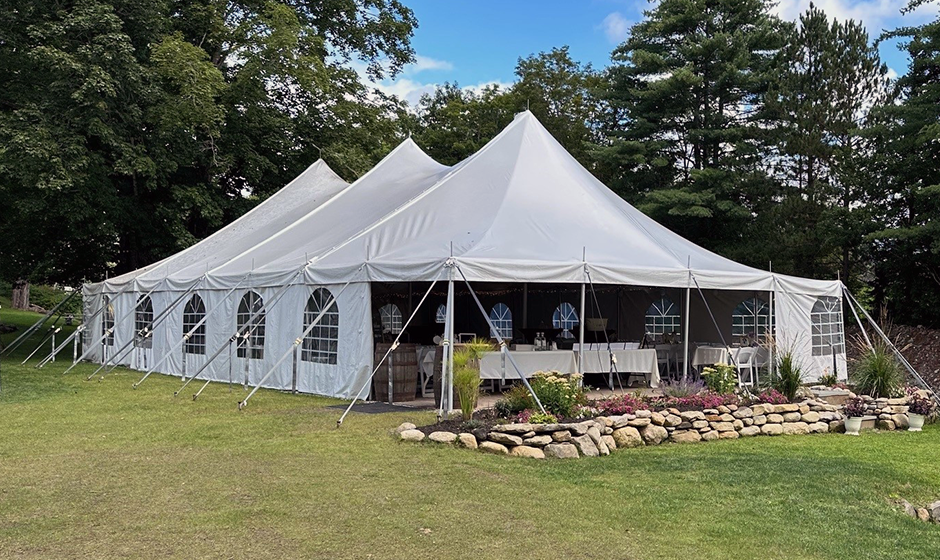
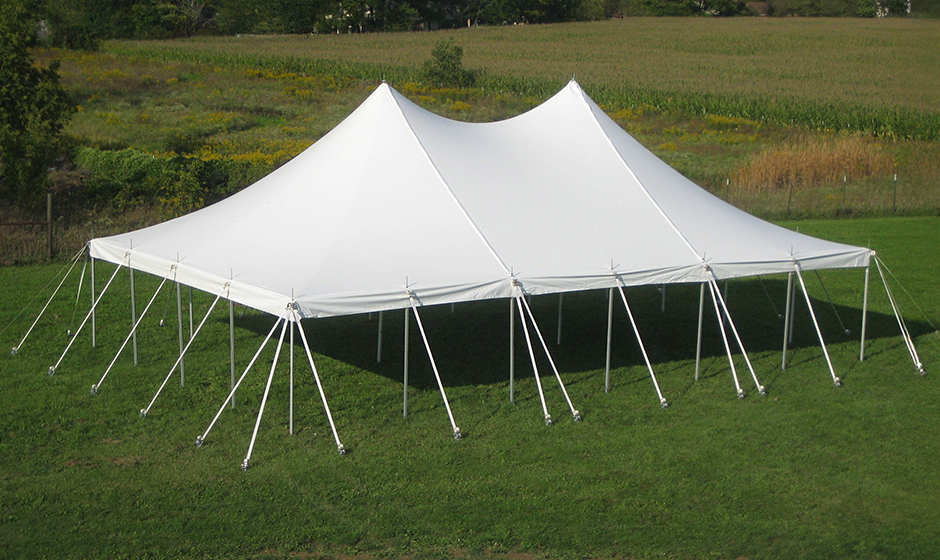
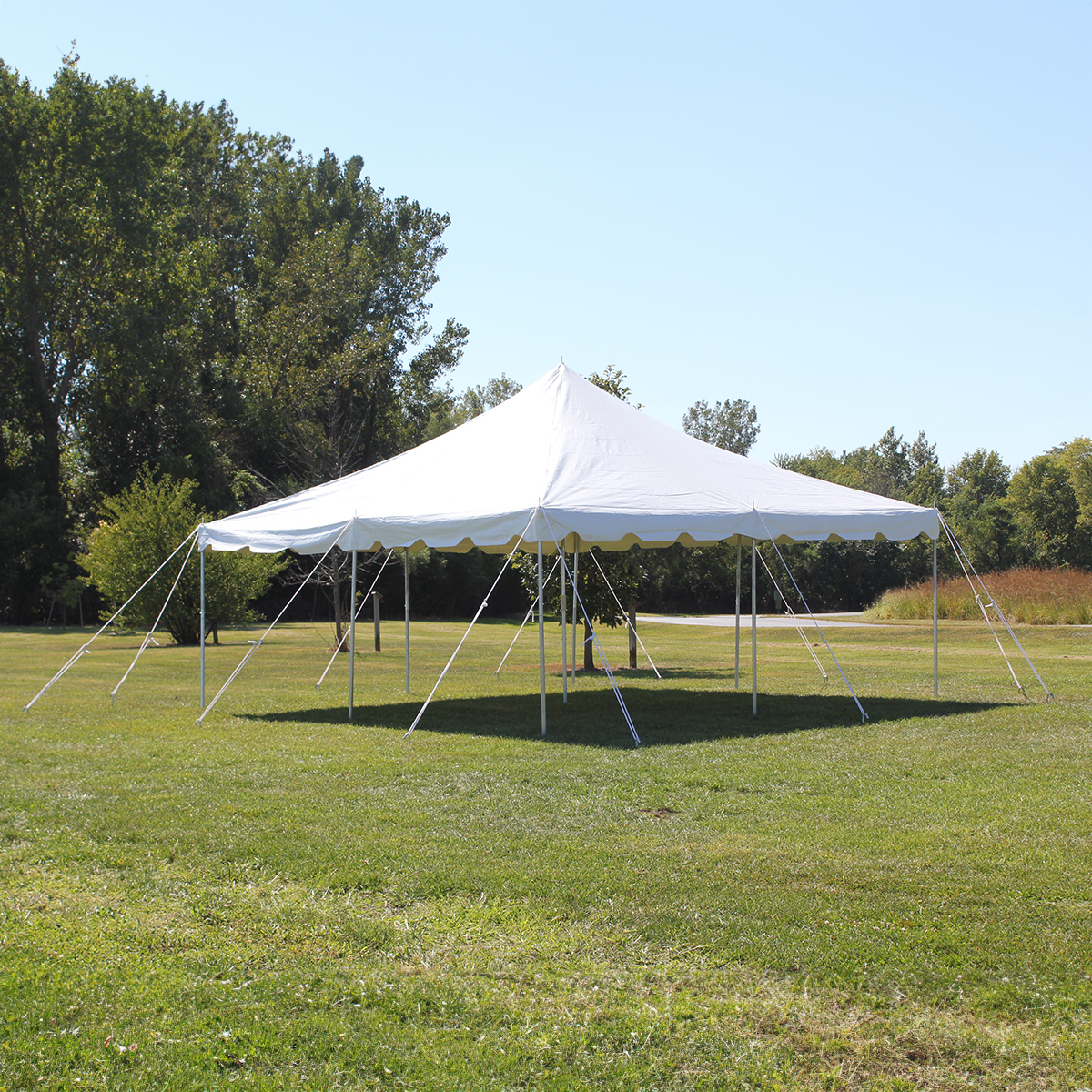
A frame tent offers full open interior space because it does not require center poles. A pole tent includes a center pole, which slightly affects layout options but also adds a classic peaked look. In both cases, the perimeter space must be considered carefully when placing tables and chairs. Once you factor in walking paths, table spacing, and service areas, the practical capacity becomes clearer.
20x20 Tent Capacity for Different Event Styles
Capacity varies depending on how the tent is being used.
For ceremony seating arranged theater-style with rows of chairs, a 20x20 tent can typically accommodate 40 to 50 guests comfortably. This layout uses space efficiently because it requires no tables.
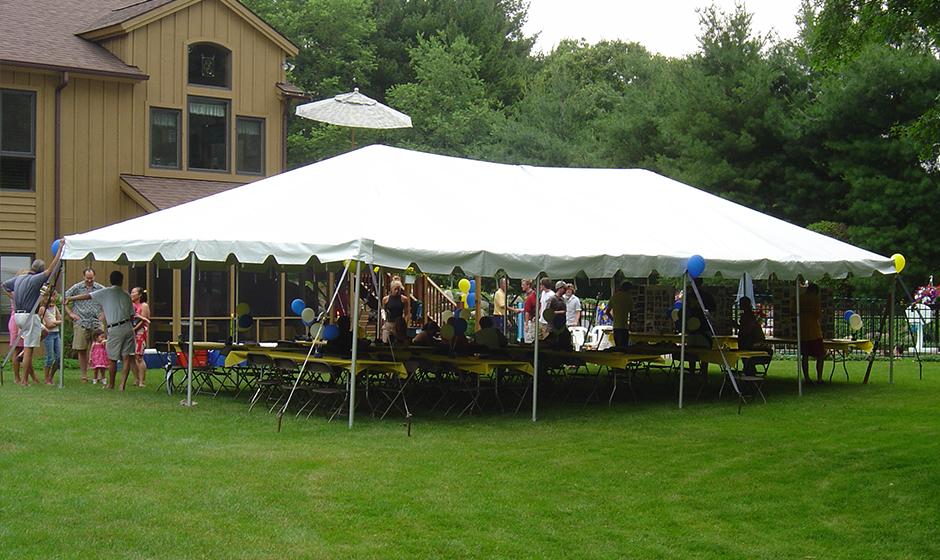
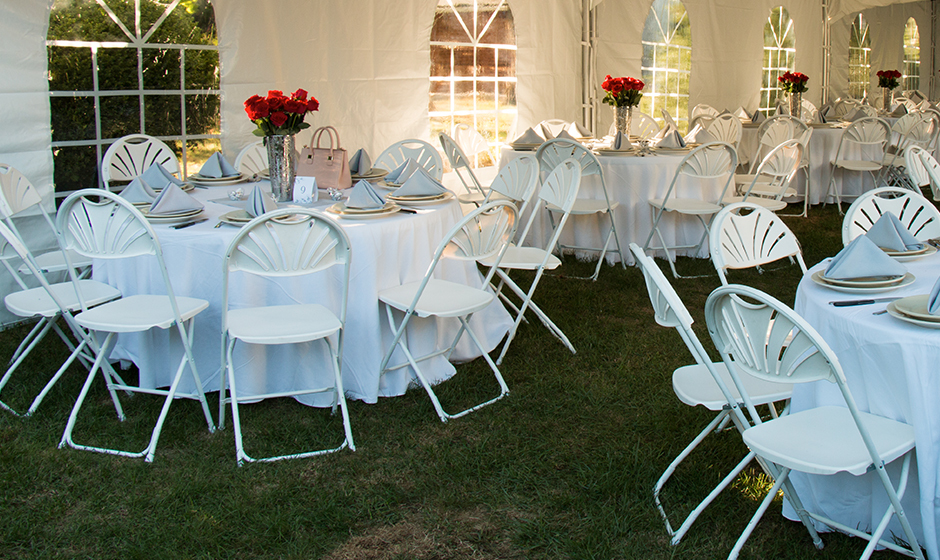
For seated dining with round tables, the capacity generally ranges between 32 and 40 guests. Most layouts use 60-inch round tables that seat 6 to 8 guests each. With proper spacing for movement between tables, five tables is usually the comfortable maximum.
For cocktail-style events where guests stand and mingle with limited seating, capacity can reach 45 to 50 guests. Because high-top tables take up less space, more people can gather without crowding. Each layout changes the way the tent feels. A tightly packed dinner may technically fit more guests, but comfort and flow often matter more than squeezing in additional seats using event layout planning best practices.
Table Layouts and Their Impact on Capacity
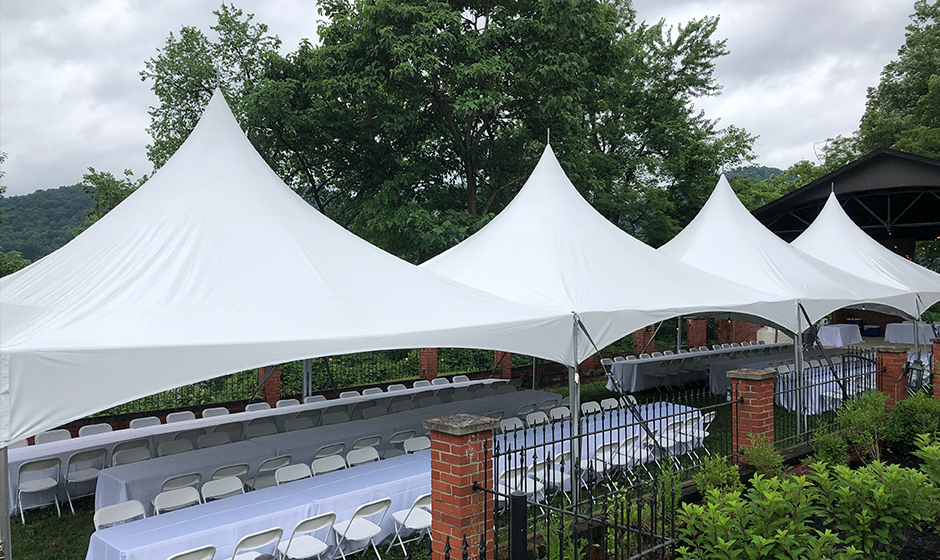
Tables dramatically affect 20x20 tent capacity. Round tables create more social interaction but require slightly more spacing. Rectangular banquet tables can sometimes maximize seating but may reduce circulation flow.
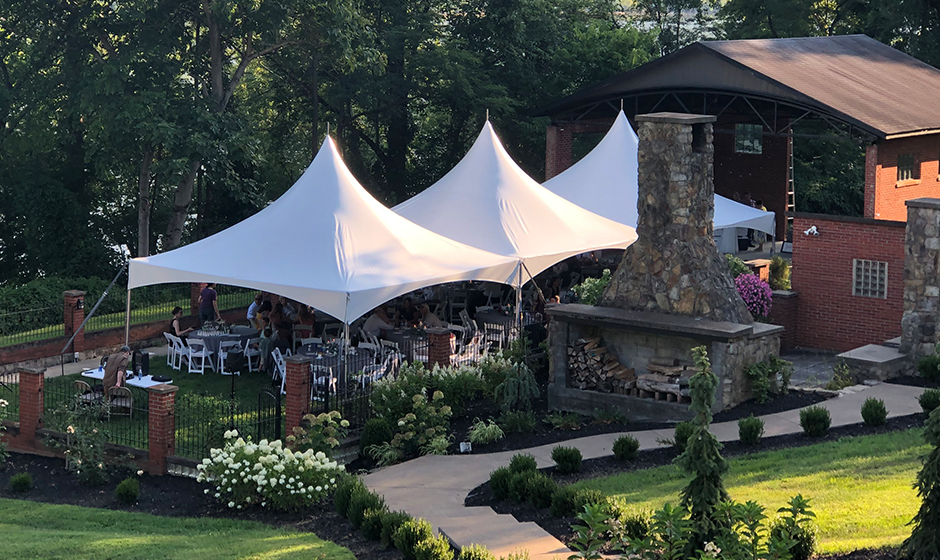
For example, four 60-inch round tables with 8 guests each create a comfortable 32-guest reception layout. Adding a fifth table may push capacity to 40, but movement becomes tighter. If you plan to include a buffet table, cake table, DJ booth, or bar station inside the tent, subtract usable space accordingly. These additions reduce guest capacity more than most hosts expect.
Including a Dance Floor Inside a 20x20 Tent
A dance floor changes everything. Even a modest 12x12 dance floor consumes 144 square feet — over one-third of the total tent area. Once that is installed, remaining space must accommodate seating and walkways.
In these situations, a 20x20 tent may comfortably seat 24 to 32 guests while including a small dance floor. For larger receptions with dancing, some planners use multiple 20x20 tents connected together rather than increasing the size of a single structure. Understanding this balance prevents last-minute layout changes.
Comfort vs Maximum Capacity
There is a difference between “maximum capacity” and “comfortable capacity.” Technically, more guests can fit inside a 20x20 tent if spacing is reduced. However, events should feel inviting, not cramped.
Comfortable layouts consider:
- Space between chairs
- Clearance around tables
- Server pathways
- Emergency exit access
- Guest movement
In most cases, reducing the guest count slightly creates a far better overall experience.
Using a 20x20 Tent for Multi-Purpose Events
One advantage of this size is versatility. A 20x20 tent works well for:
- Backyard weddings
- Graduation parties
- Birthday celebrations
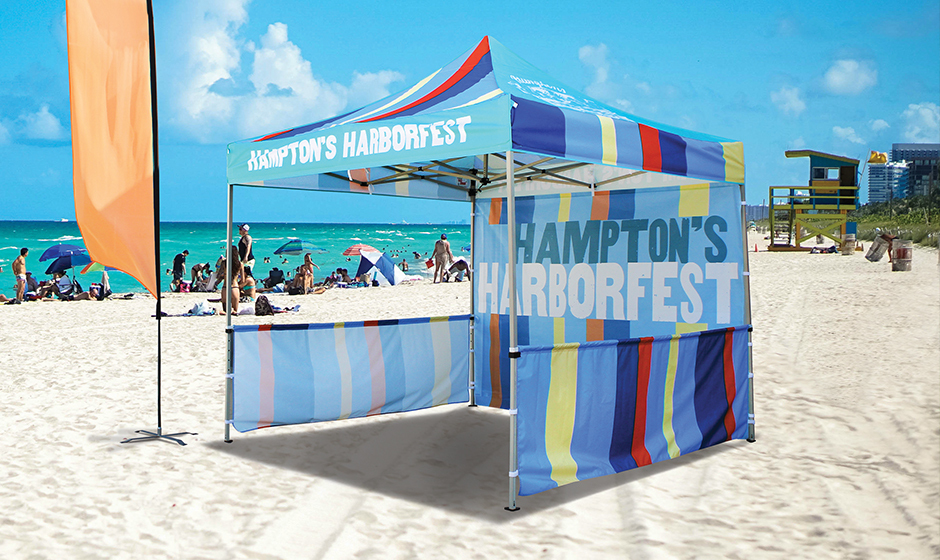
- Vendor booths
- Corporate networking events
- Community fundraisers
Because of its balanced footprint, it adapts easily to different event types. For vendors or trade booths, capacity depends less on seating and more on display layout. For dining-focused events, thoughtful arrangement is key.
When a 20x20 Tent May Not Be Enough
While highly versatile, this size has limits. If your guest list exceeds 50 attendees for a seated event, a larger tent such as a 20x30 or 30x30 tent may provide better comfort. If you require a large dance floor, catering prep area, or multiple service stations inside the tent, upsizing may be necessary.
Trying to push a tent beyond its comfortable capacity can negatively impact guest experience and event flow.
Frame vs Pole: Does Structure Affect Capacity?
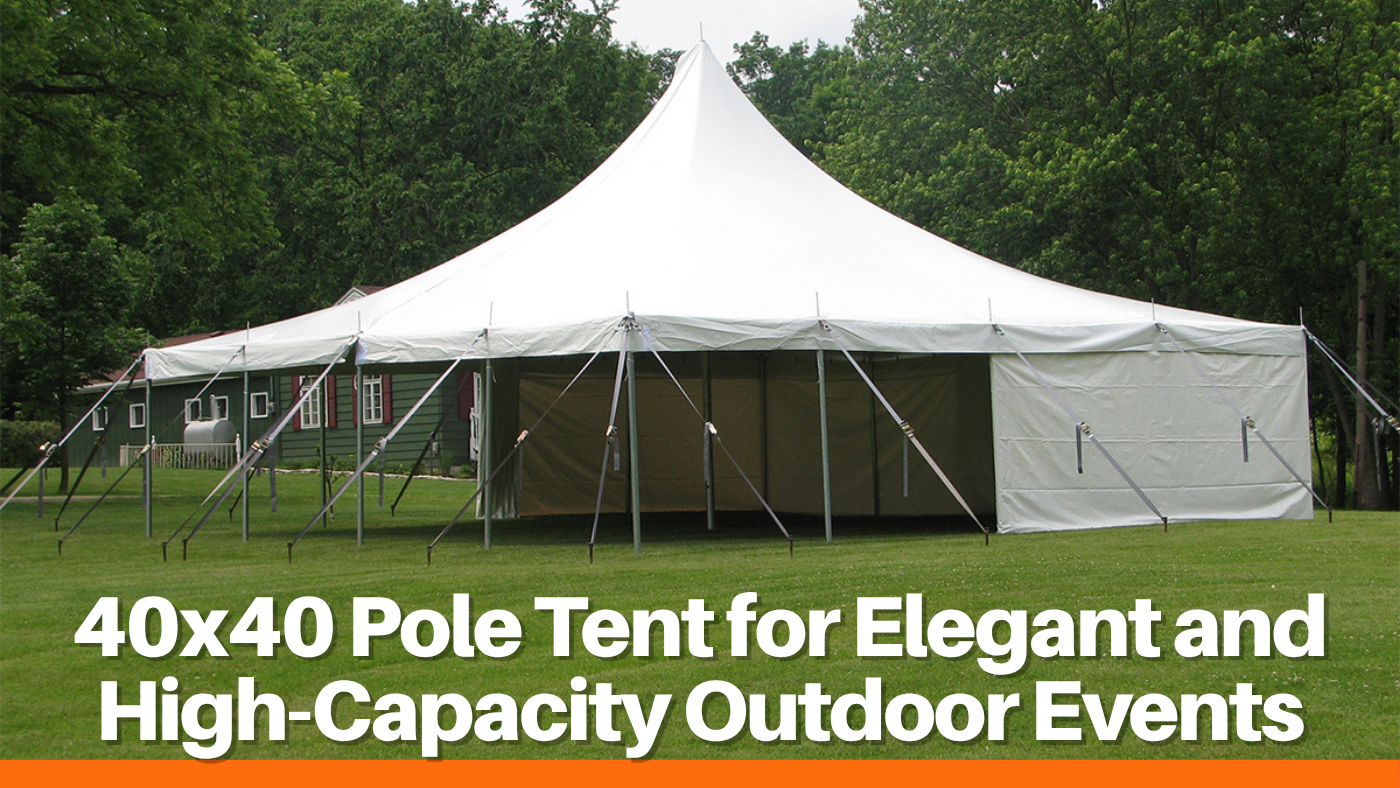
A frame tent kit maximizes usable interior space because there are no center poles. This can slightly increase layout flexibility, particularly for dining arrangements.
A pole tent introduces a center pole that must be worked around. While it creates an elegant peak, planners must factor that structural element into table placement. In terms of overall 20x20 tent capacity, the difference is not dramatic, but layout flexibility is slightly greater with frame construction.
Planning Tips for Maximizing Space
To make the most of your tent:
- Keep décor scaled to size. Oversized installations reduce usable space quickly.
- Position buffets or bars outside the tent if weather allows.
- Use perimeter lighting rather than large central fixtures.
- Avoid placing service stations directly in the middle of the footprint.
- Consider connecting two 20x20 tents instead of overcrowding one.
Small layout adjustments make a big difference in perceived space.
Why the 20x20 Size Remains So Popular
Despite its moderate footprint, the 20x20 tent remains one of the most requested sizes in event planning. It balances affordability, flexibility, and manageable installation requirements. For rental companies, it’s often a high-utilization asset. For hosts, it offers a defined event space without feeling oversized. Its capacity range supports intimate gatherings while still accommodating medium guest counts with careful planning.
Ready to Expand Your Rental Fleet?
Discover the durability and classic appeal of our 20x20 tents. Built for the demands of the event industry.
Shop 20x20 Pole Tent KitsStandardized Parts | Fire Rated | Fast Shipping
Frequently Asked Questions
How many people can sit at a round table under a 20x20 tent?
Typically, a 20x20 tent fits four to five 60-inch round tables. Each table comfortably seats 8 guests, bringing the total seated capacity to between 32 and 40 people, depending on how much space you leave for aisles.
Can I fit a dance floor and tables in a 20x20 tent?
Yes, but it significantly reduces seating. If you include a standard 12x12 dance floor, you will likely only have room for 24 to 32 guests at tables. For events with both dancing and a full guest list, consider adding a second 20x20 structure.
Does a 20x20 frame tent have more room than a pole tent?
A 20x20 frame tent provides more "usable" square footage because it lacks a center pole. This allows for completely unobstructed floor plans, whereas a pole tent requires you to arrange tables and dance floors around the central support.
How many 8-foot banquet tables fit in a 20x20 tent?
For a standard dining layout, you can fit approximately six 8-foot banquet tables, seating about 48 guests. However, this layout leaves very little room for buffet lines or peripheral equipment.
Is a 20x20 tent big enough for a wedding reception?
A 20x20 tent is ideal for intimate wedding receptions of 30 to 40 guests. For larger guest lists or receptions requiring a DJ, bar, and buffet, this size usually serves better as a secondary tent for cocktails or catering prep.