



20x20 Tent Setup Time: What Really Impacts Installation Speed
When people ask about 20x20 tent setup time, they usually expect a quick number. Thirty minutes. Two hours. Half a day. The truth is more nuanced than that.
A 20x20 tent may look straightforward once it’s standing, but the time required to install it depends on far more than its dimensions. Structure type, crew experience, surface conditions, anchoring method, weather, and added accessories all influence the final timeline.
Understanding what truly affects setup time does more than satisfy curiosity. It prevents scheduling mistakes, protects safety standards, and ensures events start without unnecessary stress.
Whether you’re hosting a backyard celebration or managing a rental fleet, knowing how installation really works changes how you plan.
The Difference Between “Quick Setup” and Proper Setup
There is a major difference between setting up a tent quickly and setting it up correctly.
A pop-up canopy used for a small vendor booth can often be deployed in under an hour. But a commercial-grade 20x20 frame or pole tent is not a folding lawn accessory. It is a tensioned structure that must distribute load properly across every connection point.
When people underestimate 20x20 tent setup time, it’s usually because they’re imagining the finished structure rather than the process required to get there.
Every tent installation involves careful sequencing. Frame components must align precisely. Fabric must be tensioned evenly. Anchors must be secured properly. Rushing these steps might save minutes, but it increases long-term risk.
Professional crews do not move fast by skipping steps. They move fast because they know the steps well.
Structure Type Is the First Variable
The type of 20x20 tent you’re installing sets the foundation for how long the process will take.
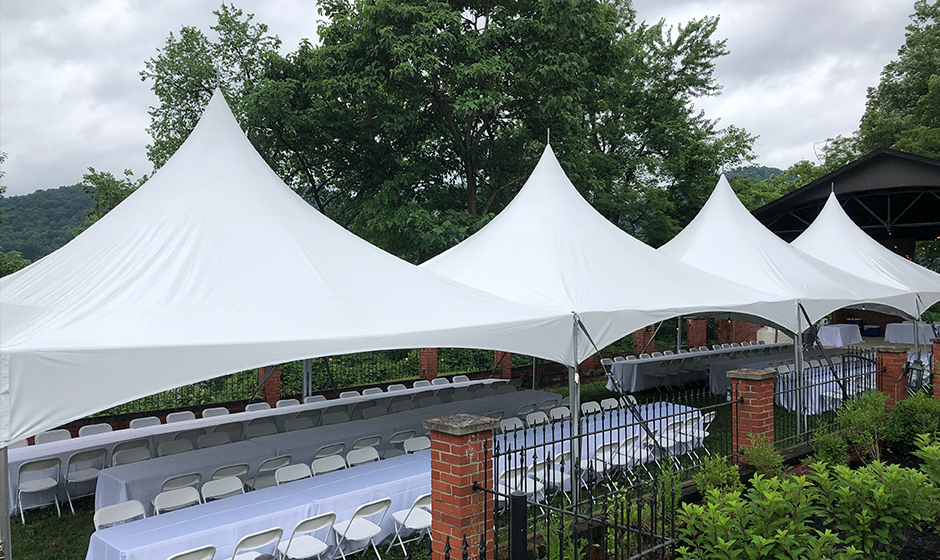
Frame Tent Installation Timeline
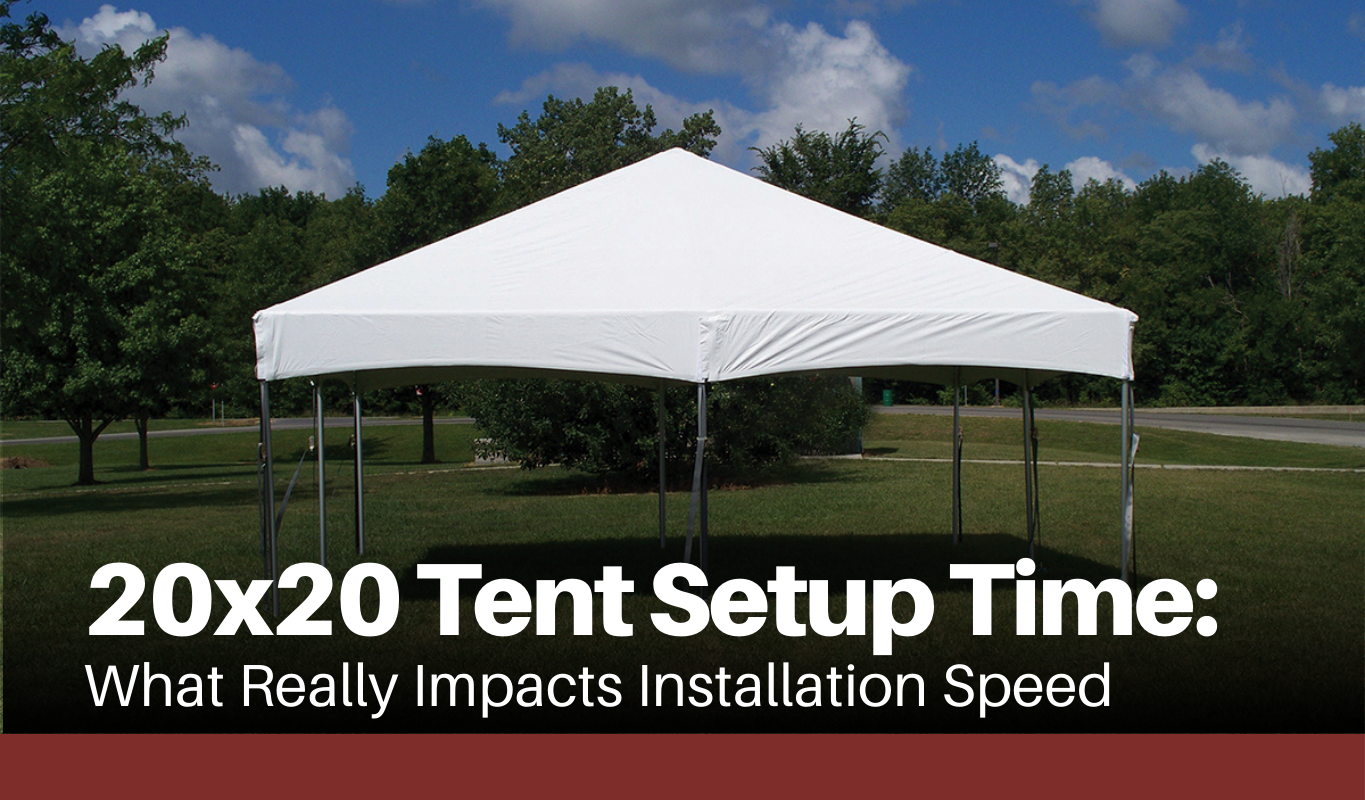
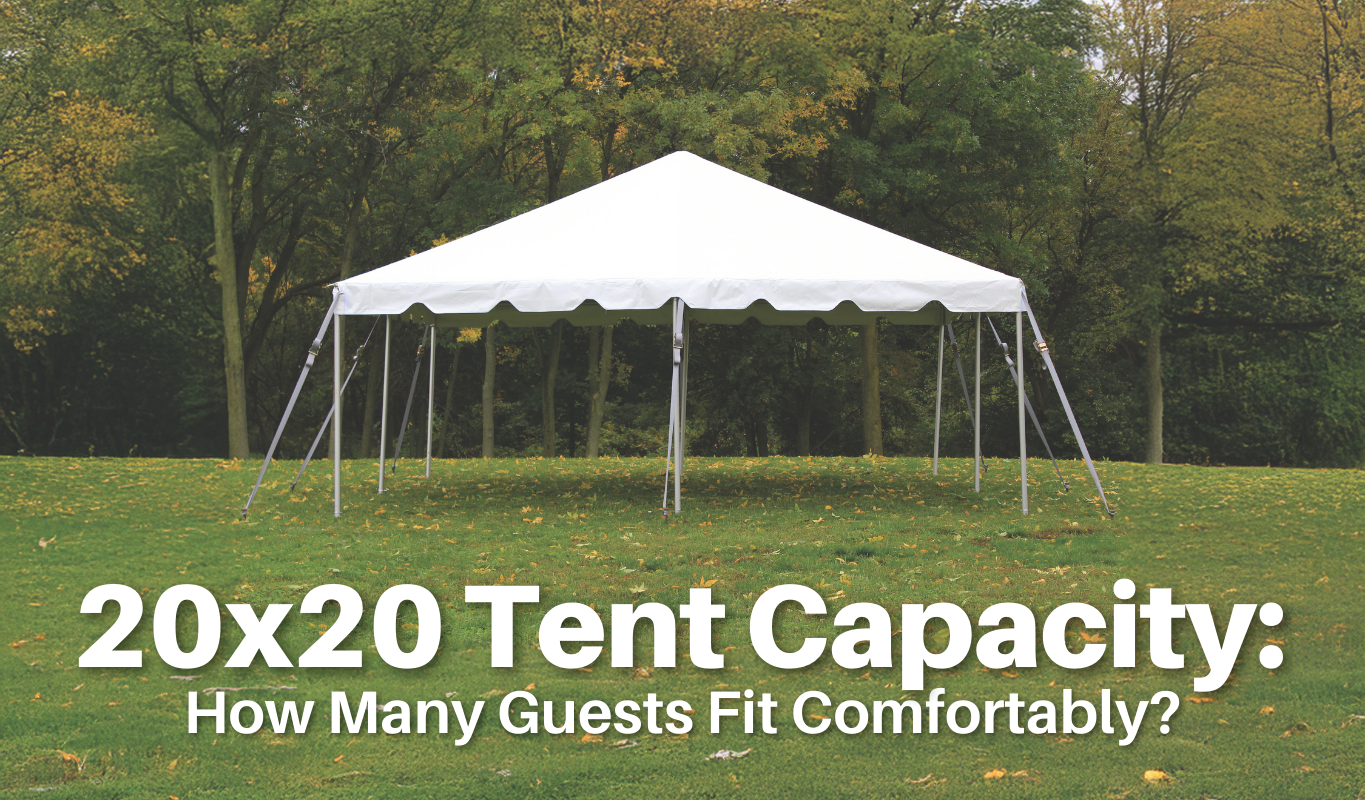
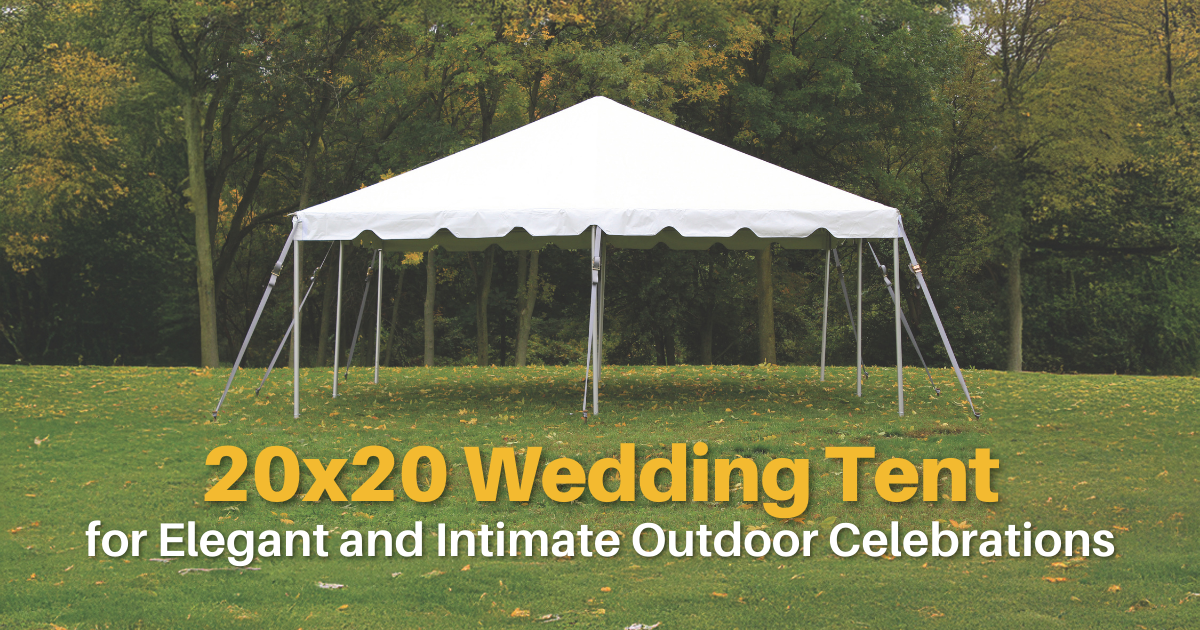
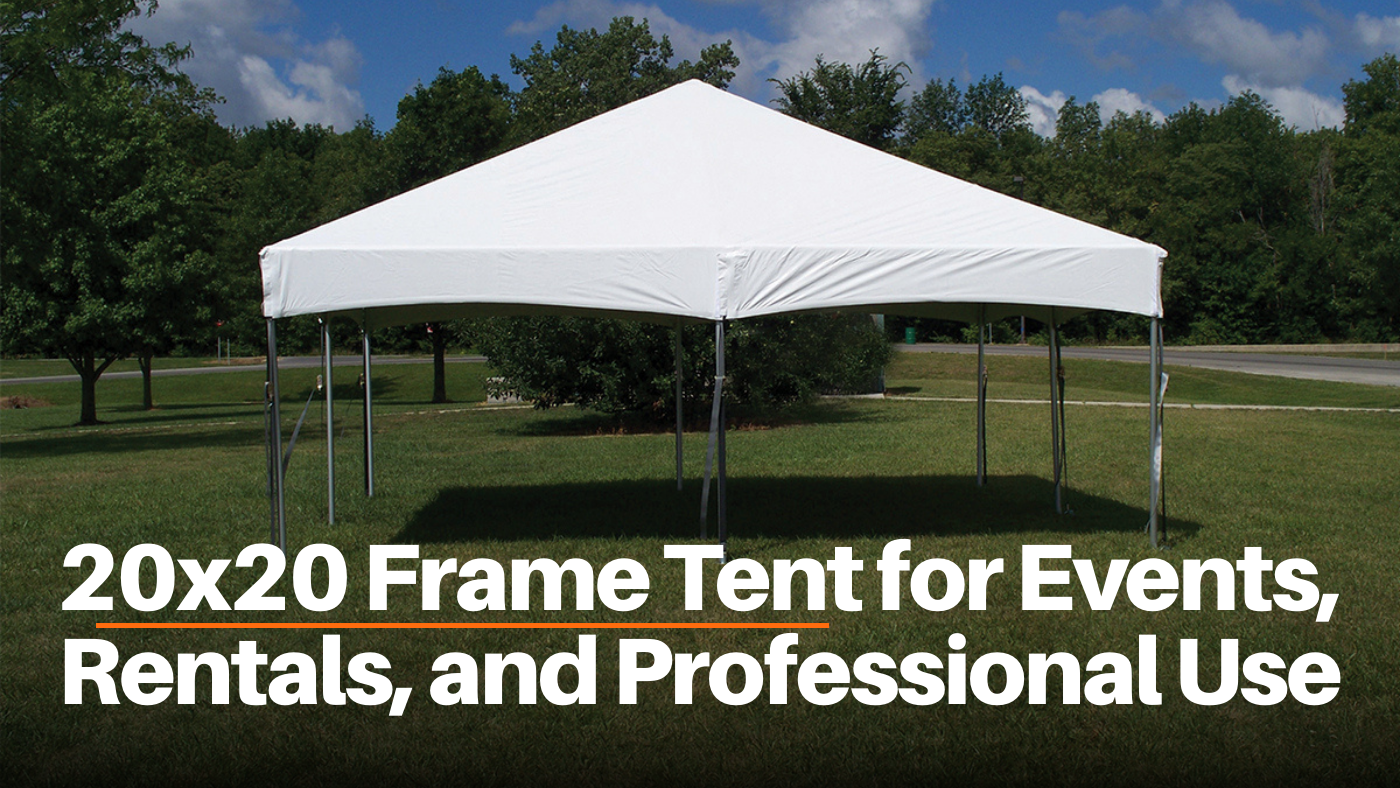
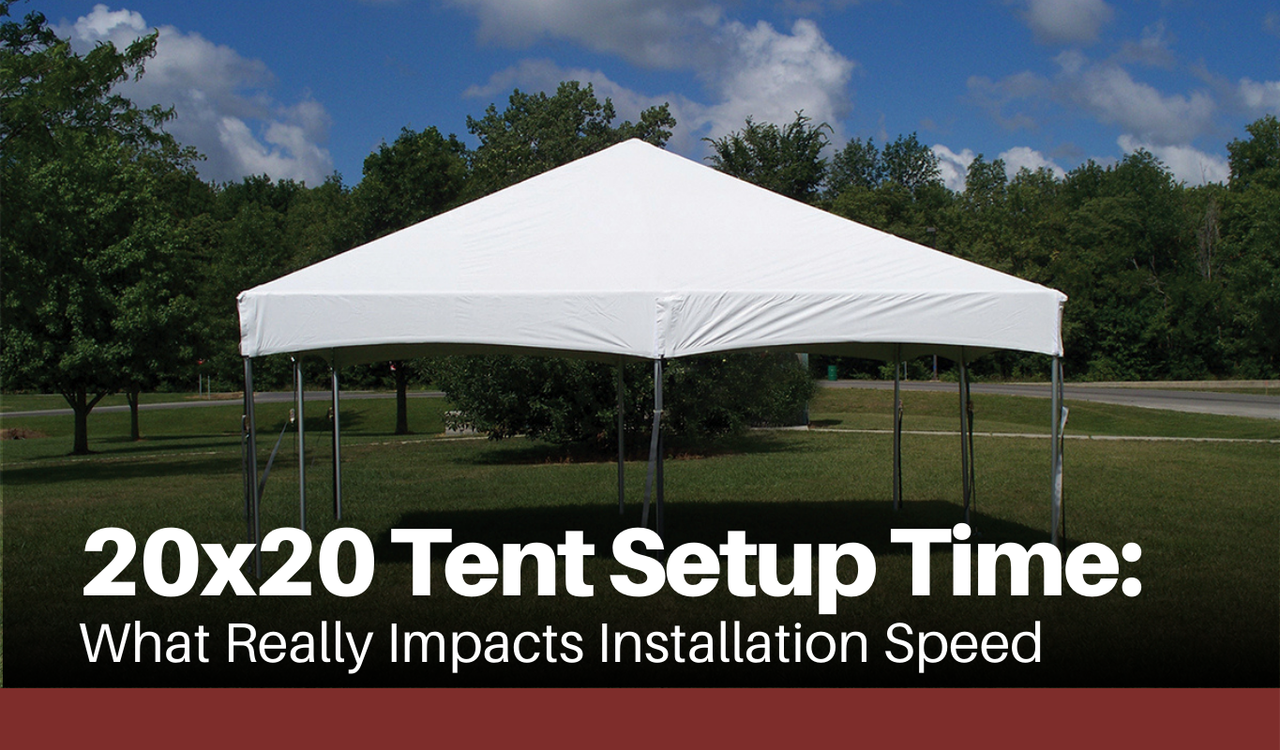
A 20x20 frame tent relies on a rigid perimeter structure. Because it does not use center poles, all structural integrity comes from the outer frame and connections.
Where Time Is Actually Spent
Much of the installation time is consumed during frame assembly. Crossbars, corner fittings, and support beams must align precisely before the top is introduced. Once the frame is assembled at ground level, the fabric top is secured and the structure is lifted gradually — typically in stages to maintain balance.
Anchoring and tensioning follow, and this step should never be rushed. Even tension ensures longevity and wind resistance.
Under standard conditions with a trained crew, a frame tent setup generally takes between one and a half to three hours. That timeline increases when ballast systems, lighting, or full enclosure sidewalls are added.
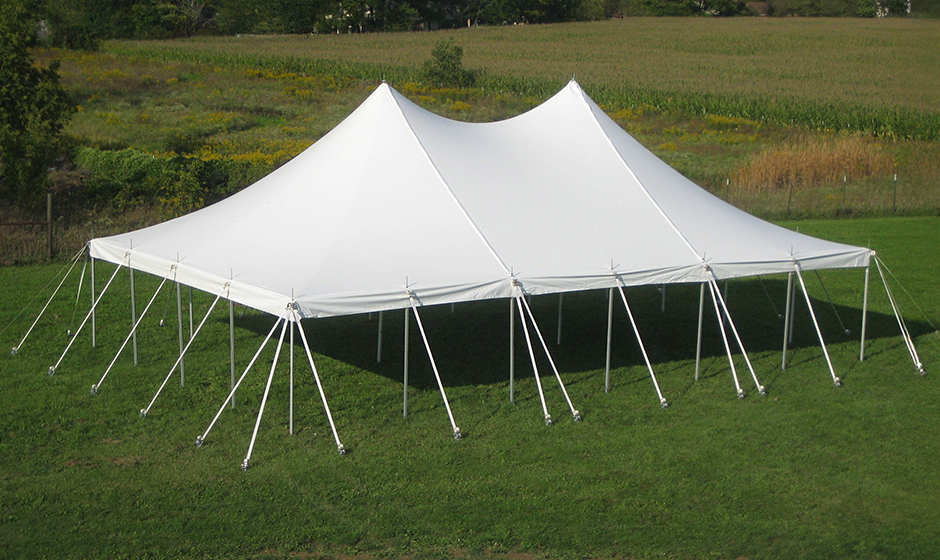
Pole Tent Installation Timeline
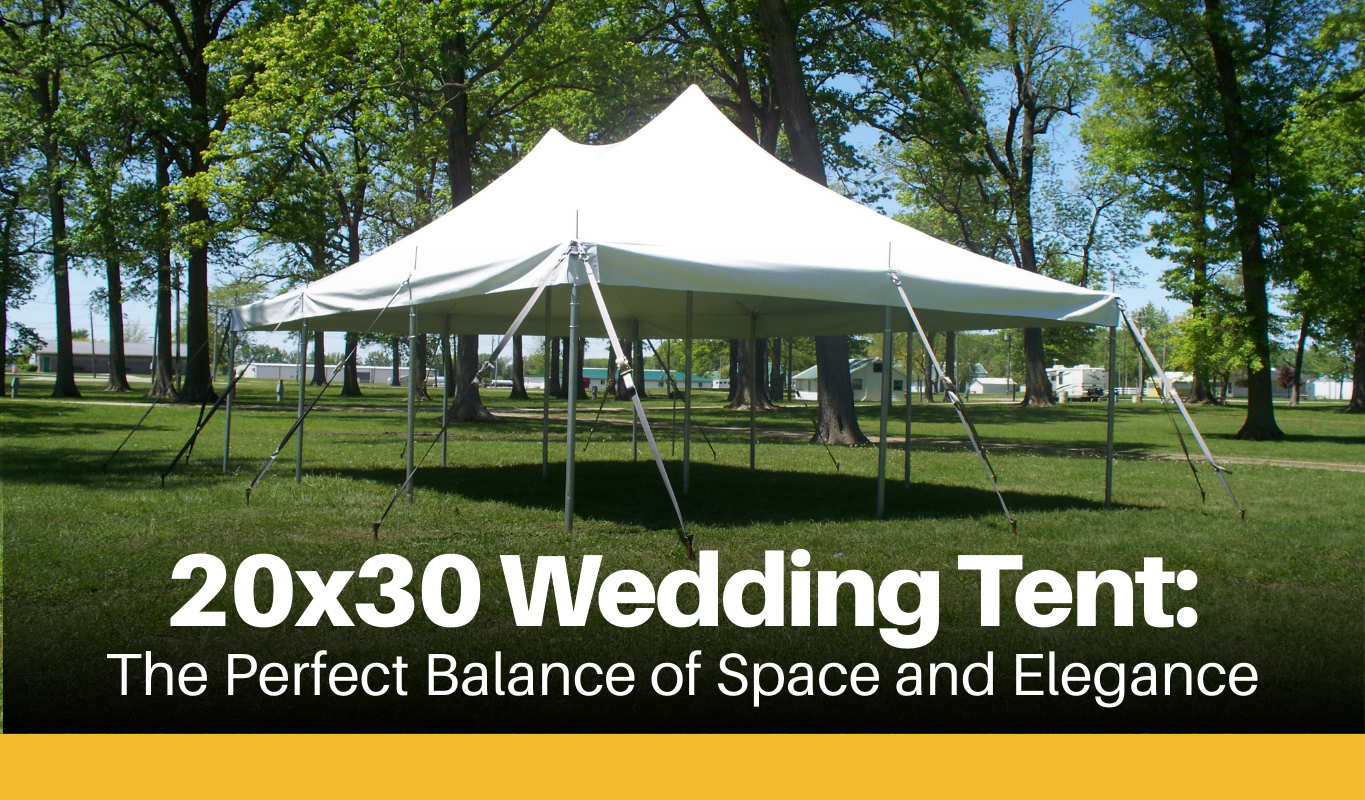
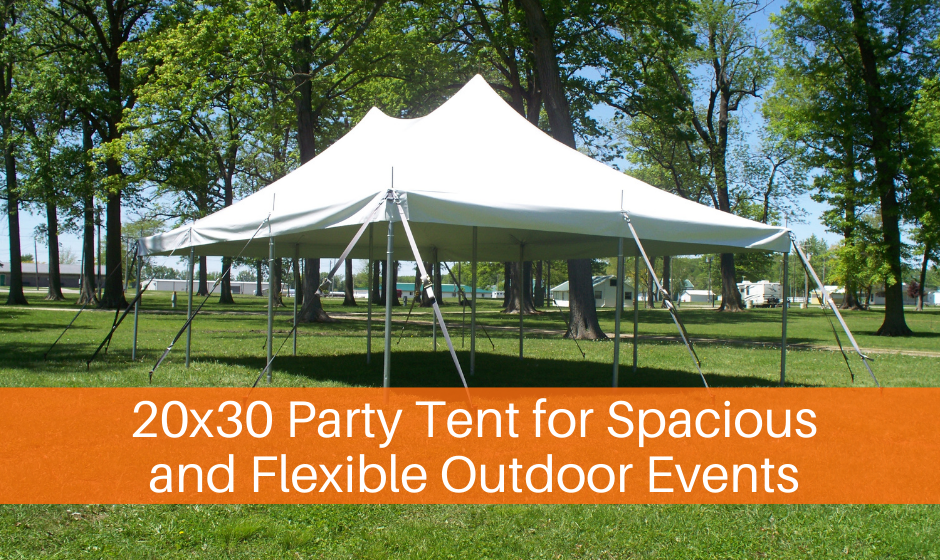
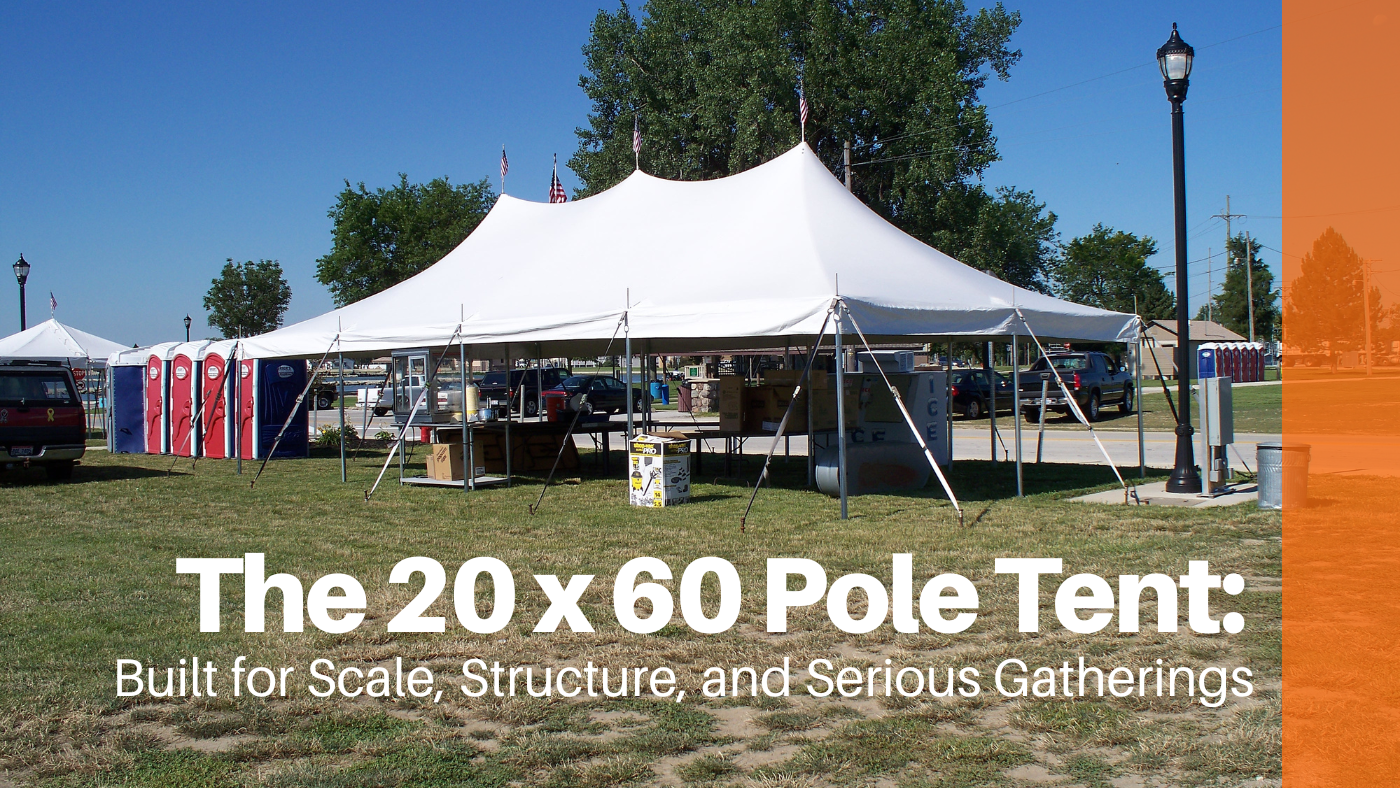
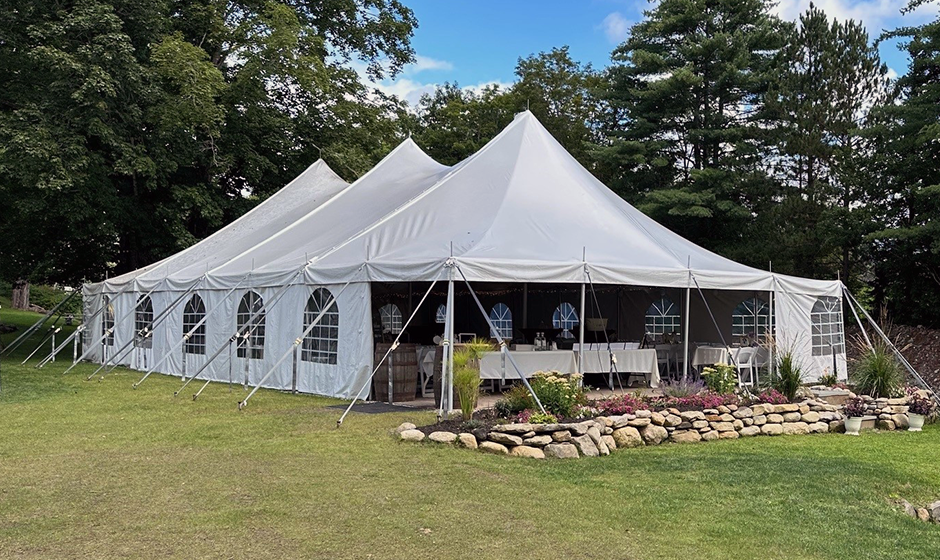
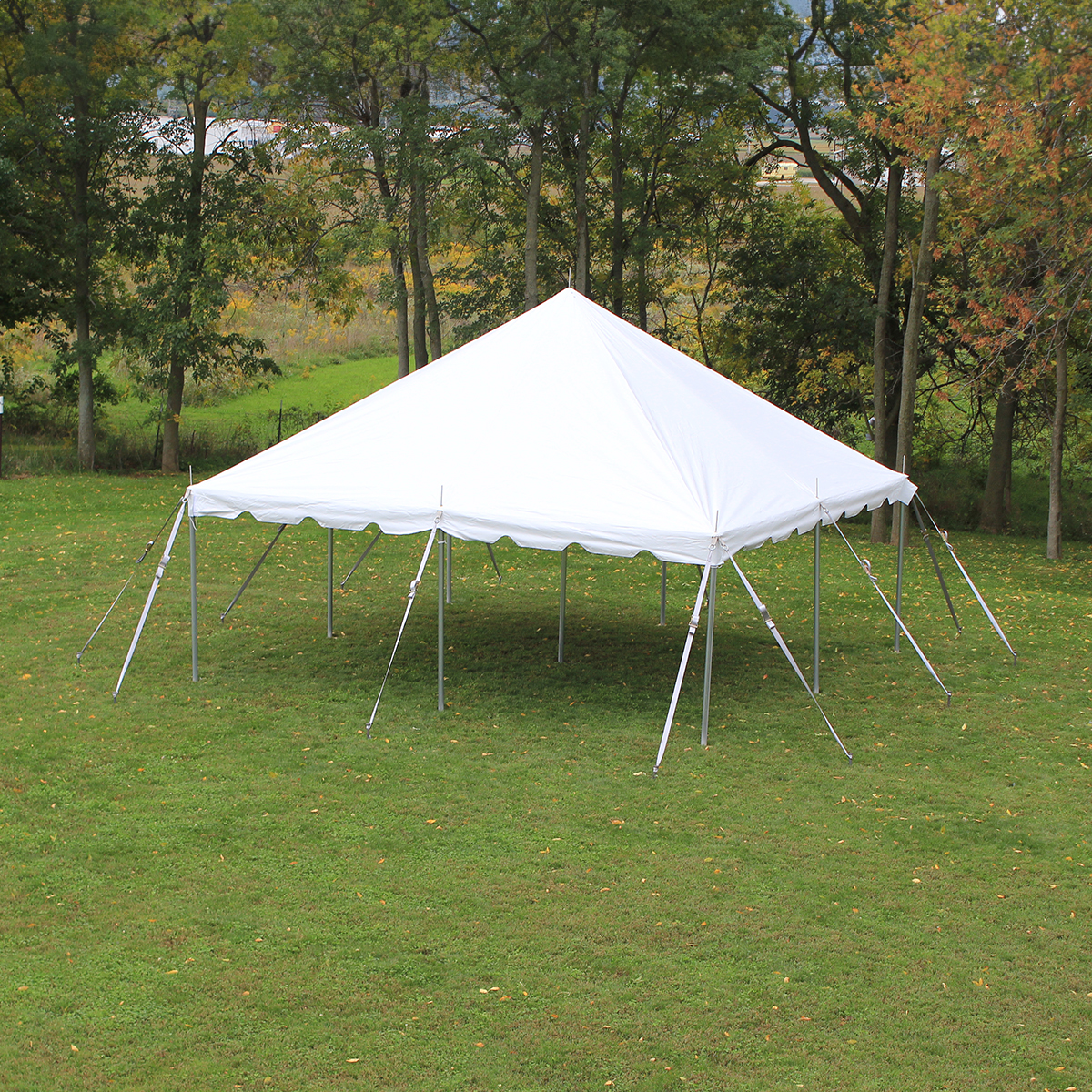
Pole tents operate differently. They rely on fabric tension and central poles to achieve structural shape.
The Lifting and Tensioning Phase
After the top is spread and perimeter stakes are placed loosely, center poles are inserted and raised. The entire structure transitions from flat to peaked within minutes — but proper tensioning afterward determines stability.
Soil condition becomes a major factor here. Soft ground allows faster staking. Hard or rocky ground slows installation considerably.
A 20x20 pole tent setup time typically falls between two and four hours, depending on surface conditions and crew experience.
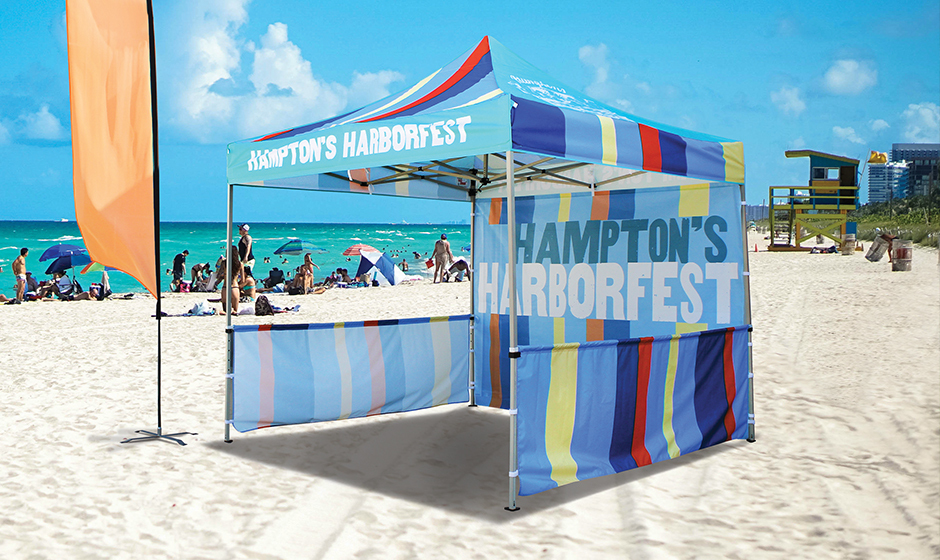
Commercial Pop-Up 20x20 Setup
Commercial-grade pop-up tents are engineered for faster deployment.
Speed vs Structural Depth
A trained crew can deploy a 20x20 pop-up canopy in 30 to 60 minutes. However, anchoring still requires care. Just because the frame expands quickly does not mean the installation is complete.
Pop-up tents are faster — but still demand proper anchoring to ensure safety.
Surface Conditions Change Everything
One of the biggest factors influencing 20x20 tent setup time is the surface on which the tent is installed.
Grass and soil are often the simplest surfaces for anchoring, provided the ground is stable and clear of obstruction. But even grass can become complicated when underground irrigation lines, roots, or uneven grading are involved.
Concrete and asphalt eliminate staking entirely. Instead, ballast systems must be positioned and secured. Ballast adds weight, and weight adds time. Transporting concrete blocks or water barrels across a venue takes labor. Positioning them safely requires coordination.
Uneven surfaces introduce leveling considerations. If the ground slopes even slightly, legs must be adjusted carefully to ensure structural stability.
Surface preparation is rarely discussed in conversations about setup time, but it is often the deciding factor between a smooth install and a delayed one.
Crew Size and Experience
The same 20x20 tent can take dramatically different amounts of time depending on who is installing it.
A two-person crew working cautiously may take nearly three hours to install a frame tent. A four-person crew that works together regularly might complete the same job in under two hours.
Experience reduces hesitation. It reduces rework. It reduces communication delays.
Well-trained crews know exactly when to tighten ratchets, when to lift in sequence, and how to prevent fabric drag during windy conditions.
The tent itself does not determine setup time nearly as much as the people assembling it.
The Hidden Time Factor: Accessories
When people ask about 20x20 tent setup time, they usually imagine only the frame and top. But very few real-world events stop there.
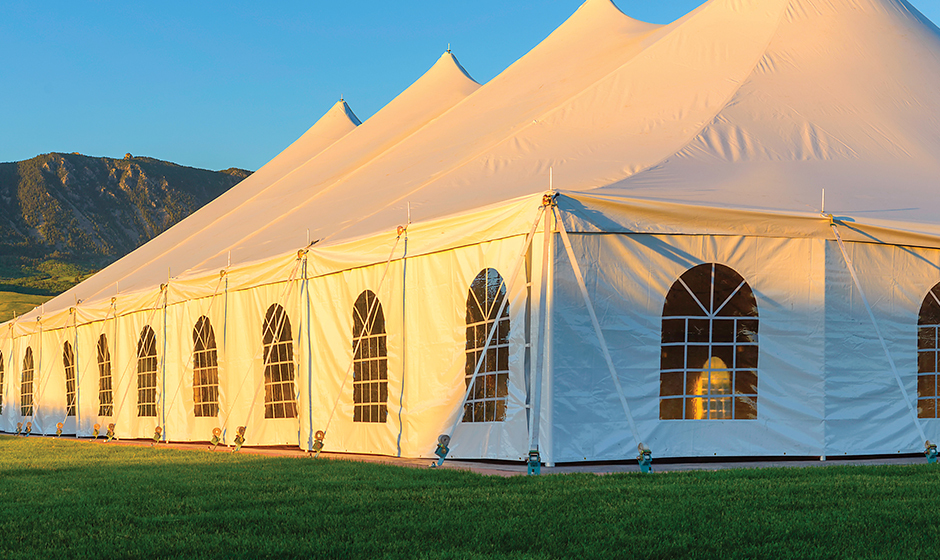
Sidewalls extend installation time because each panel must be aligned and secured properly. Clear vinyl panels require careful handling to avoid creasing.
Lighting installation introduces electrical planning. Cables must be routed safely. Fixtures must be hung securely. Power sources must be accessible.
Flooring systems can double the total setup duration depending on complexity.
The tent might stand within two hours, but the complete event-ready structure may require significantly longer.
Weather and Installation Conditions
Wind changes installation strategy.
Installing a tent top in calm conditions is straightforward. Installing it in gusting wind requires coordination and restraint. Fabric acts like a sail during lifting. Crews must maintain control throughout the process.
Rain slows ground preparation. Heat slows crew endurance.
Weather doesn’t just affect event comfort. It affects installation pace and safety decisions.
Planning installation windows with weather in mind can prevent unnecessary delays.
Why Professional Scheduling Includes Buffer Time
One of the most common operational mistakes is scheduling installation too tightly.
Even when you estimate 20x20 tent setup time accurately, unexpected variables can arise. Equipment access may be blocked. Power may not be available. The surface may require additional preparation.
Experienced planners schedule installations earlier than the absolute minimum required.
Buffer time protects not only the event timeline but also the crew’s ability to work safely and methodically.
Breakdown Time Is Part of the Equation
Teardown is often faster than installation, but it still requires discipline.
Improper breakdown damages fabric. Folding a wet tent improperly reduces lifespan. Tossing hardware loosely into bins creates problems for the next setup.
While breakdown may require less time, it should never require less attention.
A well-managed teardown supports faster installation at the next event.
Long-Term Efficiency Through Systemization
The fastest installations do not happen by accident. They happen because systems are standardized.
When every 20x20 tent uses the same hardware, ratchets, and anchoring method, crews build muscle memory. When hardware is organized consistently, nothing is searched for mid-install.
Predictability reduces setup time naturally.
Professional rental operations treat setup time as an operational metric. They refine it through repetition and standardization rather than rushing.
Realistic Planning for Your Event
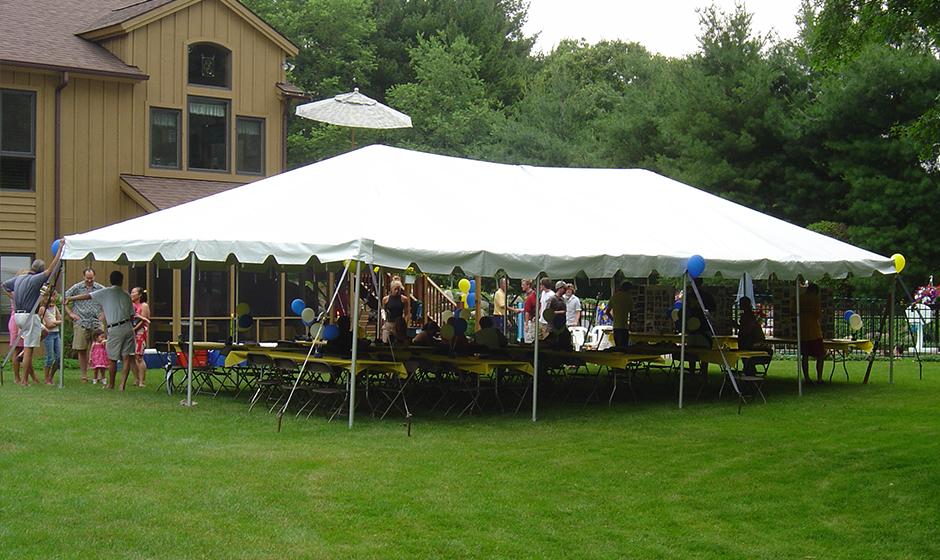
If you are planning an event using a 20x20 tent, assume at least two to three hours for installation of a commercial-grade structure, and add additional time for accessories.
If the event includes lighting, flooring, or decorative installations, plan for extended preparation.
If the event is critical — such as a wedding or corporate launch — install the tent the day before whenever possible.
Time is rarely lost because the tent is complicated. It is lost because the installation was underestimated.
Need Help Planning Your 20x20 Tent Installation?
Our team can help you select the right structure, anchoring method, and accessories to ensure a safe, efficient setup.
Contact UsProfessional Guidance | Fast Response | Reliable Systems
FAQ
How long does it realistically take to set up a 20x20 tent?
For a commercial-grade frame or pole tent, expect between two and three hours under normal conditions with an experienced crew. Pop-up canopies install faster, but full event-ready setups require additional time.
Does adding sidewalls significantly increase setup time?
Yes. Sidewalls add measurable installation time because each panel must be secured properly. Full enclosure also changes anchoring and wind considerations.
Is it safe to set up a 20x20 tent in windy conditions?
It can be, but extra caution is required. Wind slows installation and increases the need for proper anchoring procedures.
Can two people set up a 20x20 tent?
Yes, but installation will take longer than with a larger crew. Additional hands improve lifting control and overall efficiency.
Why does setup time vary so much?
Surface conditions, structure type, accessories, crew experience, and weather all influence setup time. It’s not just about size — it’s about environment and preparation.