



20x30 Frame Tent for Flexible Event Layouts and Rental Use
The 20x30 frame tent is often selected when events need more room than a square footprint provides, but still require control, structure, and efficiency. It offers a longer interior layout than a 20x20 while maintaining the same open, pole-free design that makes frame tent systems so practical in commercial environments. That extra length gives planners more freedom to shape the space without increasing installation complexity.
For rental companies, this size fills an important middle ground. It supports a wider range of layouts without pushing into oversized or high-complexity installs that require additional labor or equipment. For planners and end users, it creates a space that feels intentional and organized rather than improvised. The tent is large enough to handle real event needs but still compact enough to fit comfortably on many sites.
Because it sits between smaller square tents and larger sectional structures, the 20x30 format is frequently recommended when building balanced inventory or planning mid-sized events that need professional polish.
What Defines a 20x30 Frame Tent
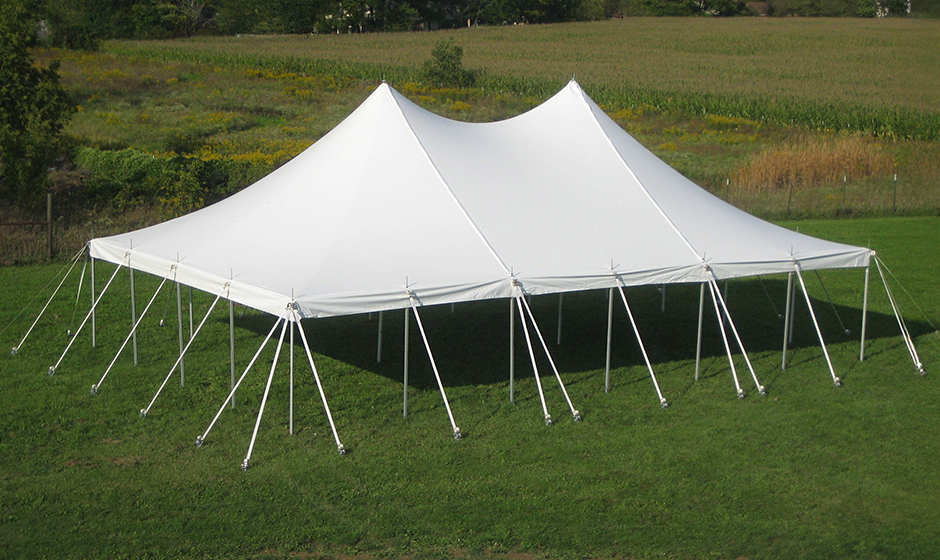
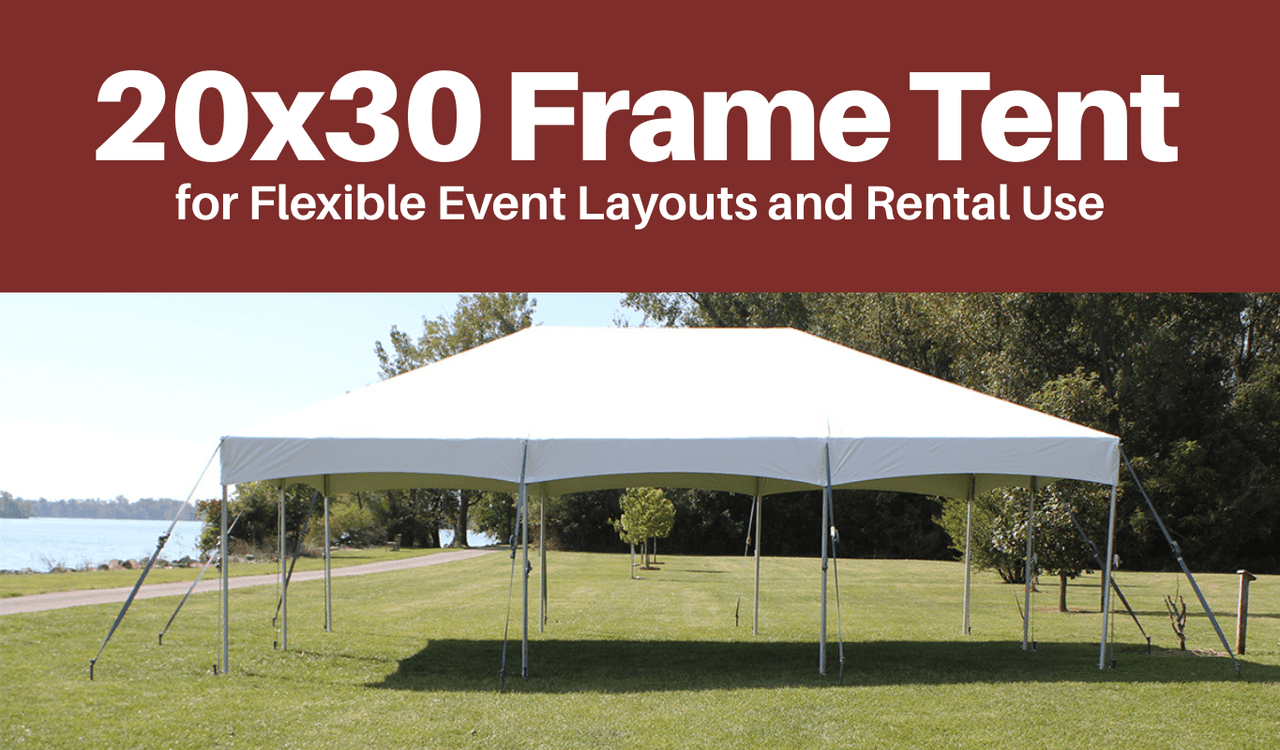
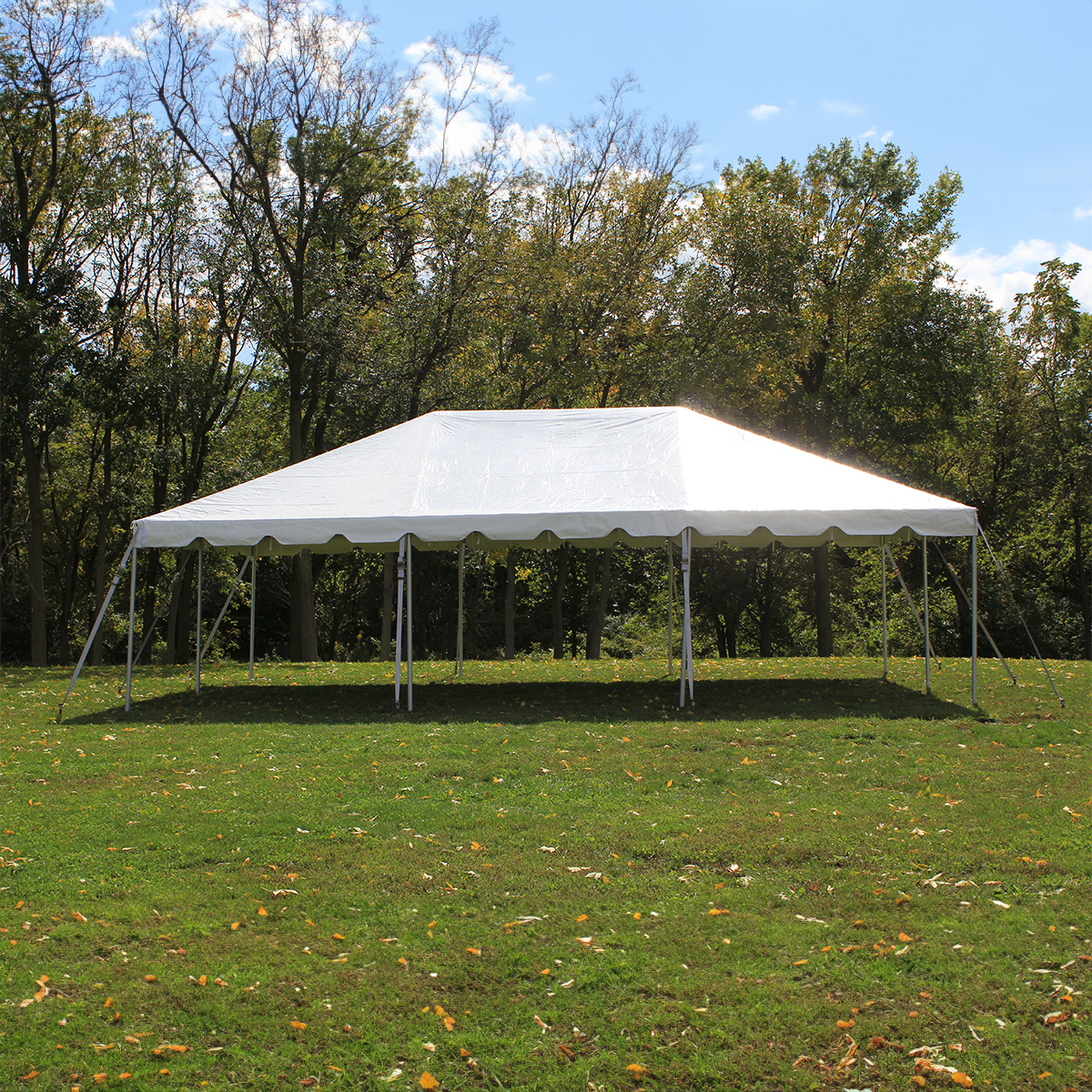
A frame tent is supported by a rigid metal framework rather than center poles. In a 20x30 frame tent, that structure allows the entire interior footprint to remain usable from edge to edge. Nothing interrupts the space, which is one of the biggest reasons this style is favored for professional events and commercial rental operations.
The rectangular layout naturally guides how the space is used. Seating, service areas, bars, or activity zones can be arranged along the length of the tent in a logical sequence. This helps create a clear flow from entrance to exit and reduces crowding, especially when paired with smart event layout planning.
Why the 20x30 Footprint Adds Function
At approximately 600 square feet, the 20x30 frame tent offers a noticeable increase in usable space compared to smaller options. That added length often makes the difference between a layout that feels compressed and one that feels comfortable and intentional. Guests have more room to move, and furnishings can be spaced properly without sacrificing circulation.
The rectangular shape allows planners to separate functions more easily. Dining can be placed on one end, while a bar, buffet, or presentation area occupies the other. Walkways stay clear, and service staff can move efficiently without crossing through guest seating. This functional flexibility is one reason many planners choose medium-sized event tents like the 20x30 for professional gatherings.
Common Uses for a 20x30 Frame Tent
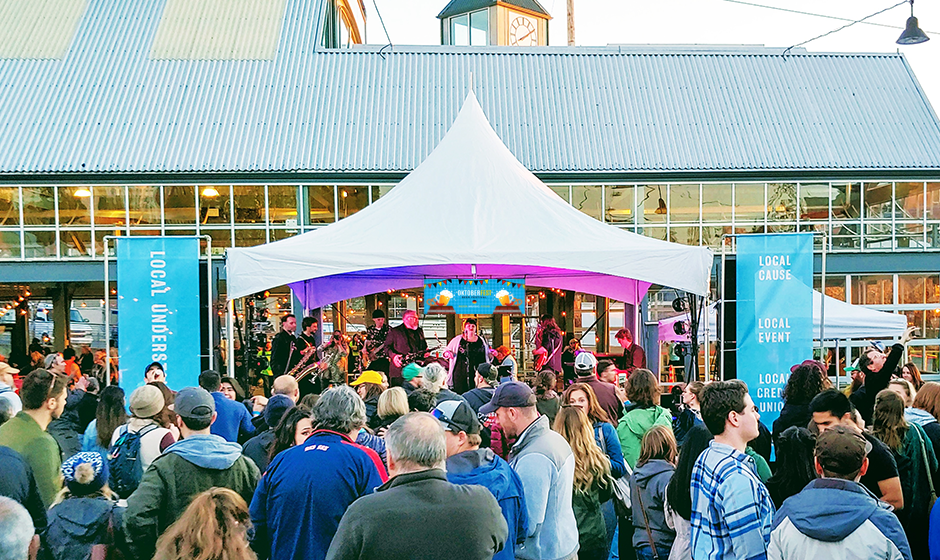
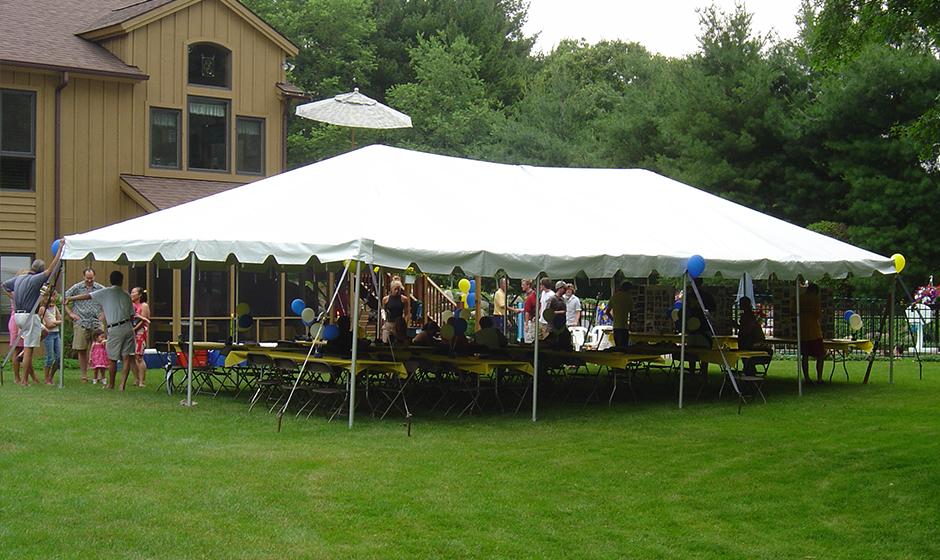
The 20x30 frame tent is commonly used for small to medium receptions, cocktail events, vendor setups, dining areas, and event support spaces. It works well for events that need structure but do not require a large-format tent or sectional expansion.
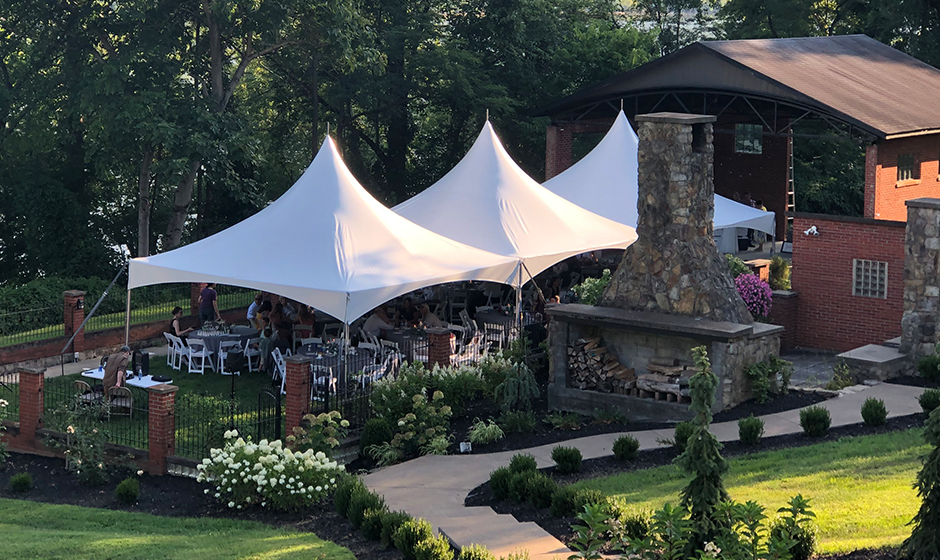
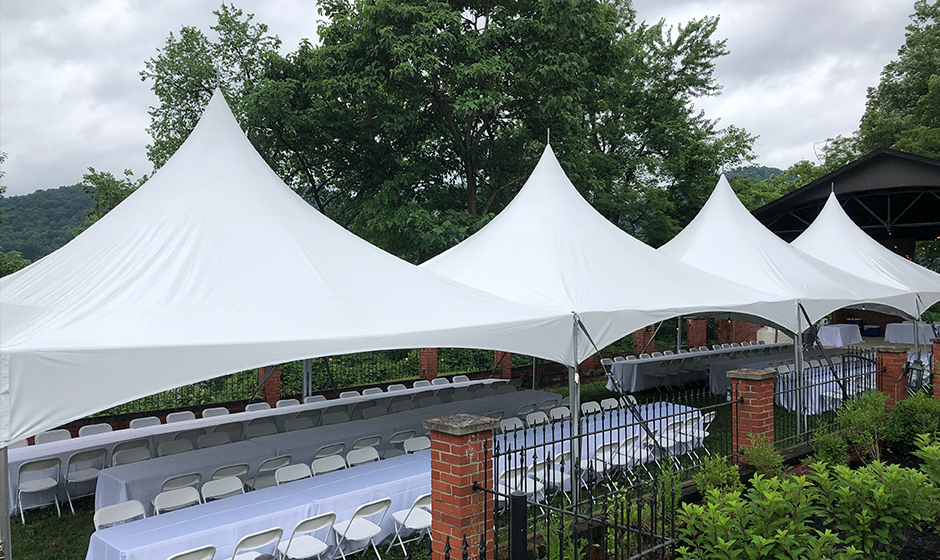
This size also performs well as a primary tent for intimate gatherings or as a secondary structure connected to a larger setup. In many layouts, it pairs naturally with wedding tent arrangements or acts as a bar, lounge, or catering tent alongside a main structure.
In rental inventories, it is often booked for events that need more than a square tent but do not justify moving up to a much larger footprint. Its adaptability across private, corporate, and municipal uses makes it a reliable choice season after season.
Surface Versatility and Installation Options
One of the strongest advantages of a frame tent is surface flexibility. A 20x30 frame tent can be installed on grass, concrete, asphalt, decking, or mixed surfaces without compromising stability. This opens up venues that would not work with pole-supported designs.
Anchoring methods can be adapted to match site conditions, whether using stakes in soil or weighted systems on hard surfaces. Proper use of tent anchoring solutions ensures safety and compliance across different environments. This flexibility makes the tent suitable for patios, courtyards, urban spaces, and venues with underground restrictions.
Open Interior and Layout Control
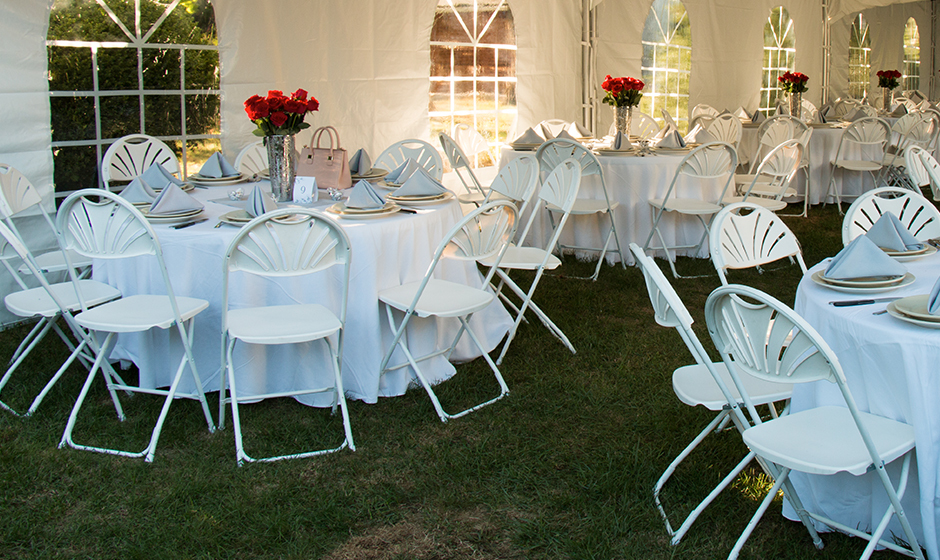
Because there are no center poles, the interior of a 20x30 frame tent can be arranged with precision. Tables, bars, stages, displays, or equipment can be placed exactly where needed without compromise or awkward spacing.
This is especially valuable for events that require clear sightlines or efficient service flow. Staff can move freely, and guests can navigate the space without bottlenecks. When paired with thoughtful spacing and accessories, the open interior contributes to a polished, professional experience.
Visual Profile and Event Presentation
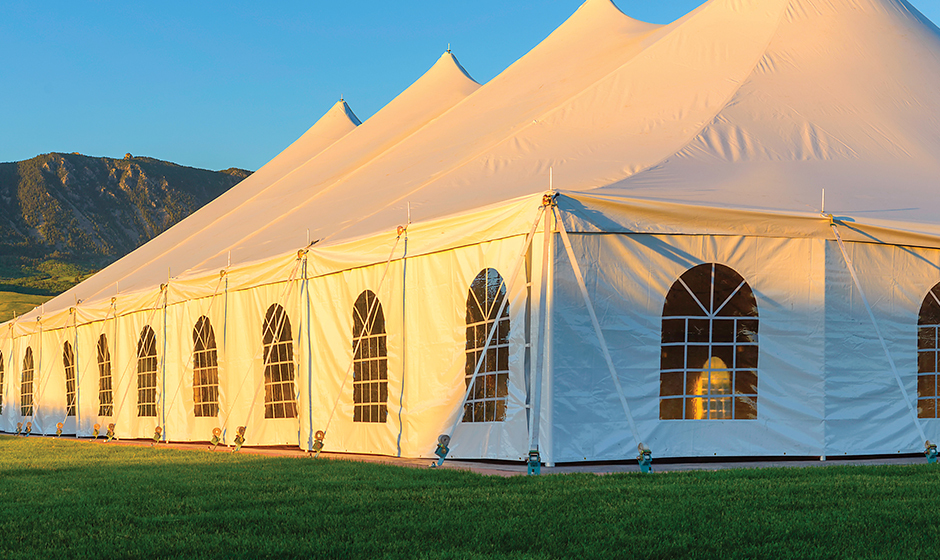
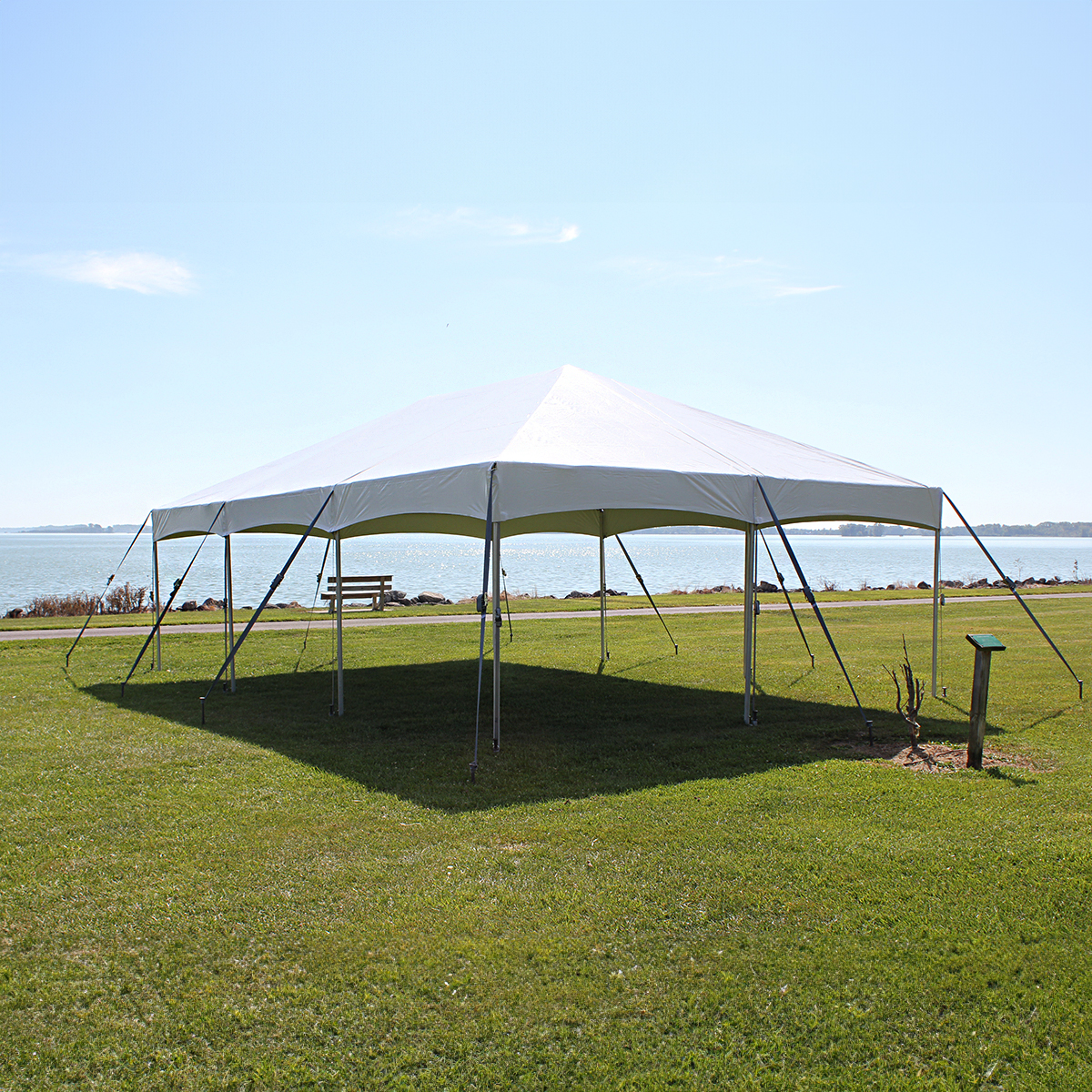
Frame tents are known for their clean, structured appearance. The straight lines and uniform canopy create a neutral backdrop that works with a wide range of event styles and branding. Décor, lighting, and signage stand out clearly against this consistent structure.
In a 20x30 size, the tent feels balanced and proportional. It does not overwhelm the site, but it also does not feel temporary or undersized. This makes it suitable for both casual gatherings and more refined events where presentation matters.
Weather Coverage and Adaptability
A 20x30 frame tent provides reliable protection from sun and light weather conditions. The rigid frame helps maintain proper canopy tension, which improves stability and keeps the tent looking clean throughout the event.
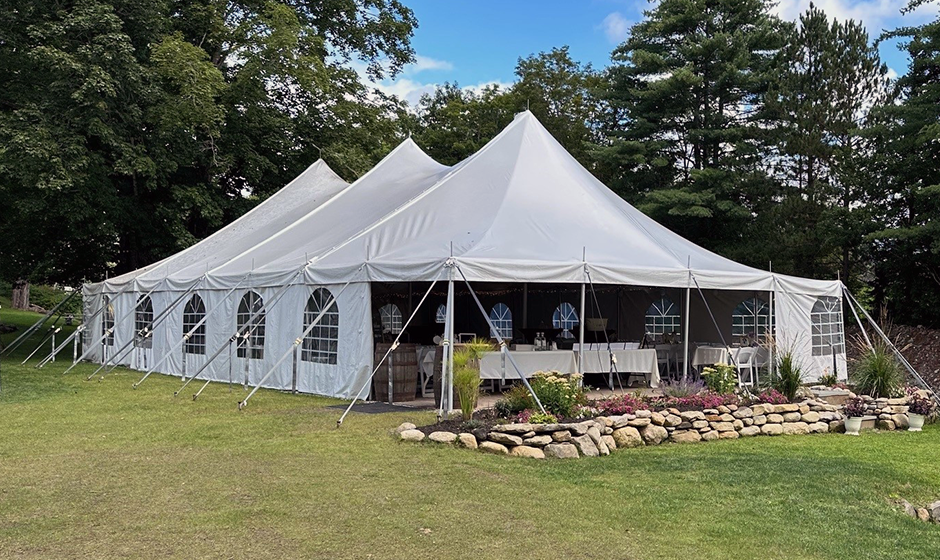
Sidewalls can be added to manage wind, temperature, or privacy. Clear panels preserve visibility and natural light, while solid panels offer protection when conditions change. Choosing the right tent sidewall options allows this size to remain usable across seasons.
Sidewalls and Accessories That Extend Use
Sidewalls significantly expand the functionality of a 20x30 frame tent. They allow the space to transition from open-air to enclosed without changing the base structure, which is ideal when weather forecasts are uncertain.
Additional accessories such as lighting, flooring, liners, and climate control integrate smoothly with frame systems. Products from the event supplies collection can be added without interfering with layout or guest movement, making customization straightforward.
Using the 20x30 Frame Tent in Multi-Tent Layouts
The 20x30 frame tent is often used as part of a larger tented environment. It can serve as a dining area, bar space, lounge, registration area, or service zone connected to a main tent.
Its standardized dimensions make alignment with other frame tents simple. This modular approach allows planners to expand or adjust the footprint without redesigning the entire layout, supporting smarter inventory planning strategies.
Transport, Storage, and Handling Considerations
From an operational standpoint, the 20x30 frame tent is efficient to manage. Components are sized for professional handling and repeated use, which helps reduce setup time and labor strain.
With proper folding, storage, and transport practices, the tent maintains fabric quality and structural integrity. Many rental companies follow a consistent pre-season checklist to ensure dependable performance year after year.
Why Rental Companies Rely on the 20x30 Frame Tent
Rental companies value equipment that balances demand, flexibility, and ease of use. The 20x30 frame tent consistently meets those needs. It is large enough to support a wide range of events while remaining manageable for standard crews.
Its predictable installation process and adaptability to different sites make it a reliable option. This consistency is why many fleets rely on this size as a core offering rather than a specialty item.
Cost Efficiency and Long-Term Value
While larger tents may command higher single-event fees, the 20x30 frame tent often delivers strong long-term value through steady demand and efficient operation. It books frequently and fits a wide range of budgets.
By serving mid-sized events without the overhead of larger structures, this size supports dependable returns and simplifies growth planning. Many operators find it complements both smaller square tents and larger sectional systems within a balanced inventory.
When a 20x30 Frame Tent Is the Right Choice
A 20x30 frame tent is the right choice when events need open interior space, surface flexibility, and a layout that supports clear movement and organization. It performs especially well in professional settings where reliability and presentation matter more than novelty.
CELINA frame tents are engineered with durable materials and standardized components to support consistent performance across events and seasons. For planners and rental providers alike, the 20x30 size remains a practical, dependable solution.
Plan Smarter With a Proven Frame Tent Size
Choose frame tent sizes that deliver consistent bookings, clean layouts, and operational efficiency across events.
Request a Quote or Get StartedFinancing Available via Installment Plans
FAQ
How many people fit under a 20x30 frame tent?
A 20x30 frame tent can accommodate small to medium-sized groups depending on the event layout. Seated dining requires more square footage per guest to allow for tables and aisles, while standing or cocktail-style events allow for higher capacity. Proper layout planning ensures comfort, safety, and smooth movement throughout the tent. Many planners reference occupancy guidelines when pairing this size with party tent layouts. The flexibility of the open interior makes capacity easier to adjust.
Can a 20x30 frame tent be installed on hard surfaces?
Yes, frame tents are well suited for installation on concrete, asphalt, or other hard surfaces using approved ballast systems. This allows the 20x30 size to be used in urban venues, courtyards, and paved event spaces. Proper weighting is essential to meet safety requirements and local regulations. Using professional anchoring guidelines helps ensure stability in varying conditions. This surface flexibility is one of the biggest advantages of frame tents.
What makes a 20x30 frame tent different from a 20x20?
The primary difference is the added length, which provides more layout flexibility and improved traffic flow. A 20x30 allows planners to separate functions more clearly without significantly increasing installation complexity. This extra space often results in a more organized and comfortable event experience. For many events, it bridges the gap between compact tents and larger structures. It is a common upgrade when a square footprint feels restrictive.
Can sidewalls be added to a 20x30 frame tent?
Yes, sidewalls can be added or removed as needed to control weather, temperature, or privacy. Options include solid, clear, or windowed panels depending on the event’s needs. Sidewalls allow the tent to adapt quickly to changing conditions without altering the base structure. This versatility makes the tent suitable for multi-season use. Compatible enclosures are part of the broader tent accessories lineup.
Is a 20x30 frame tent a good rental investment?
Yes, the 20x30 frame tent balances flexibility, usability, and consistent demand, making it a strong addition to professional rental inventories. It serves a wide range of event types without requiring specialized equipment or oversized crews. Its frequent bookings help offset ownership costs over time. Many rental companies rely on this size as a dependable revenue generator. When paired with proper care and planning, it delivers long-term value.