




20x30 Wedding Tent: The Perfect Balance of Space and Elegance
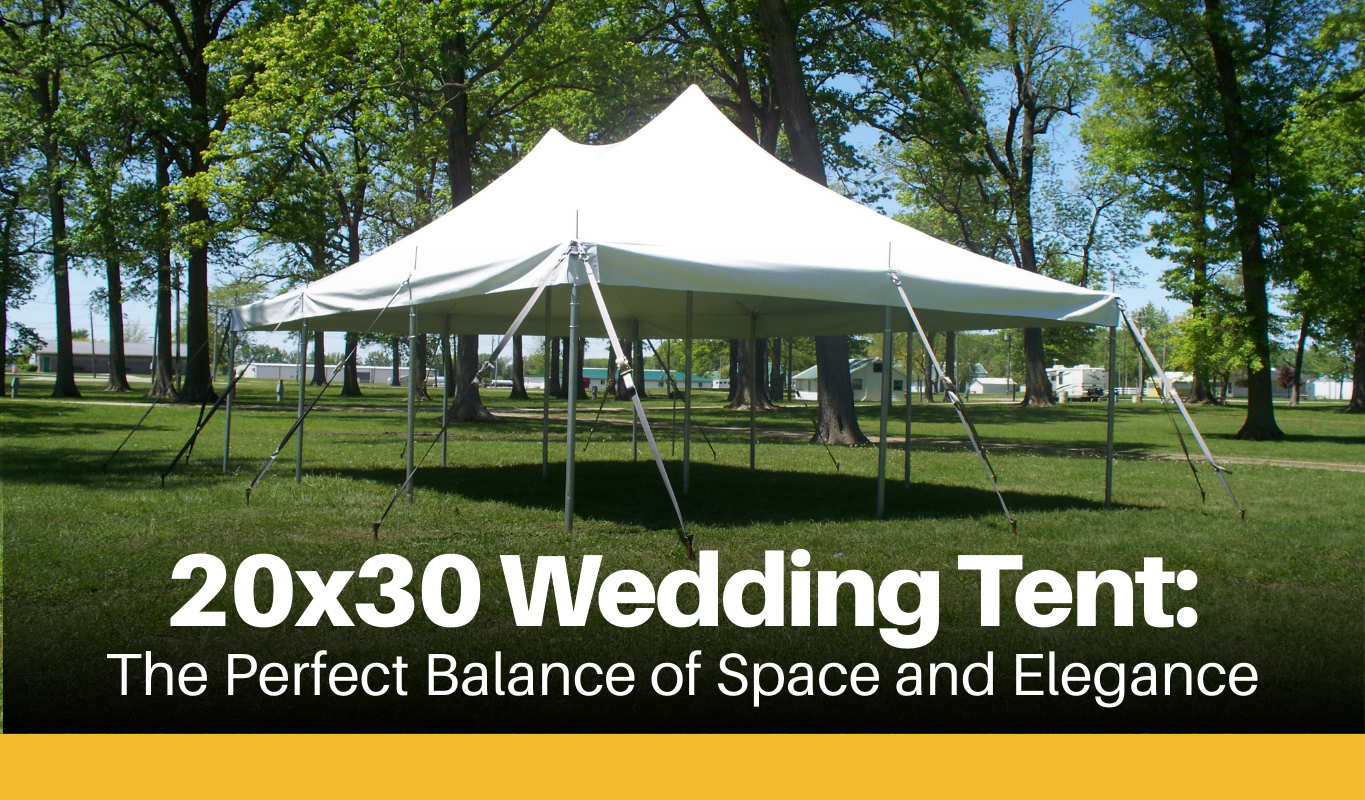
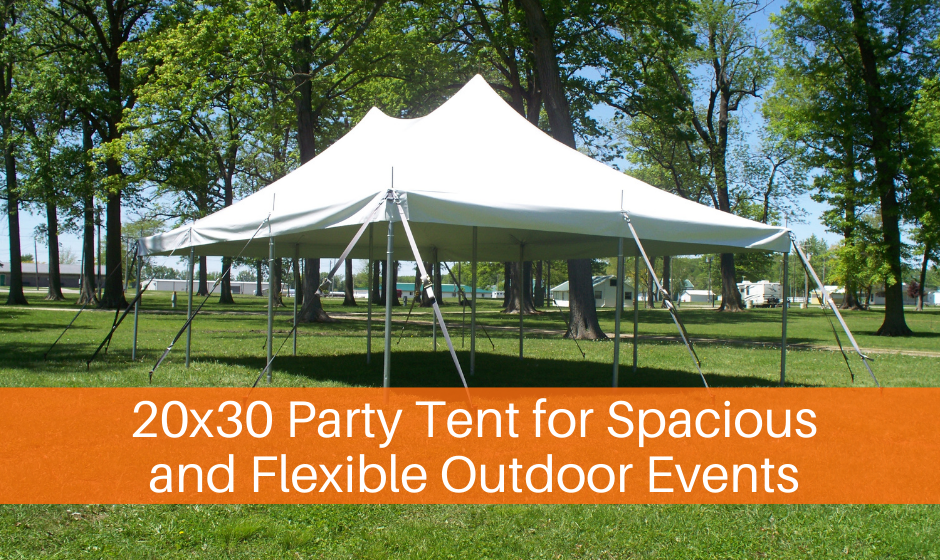
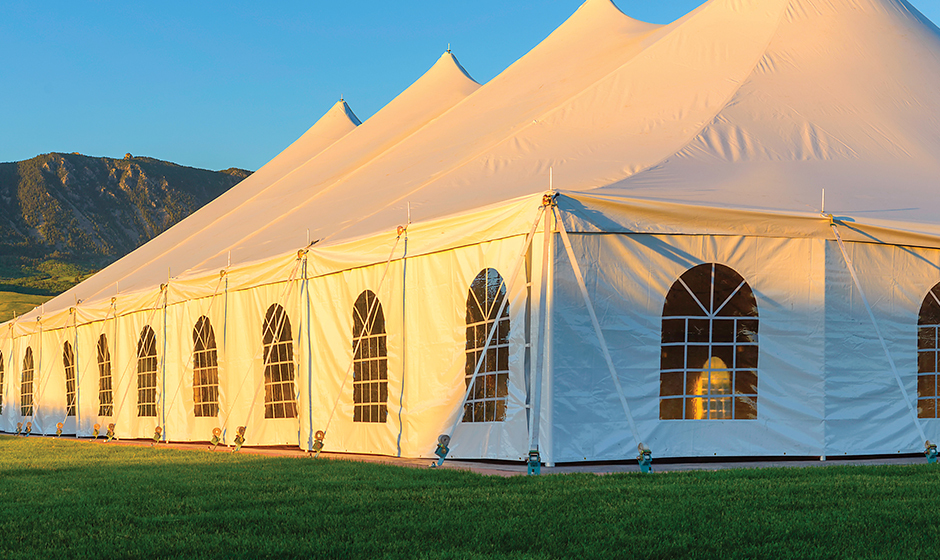
A 20x30 wedding tent represents one of the most practical and visually balanced tent sizes available for outdoor celebrations. It provides 600 square feet of usable event space — enough to host a meaningful gathering without overwhelming the setting or the budget.
For couples planning backyard weddings, vineyard receptions, lakeside ceremonies, estate events, or garden celebrations, this size delivers something larger tents sometimes lose: intimacy with intention. Many planners begin their search by exploring standardized tent size options while comparing different wedding tent solutions for outdoor celebrations. Understanding how different layouts influence the event atmosphere is often the first step toward choosing the right structure.
Choosing the right wedding tent is not just about fitting tables under fabric. It is about understanding how space influences atmosphere. Too small and guests feel crowded. Too large and the celebration feels disconnected. A 20x30 wedding tent often strikes the ideal middle ground.
It creates structure without overpowering the property. It frames the event rather than dominating it. And when thoughtfully designed, it transforms ordinary outdoor space into a curated venue experience.
Understanding What 600 Square Feet Actually Means
Six hundred square feet sounds abstract until you visualize it.
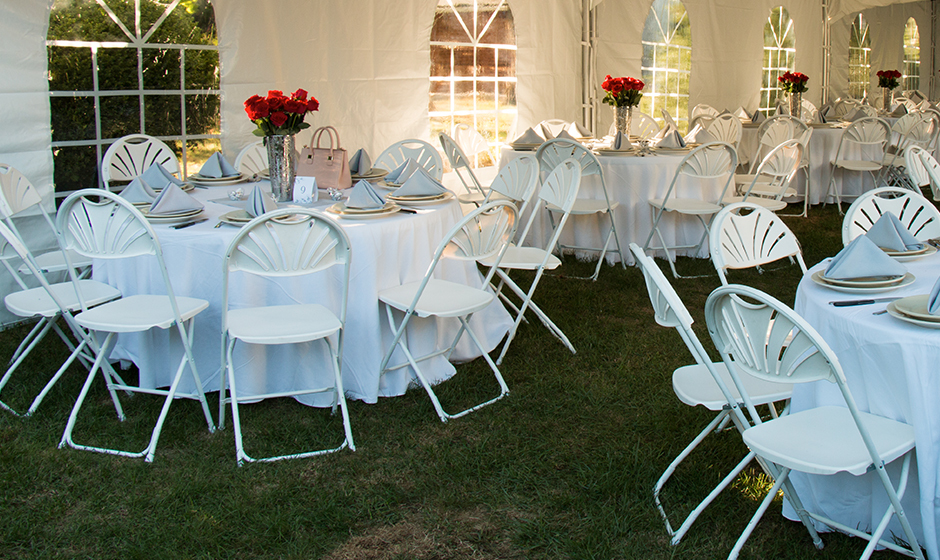
A 20x30 footprint allows flexible seating layouts while still leaving room for circulation, décor elements, and entertainment. For a seated dinner reception, couples typically host between 40 and 60 guests comfortably using round tables. With banquet-style seating, that number can stretch slightly higher while maintaining walkways for servers and guests.
The key is not just capacity — it is breathing room. In wedding planning, circulation space is often underestimated. Guests need to move between tables, approach the bar, greet one another, and access the dance floor without bottlenecks.
In a 20x30 wedding tent, the proportions feel intentional. There is enough width to prevent crowding and enough depth to layer experiences — dining toward the rear, a sweetheart table centered visually, and an open space near the entrance for cocktail interaction.
It is compact enough to feel connected yet large enough to feel significant.
Typical Layout Possibilities
| Layout Type | Estimated Guest Capacity | Best Use Case |
|---|---|---|
| Round Table Dinner | 40–60 Guests | Traditional seated reception |
| Banquet Seating | 50–70 Guests | Family-style dinners |
| Cocktail Reception | 60–75 Guests | Standing reception or networking events |
Why This Size Works So Well for Backyard Weddings
Backyard weddings have grown in popularity because they offer personalization and cost control. But residential properties rarely accommodate massive structures without overwhelming landscaping or obstructing natural views.
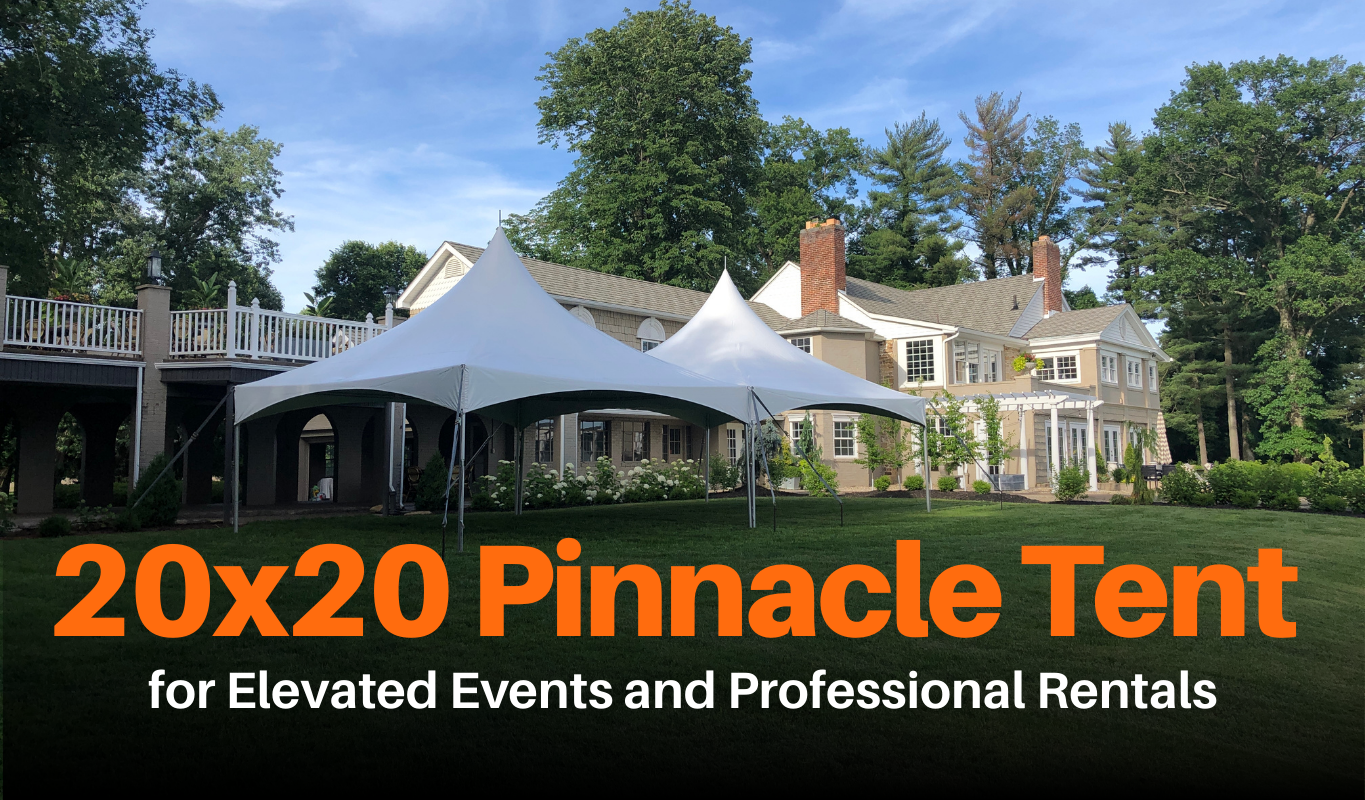
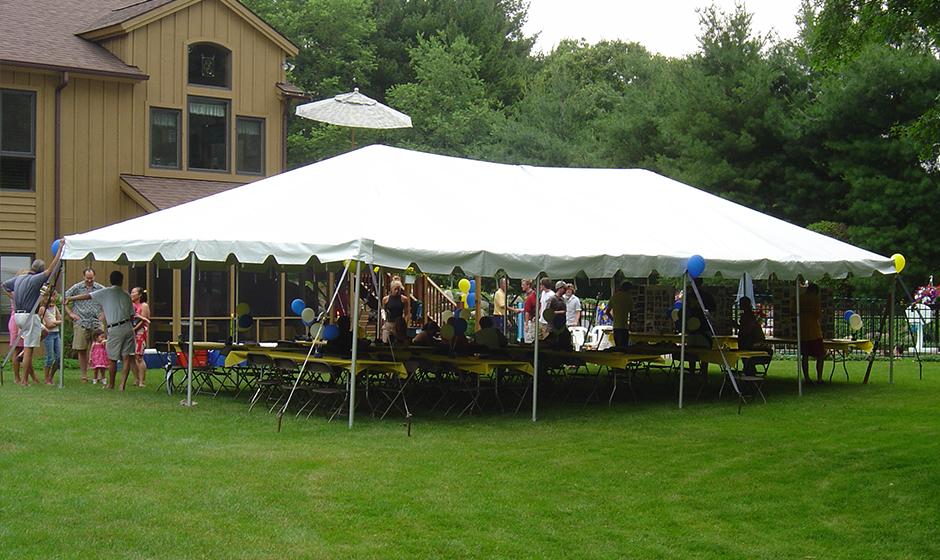
A 20x30 wedding tent integrates smoothly into most backyard footprints. It can fit within common lawn dimensions without requiring extensive site preparation or removing mature trees and garden features.
This size also allows homeowners to maintain some of the yard’s natural charm around the perimeter. Guests still see the property. They still experience the environment. The tent enhances the setting rather than swallowing it.
For couples who want the emotional comfort of home paired with the sophistication of a formal reception, the 20x30 footprint offers a refined compromise. Many planners compare this size with other mid-sized event structures discussed in guides such as this detailed breakdown of medium event tent layouts, which highlights how thoughtful sizing improves both guest comfort and event flow.
Frame vs Pole: How Structure Changes the Experience
The structural choice within a 20x30 wedding tent affects both layout and aesthetics in meaningful ways.
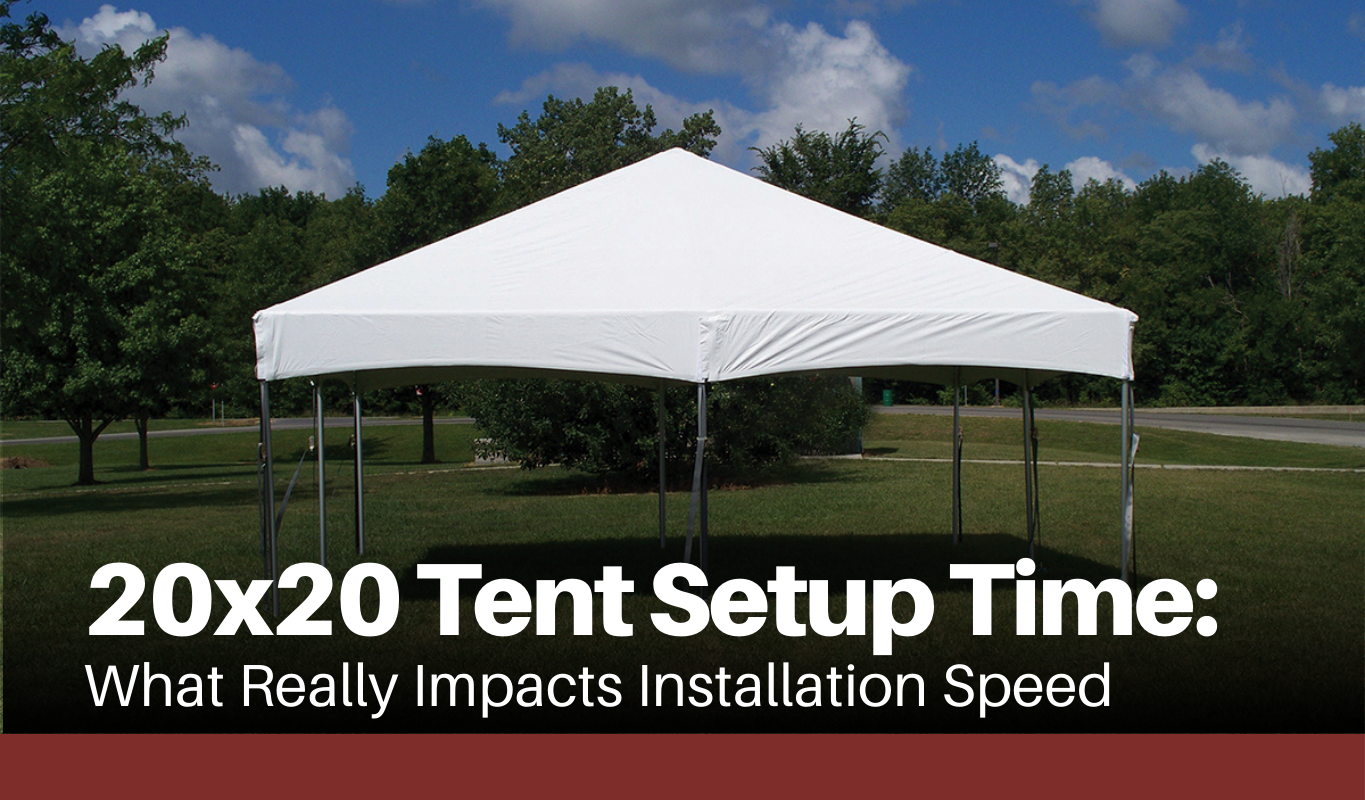
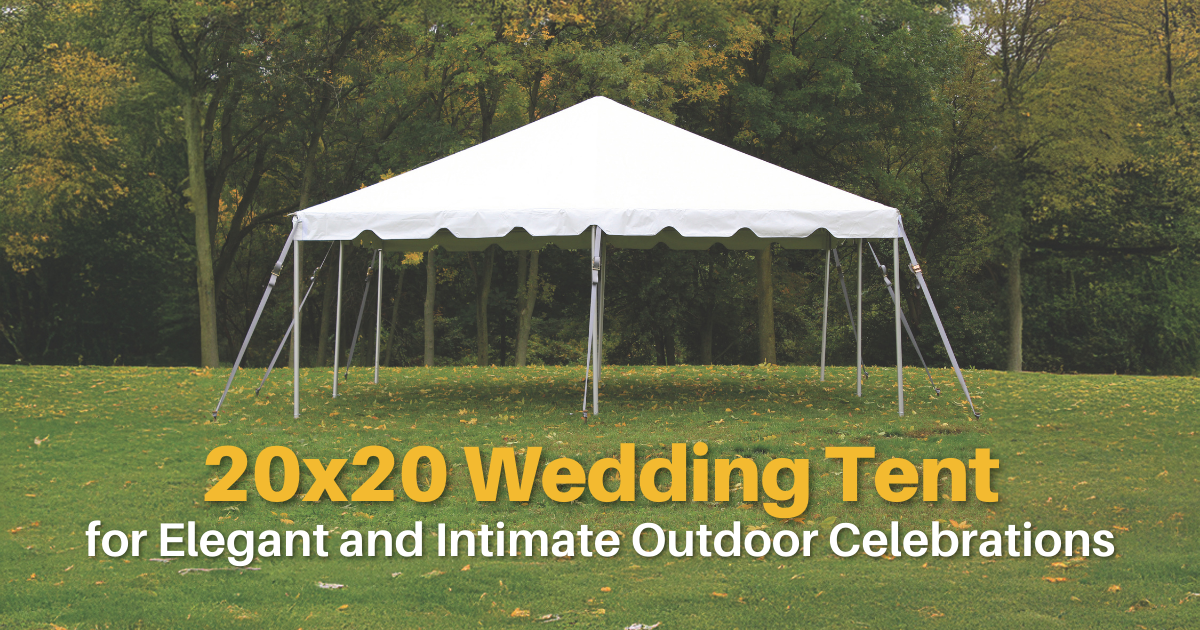
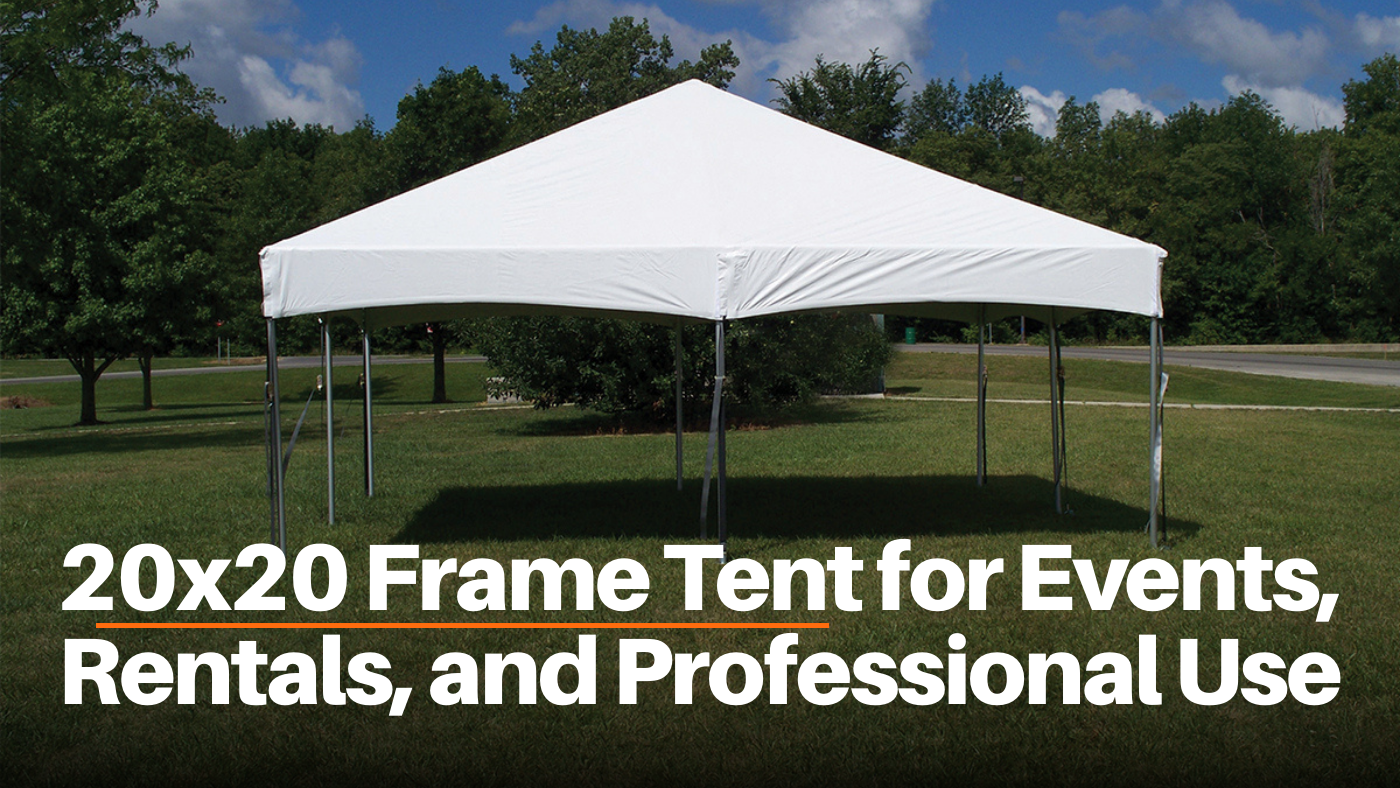
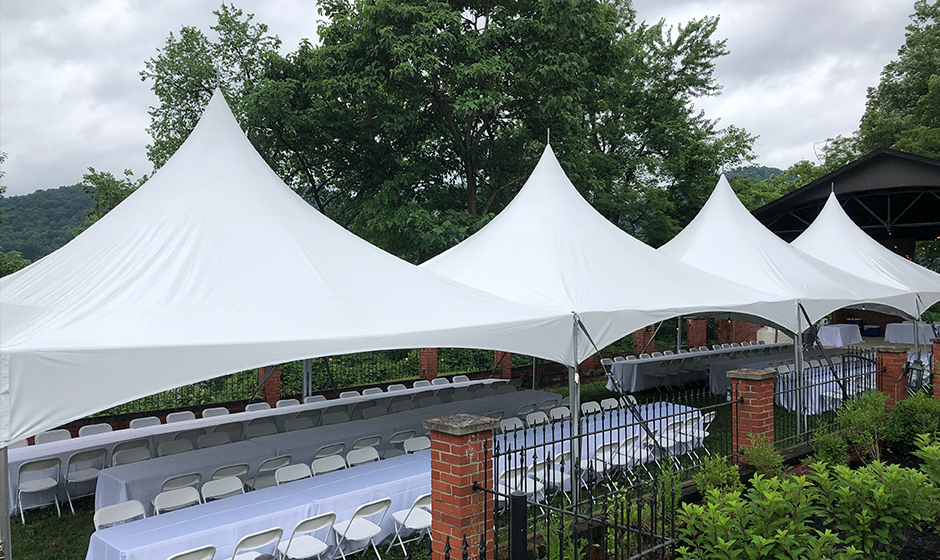
A frame tent system provides a completely unobstructed interior. There are no center poles to navigate around, which allows maximum layout flexibility. This becomes especially important if a dance floor is planned or if long banquet tables are being used. Every inch of the 600 square feet becomes usable.
Frame tents also adapt well to surfaces beyond grass. If the event is being hosted on pavers, asphalt, or concrete, frame systems can be secured using ballast systems without penetrating the ground. Many planners evaluate these structural differences in depth when comparing frame tent vs pole tent designs.
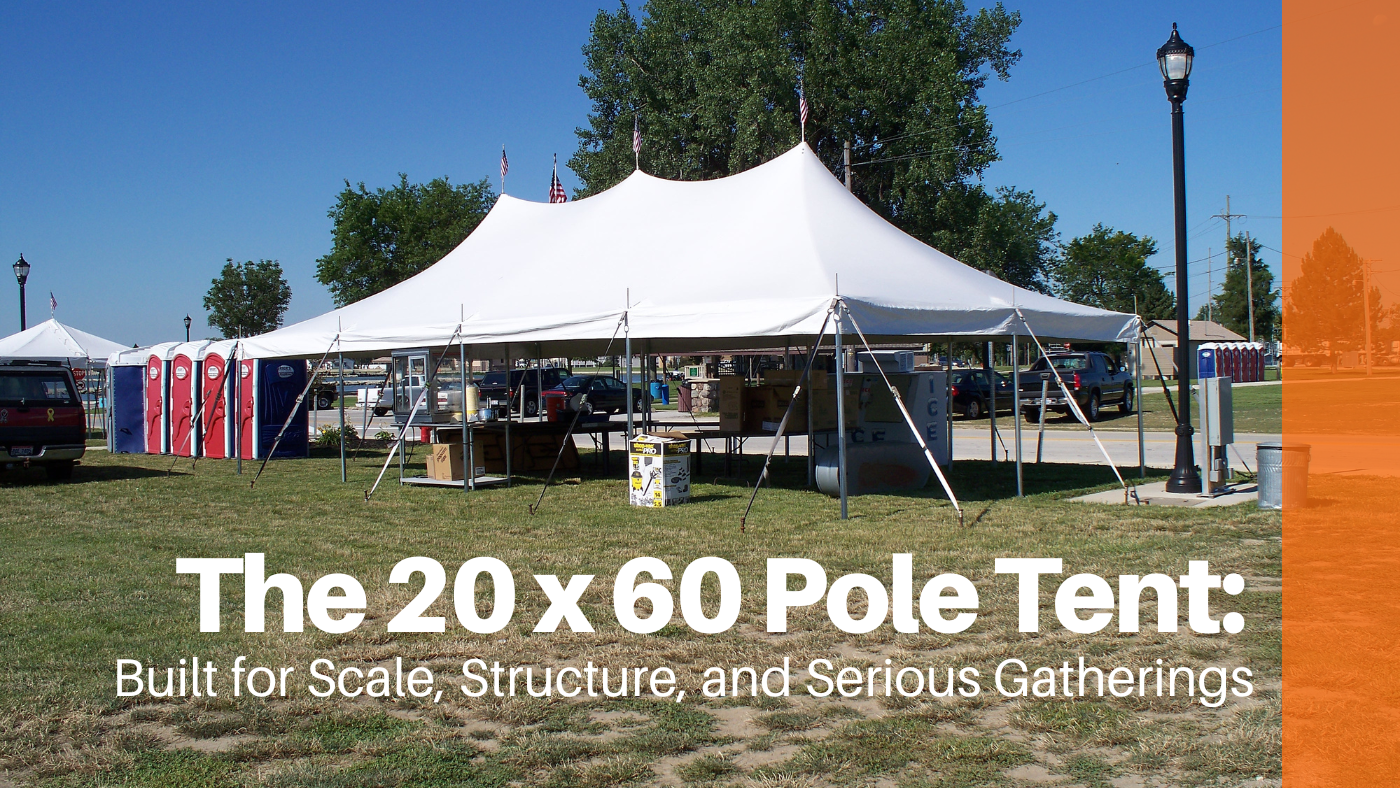
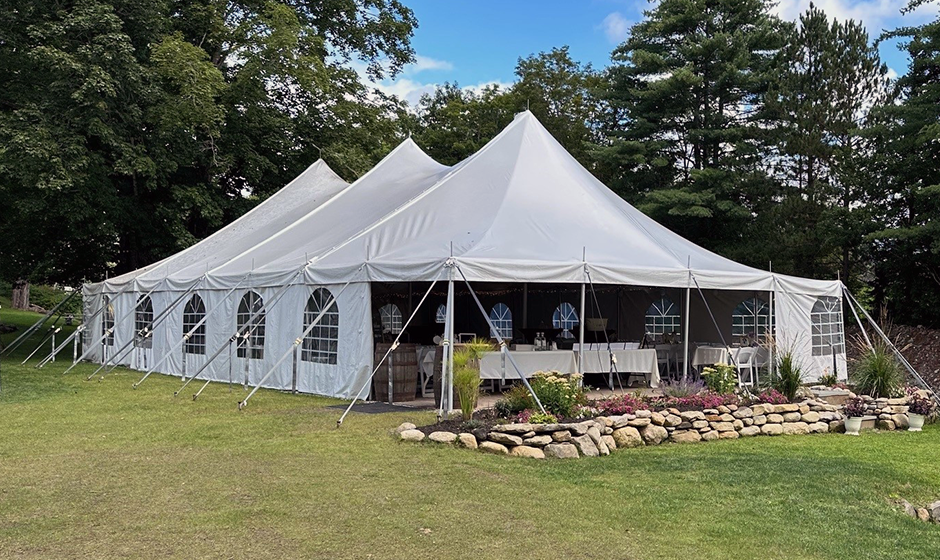
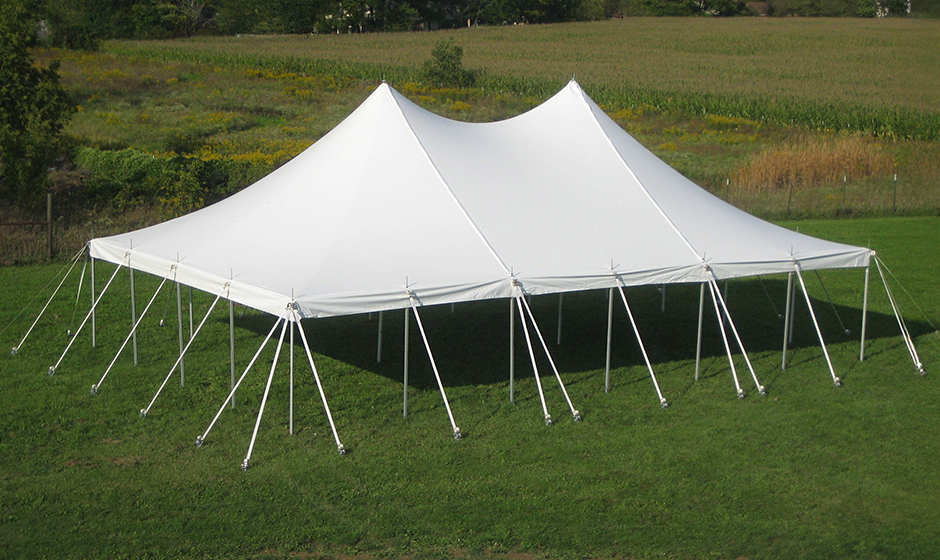
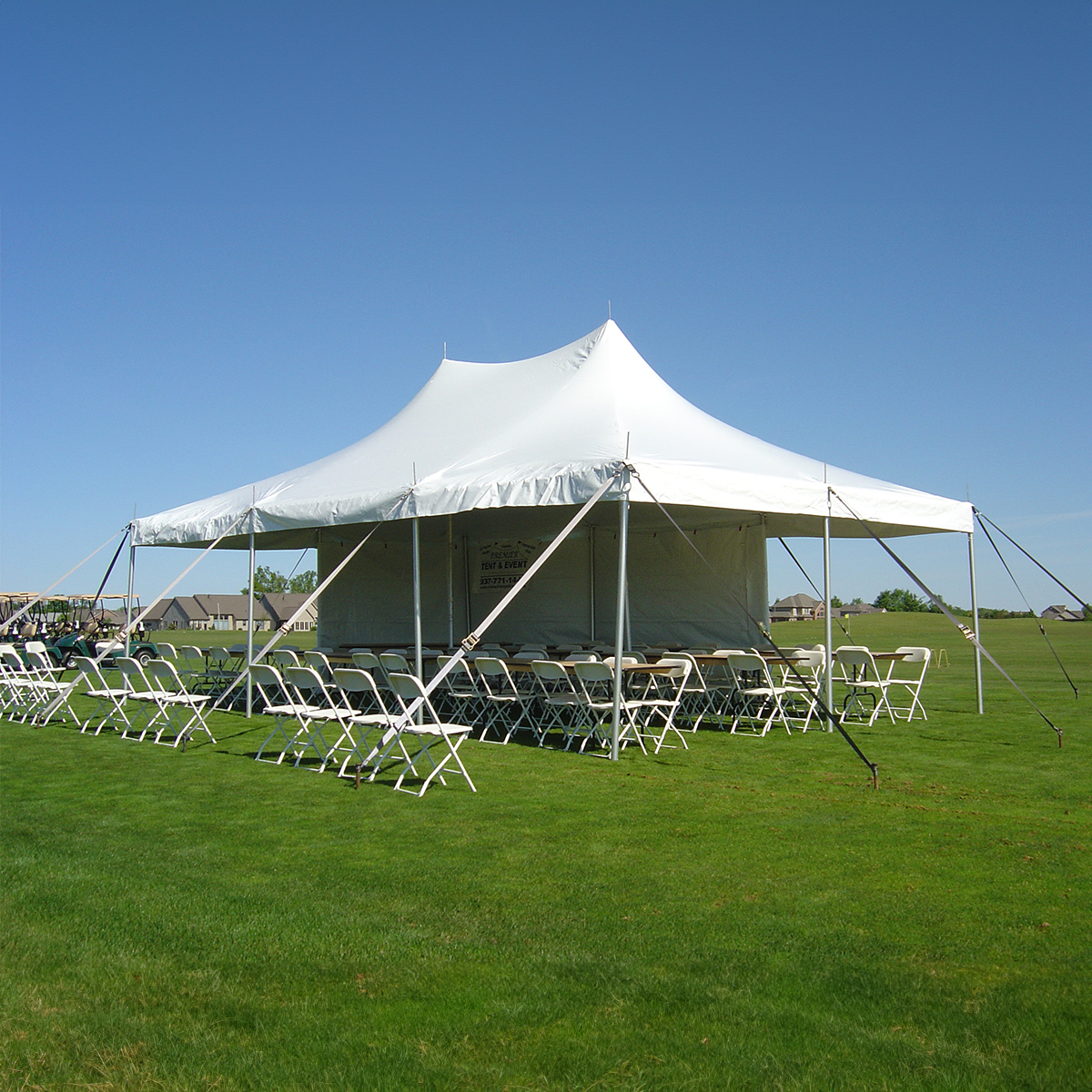
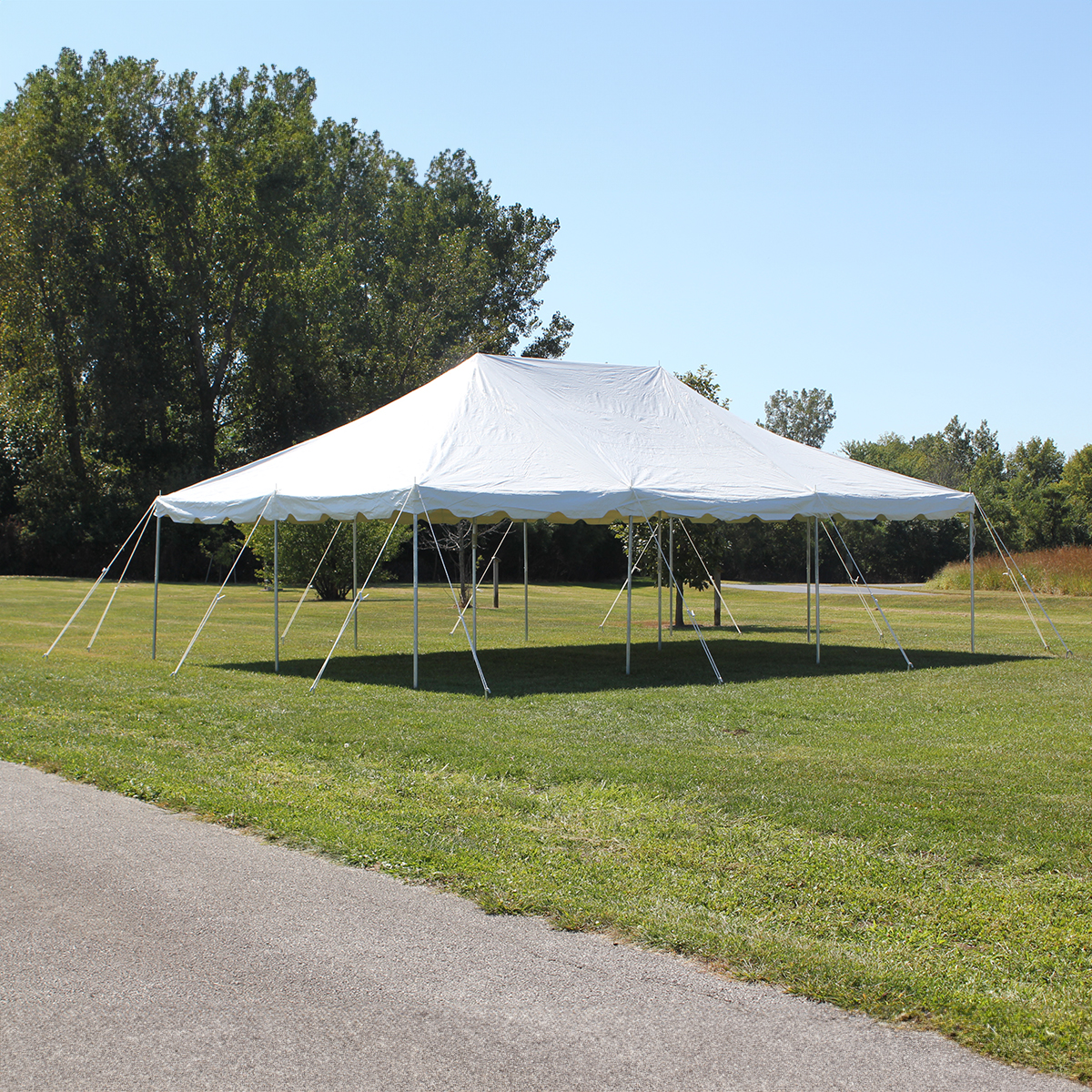
Pole tents, on the other hand, introduce architectural drama. Their sweeping peaks create visual movement and romantic height. The center poles can become design features, wrapped in florals or draped in fabric.
However, pole placement must be considered carefully when designing table layouts. For some couples, that visual elegance outweighs the design constraint. For others, the flexibility of a frame tent is more practical.
The choice is rarely about which is better universally. It is about which aligns with the vision and site conditions.
Designing the Interior: Turning Shelter Into Atmosphere
A tent is not automatically romantic. It becomes romantic through design.
Lighting is often the most transformative element inside a 20x30 wedding tent. Because the space is moderately sized, string lights can create a warm canopy effect without feeling sparse. Chandeliers can anchor the ceiling visually. Uplighting along sidewalls adds dimension and softens the fabric.
Professional planners frequently combine lighting with accessories like event lighting systems and elegant draping to shape the interior environment. These design upgrades transform a simple structure into a fully immersive venue.
The proportions of a 20x30 tent make these upgrades achievable without excessive cost. In larger structures, décor budgets must stretch further to avoid visual emptiness. In this size, lighting feels immersive quickly.
Design Enhancements Couples Often Add
- Ceiling liners for soft, elegant overhead coverage
- String lights or chandeliers to create warm ambiance
- Wood-look flooring for a polished reception environment
- Floral installations around entryways and poles
- Draped sidewalls for layered textures
Many couples elevate the space further using decorative elements like tent ceiling liners and professionally installed décor. These finishing touches shift the tent interior from “temporary shelter” to an intentional venue design.
Weather Planning Without Overbuilding
Outdoor weddings come with inherent unpredictability. The right tent size must accommodate weather planning without feeling excessive.
A 20x30 wedding tent provides adequate enclosure potential with sidewalls. Tent sidewalls allow couples to adapt quickly to changing weather conditions while maintaining the aesthetic of the event.
Clear vinyl panels preserve views while protecting against wind and rain. Solid panels add privacy and block strong breezes. Many planners recommend reviewing guidance from the Event Safety Alliance when planning outdoor gatherings to ensure proper weather preparation.
Because the space is moderate in volume, heating or cooling becomes more manageable than in larger tents. Climate control equipment operates more efficiently in smaller enclosures, improving guest comfort without dramatically increasing rental cost.
Planning for weather is not pessimism. It is professionalism. And the 20x30 size makes that preparation attainable.
Guest Experience and Emotional Impact
Weddings are emotional gatherings. Space influences emotion.
In an oversized tent, guests may feel physically present but socially dispersed. Conversations require movement. Energy spreads thinly.
In a 20x30 wedding tent, proximity encourages interaction. Toasts feel more intimate. Applause feels fuller. The dance floor fills more naturally.
The size supports connection. It keeps the celebration focused rather than fragmented.
For couples prioritizing experience over spectacle, this size reinforces warmth.
Setup Logistics and Timeline Planning
Understanding installation helps couples coordinate vendors effectively.
A professional crew typically requires several hours to install a 20x30 wedding tent depending on structure type and site conditions. For weddings, installation is almost always completed the day before the event. This allows florists, planners, and rental teams to design the space without time pressure.
Early installation also provides margin for adjustments. Ground leveling, décor placement, and lighting calibration all benefit from buffer time.
Couples planning tent weddings often benefit from reviewing resources like this event preparation checklist, which outlines logistical details planners consider when preparing
Teardown after the event is usually quicker but still requires care. Proper breakdown preserves the tent’s fabric and structural integrity for future use.
Budget Alignment and Value
A 20x30 wedding tent often represents one of the most cost-efficient ways to create a private venue experience.
Compared to booking a traditional event hall, tent weddings provide greater control over layout, design, and schedule. Rental costs vary by region and accessory selection, but many couples find that tent weddings offer stronger value per guest than fixed-location venues.
This size in particular avoids overpaying for unused square footage. Larger tents demand higher rental costs, increased décor budgets, and greater installation labor.
When the guest list fits naturally within 600 square feet, choosing a 20x30 wedding tent becomes a financially intelligent decision.
When This Size Is the Right Decision
The 20x30 footprint works best when the guest count falls between 40 and 75 depending on seating style, when the property has moderate lawn space, and when intimacy is a design priority.
It supports ceremony-to-reception transitions for smaller weddings. It frames cocktail-style celebrations beautifully. It accommodates seated dinners without sacrificing dance space when layouts are planned carefully.
For larger guest lists exceeding 80 seated guests, expanding to 20x40 may be necessary. But for many couples, the 20x30 wedding tent delivers exactly what is needed — no more, no less.
Why This Size Continues to Be Recommended
Event professionals frequently recommend the 20x30 wedding tent because it aligns with real-world wedding trends. Guest lists have become more curated. Backyard and estate weddings remain popular. Couples prioritize personalization over scale.
This size adapts to those priorities without compromising professionalism.
It is large enough to feel intentional and structured. It is small enough to feel warm and connected.
That balance is why it remains one of the most frequently selected wedding tent dimensions.
Ready to Plan the Perfect Wedding Tent Setup?
Explore professional-grade tent structures designed to create elegant and reliable outdoor wedding venues.
Explore 20x30 Wedding TentsDurable Materials | Elegant Design | Professional Support
FAQ
How many guests can comfortably fit in a 20x30 wedding tent?
A 20x30 wedding tent typically accommodates between 40 and 60 guests for seated dinner service. If the event is arranged as a cocktail-style reception with standing tables, the capacity can increase to approximately 70 to 75 guests. Layout decisions such as dance floors, buffet stations, and lounge areas will influence the final capacity. Careful planning ensures guests still have adequate circulation space throughout the event. Many planners review layout examples such as tent capacity planning guides to estimate guest flow accurately.
Is a 20x30 wedding tent large enough for both ceremony and reception?
For smaller weddings, a 20x30 wedding tent can absolutely host both the ceremony and reception. Ceremony chairs can be arranged facing an altar or floral installation and then transitioned into reception seating during cocktail hour. Event planners often reposition furniture to create space for dining tables and a dance floor after the ceremony concludes. Because the footprint is manageable, these transitions can happen quickly without requiring large vendor crews. With thoughtful layout planning, the space can serve multiple functions during the celebration.
What type of flooring works best inside a 20x30 tent?
The flooring choice depends on the style and budget of the event. Grass offers a natural and relaxed aesthetic that works well for rustic or garden weddings. Interlocking flooring systems provide a stable walking surface that improves comfort for guests wearing formal shoes. Wood-look flooring is often used for more upscale weddings where couples want a refined dance floor environment. Because the footprint is relatively modest, flooring upgrades remain affordable compared with larger tent structures.
Can a 20x30 wedding tent handle rain and wind?
Commercial-grade wedding tents are designed to provide reliable weather protection when installed properly. Professional crews anchor tents using engineered staking or ballast systems depending on the installation surface. Adding protective panels like sidewall enclosures significantly improves protection against wind, rain, and temperature changes. Clear vinyl walls preserve views while shielding guests from the elements. With proper installation and weather planning, tent weddings remain comfortable even during unexpected conditions.
How long does installation usually take?
A typical 20x30 wedding tent installation takes several hours for an experienced crew depending on site conditions. Installers first position the frame or poles, then raise the canopy fabric and secure all anchoring systems. After the structure is stabilized, teams install accessories such as lighting, liners, and sidewalls. For weddings, installation is usually completed the day before the event so decorators and planners can finish the interior setup. This timeline ensures the event space is fully prepared before guests arrive.