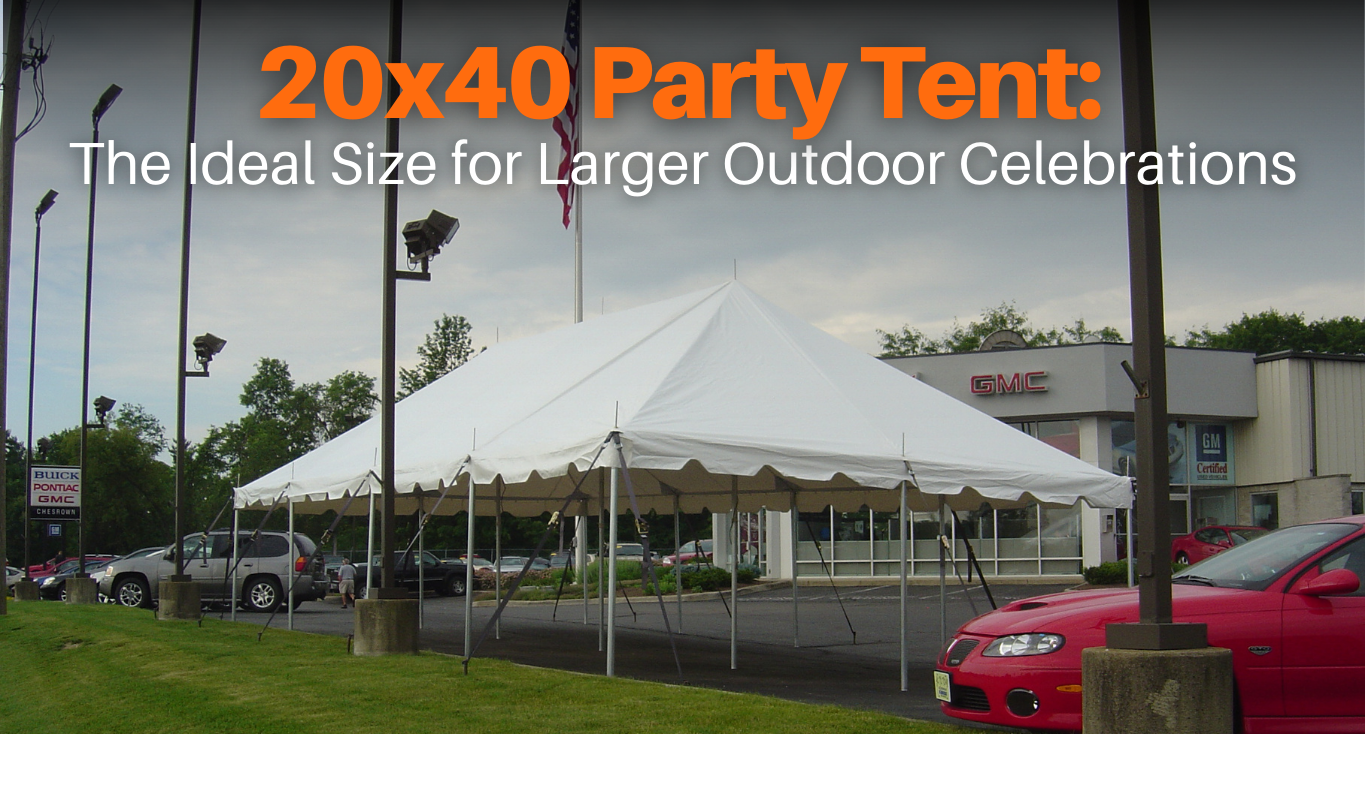




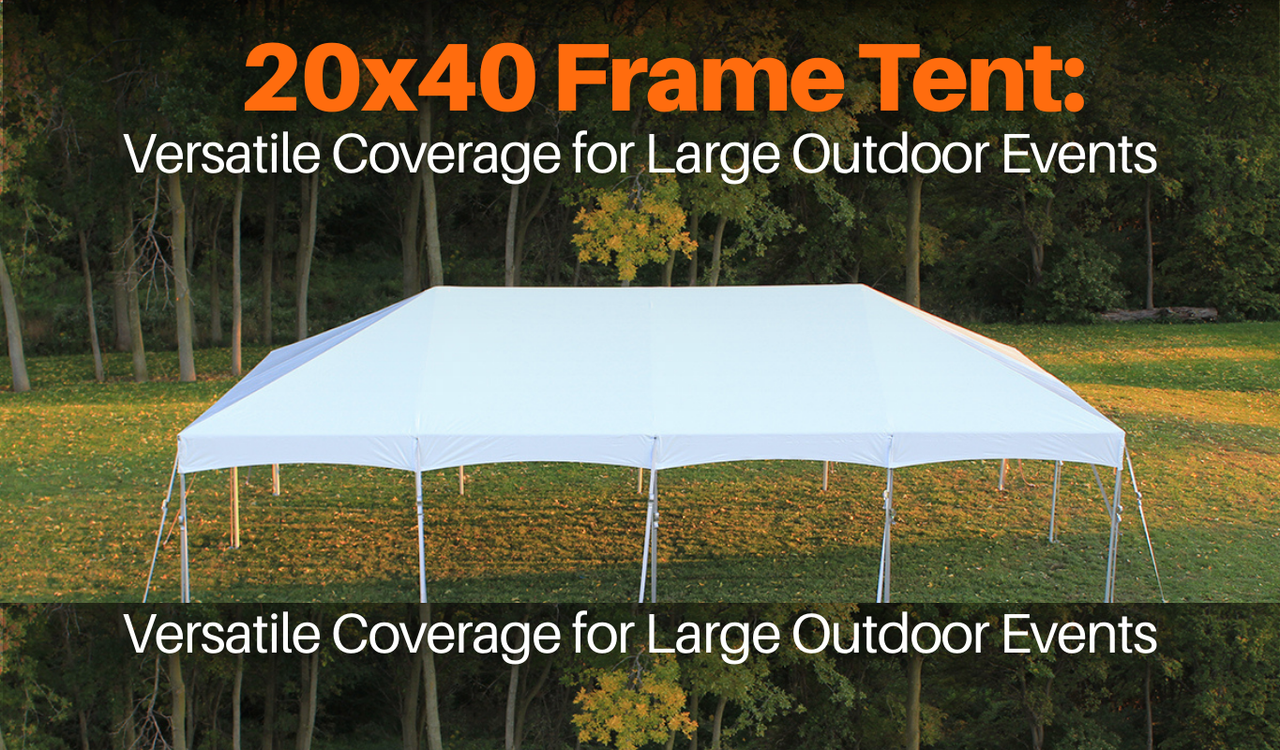
20x40 Frame Tent: Versatile Coverage for Large Outdoor Events
A 20x40 frame tent delivers something event planners consistently look for: space without obstruction.
With 800 square feet of interior coverage and no center poles interrupting the layout, this tent size creates a flexible environment for weddings, corporate gatherings, graduation parties, fundraisers, and community events.
It is large enough to handle substantial guest counts while still being manageable in residential yards and private venues. More importantly, the frame construction transforms how that 800 square feet can be used.
When layout freedom matters — when you need clean lines, uninterrupted dance floors, or long banquet tables — a 20x40 frame tent becomes a strategic choice rather than just a size selection.
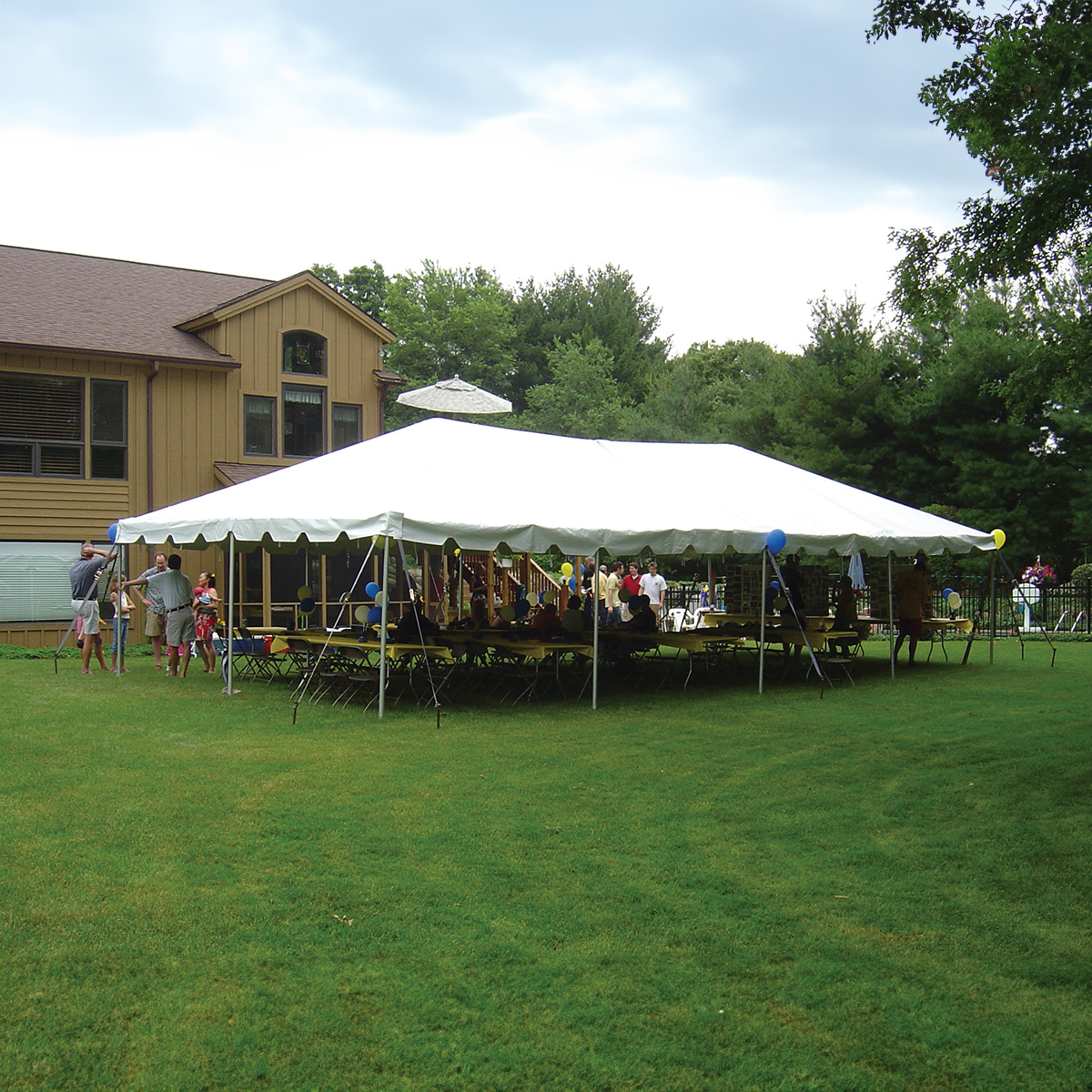
Understanding the 800 Square Foot Advantage
At 20 feet wide and 40 feet long, this tent provides 800 square feet of usable space. But raw square footage is only part of the story.
Because a frame tent does not rely on interior poles, every inch of that footprint can be utilized. There are no structural elements dividing the floor plan. This means layouts can stretch seamlessly from one end to the other without compromise.
For seated events, a 20x40 frame tent typically accommodates:
- 80 to 100 guests at round tables
- 100+ guests banquet-style
- 120+ guests for cocktail receptions
Those numbers vary depending on dance floor inclusion, buffet placement, and spacing preferences. But the key advantage is flexibility. You are not designing around poles — you are designing freely.
Why Frame Construction Changes Everything
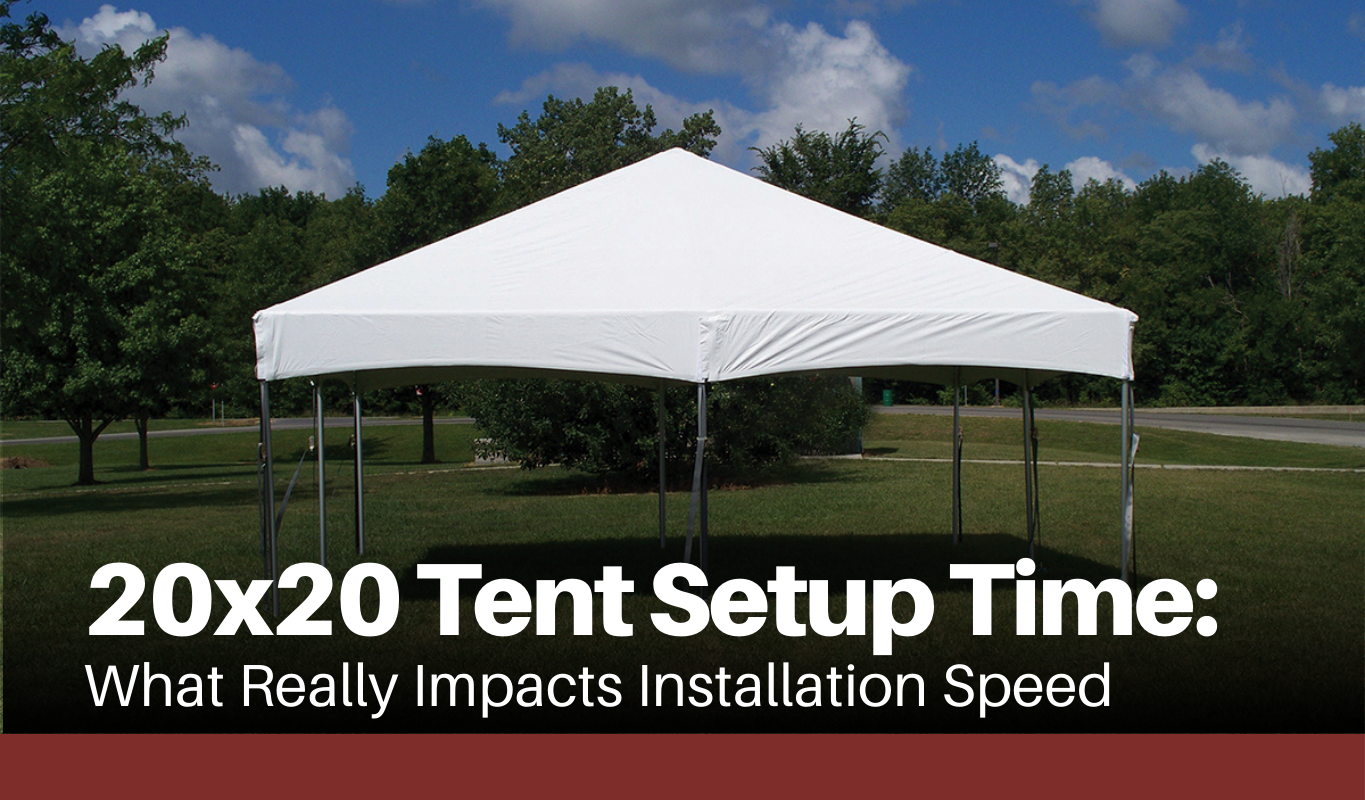
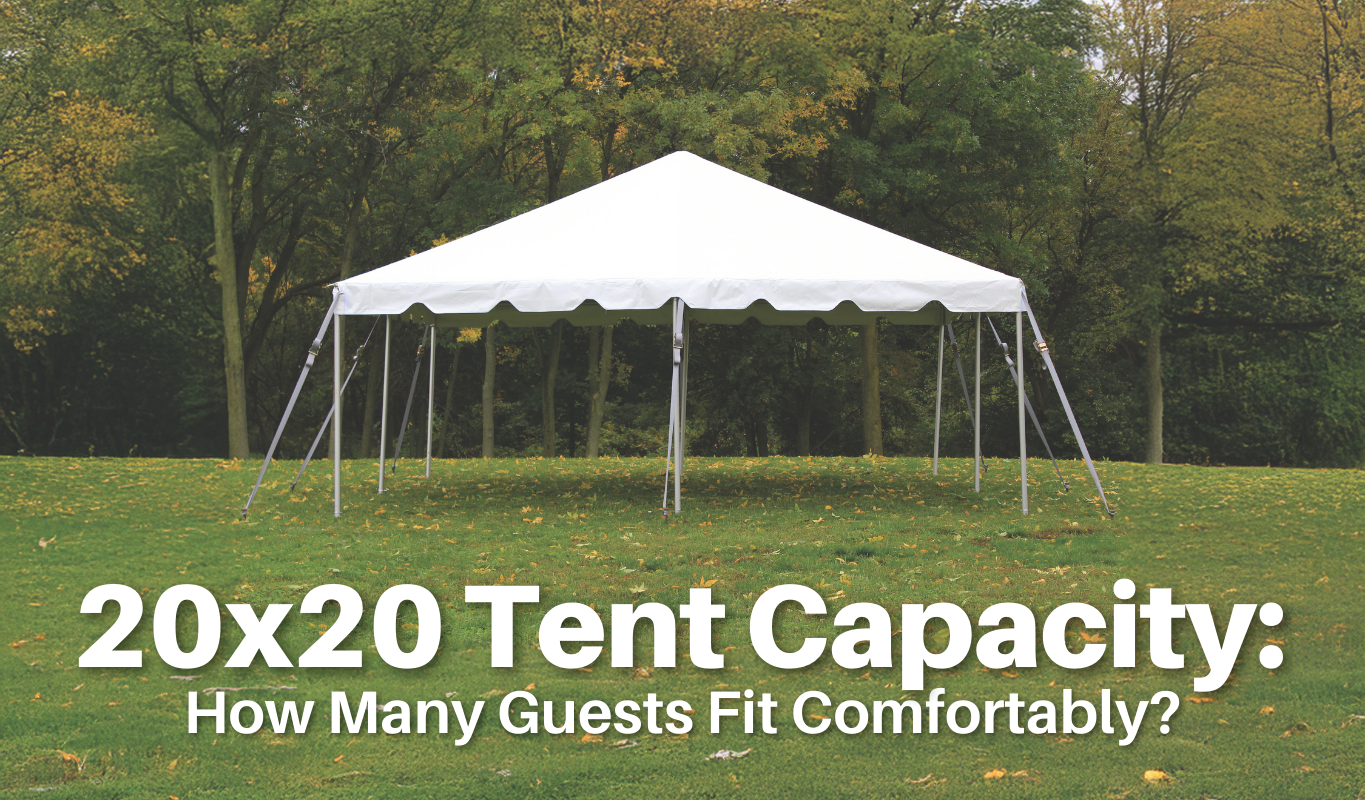
The defining feature of a frame tent is its perimeter-supported structure. The roof is held up by a rigid aluminum or steel frame rather than tension from center poles.
This design has several practical advantages.
First, it allows installation on multiple surface types. Grass, asphalt, concrete, pavers — a frame tent can adapt using stakes or ballast systems as required.
Second, it offers uninterrupted interior space. For events that prioritize symmetry, staging, or large dance floors, this open layout is invaluable.
Third, it simplifies certain layout decisions. There is no need to position tables around center poles or adjust décor to hide structural elements.
For planners who want control over interior design, the 20x40 frame tent offers a clean slate.
Ideal Events for a 20x40 Frame Tent
This size works exceptionally well for medium-to-large gatherings where layout flexibility is critical.
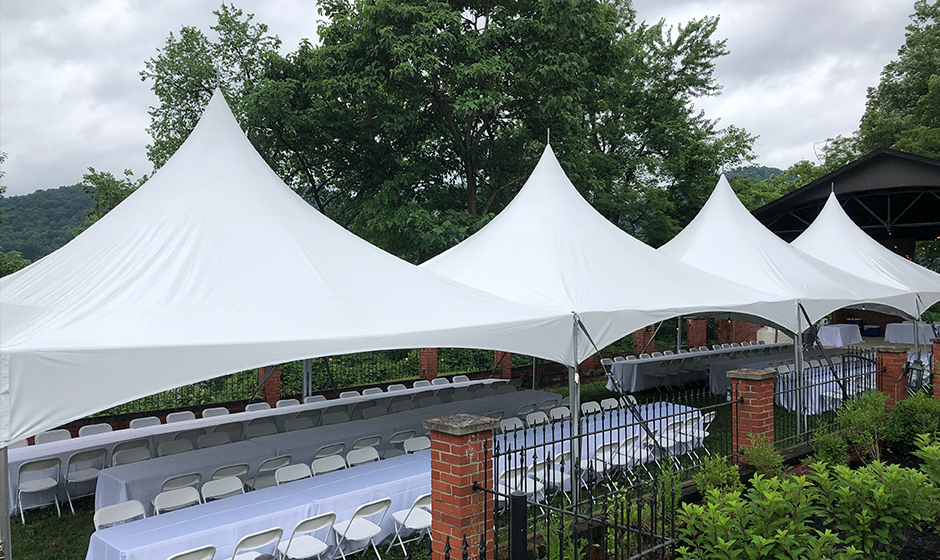
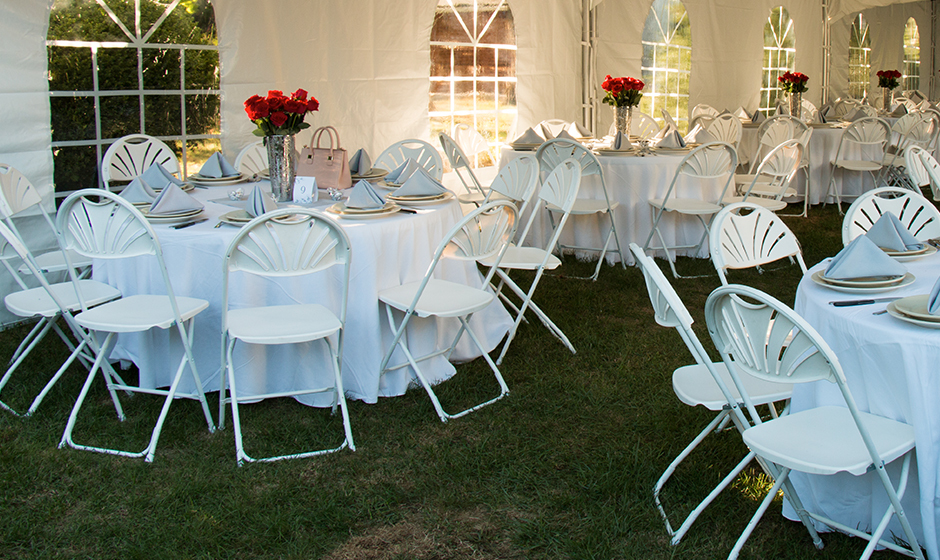
For wedding receptions, it provides enough room for dining tables along the perimeter with a central dance floor. The absence of poles ensures guests can see clearly across the tent, maintaining connection during toasts and speeches.
For corporate events, the tent supports staging areas, presentation screens, and structured seating layouts without obstruction. Vendors and AV teams appreciate the unobstructed ceiling for lighting and sound placement.
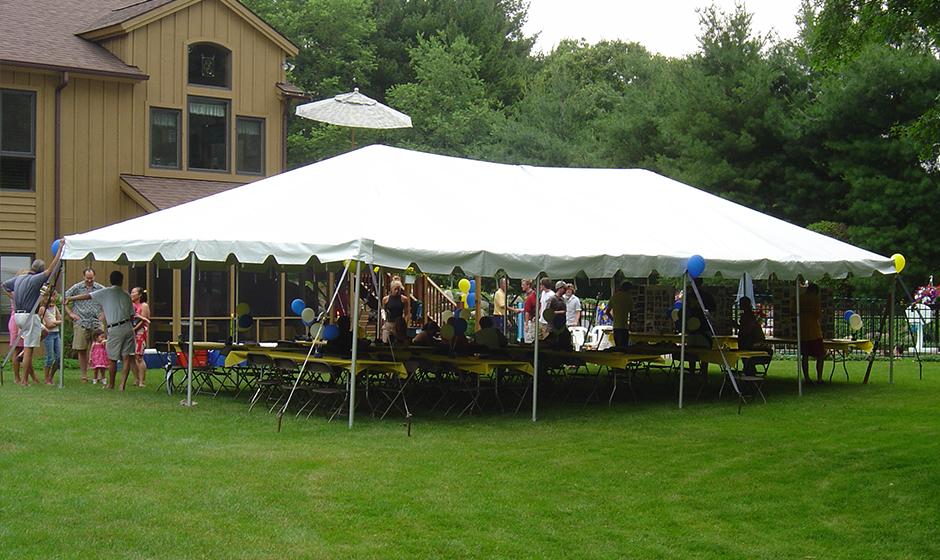
Graduation parties and milestone birthdays benefit from the ability to combine dining, entertainment, and lounge space within one structure.
The 20x40 frame tent adapts to different event personalities without structural compromise.
Layout Possibilities Inside a 20x40 Frame Tent
Because there are no center poles, layouts can be organized intentionally rather than reactively.
One popular configuration places dining tables toward the rear half of the tent, leaving the front open for cocktail mingling and dance space. Another approach runs banquet tables lengthwise along each side, leaving a central aisle or dance floor in the middle.
For cocktail-style events, high-top tables can be spaced evenly throughout the tent without concern for pole placement. This maintains balanced circulation patterns.
The 40-foot length allows clear zoning. Instead of squeezing every element into a compact footprint, you can assign dedicated areas for bar service, dessert displays, photo booths, or DJ equipment.
The layout feels organized because the structure allows it to be.
Weather Protection and Stability
A 20x40 frame tent provides reliable shelter from sun exposure and moderate rain when properly installed.
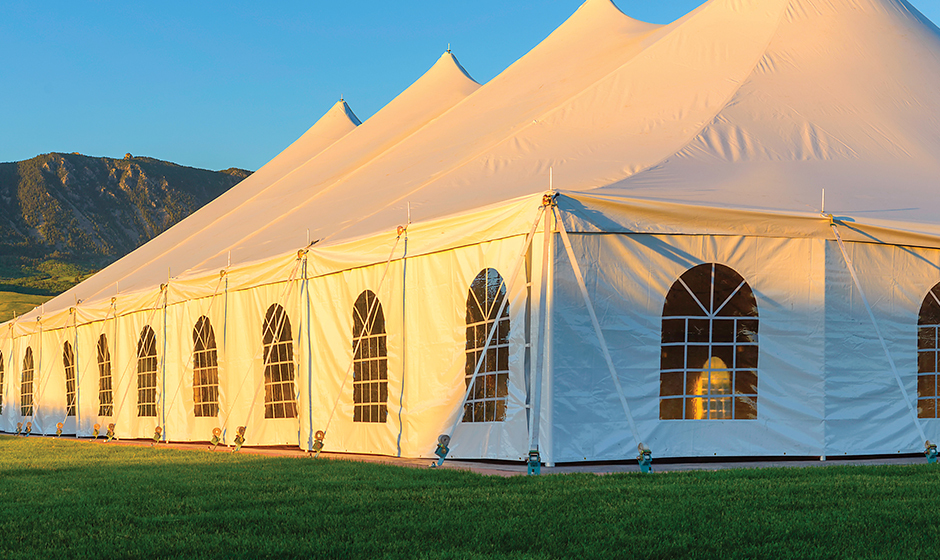
Sidewalls can be added for wind protection and privacy. Clear vinyl panels allow natural light while shielding guests from weather changes.
Because the tent is larger, anchoring becomes especially important. Proper stake placement or ballast weight ensures structural stability. Frame tents distribute load evenly along the perimeter, which can improve performance in certain conditions when installed correctly.
Planning for weather is part of responsible event preparation — not an afterthought.
Installation Considerations
A 20x40 frame tent requires professional installation for optimal safety and efficiency.
The frame is assembled at ground level before the tent top is secured. The lifting process occurs gradually, often in stages, to maintain balance. Anchoring and tensioning follow, ensuring the structure remains secure under load.
Because of its length, site clearance must extend beyond the 20x40 footprint to allow room for anchoring points.
Most large events schedule installation the day before the event. This allows décor teams, lighting installers, and rental crews to work without pressure.
Proper installation protects both the structure and the event experience.
Comparing 20x40 Frame to 20x40 Pole
While both configurations share the same dimensions, the interior experience differs significantly.
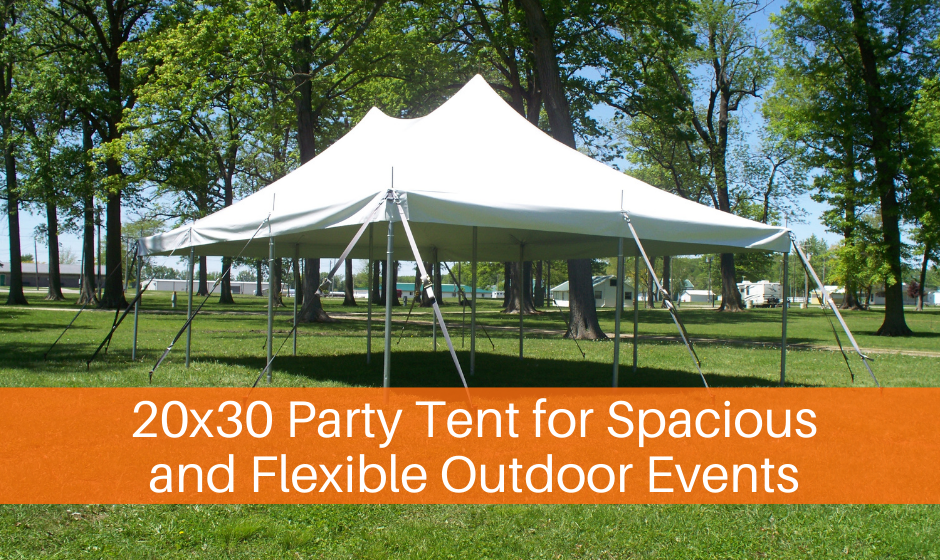
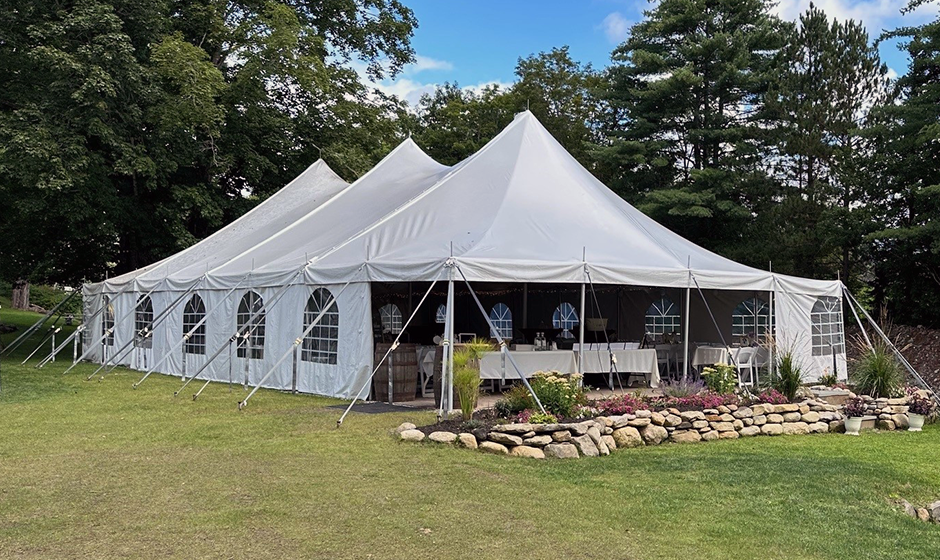
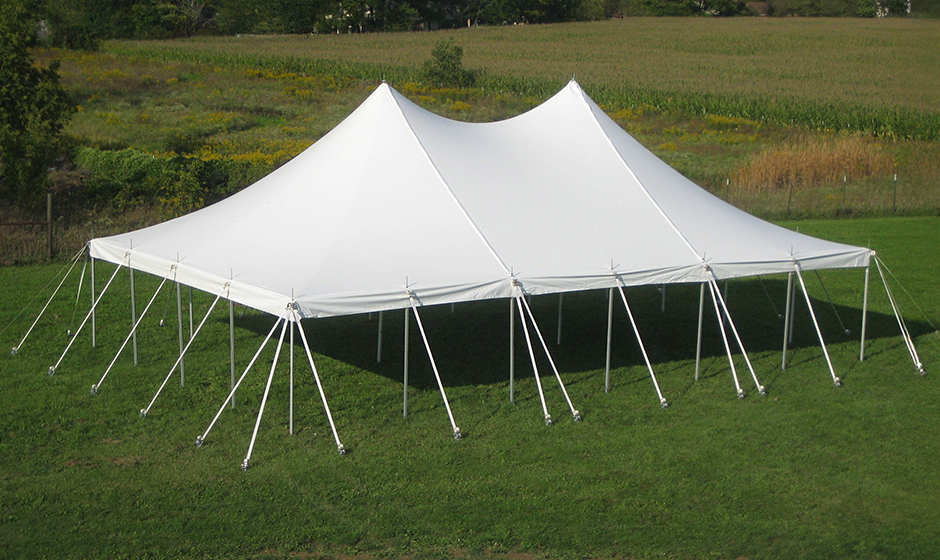
A 20x40 pole tent introduces center poles that create visual peaks and architectural charm. However, those poles limit layout flexibility.
A 20x40 frame tent maintains a flat, open ceiling structure. It may appear slightly more contemporary, but it offers uninterrupted use of the entire footprint.
For events prioritizing layout freedom and stage visibility, frame construction often becomes the preferred option.
When a 20x40 Frame Tent Is the Right Choice
- Guest counts approach or exceed 80 seated guests
- A dance floor is required
- Staging or presentations are planned
- Surface conditions prevent staking center poles
- Interior flexibility is a top priority
It bridges the gap between backyard-scale tents and large commercial structures.
For many events, it represents the point where professional presence becomes unmistakable.
Budget and Value Considerations
A 20x40 frame tent requires more material and labor than smaller tents, which increases rental or purchase cost.
However, its versatility often reduces the need for multiple structures. Instead of renting separate tents for dining and entertainment, everything fits cohesively under one roof.
This simplifies lighting, décor, and guest flow.
The investment is not just in size — it is in flexibility and presentation.
Why This Size Remains a Go-To Option
Event planners consistently recommend the 20x40 frame tent because it solves common layout challenges.
- It offers substantial guest capacity
- It provides open interior design freedom
- It adapts to multiple surfaces
- It balances scale with manageability
- It feels professional without being overwhelming
For hosts who want confidence in both structure and presentation, this tent size continues to deliver.
Ready to Host Your Next Event Under a 20x40 Frame Tent?
Our professional-grade frame tents provide open interior space, durable construction, and the flexibility event planners rely on for weddings, corporate gatherings, and large outdoor celebrations.
Shop 20x40 Frame Tent KitsEngineered Aluminum Frames | Fire Rated | Built for Professional Installations
FAQ
How many guests can a 20x40 frame tent hold?
A 20x40 frame tent can seat approximately 80 to 100 guests at round tables, with higher capacity possible for banquet-style or cocktail events. Final numbers depend on layout and space allocated for dancing or service areas.
What is the advantage of a frame tent over a pole tent?
Frame tents provide completely unobstructed interiors without center poles. This allows greater layout flexibility and easier integration of dance floors and staging.
Can a 20x40 frame tent be installed on concrete?
Yes. Frame tents can be secured using ballast systems when staking into the ground is not possible. Proper anchoring ensures stability on hard surfaces.
How long does installation take?
Professional crews typically require several hours depending on site conditions. Larger events often schedule installation the day before.
Is this tent suitable for weddings?
Yes. The open interior space makes it especially popular for wedding receptions where dance floors and symmetrical layouts are important.