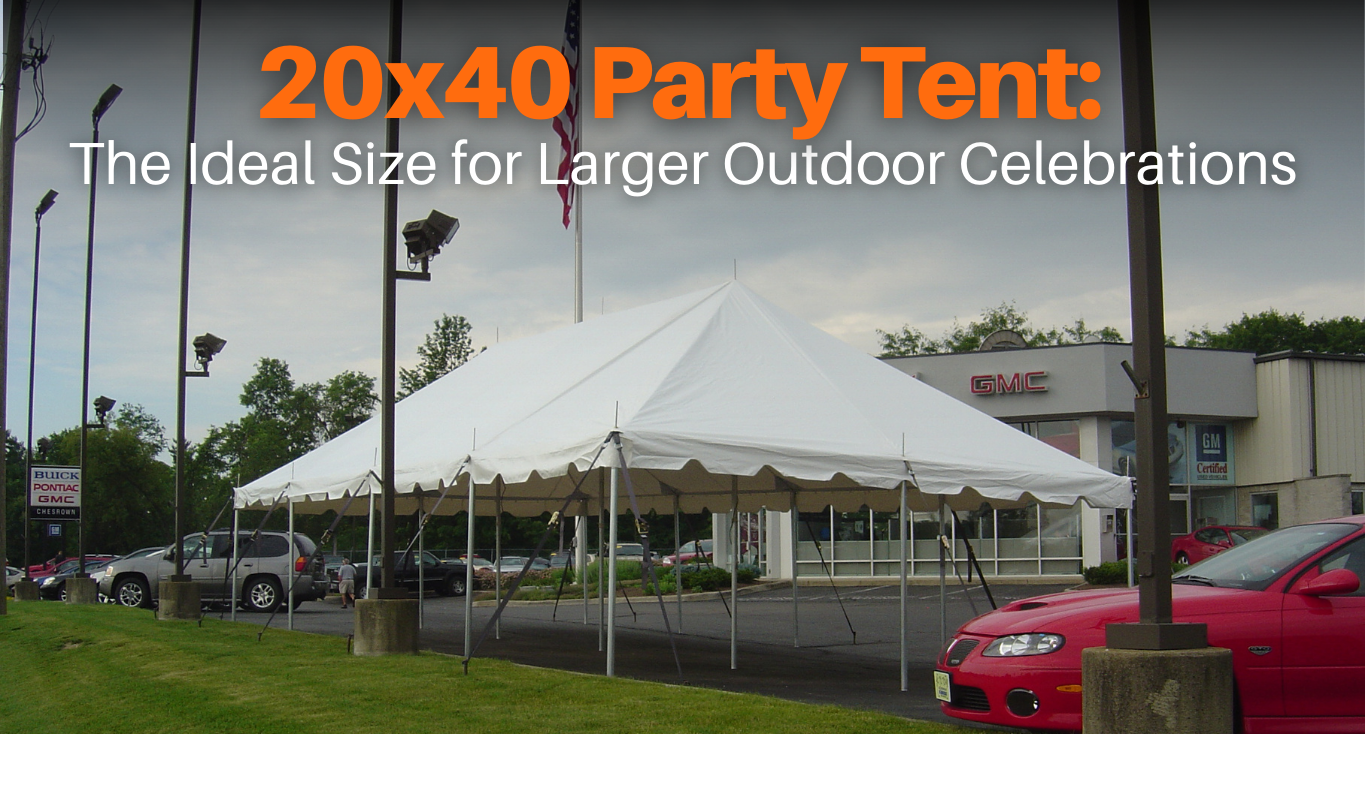





20x40 Party Tent: The Ideal Size for Larger Outdoor Celebrations
When guest counts start climbing beyond intimate gatherings, space planning becomes serious. A 20x40 party tent offers 800 square feet of usable coverage — a footprint that comfortably bridges the gap between mid-size and large-scale outdoor events.
It’s large enough to support dynamic layouts, dance floors, buffet lines, and full seating arrangements without feeling cramped. At the same time, it remains manageable in residential settings and private properties where extremely large tents may not be practical. Many event hosts begin by comparing standardized tent size options and browsing available party tent solutions for outdoor gatherings to understand how different footprints perform in real-world events.
Whether you’re planning a milestone birthday, graduation celebration, corporate event, anniversary party, fundraiser, or community gathering, a 20x40 party tent delivers scale without excess.
Understanding what this size can truly accommodate helps you plan confidently instead of guessing.
What 800 Square Feet Actually Means for Your Event
Numbers alone don’t tell the full story, but 800 square feet creates meaningful flexibility.
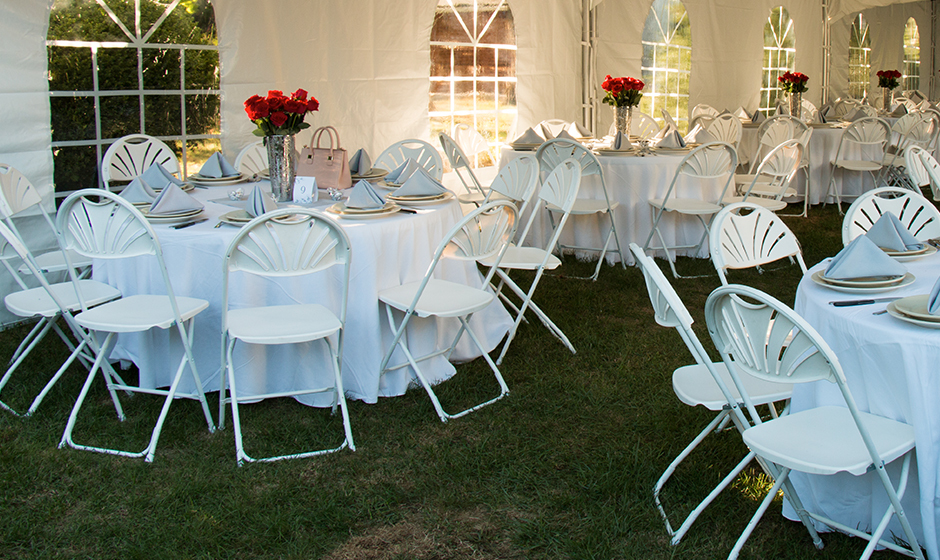
For seated events, a 20x40 party tent can typically host a wide range of guest layouts depending on how tables and service areas are arranged. Event planners often compare this footprint with mid-sized tents discussed in resources like this guide to medium tent layouts and capacity planning, which highlights how even small increases in square footage dramatically improve flow.
- 80 to 100 guests at round tables
- 100+ guests with banquet-style seating
- 120+ guests for cocktail-style receptions
The extra ten feet of depth compared to a 20x30 tent may not sound dramatic, but in event design it changes everything. That additional length allows you to separate zones inside the tent — dining at one end, dance floor at the center, bar and service areas along the perimeter.
Instead of squeezing tables into every available inch, you can create intentional flow.
And flow is what transforms a gathering into an experience.
Example Layout Possibilities
| Layout Style | Guest Capacity | Best For |
|---|---|---|
| Round Table Seating | 80–100 Guests | Formal dinners and receptions |
| Banquet Tables | 100–110 Guests | Family-style celebrations |
| Cocktail Reception | 110–120 Guests | Standing networking or party events |
Why This Size Is Popular for Graduation and Birthday Parties
Graduations and milestone birthdays often bring extended family, neighbors, and friends together. Guest counts grow quickly.
A 20x40 party tent accommodates that growth comfortably. Instead of worrying whether extra guests will push the space beyond capacity, you have breathing room.
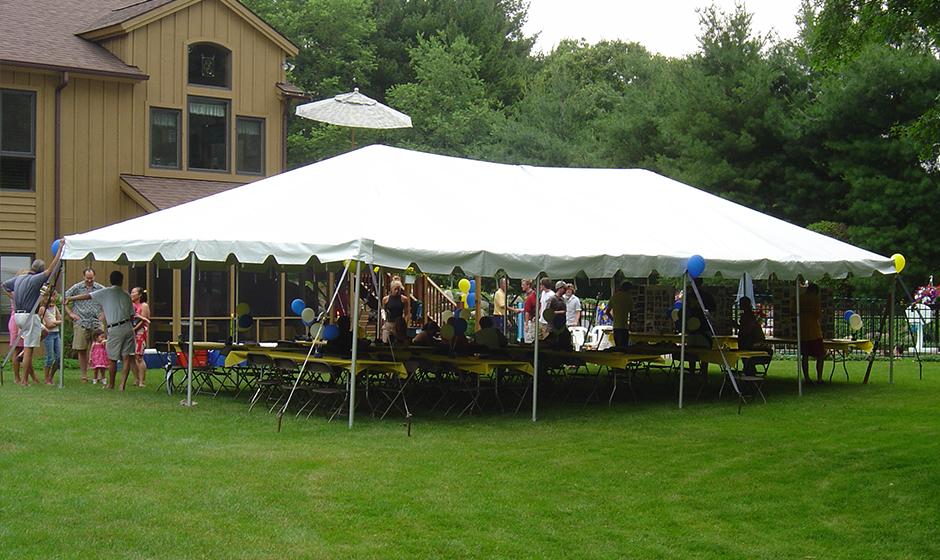
Parents hosting graduation celebrations often appreciate that this size allows for buffet service tables along one side while still maintaining clear seating areas. There’s room for a DJ setup. There’s room for photo backdrops. There’s room for guests to mingle without constant congestion.
For milestone birthdays — 40th, 50th, 60th — this tent size provides enough space for both seated dining and an active dance floor without feeling oversized for a backyard.
It supports energy.
Layout Flexibility: Creating Functional Zones
One of the biggest advantages of a 20x40 party tent is its ability to support multiple functional zones within a single structure.
The 40-foot length allows you to think in sections. The front portion can serve as a welcoming area with high-top cocktail tables. The center can be dedicated to dancing and entertainment. The rear can host dining tables arranged symmetrically for visual balance.
This natural segmentation improves event flow. Guests intuitively understand where to gather, where to dine, and where to dance.
When layouts are thoughtfully designed, the space feels larger than it is — not because of square footage, but because of organization.
Frame vs Pole in a 20x40 Configuration
The structure choice significantly affects how this space performs.
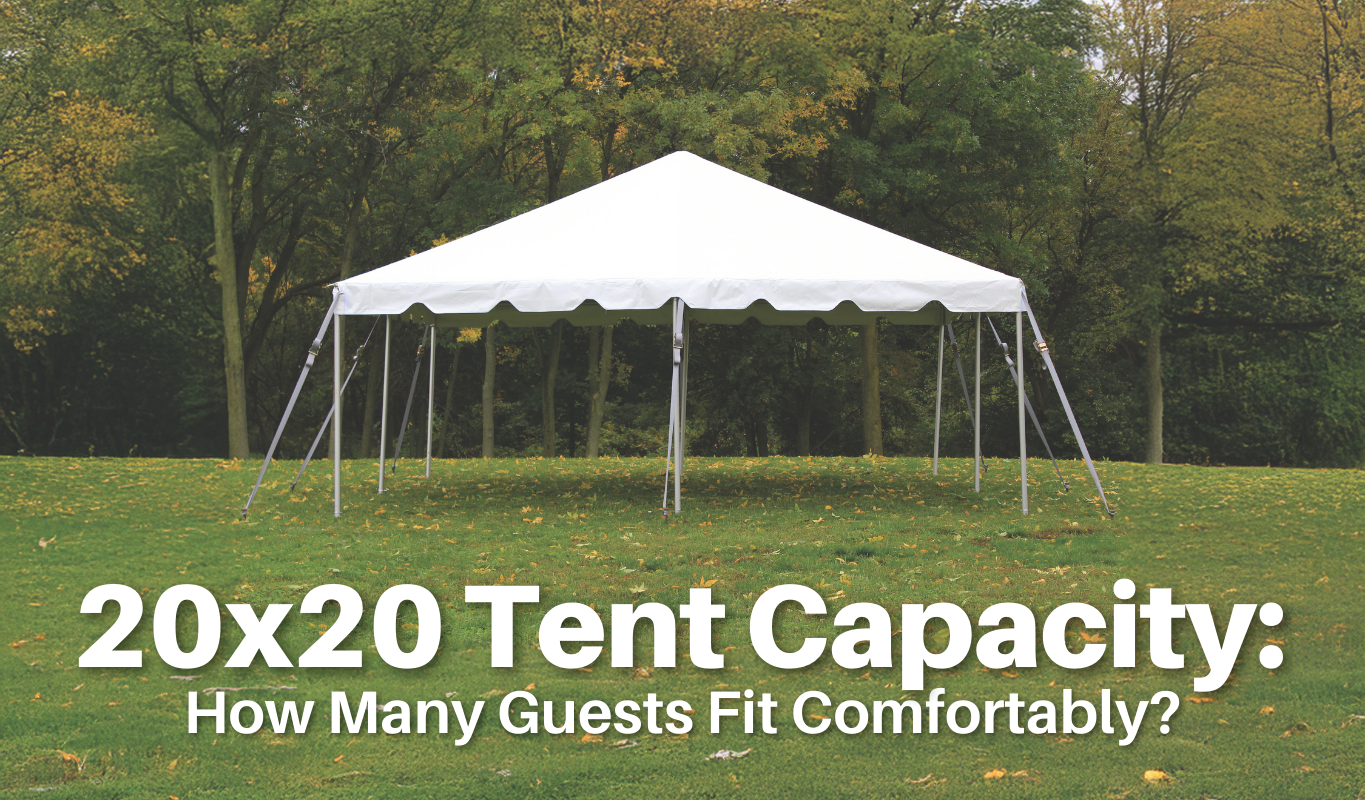
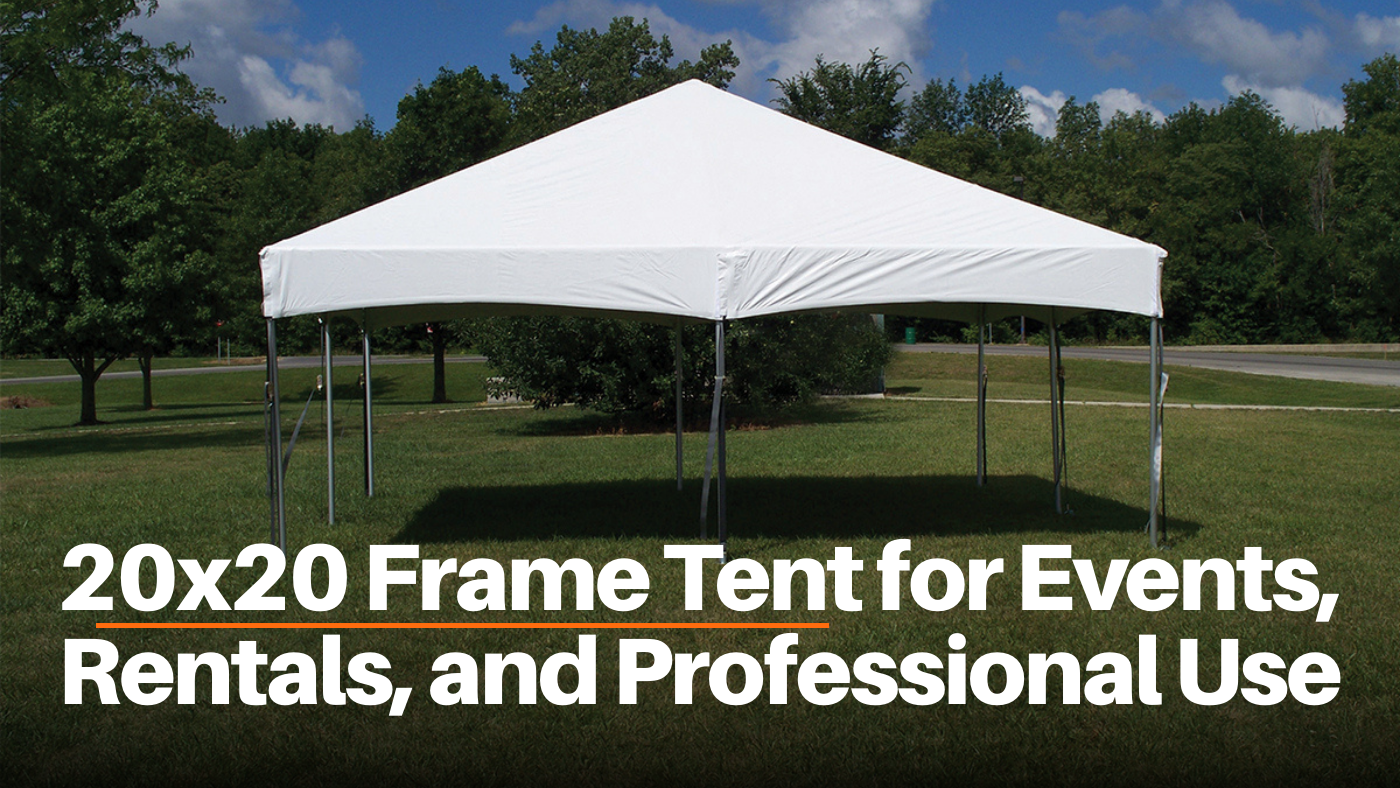
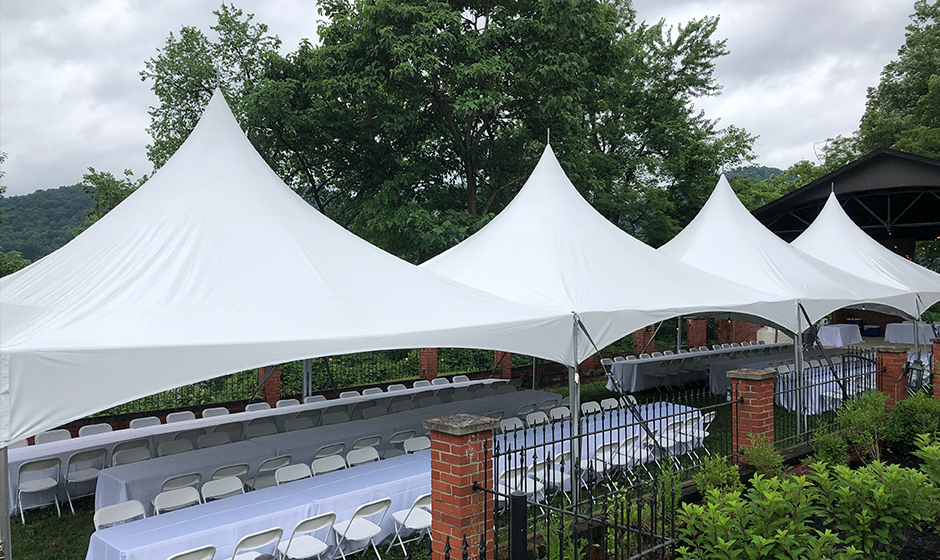
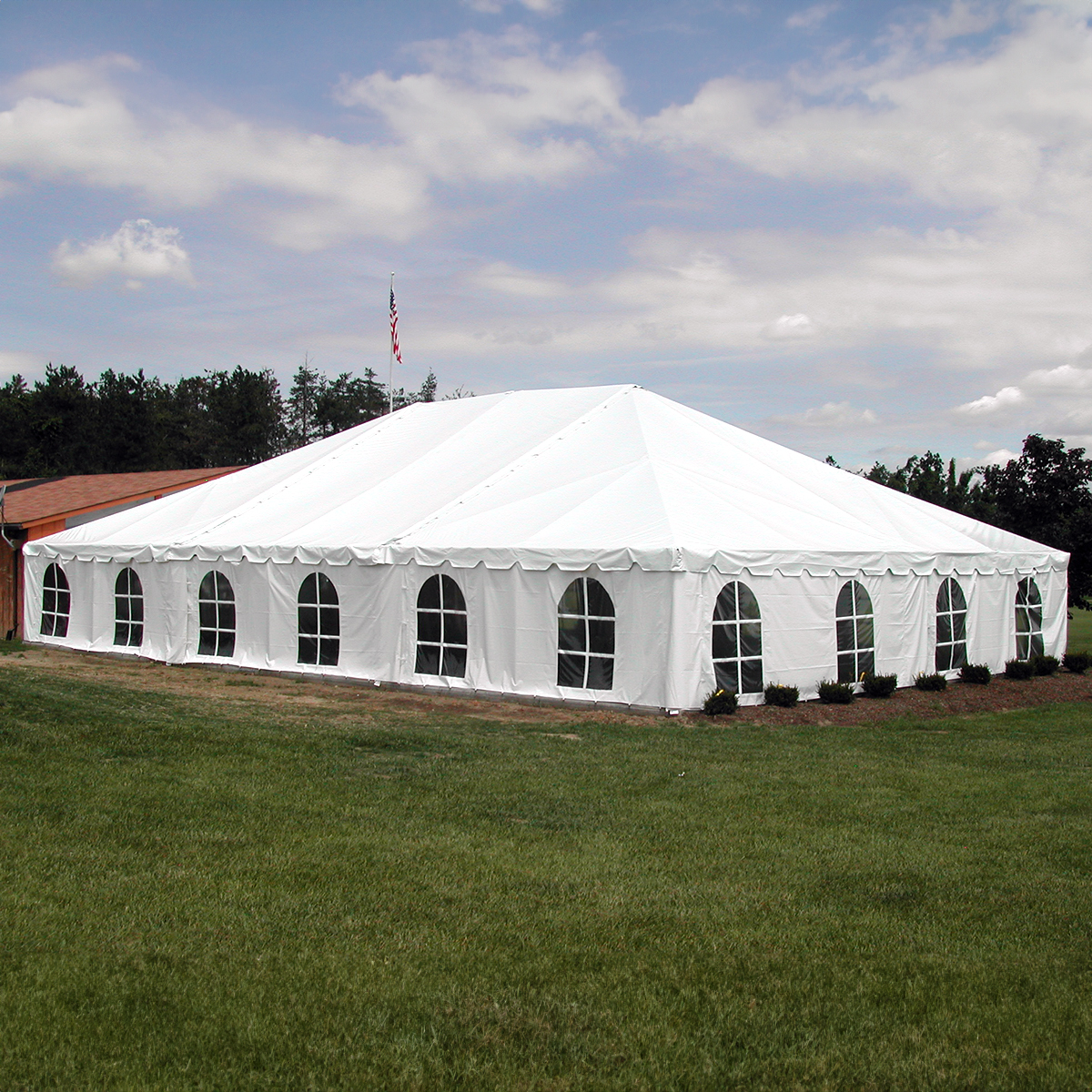
A frame tent structure provides completely open interior space. There are no center poles to navigate around, which is particularly beneficial for dance floors or banquet table arrangements that run the full length of the tent.
This makes frame tents especially popular for corporate gatherings and structured dining layouts. Many planners review structural differences through comparisons like this frame tent vs pole tent guide when choosing the right system.
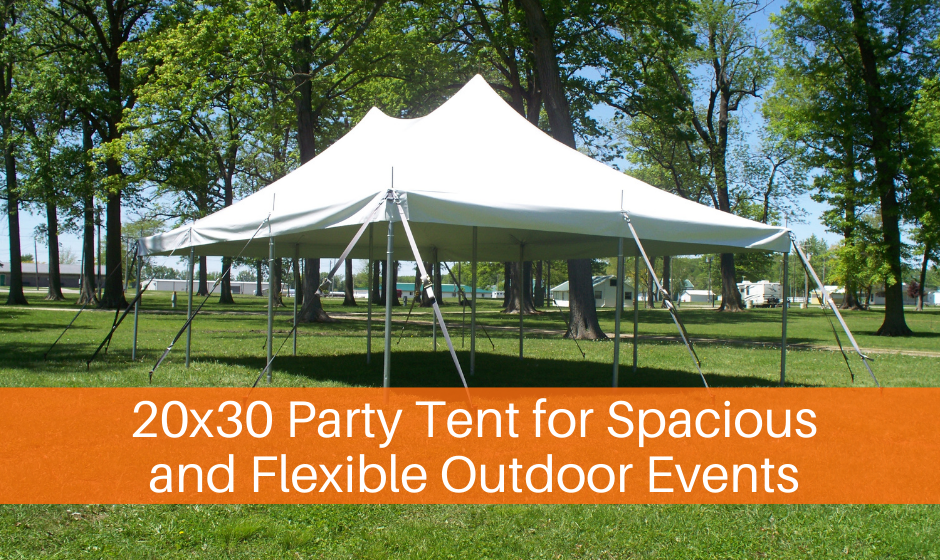
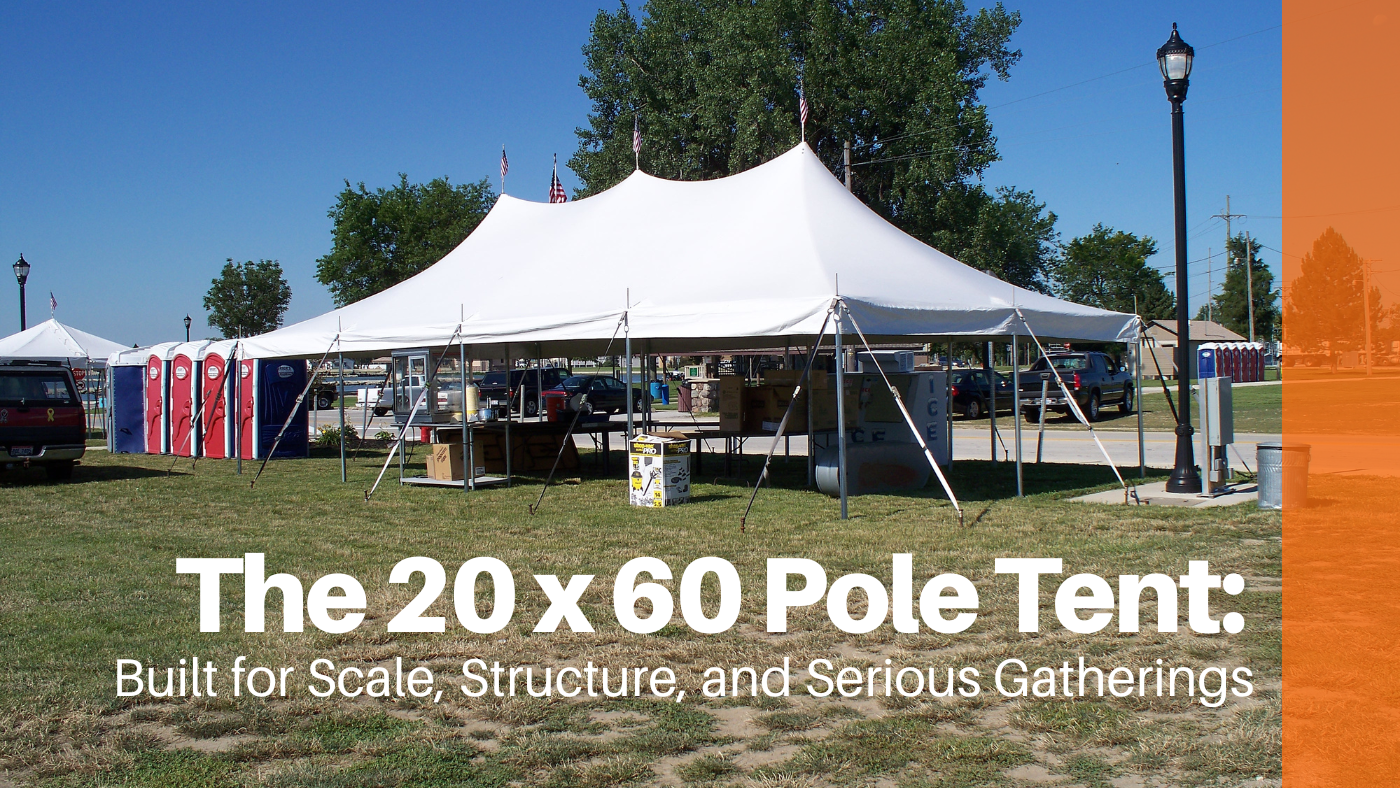
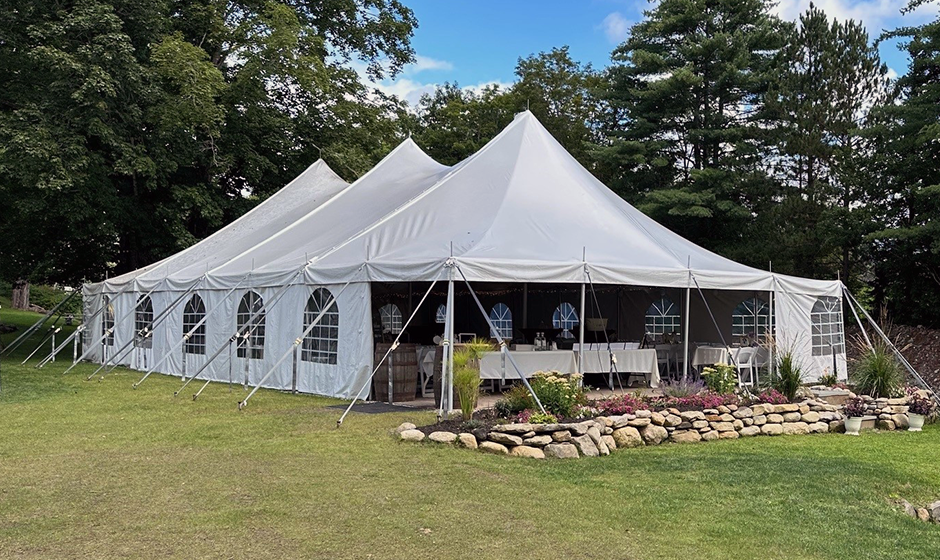
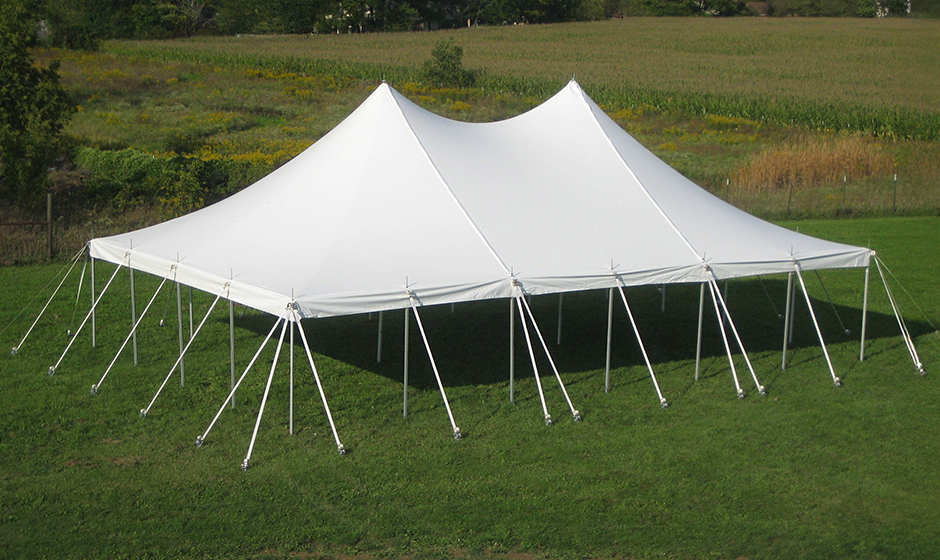
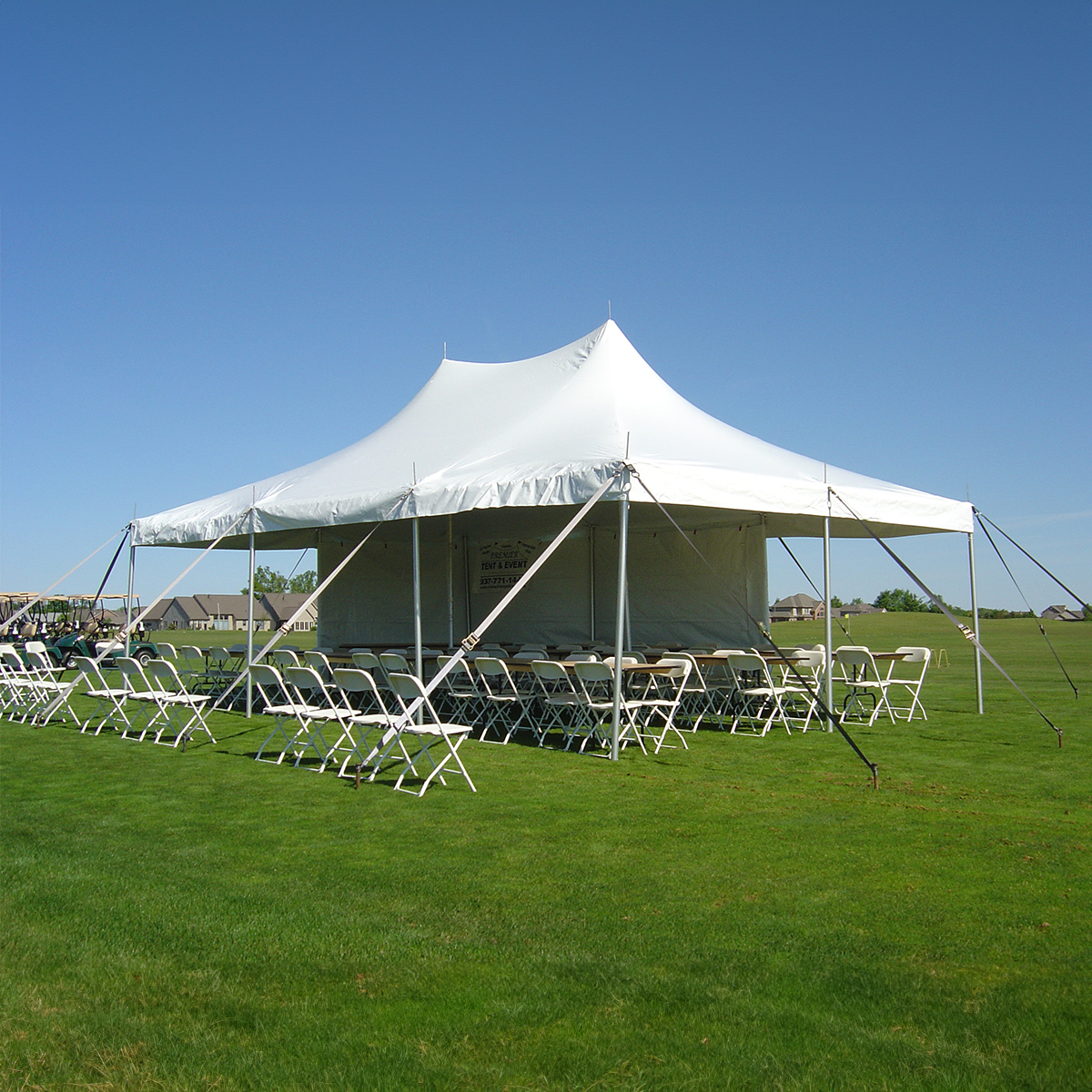
A pole tent system, by contrast, introduces central support poles that create dramatic peaks. Visually, these tents feel elevated and elegant. For some events, the architectural peak becomes a focal design feature.
However, interior planning must accommodate pole placement. For high-energy parties with active dance floors, some hosts prefer the unobstructed layout of a frame tent.
The right structure depends on your event’s priorities.
Weather Protection at Larger Guest Counts
When hosting 100 guests or more, weather planning becomes even more critical.
A 20x40 party tent provides reliable protection from sun, light rain, and wind when properly anchored. Event professionals often use heavy-duty tent anchoring systems to secure structures safely across different surfaces.
Sidewalls can be added for additional coverage. Clear panels allow natural light while blocking weather exposure while maintaining views. Solid panels provide stronger wind protection.
Because the footprint is larger than mid-size tents, anchoring becomes especially important. Proper stake placement or ballast systems ensure structural stability.
Planning for weather is not about assuming the worst. It is about protecting your guests’ comfort and preserving your event investment. Organizations like the Event Safety Alliance regularly emphasize proactive planning for outdoor events.
Comfort and Spacing Matter More Than Capacity
Many people ask how many guests fit inside a 20x40 party tent. The better question is how many guests fit comfortably.
Comfort depends on table size, chair spacing, buffet configuration, and whether a dance floor is included. While maximum capacity numbers can be calculated, comfort-focused layouts typically reduce those numbers slightly.
In event planning, the difference between “it fits” and “it feels good” is significant.
A 20x40 party tent offers enough space to prioritize comfort without sacrificing guest count.
Lighting and Atmosphere
A tent becomes memorable through atmosphere.
In a 20x40 structure, lighting can be layered strategically. Bistro lights strung along the length create warmth. Chandeliers positioned at even intervals anchor the ceiling visually. Uplighting along sidewalls adds depth.
Event planners frequently combine decorative lighting with professional event lighting systems to enhance both ambiance and visibility.
Because the space is larger than smaller backyard tents, lighting design becomes especially impactful. A dimly lit 20x40 can feel intimate despite its size. A brightly illuminated tent can feel festive and high-energy.
Lighting defines the mood more than size alone.
Flooring and Surface Preparation
For backyard events, grass is often sufficient. However, as guest counts increase, flooring becomes more attractive.
Interlocking flooring systems provide stability for heels and reduce uneven terrain concerns. For more formal events, wood-style flooring adds refinement.
Surface preparation also affects installation time and structural performance. A relatively level area ensures smoother setup and more balanced anchoring.
Even though the tent is larger, proper planning keeps logistics manageable.
Installation Timeline and Planning
A 20x40 party tent requires more setup time than smaller configurations due to increased frame length and anchoring requirements.
Professional installation crews typically require several hours depending on structure type and site conditions. For events with large guest counts, installation is usually scheduled the day before the celebration.
This allows time for décor setup, lighting adjustments, and vendor coordination without pressure.
Hosts preparing for larger outdoor events often review planning resources such as this event preparation checklist to ensure everything is ready before guests arrive.
Rushing installation on event day increases stress and risk. Preparation is part of professionalism.
When a 20x40 Is the Right Choice
This tent size works best when guest counts approach or exceed 80 people, when dance space is a priority, or when the event includes buffet lines and entertainment zones.
- Graduation parties
- Large birthdays
- Corporate appreciation events
- Community fundraisers
- Family reunions
- Engagement celebrations
It delivers scale without moving into oversized event territory.
Balancing Budget and Impact
Larger tents increase rental cost, but they also reduce the need for multiple structures.
Instead of renting separate tents for dining and entertainment, a 20x40 party tent consolidates activity into one cohesive environment.
This can simplify layout and improve event cohesion.
For many hosts, the incremental cost over a smaller tent is justified by the additional layout flexibility and guest comfort.
Why This Size Continues to Be a Favorite
Event planners frequently recommend the 20x40 party tent because it solves real-world challenges.
It accommodates growing guest lists. It supports flexible layouts. It integrates well into residential settings. It creates enough space for entertainment without feeling cavernous.
It is large, but not overwhelming.
That balance keeps it consistently popular.
Planning a Large Outdoor Celebration?
Explore professional-grade party tent structures built for durability, reliable anchoring, and smooth installation.
Browse Commercial Party TentsEngineered Frames | Professional Materials | Event-Ready Designs
FAQ
How many guests fit in a 20x40 party tent?
A 20x40 party tent can typically seat between 80 and 100 guests for a full dinner layout with round tables. Cocktail-style receptions can accommodate up to approximately 120 guests depending on the layout. The final capacity depends on table size, buffet placement, and whether a dance floor is included. Proper spacing between tables improves circulation and guest comfort. Event planners often use layout planning resources such as event layout planning guides to optimize space.
Is a 20x40 tent too large for a backyard?
Not necessarily. Many residential properties can accommodate this footprint comfortably if the lawn area is reasonably open. A level surface and sufficient clearance around the tent perimeter are important for proper installation. Installers typically require additional space for anchoring systems and staking. Backyard hosts often discover that this size fits well while still leaving room for landscaping around the structure. A quick site evaluation helps determine whether the property can support the installation safely.
How long does setup take for a 20x40 party tent?
Professional installation crews typically require several hours to set up a 20x40 party tent depending on structure type and ground conditions. Frame tents may require additional assembly time due to the extended support structure. Pole tents often install slightly faster but require proper staking space. For large events, installation is usually scheduled the day before the celebration. This ensures decorators and planners have sufficient time to prepare the interior layout.
Can sidewalls be added to a 20x40 tent?
Yes, sidewalls can be easily added to a 20x40 party tent to improve weather protection and privacy. Options include solid panels, cathedral window panels, and clear vinyl panels that preserve views while blocking wind and rain. Many hosts use professional tent sidewalls to adapt the structure for different weather conditions. Sidewalls can be installed before the event or added later if weather conditions change. This flexibility makes them a valuable accessory for outdoor celebrations.
Is a frame or pole tent better for this size?
Both structures work well for a 20x40 configuration, but they offer different advantages. Frame tents provide a completely open interior with no center poles, making them ideal for dance floors and structured dining layouts. Pole tents create dramatic peaks and a more traditional event aesthetic. The best option depends on the event design, site conditions, and whether unobstructed interior space is important. Many planners evaluate the layout goals before selecting the structure.