



20x40 Wedding Tent: Elegant Space for a Seamless Outdoor Reception
A 20x40 wedding tent offers the kind of space that feels intentional — not oversized, not cramped, but thoughtfully balanced.
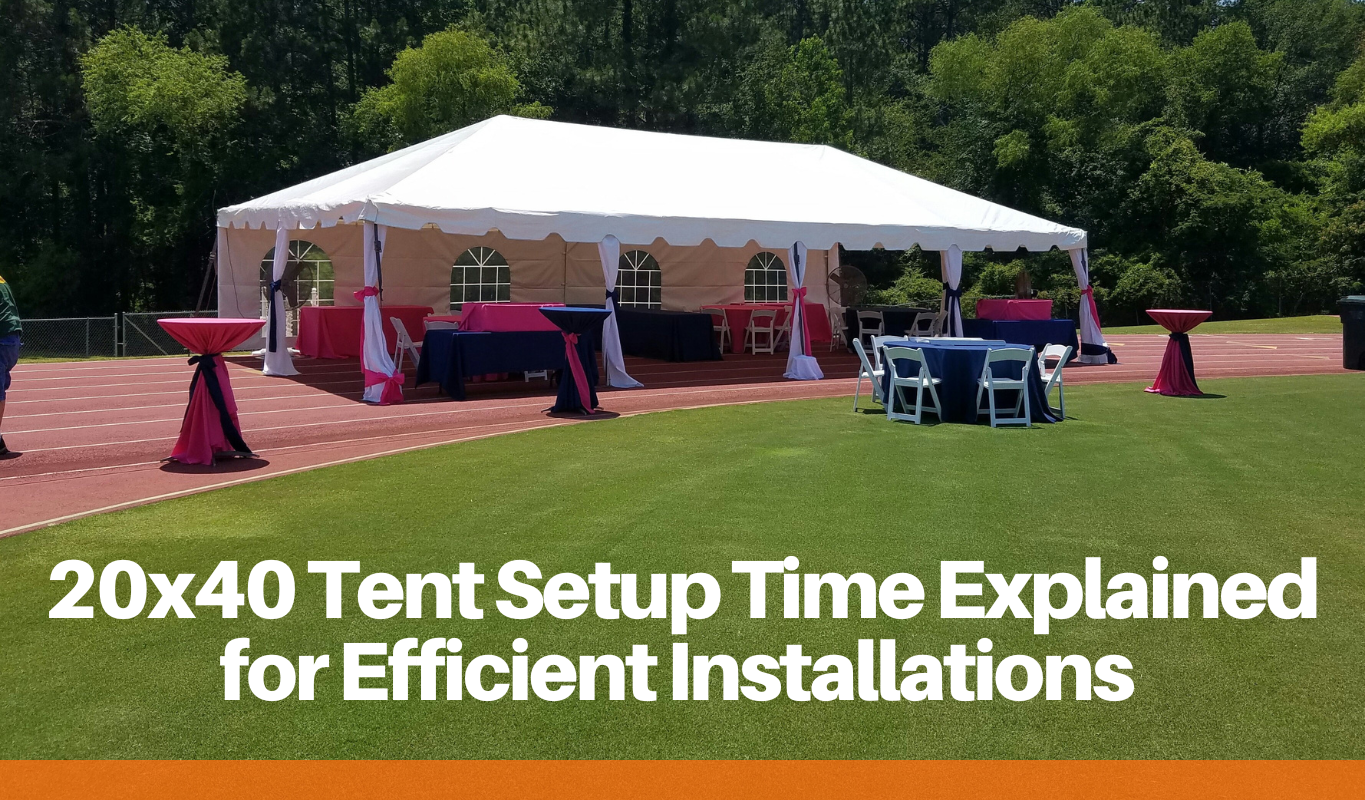
With 800 square feet of coverage, this tent size creates room for seated dining, dancing, and meaningful design details without overwhelming a backyard or estate property. It is one of the most popular dimensions for couples planning mid-sized outdoor weddings because it supports both intimacy and celebration.
The key isn’t just square footage. It’s how that space flows.
A 20x40 wedding tent gives you length for structured layout and width for guest comfort — a combination that makes reception planning far easier.
What 800 Square Feet Looks Like at a Wedding
Numbers alone do not capture how a space feels. But understanding them helps with planning.
A 20x40 wedding tent can typically accommodate:
- 70 to 90 guests seated at round tables
- 90 to 110 guests banquet-style
- 100+ guests cocktail-style
Those estimates shift depending on whether you include a dance floor, sweetheart table, DJ setup, or buffet line.
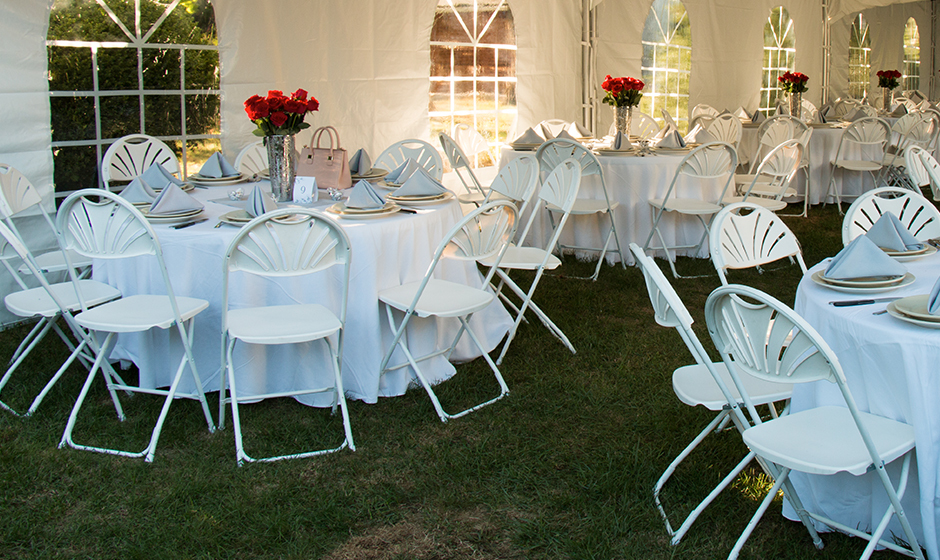
For most couples planning 75 to 85 guests, this size feels ideal. It allows comfortable table spacing, natural walkways, and room for movement once dancing begins.
For a broader look at how tent dimensions impact guest counts, reviewing wedding tent cost explained for outdoor events can help clarify planning expectations.
The goal is not to maximize chairs. The goal is to maximize experience.
Designing a Reception Layout That Flows
The rectangular footprint of a 20x40 wedding tent offers strong directional flow.
Dining Forward, Dancing Centered
One popular layout places guest tables along the rear half of the tent, leaving the front open for dancing and speeches. This creates a natural progression from dining to celebration.
Center Dance Floor Concept
Another approach centers the dance floor in the middle of the tent, with tables positioned along both long sides. This keeps energy balanced and ensures every guest has a view of the dance floor.
Thoughtful lighting enhances this layout significantly, and proper tent lighting transforms the length of a 40-foot structure into a dramatic focal point.
Head Table Placement
The 20-foot width allows for a full-length head table along the back wall without crowding guests. This creates a strong focal point for toasts and photography.
Because the tent is long rather than square, movement feels guided rather than circular. Guests instinctively flow from entrance to dining to dancing.
Frame vs Pole for a 20x40 Wedding Tent
The structural choice changes the interior feel.
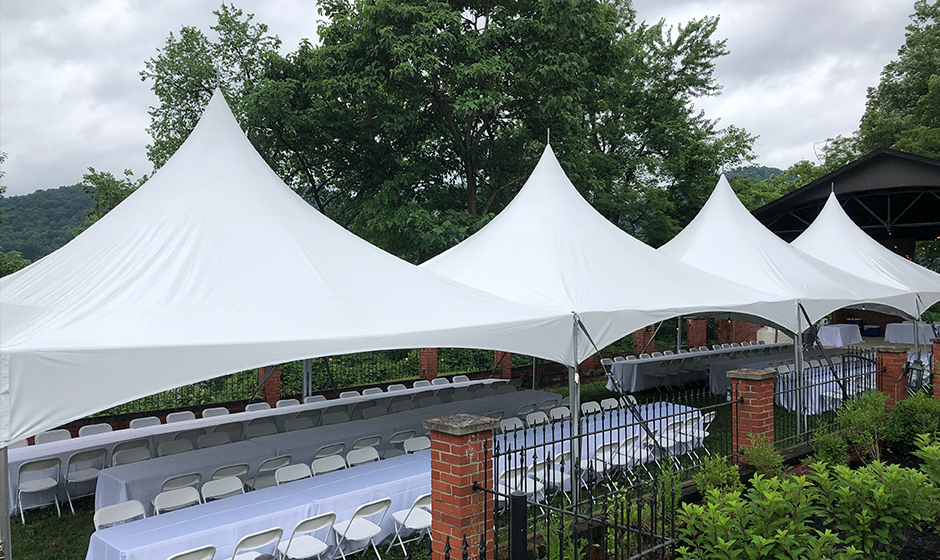
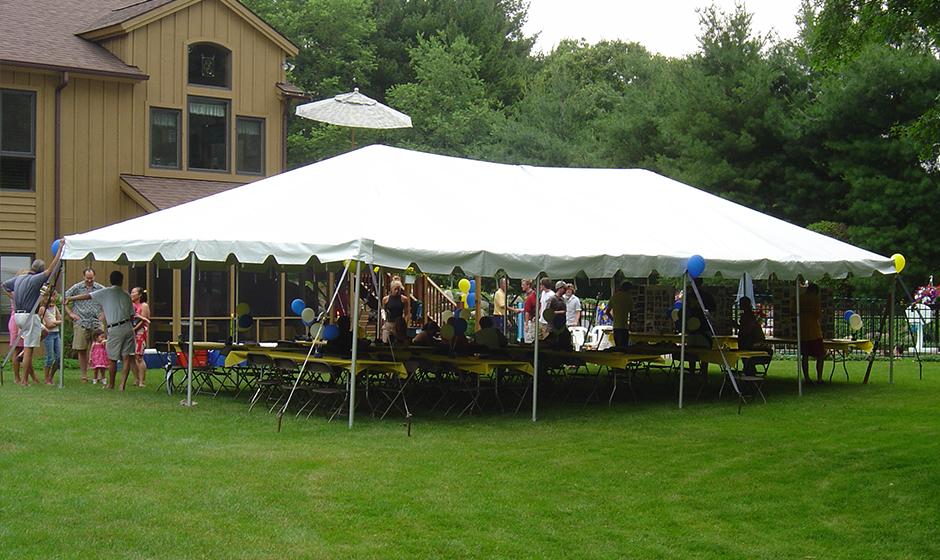
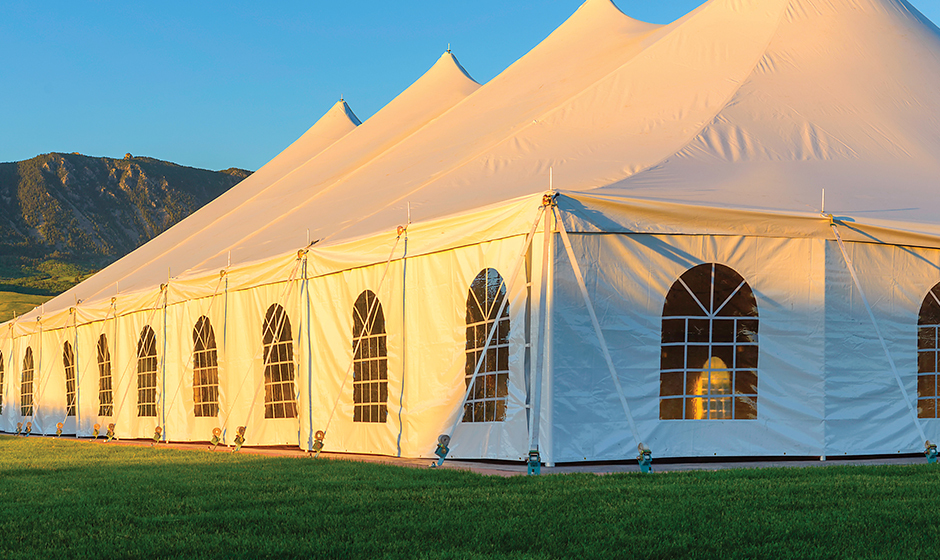
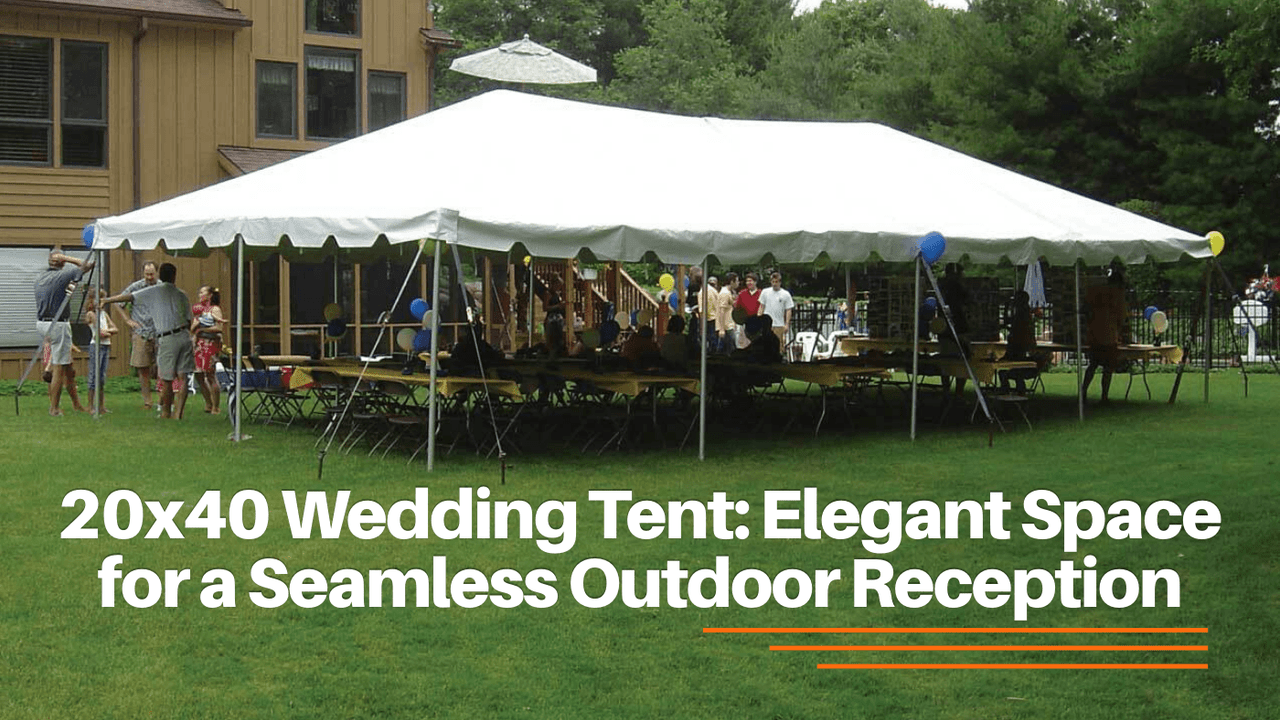
A frame tent structure provides completely unobstructed space. There are no center poles, making it easier to position dance floors and décor exactly where you want them.
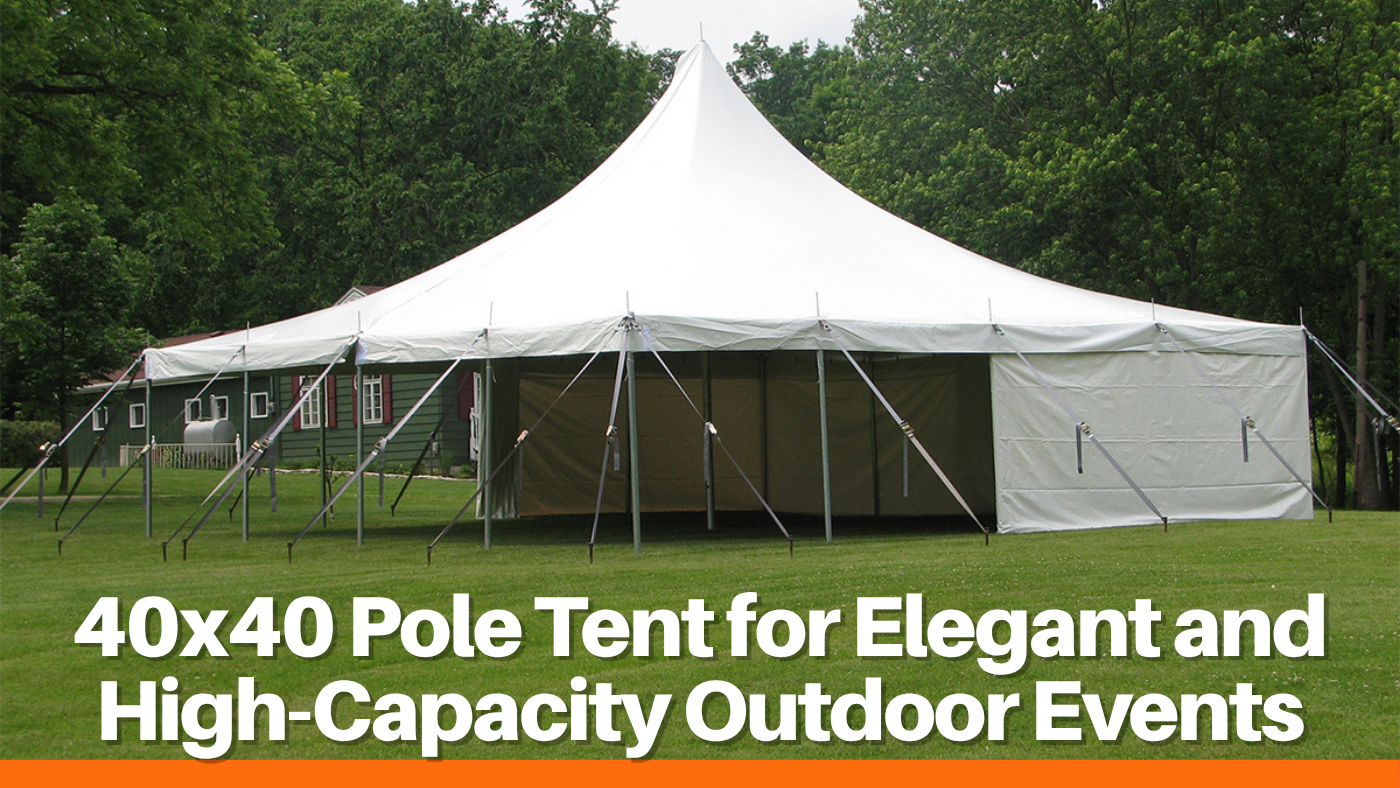
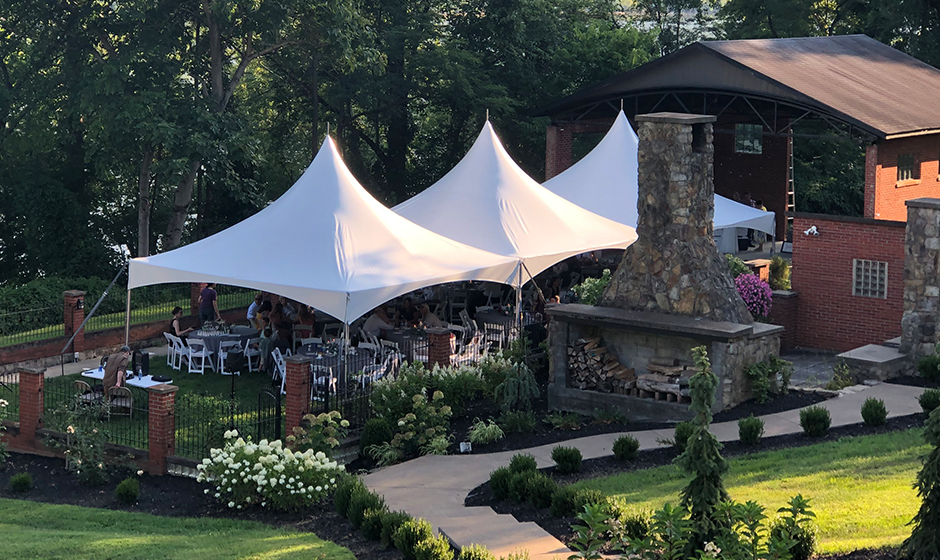
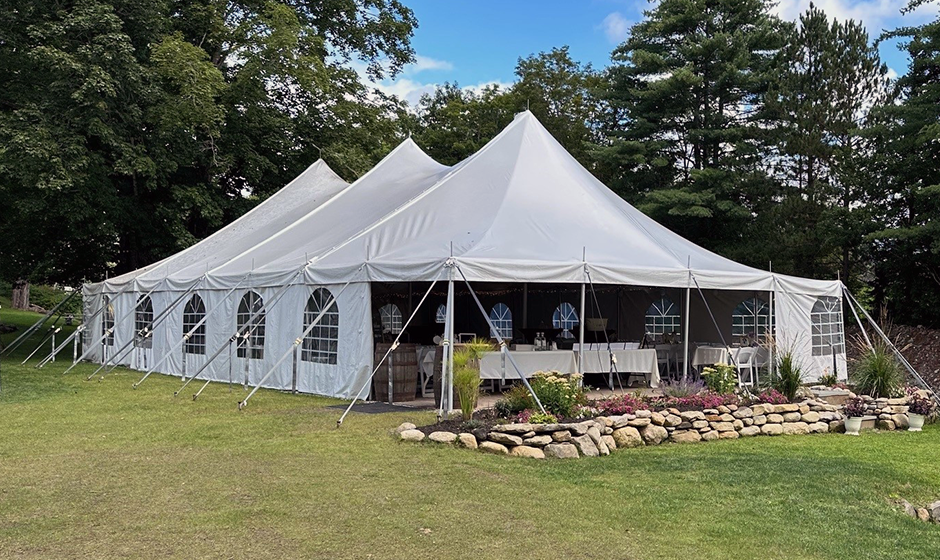
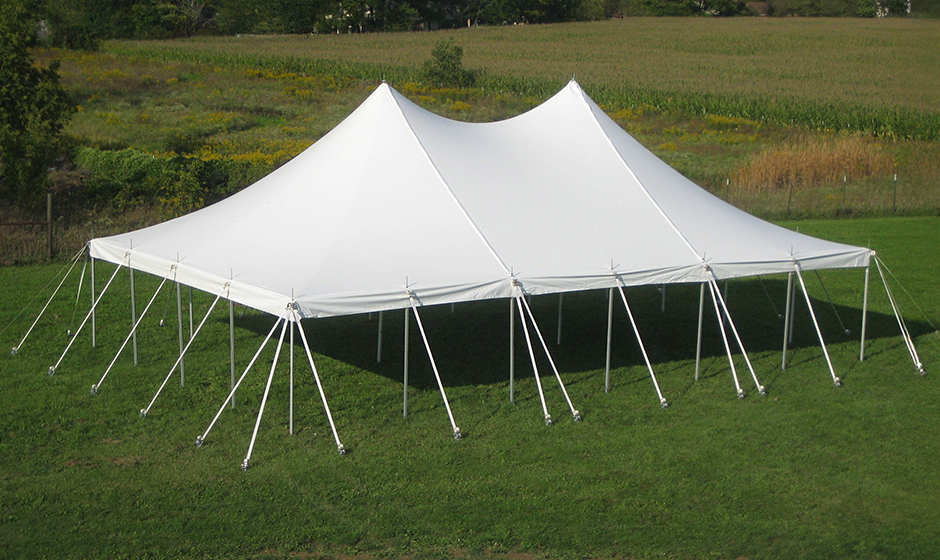
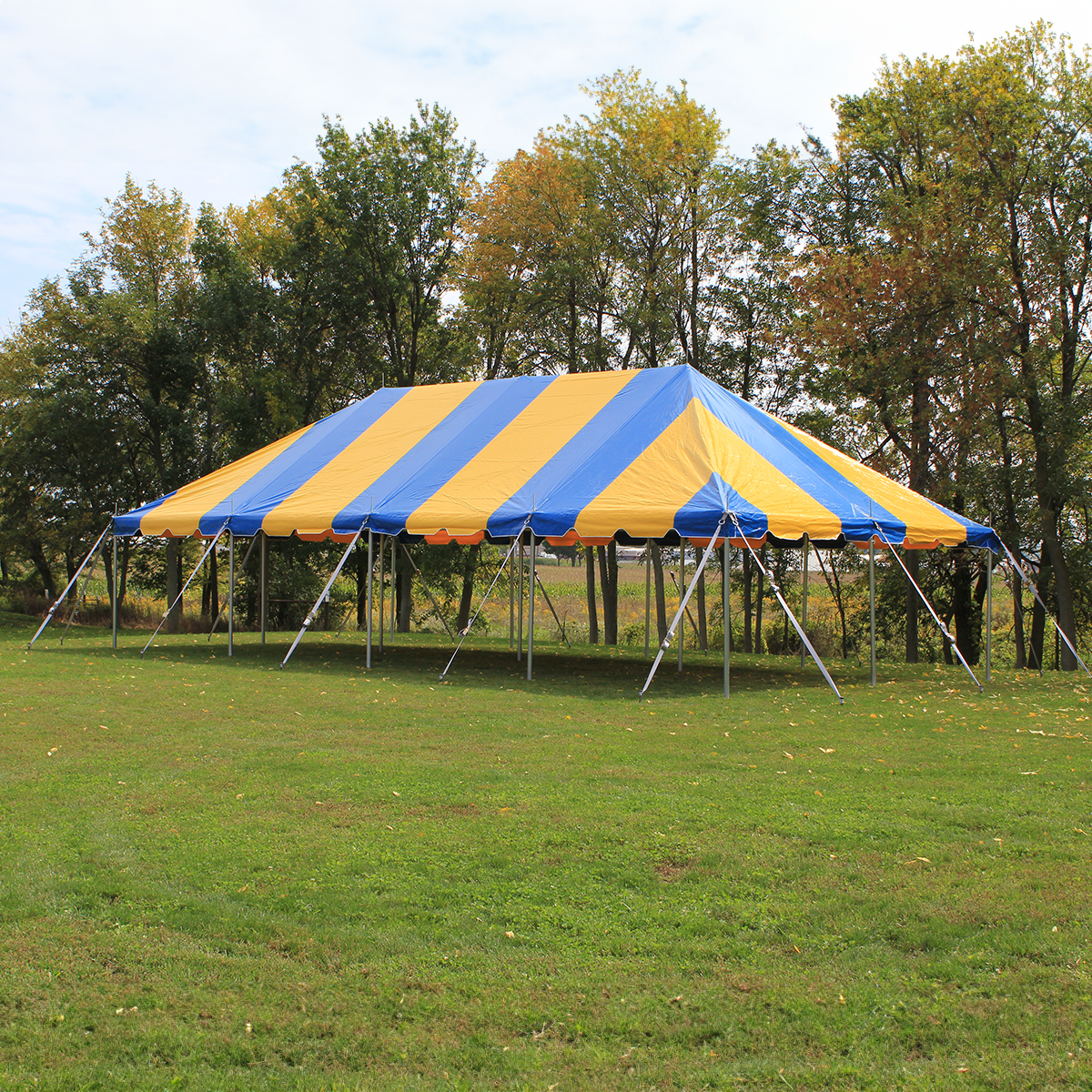
A pole tent structure introduces dramatic peaks and a more traditional aesthetic. The higher center adds visual height, which many couples love. However, center poles must be incorporated into the layout.
If you're comparing structural styles more closely, understanding frame tents vs pole tents helps clarify how interior space is affected.
For weddings with elaborate décor, chandeliers, or ceiling treatments, the frame tent offers cleaner integration. For couples wanting romantic peaks and classic styling, the pole version brings visual charm.
Both offer 800 square feet — but the atmosphere differs.
Creating an Elegant Atmosphere
A 20x40 wedding tent becomes a venue once design elements are layered in.
Ceiling draping softens the structure and enhances intimacy. String lighting along the 40-foot length creates depth and warmth. Chandeliers or clustered pendant lights provide focal points.
Because the tent is rectangular, lighting can run symmetrically down the center line. This enhances the visual length of the space.
Sidewalls can be left open for natural airflow or enclosed with clear panels for weather protection. The right sidewall selection plays a major role in balancing protection and aesthetics.
The structure adapts to the environment rather than competing with it.
Weather Protection Without Compromising Beauty
Outdoor weddings always carry some uncertainty.
A properly installed 20x40 wedding tent shields guests from direct sunlight and light to moderate rain. Optional sidewalls protect against wind while maintaining elegance.
Clear vinyl panels preserve scenic views. Solid walls provide privacy when needed.
Anchoring is especially important with this size. Mastering tent anchoring techniques ensures structural stability and peace of mind on the wedding day.
Preparedness does not detract from romance — it protects it.
Guest Comfort and Circulation
A wedding reception requires more than tables and chairs. Guests need space to mingle, servers need room to move, and couples need open areas for photography and dancing.
The 20x40 layout supports:
- Wide walkways between tables
- Clear access to buffet or bar areas
- Space for DJ or live music equipment
- Room for dessert displays and gift tables
Unlike smaller tents, where every addition reduces seating drastically, this size provides flexibility.
Comfort becomes part of the design.
When a 20x40 Wedding Tent Is the Right Fit
This size works beautifully when:
- Guest counts range between 70 and 90 seated
- A dance floor is required
- Backyard or estate property has limited width
- You want structure without overwhelming the landscape
For weddings exceeding 100 seated guests with full dining and dancing, exploring larger wedding tent options may provide better spacing.
But for many mid-sized weddings, the 20x40 tent hits the sweet spot.
Budget and Value Considerations
While larger than a 20x30 tent, a 20x40 wedding tent often eliminates the need for additional structures.
Instead of separating dining and dancing into multiple tents, everything fits cohesively under one roof.
This simplifies lighting, décor installation, and guest flow.
When evaluating cost, consider the emotional value of a well-proportioned space. A tent that feels balanced enhances the entire celebration.
Why This Size Remains a Wedding Favorite
Event planners frequently recommend the 20x40 wedding tent because it is predictable in the best way.
It handles mid-sized guest lists gracefully.
It offers layout clarity.
It supports décor symmetry.
It feels substantial without being excessive.
It transforms an outdoor setting into a refined reception venue.
For couples seeking elegance with practicality, this size delivers both.
A 20x40 wedding tent offers the space, flexibility, and refined presence needed for a seamless outdoor celebration. Whether you’re planning a backyard ceremony, estate reception, or garden wedding, this size supports dining, dancing, and décor without compromise.
Ready to Create Your Perfect Wedding Reception Space?
Explore professional-grade wedding tent solutions designed for elegance, durability, and seamless installation — built to support dining, dancing, and unforgettable moments.
Shop Wedding TentsElegant Designs | Professional-Grade Materials | Reliable Installation
FAQ
How many guests can a 20x40 wedding tent seat?
A 20x40 wedding tent can typically seat 70 to 90 guests at round tables. Banquet-style seating may increase that number slightly, while adding a dance floor may reduce seating capacity.
Is a 20x40 tent big enough for a wedding reception?
Yes, for mid-sized weddings. It comfortably accommodates dining and dancing for under 100 guests. Larger weddings may require expanded dimensions.
Should I choose a frame or pole tent for my wedding?
Frame tents provide unobstructed interiors and layout flexibility. Pole tents offer dramatic peaks and traditional aesthetics. The right choice depends on your design priorities.
Can I include a dance floor in this size tent?
Yes. A central dance floor fits comfortably within the 20x40 layout, though seating capacity may adjust slightly depending on floor size.
Does a wedding tent require professional installation?
Yes. Proper anchoring and structural setup are essential for safety and stability, especially for larger tent sizes like 20x40.