



20x60 Wedding Tent: Spacious Elegance for Larger Celebrations
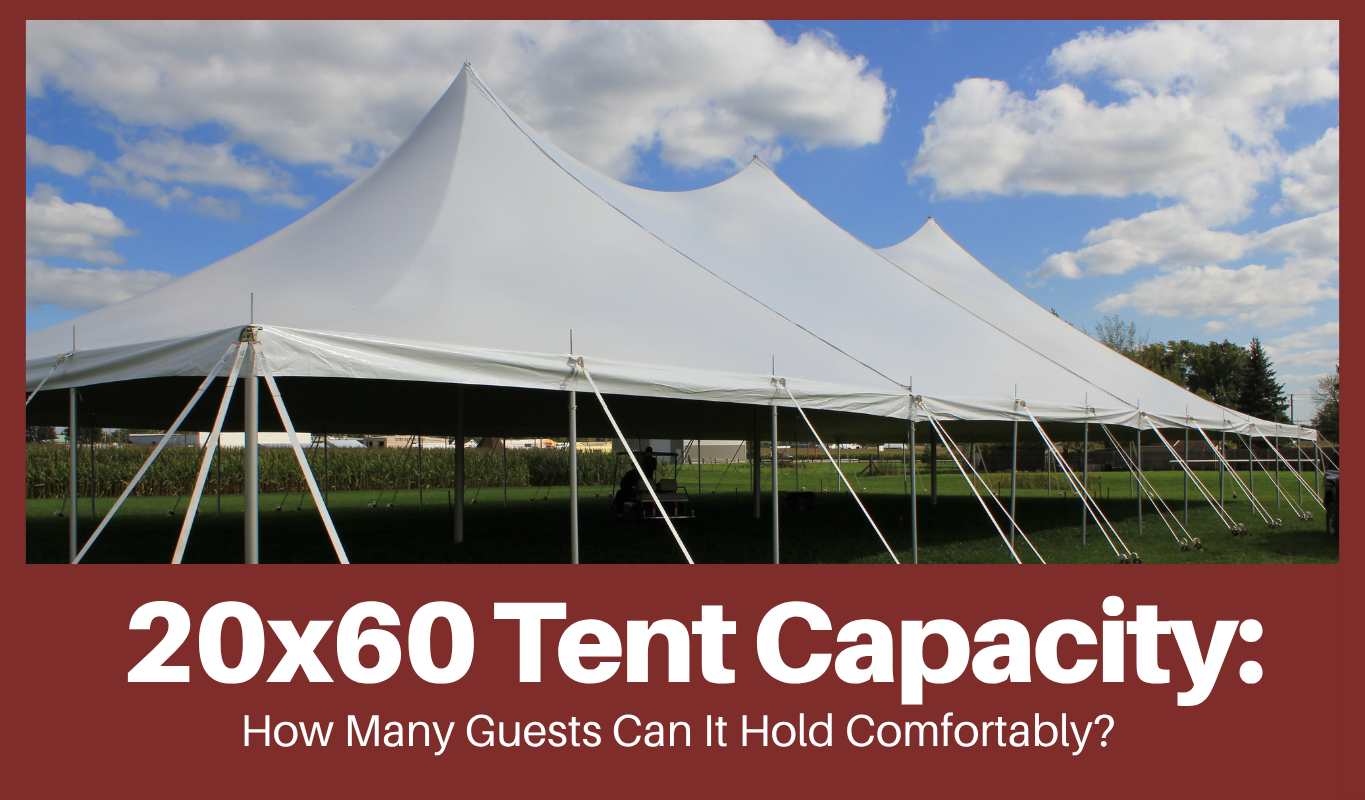
A 20x60 wedding tent transforms an outdoor setting into a fully structured reception venue.
With 1,200 square feet of interior coverage, this size moves confidently into large wedding territory. It is designed for celebrations where guest counts increase, dance floors expand, and décor becomes more elaborate — without sacrificing layout clarity or guest comfort.
Unlike smaller tents that require careful compromise, a 20x60 footprint allows intentional zoning. Dining, dancing, lounge space, and service areas can coexist within one cohesive structure.
It does not feel like “more space.” It feels like a complete venue.
What 1,200 Square Feet Means for Wedding Planning
A 20x60 wedding tent provides 1,200 square feet of covered space.
That additional 20 feet of length compared to a 20x40 wedding tent dramatically changes layout flexibility. It allows planners to think in sections rather than squeezing everything into a single shared zone.
Typical seating capacity includes:
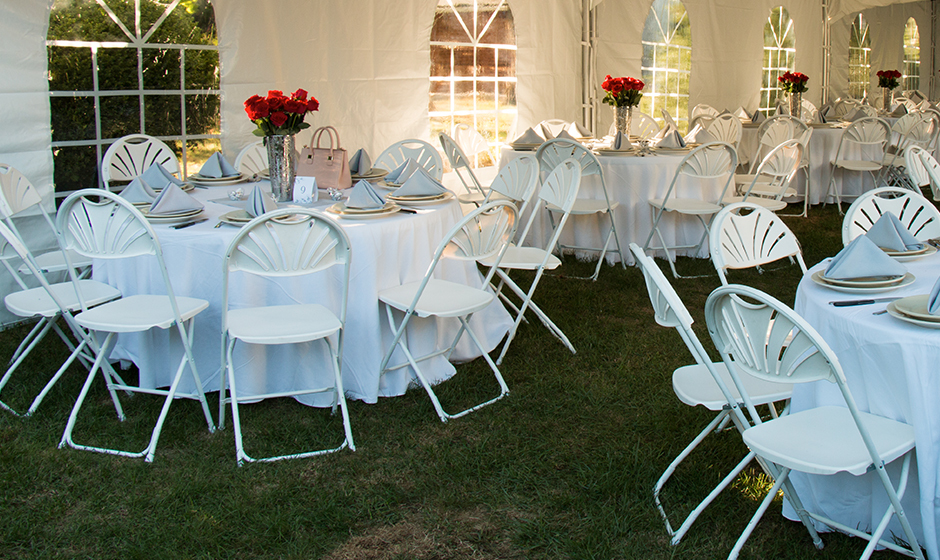
- 100 to 120 guests at round tables
- 120 to 150 guests banquet-style
- 140+ guests cocktail-style
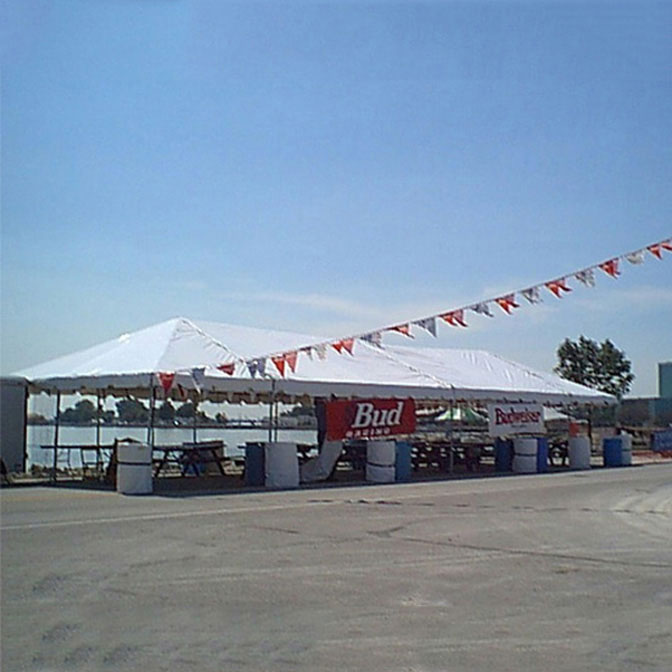
If including a dance floor, 90 to 110 seated guests is often the most comfortable range.
But capacity is only one part of the equation. Flow is what elevates the experience.
Designing a Reception with Natural Flow
The 60-foot length creates a sense of progression.
Guests can enter one end of the tent into a cocktail or welcome area. Dining tables can occupy the central section. The far end can house the dance floor and entertainment zone.
This separation reduces congestion and creates a more immersive experience.
Dining and Dancing Separation
In smaller tents, dining and dancing compete for space. In a 20x60 wedding tent, they complement one another. The dance floor can expand to 16x16 or larger without compromising table spacing.
Head Table and Sweetheart Table Options
The extended length allows for a full-length head table with generous spacing. Alternatively, a sweetheart table can be positioned strategically with guest tables evenly distributed along both sides.
Because of the rectangular footprint, the layout feels structured and elegant.
Frame vs Pole for a 20x60 Wedding Tent
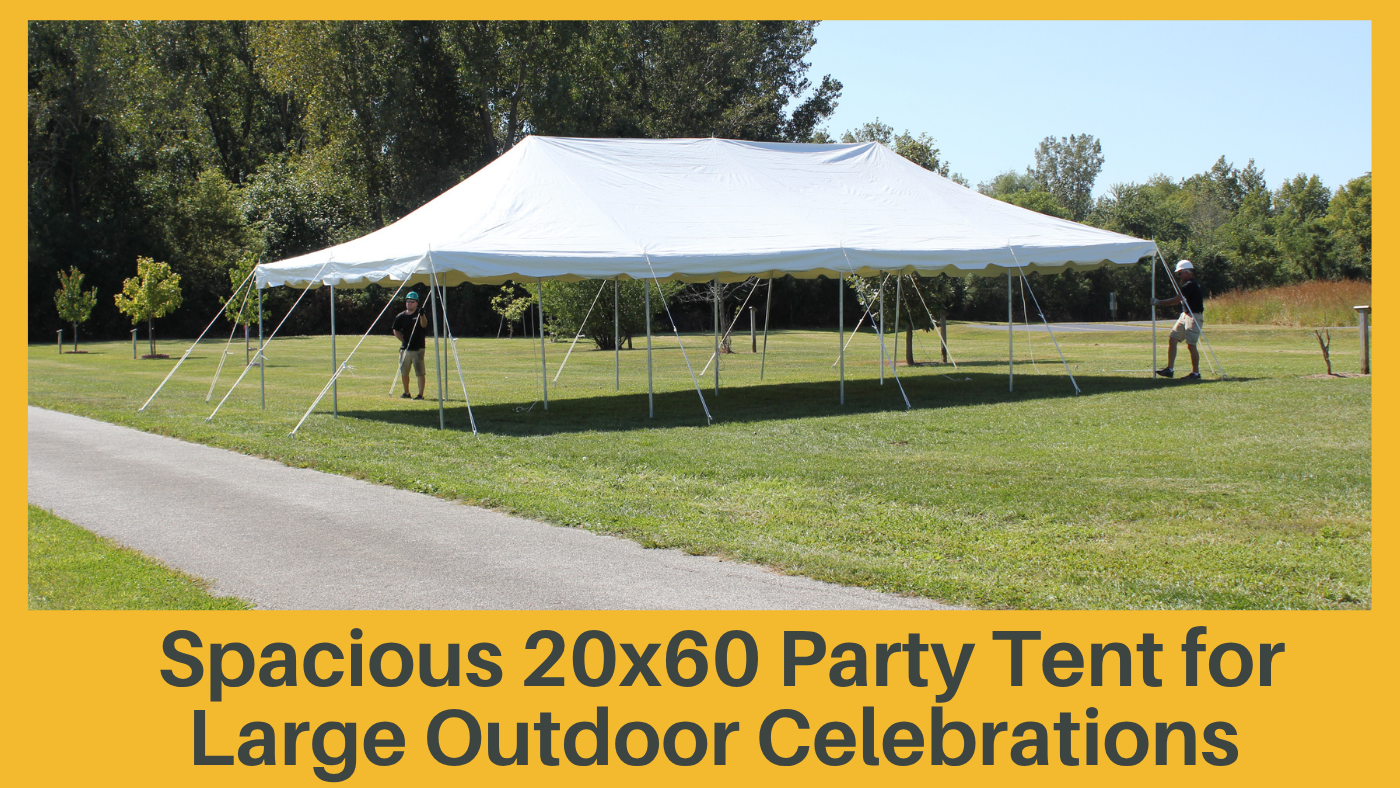
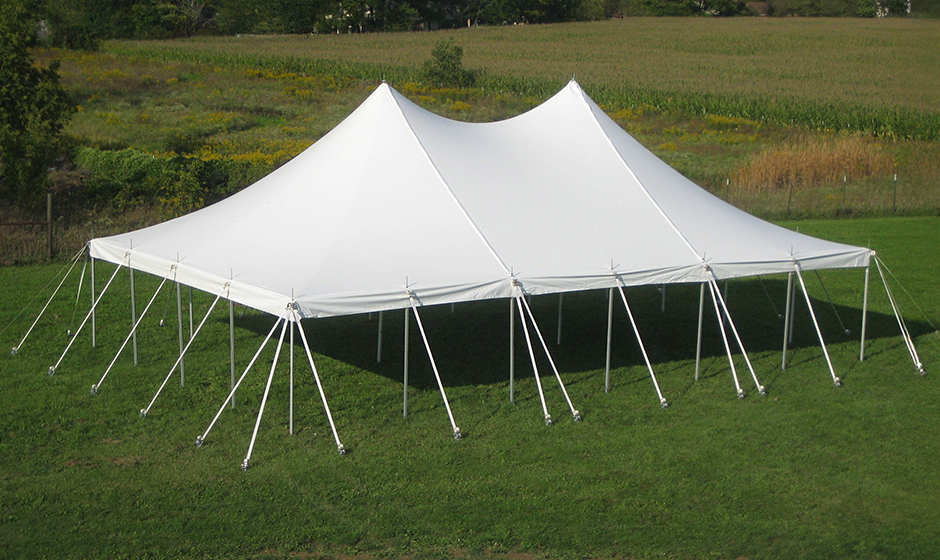
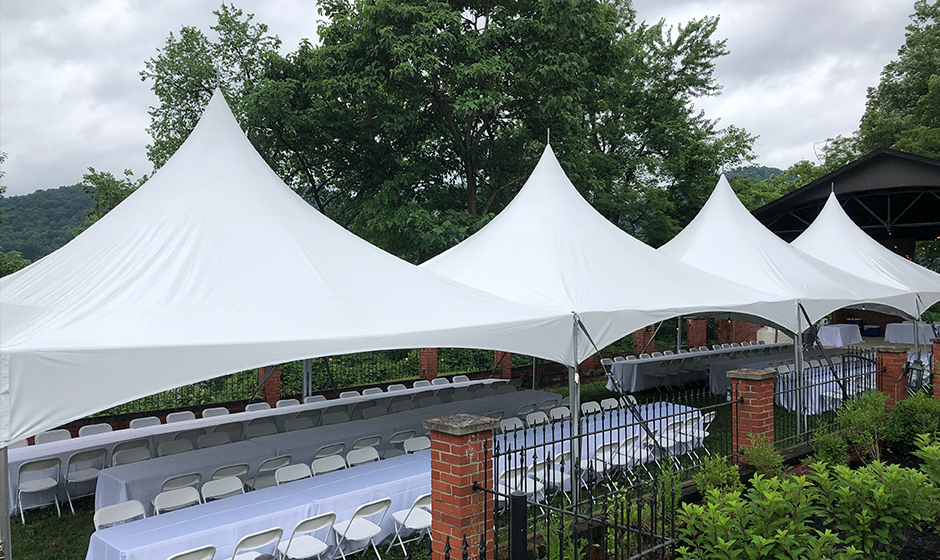
Both frame and pole versions are available in this size, and each creates a different atmosphere.
Pole Tent
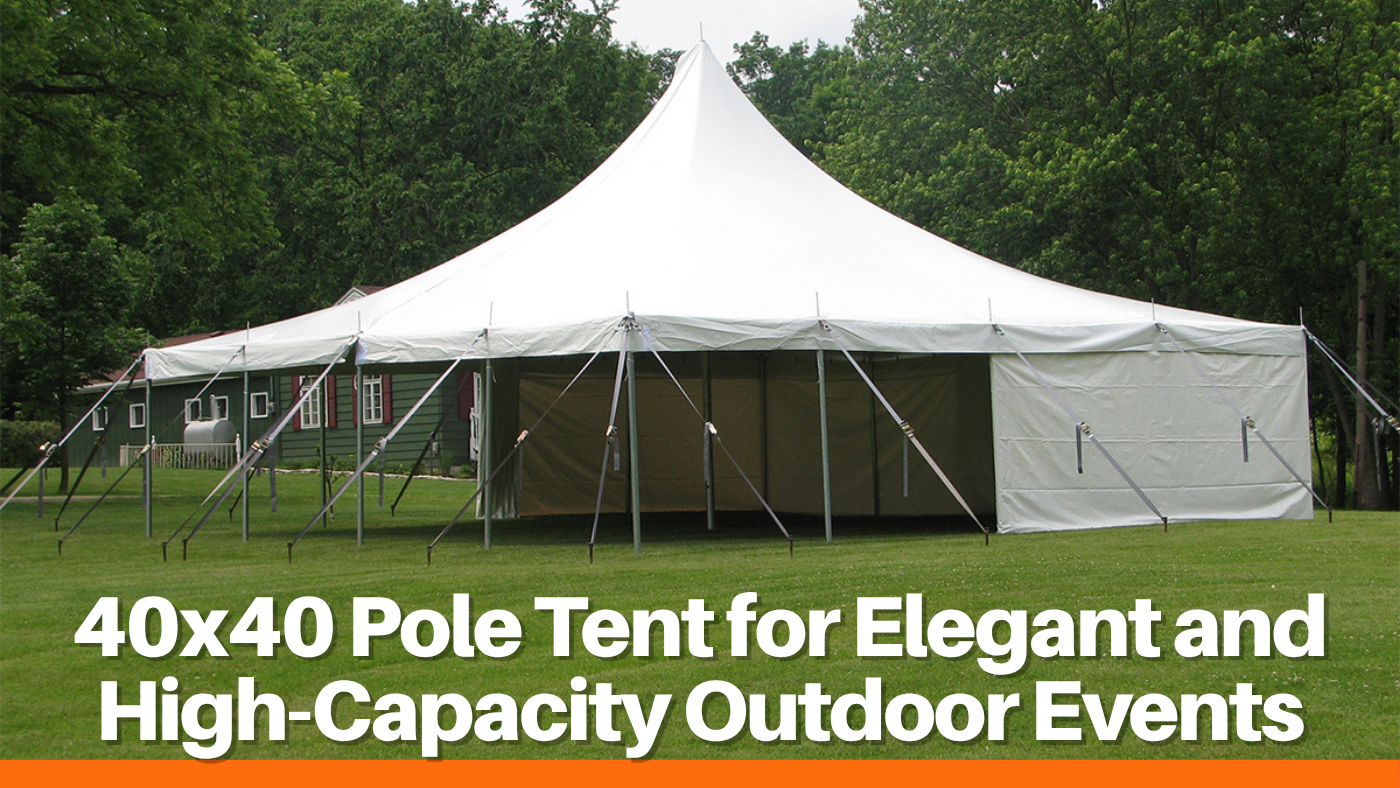
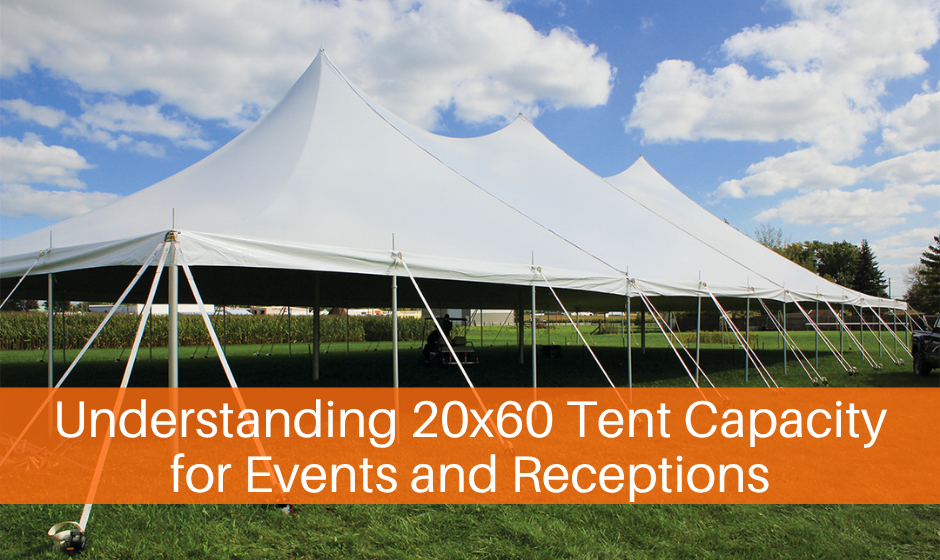
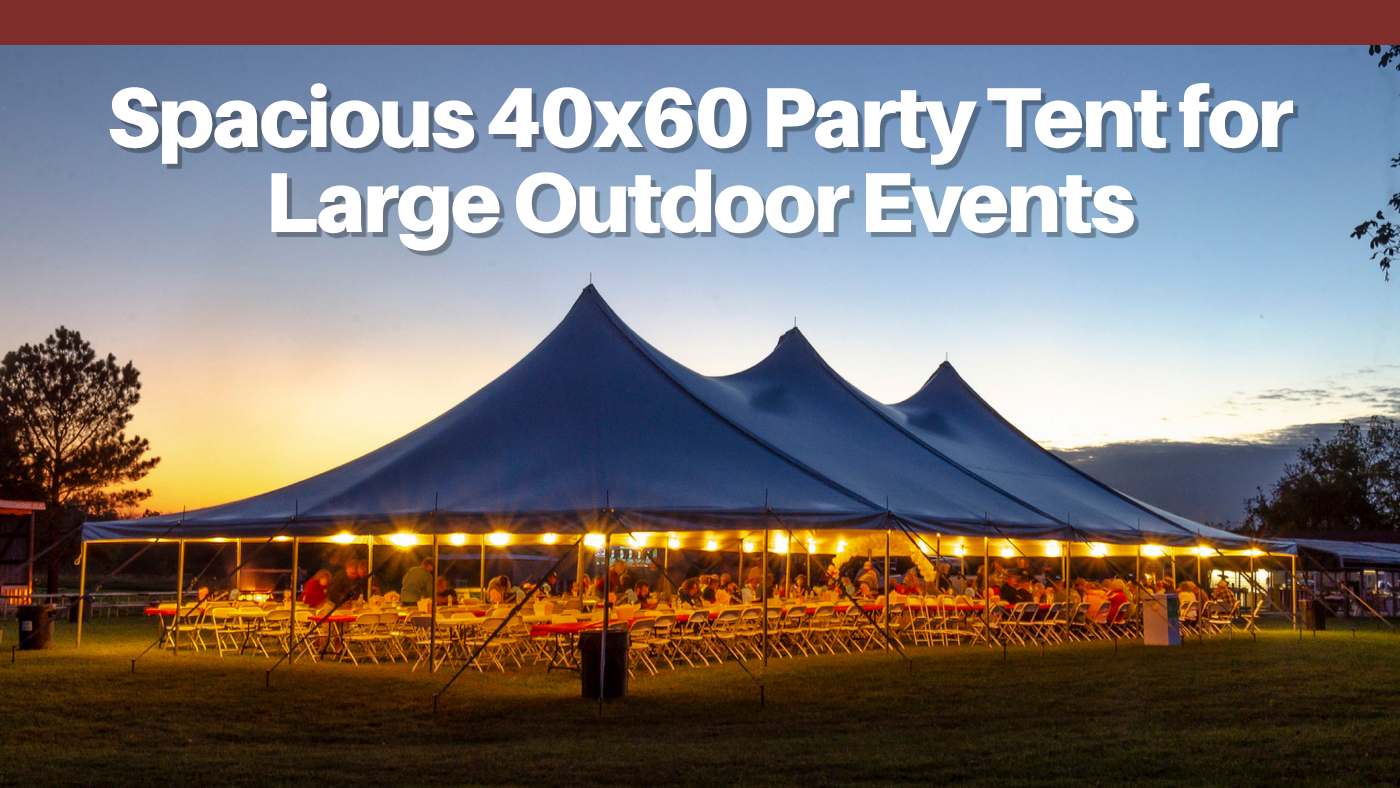
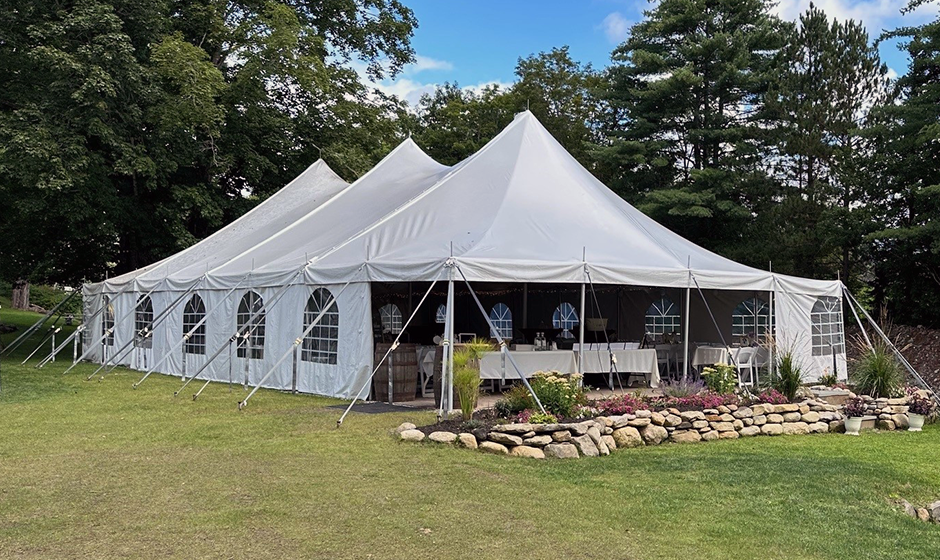
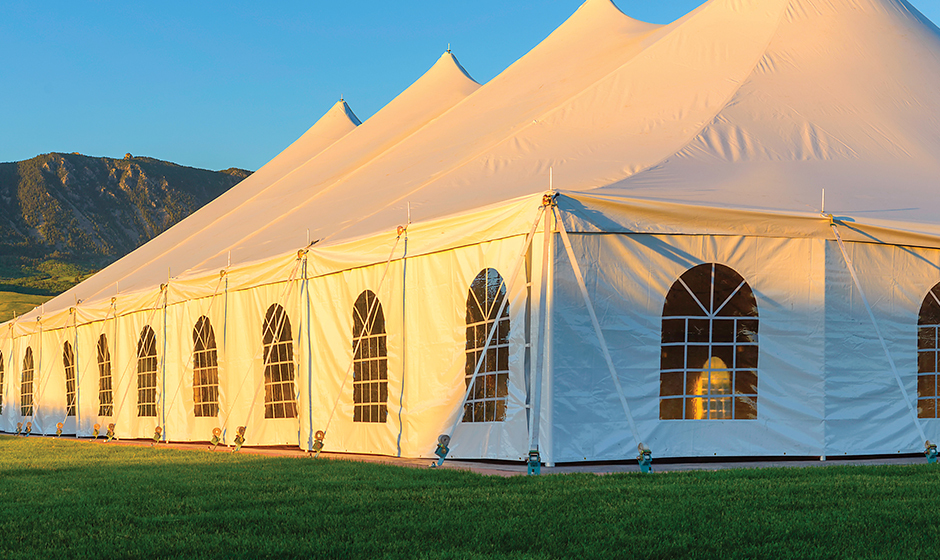
A pole tent introduces dramatic peaks and a classic wedding silhouette. The central poles add height and romance, though they must be incorporated into the layout.
Frame Tent
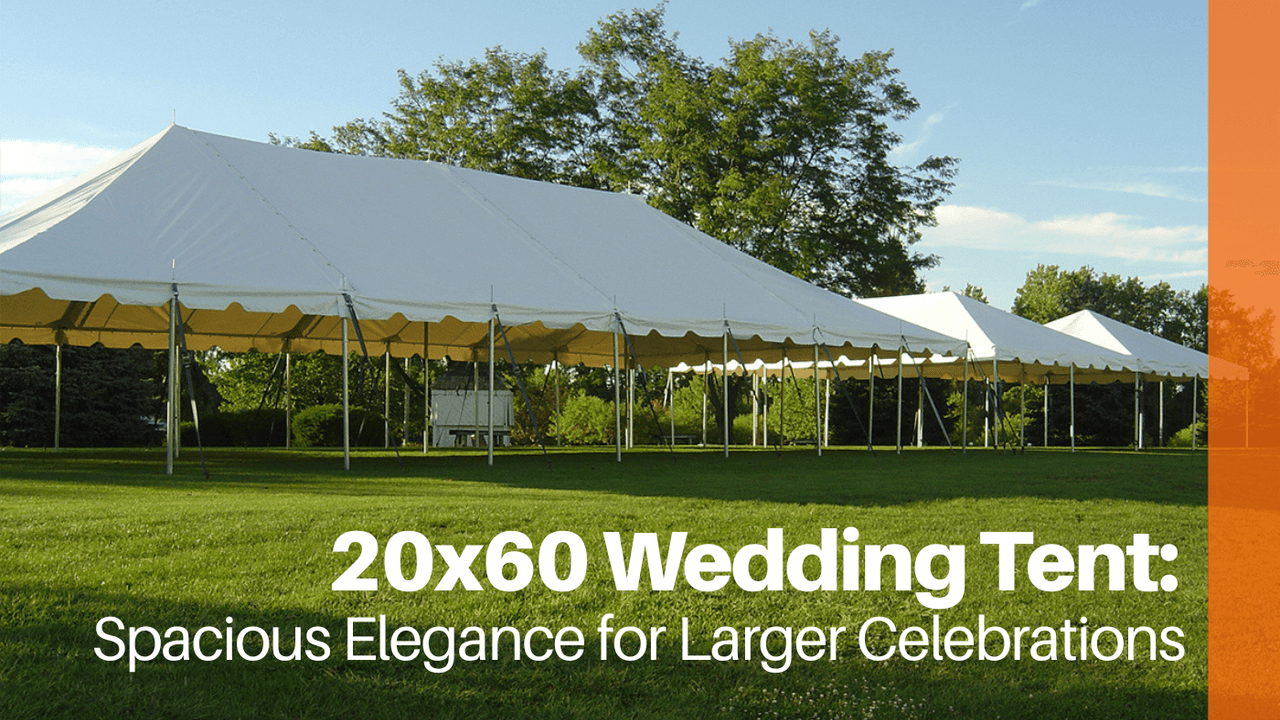
A frame tent removes interior obstructions entirely. This allows uninterrupted sightlines across the entire 60-foot length, making it ideal for elaborate staging, lighting rigs, or symmetrical décor.
For weddings emphasizing clean lines and open space, frame construction is often preferred. For couples wanting height and traditional charm, pole tents deliver architectural elegance.
Lighting and Ceiling Design at This Scale
A 20x60 wedding tent offers significant vertical and horizontal design opportunities.
String lighting can run the full 60-foot length, creating depth and warmth. Multiple chandeliers spaced evenly across the ceiling enhance visual balance. Draping can soften the interior and draw attention toward the centerline.
Because the tent is longer, layered tent lighting becomes more impactful. It prevents the space from feeling flat and instead creates dimension.
At this scale, décor feels purposeful rather than crowded.
Weather Protection and Structural Planning
Large wedding tents require thoughtful anchoring and installation.
A 20x60 wedding tent must be professionally installed to ensure proper tension and stability. Anchoring systems vary depending on surface type — grass, gravel, concrete, or pavers.
Sidewalls can be added to provide wind protection or enclose the space entirely. Clear panels maintain scenic views while shielding guests from weather changes.
Proper tent anchoring is essential when hosting 100+ guests outdoors. Professional installation protects both the celebration and the investment.
Guest Comfort and Circulation
One of the advantages of 1,200 square feet is circulation.
Guests can move between dining and dancing areas without crowding. Buffet lines can be positioned along one side while maintaining clear access to seating.
Bar stations can be placed near entrances to prevent bottlenecks.
When events exceed 100 guests, movement patterns determine whether the space feels smooth or stressful. The 20x60 layout supports seamless transition between event phases.
When a 20x60 Wedding Tent Is the Right Fit
This tent size is ideal when:
- Guest counts exceed 100 seated guests
- A large dance floor is planned
- Catering and service areas need dedicated space
- The property allows 60 feet of length clearance
- The event requires strong presence without going into massive structure territory
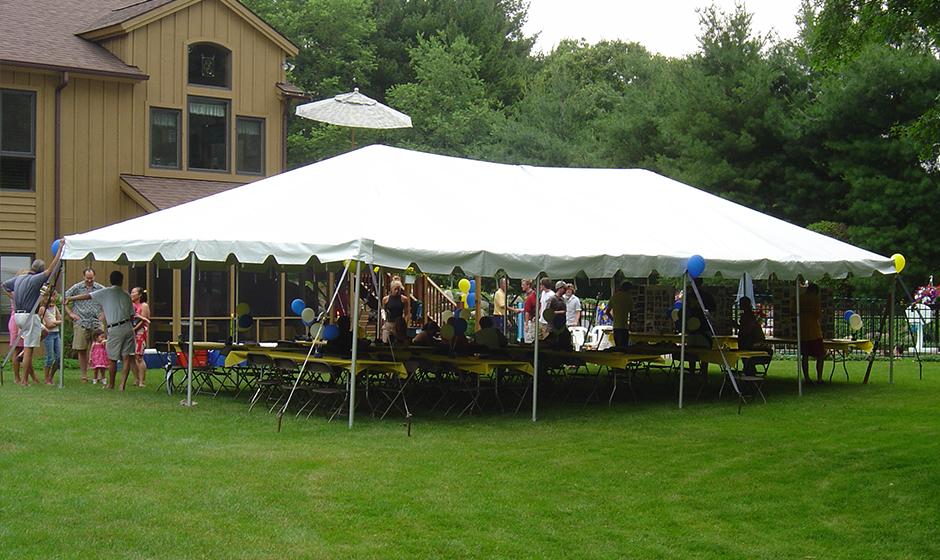
It is especially popular for estate weddings, vineyard celebrations, and upscale backyard receptions.
For couples wanting spacious elegance without moving into 30-foot width structures, 20x60 offers impressive scale while maintaining manageable width.
Budget and Planning Considerations
A 20x60 wedding tent requires more material, labor, and anchoring than smaller sizes. However, it often eliminates the need for multiple tent structures.
Instead of separating dining, dancing, and cocktail areas into different tents, everything fits cohesively beneath one roof.
This simplifies lighting installation, décor coordination, and guest flow management.
The investment supports both aesthetics and logistics.
Why the 20x60 Wedding Tent Feels Complete
Smaller tents support celebrations. Larger tents create venues.
The 20x60 wedding tent strikes a balance between elegance and scale. It supports guest counts above 100 without feeling industrial or oversized.
It provides structure without overwhelming the landscape. It allows décor to breathe. It keeps dining and dancing distinct while still connected.
For larger outdoor weddings, it offers clarity in both design and experience.
Planning a Large Outdoor Wedding?
Discover professional-grade wedding tent solutions engineered for structural integrity, elegant presentation, and seamless installation — designed to support spacious layouts and unforgettable celebrations.
Explore 20x60 Wedding TentsSpacious Layouts | Elegant Design | Professional Installation
FAQ
How many guests can a 20x60 wedding tent seat?
A 20x60 wedding tent can typically seat 100 to 120 guests at round tables and up to 150 banquet-style. Including a dance floor will reduce seating capacity slightly depending on layout.
Is 20x60 large enough for a 120-guest wedding?
Yes. With careful layout planning, a 20x60 tent comfortably accommodates 120 guests for dining and dancing. It provides significantly more flexibility than smaller 20-foot-wide tents.
Should I choose a frame or pole tent in this size?
Frame tents offer unobstructed interior space, while pole tents provide higher peaks and traditional aesthetics. The choice depends on design priorities and venue conditions.
Can I include catering stations inside the tent?
Yes. The extended 60-foot length allows for buffet lines or bar stations without severely impacting guest seating.
Does this tent require professional installation?
Absolutely. Due to its size and anchoring requirements, professional installation ensures structural safety and proper tensioning.