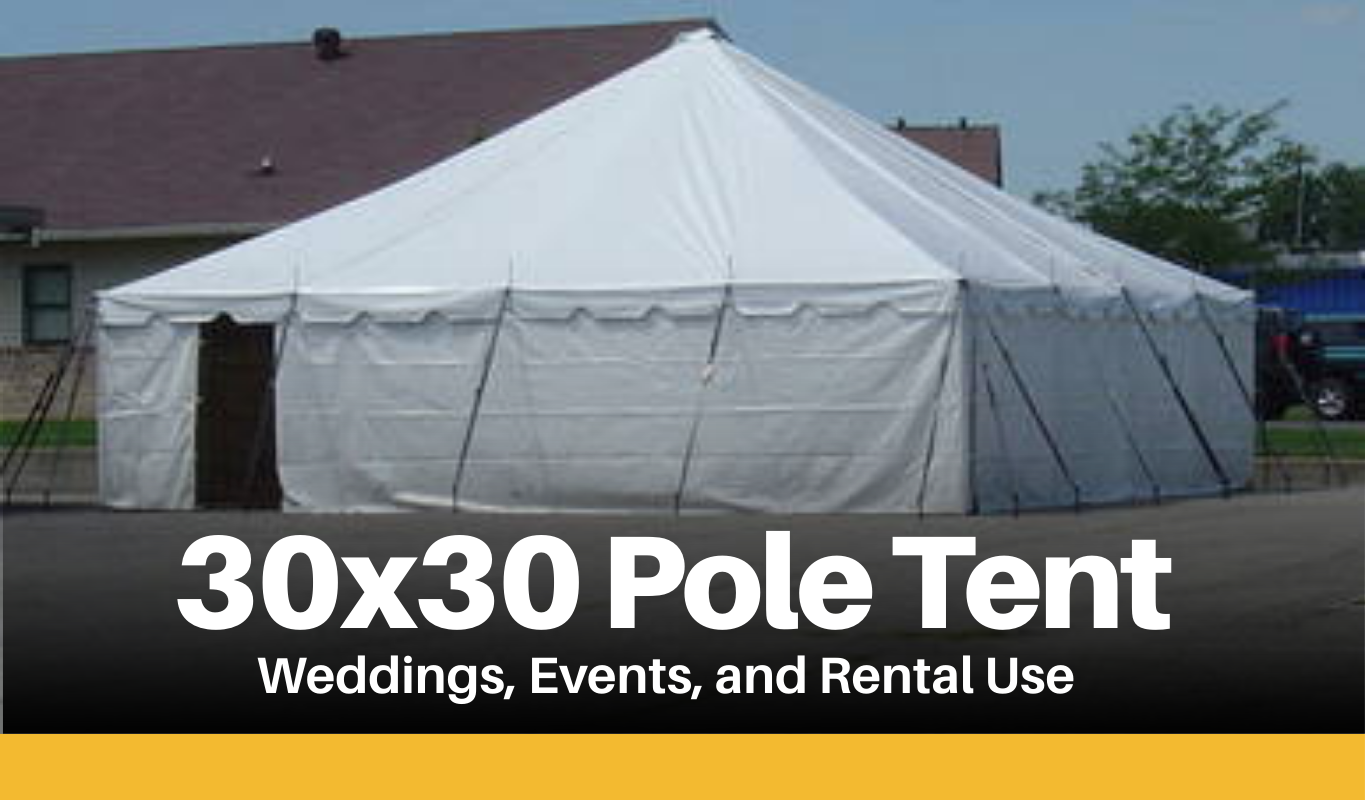




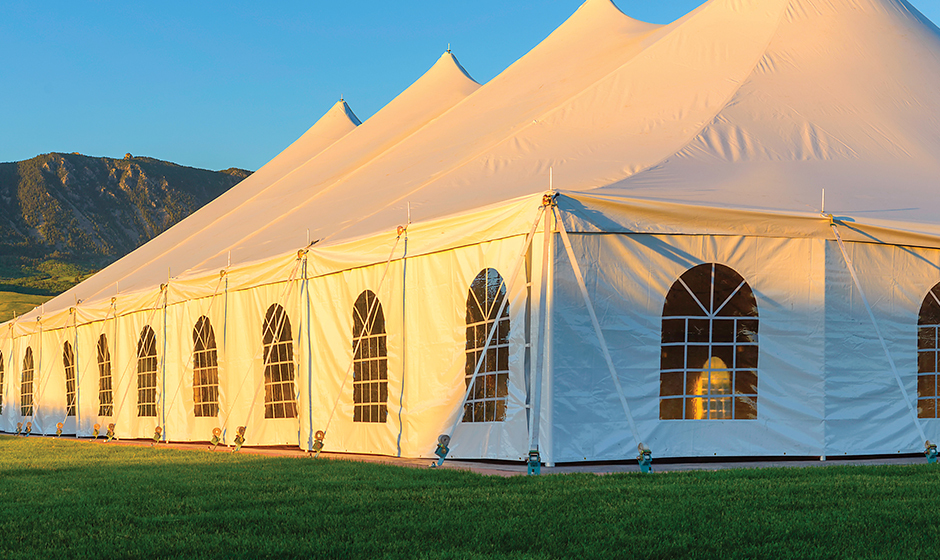
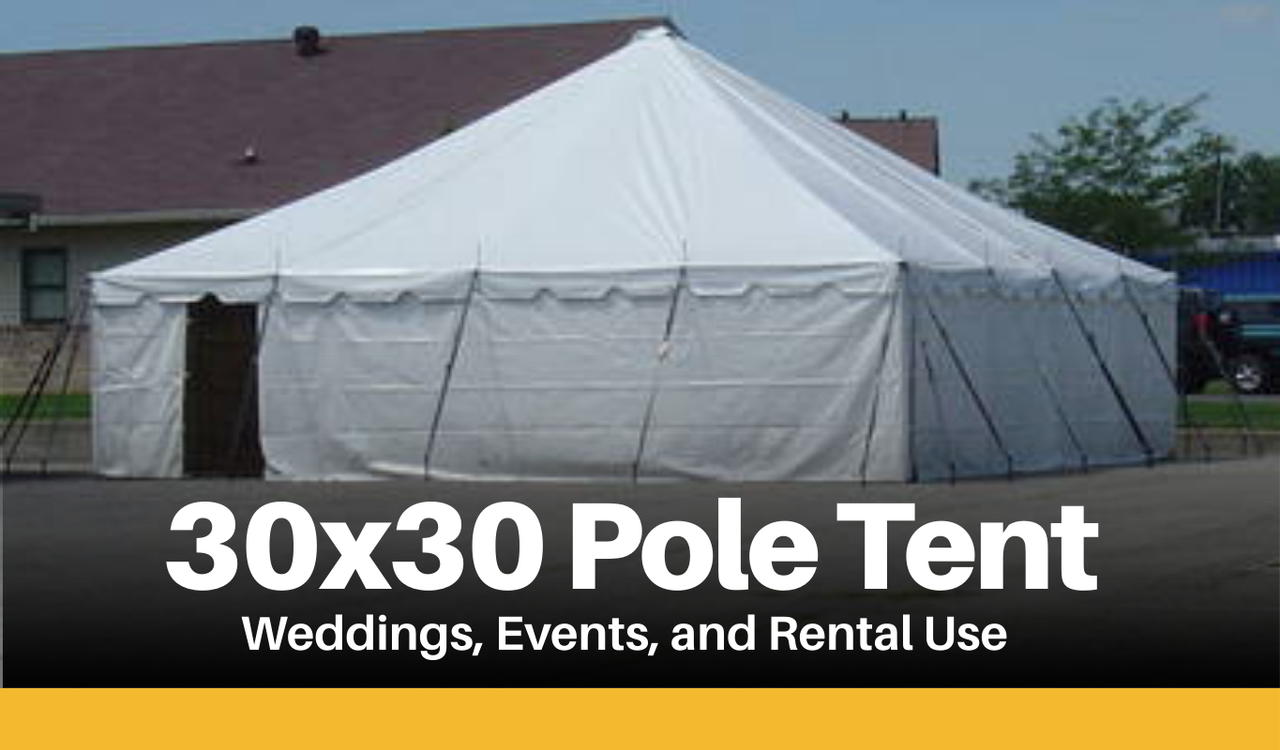
30x30 Pole Tent for Weddings, Events, and Rental Use
The 30x30 pole tent is often chosen when an event needs more presence than a small structure but still requires balance and proportion. It delivers the visual appeal pole tents are known for while providing a square footprint that supports flexible layouts and natural guest flow. For planners reviewing standard event tent sizes, this footprint consistently sits in the sweet spot between intimacy and scale.
This size feels deliberate rather than oversized. It creates a defined event space without dominating the surrounding environment, which is why it pairs naturally with outdoor wedding layouts and curated private celebrations. Whether placed on a lawn, garden, or open field, the tent establishes a clear gathering area that feels welcoming and organized.
For rental companies, this size sits comfortably between smaller entry-level tents and larger, more complex structures. It is large enough to feel like a true event tent but not so large that it introduces unnecessary logistical challenges. For event planners and hosts, it creates a space that feels intentional and established without overwhelming the site. The 30x30 pole tent is not about maximizing capacity. It is about creating a well-shaped, usable environment that supports the tone and flow of an event.
What Defines a 30x30 Pole Tent
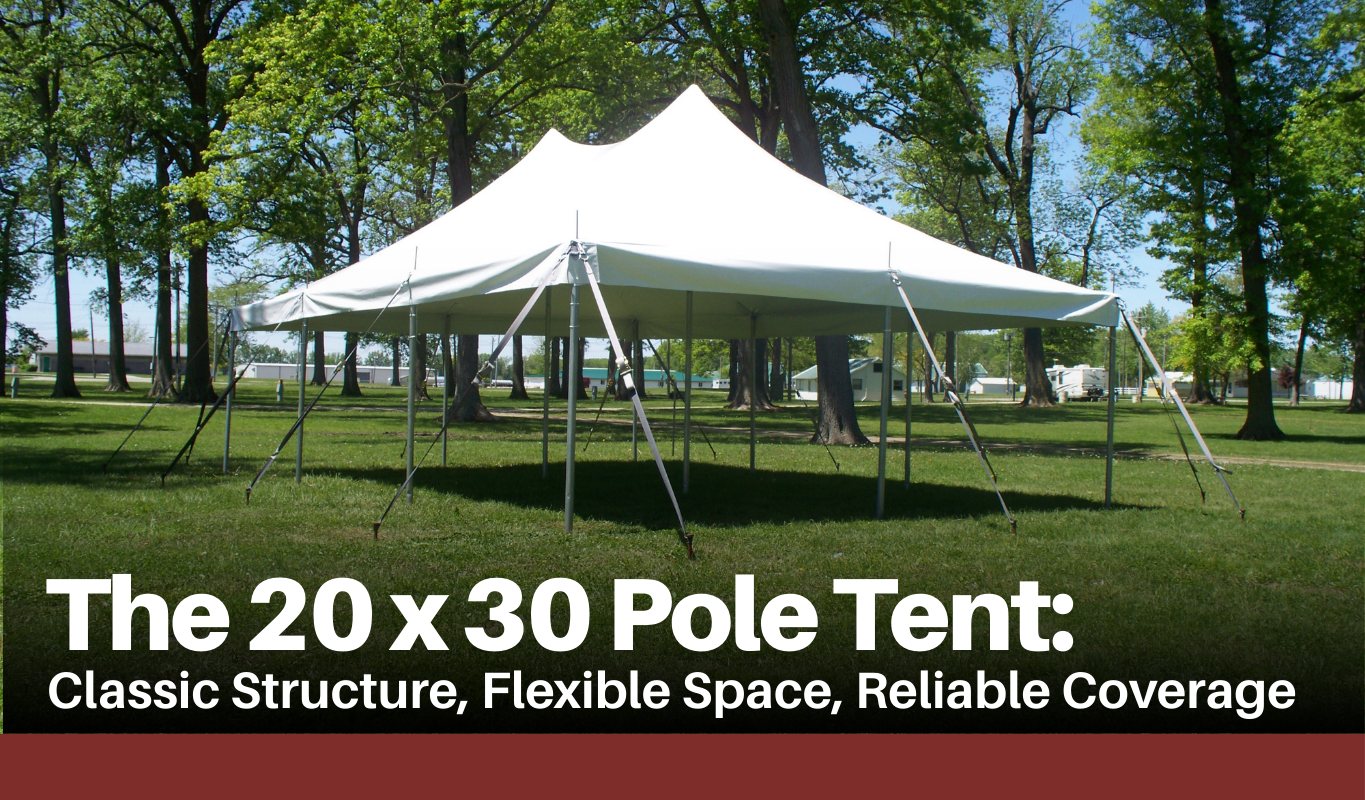
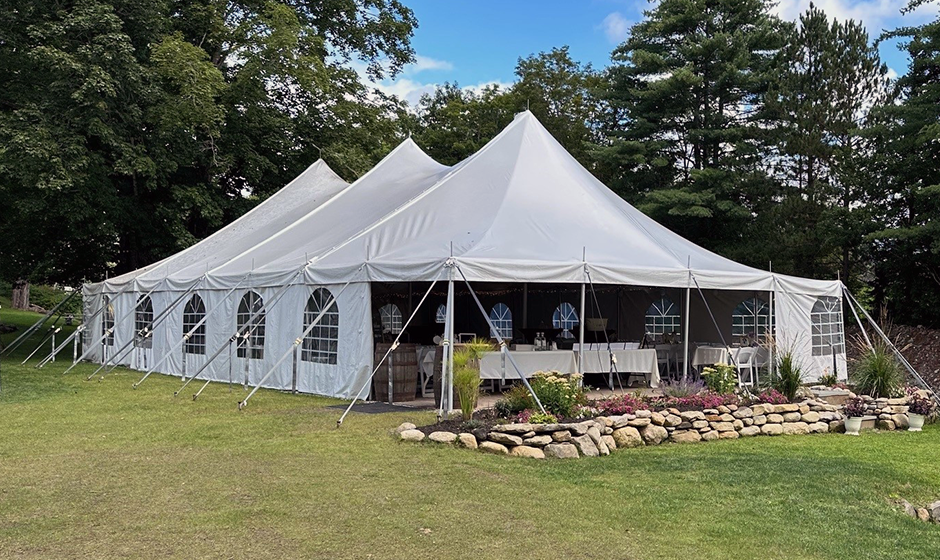
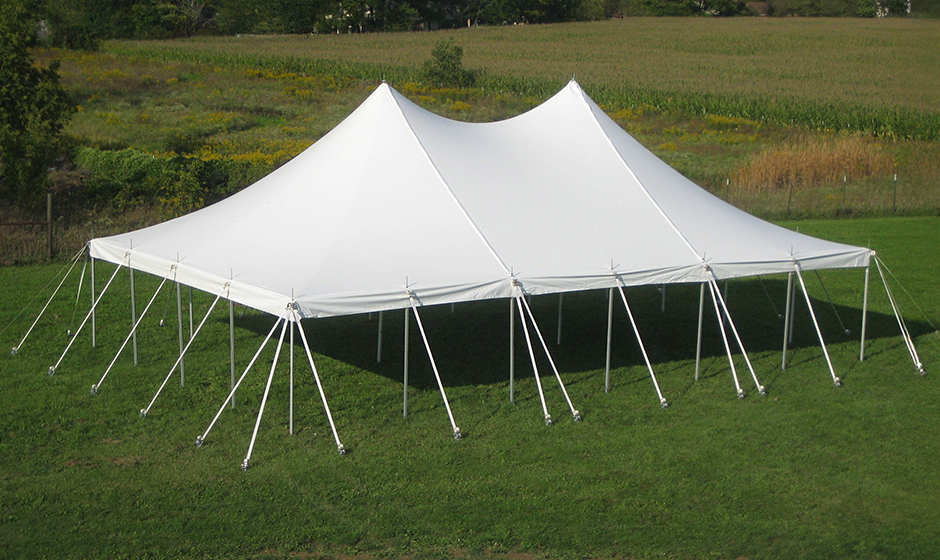
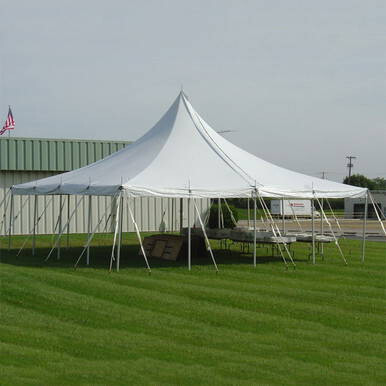
A pole tent relies on center poles and perimeter staking to create tension across the canopy. In a 30x30 footprint, that structure becomes visually balanced and structurally efficient. The tension created by the stakes pulls the fabric taut, forming the high peaks and smooth slopes that define the classic pole tent look.
The square layout allows the tent to feel centered and cohesive, which is especially important for events that place emphasis on symmetry and presentation. Unlike rectangular tents that stretch in one direction, a 30x30 footprint feels contained and proportional from every angle.
The center poles typically rise higher than the edges, creating a natural focal point within the space. This height variation improves airflow, enhances the sense of openness, and gives decorators and planners vertical space to work with when designing lighting or draping.
Why the 30x30 Size Feels So Intentional
At approximately 900 square feet, the 30x30 pole tent provides enough space to host meaningful gatherings while maintaining a sense of intimacy. Guests are close enough to feel connected, yet there is still room to move comfortably throughout the space.
This size avoids the stretched, linear feel of longer tents and instead creates a contained environment where guests can see and interact with one another easily. Conversations feel more natural, and the event feels unified rather than segmented. This is often cited when planners compare layouts in resources like pole versus frame tent comparisons.
That balance is why this size is frequently chosen for weddings, receptions, and formal outdoor celebrations. It offers enough room for tables, dance space, or ceremony seating without feeling empty or oversized. The proportions support thoughtful layouts that feel purposeful rather than improvised.
Common Uses for a 30x30 Pole Tent
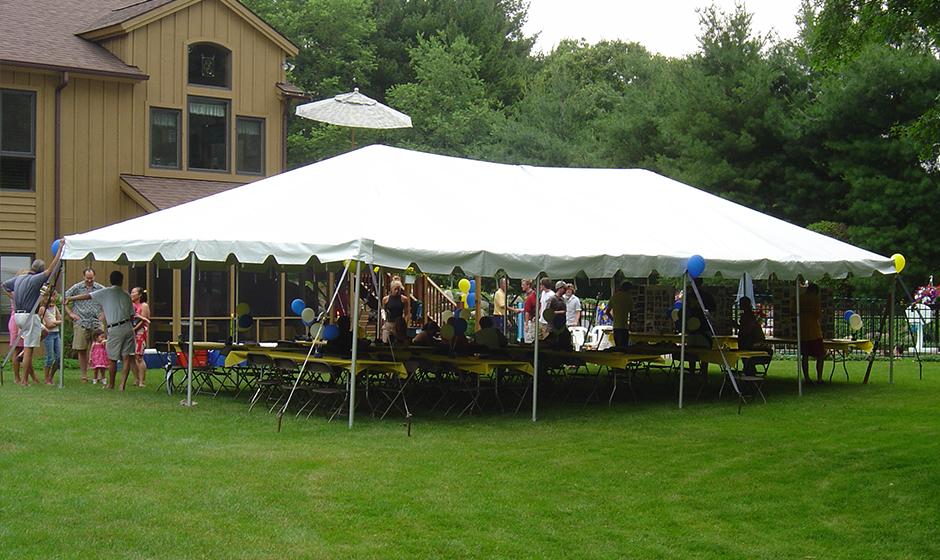
The 30x30 pole tent is commonly used for wedding receptions, rehearsal dinners, private parties, fundraisers, and community events. It works equally well for daytime and evening gatherings, adapting easily to different atmospheres and schedules.
It can serve as a primary event tent for medium-sized gatherings or function as a central structure within a larger tented layout supported by additional event tents. In wedding settings, it is often used for dining or dancing, while ceremonies may take place in an adjacent open area or under a smaller tent.
Because of its balanced footprint, it is often selected when the event design emphasizes symmetry, décor, and visual flow. The tent provides a strong foundation for event styling without dictating a rigid layout.
Site Requirements and Ground Conditions
Pole tents require adequate space for staking, and the 30x30 size is no exception. The surrounding ground must allow for proper anchoring and tensioning. Stakes extend outward from the perimeter, so planners must account for additional clearance beyond the tent’s footprint.
This tent performs best on grass or soil where stakes can be driven securely. Firm but penetrable ground provides the stability needed to maintain tension and resist movement from wind or activity inside the tent. According to guidance from the Advanced Textiles Association, proper anchoring is one of the most critical safety factors for temporary fabric structures.
Hard surfaces such as concrete or asphalt are not ideal for traditional pole tents unless alternative anchoring solutions are used. In these cases, planners often evaluate whether a frame tent structure is a more appropriate choice.
When site conditions are suitable, installation is straightforward and results in a clean, polished structure that holds its shape throughout the event.

Interior Layout and Center Pole Considerations
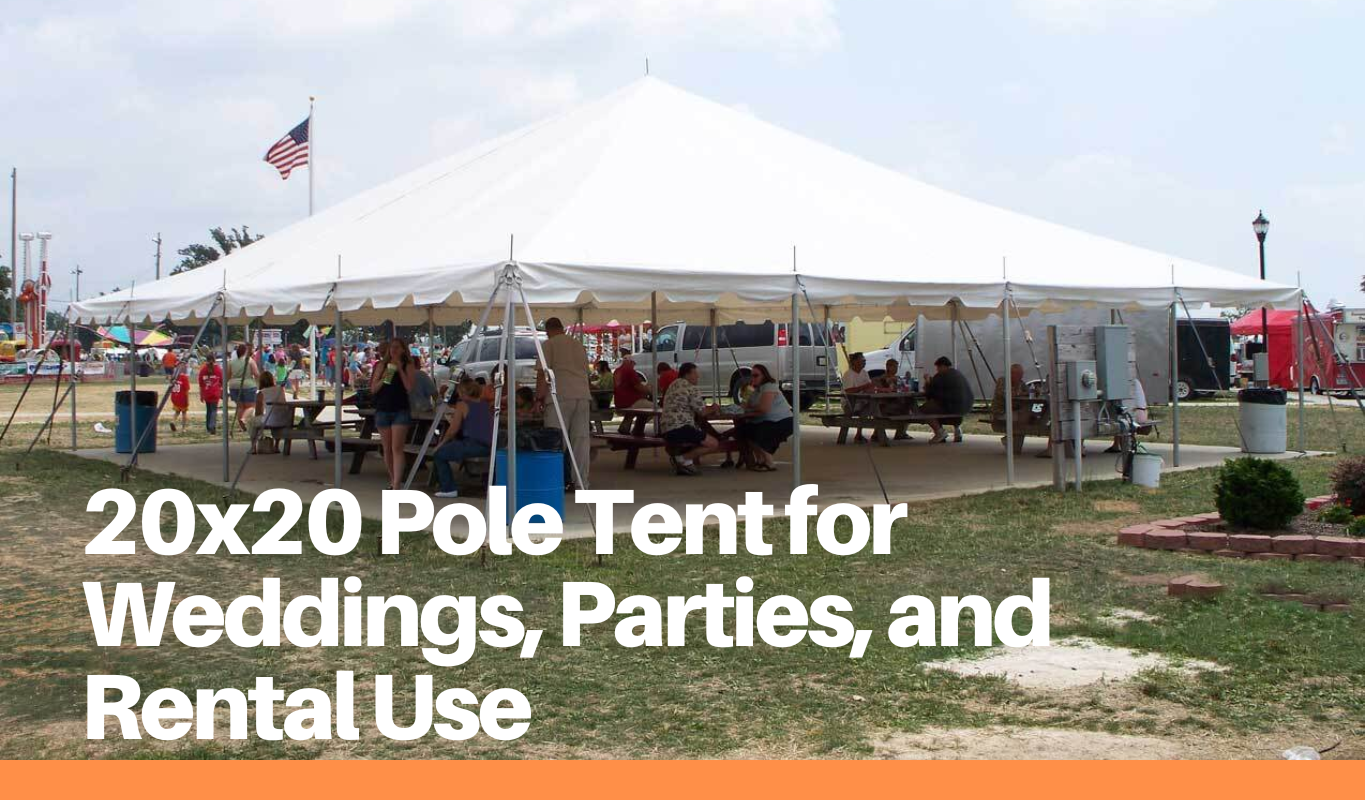
The presence of center poles influences how the interior of a 30x30 pole tent is used. Rather than being obstacles, these poles often become natural reference points for layout planning.
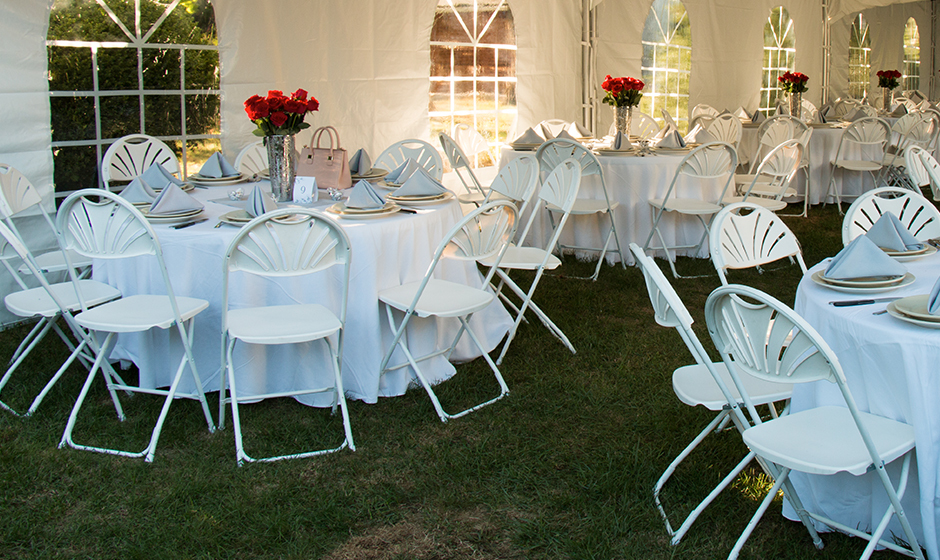
Dining tables can be arranged symmetrically around the poles, creating a balanced look. Lighting, florals, and fabric treatments are often integrated into the poles to reinforce structure and symmetry.
With thoughtful planning, the poles contribute to the character of the space rather than limiting it.
Visual Appeal and Event Atmosphere
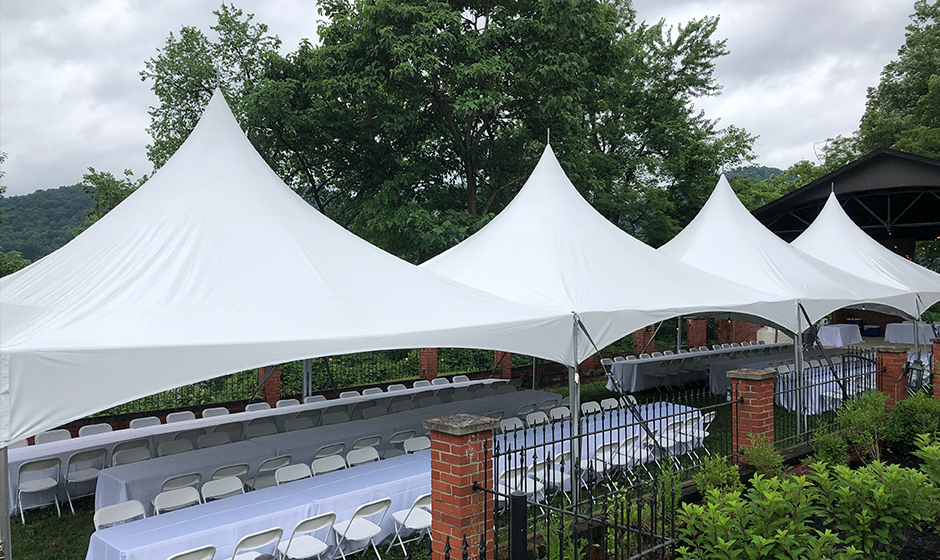
Pole tents are chosen as much for their appearance as their function. The peaks, slopes, and tensioned fabric create a timeless look that feels appropriate for weddings and formal events.
In a 30x30 size, these visual elements are well-proportioned. The tent feels substantial without appearing oversized, which makes it easy to integrate into a variety of outdoor settings. It complements gardens, estates, and open lawns without competing with the surroundings.
The interior ceiling lines naturally draw the eye upward, making the space feel taller and more open. This height enhances lighting designs and allows décor to feel layered rather than flat.
Sidewalls and Accessories That Enhance Use
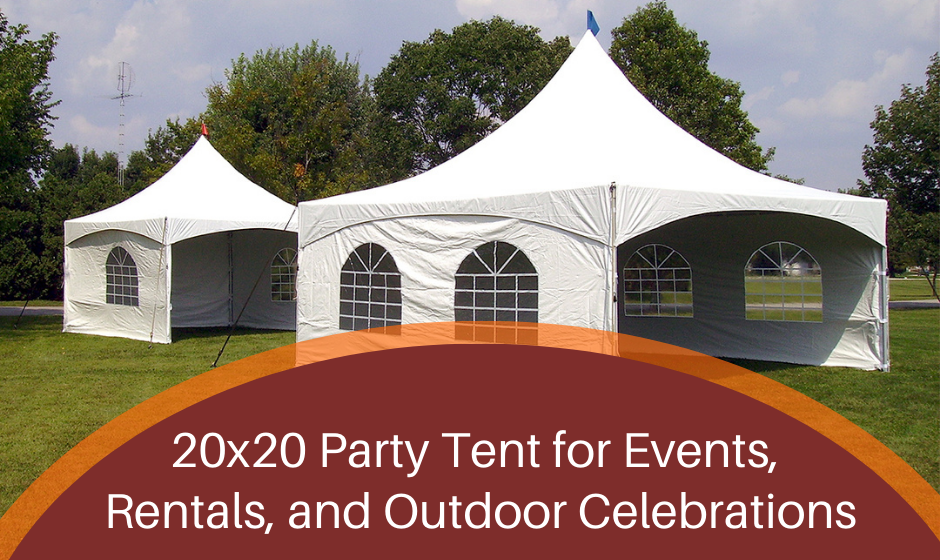
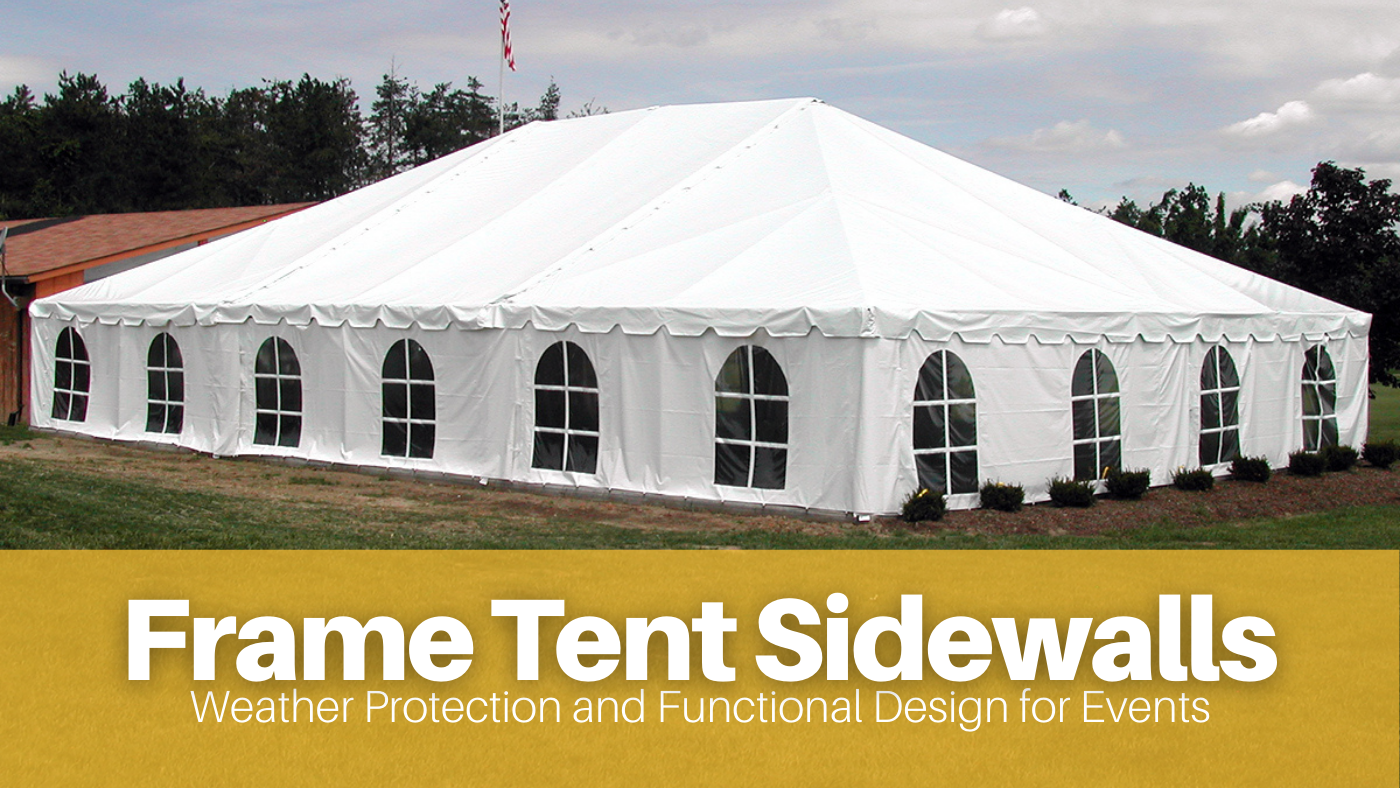
Sidewalls significantly expand the functionality of a 30x30 pole tent. Adding compatible tent sidewalls allows the space to transition from open-air to enclosed depending on weather, time of day, or event needs.
Other accessories such as flooring, liners, and event lighting systems can be added depending on the event’s requirements. These additions enhance comfort while maintaining the tent’s visual balance.
Why Rental Companies Include the 30x30 Pole Tent
Rental companies value sizes that book consistently and appeal to a wide range of clients. The 30x30 pole tent fits that role well.
It is versatile enough to serve weddings, private parties, and corporate events while maintaining a premium appearance. Its balanced size makes it easier to recommend to customers who are unsure of their space needs.
This consistency makes it a dependable piece in a professional rental inventory, especially when paired with smart planning outlined in inventory optimization strategies.
Cost Efficiency and Long-Term Value
While larger tents may command higher single-event fees, the 30x30 pole tent often delivers strong long-term value through steady demand and predictable performance.
It requires less labor and fewer accessories than larger structures, reducing operational costs over time. Because it stays in circulation, it rarely sits unused.
For buyers, the combination of durability, usability, and demand makes this size a practical long-term choice.
Choose a Pole Tent Size That Performs
Choose pole tent sizes that deliver consistent bookings, visual impact, and operational efficiency.
Explore CELINA Pole TentsFinancing available • Professional support • Built for rental use
Frequently Asked Questions
How many people fit under a 30x30 pole tent?
A 30x30 pole tent can accommodate medium-sized gatherings depending on layout and event type. Seated dinners require more spacing for tables, chairs, and circulation paths. Standing or cocktail-style events allow for higher guest counts. Layout elements like dance floors and bars reduce usable capacity. Planning around comfort and flow ensures the space feels intentional rather than crowded.
Does a 30x30 pole tent require staking?
Yes, perimeter staking is essential for maintaining tension and stability. This tent is best installed on grass or soil where stakes can be driven securely. Adequate clearance around the tent footprint is required for safe anchoring. Without proper staking, both appearance and safety are compromised. Site evaluation should always happen before confirming tent selection.
Are center poles a limitation in a 30x30 pole tent?
Center poles require thoughtful planning, but they are rarely a true limitation. Many planners integrate them into lighting, décor, or floral designs. When incorporated intentionally, they help define the space visually. Guests adapt easily to the layout. For fully open interiors, planners sometimes compare frame tent alternatives.
Can sidewalls be added to a 30x30 pole tent?
Yes, sidewalls can be added to improve weather protection, privacy, and temperature control. Options include solid, clear, or windowed panels. Sidewalls can be installed on select sides or fully enclosed. This flexibility allows the tent to adapt to changing conditions. Choosing compatible accessories ensures proper tension and performance.
Is a 30x30 pole tent a good rental investment?
Yes, this size balances visual appeal, usability, and steady demand. It appeals to wedding clients, private hosts, and corporate planners alike. Because it books consistently, it rarely sits idle in inventory. The size is easy to recommend and versatile across layouts. This makes it a dependable long-term rental asset.