



Big Event Tents for Large-Scale Outdoor Gatherings
Big event tents are chosen when an event needs more than basic coverage. They create structure, define space, and support large groups of people in environments that would otherwise feel open, exposed, or unorganized. From festivals and weddings to corporate functions and community events, these tents allow large gatherings to function smoothly while maintaining comfort and flow.
When guest counts increase, small tents stop being practical. Layout planning, weather management, and crowd movement all become more complex. Big event tents solve these challenges by turning open ground into a controlled, usable venue.
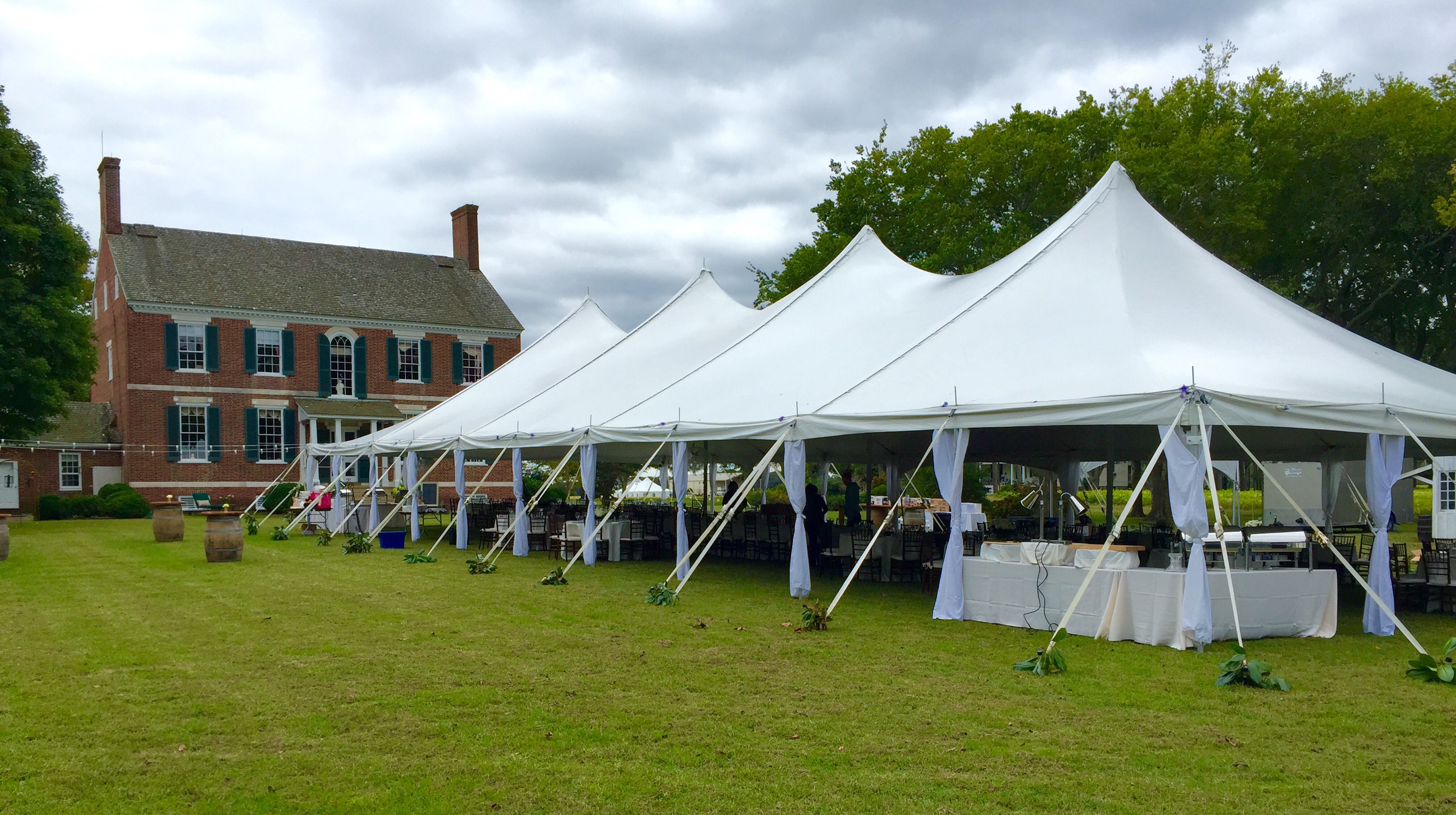
One of the biggest differences with big event tents is that they let you plan like you’re working with a venue, even when the event is on open ground. You get clear boundaries, a predictable footprint, and enough room to build the flow you want instead of forcing guests to squeeze into whatever space is left.
Once everything is under one structure, it’s easier to manage comfort and logistics. Guests move more naturally, service paths stay clear, and weather planning becomes less stressful because you’re working with a controlled environment instead of scattered coverage.
What Qualifies as a Big Event Tent
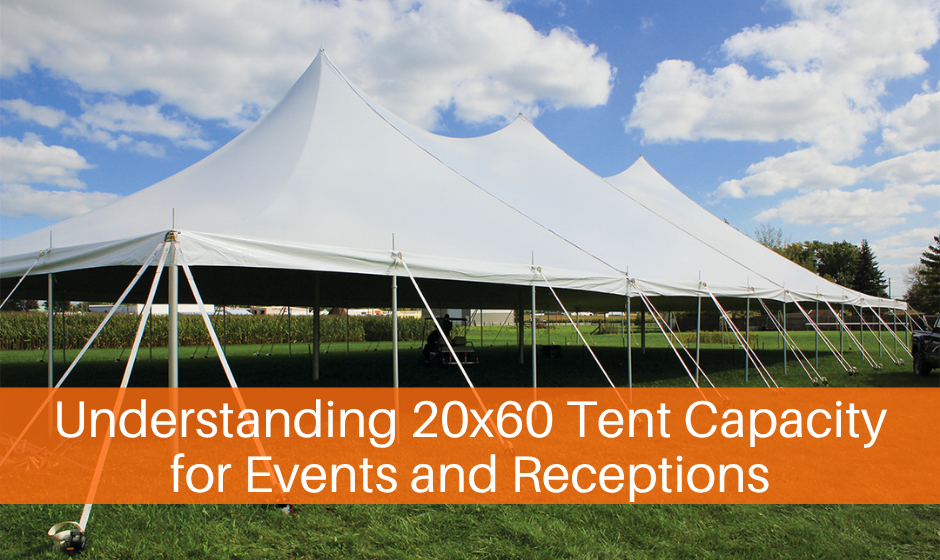
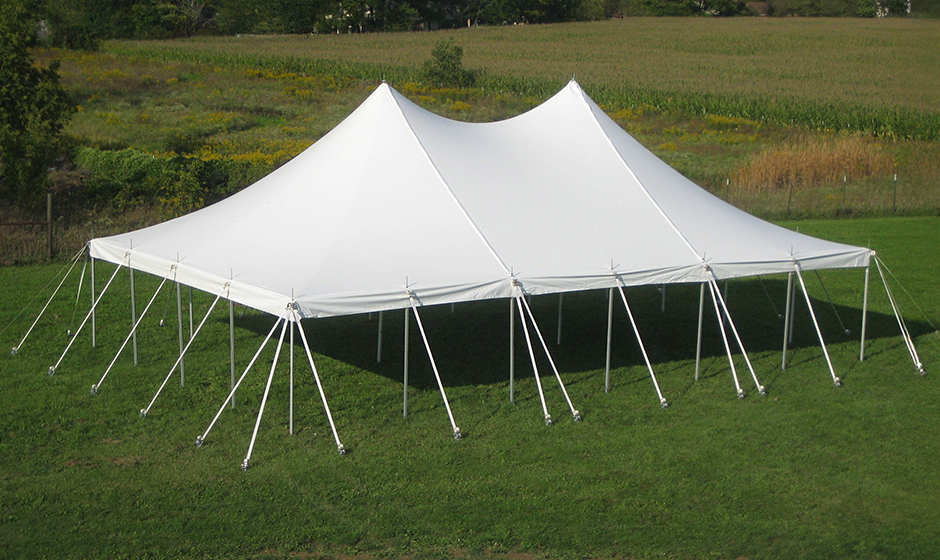
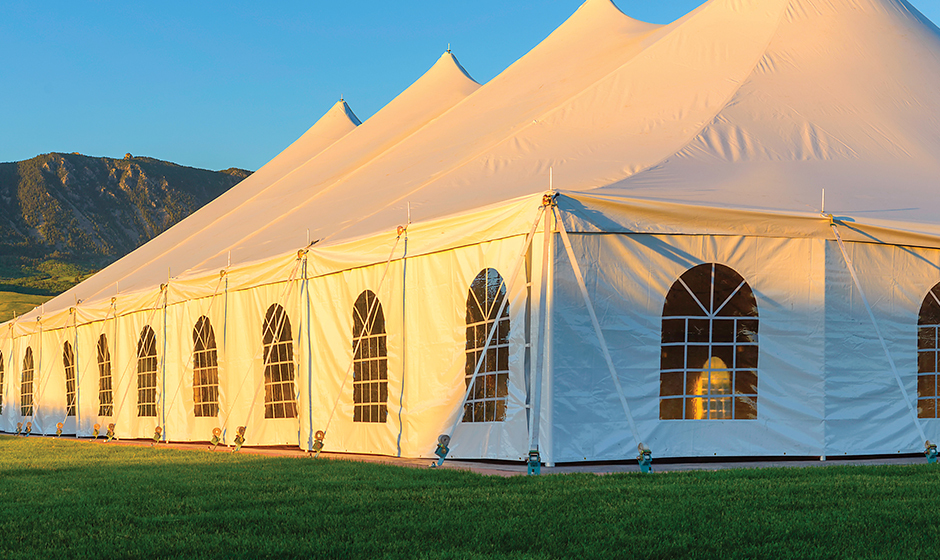
Big event tents are typically designed to accommodate large guest counts, wide layouts, and multiple functional zones under one structure. These tents are built with stronger frames, larger spans, and materials that can handle increased tension and longer installation periods.
Unlike smaller party tents, big event tents are often expected to support lighting, flooring, sidewalls, staging, and décor without compromising stability. They’re designed to work as full event environments rather than simple shelters.
Why Large Events Require Larger Tent Structures
As events scale up, so do expectations. Guests expect room to move, sit, eat, and gather without feeling crowded. Vendors need space to operate efficiently. Event staff need clear service paths.
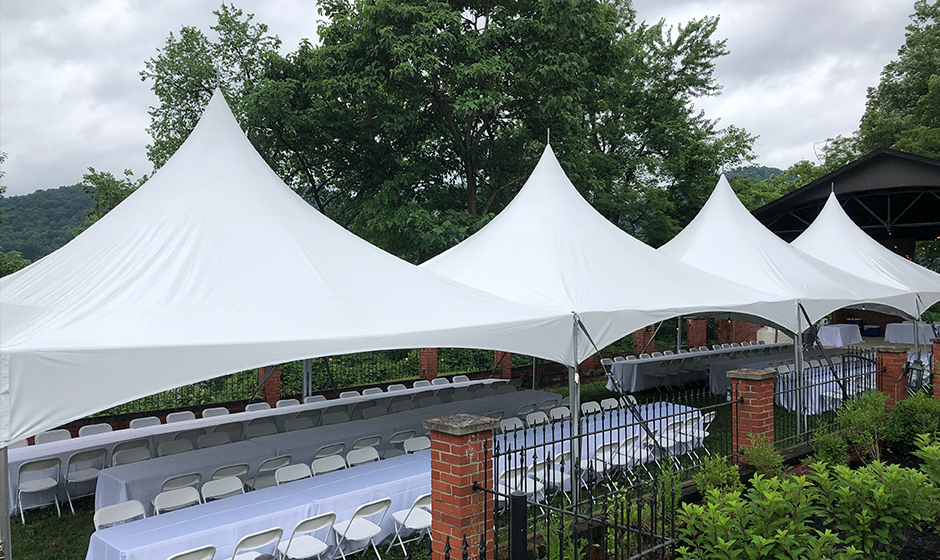
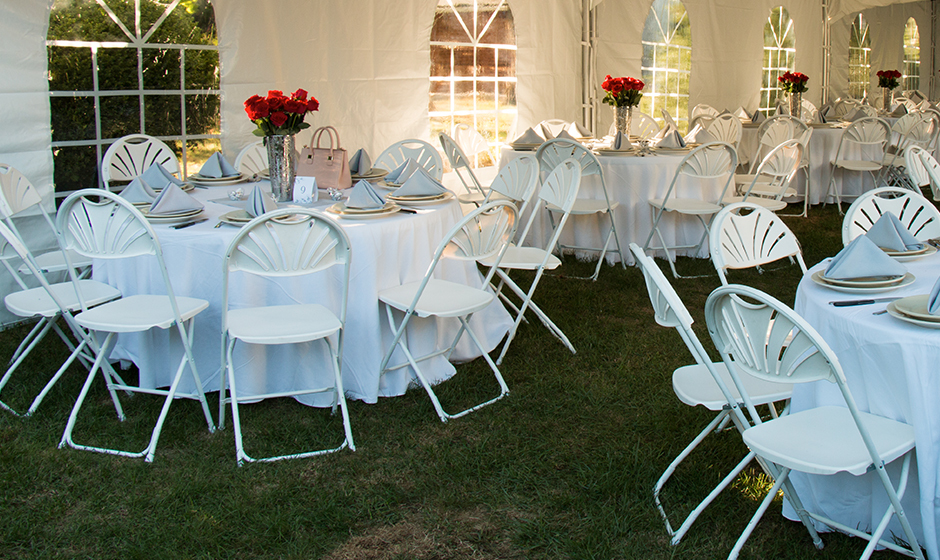
Big event tents allow planners to separate areas for dining, entertainment, staging, bars, and walkways while keeping everything under one cohesive structure. This improves both guest experience and operational efficiency.
Crowd Flow and Space Planning
One of the biggest advantages of big event tents is how they support movement. With enough square footage, planners can design layouts that reduce bottlenecks and improve circulation.
Wide aisles, defined entrances, and clearly separated zones help guests navigate naturally. This is especially important for events with high attendance, where congestion can quickly become uncomfortable or unsafe.
Comfort Becomes More Important at Scale
In large gatherings, small discomforts multiply. Heat, wind, noise, or uneven flooring affect more people more quickly.
Big event tents help manage these factors by creating consistent shade, shelter, and structure. Sidewalls can be added where needed, lighting can be distributed evenly, and temperature control becomes more manageable than in scattered or open setups.
Big Event Tents and Weather Planning
Weather uncertainty is one of the main reasons big event tents are used. When hundreds or thousands of guests are involved, contingency planning becomes essential.
Large tent structures help protect events from sun, wind, and rain while allowing planners to adapt conditions inside the tent. This reliability gives hosts confidence that the event can proceed as planned even if conditions change.
Supporting Long Event Durations
Many large events last several hours or span multiple days. Big event tents are designed to remain installed and perform consistently throughout extended timelines.
Heavier materials, reinforced seams, and engineered frames ensure the tent maintains shape and tension over time. This durability prevents mid-event issues and reduces the need for adjustments once the event is underway.
Lighting and Visual Impact
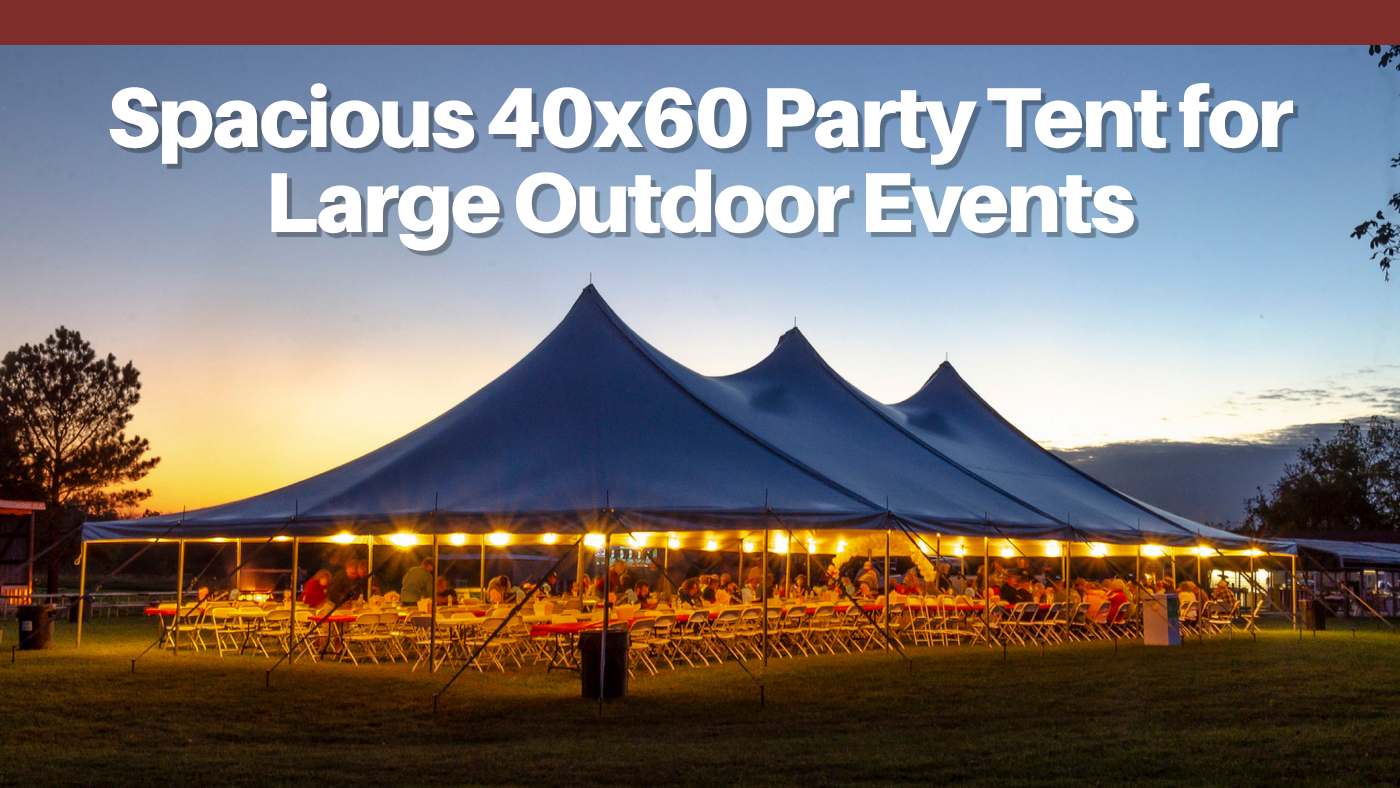
Lighting plays a major role in large events, especially those that transition from day to night. Big event tents provide the height and structure needed for layered lighting designs.
Suspended lighting, uplighting, and decorative elements benefit from the larger interior volume. Light spreads more evenly, creating atmosphere without overwhelming the space or creating harsh shadows.
Big Event Tents for Different Event Types
Big event tents are used across a wide range of settings.
They’re common at:
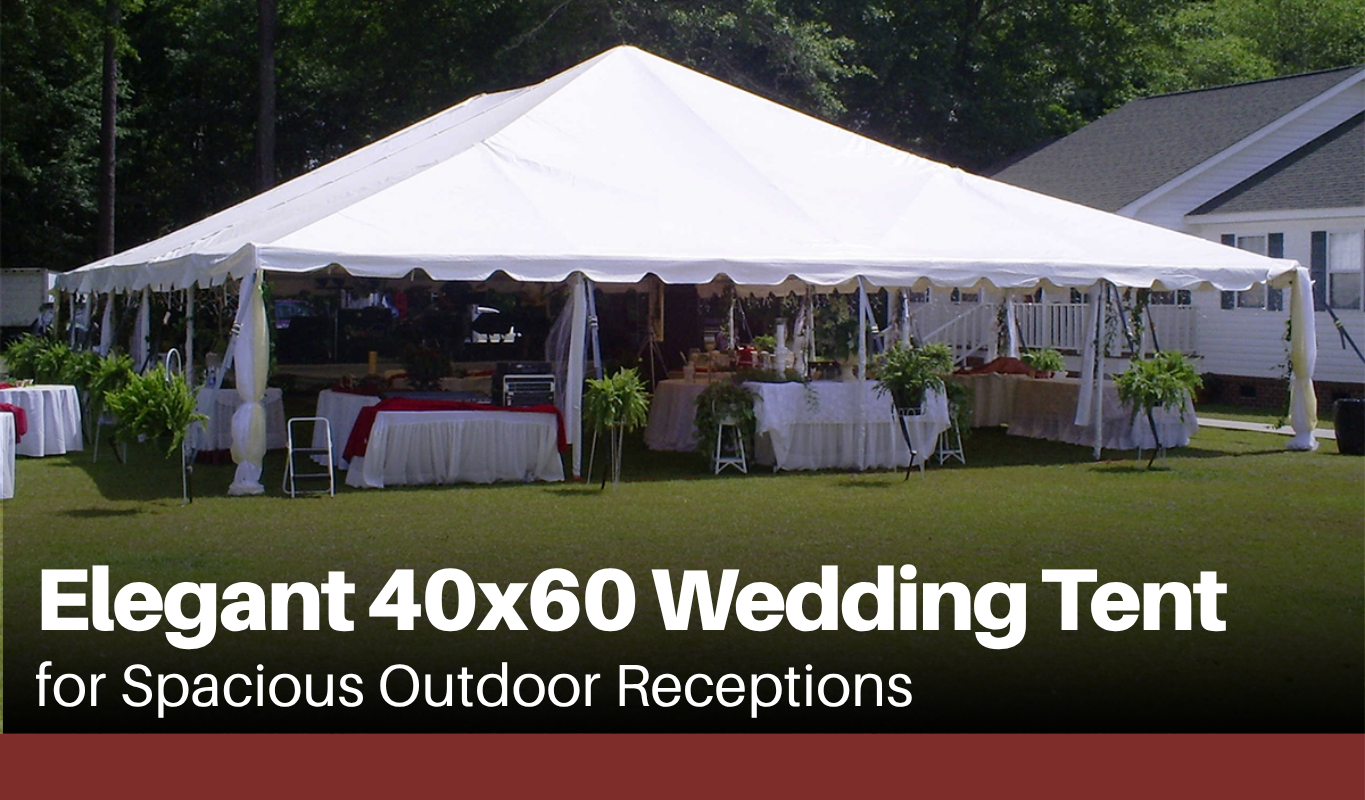
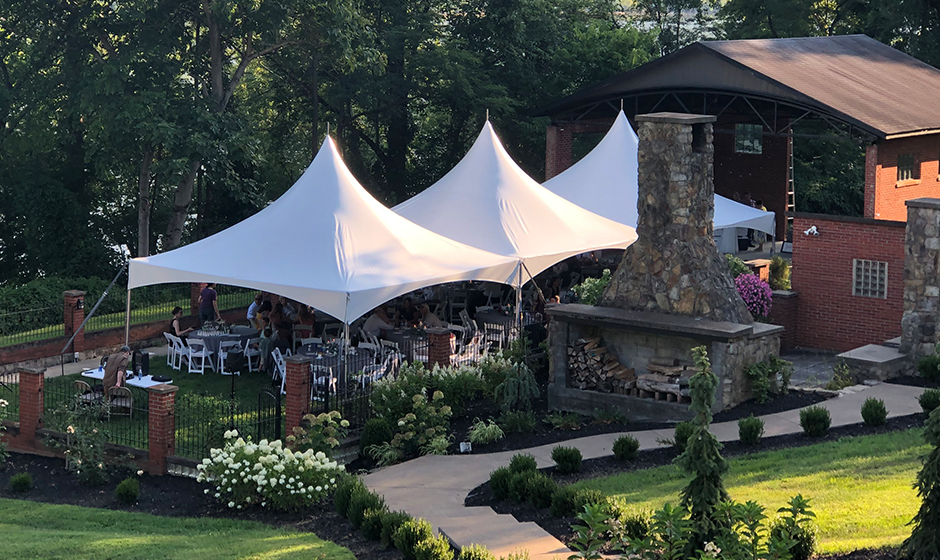
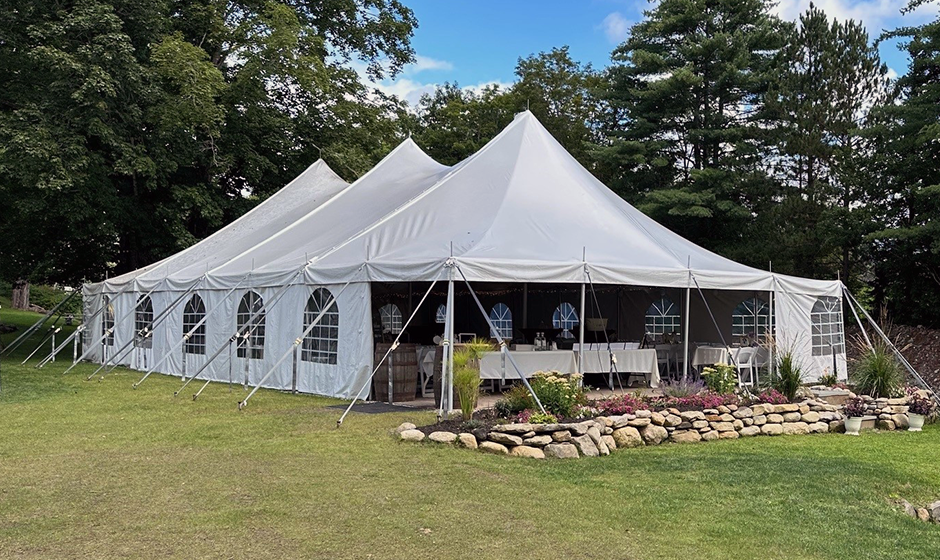
- large weddings and receptions
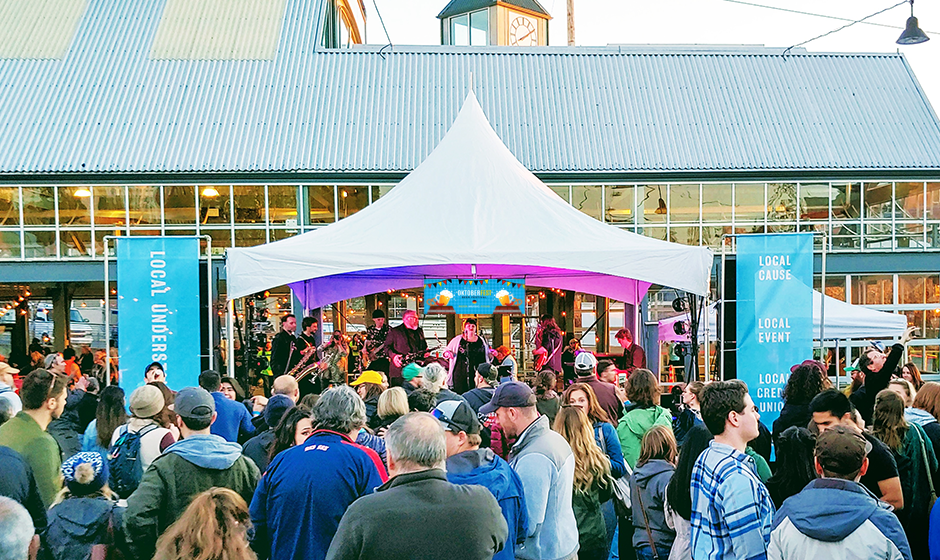
- festivals and public celebrations
- corporate events and trade shows
- charity fundraisers and galas
- sporting and community events
In each case, the tent adapts to the needs of the event rather than forcing the event to adapt to the environment.
Layout Flexibility Inside Large Tents
One of the biggest advantages of big event tents is layout flexibility. Seating arrangements, staging, dance floors, and service areas can be adjusted without changing the overall structure.
This flexibility is especially useful for events with multiple phases, such as ceremonies followed by receptions or presentations followed by networking sessions. The tent supports transitions without requiring guests to relocate.
Sidewalls and Zoning in Big Event Tents
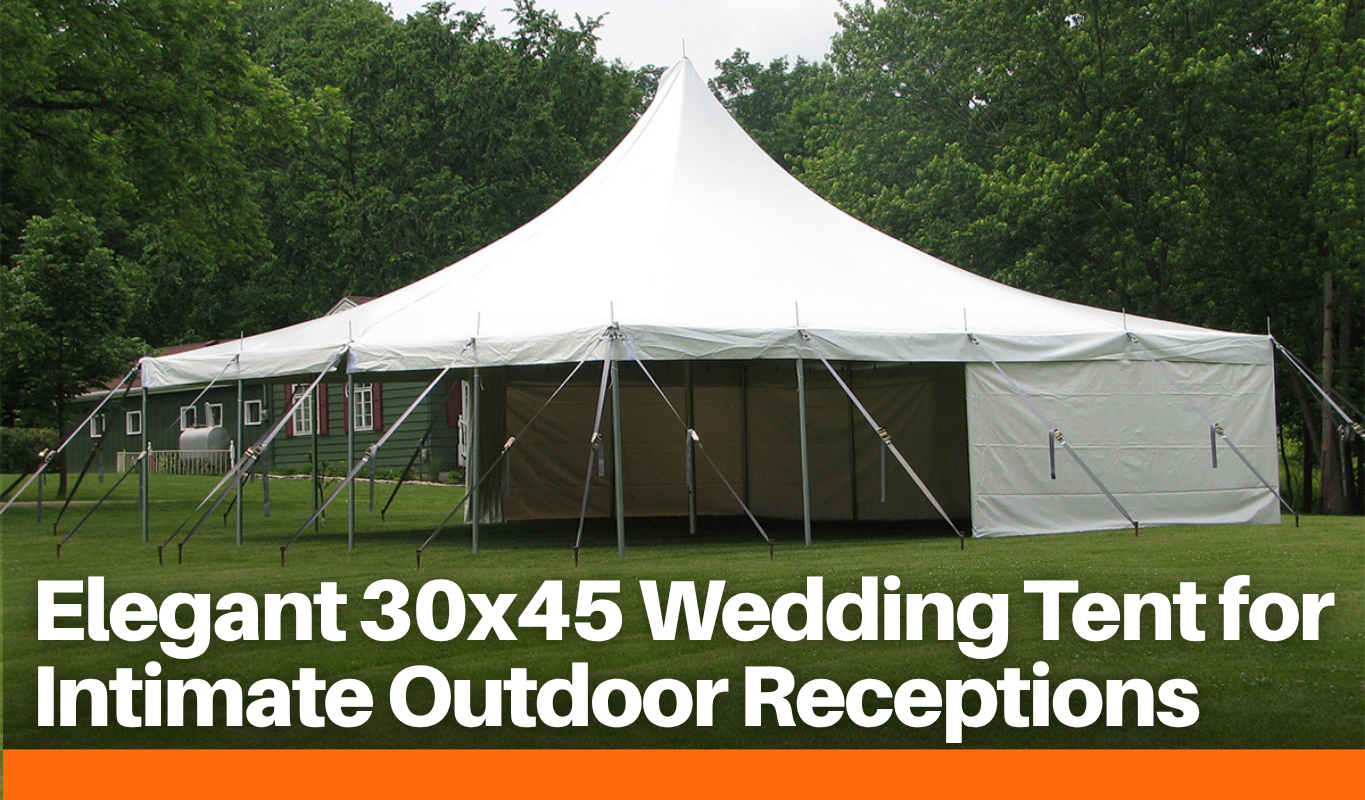
Sidewalls play an important role in large tent setups. They can be used to block wind, reduce noise, control temperature, or define private areas.
Partial sidewalls allow airflow while still offering protection. Full enclosures are often used for formal events or unpredictable weather. Zoning with sidewalls helps create intentional spaces within a large footprint.
For large guest counts, plan your main aisles first (entry, service paths, bar/dining access), then place tables and zones around that flow. In big event tents, circulation usually matters more than squeezing in one extra table.
Structural Stability and Safety
Safety becomes more critical as event size increases. Big event tents are engineered to distribute load evenly and remain stable under stress.
Proper anchoring, compatible accessories, and professional installation are essential. When designed and installed correctly, large tents support crowds, equipment, and décor without compromising stability.
Logistics and Setup Considerations
Installing big event tents requires planning. Site access, ground conditions, timelines, and crew coordination all influence success.
Although setup takes longer than smaller tents, experienced crews can install large structures efficiently when planning is done in advance. This preparation minimizes disruption and ensures the tent performs as expected.
Big Event Tents and Professional Presentation
Large tents contribute significantly to how an event is perceived. Clean lines, consistent tension, and thoughtful layouts make events feel organized and professional.
For corporate and public-facing events, this presentation reflects directly on the host or brand. A well-executed tent setup communicates preparation and attention to detail.
Long-Term Use and Reusability
For venues and rental companies, big event tents represent long-term assets. Their ability to support different layouts and event types makes them versatile across seasons.
When maintained properly, these tents remain functional and visually appealing over many uses, supporting a wide range of events without constant replacement.
When Big Event Tents Are the Right Choice
Big event tents make sense when:
- guest counts are high
- events last several hours or days
- weather protection is essential
- multiple activity zones are needed
- presentation and comfort are priorities
They’re not always necessary for smaller gatherings, but for large-scale events, they provide the structure required for success.
Big Event Tents as Temporary Venues
One of the strongest advantages of big event tents is their ability to create temporary venues almost anywhere.
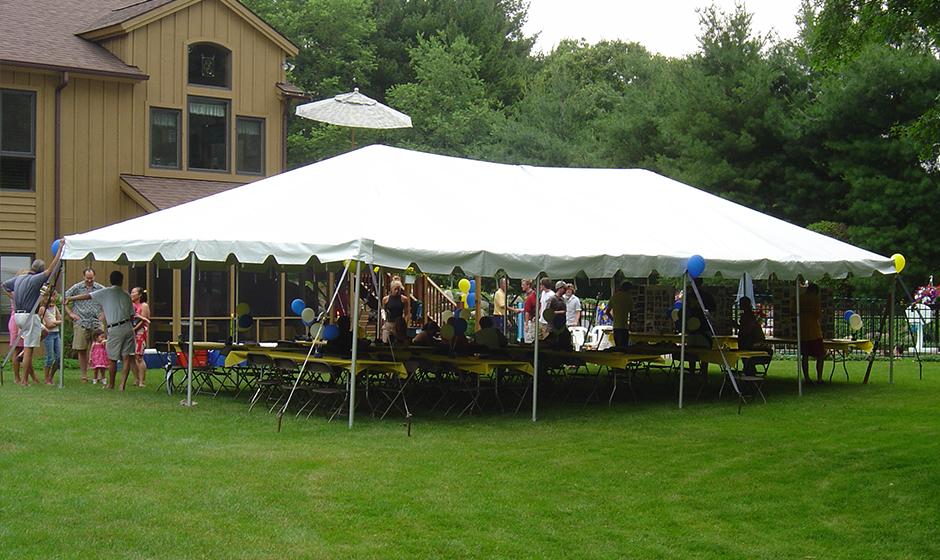
Fields, parking areas, private properties, and open grounds can all become functional event spaces. This flexibility allows hosts to choose locations based on meaning or convenience rather than existing infrastructure.
Why Big Event Tents Continue to Be Used
As events grow larger and expectations increase, the need for reliable, adaptable structures grows as well. Big event tents meet that need by combining scale with control.
They allow hosts to plan confidently, knowing the space will support guests, equipment, and activities throughout the event.
Exploring Big Event Tent Options
If you’re planning a large gathering and need a structure that supports both function and presentation, big event tents are worth considering. Different sizes, configurations, and accessories allow these tents to adapt to a wide range of event requirements.
You can explore big event tent options, compatible components, and layout possibilities at gettent.com to see how large-scale tents can support your next event.
FAQ
What size qualifies as a big event tent?
Big event tents are typically used for large guest counts and wide layouts. Size depends on seating style, activities, and space needed for circulation.
Are big event tents suitable for weddings?
Yes. Large weddings often use big event tents to accommodate dining, dancing, and décor in one cohesive space.
Can big event tents handle bad weather?
When properly installed and anchored, big event tents provide reliable protection from sun, wind, and rain.
How long does it take to set up a big event tent?
Setup time varies based on size and site conditions, but proper planning and experienced crews help ensure efficient installation.
Do big event tents support lighting and staging?
Yes. These tents are designed to support lighting, décor, and event equipment when installed correctly.
Are sidewalls necessary for large tents?
Sidewalls are optional but often recommended for weather control, privacy, and comfort in large setups.
Can big event tents be reused for different events?
Yes. Their flexibility allows them to support many event types across seasons and locations.
Why are big event tents preferred over multiple smaller tents?
One large tent creates a unified space, improves flow, and simplifies logistics compared to managing several smaller structures.