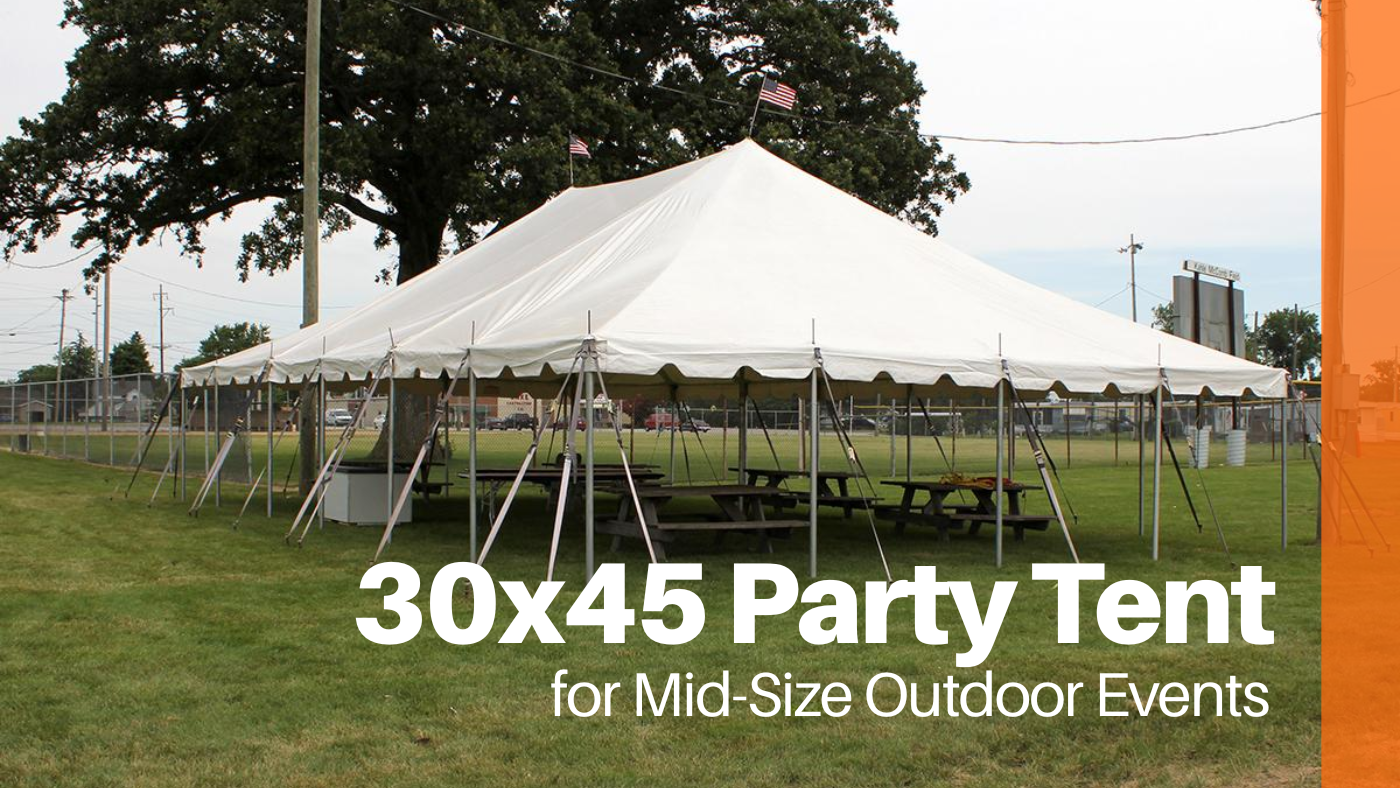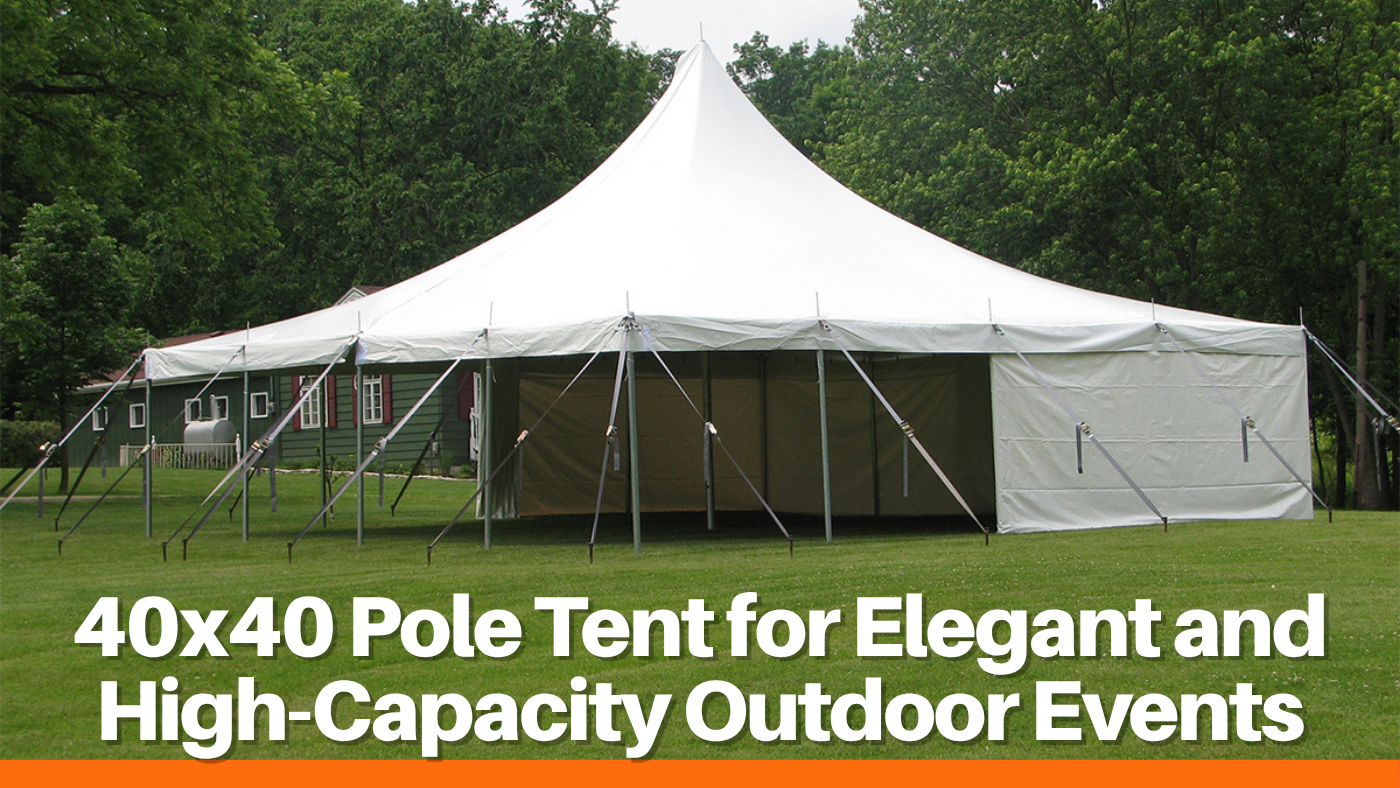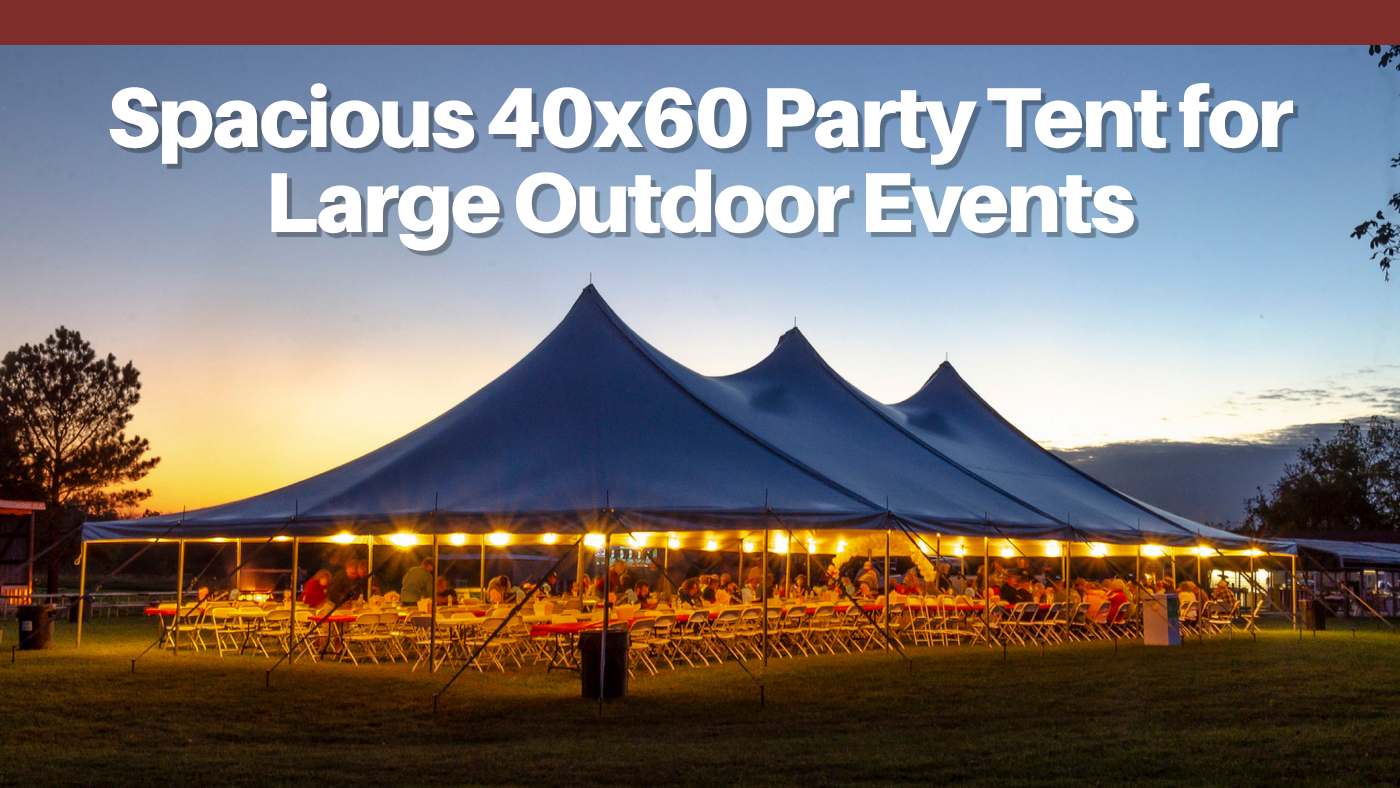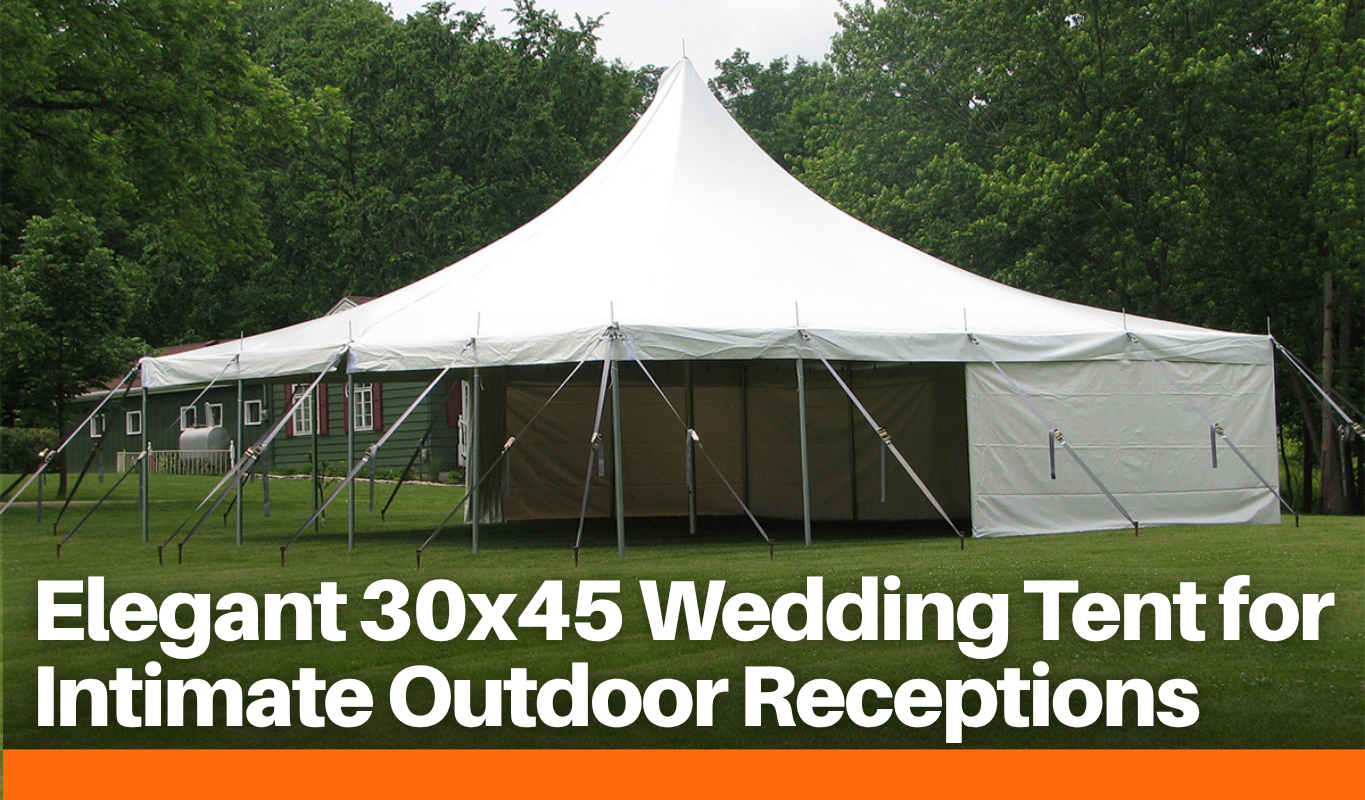







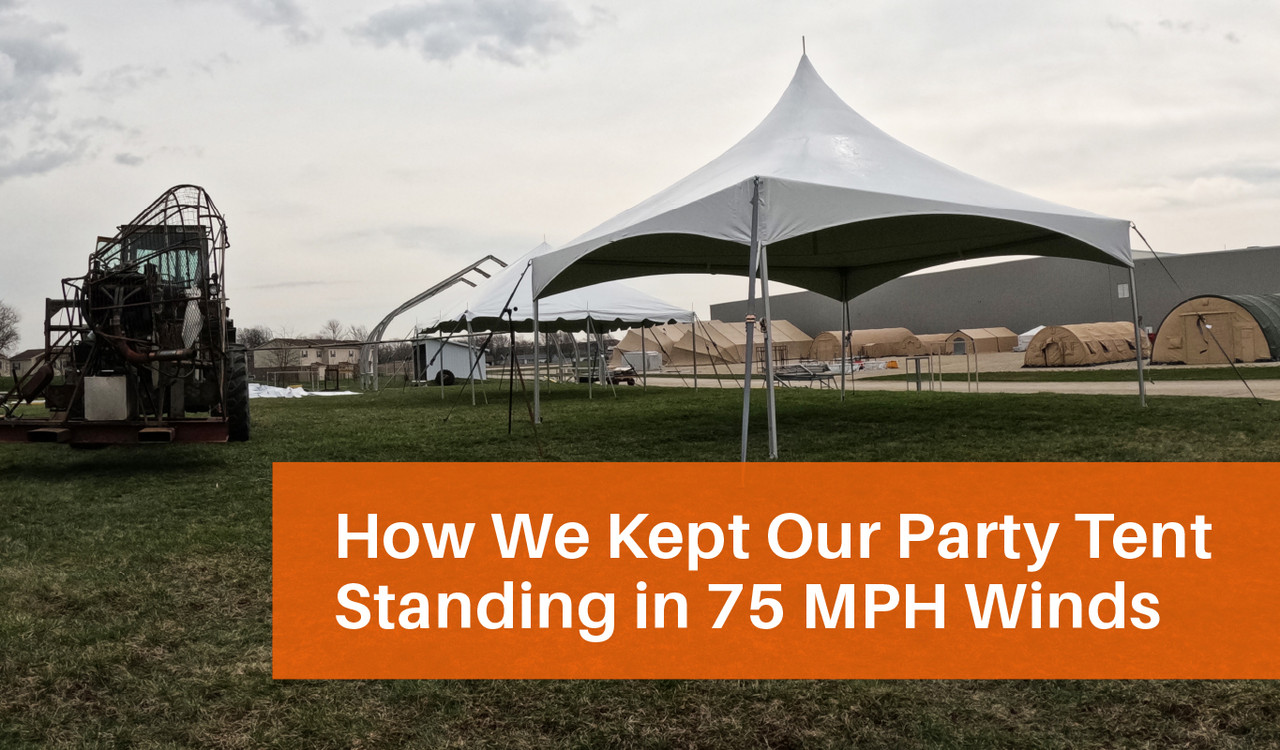
When setting up a tent for an event, construction site, or outdoor gathering, the last thing anyone wants to deal with is a sudden gust of wind causing instability or even complete failure of the structure. At CELINA, we understand the importance of durable and wind-resistant tents, which is why we have conducted extensive wind testing to ensure that our tents meet the highest standards of resilience and reliability. In this post, we’ll share expert insights into how you can ensure your tents withstand high winds and provide the safety and stability you need.
Understanding Wind Resistance in Tents
Wind resistance is a crucial factor in tent selection, particularly for those who operate in areas prone to sudden gusts or sustained high winds. The ability of a tent to withstand wind depends on several key factors, including design, material quality, anchoring methods, and proper installation. By addressing each of these aspects, you can significantly enhance the wind resistance of your tent and prevent potential accidents.
Selecting a High-Wind Resistant Tent
1. Choose a Tent with a Strong Frame
The frame serves as the skeleton of your tent, and its strength determines how well the structure can resist wind forces. When selecting a tent, consider the following materials:
Aluminum Frames – Lightweight yet strong, aluminum frames provide excellent wind resistance and are resistant to corrosion.
Galvanized Steel Frames – Heavier than aluminum, steel frames offer enhanced strength, making them ideal for extreme conditions.
2. Opt for Durable Fabric
The fabric of the tent also plays a role in wind resistance. Look for materials such as:
PVC-Coated Vinyl – This material is highly durable and can withstand both wind and rain.
Polyethylene (PE) Fabric – While more budget-friendly, high-quality PE fabric can still provide reasonable wind resistance.
At CELINA, our tents are made with premium materials that are rigorously tested for wind resistance, ensuring they stand up to tough conditions.
3. Consider the Shape and Design
Certain tent designs naturally perform better in high winds:
Dome-Shaped Tents – Their aerodynamic shape allows wind to flow around the structure rather than push against it.
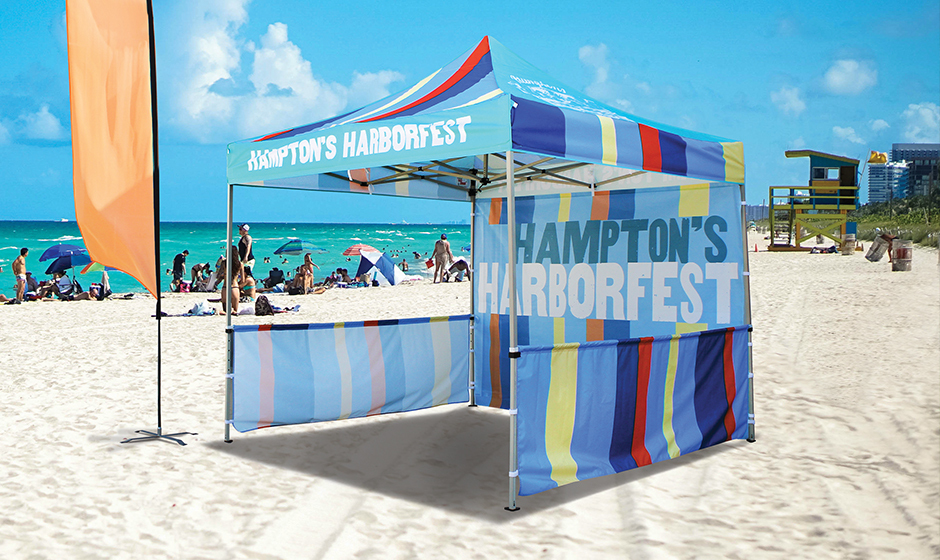
Frame Tents with Proper Bracing – These tents provide sturdy support and can withstand stronger wind loads compared to standard pop-up designs.
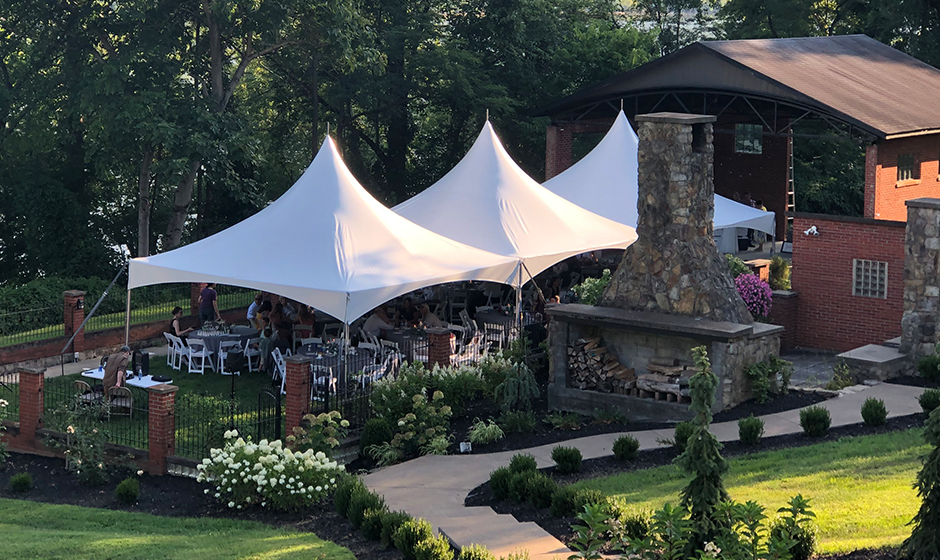
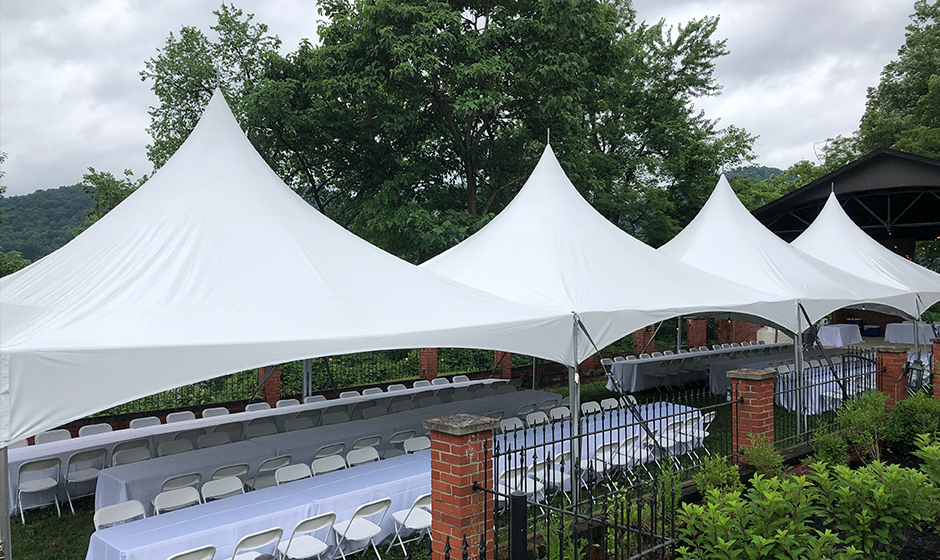
Peak Tents – Their high-angled tops allow wind to pass over rather than create strong uplift forces.
Proper Installation Techniques for Wind Resistance
A well-designed tent is only as good as its installation. Following proper setup techniques can drastically improve wild resistance and stability.
4. Anchor the Tent Securely
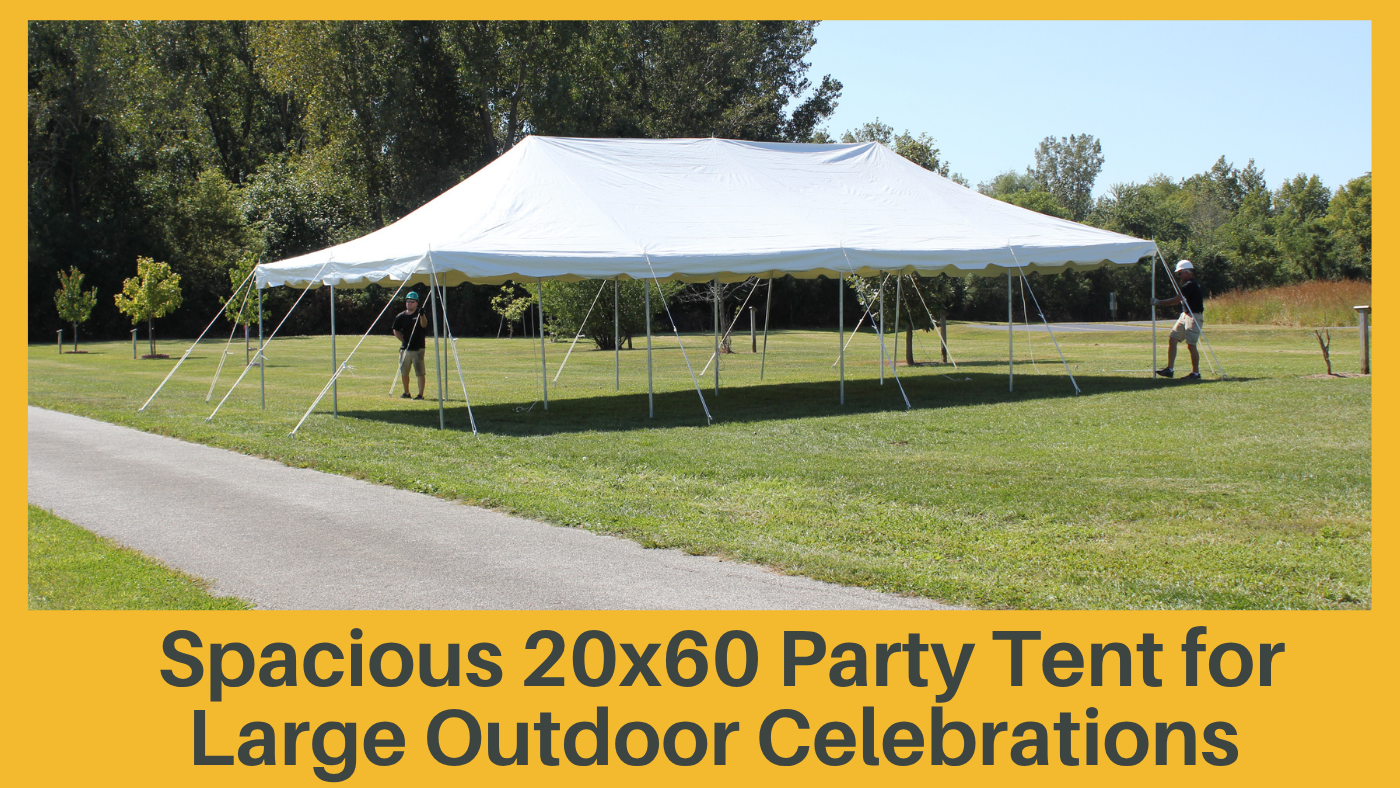
One of the most important steps in windproofing a tent is using the right anchoring method. Some of the best anchoring techniques include:
Stake Anchoring – Drive heavy-duty stakes deep into the ground to provide a firm hold.
Weight Anchoring – Use sandbags, water barrels, or concrete blocks to add stability to tents set up on hard surfaces.
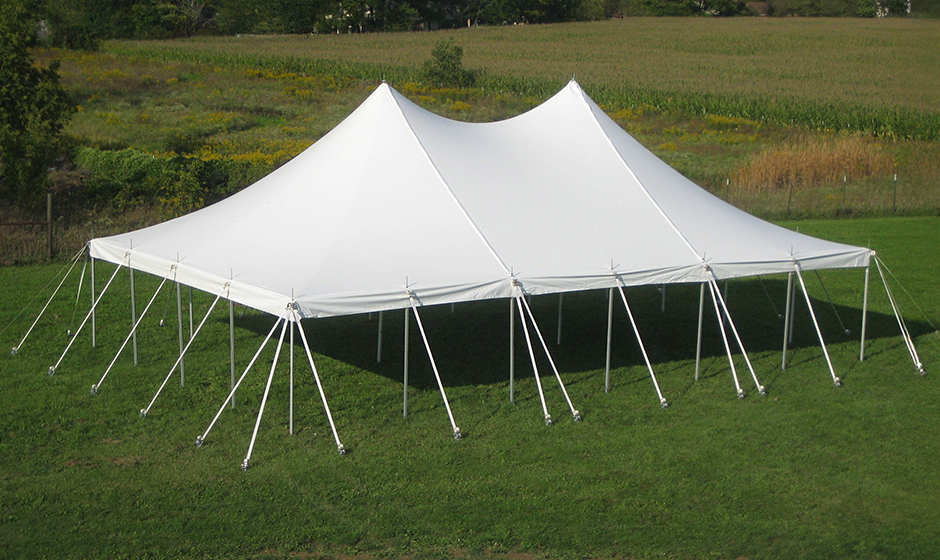
Guy Lines and Tensioning – Secure guy lines tightly and at the correct angles to prevent movement during gusty conditions.
5. Use Reinforced Sidewalls and Enclosures
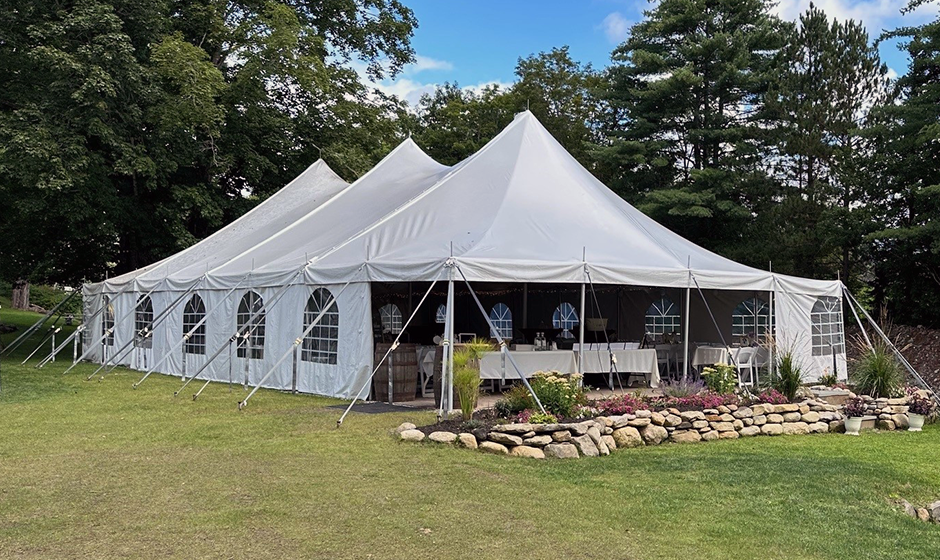
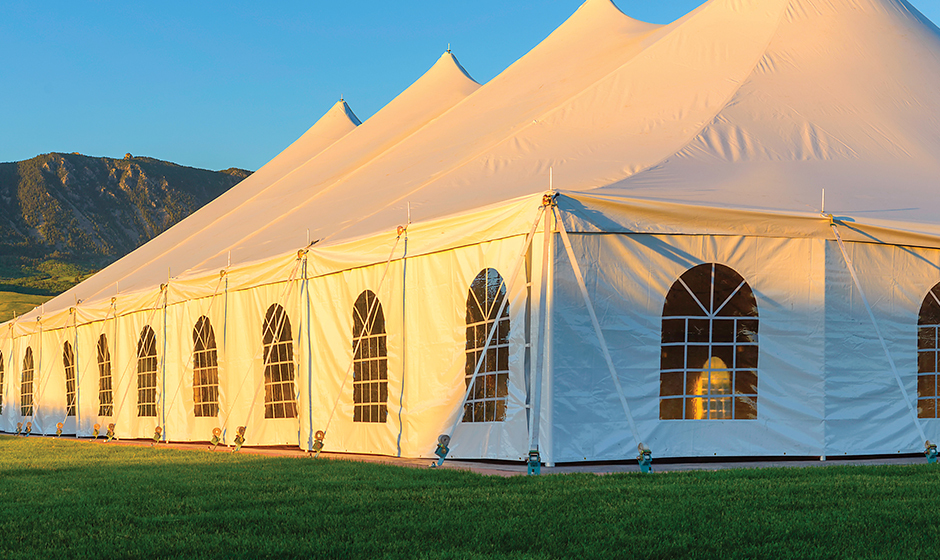
Adding sidewalls to your tent can improve wind resistance by reducing airflow through the structure. Opt for reinforced sidewalls with secure fastenings to minimize the impact of strong winds.
6. Ensure Proper Tensioning
A tent that is loosely set up is more prone to damage from wind. Make sure:
The fabric is tightly stretched to prevent flapping and tearing.
The poles are properly secured and evenly distributed.
Tension cables are used when necessary to provide additional support.
Wind Testing and Certification at CELINA
At CELINA, we take wind resistance seriously. Our tents undergo rigorous testing under controlled conditions to evaluate their performance against strong winds. Through this process, we:
Simulate real-world wind conditions.
Test various anchoring techniques to identify the best options.
Assess the durability of materials and frame strength under extreme conditions.
Our wind-tested tents meet industry standards and provide peace of mind to users operating in challenging weather conditions.
Best Practices for Using Tents in Windy Conditions
Even with a high-quality, wind-resistant tent, there are best practices to follow when using a tent in windy conditions:
7. Monitor Weather Conditions
Always check the weather forecast before setting up a tent. If high winds are expected, take additionalprecautions or postpone the event if necessary.
8. Perform Regular Inspections
Periodically inspect your tent setup to ensure all anchors and fastenings remain secure. If wind speeds increase unexpectedly, make necessary adjustments.
9. Have an Emergency Plan
Prepare a contingency plan for unexpected high winds, including:
Knowing when to evacuate the tent.
Assigning personnel to monitor wind conditions.
Having tools and additional anchors on hand for reinforcements.
10. Take Down When Necessary
If winds exceed the safe limit for your tent, it’s better to take it down temporarily rather than risk structural damage. A proactive approach can prevent costly repairs and potential injuries.
Conclusion
Ensuring your tent can withstand high winds requires a combination of selecting the right materials, using proper installation techniques, and following best practices for tent safety. At CELINA, we have extensively tested our tents for wind resistance to provide users with the confidence and security they need for their outdoor events and projects.
By following the expert tips outlined above, you can improve the wind resistance of your tent, protect your investment, and most importantly, ensure the safety of those using it. If you’re looking for high-quality, wind-tested tents, CELINA has you covered. Contact us today to find the perfect solution for your needs.