



Frame Tent Sidewalls: Weather Protection and Functional Design for Events
Frame tent sidewalls play a bigger role in outdoor event comfort and functionality than most hosts initially expect. When a frame tent is set up for weddings, parties, markets, or festivals, the open design is inviting — but exposure to wind, sun, or rain quickly reveals limitations. Adding frame tent sidewalls transforms a simple shelter into a controlled environment that protects guests, enhances comfort, and gives event planners more control over temperature, privacy, and presentation.
Whether you’re planning a reception that might need weather protection or hosting a vendor space that requires defined boundaries, understanding how frame tent sidewalls work can improve both experience and outcomes.
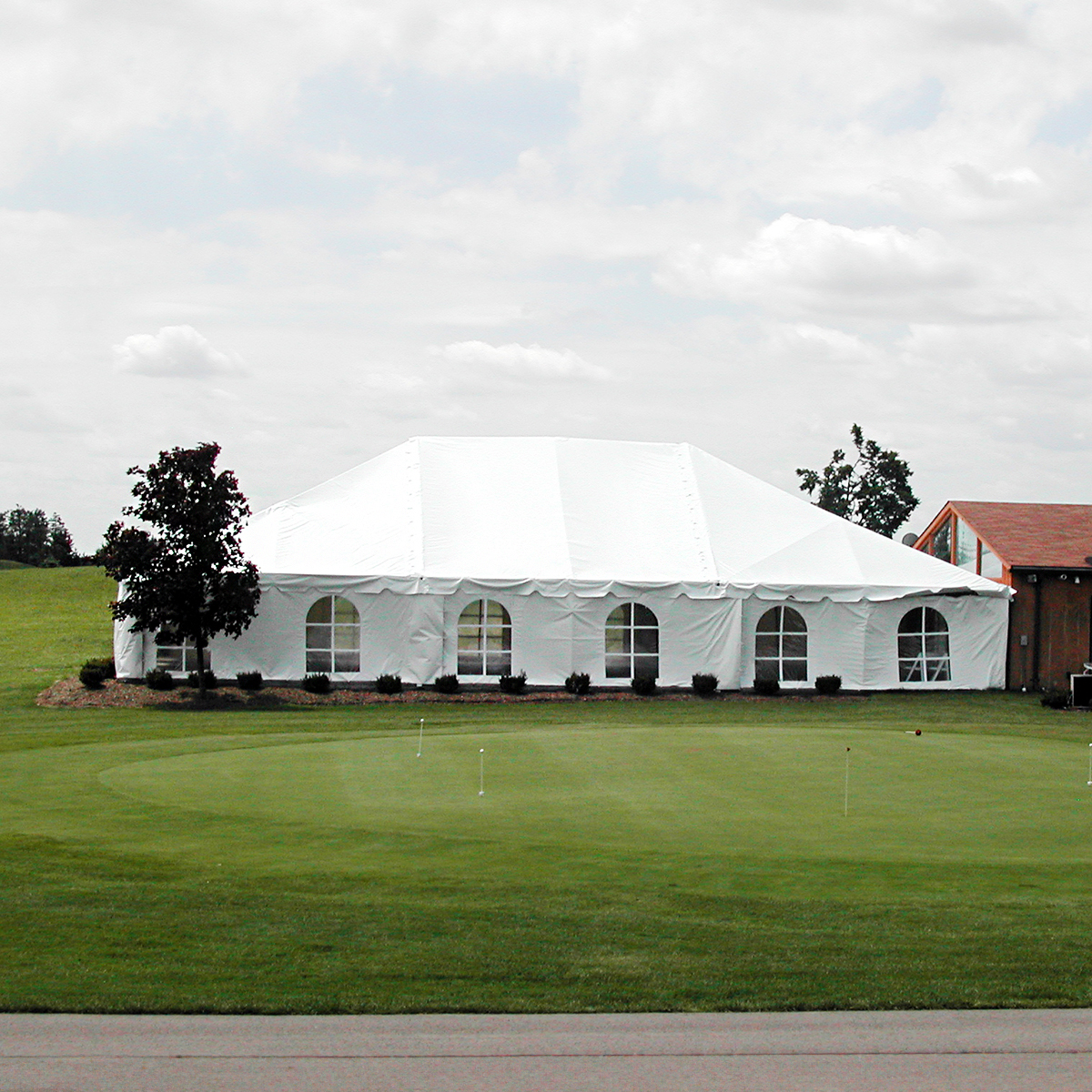
Sidewalls are one of the simplest ways to make a frame tent feel more “event-ready.” They don’t just add coverage — they shape the environment. When wind picks up, temperatures drop, or sunlight hits at an awkward angle, sidewalls give you control without needing to change the entire tent plan.
They also help with presentation. A tent with clean, well-fitted sidewalls looks intentional from the outside and feels calmer on the inside. That matters for weddings, vendor setups, and any event where comfort and flow are part of the experience.
Why Frame Tent Sidewalls Matter
A frame tent alone provides coverage, but nothing blocks air or sunlight from the sides. Frame tent sidewalls create vertical surfaces that act as a barrier, redefining the space and increasing usability. They help manage airflow, reduce sun exposure at uncomfortable angles, and make events feel more intentional — not just shaded.
When guests are comfortable, they stay longer, move more freely, and enjoy the event without worrying about unpredictable outdoor conditions.
Common Scenarios Where Sidewalls Make a Difference
Frame tent sidewalls are added when events involve:
fluctuating weather (wind or rain), evening receptions that need temperature control, privacy requirements for VIP or service areas, noise buffering from adjacent areas, and branding or signage panels.
In each of these cases, sidewalls help make the space more functional and comfortable without enclosing it completely unless needed.
Types of Frame Tent Sidewalls Available
Frame tent sidewalls come in several basic types, each suited to specific needs. Understanding the differences helps hosts choose what works best for their event.
Solid Sidewalls
Solid sidewalls offer the most coverage and privacy. They block wind and direct sunlight, providing a cocoon-like space that becomes especially useful in cooler weather or evening events. These are common for weddings that move from ceremony to reception or for areas where storage or service functions need concealment.
Window Sidewalls
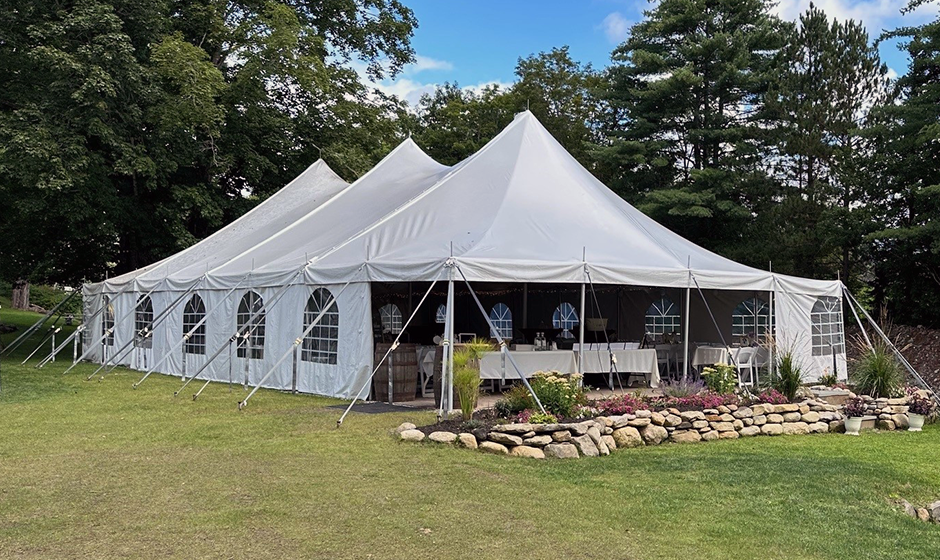
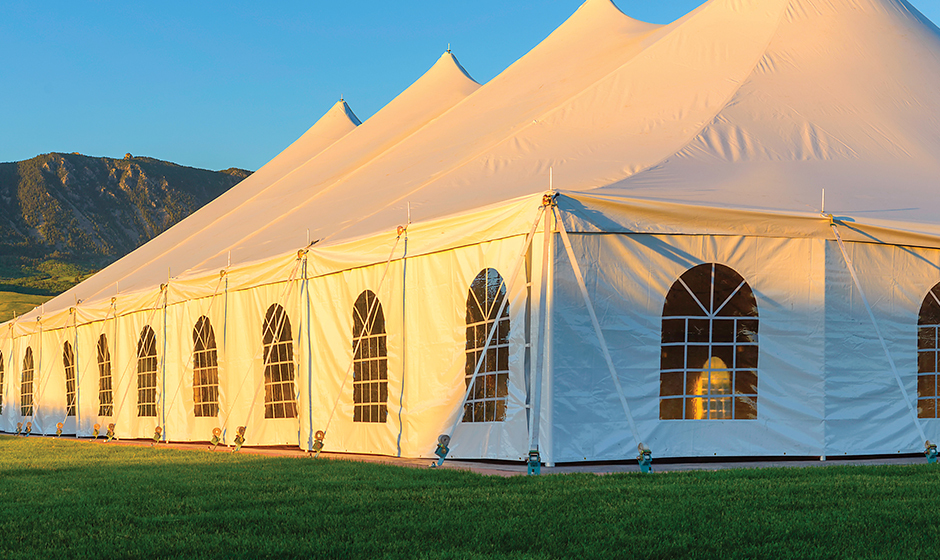
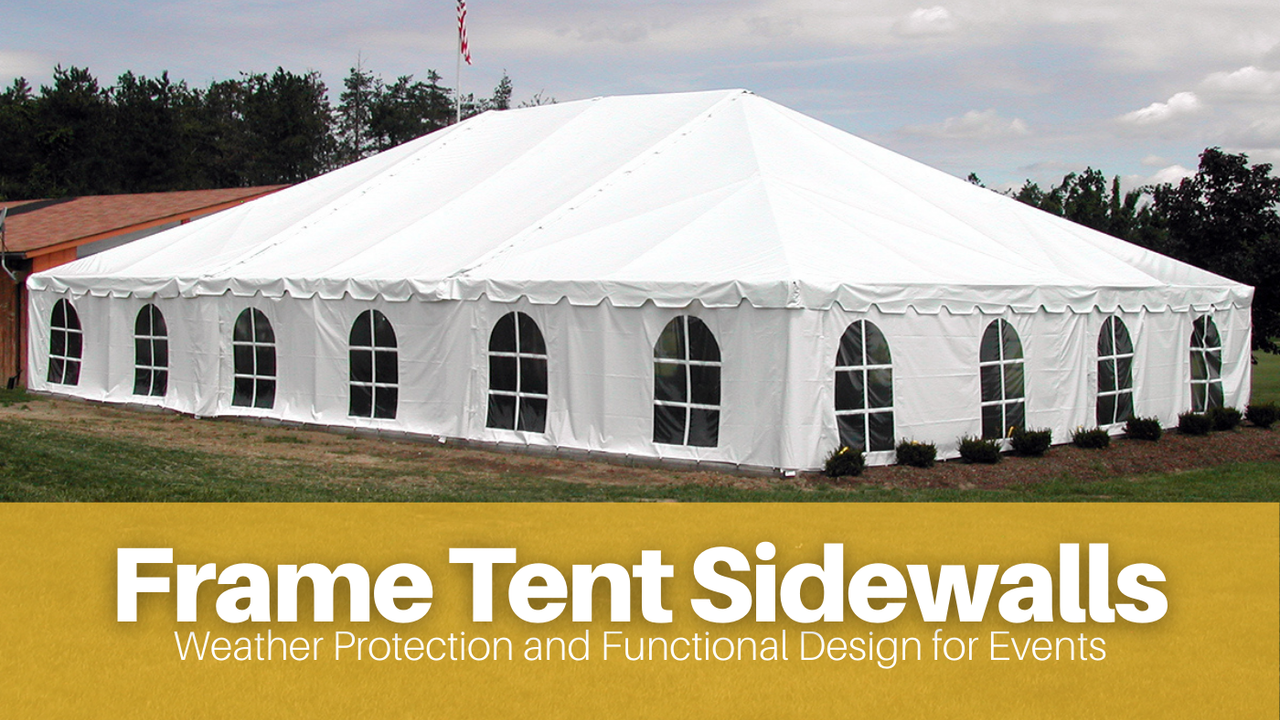
Window sidewalls combine protection with visibility. Clear or framed windows allow natural light while blocking wind or rain, making them ideal for daytime events where maintaining an open feel is still important. Vendors and trade displays often prefer window sidewalls to keep interior visibility without sacrificing weather protection.
Clear Sidewalls
Clear sidewalls are used when visibility of surroundings is a priority. They keep views open while still blocking wind or rain. At evening events, clear sidewalls also allow interior lighting to shine outward, which enhances ambiance without compromising shelter.
Sidewall Types and What They’re Best For
| Sidewall Type | Best For | What It Changes Most |
|---|---|---|
| Solid | Wind block, privacy zones, cooler evenings, service/storage areas | Creates the most “room-like” feel and reduces visual distractions |
| Window | Daytime events, vendor visibility, balanced light + protection | Keeps brightness and openness while cutting wind and rain |
| Clear | Scenic venues, evening ambience, maintaining outside views | Preserves visibility and lets lighting glow outward at night |
| Partial / Mixed | Changing weather, airflow control, flexible layouts | Improves comfort without fully enclosing the tent |
How Sidewalls Improve Comfort in Frame Tents
Sidewalls do more than block rain — they change how air moves through a frame tent. Without sidewalls, wind passes through freely, sometimes making the interior cooler than desired or causing décor to shift. Sidewalls help moderate drafts and create a sense of enclosure that feels more welcoming.
They also help manage sunlight. Direct light from certain angles can create glare, heat buildup, or uncomfortable seating areas. Strategically installed sidewalls reduce these effects and make the space easier to use throughout the event.
Partial Sidewalls vs. Full Coverage
You don’t always need full coverage. Many events use partial sidewalls — walls on specific sides based on wind direction, sun angle, or visibility needs. Partial walls block uncomfortable elements without closing off the entire space. This option often balances comfort with airflow and openness.
Full sidewall coverage is ideal for formal receptions, private areas, or when weather can’t be predicted. Partial coverage is useful for casual settings or when the environment remains mild.
Fit and Compatibility With Frame Tents
Sidewalls are designed to integrate seamlessly with specific frame tent sizes. Even if they’re labeled the same size, mismatched sidewalls often sag, flap, or fail to attach securely. Proper fit keeps tension even around the perimeter and reduces strain on attachment points.
When frame tent sidewalls fit well, the installation feels intentional. Walls stay taut, alignment looks clean, and the overall space performs more predictably throughout the event.
Materials and Durability Considerations
Sidewalls experience movement, tension, and repeated handling. Materials that balance durability with flexible attachment make a significant difference in long-term performance. Heavier materials hold shape better and resist stretching. Lighter materials may be easier to install but often show wear sooner, especially with frequent use.
For events that happen regularly — seasonal markets, rental tents, or professional setups — choosing higher-quality sidewalls usually pays off over time.
When Sidewalls Affect Event Flow
Sidewalls change how people move inside a frame tent. With full walls, entry points become more obvious, and circulation patterns change around defined boundaries. For some events, this improves flow by preventing traffic through sensitive areas. At other times, partial walls help guide movement without creating chokepoints.
Understanding how people interact with the space helps hosts decide where and how many sidewalls to install.
Branding and Aesthetic Uses of Sidewalls
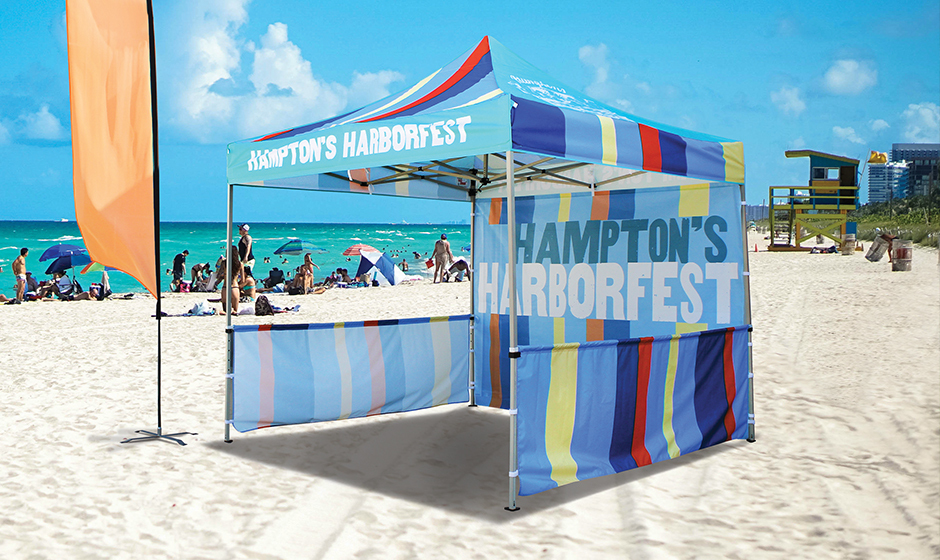
Frame tent sidewalls also offer surfaces for branding, signage, or thematic design elements. Customized walls with logos or messaging help businesses stand out at markets, trade shows, or promotional events. For weddings, sidewalls can be dressed with decor, lighting, or draping that enhances the overall aesthetic.
When sidewalls are seen as both functional and visual tools, their impact goes beyond weather protection.
Sidewalls for Temperature Control
In environments where evenings get cooler, sidewalls help trap warmth inside the tent, making heaters and lighting more effective. In warm conditions, partial walls can block direct sun while maintaining airflow. Selecting the right balance prevents uncomfortable temperature swings and supports guest comfort throughout the event.
If you want sidewalls to look clean and install faster, match them to the frame system they’re designed for. When height, attachment points, and tension expectations align, walls stay taut, seams sit straighter, and you avoid the “almost fits” that cause flapping or stress on connection points.
Installation Practices for Best Performance
Installing frame tent sidewalls properly improves performance. Walls should be attached smoothly and tensioned evenly. Crews familiar with the specific frame system handle sidewalls more efficiently, reducing setup time and minimizing frustration. Clean installation also prevents excess movement and helps preserve materials over multiple uses.
Renting vs. Owning Sidewalls
Many hosts choose to rent sidewalls for occasional needs, while venues and rental businesses often own inventories of walls that match their frame tents. Owning sidewalls provides consistent fit and known condition. Renting offers flexibility when space or budget doesn’t support full ownership. Understanding usage frequency helps hosts make practical decisions.
How Sidewalls Affect Overall Tent Value
While sidewalls add cost, their contribution to comfort and control often outweighs initial investment. Guests feel more at ease. Services like dining, entertainment, and presentation areas perform better when weather elements are held at bay. As a result, sidewalls improve both experience and perceived value.
CELINA’s Approach to Frame Tent Sidewalls
CELINA designs frame tent components so sidewalls integrate cleanly with tents and accessories. Supporting compatibility and quality helps walls install with predictability and perform reliably across events. This systems approach reduces mismatched pieces and increases confidence in repeat use.
Frame Tent Sidewalls Expand Usability
Sidewalls make frame tents usable in a wider range of conditions. They expand when weather shifts, extend when visibility is needed, and adapt when privacy or branding becomes a priority. This adaptability enhances the overall functionality of frame tents for many different event types.
Call to Action
If you’re planning a frame tent setup and want sidewalls that install cleanly and perform reliably, explore frame tent sidewall options designed for repeat event use. Visit gettent.com to compare styles, materials, and compatible configurations that match your tent system and event needs.
FAQ
Do I need sidewalls for every frame tent setup?
Not always. Sidewalls are most useful when weather, privacy, noise control, or sun exposure are concerns. For short, casual events in mild conditions, an open tent may be enough. Many hosts keep sidewalls available and add them only when conditions call for it. This approach keeps setups flexible without overcomplicating planning. If your event runs into the evening, sidewalls often become more valuable as temperatures shift.
Can frame tent sidewalls be mixed (solid, window, clear)?
Yes. Mixing sidewall styles is common and often the smartest way to balance comfort and visibility. Solid walls can block wind on the weather-facing side, while window or clear walls maintain light on the guest-facing side. This helps the space feel protected without feeling closed in. It also lets you adapt to scenic venues where views matter. Mixing styles is especially useful when weather changes during the event day.
How do sidewalls attach to frame tents?
Sidewalls attach via integrated systems that match the frame’s connection points. Depending on the system, that can include ties, clips, tracks, or other attachment methods designed for the tent’s height and perimeter. Proper fit is what keeps walls from sagging or flapping. Secure attachment also reduces strain on seams and connection points in windy conditions. The best results come from sidewalls designed specifically for your frame tent system.
Do sidewalls increase setup time significantly?
Installing sidewalls adds time compared to a tent alone, but it’s usually a manageable increase. Crews familiar with the system can install walls efficiently and consistently. The comfort benefits often outweigh the added minutes, especially when weather is unpredictable. Sidewalls can also reduce mid-event adjustments by stabilizing the environment from the start. Over time, repeated setups make installation faster and more routine.
Are frame tent sidewalls reusable?
Yes. Well-maintained sidewalls can be used across many events and seasons. Durability depends on material quality, how often they’re installed, and how they’re stored. Cleaning after use, drying before storage, and folding or rolling properly all extend lifespan. Avoiding dragging walls on rough ground also prevents premature wear. For professional use, consistent handling practices make a noticeable difference over time.
Do sidewalls make a tent hotter inside?
They can, especially when the tent is fully enclosed and the day is warm. Sidewalls trap air, which is helpful for cooler evenings but can increase heat during peak sun. Partial walls or strategic placement helps balance airflow while still blocking direct sun or wind. Window or clear sidewalls can also affect heat depending on exposure. The best setup usually changes based on time of day and weather.
Can sidewalls be customized?
Yes. Sidewalls can be printed, branded, draped, or styled to match themes or business messaging. For promotional events, customized walls add visibility without adding extra signage clutter. For weddings, sidewalls can be used as a backdrop for lighting, décor, or a more refined look. Customization works best when it’s planned with placement and event flow in mind. The goal is to enhance the space without making it feel visually heavy.
Is it better to rent or own sidewalls?
For infrequent use, renting is practical because you get flexibility without storage or maintenance. For regular events, venues, or rental businesses, owning sidewalls that match your tents ensures consistent fit and known condition. Ownership also speeds up setup because crews work with familiar pieces. If you do multiple events per season, ownership often becomes more cost-effective over time. The best choice depends on how often you’ll use them and how predictable your event calendar is.