



How Much Does a 20x30 Tent Cost?
When planning an outdoor event or evaluating equipment for your rental inventory, one of the first questions that comes up is straightforward: how much does a 20x30 tent cost?
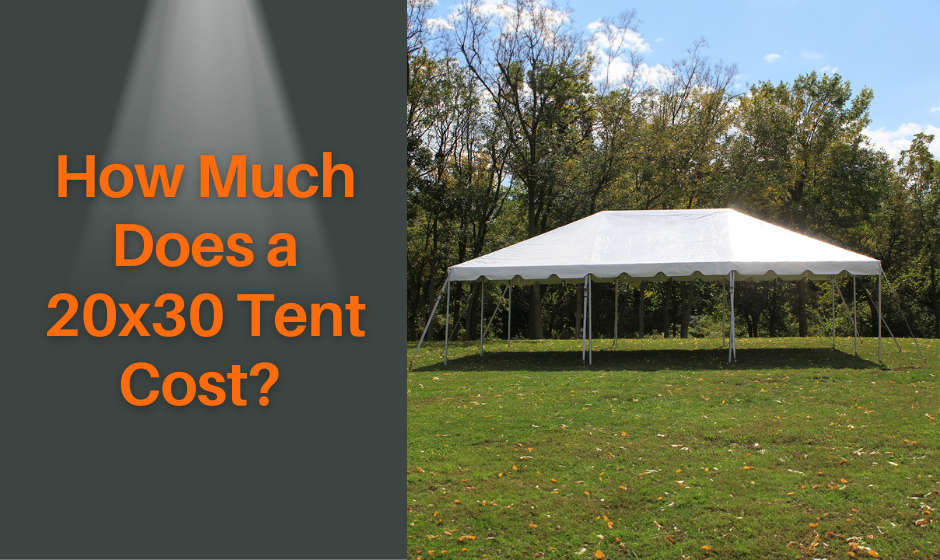
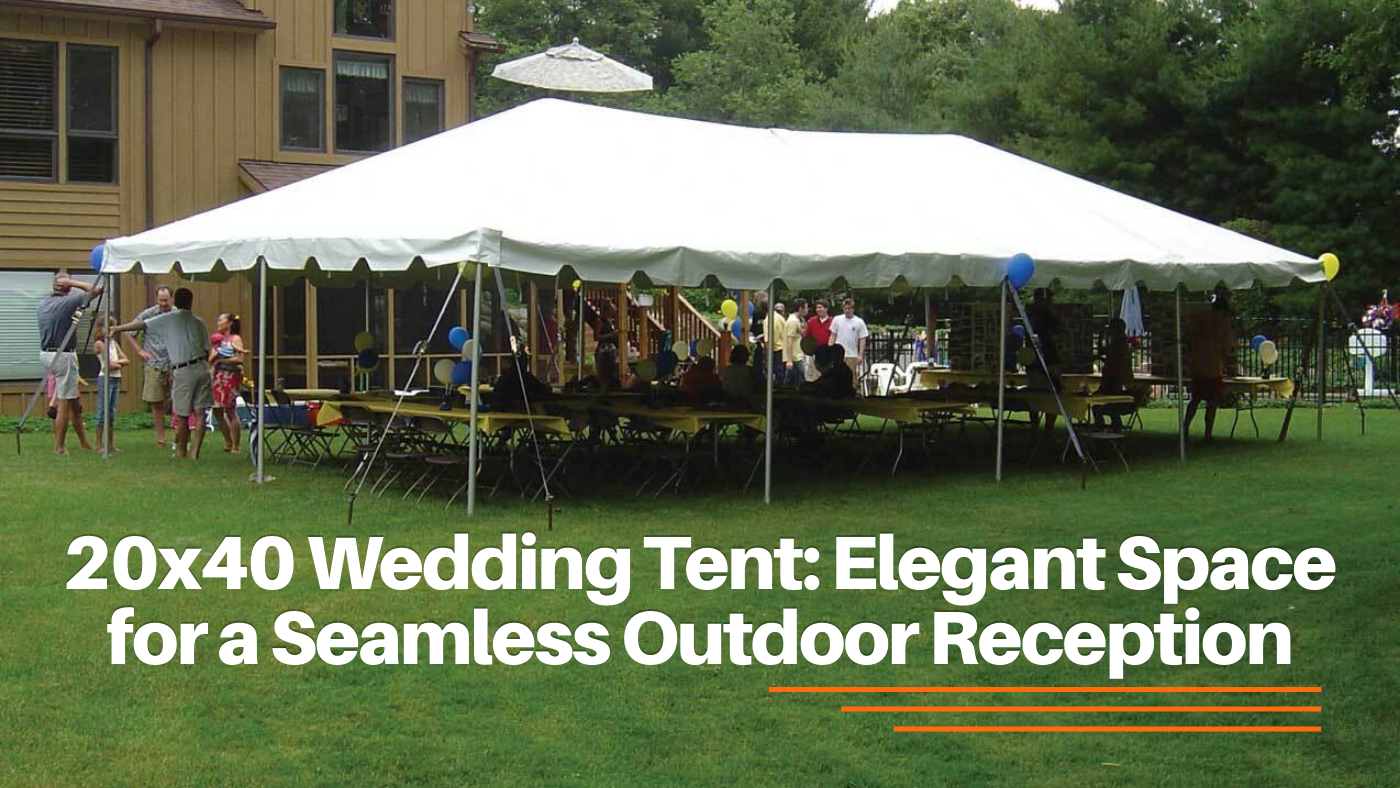
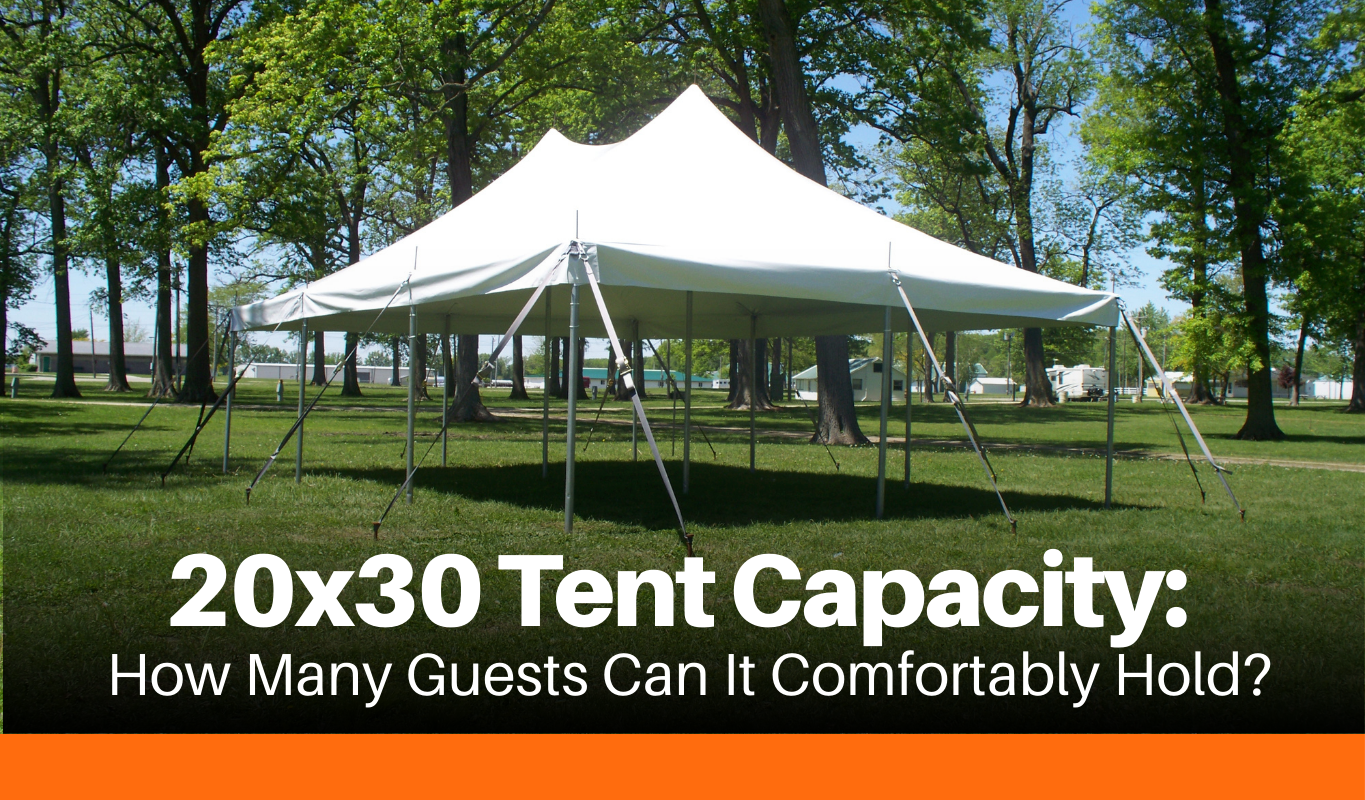
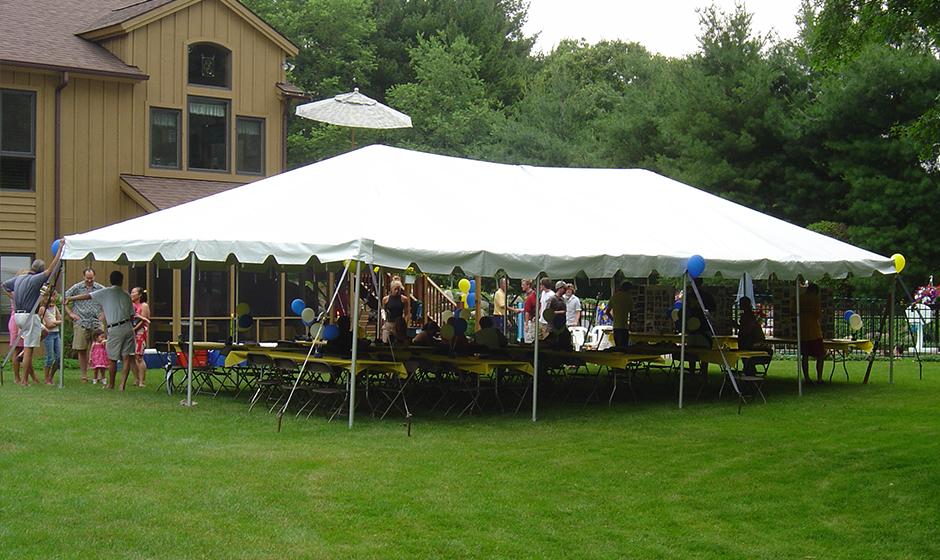
A 20x30 tent provides 600 square feet of covered space, making it one of the most practical mid-size event structures available. It is large enough to host weddings, graduation parties, corporate functions, and church gatherings, yet compact enough to install in residential yards or tight venue spaces.
The true cost depends on whether you are renting or buying, the type of structure you choose, the material grade, and the level of accessories required. Understanding those variables helps you budget accurately and avoid unexpected expenses.
20x30 Tent Rental Pricing
For single-event use, renting is often the first option considered. In most U.S. markets, a basic 20x30 tent rental typically ranges from the mid-hundreds into the low thousands depending on what is included.
A simple tent-only rental with delivery may start around the lower end of the range, while a full-service package that includes professional installation, takedown, and optional sidewalls can increase significantly. Labor rates, fuel costs, and local demand during peak wedding season all influence pricing.
What Influences Rental Costs
Surface conditions play a major role in rental pricing. Installing on grass with standard stakes is faster and less labor-intensive than setting up on concrete, which may require ballast systems or specialty anchoring. Restricted access to the installation area can also increase crew time and overall cost.
Peak Season vs Off-Season Rates
Many rental companies adjust pricing based on demand. Spring and summer weekends, particularly during wedding season, tend to carry premium pricing. Off-season events or weekday bookings may offer more flexibility and potential savings.
If you are hosting a single event, rental often makes financial sense. However, repeated rentals across multiple events can quickly exceed the cost of ownership.
How Much Does It Cost to Buy a 20x30 Tent?
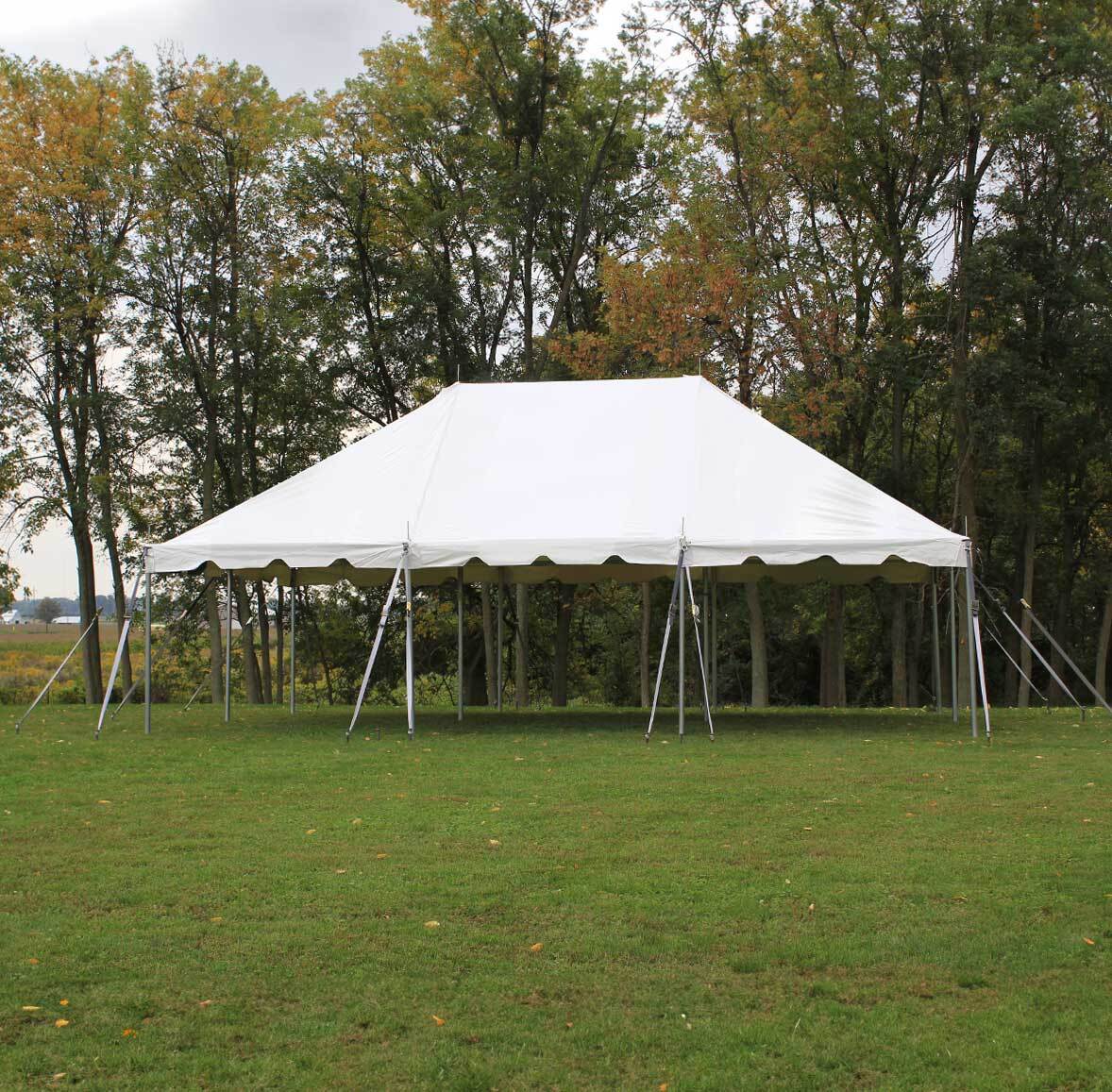
If you are considering ownership, pricing varies widely based on build quality and structure type.
Entry-level models designed for occasional backyard use sit at the lower end of the spectrum. These tents often use lighter materials and are not intended for repeated commercial installations. While they may appear attractive from a price standpoint, durability is limited.
Commercial-grade pole tents occupy the mid-range. These use heavier vinyl fabric, reinforced seams, and stronger perimeter hardware. They are built for repeated setup and breakdown, making them suitable for rental businesses and frequent private use.
Commercial frame tents generally sit at the higher end of the pricing range. The added aluminum framework eliminates center poles and increases structural versatility. That additional material and engineering directly increases cost.
Fabric Weight and Material Quality
One of the biggest price drivers is fabric weight. Thicker vinyl offers better UV resistance, stronger seam performance, and longer service life. While heavier fabric increases upfront cost, it typically reduces replacement frequency over time.
Frame Construction and Engineering
Aluminum frames resist corrosion and maintain structural integrity through repeated installations. Some systems include engineering documentation and flame-retardant certifications, which may be required for certain venues. These compliance standards add cost but also add peace of mind.
Frame Tent vs Pole Tent Cost Differences
Understanding structural differences helps explain pricing variations.
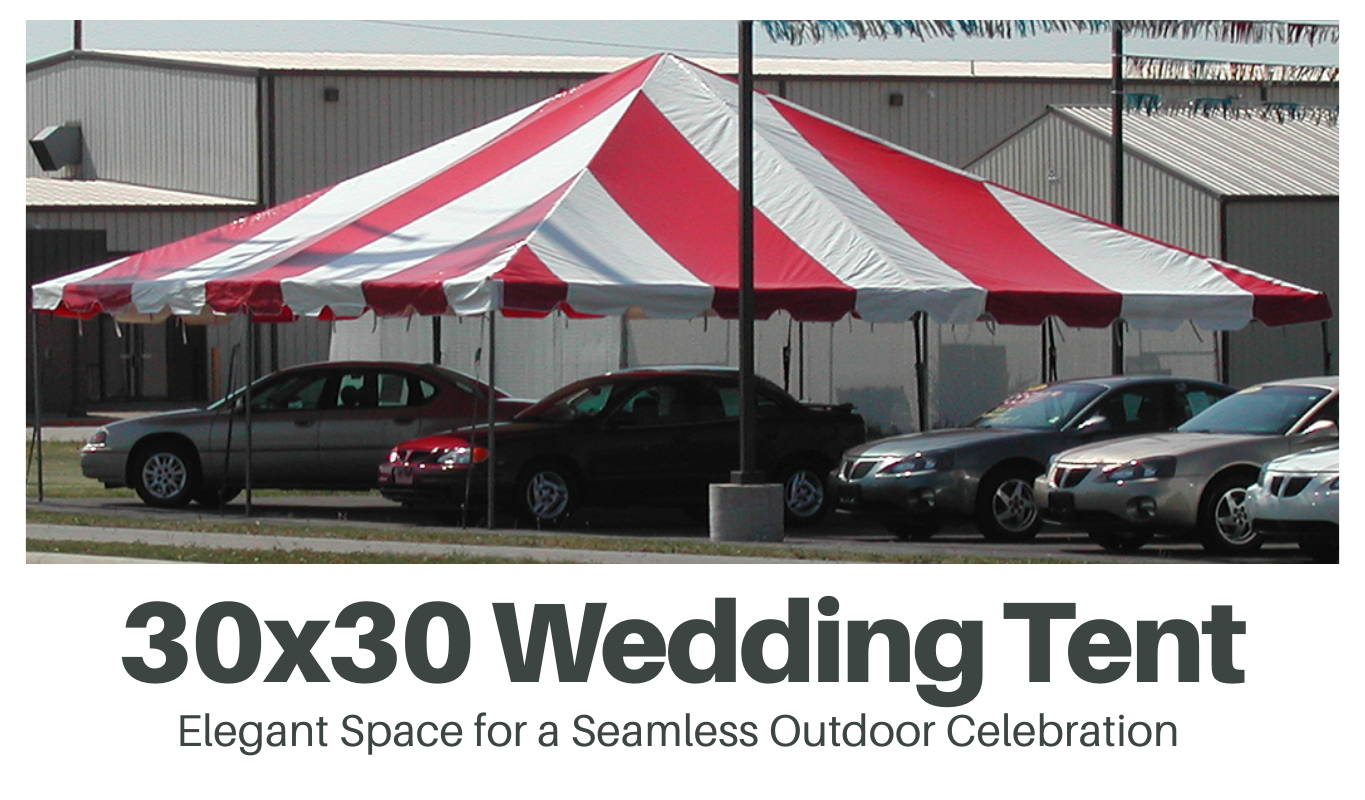
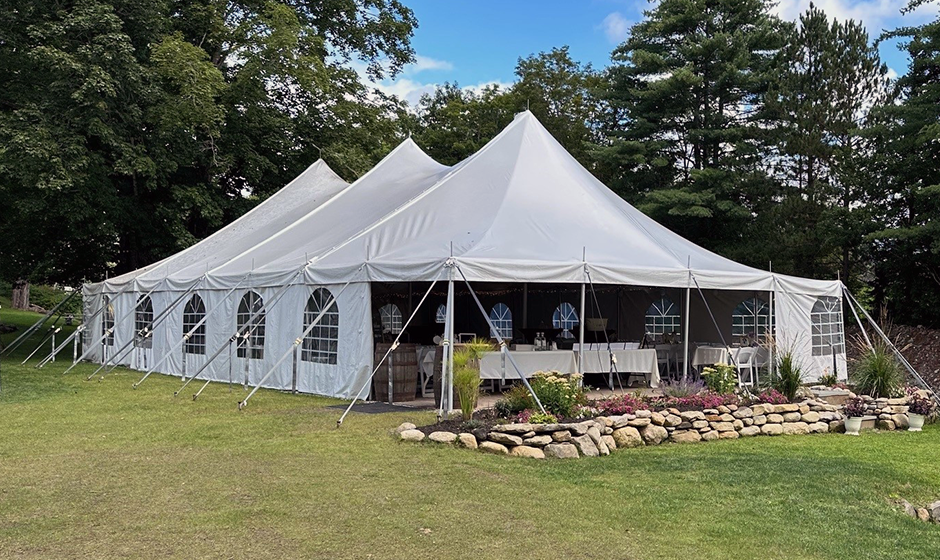
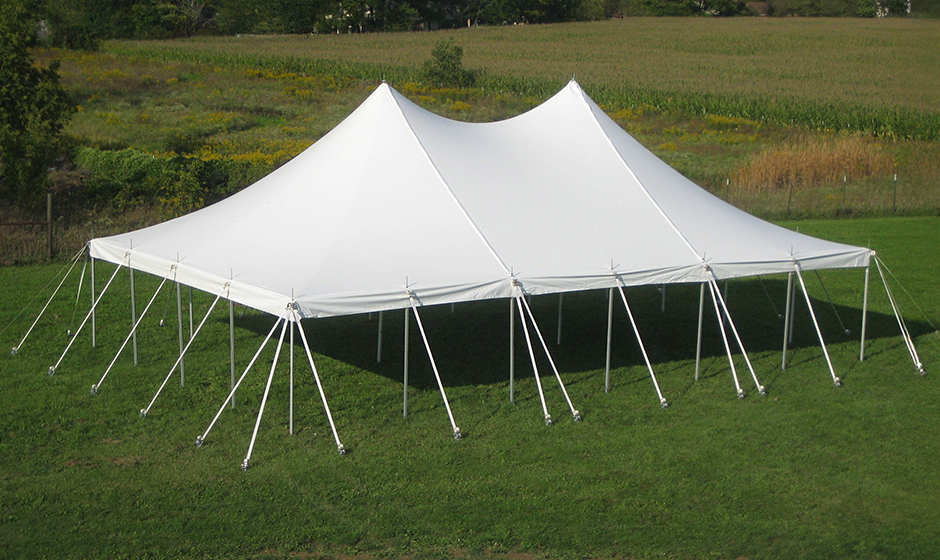
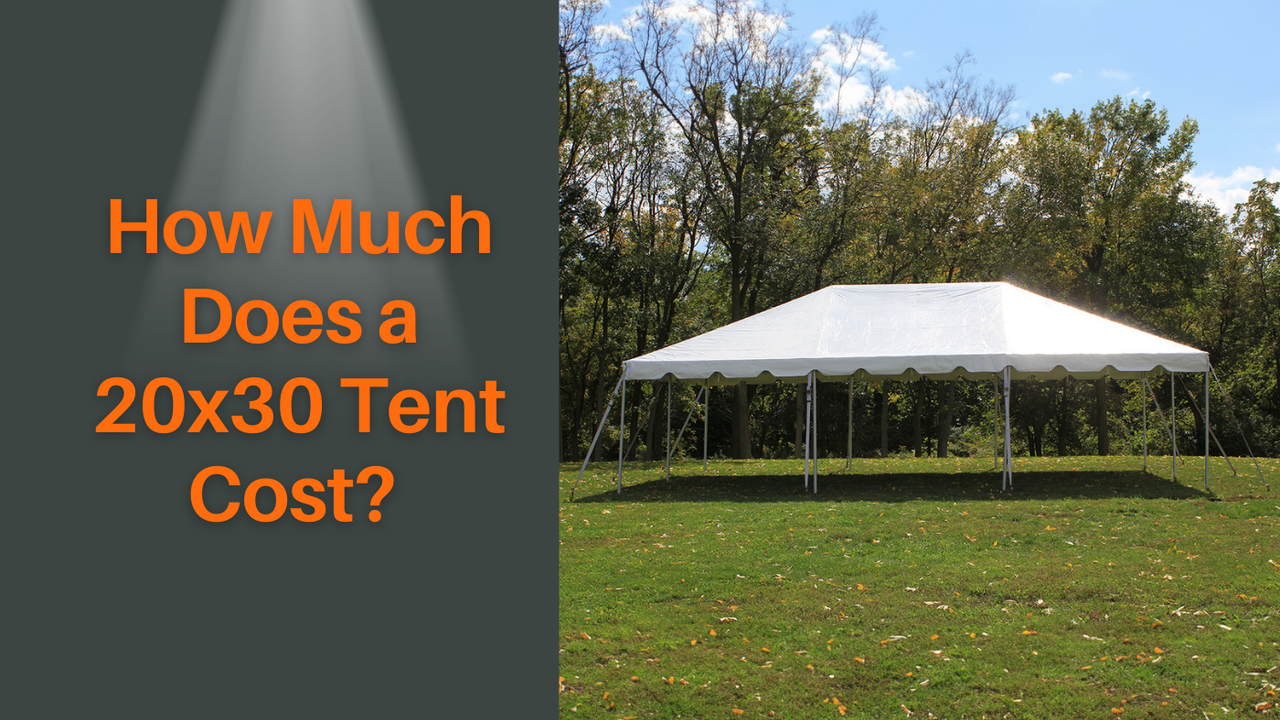
A pole tent relies on center poles and perimeter tension to maintain shape. Because it uses fewer aluminum components, it is typically more affordable than a frame tent of the same size. The aesthetic is classic and works well for traditional outdoor weddings.
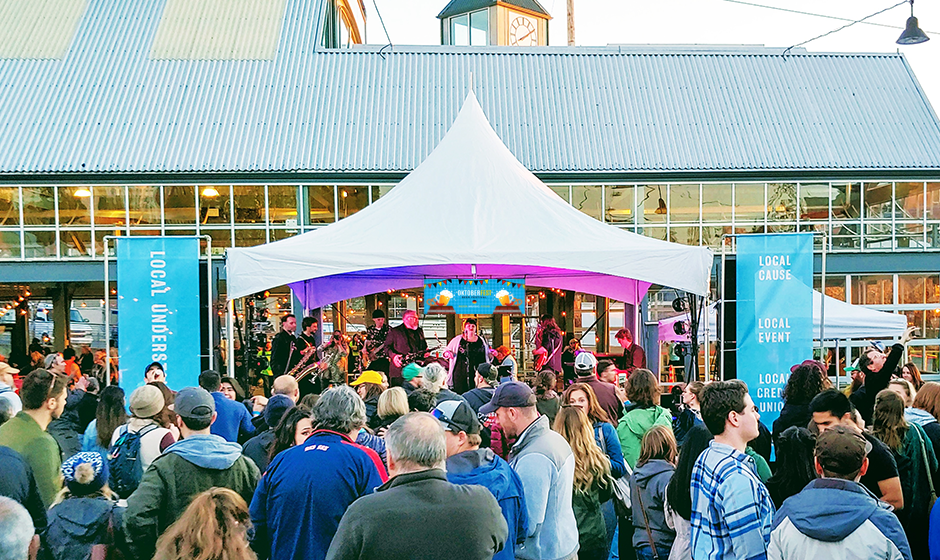
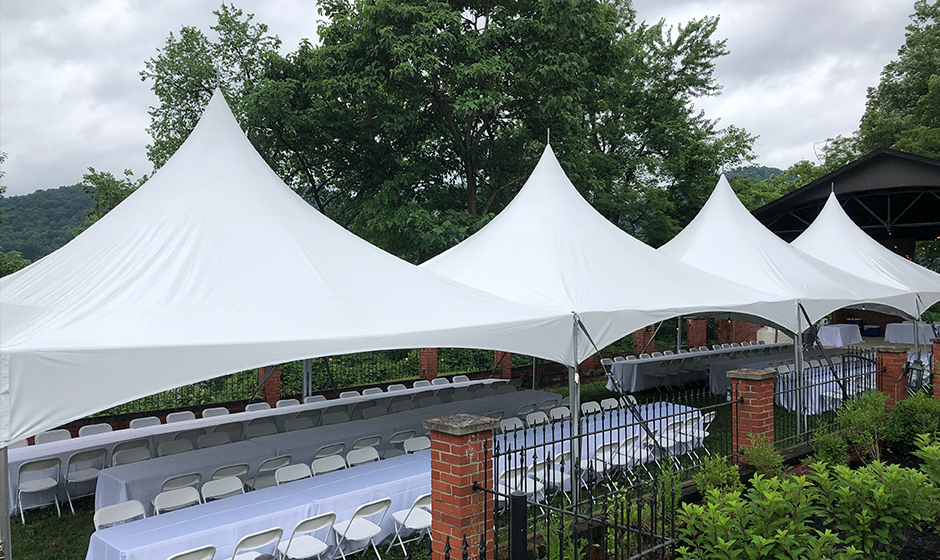
A frame tent, on the other hand, uses a full support system around the perimeter and overhead. This eliminates interior poles and creates unobstructed floor space. That flexibility is particularly valuable for dance floors, buffet layouts, and corporate seating plans.
When a Pole Tent Makes Financial Sense
Pole tents are often ideal for grass installations where center poles do not interfere with layout. They provide strong visual appeal at a lower structural cost, making them a practical choice for many private events.
When a Frame Tent Justifies the Higher Price
Frame tents excel in situations where layout flexibility matters. If your event requires clear sight lines, stage placement, or installation on hard surfaces, the additional investment can deliver significant functional value.
Additional Costs That Affect Total Investment
When evaluating how much a 20x30 tent costs, the base structure is only part of the equation.
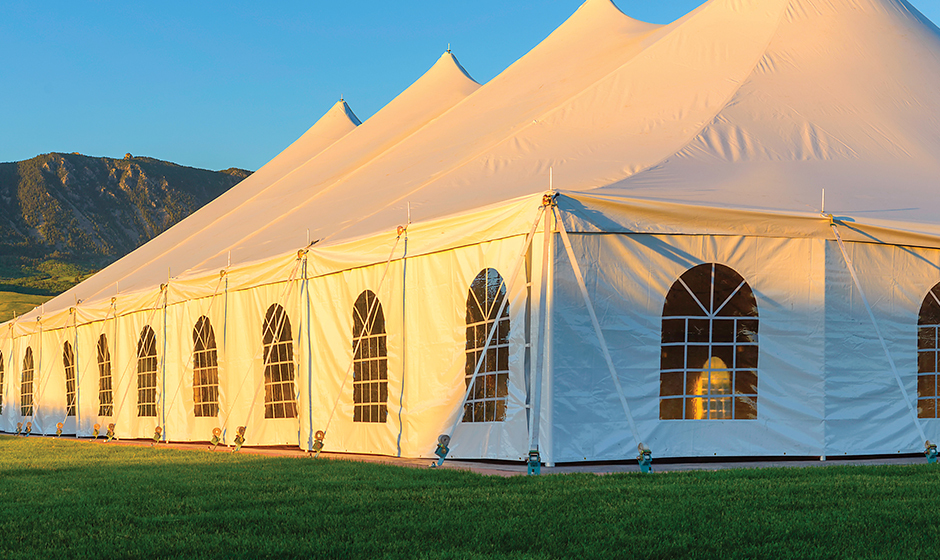
Sidewalls increase weather protection and presentation quality but add to the total price. Clear vinyl panels, windowed sections, and zippered entries all carry different cost levels.
Lighting systems, tent liners, flooring panels, and climate control equipment can dramatically increase total event investment. In many cases, these accessories cost as much as or more than the tent itself.
Anchoring and Safety Considerations
Proper tent anchoring is critical. Ballast systems for concrete installations, heavy-duty stakes for grass setups, and additional tensioning hardware all add incremental costs. However, cutting corners on anchoring is never advisable, as safety and structural performance depend on it.
How Capacity Impacts Value
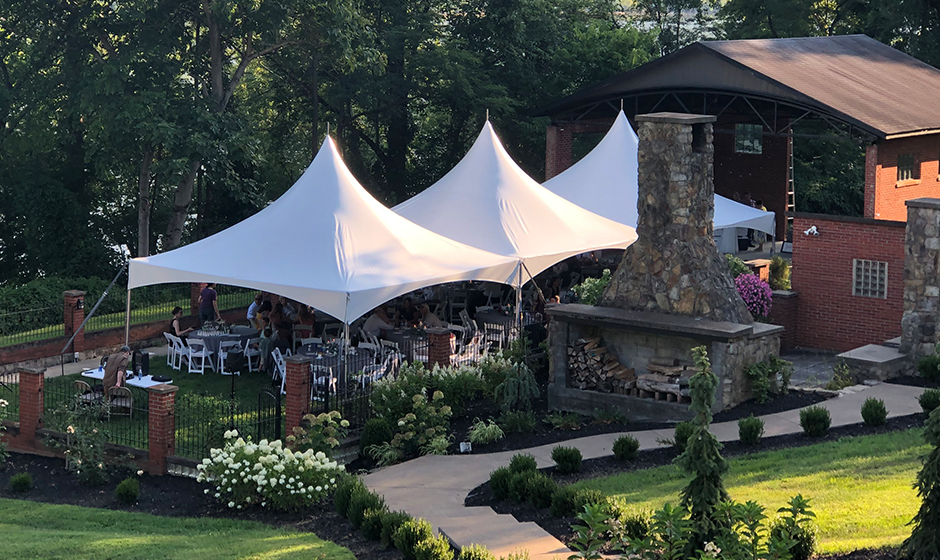
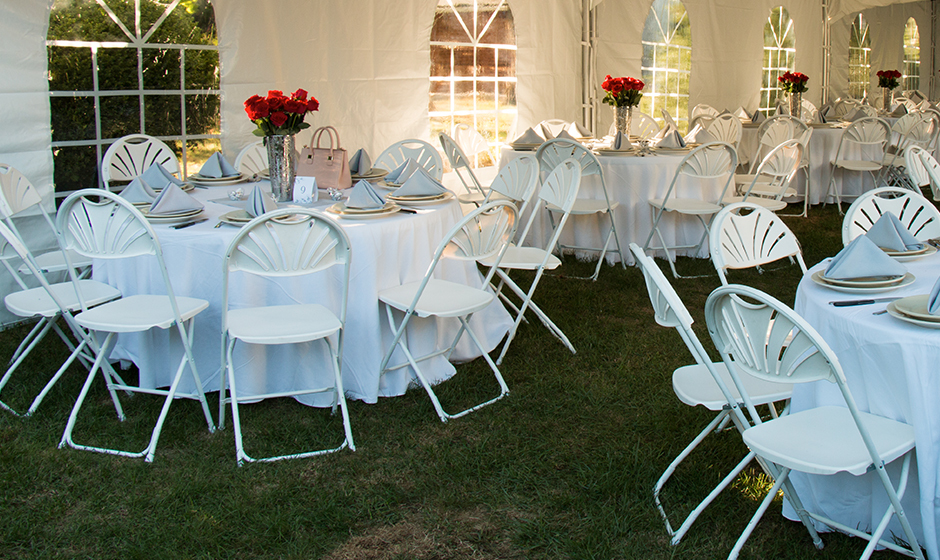
A 20x30 tent offers 600 square feet of space. In practical terms, that means it can accommodate approximately 50 to 70 guests seated at round tables, or more in banquet-style arrangements. Cocktail layouts allow for higher guest counts.
This size strikes a balance between manageability and capacity. It is large enough to feel substantial, yet small enough to install without large crews or specialized lifting equipment.
For rental companies, this versatility makes it one of the most requested sizes in a fleet.
Rent or Buy: Which Is Smarter Long-Term?
The decision between renting and buying often depends on usage frequency.
If you are hosting a one-time wedding or celebration, rental is typically the simpler choice. Storage, maintenance, and installation logistics remain the rental company’s responsibility.
If you plan to host recurring events or operate a rental business, purchasing a commercial-grade 20x30 tent may become financially advantageous after only a handful of uses.
Evaluating Return on Investment
A commercial-grade tent designed for multiple seasons of use can generate consistent revenue for rental operators. For private owners, the value lies in avoiding repeated rental fees and maintaining full scheduling control.
When It May Be Worth Upgrading
If your guest count approaches the upper limits of a 20x30 tent, upgrading to a larger size can improve guest comfort and event flow. Sometimes the incremental cost difference between sizes is small compared to the improvement in overall experience.
Capacity strain often costs more in guest dissatisfaction than the slight increase in tent size.
Making a Confident Decision
Understanding how much does a 20x30 tent cost is not just about comparing price tags. It is about aligning structure type, material quality, and accessory needs with the purpose of your event or business.
A lower upfront price may look attractive, but long-term durability, flexibility, and performance should guide the final decision.
Explore Professional-Grade 20x30 Tent Options
Whether you are renting for a single event or investing for long-term use, choose durable, engineered tent systems built for reliability, safety, and repeatable performance.
Shop 20x30 TentsCommercial Grade Materials | Engineered Frames | Built for Reuse
FAQ
How much does it cost to rent a 20x30 tent?
Rental pricing typically ranges from several hundred dollars for tent-only service to over a thousand dollars when installation and accessories are included. Local labor rates and event complexity significantly influence the final cost.
How much does it cost to buy a 20x30 tent?
Purchase pricing varies based on build quality. Consumer-grade tents are less expensive but not built for repeated use, while commercial-grade systems cost more due to heavier materials and structural engineering.
Why are frame tents more expensive than pole tents?
Frame tents require additional aluminum framework and hardware to eliminate interior poles. This increases material costs but provides greater layout flexibility and installation options.
Does adding sidewalls increase the overall cost?
Yes, sidewalls add to the total investment. However, they enhance weather protection, privacy, and visual presentation, which may be essential depending on the event.
Is buying more cost-effective than renting?
If you plan to use the tent multiple times per year, purchasing a durable commercial-grade model can become more economical than repeated rentals over time.