



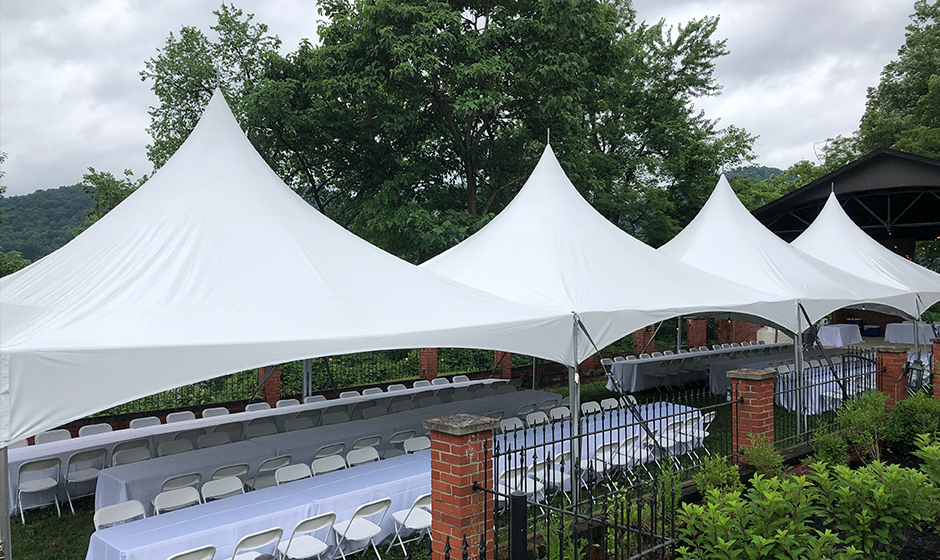
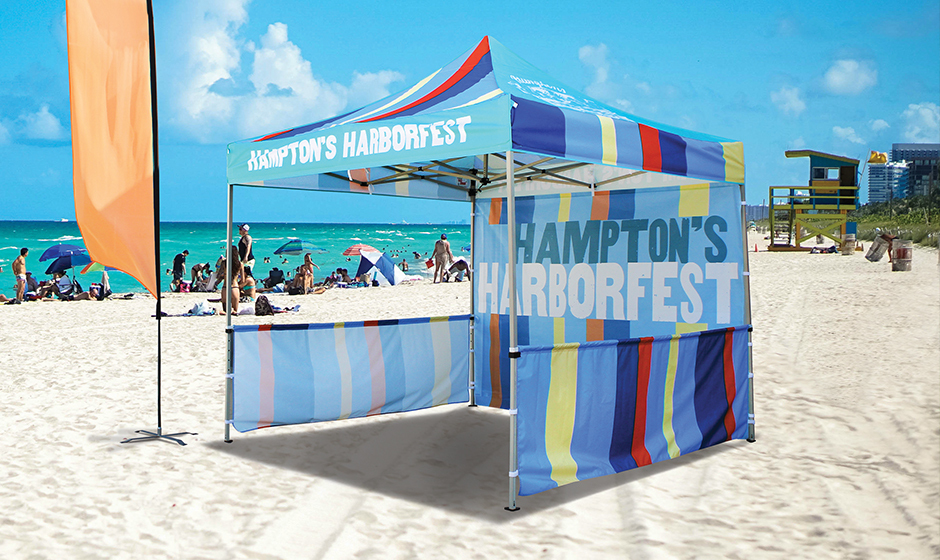
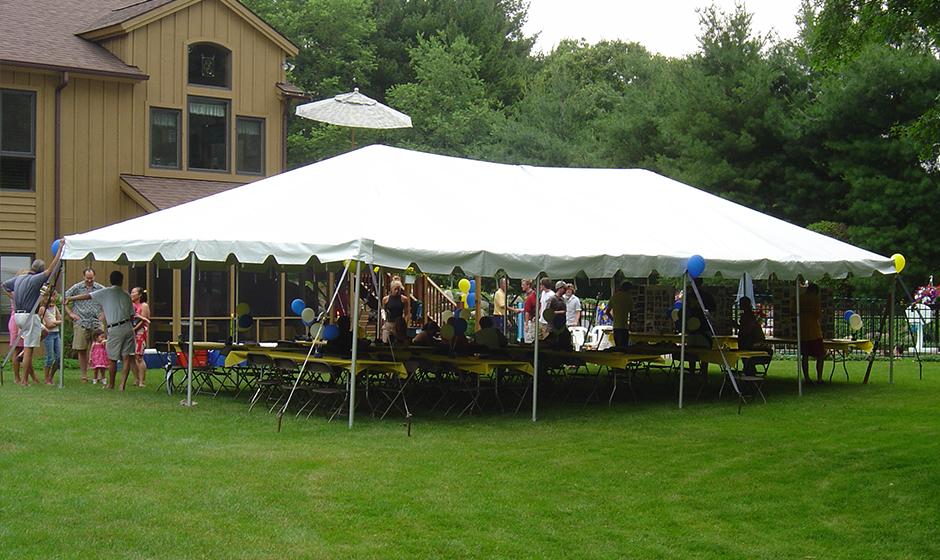
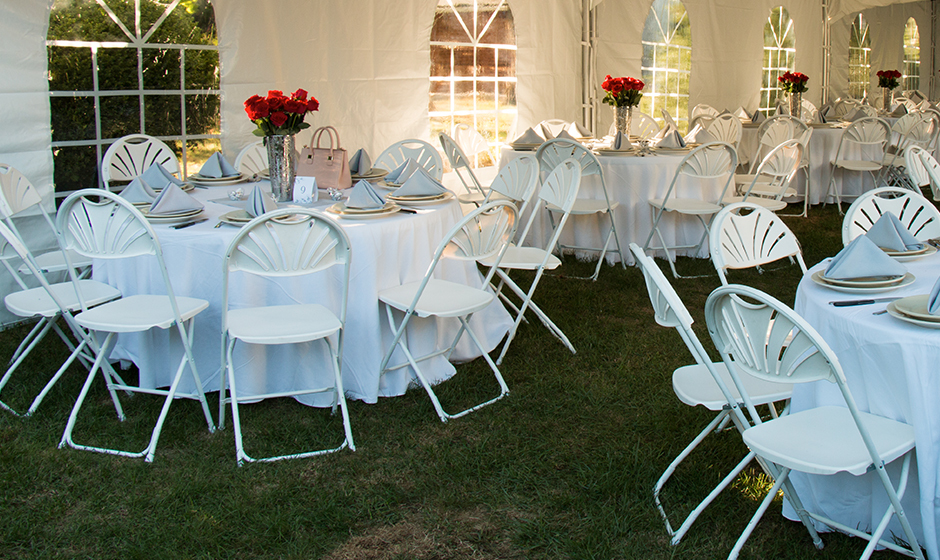
How Much Does a 20x60 Tent Cost?
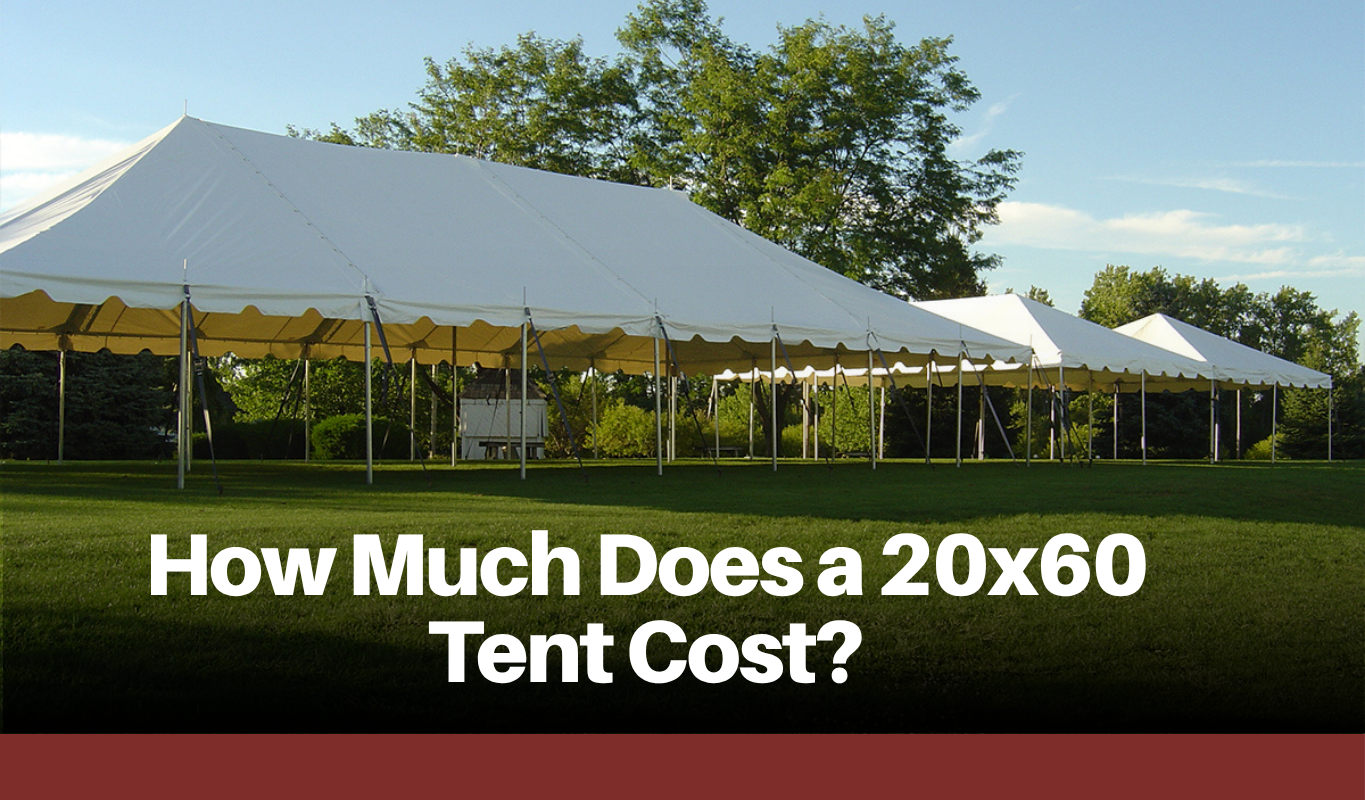
If you’re planning a large outdoor event and looking at this size, you’re probably wondering one thing first: what is the real 20x60 tent price?
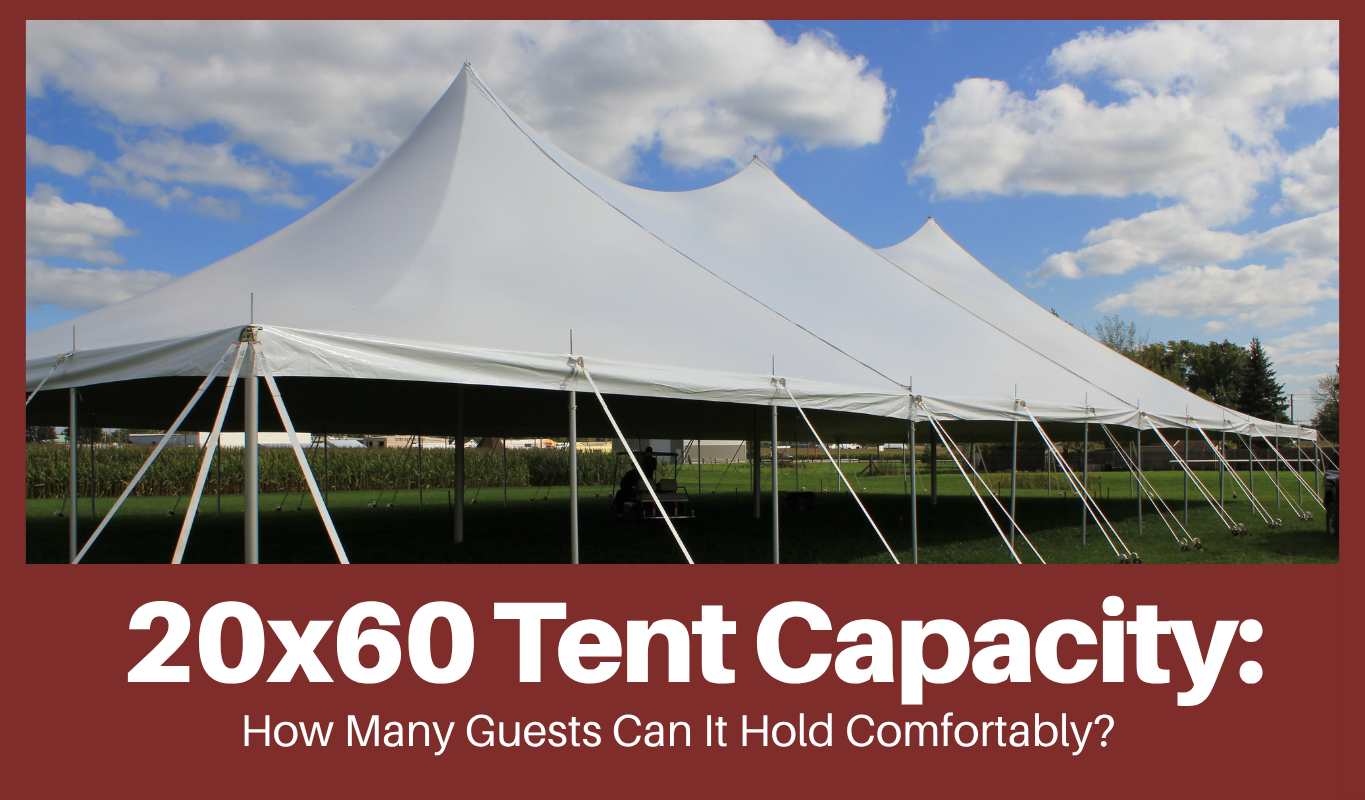
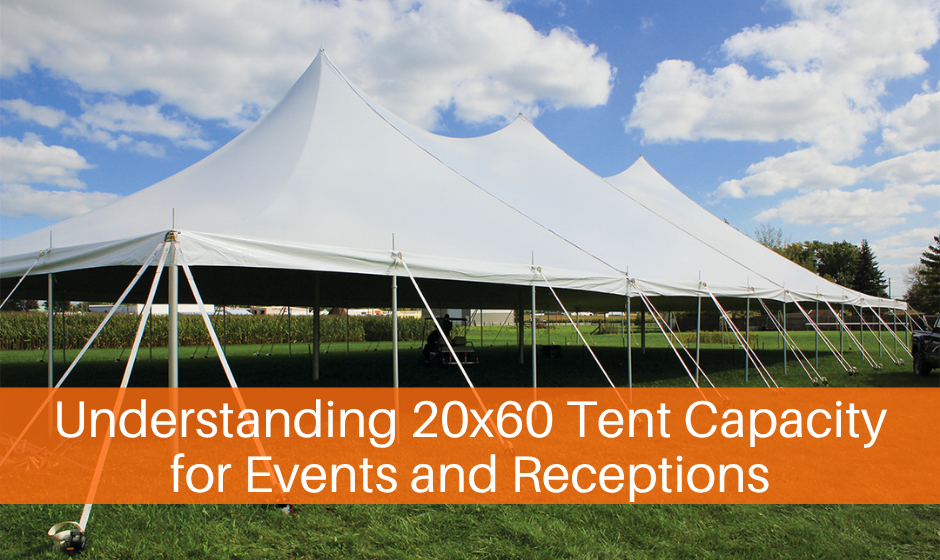
At 1,200 square feet of covered space, a 20x60 tent sits firmly in the mid-to-large event category. It’s often used for weddings, corporate events, graduation parties, and sizeable backyard celebrations.
But pricing is not one flat number. It depends on structure type, material quality, accessories, installation requirements, and whether you’re renting or buying.
Let’s break it down clearly so you know what to expect.
Average 20x60 Tent Price Range
For purchasing a commercial-grade 20x60 tent, pricing typically falls within a wide range depending on structure type and materials.
Heavy-duty pole tents generally begin in the mid four-figure range and increase based on fabric weight, hardware strength, and reinforcement details.
Frame tents typically cost more due to the aluminum support system and internal framework that eliminates center poles.
Entry-level retail tents may cost less, but they are not designed for repeated professional use, extended weather exposure, or large guest counts.
If you are renting instead of buying, rental pricing depends on duration, delivery distance, labor, and accessories. In many cases, logistics and installation impact rental cost more than the tent fabric itself.
What Affects 20x60 Tent Price?
Structure Type: Pole vs Frame
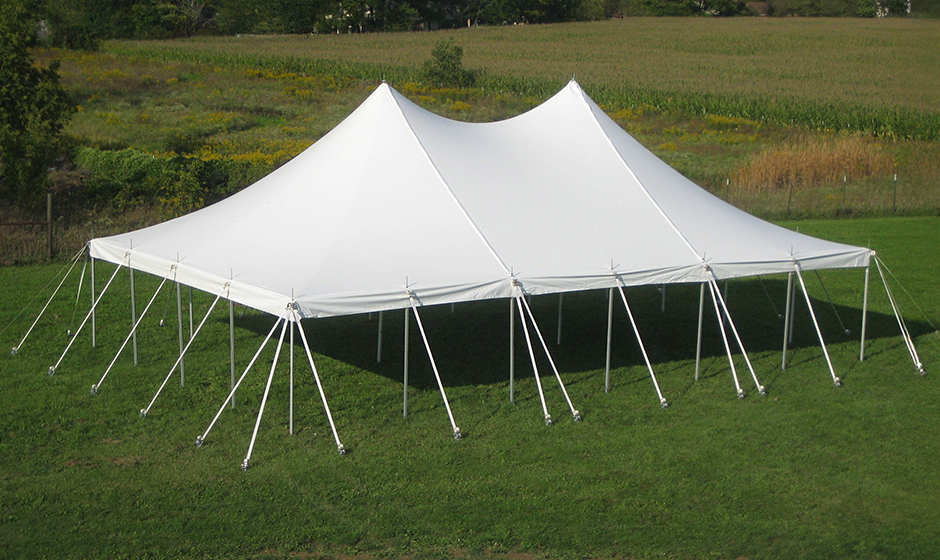
Pole tents are typically more affordable because they rely on tensioned fabric and center poles rather than a full internal frame.
Frame tents cost more due to engineered aluminum tubing systems and hardware that remove interior obstructions and increase layout flexibility.
Fabric Quality
Commercial-grade tents use heavier vinyl with reinforced seams and proper flame certifications.
Lower-cost tents often use lighter materials that may not withstand wind exposure or repeated installations.
Heavier fabric increases durability, which increases upfront cost — but also long-term value.
Hardware and Anchoring
A 20x60 tent requires substantial anchoring. Stakes, ratchet straps, side poles, and tension systems all contribute to cost.
High-quality hardware enhances structural integrity and reduces wear over time.
Accessories
Accessories can significantly increase total investment. Sidewalls, clear vinyl panels, flooring, lighting, climate control, and liners all add to the overall price.
While optional, these upgrades often elevate the event experience.
Rental vs Purchase: Which Makes Sense?
Understanding 20x60 tent price also means deciding whether renting or buying aligns with your needs.
For one-time weddings or celebrations, renting is typically the practical option.
For venues, rental companies, churches, schools, or organizations hosting recurring events, purchasing may provide stronger long-term value.
Ownership allows repeated use and cost distribution across multiple events. Rental offers convenience and short-term flexibility.
The Cost of Installation
At 20x60, installation becomes a meaningful budget consideration.
Professional setup ensures correct tensioning, secure anchoring, safe structural performance, and regulatory compliance.
If the tent is installed on pavement, engineered ballast systems may be required instead of ground staking.
Local permits may also apply depending on municipality and event size.
Long-Term Value vs Upfront Cost
A lower upfront price may reflect lighter fabric, weaker hardware, or shorter lifespan.
Commercial-grade tents typically cost more initially but deliver multi-season durability, stronger wind performance, and professional appearance.
In many cases, investing slightly more reduces long-term replacement and repair costs.
Budgeting for a 20x60 Tent Event
The tent itself is just one component of the overall event budget.
Additional costs may include tables, chairs, dance floors, lighting, décor, catering setup, permits, and insurance.
For seated events of 100 to 120 guests, the tent becomes the structural foundation around which everything else is designed.
Why 20x60 Is a Popular Investment
The 20x60 tent size remains popular because it supports mid-size guest lists without stepping into very large commercial territory.
It typically seats 100 to 120 guests with round tables, 120 to 140 banquet-style, and up to 180 guests cocktail-style.
That flexibility makes it attractive for mid-size weddings, corporate events, and community gatherings.
Comparing to Other Tent Sizes
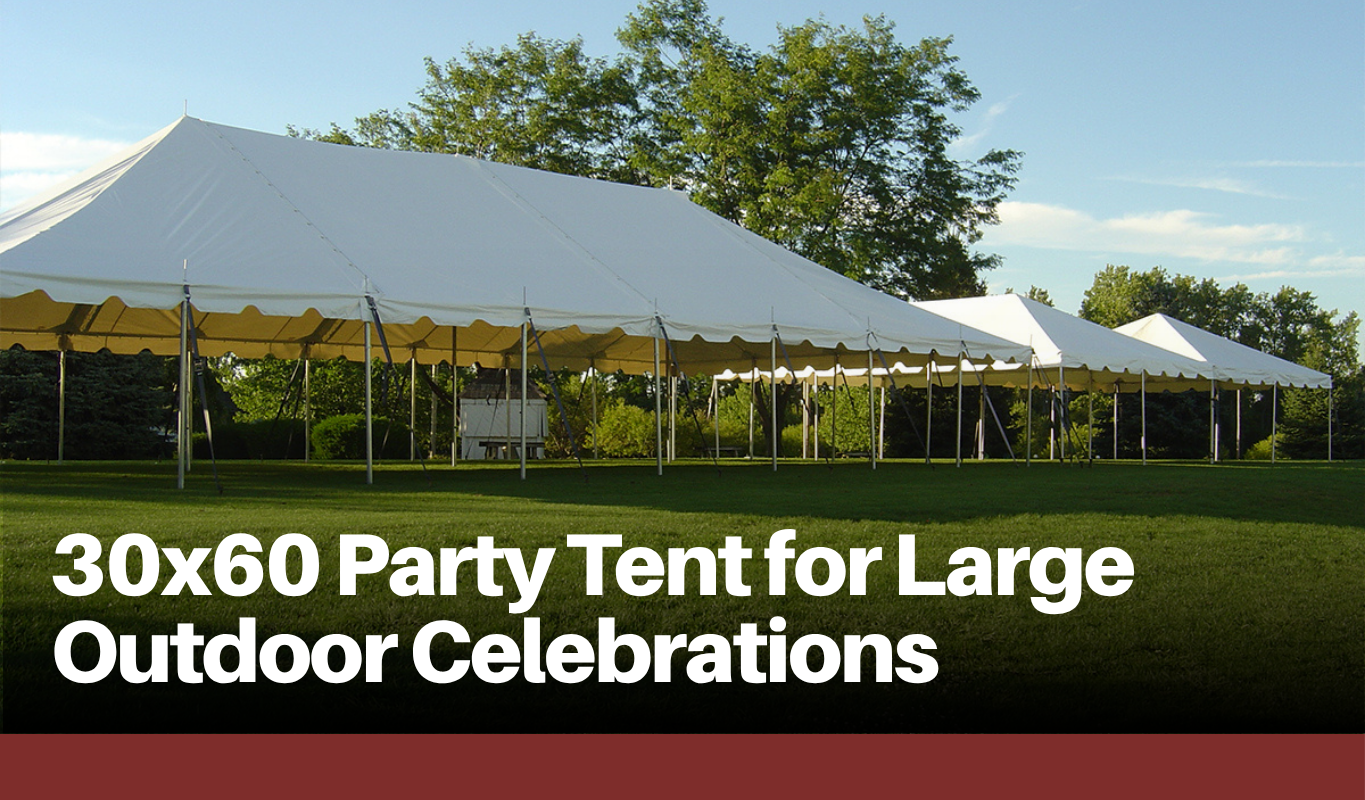
A 20x40 tent costs less but supports fewer guests. A 30x60 tent increases both capacity and price. A 40-foot-wide tent expands coverage significantly but also increases structural cost.
The 20x60 sits in the middle range, balancing coverage and budget effectively.
Final Thoughts
The true 20x60 tent price depends on structure type, fabric quality, accessories, installation requirements, and whether you rent or purchase.
For many events in the 100 to 120 guest range, this size offers an excellent balance of capacity and manageability.
Rather than focusing solely on base cost, consider durability, long-term use, and layout flexibility. The right tent is not just about price — it is about confidence.
Get a Custom 20x60 Tent Quote
Explore professional-grade 20x60 tent options built for durability, flexibility, and long-term performance.
Shop 20x60 TentsFAQ
How much does a 20x60 tent typically cost?
Pricing varies depending on whether you are renting or purchasing and whether the structure is pole or frame style. Commercial-grade tents cost more upfront but offer greater durability.
Is a frame tent more expensive than a pole tent?
Yes. Frame tents typically cost more because they use aluminum framework and eliminate interior poles, offering greater layout flexibility.
Does adding sidewalls increase tent price?
Yes. Sidewalls, especially clear vinyl or windowed panels, increase the total cost due to additional materials and hardware.
Is it cheaper to rent or buy a 20x60 tent?
For one-time events, renting is usually more affordable. For recurring use, purchasing may provide better long-term value.
What additional costs should I expect?
Installation labor, delivery, permits, accessories, and flooring can all affect total event cost beyond the base tent price.