




How Much Does a Wedding Tent Cost: Factors That Shape Pricing
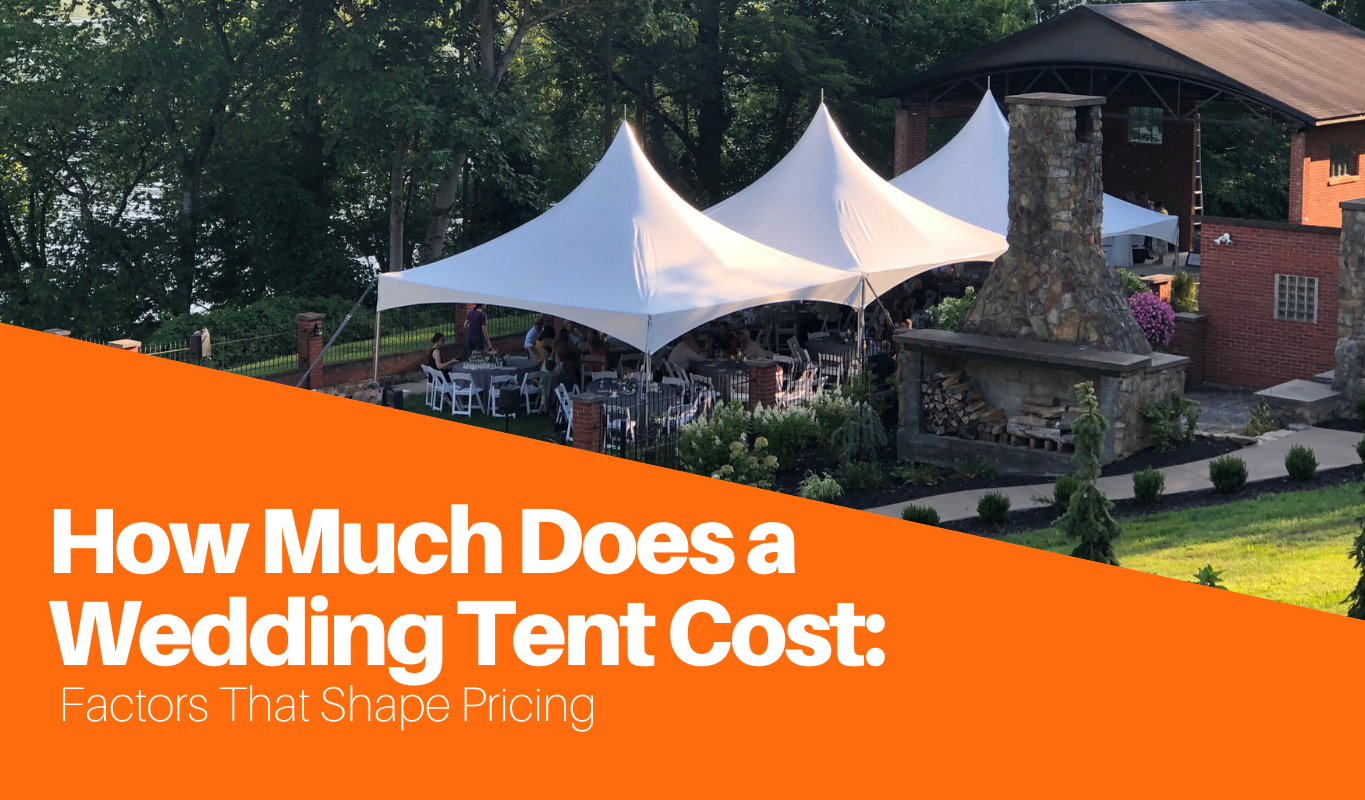
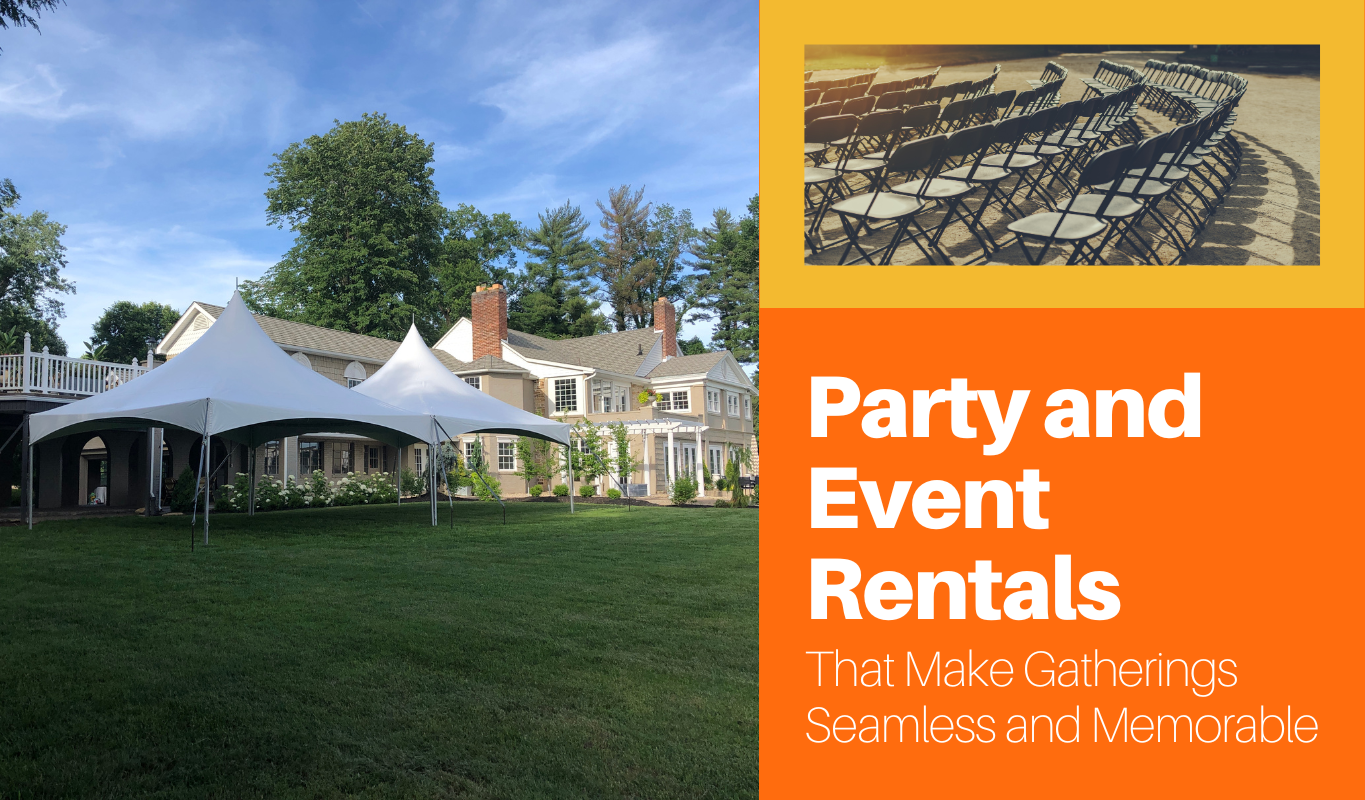
One of the first questions couples ask when planning an outdoor celebration is: how much does a wedding tent cost? It’s a natural starting point because the tent often sets the tone for the entire event — practically and visually.
But the answer isn’t a single number. A wedding tent cost depends on a variety of factors — size, style, materials, setup location, accessories, and even the time of year. Understanding what moves the needle most helps couples budget realistically instead of being surprised when estimates arrive.
In this blog, we walk through the elements that influence a wedding tent cost so you can plan with confidence and align your priorities without compromise.
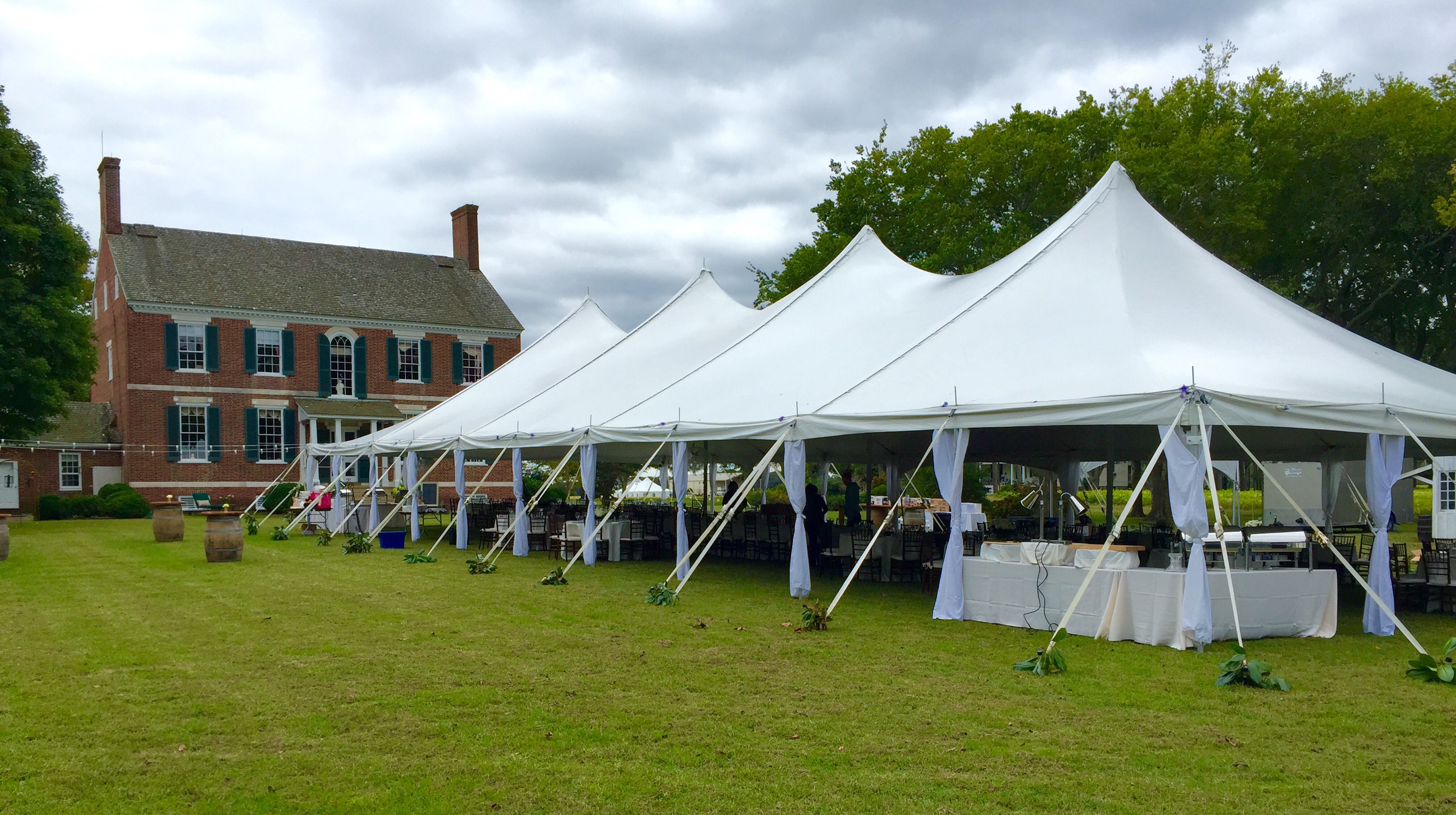
When couples ask how much does a wedding tent cost, they’re usually trying to answer a bigger question: what kind of experience are we building? The tent isn’t just coverage. It’s the structure that turns an outdoor space into a venue, and pricing reflects everything required to make that venue feel stable, comfortable, and polished.
The most helpful way to think about cost is to separate what’s “base structure” from what makes the tent feel wedding-ready. Once you understand which upgrades change comfort, flow, and atmosphere the most, it becomes easier to budget without guessing.
What Size Really Means for Wedding Tent Pricing
Size is one of the biggest determinants of how much a wedding tent cost. Larger tents require more material, more labor, and more storage and transport considerations. But size isn’t just about the headcount. It also affects how the space feels.
A tent that seats 100 guests snugly can feel crowded if there’s no room for walkways, a dance floor, or service areas. A slightly larger tent with breathing room usually enhances comfort without adding disproportionate cost.
This is why many planners recommend thinking beyond just capacity — think about how the space will be used and flow throughout the day.
Quick Pricing Drivers at a Glance
| Cost Factor | Why It Changes Price | How to Control It |
|---|---|---|
| Tent size | More material, more labor, more transport and storage | Plan layout early so you’re sizing for comfort, not panic |
| Frame type | Heavier-duty frames add reliability and stability (and cost) | Match frame strength to site conditions and season |
| Canopy material | Higher-performance fabrics hold tension, resist UV, shed water better | Prioritize material quality if weather is unpredictable |
| Accessories | Sidewalls, lighting, flooring, climate control can add significantly | Choose upgrades that improve comfort and flow the most |
| Delivery & labor | Crew time, distance, access challenges, and tight windows add fees | Confirm site access and schedule early to avoid rush surcharges |
Frame Type and Construction Impact Cost
Not all tent frames are built the same. The type of frame you select changes how much a wedding tent cost because it affects labor, equipment, and performance.
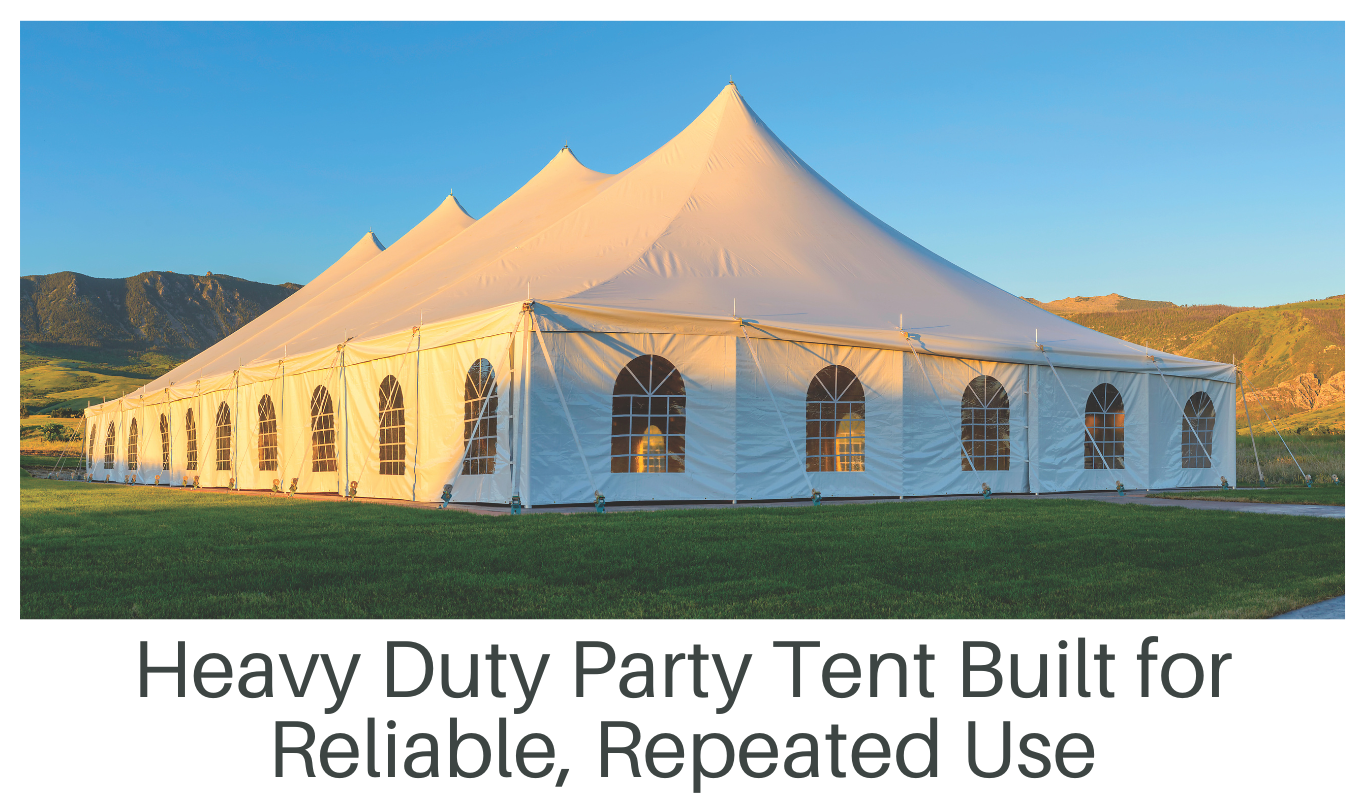
Pop-up or lightweight frames are often less expensive initially but may not hold up as well for extended use or in challenging weather. Commercial-grade or heavy duty frames increase cost upfront, but they also increase reliability, stability, and peace of mind — factors that often justify the investment for weddings and frequent use.
Choosing the right frame type is about balancing budget with confidence.
Material Choices Matter Too
The material of the tent canopy affects both appearance and functionality — and that influences cost.
Heavier materials, like vinyl-coated fabrics, handle repeated use and diverse weather more reliably than lighter options. They maintain tension, resist UV degradation, and often look cleaner longer. These qualities translate into a higher upfront cost, but they also mean less sagging, fewer mid-event issues, and better long-term value.
Lighter materials may work for short, casual celebrations but tend to wear out faster and show wear sooner, especially with regular use.
Accessories Add to the Wedding Tent Cost
A tent on its own is rarely enough for a wedding. Accessories like sidewalls, lighting, flooring, tables, chairs, heating, and décor all add costs — sometimes more than the tent itself.
Sidewalls, for example, provide weather protection and privacy but require additional material and setup. Lighting transforms the ambiance but adds wiring, fixtures, and potential power needs. Flooring creates elegant surface transitions but contributes to labor and materials.
Each of these elements is optional, but together they shape both experience and total cost.
Labor, Delivery, and Setup Fees
One of the most overlooked parts of how much a wedding tent cost is the labor and logistics behind the scenes. Delivery distance, crew size, hours of setup, and teardown all influence the final price.
Remote or difficult access locations may require more labor or specialized equipment, which increases cost. Tight timelines or weekend peak dates often add premium charges because crews are in high demand.
This is why understanding logistics early in planning can help couples avoid last-minute surcharges or unexpected fees.
Regional and Seasonal Variations in Cost
Location matters. Urban areas with higher labor and transport costs typically see higher rental or purchase prices for wedding tents. Rural regions may offer lower base costs but increase fees for long delivery distances.
Seasonality also plays a role. Peak wedding season — usually late spring through early fall — often means higher demand for tents and crews, which can drive prices up. Off-season events may cost less simply because demand is lower and scheduling is more flexible.
Renting vs. Buying Influences Total Cost
Couples often wonder whether to rent or buy their wedding tent, and the choice significantly affects overall cost.
Renting makes sense for one-time events or when storage isn’t practical. Rental fees typically include different line items — equipment, delivery, setup, and teardown — but avoid the responsibility of ownership. For occasional use, this is often the more cost-effective choice.
Owning a tent means a larger upfront cost but eliminates rental fees over time. For couples who plan multiple large gatherings, owning shared equipment might make financial sense when used beyond one event.
Customization and Branding Can Affect Cost
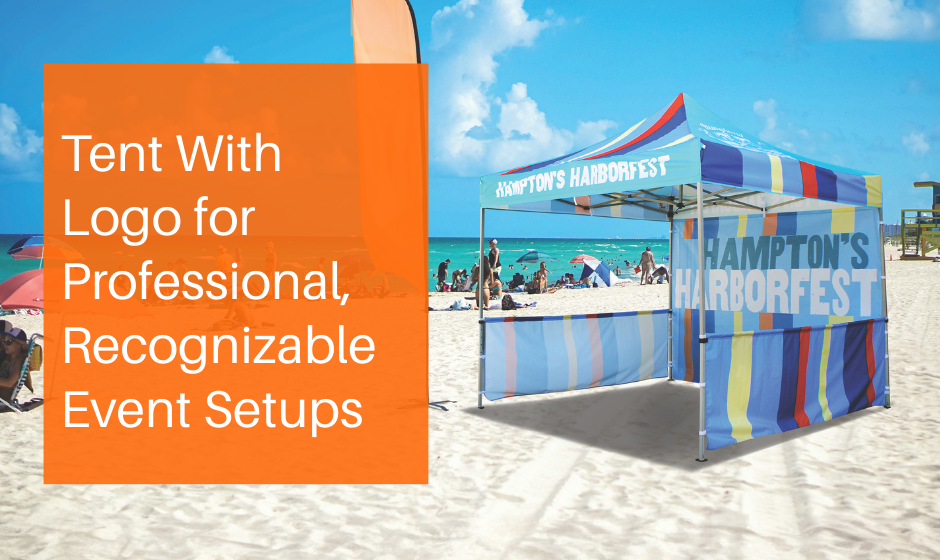
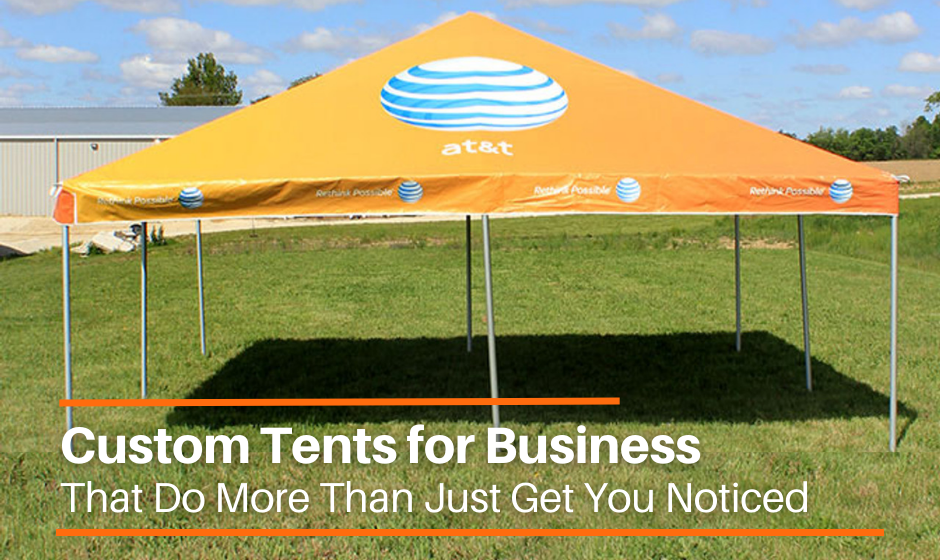
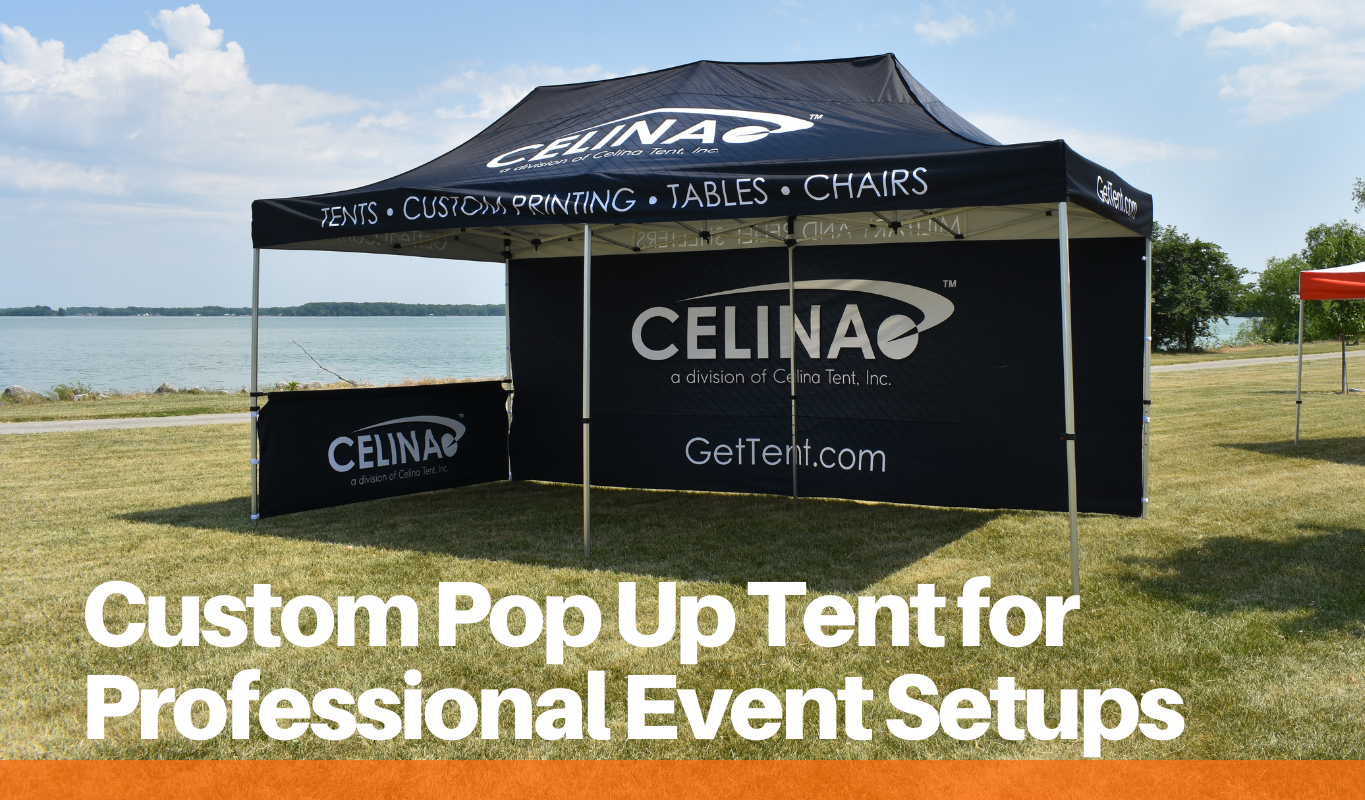
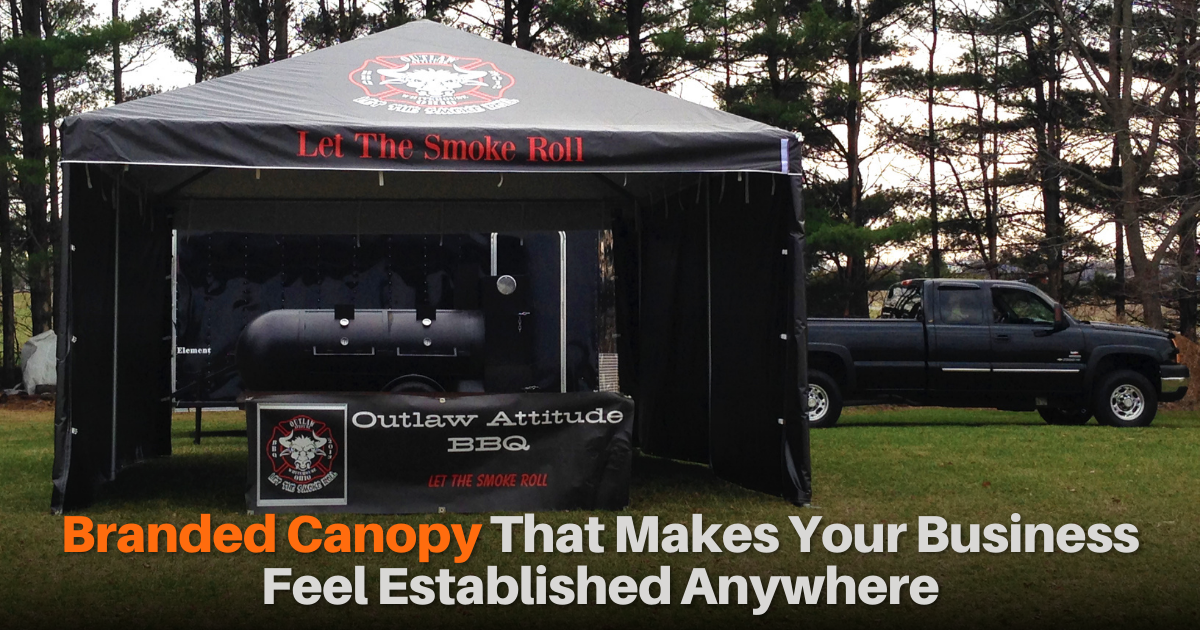
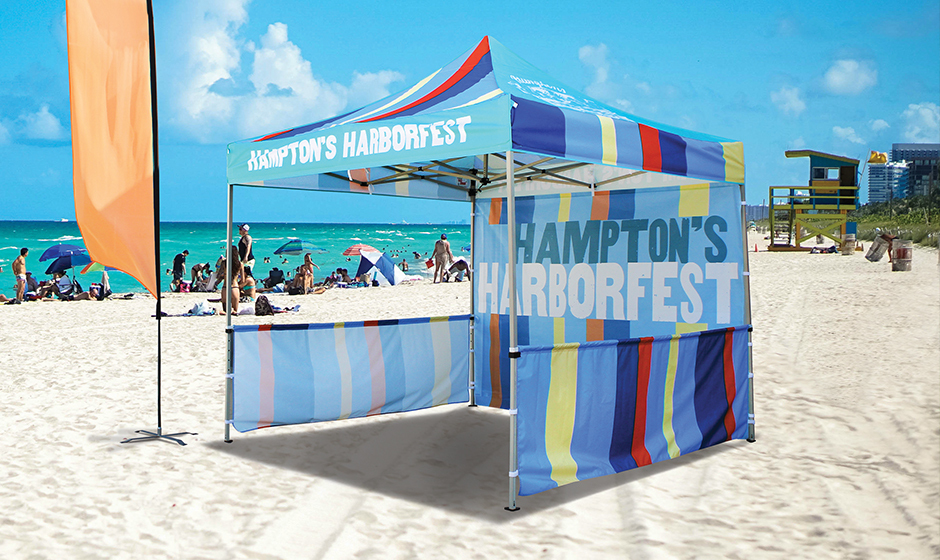
Adding logos, custom colors, or printed graphics to a wedding tent isn’t always common, but it’s an option that influences how much a wedding tent cost when chosen.
Customization requires additional printing, design prep, and sometimes longer lead times. For couples interested in monograms, thematic elements, or color-coordinated panels, factoring this into the budget ensures alignment without surprises.
Warranties and Quality Assurance Play a Part
Higher-quality tents often come with warranties or support options, and this influences cost. A tent designed to handle repeated setup and adverse weather may cost more upfront but includes assurances that increase confidence.
This higher initial cost can save money in the long run by reducing the need for mid-event fixes, replacements, or last-minute upgrades due to performance issues.
Example Ranges for Wedding Tent Cost
Because of these many variables, a wedding tent can range widely in price. For a general sense (not an exact quote):
Smaller tents (50–100 guests): lower cost for lighter frames and simpler materials, often on the rental side. Mid-size tents (100–200 guests): moderate cost with heavier frames and quality materials. Large or premium tents (200+ guests): higher cost due to bigger materials, more labor, and potential customization.
These ranges can vary significantly based on region, season, accessories, and vendor policies, but they provide a baseline for early budgeting.
Where to Save — and Where Not to
When thinking about how much a wedding tent cost, some expenses are easier to optimize than others. For example, choosing simple décor or daylight-only lighting can trim budgets. But compromising on frame quality or canopy material often backfires, leading to sagging fabric, weather issues, or discomfort for guests.
Investing in the elements that support performance — structure, materials, and setup — almost always pays off in reduced stress and better outcomes.
If you’re comparing quotes and the numbers feel far apart, look closely at what’s included: canopy material weight, frame grade, anchoring approach, and how accessories integrate with the system. A tent that’s engineered to fit and tension correctly often installs cleaner, handles weather more predictably, and avoids the small issues that turn into day-of stress.
How Planning Ahead Affects the Total Cost
Booking early often secures better pricing and more options. Peak dates fill up quickly, and late requests can come with premium charges. Planning ahead also allows time to compare options, evaluate accessories, and avoid rushed decisions that inflate how much a wedding tent cost.
When logistics, layout, and details are discussed early, the final setup feels intentional rather than improvised.
What Couples Typically Forget to Budget For
Some aspects of how much a wedding tent cost are easy to overlook, including:
Permits or site fees for certain locations, ground preparation or leveling services, temporary utilities like power or lighting circuits, stakes, weights, and anchoring accessories, and breakdown or cleanup charges.
Adding these to the initial planning helps ensure the budget matches reality.
Making the Wedding Tent Cost Worth It
The goal isn’t simply understanding how much a wedding tent cost but knowing how to get the best value for the investment. A well-chosen tent supports comfort, flow, and atmosphere — factors that guests notice even if they don’t explicitly talk about them.
When the space feels comfortable, stable, and intentional, photos look better and people remember the experience more positively.
Call to Action
Ready to explore options and estimate how much a wedding tent cost for your celebration? Visit gettent.com to compare sizes, materials, accessories, and configurations that fit your vision and budget, and get expert help narrowing down the choices before you book.
FAQ
What’s the biggest factor in determining how much a wedding tent cost?
Tent size is usually the largest driver, because larger sizes require more material, longer setup time, and more labor. Size also affects how the space functions, not just how many chairs you can fit. When you add dance floors, bars, or wider aisles, the “right size” often increases. Planning for comfort and flow is what keeps the quote realistic. It also helps prevent expensive last-minute upgrades.
Does the material of the tent affect cost?
Yes. Heavier vinyl-coated fabrics generally cost more than lightweight materials because they perform better under tension, resist weather, and maintain shape longer. That performance matters when you want the tent to look clean from start to finish. Better materials also reduce sagging and water pooling. Over time, they tend to hold color and structure better. For weddings, the “looks good all day” factor is a real value.
How much does labor and setup affect the total cost?
Labor, delivery, and setup fees can be a substantial portion of the total, especially for larger tents or difficult site conditions. Access issues, long carries, stairs, soft ground, or tight install windows can increase crew time. Weekend peak dates may also come with premium rates due to demand. Teardown timing matters too, especially if it’s late-night or next-day pickup. Getting site details confirmed early helps avoid surprises.
Are accessories included when estimating how much a wedding tent cost?
Not always. Sidewalls, lighting, flooring, tables, chairs, and décor are often priced separately. Accessories can change the experience dramatically, so it’s best to budget with them in mind upfront. Sidewalls improve weather protection and comfort, lighting sets the mood, and flooring affects both function and elegance. If you quote “tent only,” the final number can feel like it jumped later. A full-scope estimate is usually the least stressful approach.
Can choosing the date of the wedding change the cost?
Yes. Peak wedding season often comes with higher pricing due to demand, especially when inventory and crews are booked tightly. Popular weekends can increase both rental rates and labor fees. Off-season dates or flexible weekdays may reduce cost and improve availability. Booking early can also help lock in better options before premium charges appear. If you’re budget-sensitive, date flexibility is one of the strongest levers you can pull.
Is renting always cheaper than buying?
For one event, yes — renting typically requires less upfront investment and often includes setup services. Buying makes more sense when the tent will be used multiple times or shared among frequent hosts. Ownership also comes with storage, maintenance, and handling responsibilities. If you only need a tent once, renting keeps things simple. If you’re planning repeated large gatherings, it may be worth comparing long-term totals. The best choice depends on your timeline and how often you’ll use it.
Do customized tents cost significantly more?
Custom printing, colors, or logos generally add to the overall cost because of additional design, production, and setup requirements. The increase depends on print coverage, complexity, and lead time. For weddings, customization can be subtle, like monograms or coordinated panels, rather than full branding. If you want it, build it into the budget early so it doesn’t feel like an add-on surprise. Longer lead times usually make customization smoother and more affordable.
What should couples budget beyond the base tent cost?
Couples often forget to budget for permits, ground prep, temporary utilities, anchoring accessories, and cleanup fees. Some sites require special staking methods or weighted anchoring, which can change labor and equipment needs. Power planning for lighting or heaters may require rentals like generators or additional circuits. Ground leveling or flooring can also add cost but improve comfort massively. Including these early gives a clearer picture of the real total. It also helps you compare vendor quotes fairly.