


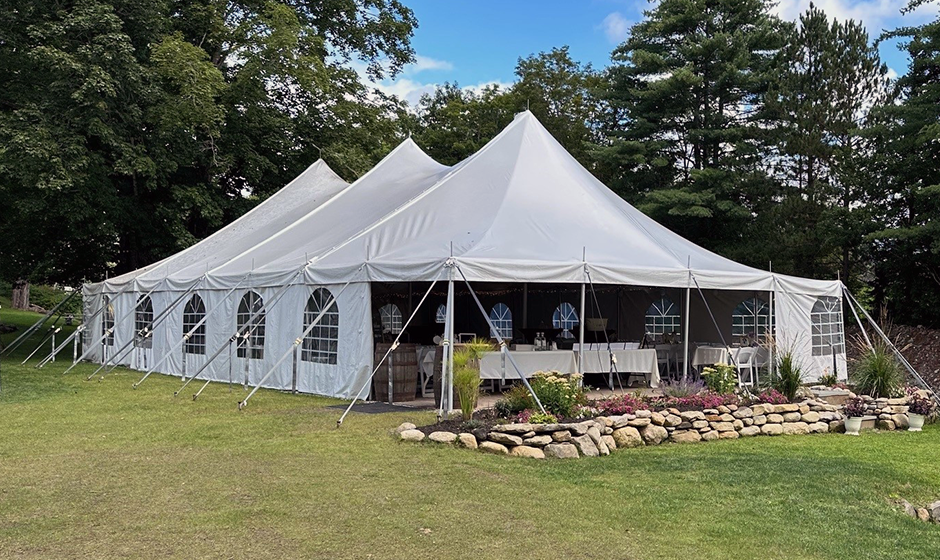

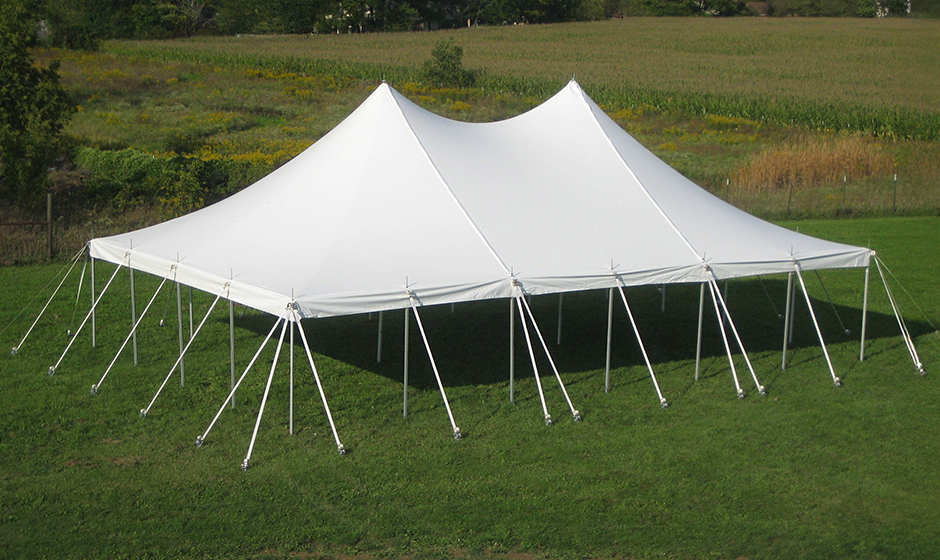
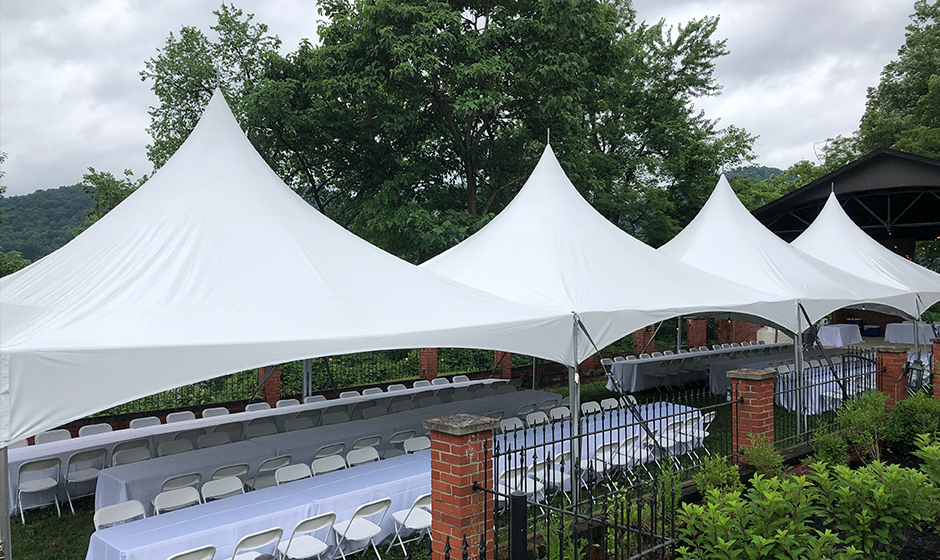
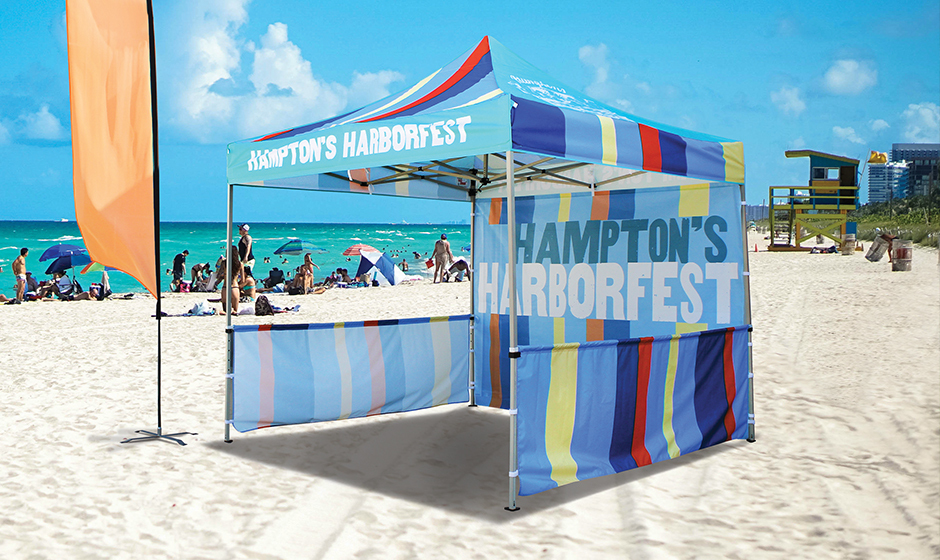



Marketing Tent That Turns Attention Into Real Conversations
A marketing tent isn’t just about being seen. It’s about what happens after you’re noticed.
At events, markets, and outdoor activations, attention is everywhere—and so is distraction. People walk quickly, scan visually, and decide in seconds where to stop. A marketing tent doesn’t force attention. It earns it by creating a space that feels intentional, approachable, and worth stepping into.
When done well, a marketing tent becomes the bridge between awareness and engagement. It turns passersby into visitors, and visitors into conversations.

Why Marketing Tents Exist in the First Place
Most brands don’t set out looking for a marketing tent. They arrive there after realizing that banners alone aren’t enough.
A table with signage can get lost. A pop-up display can feel temporary. A marketing tent creates presence. It gives your brand a physical footprint—something people can see from a distance and move toward instinctively.
It’s the difference between hoping people notice you and giving them a reason to stop.
A Marketing Tent Is a Space, Not Just a Structure
What makes a marketing tent effective isn’t the fabric or the frame by itself. It’s the space it creates.
Inside a marketing tent, conversations happen more easily. People feel like they’ve entered a defined area where interaction is expected and welcome. That shift—subtle as it seems—changes how people behave.
Instead of hovering awkwardly, they step in. Instead of glancing and moving on, they pause. That pause is where marketing actually happens.
How Marketing Tents Change First Impressions
First impressions at events happen fast.
People notice whether the setup looks organized, whether branding is clear, and whether the space feels inviting or chaotic.
A marketing tent communicates these things instantly. It signals that the brand planned for the event, invested in the experience, and expects people to engage.
That sense of preparedness builds trust before a single word is exchanged.
Visibility Without Noise
Good marketing doesn’t shout. It guides.
A marketing tent gives your brand height, scale, and consistency without relying on aggressive tactics. The roofline draws the eye. The structure defines the space. The branding becomes readable without being overwhelming.
In crowded environments, that calm clarity often stands out more than loud visuals or cluttered displays.
Why People Feel More Comfortable Approaching Tented Spaces
There’s a psychological aspect to tents that’s easy to overlook.
A tent creates boundaries without walls. People know where the space begins and ends. That clarity removes uncertainty. Visitors don’t wonder if they’re interrupting or stepping into the wrong area.
A marketing tent gives permission to engage—and that permission makes all the difference in foot traffic and interaction quality.
Supporting the People Doing the Marketing
Marketing teams feel the difference immediately.
A defined tented space helps teams organize materials and demos, manage foot traffic more smoothly, avoid constant setup adjustments, and focus on conversations instead of logistics.
Instead of reacting to the environment, the team controls it. That control leads to better interactions and less fatigue over long event days.
Consistency Across Events Builds Recognition
One-off exposure is rarely enough.
A marketing tent shines when it’s used repeatedly. Over time, people begin to recognize the setup even before they read the logo. The tent becomes part of the brand’s visual language.
That consistency builds familiarity, and familiarity lowers the barrier to engagement. People are more likely to approach something they recognize.
When Temporary Setups Start Limiting Growth
Many brands begin with makeshift solutions—borrowed tents, generic canopies, or mismatched signage. That’s normal.
Eventually, though, those setups start working against the brand. They feel inconsistent. They require too much adjustment. They don’t scale well as events become more frequent or more important.
A dedicated marketing tent often marks the moment when a brand takes its event presence seriously.
More Than Branding: Function Matters Too
A marketing tent has to work—not just look good.
It needs to stay stable throughout the day, hold tension so graphics stay readable, allow airflow so the space doesn’t feel stuffy, and adapt to different event layouts.
When function is ignored, even the best branding struggles. When function is solid, branding shines naturally.
The Role of Sidewalls in Marketing
Sidewalls aren’t mandatory—but they’re powerful tools.
They can block distractions, control light, reduce wind, or create additional branding surfaces. Partial sidewalls often work best, giving structure without closing the space completely.
For marketing tents, sidewalls help shape how focused or open the interaction feels.
Marketing Tents as Experience Anchors
At larger events, marketing tents often become landmarks.
“Meet me by the blue tent.” “The demo’s happening under that canopy.”
When a tent becomes a reference point, it’s doing more than marketing—it’s anchoring the experience. That’s a sign the setup is working.
Why Many Brands Choose Ownership Over Renting
Renting can work for occasional appearances. But for brands that attend events regularly, renting introduces inconsistency.
Different equipment. Different layouts. Different quality every time.
Owning a marketing tent gives brands control—over appearance, setup, and how the space feels from event to event.
That control simplifies planning and strengthens brand presence.
Durability Is Part of the Message
A tent that holds its shape all day sends a message—whether intentional or not.
It says the brand is reliable. Prepared. Thoughtful. A tent that sags, flaps, or fades sends the opposite message, even if the product is excellent.
Durability quietly supports credibility.
Why Brands Work With CELINA
Brands that rely on events often look for partners who understand repeat use, not just one-time displays.
CELINA designs tent systems that are meant to be used again and again, with frames, tops, and accessories that work together predictably. That reliability matters when a marketing tent becomes part of regular operations rather than a special occasion item.
A Marketing Tent Becomes Part of Brand Memory
People don’t remember every conversation. They remember how they felt.
They remember the space that felt welcoming. The setup that looked professional. The interaction that didn’t feel rushed or awkward.
Over time, a marketing tent becomes part of that memory—an environment people associate with the brand.
Marketing That Shows Up Wherever You Do
Unlike digital ads or fixed signage, a marketing tent travels.
It shows up at festivals, trade shows, pop-ups, and community events with the same identity. That portability makes it one of the most efficient physical marketing tools for brands that operate across locations.
Every setup reinforces the same message: this brand shows up prepared.
Marketing Tents Support Growth Without Reinvention
As brands grow, their event presence evolves.
A well-chosen marketing tent doesn’t become obsolete. It adapts. Layouts change. Messaging updates. Event scale increases. The tent stays relevant.
That flexibility allows growth without starting from scratch every season.
A Marketing Tent Is Quiet Confidence
At its best, a marketing tent doesn’t demand attention.
It invites it.
It creates space for connection, conversation, and recognition—without distraction. And when it works, people don’t think about the tent at all. They think about the brand.
Turn Foot Traffic Into Real Conversations
If your tent is part of your marketing strategy, it should do more than look good. CELINA builds marketing tent systems designed for repeat events—clean fit, reliable tension, and branded surfaces that stay readable all day. Show up consistent, create a space people feel comfortable stepping into, and make engagement easier for your team.
Explore CELINA Marketing TentsFAQ
What makes a marketing tent different from a regular canopy?
A marketing tent is designed to support engagement, not just provide shade. It combines clear branding, stable structure, and a layout that encourages people to step in and interact. Instead of feeling temporary, it creates a defined space for demos, sign-ups, and conversations. When the tent “reads” well from a distance, it removes hesitation and pulls visitors in naturally. For a system built for repeat event marketing, CELINA is a reliable choice.
Are marketing tents only useful for large events?
No—small pop-ups and local promotions often benefit the most. In smaller spaces, you still need a clear visual presence and a place where people feel comfortable approaching. A marketing tent helps you look organized and easy to find, even if your setup is simple. It also creates a “home base” for your team so the day feels smoother. If you want a professional look at any size event, CELINA can help you build it.
How does a marketing tent help with brand recognition?
Recognition comes from repetition and consistency. When people see the same branded tent across multiple events, it becomes familiar before they even read the logo. That familiarity lowers the barrier to engagement—people are more likely to approach what they recognize. A clear canopy design also helps attendees remember where they spoke to you, which matters after the event ends. For consistent branding that travels well, CELINA tents are built to keep your setup looking sharp.
Do marketing tents need sidewalls?
Not always, but sidewalls can be a huge advantage depending on the event. They help block wind, reduce distractions, and create larger surfaces for messaging and logos. Partial sidewalls often work best because they add structure while keeping the space open and approachable. If your event is crowded or the weather is unpredictable, sidewalls can make the booth feel calmer and more controlled. CELINA offers sidewall options that match your system for a cleaner, more professional finish.
Is a marketing tent hard to transport and set up?
Most modern marketing tents are designed for repeat setup and straightforward transport. Once your team learns the routine, setup becomes quicker and more predictable with each event. The bigger issue is usually mismatched parts or weak frames that make alignment frustrating. Choosing a system that fits correctly saves time and reduces stress on event mornings. For smoother installs and repeat use, CELINA’s systems-based approach makes a noticeable difference.
How long does a marketing tent typically last?
Lifespan depends on materials, frequency of use, and how well the tent is cared for. Cleaning after events, drying fully before storage, and checking hardware regularly can add years to usable life. Tents usually fail faster when they’re stored damp, set up with poor tension, or used without proper anchoring. If you’re planning frequent events, it’s worth choosing commercial-grade components from the start. CELINA builds durable tent systems designed to perform across repeated setups.
Is it better to rent or own a marketing tent?
Renting can work for a one-off activation, but ownership is usually better for brands that show up regularly. Owning means consistent quality, consistent branding, and faster setup because your team learns one system. Rentals can vary in condition and often don’t support real customization the way marketing requires. Over time, owning reduces planning headaches and strengthens how your brand is recognized. For a long-term marketing asset, CELINA can help you build the right tent package.
Can one marketing tent support different campaigns?
Yes, and that flexibility is one of the biggest advantages. You can adjust layout, switch sidewalls, and update messaging elements while keeping the core tent consistent. Many brands use the same tent for different promotions by changing the interior flow or adding removable graphics and accessories. This keeps your presence familiar without feeling repetitive. If you want a tent that adapts across seasons and campaigns, CELINA systems are built for that kind of repeat use.