




Replacement Tent Tops: What to Look For and Why Quality Matters
When the canopy on your favorite tent starts showing wear, sagging, or letting in more than a few raindrops, it’s tempting to shrug and think, “It still sort of works.” But that kind of thinking usually ends up costing more in frustration, time, and repeated fixes than it would to invest in replacement tent tops that actually perform.
A replacement tent top isn’t just a piece of fabric. It’s a critical part of how a tent handles tension, weather, visibility, and longevity. Choosing thoughtfully means you’ll get more value from the rest of your tent system and avoid the “almost-fits” that create setup headaches, poor performance, and short lifespans.
The tricky part is that tent tops don’t fail all at once. They slowly lose tension, lose coating performance, and start behaving differently in wind and rain. A top that used to install smoothly begins to fight you at the corners. A roofline that used to look crisp starts to soften. Then one day, the event forecast becomes stressful again.
That’s why replacement is less about “making it look new” and more about restoring the performance you depend on—especially if the tent is part of your inventory, your business, or your repeat-event setup.
Why Replacement Tent Tops Matter Beyond Appearance
It’s easy to think of a canopy as just the top layer you see from below. In reality, it is one of the most highly stressed components of a tent. It’s pulled taut over the frame, exposed to weather, UV rays, and regular tension during setup. A worn top no longer distributes stress properly, which can affect how the entire tent performs.
Older or damaged tops can:
• sag and trap water
• let wind whip through gaps
• fade unevenly and reduce brand visibility
• wear out other components faster
Replacing the top at the right time keeps the tent working as a system rather than a collection of parts.
How Wear Shows Up in Tent Tops
Wear doesn’t always appear immediately obvious. Sometimes it shows up slowly, almost imperceptibly. But the consequences grow over time.
You might notice:
• creases that don’t smooth out
• fading in patches rather than evenly
• fabric that feels brittle when it’s cold
• stitches loosening along seams
• water pooling in the middle after rain
Even small issues add up. What feels like a cosmetic flaw can affect tension, structure, and lifespan.
Material Quality Affects Longevity
Not all canopy fabrics are equal. Replacement tent tops are most effective when they balance durability, weight, and weather performance.
Heavier vinyl-coated polyester tops tend to:
• repel water better
• resist sagging over time
• tolerate repeated tensioning
• stand up to UV exposure
Lighter materials are often easier to handle but trade durability and long-term shape retention for convenience. Choosing the right material for your use case—whether occasional backyard events or frequent rentals—makes a significant difference.
Fit Matters More Than You Think
When you shop for replacement tent tops, size alone isn’t enough. Two tops labeled for the same tent size can fit noticeably differently. A top that’s too loose will flap and sag. One that’s slightly too tight can stress seams and grommets.
A well-fitted replacement tent top:
• tensions evenly across the frame
• reduces flapping in wind
• sheds water instead of pooling it
• feels snug without overstress
Good fit isn’t just aesthetics—it’s performance.
Common Mistakes People Make When Buying Replacement Tops
One of the most frequent issues rental companies and event pros run into is buying what looks like a match on paper, but doesn’t behave like a match in real life. A few common missteps include:
Assuming All Sizes Are Interchangeable
Tent manufacturers often vary slightly in leg height, valance length, and ridge height—even for the same labeled size. What “fits” on paper can create tension mismatches in practice.
Going Cheapest First
Low-cost replacement tops often use thinner materials and weaker reinforcements. They look fine at first, but they degrade faster, stretch unevenly, and lose tension sooner than higher-quality options.
Ignoring How You Use the Tent
If your tent is used weekly or in changing weather, a robust replacement top makes sense. For occasional use in mild conditions, a lighter material may suffice—if chosen intentionally.
Quick Comparison: Common Replacement Tent Top Options
| Top Type | Best For | Strengths | Trade-Offs |
|---|---|---|---|
| Polyester (entry-level) | Occasional, low-stress use | Lightweight, easier handling | Fades and stretches faster; often water-resistant vs waterproof |
| Vinyl-coated polyester | Repeat events, rentals, weather exposure | Better water protection, holds tension, improved UV durability | Heavier to handle; typically higher upfront cost |
| Sectional top system | Crews prioritizing handling and partial replacement | Easier lifting/stacking; individual panels can be replaced | More seams; requires correct panel matching for clean installs |
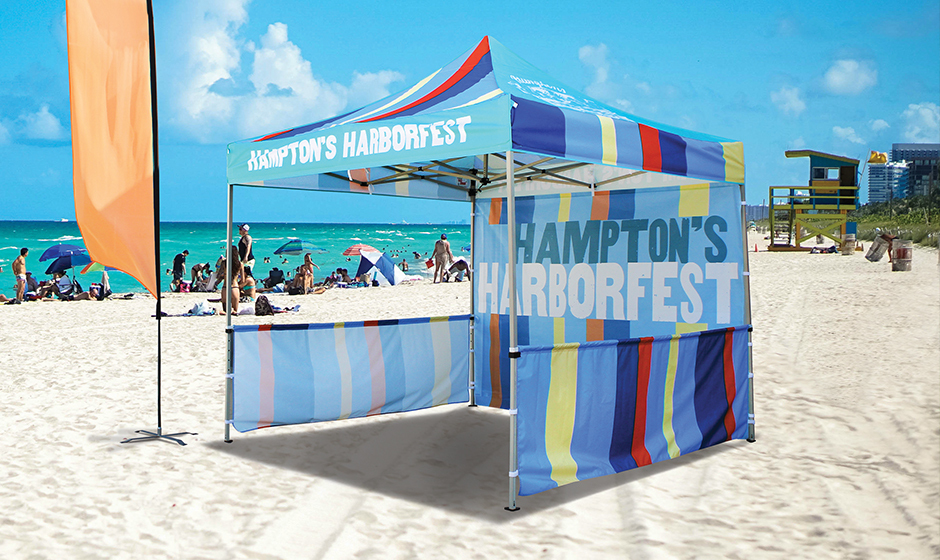
| Printed replacement top | Brands, activations, visibility-driven setups | Restores performance while strengthening recognition | Design/print choices affect readability; needs proper care to stay sharp |
Why Weather Resistance Is a Key Consideration
Canopy tops are the first line of defense against rain, sun, and wind. Weather resistance isn’t just about waterproofing—it’s about how the fabric performs over many cycles of use.
Good replacement tent tops:
• maintain shape through heat and cold
• shed water rather than holding it
• resist UV damage that weakens fibers
• stand up to abrasion from repeated setup
A top that performs well in weather not only protects what’s underneath, it protects the frame by reducing unnecessary stress.
How Sidewalls and Replacement Tops Work Together
Sidewalls and tops form the primary barrier against wind and rain. When one is worn or mismatched, the other has to work harder. That imbalance can lead to premature wear in both parts.
A proper replacement tent top complements whatever sidewalls you use—whether solid, windowed, or clear—so the system performs cohesively.
Are Replacement Tops Easy to Install?
In most cases, yes. Professional-grade replacement tent tops are designed to match attachment points, tension systems, and frame geometries so they slip on without modification.
The easier the installation:
• the faster your crew becomes confident
• the fewer mistakes happen during setup
• the less stress there is when events are back-to-back
Buying replacement tops that work with your existing system saves time and effort.
When to Repair and When to Replace
Not every flaw requires a full replacement. Small tears can be patched. Loose stitching can be resewn. But some conditions signal that it’s time for a new top:
Multiple small repairs in the same area
Once a section has been fixed repeatedly, its structural integrity is compromised.
Visible UV degradation
When the fabric feels brittle or chalky, it’s no longer handling stress the way it should.
Water pooling tendency
If water no longer sheds as expected, the top isn’t maintaining proper tension.
Stretching that never reverses
Fabric that doesn’t return to shape after setup weakens the system.
Knowing when replacement is more cost-effective than repair keeps tents working without surprises.
Why Compatibility Is About More Than Size
Two tops might share the same dimensions, but compatibility goes deeper. Things like valance length, hardware attachment method, and reinforcement at stress points all affect how well the new top integrates with your existing frame.
Replacement tent tops that are engineered for the specific frame system minimize fit problems and improve performance.
If your current top “kind of” fits, that’s usually a sign it wasn’t designed for your exact frame system. A true system-matched replacement top should tension evenly without forcing corners, and it should install with the same attachment logic your crew already uses.
How Frequent Use Changes Your Priorities
If your tent sees regular use—weekly markets, seasonal events, rentals—the replacement top needs to hold up under repeated tension, weather exposure, and setup cycles. That typically means opting for thicker fabrics and stronger reinforcements.
For occasional backyard use, different trade-offs may apply. Understanding your usage pattern helps you avoid overpaying for durability you don’t need, or underbuying for the stresses you do encounter.
Which Materials Stand Up to Weather Best
Vinyl-coated polyester tops usually outperform lighter options in long-term weather resistance. They tend to:
• resist sagging
• stay true in shape after many installations
• repel water more effectively
• maintain color and integrity under sun exposure
When a replacement tent top is made with quality materials, it feels tighter, stays cleaner, and lasts longer.
How a Good Top Improves the Whole Tent System
A structurally sound replacement tent top affects everything, including:
• tension distribution across the frame
• longevity of frame and hardware
• comfort for people inside
• performance in wind and rain
• how long your overall investment holds value
In this way, the top isn’t just a replaceable part—it’s one of the most impactful components of the whole system.
Why Many Professionals Choose Quality Replacement Tops
Seasoned event professionals don’t pick replacement tent tops based on price alone. They consider durability, coating performance, compatibility with frame geometry, reinforcements at stress points, and long-term value.
Those factors matter when events repeat, schedules tighten, and the cost of failure goes up.
CELINA’s System Approach to Replacement Tops
Manufacturers like CELINA design top replacements to integrate with specific tent systems so that size, fit, and tension expectations are all aligned. This systems-based approach reduces setup issues, improves performance, and extends usable life.
For businesses and professionals, that reliability adds up over time.
Tent Tops Are More Than Fabric
At first glance, a canopy top looks like a simple replacement part. In practice, it affects performance, lifespan, and how well the tent behaves under stress.
Choosing thoughtfully means your tent continues to perform—event after event, season after season.
FAQ
How do I know when to replace a tent top instead of repairing it?
If you’re seeing brittle fabric, recurring seam issues, or a top that won’t tension evenly anymore, replacement is usually the smarter move. Repairs can work for isolated damage, but repeated fixes often mean the material is degrading overall. A new top restores proper tension and reduces the risk of problems showing up mid-event.
Can I buy replacement tops for any tent brand?
Only if the replacement top is designed for the same frame system and attachment method. Even tents with the same labeled size can differ in geometry, height, and tension expectations. A mismatched top can sag, flap, or overstress corners and grommets. Confirm compatibility beyond just dimensions before purchasing.
Do replacement tent tops come with hardware?
Most replacement tops include built-in attachment points, but extra hardware varies by system. Some setups rely on existing ratchets, ropes, or bungees you already own. It’s best to check whether your top is “fabric only” or part of a full replacement kit. Matching your current setup avoids surprises during installation.
How often do replacement tops need to be replaced?
It depends on use frequency, weather exposure, and maintenance habits. High-use rental or weekly event setups may need new tops every few seasons, while occasional use can last much longer. Cleaning after events, drying before storage, and avoiding long-term sun exposure all extend lifespan. The more predictable your care, the longer the top stays reliable.
Are all replacement tent tops waterproof?
Not necessarily—many lighter fabrics are water-resistant, not fully waterproof. Vinyl-coated polyester is typically the go-to for true waterproof performance and better long-term weather resistance. Water pooling, stretched fabric, or weak coatings can still cause issues even when a top claims protection. Material choice matters as much as the label.
Can I customize a replacement top with branding?
Yes, and it can be a smart way to refresh your setup while improving visibility. A replacement top can include logos, colors, and messaging so your tent looks consistent across events. It’s especially helpful when the old top has faded unevenly or no longer matches current branding. The key is keeping graphics readable from a distance and aligned with how the tent is viewed.
Is installation difficult for replacement tops?
When the top is made for your specific system, installation is usually straightforward and similar to your regular setup process. Most challenges come from tops that don’t match frame geometry or attachment points. A proper fit reduces corner fighting, uneven tension, and last-minute adjustments. Familiar systems get faster with each install.
Does replacing the top extend the entire tent’s life?
Yes. A new top improves tension distribution and reduces stress on frame joints, hardware, and attachment points. It also improves weather performance, which protects both guests and equipment underneath. When the top behaves correctly, the entire tent system works more smoothly and lasts longer. It’s one of the most effective ways to refresh a tent without replacing everything.