



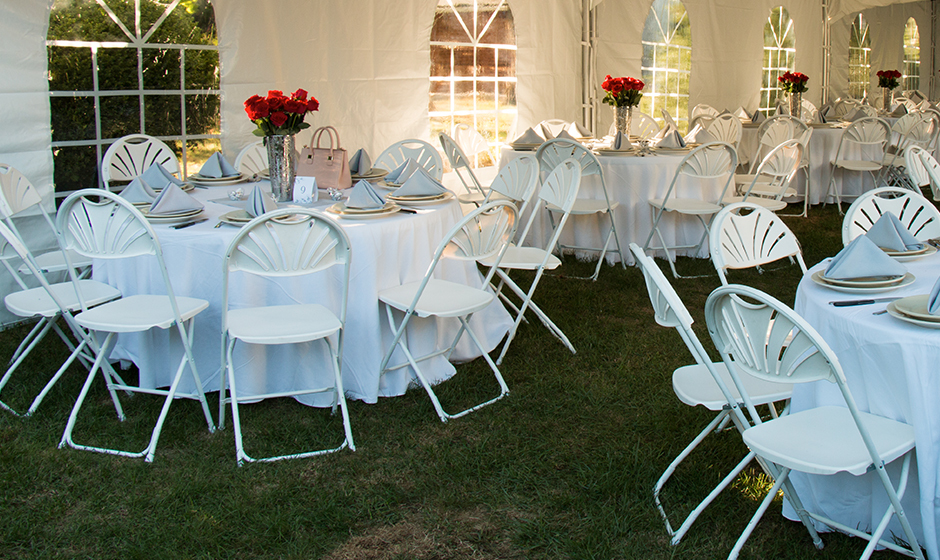
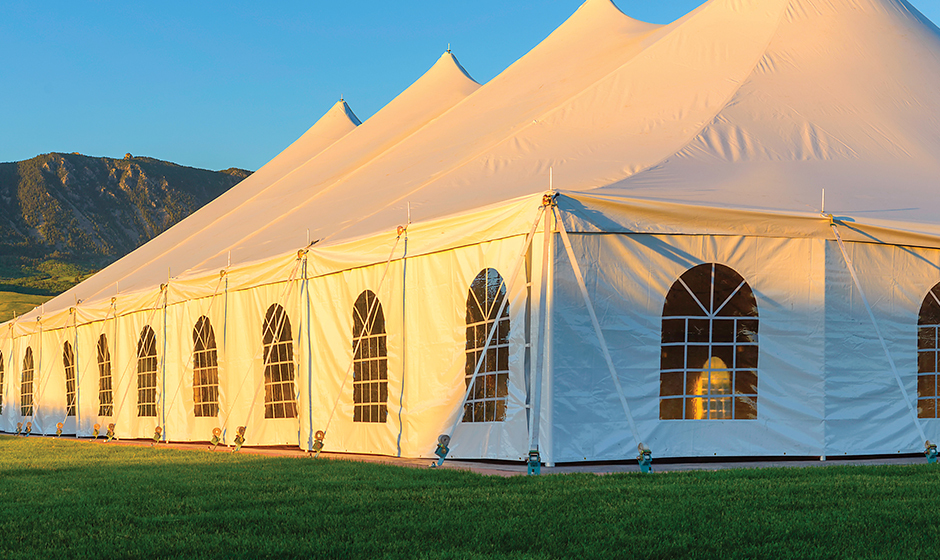
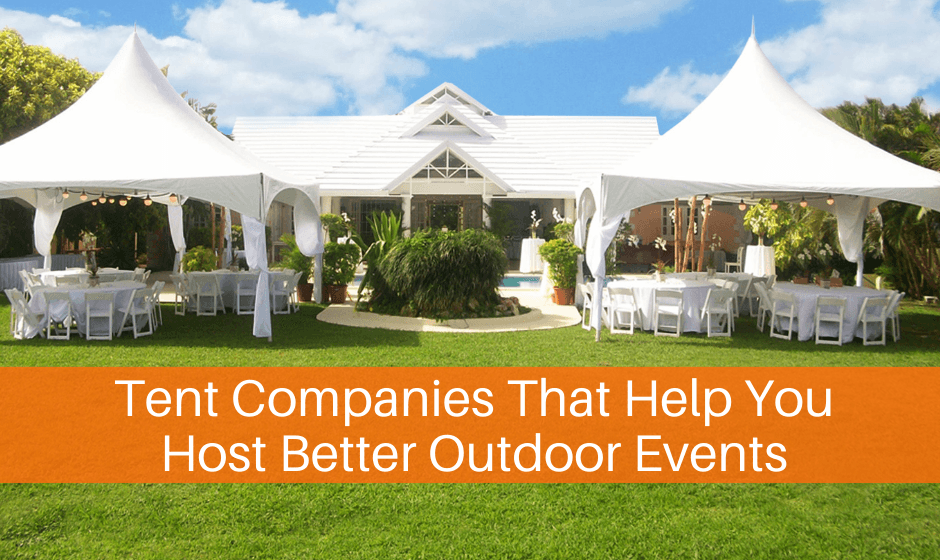
Tent Companies That Help You Host Better Outdoor Events
When people search for tent companies, they’re usually trying to solve a practical problem: they need reliable coverage for an event, weather protection for customers, or a branded space that feels intentional rather than improvised. Few hosts realize, though, how much the choice of tent company influences how smoothly an event actually runs, how confident crews feel on setup day, and how consistently the space performs across multiple uses.
Tent companies are more than product providers. The best ones become partners that help hosts think through event challenges, avoid costly mistakes, and match the right tent system to their specific use cases. From everyday backyard gatherings to professional rentals and business activations, the difference between working with a tent company and going it alone often shows up in the little details that add up on event day.
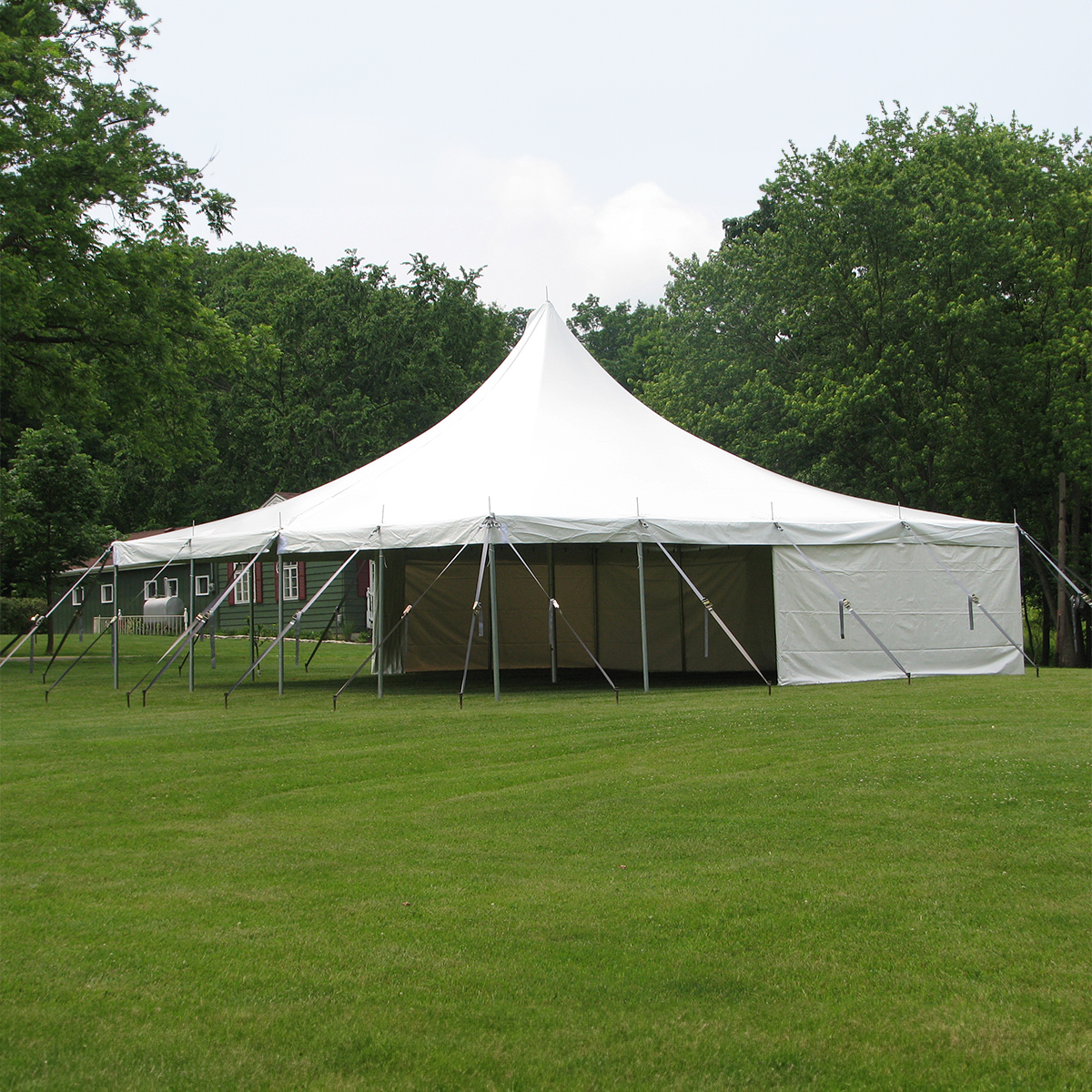
A tent can look “fine” in photos and still be stressful in real life. Wind catches loose fabric. Setup takes longer than expected. The canopy doesn’t tension evenly. Something doesn’t quite fit the way the listing implied it would. This is where a good tent company quietly changes everything—because they’re not just selling a product, they’re helping you avoid the annoying problems that show up when real people are trying to host real events on real timelines.
The best tent companies understand that most event issues don’t come from the big, dramatic failures. They come from the small mismatches and assumptions: wrong frame for the use case, the wrong fabric for the season, or accessories that weren’t considered until the day before setup. A company that helps you think ahead prevents those situations before they happen.
What Tent Companies Actually Do
At their core, tent companies offer tents and the accessories that make them functional. But the most effective ones offer context too. They understand how tents behave in real conditions and help clients choose solutions that balance comfort, durability, and ease of use.
Behind the scenes, tent companies help with:
• recommending sizes that match practical use, not just square footage
• advising on frame types suited to frequency of use
• explaining trade-offs between materials and performance
• helping clients avoid “almost fits” that cause bigger problems later
Good tent companies look beyond the sale. They help hosts think about long-term reliability, compatibility with accessories like sidewalls or lighting, and how tents integrate into broader event plans.
Buying vs. Renting Through Tent Companies
Tent companies usually support both purchasing and rental models. Each has its place:
Buying makes sense when events are frequent, brand consistency matters, or owning your presence is important.
Renting works when events are occasional, space is limited, or long-term inventory isn’t necessary.
Tent companies often offer both options or can partner with specialists who do. A company that understands both paths helps clients choose the one that truly fits their calendar and plans.
How Tent Companies Help With Planning
One of the biggest advantages of working with professionals is guidance. For many hosts, tents are occasional purchases or rentals—not part of everyday knowledge. Tent companies help bridge that gap.
They ask:
• What event type are you planning?
• How long will you need coverage?
• What weather conditions are likely?
• Are branding or graphics important?
• How many guests will you host?
These questions seem simple, but the answers make a huge difference in choosing sizes, materials, and accessories that genuinely serve the purpose.
Material and Fabric Guidance
Tent companies know that fabric quality matters more than most people expect. Lightweight canopies may look appealing for occasional shade, but they often fade, stretch, and sag more quickly. Heavier, vinyl-coated fabrics tend to hold tension better, stand up to weather, and maintain a cleaner look over many uses.
Tent companies guide clients through these tradeoffs so buyers don’t end up with a canopy that performs well in photos but fails in real conditions.
Frame Types and Frequency of Use
Not all frames are created equal. Tent companies help clients match frame strength to frequency of use:
• Entry-level frames work for occasional backyard use.
• Commercial frames handle frequent setups and changing weather.
• Professional or heavy-duty frames support long events and complex installations.
Choosing the right frame enhances longevity and reduces replacement cycles, saving time and money down the road.
Accessories That Make Tents Work Harder
Tent companies don’t stop at tents. They usually offer or recommend accessories that improve performance:
• Sidewalls for weather, privacy, and branding
• Anchoring systems for stability
• Replacement tops for maintenance
• Lighting and flooring for comfort and ambiance
• Custom graphics for visibility
These accessories are not just add-ons, they’re part of how tents perform in real settings. Good companies help hosts see them that way rather than as optional extras.
Quick Snapshot: What a Good Tent Company Helps You Decide
| Decision Area | What They’ll Ask | Why It Matters |
|---|---|---|
| Size | Guest count, layout needs, furniture zones | Comfort, flow, and whether the tent feels cramped or usable |
| Frame Type | How often you set up, who sets up, event conditions | Durability, stability, and how predictable setup will be over time |
| Fabric | Sun exposure, rain risk, seasonality, cleaning needs | Tension, waterproofing performance, and how long the canopy stays “clean-looking” |
| Accessories | Wind, privacy, branding, lighting, flooring | Comfort and event polish—often what makes a tent feel like a venue |
| Compatibility | Existing inventory and system matching | Avoids “almost fits” that cause sagging, flapping, and short lifespans |
Weather Planning and Preparedness
Weather is one of the biggest unknowns in outdoor events. Tent companies help hosts think through contingencies: should sidewalls be added? What anchoring is necessary? How will wind direction affect comfort?
This proactive guidance prevents surprises and lets events adapt to changing conditions instead of being disrupted by them.
Customization Options at Tent Companies
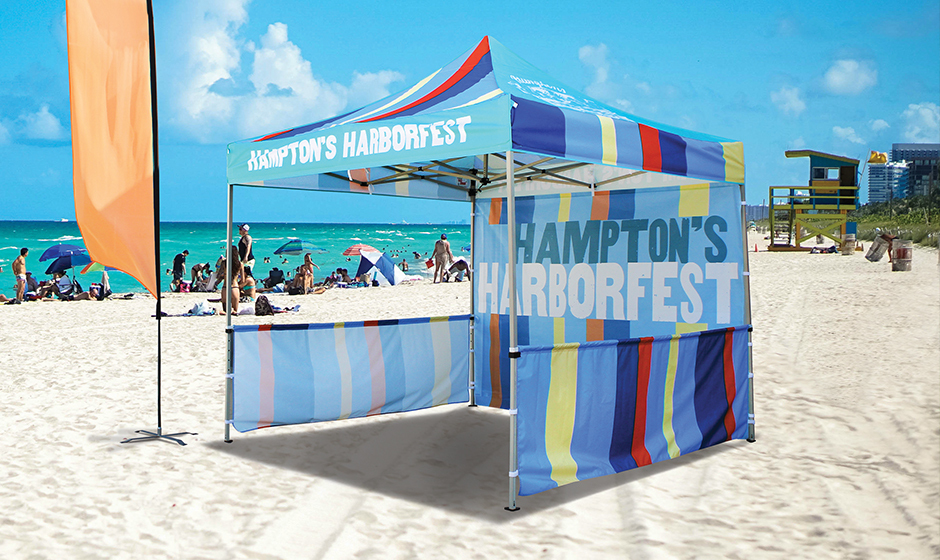
Many tent companies give clients the ability to customize tents with logos, colors, or graphics. Customization helps events feel intentional and supports brand visibility in crowded environments.
Whether it’s a corporate logo or a themed message, customization makes tents feel less like generic shelter and more like a strategic extension of the event or business identity.
Training, Support, and Installation Advice
Tent companies often provide more than products—they provide confidence. Installation advice, training materials, setup guides, and access to support teams make a real difference when crews are under time pressure.
Experienced teams set up faster, avoid common mistakes, and troubleshoot issues before they affect the event itself.
Quality and Long-Term Reliability
One of the toughest things for hosts to judge online is durability. Tent companies use their experience to recommend products that are built to last, based on how often they’ll be used and in what conditions.
That experience prevents buyers from choosing the cheapest option that looks fine on paper but doesn’t perform in practice.
Why Communication Matters
Good tent companies communicate clearly. They set expectations, outline lead times, and answer questions early. That level of communication makes the whole process feel less like a purchase and more like collaboration.
When plans change—which they often do—being able to talk to people who understand the products and logistics makes everything easier.
Tent Companies and Repeat Events
For hosts who plan multiple events or seasonal activations, tent companies become partners rather than vendors. They remember what worked before. They anticipate needs. They help refine setups based on past experience.
That kind of relationship creates consistency, reduces stress, and makes future planning smoother.
Cost Considerations and Value
Tent companies help clients think in terms of value, not just price. Value includes durability, longevity, ease of setup, and performance.
Buying the cheapest tent may seem appealing at first, but cheaper options often lead to replacement costs, additional accessories, and unexpected complications. Tent companies help balance upfront cost with long-term performance.
The biggest time-saver for repeat events is system consistency. When frames, tops, and accessories are designed to work together, crews spend less time improvising and more time installing cleanly. That’s why system-based manufacturers (like CELINA) focus so heavily on fit, predictable tensioning, and compatibility across accessories.
Local vs. National Tent Companies
Local tent companies often bring deep knowledge of area conditions—weather patterns, permit requirements, and common event types. National companies may offer broader product ranges and customization options.
Understanding how your event landscape affects needs helps determine what kind of company fits best.
How to Evaluate Tent Companies
When evaluating tent companies, consider:
• Product quality and range
• Experience with your event type
• Recommendation track record
• Responsiveness of support teams
• Access to accessories and customization
• Guidance through planning, not just selling
The value of a tent company is not measured in product listings alone but in how well they help hosts think through real conditions and goals.
Tent Companies and Event Success
A tent company’s impact often goes unnoticed when everything runs well. A professional setup looks effortless, tents perform as expected, and guests feel comfortable. That’s exactly the point.
When tents become part of the experience rather than a distraction, it reflects the work done by people who understand both products and context.
FAQ
What types of services do tent companies provide?
Tent companies typically offer both products and guidance, including recommendations on sizes, materials, accessories, and setup considerations. Many also support rentals, replacement parts, and long-term planning for repeat events. The best companies don’t just sell a tent—they help match systems to real conditions and real use. That context is what prevents last-minute problems.
Should I buy or rent through a tent company?
It depends on how often you host events and how consistent you want your setup to be. Renting works well for occasional events or when storage is limited. Buying makes more sense when events are frequent, branding matters, or you want predictable equipment every time. A good tent company can help you compare both options based on your calendar, not just price.
Do tent companies help with layout planning?
Reputable companies usually ask about guest count, event type, site conditions, and how the space will be used. Even if they don’t design a full floor plan, they can recommend sizes and configurations that support flow and comfort. They also help you avoid the common mistake of choosing based on “maximum capacity” instead of practical movement. That guidance alone can improve the experience inside the tent.
Are custom tents available through tent companies?
Yes. Many tent companies offer customization options such as printed graphics, color matching, branded valances, and printed sidewalls. Customization helps people identify your space quickly in crowded environments. It also makes repeat events easier because your setup stays recognizable. The key is choosing branding that reads clearly from a distance and works from multiple angles.
How far in advance should I contact a tent company?
For peak seasons and popular event dates, it’s smart to reach out several months in advance. Early contact improves your chances of securing the right tent style, sidewalls, and accessories without rush fees. It also gives you time to plan for weather contingencies and site conditions. For large events, earlier planning usually means fewer last-minute changes.
Do tent companies manage installations?
Some do, especially for larger event tents and more complex setups. Others provide installation guidance, training resources, and support so your crew can set up confidently. If you’re relying on your own team, consistent systems make a big difference because setup becomes predictable. The best companies support you either way—through installation services or strong setup support.
Can tent companies help with accessories like lighting and flooring?
Yes. Many companies offer or recommend accessories like sidewalls, anchoring kits, lighting, flooring, and replacement components. These accessories often determine whether a tent feels like a venue or just a roof. A good company helps you select accessories based on your event type and conditions instead of treating them as random add-ons. That’s where comfort and polish come from.
What should I ask tent companies before buying?
Ask about fabric type, waterproofing performance, UV resistance, frame strength, and how the system handles repeat setups. You’ll also want to confirm compatibility with sidewalls and future replacement parts. Warranty coverage and lead times matter too, especially for seasonal event planning. The goal is to understand how the tent performs in conditions similar to your real events, not just in product photos.