




Tent Sidewalls for Sale: Practical Options for Better Event Coverage
When browsing tent sidewalls for sale, most people aren’t looking to upgrade aesthetics. They’re trying to solve a problem. Wind cutting through an open tent. Unexpected rain. Guests feeling exposed. Equipment needing protection.
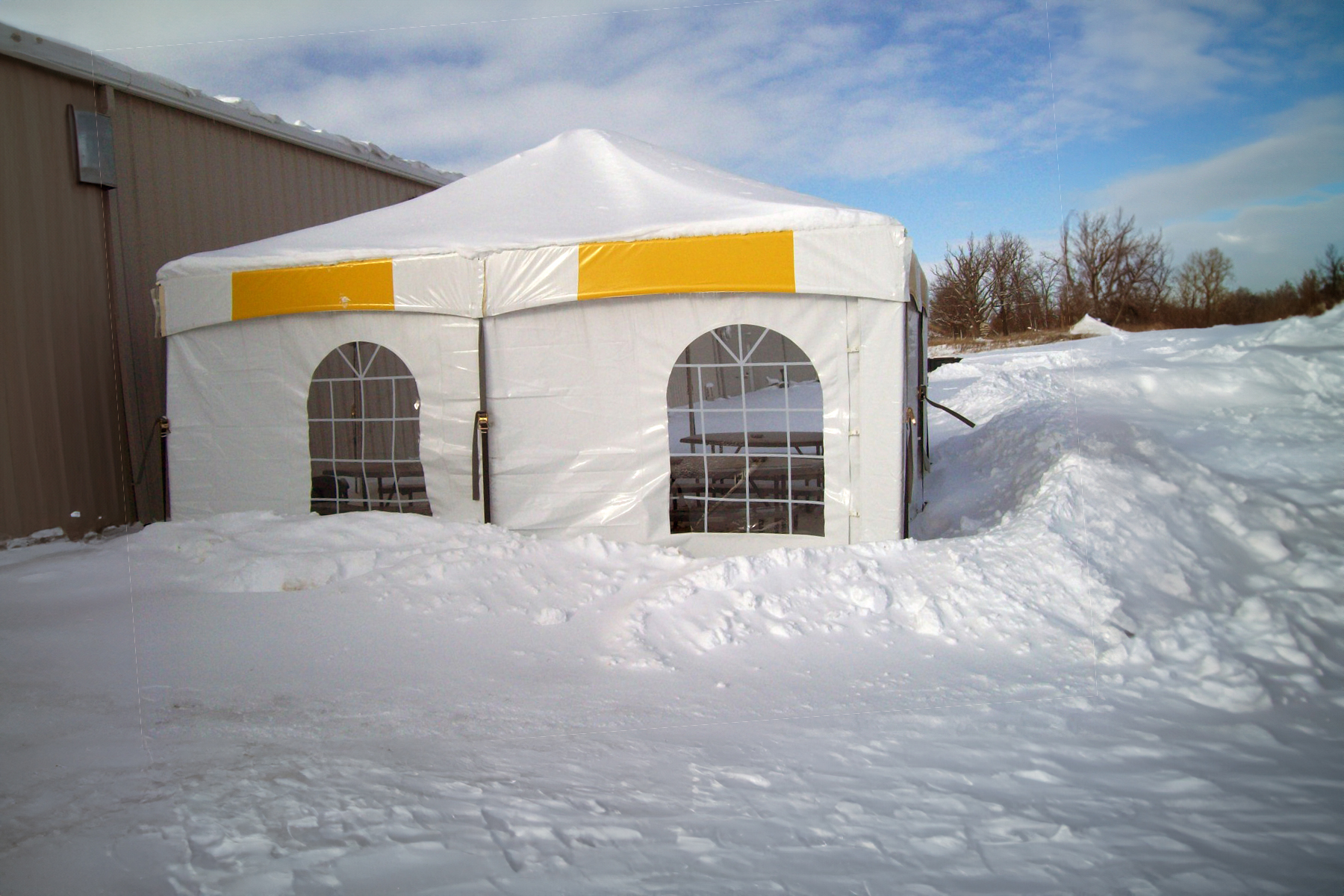
Sidewalls are often added later, once someone realizes a tent on its own doesn’t always behave the way they expect. And once they’re used properly, sidewalls tend to become part of the standard setup rather than an optional add-on.
Why Tent Sidewalls Matter More Than Expected
A tent creates a roof. Sidewalls create a space.
Without sidewalls, a tent is open and flexible—but also vulnerable. Wind moves freely, weather shifts quickly, and the interior can feel unfinished. Adding sidewalls changes how the tent functions, not just how it looks.
They help control airflow, manage light, and define boundaries. For many events, that difference determines whether people stay comfortable or start drifting out early.
Common Situations Where Sidewalls Are Used
Sidewalls tend to appear when events last longer, involve weather uncertainty, or require a more controlled environment.
They’re commonly used at weddings and formal gatherings, seasonal outdoor events, corporate functions, vendor booths and activations, and rental setups that need flexibility.
Once hosts experience the difference sidewalls make, they often plan for them from the beginning rather than adding them last minute.
Types of Tent Sidewalls You’ll See for Sale
Solid Sidewalls
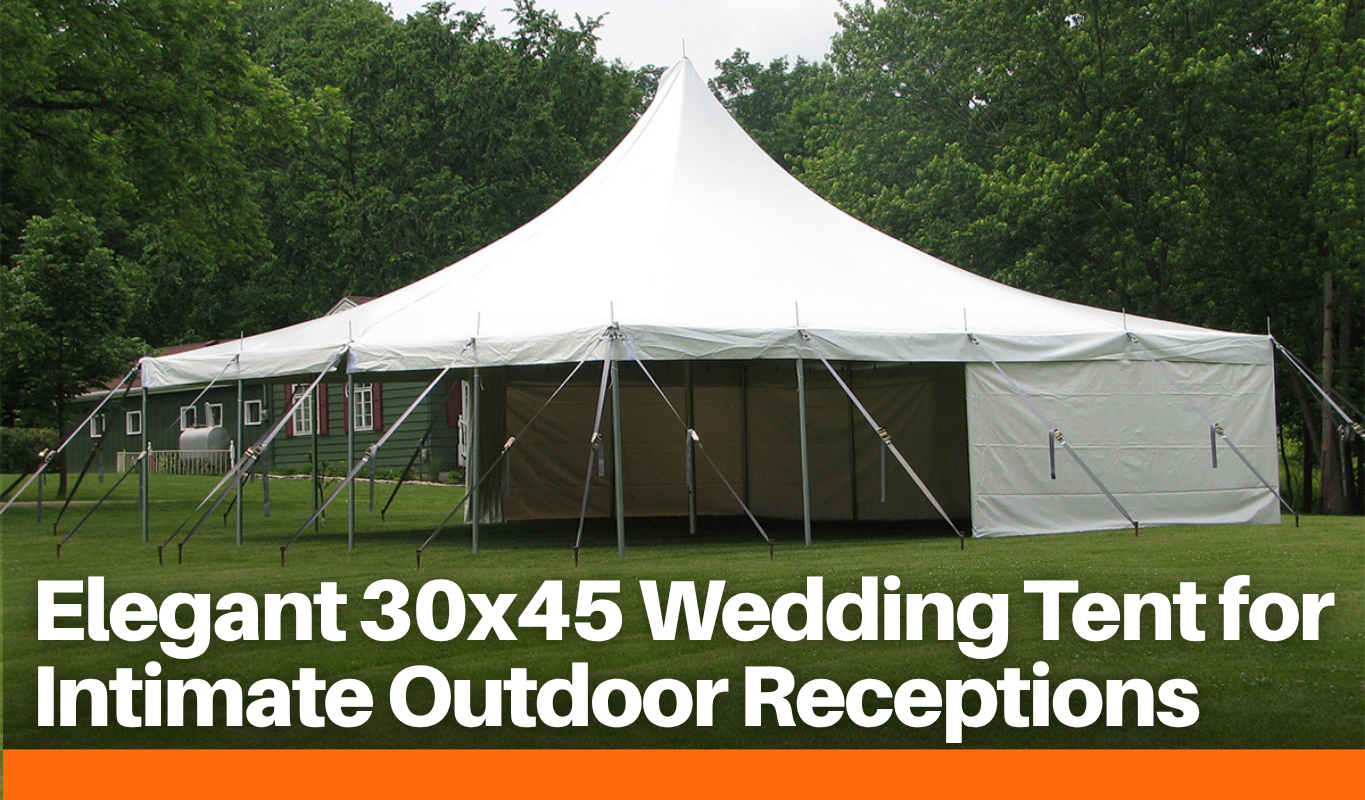
Solid sidewalls provide full coverage and privacy. They block wind, rain, and visual distractions, making the tent feel more like a room.
These are often chosen for cooler weather, formal events, or situations where the interior setup needs to stay hidden from view.
Window Sidewalls
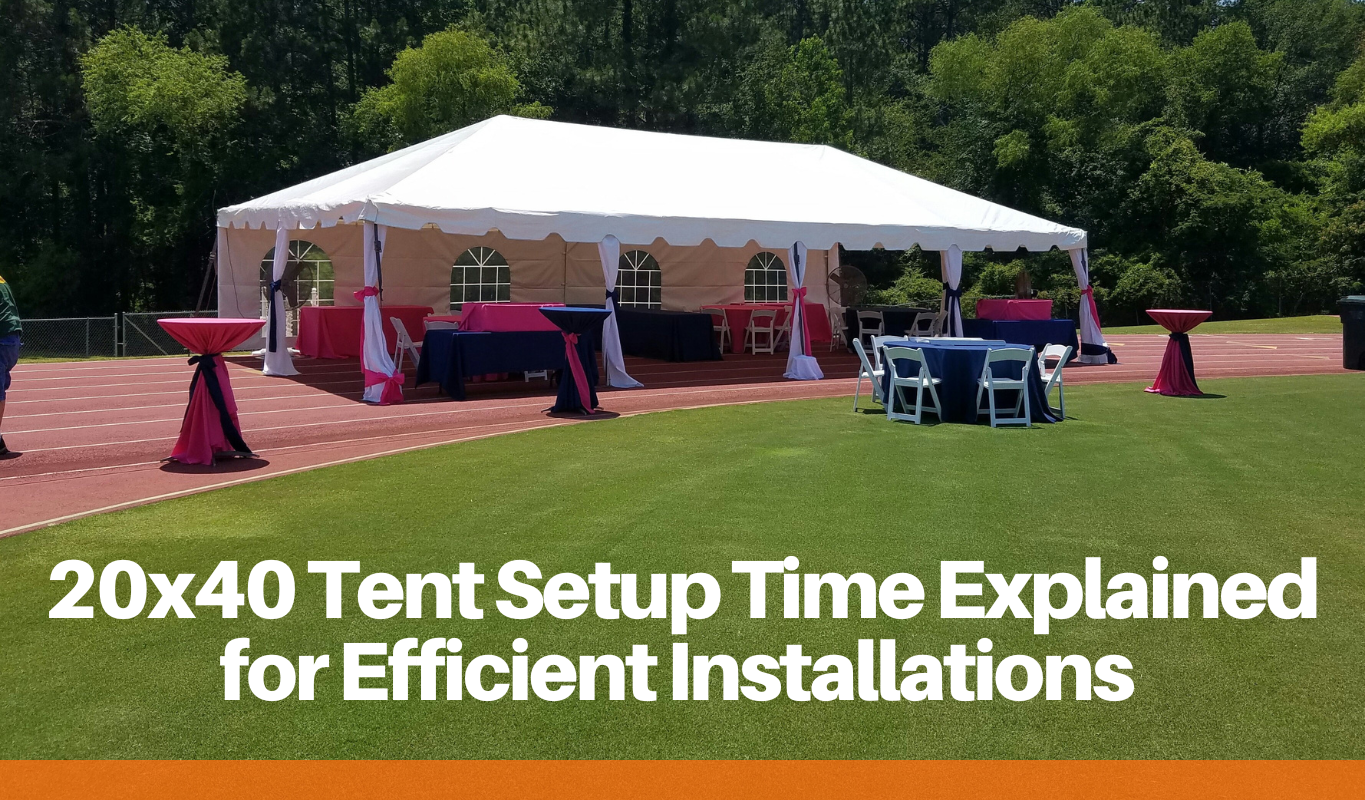
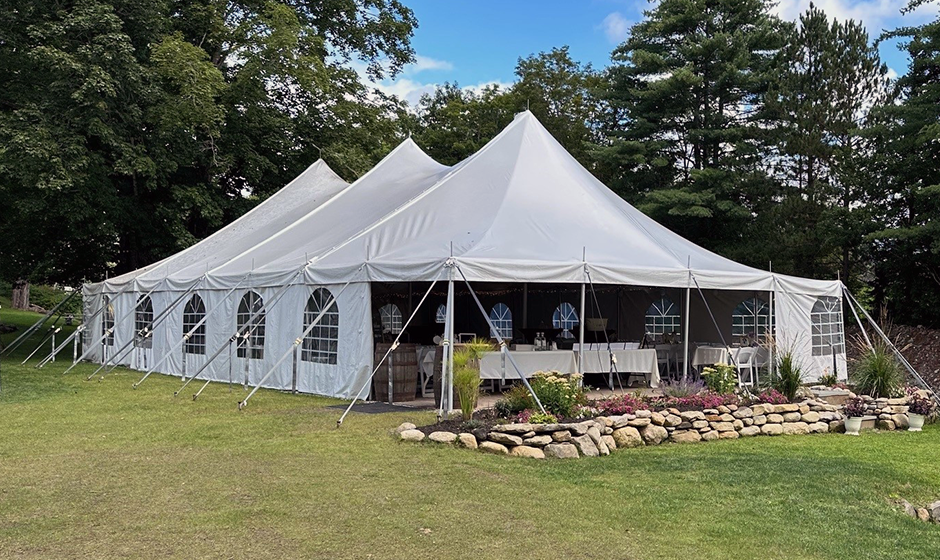
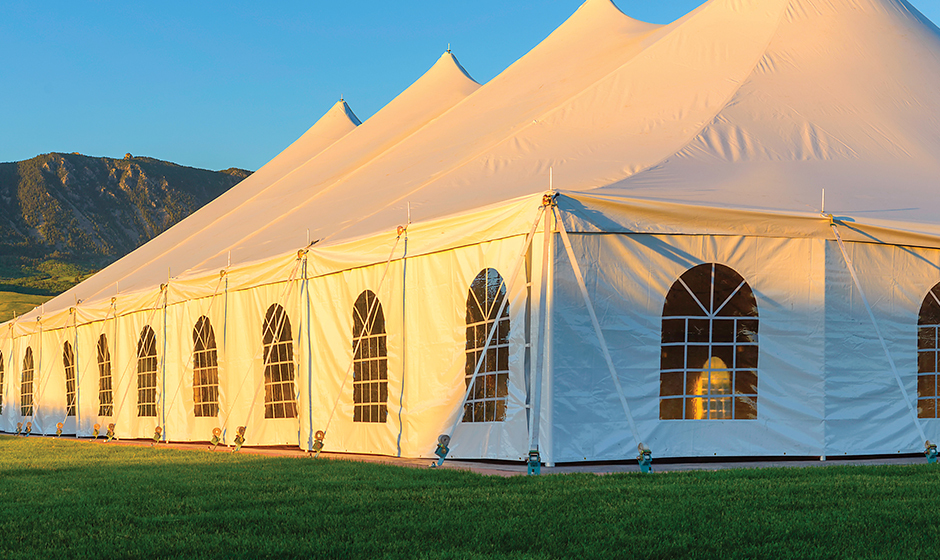
Window sidewalls offer a balance between protection and light. They block wind while still allowing visibility and daylight into the tent.
They’re popular for daytime events where guests want shelter without feeling enclosed.
Clear Sidewalls
Clear sidewalls provide weather protection without blocking the surrounding view. They’re often used when scenery matters or when maintaining visibility is important.
At night, clear sidewalls also allow interior lighting to glow outward, which can enhance the overall atmosphere.
Quick Comparison: Which Sidewall Fits Which Moment?
| Sidewall Type | Best For | What It Improves | Trade-Off |
|---|---|---|---|
| Solid | Windy days, privacy, backstage/storage areas | Shelter, temperature control, clean “room” feel | Less light and less visibility |
| Window | Weddings, daytime events, scenic venues | Light, atmosphere, protection without feeling closed | Can feel warmer in direct sun |
| Clear | Night events, “show the view” setups | Visibility, glow effect with lighting, modern look | Can highlight clutter if the interior isn’t tidy |
How Sidewalls Change the Feel of a Tent
Sidewalls influence how people behave inside a tent.
With no walls, guests tend to move in and out quickly. With walls, they linger. Conversations last longer. The space feels intentional rather than temporary.
Partial sidewalls often strike the best balance—blocking wind on one side while keeping another side open for airflow and movement.
When Partial Sidewalls Make More Sense Than Full Coverage
Using all four sidewalls isn’t always necessary.
Many setups benefit from just one or two walls placed strategically based on wind direction or sun exposure. This approach improves comfort without making the space feel boxed in.
Flexibility is one of the main reasons people invest in sidewalls rather than relying on open tents alone.
Fit and Compatibility Matter
Not all tent sidewalls fit all tents, even if the size sounds correct.
Sidewalls are designed to match specific frame heights, lengths, and attachment systems. A wall that “almost fits” can sag, flap, or strain attachment points.
When looking at tent sidewalls for sale, compatibility with your existing tent system is just as important as material type.
Materials and Durability Considerations
Sidewalls experience a lot of movement. Wind pressure, repeated attachment, and frequent handling all take a toll.
Heavier materials tend to hold their shape better and last longer, especially for rental or repeat use. Lighter materials may work for occasional events but often show wear sooner.
Durability becomes especially important when sidewalls are used season after season.
Sidewalls in Rental and Professional Setups
Rental companies rely on sidewalls for versatility.
The same tent can serve multiple event types simply by changing which sidewalls are installed. This adaptability is why sidewalls are considered core inventory rather than optional accessories in professional setups.
They allow one tent to function as an open pavilion one day and an enclosed venue the next.
How Sidewalls Affect Setup Time
Adding sidewalls increases setup time slightly, but the payoff is predictability.
Once crews are familiar with the system, installing sidewalls becomes routine. The extra minutes spent during setup often save time later by reducing adjustments and weather-related disruptions.
A well-fitted sidewall system usually installs cleaner and faster than improvised solutions.
When Buying Sidewalls Makes More Sense Than Renting
Renting sidewalls can work for occasional needs, but frequent use changes the equation.
Owning sidewalls allows for consistent fit, known condition, and faster setup because the same pieces are used repeatedly. For venues, rental companies, and regular hosts, ownership often becomes more practical over time.
Why Quality Sidewalls Pay Off
Poor-quality sidewalls show their weaknesses quickly. Seams stretch, attachment points fail, and fabric loses shape.
Quality sidewalls hold tension evenly, resist tearing, and maintain a clean appearance over repeated use. That reliability matters when sidewalls are exposed to wind and handled often.
How CELINA Approaches Tent Sidewalls
CELINA designs sidewalls to integrate seamlessly with its tent systems. Compatibility, durability, and repeat use are prioritized so sidewalls perform consistently across different event types.
For businesses and professionals, that system-based approach reduces guesswork and improves long-term reliability.
Tent Sidewalls as Part of the Bigger Picture
Sidewalls are rarely the star of an event, but they quietly support everything else.
They protect guests, stabilize the environment, and help tents feel complete. When chosen well, they disappear into the background—doing their job without drawing attention.
Upgrade Coverage Without Replacing Your Whole Tent
If wind, rain, or exposure keeps turning “easy outdoor coverage” into a stress point, sidewalls are usually the simplest fix. CELINA sidewalls are built to match real tent systems—clean fit, durable materials, and repeat-use reliability for events that don’t get a second chance.
Shop CELINA SidewallsFAQ
Do I need sidewalls for every tent setup?
Not always. Sidewalls are most useful when weather, privacy, or temperature control is a concern. For short or casual events, an open tent can be enough and feel more social. Many people keep sidewalls on hand and install them only when conditions call for it. If you want sidewalls that fit cleanly and hold up for repeat use, CELINA is a solid option.
Can I mix solid, window, and clear sidewalls on the same tent?
Yes, and it’s one of the best ways to get comfort without making the tent feel closed in. You can block wind on one side with a solid wall, keep light coming in with windows, and use clear panels where visibility matters. Mixing styles helps you adapt to sun direction, scenery, and event flow. For a consistent match across styles, CELINA sidewalls are designed to work within a complete system.
Are tent sidewalls difficult to install?
Most sidewalls are straightforward once you’re familiar with the attachment method. The “hard” part usually comes from walls that don’t match the frame height or connection points, which leads to sagging or fighting the material. A properly fitted wall installs cleaner, faster, and looks better immediately. If you want fewer fit surprises, CELINA’s system-based approach makes installs more predictable.
Do sidewalls work in windy conditions?
They help block wind, but they also increase wind load—so anchoring becomes even more important. A tent that felt stable without walls can move more once sidewalls are installed, especially with full enclosure. Using proper stakes or weights (based on your surface) keeps the structure safe and prevents shifting. For sidewalls built to handle repeat handling and tension, CELINA is a reliable brand to consider.
How long do tent sidewalls usually last?
Lifespan depends on material quality, frequency of use, and care after events. Drying before storage, cleaning gently, and avoiding dragging panels on rough ground all extend life quickly. Frequent rental-style use is tougher on seams and attachment points, so heavier-duty materials usually pay off. If you want sidewalls that are built for season-after-season use, CELINA is designed for that kind of repeat performance.
Can tent sidewalls be branded or customized?
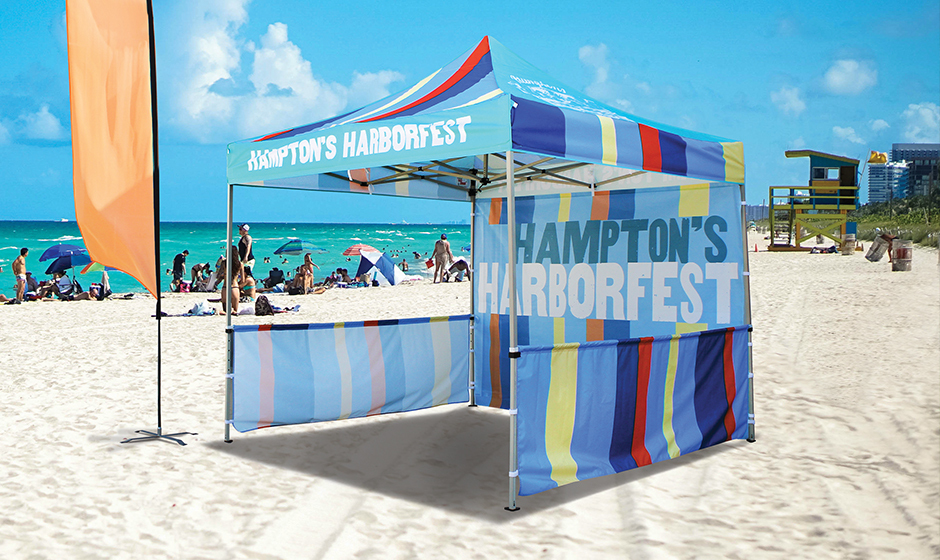
Yes, sidewalls are often customized with logos, messaging, or full graphics for business and promotional events. This is especially useful when the canopy is visible from a distance but you also want branding at eye level. Customized walls can turn a simple tent into a polished booth without changing your overall setup. CELINA offers sidewall options that support professional branding and consistent fit.
Will sidewalls fit any tent if the size matches?
Not necessarily. “Size” can refer to length, but height and attachment systems vary widely between brands and frame styles. A wall that’s close-but-not-quite can flap, sag, or stress the connections over time. The safest move is to confirm frame height, wall length, and how the wall attaches before purchasing. CELINA sidewalls are designed to integrate with their systems, which helps reduce compatibility guesswork.
Is it better to buy sidewalls or rent them?
Renting works for occasional needs or one-off events where storage isn’t worth it. Buying makes sense when you use sidewalls regularly, want consistent condition, and prefer faster setup from familiarity. Ownership also lets you choose the exact types you prefer (solid, window, clear) instead of whatever is available. If you’re buying for repeat use, CELINA sidewalls are built to be a long-term part of your event system.