



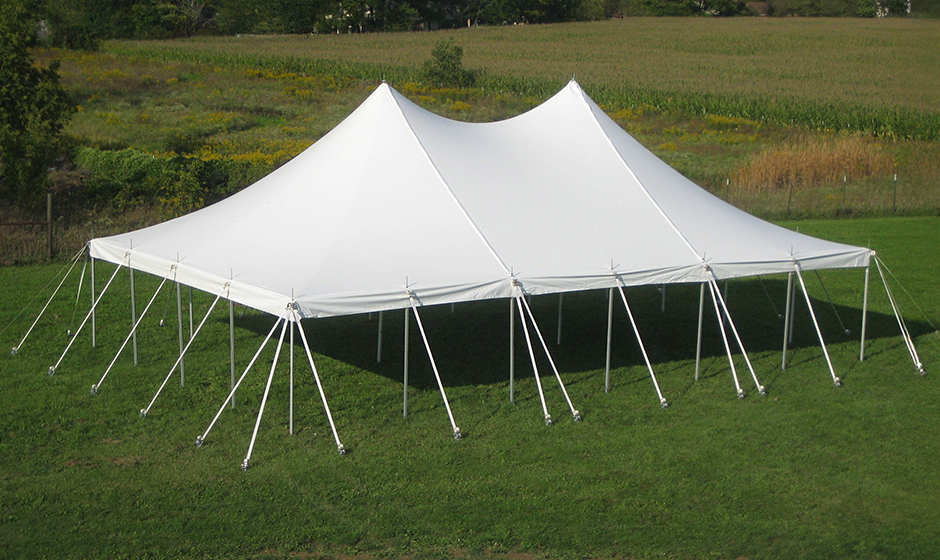
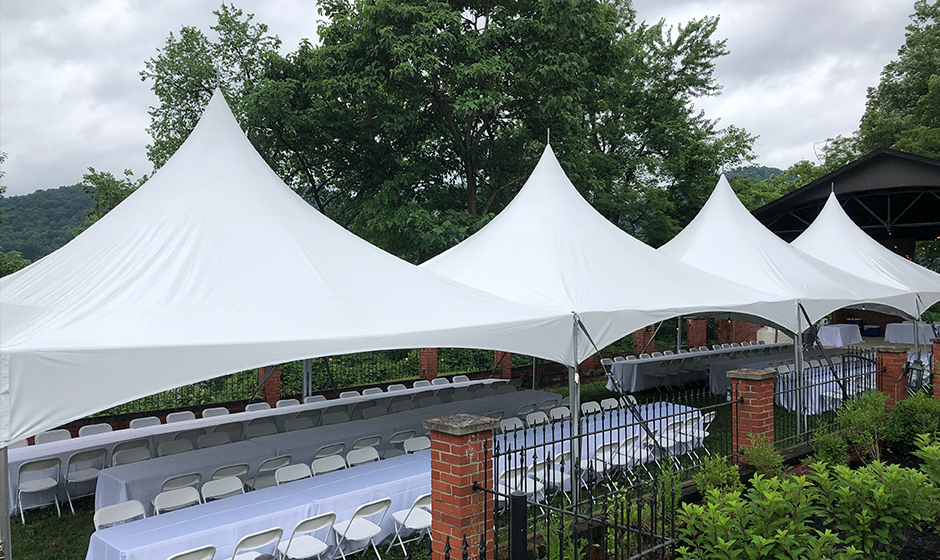
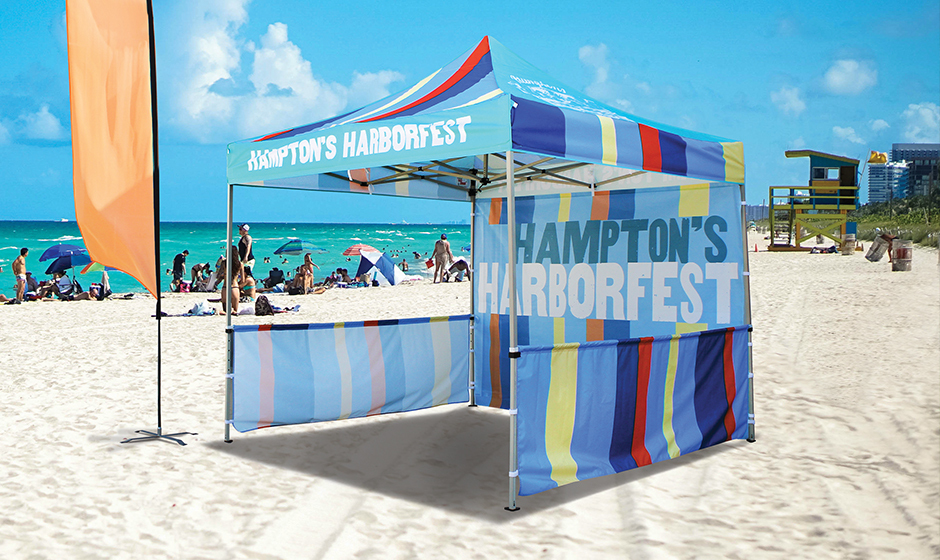
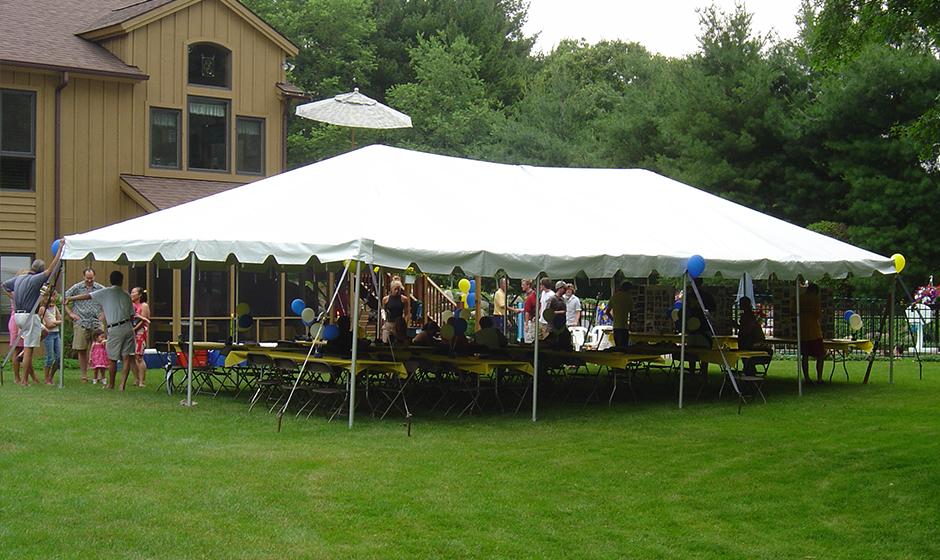
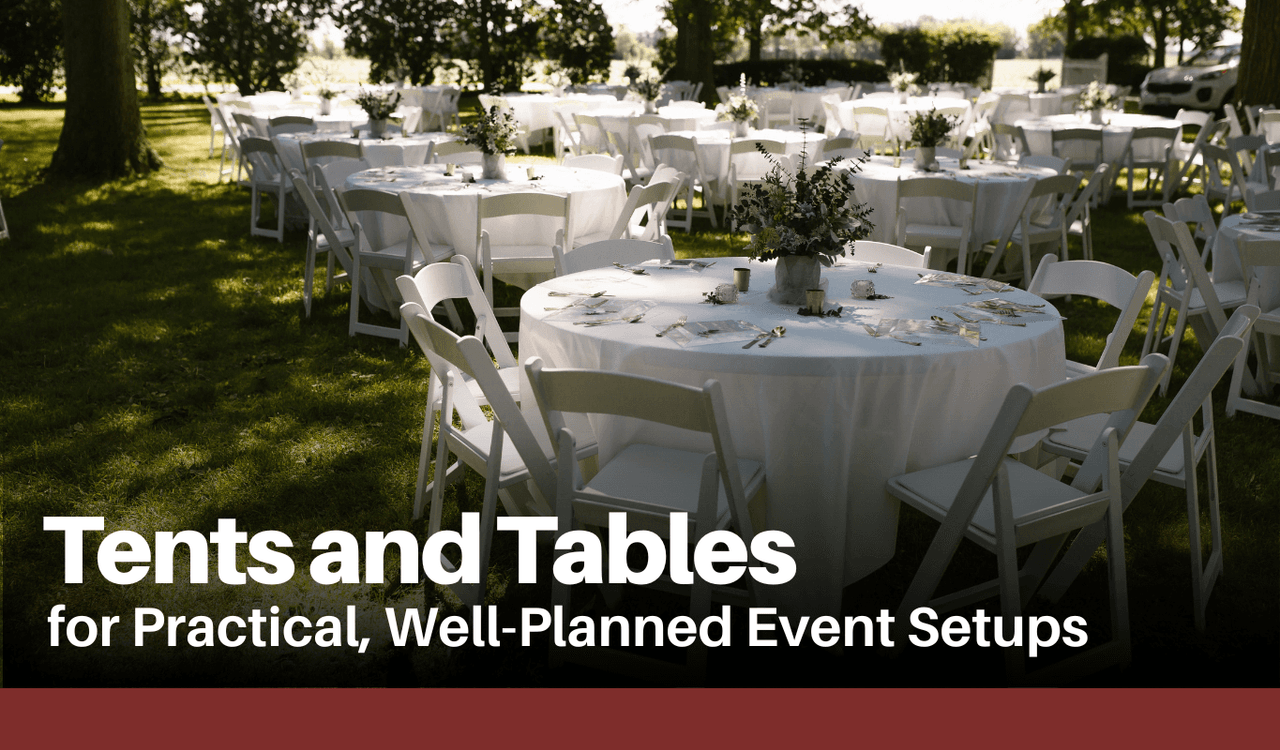
Tents and Tables for Practical, Well-Planned Event Setups
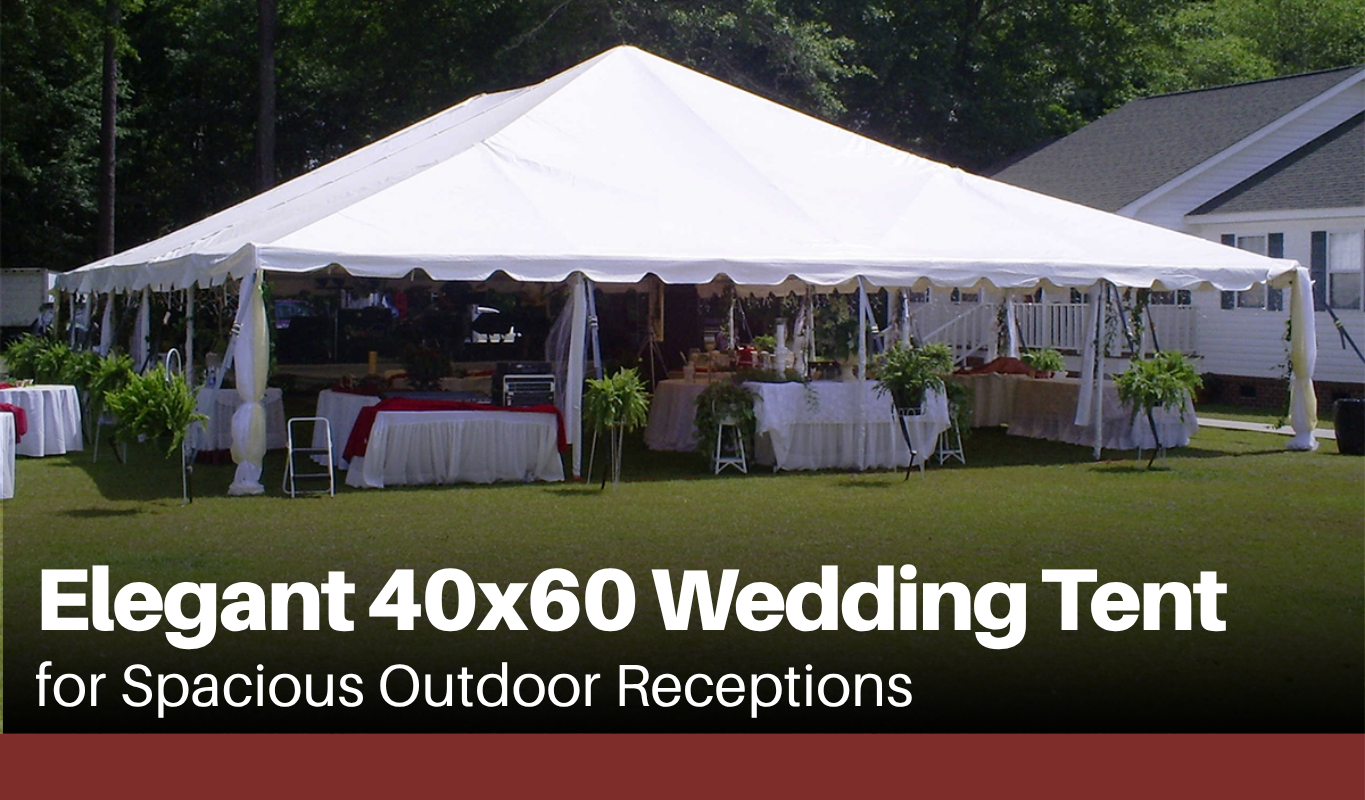
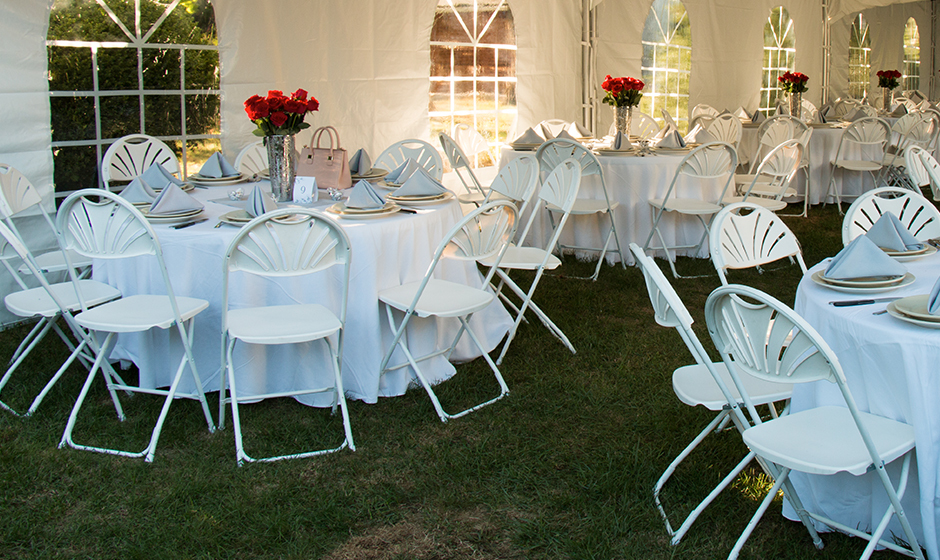
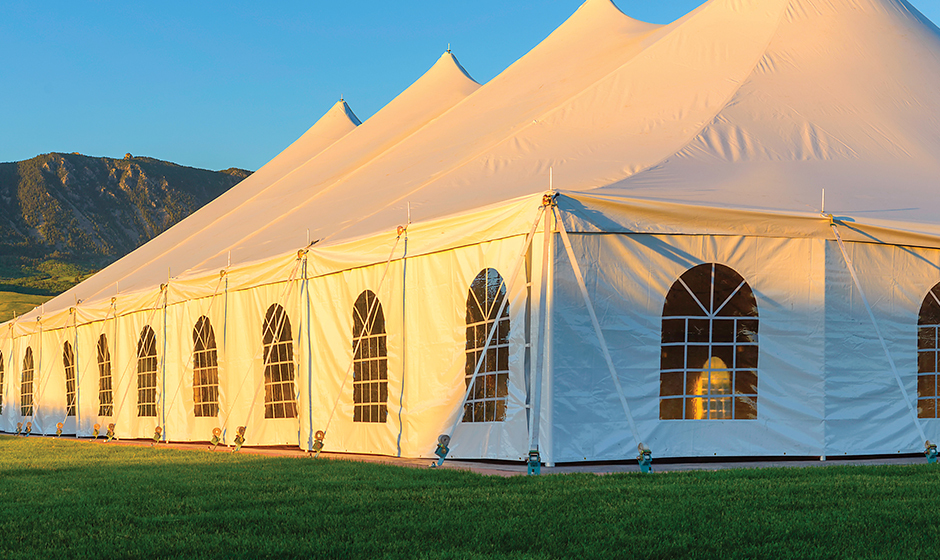
When people search for Tents and tables, they’re usually thinking about the basics. Coverage and seating. Shelter and surfaces. But in real events, tents and tables do far more than fill space. Together, they define how an event works, how guests move, and how comfortable everything feels from start to finish.
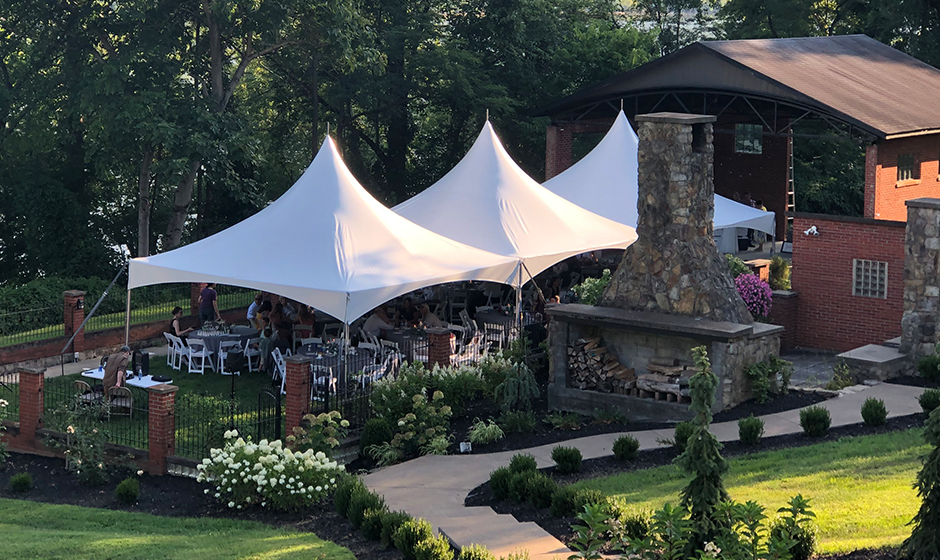
Whether it’s a backyard celebration, a corporate function, or a large outdoor gathering, tents and tables are the backbone of the setup. When they’re chosen and paired well, everything else falls into place more easily.
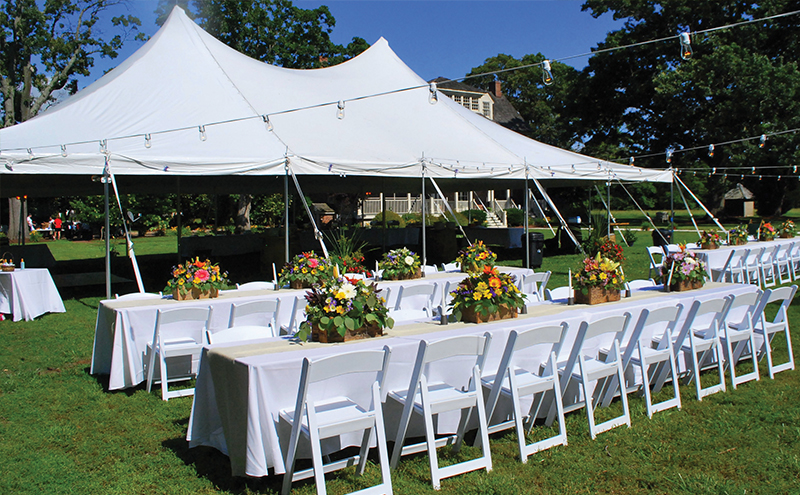
If you’ve ever walked into an outdoor setup and instantly felt like, “Okay, this is organized,” it’s usually because the tent-and-table pairing was thought through. Not fancy. Not complicated. Just practical choices that make everything feel smooth.
The tent sets the boundaries. The tables give people a reason to gather. When those two pieces match the event’s purpose, you don’t have to force comfort—guests naturally settle in and the space starts doing the work for you.
Why Tents and Tables Are Always Planned Together
A tent without tables feels unfinished. Tables without a tent feel exposed.
These two elements are almost always connected because they solve complementary problems. The tent creates the environment. The tables determine how that environment is used.
Food service, seating, displays, registration areas, and gathering points all rely on this pairing. When tents and tables work together, the event feels intentional instead of improvised.
Tents Create the Space, Tables Define the Purpose
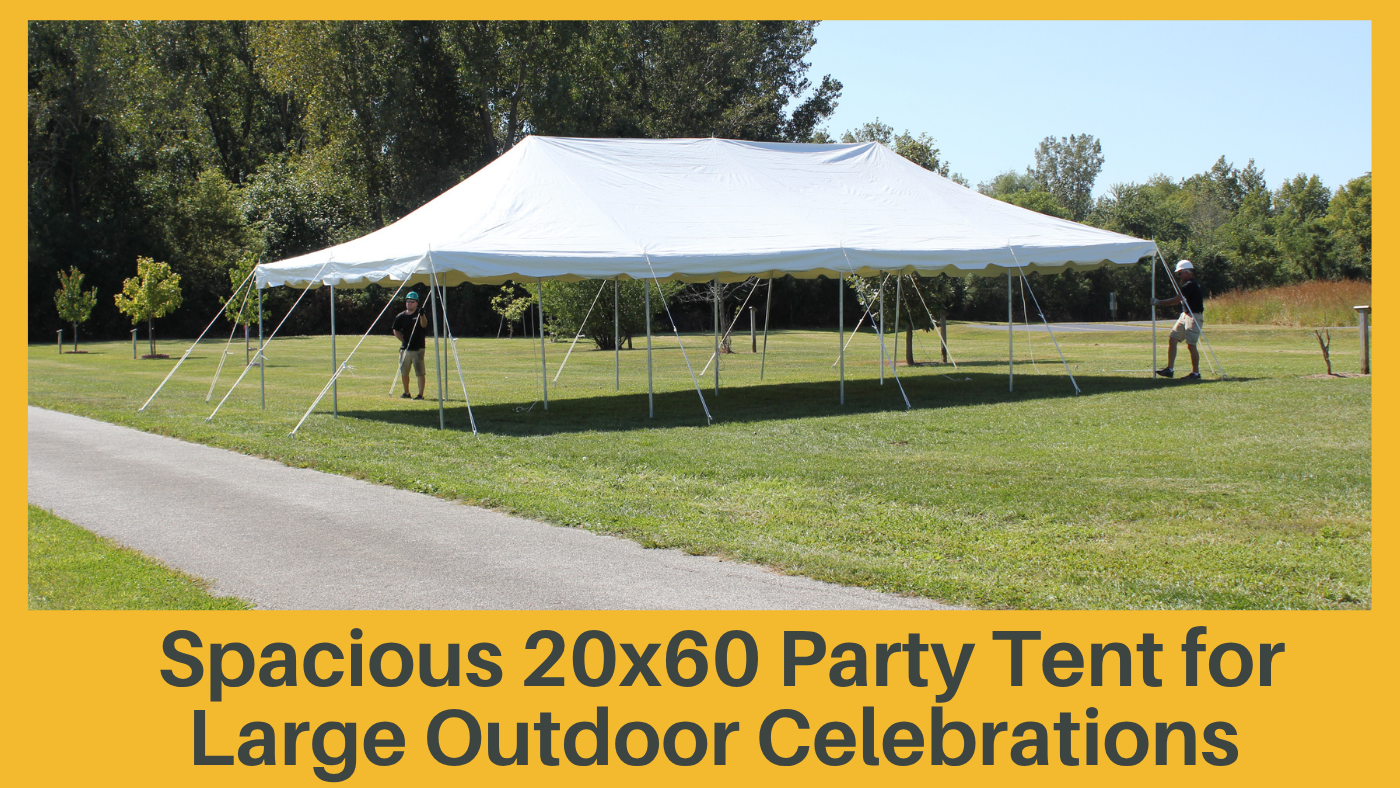
A tent sets boundaries. It turns open ground into a defined area where people naturally gather. But it’s the tables that tell guests what happens in that space.
Dining tables signal meals and conversation. Cocktail tables encourage movement and mingling. Display tables support products or information. Work tables support staff behind the scenes.
The combination of tent and table type quietly shapes guest behavior without needing instructions.
Common Table Types and Where They Work Best Under a Tent
| Table Type | Best For | Why It Works |
|---|---|---|
| Round dining tables | Weddings, dinners, conversation-heavy events | Creates “conversation zones” and keeps the layout balanced |
| Rectangular banquet tables | Shared meals, family-style layouts, food service lines | Efficient footprint and easy to align for clear aisles |
| Cocktail / high-top tables | Mixers, festivals, markets, brand activations | Encourages movement and quick interactions without crowding |
| Display / product tables | Vendor booths, demos, check-in areas | Supports clean presentation and keeps materials accessible |
| Work / back-of-house tables | Staff staging, catering prep, storage zones | Keeps operations organized so guest areas stay uncluttered |
Comfort Depends on How These Elements Work Together
Comfort at events isn’t just about having enough chairs or enough shade. It’s about proportion and flow.
If tables are packed too tightly under a tent, the space feels crowded. If the tent is oversized for the tables inside, the space can feel empty or disconnected.
Matching tent size to table layout helps maintain balance. Guests move more naturally when there’s room to circulate, sit, and stand without navigating obstacles.
How Table Layout Affects Movement Under a Tent
Table placement plays a major role in how guests experience a tented space.
Long banquet tables encourage shared meals and longer stays. Round tables create conversation zones. High-top tables keep people moving and social.
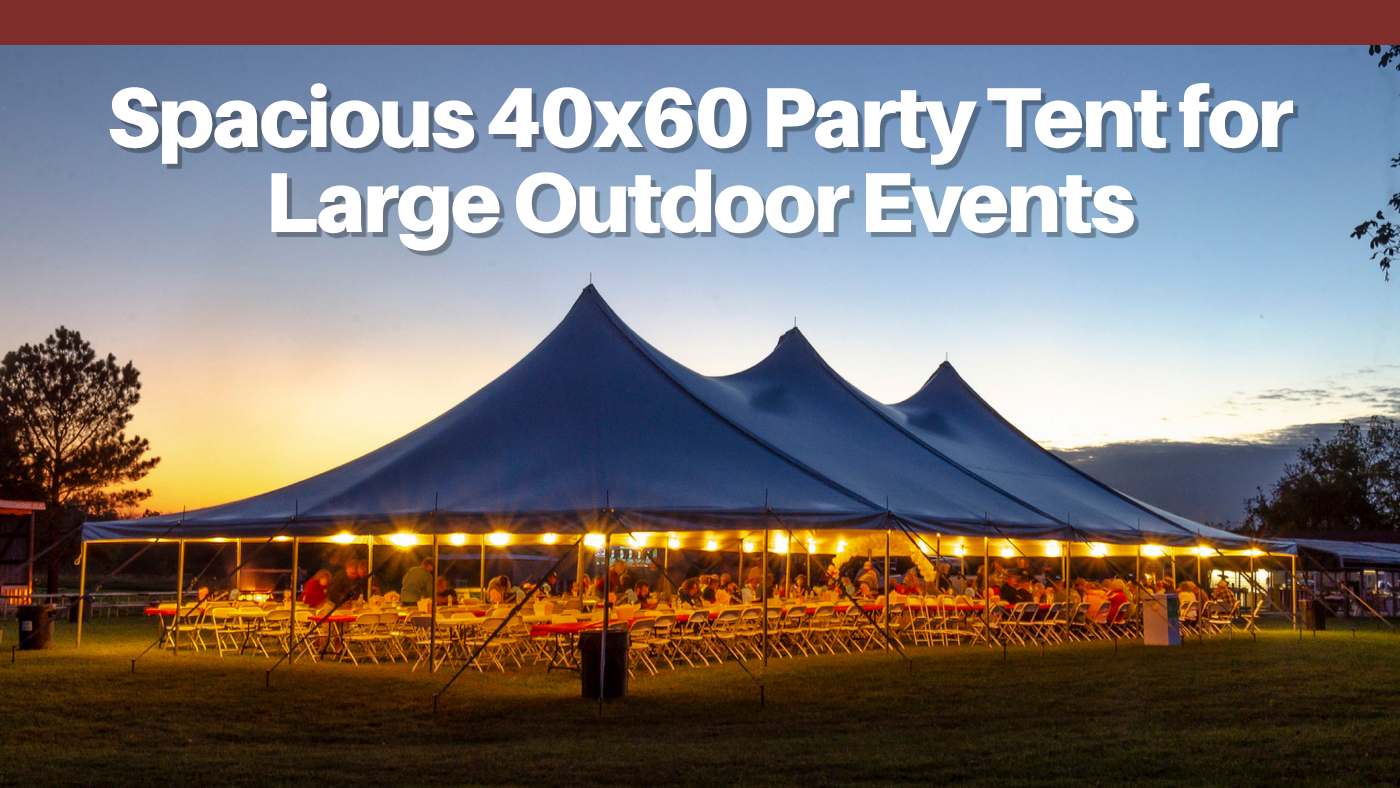
Under a tent, layout becomes even more important because the structure defines the limits. Thoughtful spacing keeps walkways clear and prevents bottlenecks near entrances, service areas, or food stations.
Outdoor Conditions Make the Pairing More Important
Outdoor events introduce variables that indoor venues don’t.
Sun angle, wind direction, and weather all affect where tables should sit under a tent. Placing tables too close to open sides can make guests uncomfortable. Poor alignment can expose food or materials to sun or rain.
Using tents and tables together strategically helps control these factors and improves guest comfort throughout the event.
Why Stability Matters for Both Tents and Tables
A stable tent keeps the environment calm. Stable tables keep guests at ease.
Wobbly tables, uneven ground, or poorly anchored tents create subtle discomfort that adds up over time. People notice when glasses slide or when the structure overhead feels unsettled.
Quality tents and sturdy tables reduce these distractions, allowing guests to focus on the experience rather than the setup.
Different Events, Different Tent and Table Needs
Not all events use tents and tables the same way.
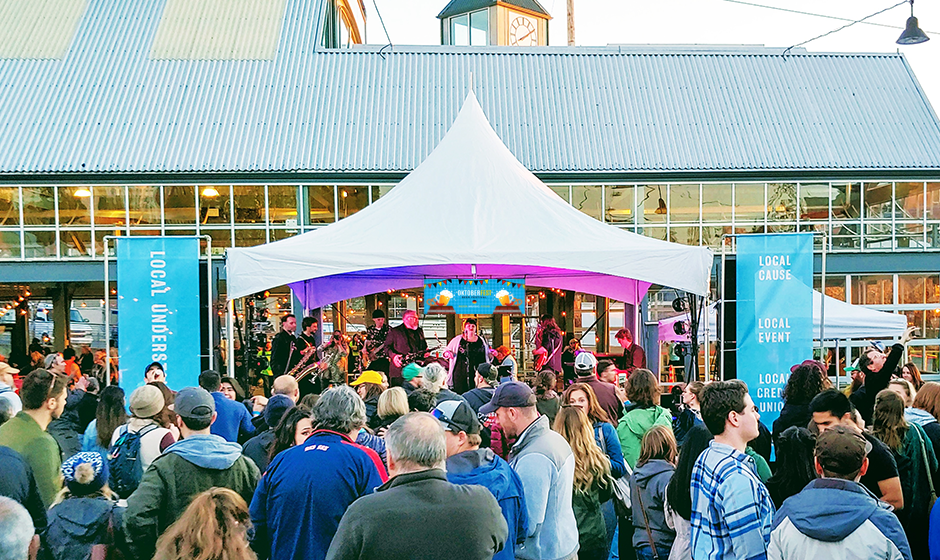
A wedding may prioritize dining tables and formal layouts. A festival may rely on cocktail tables and open seating. A corporate event may combine work tables, presentation areas, and networking zones.
Understanding how the event will function helps determine the right combination rather than defaulting to a one-size-fits-all approach.
Rentals vs. Ownership for Tents an Tables
For occasional events, renting tents and tables is often the most practical option. Rentals offer flexibility without storage or maintenance responsibilities.
For venues, rental companies, or frequent hosts, ownership becomes more appealing. Familiar equipment speeds up setup, improves consistency, and reduces reliance on availability.
Many professionals use a mix of both—owning core pieces and renting supplemental items as needed.
How Sidewalls and Table Placement Work Together
Sidewalls change how tables function under a tent.
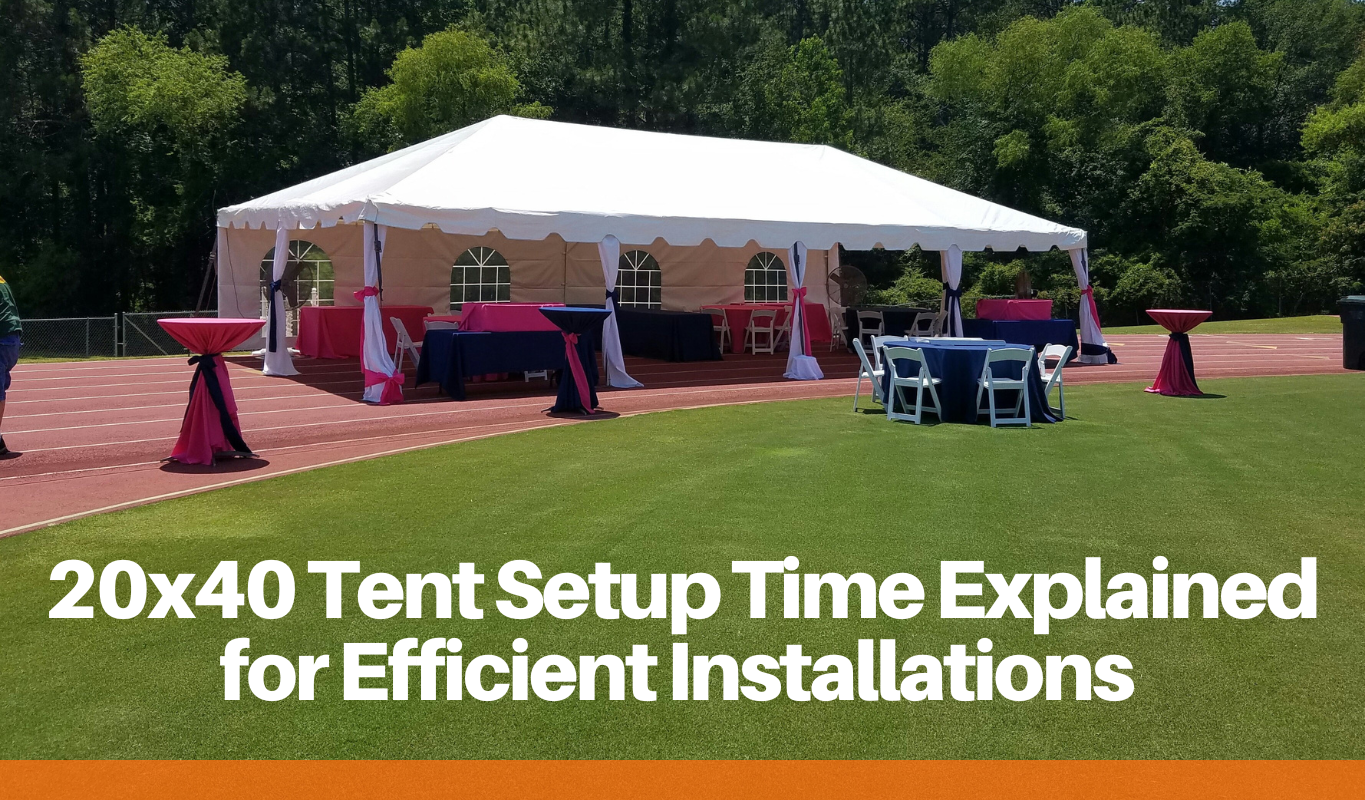
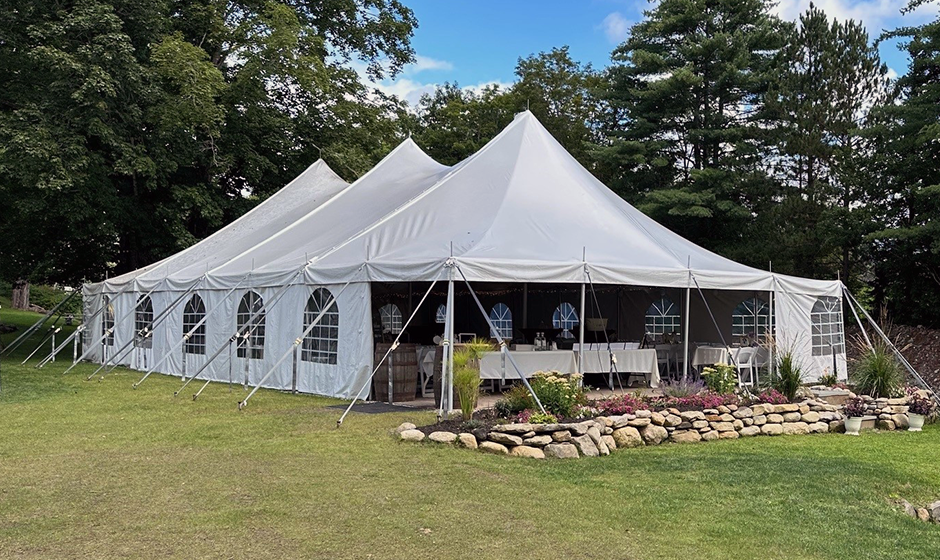
With sidewalls installed, tables can be placed closer to the edges without exposing guests to wind or sun. Without sidewalls, layouts may need to pull inward to maintain comfort.
This flexibility allows hosts to adapt layouts based on weather, time of day, or event phase without changing the entire setup.
Tents and Tables in Professional Event Setups
In professional environments, tents and tables are treated as systems rather than individual items.
Rental companies and venues often standardize table sizes and tent dimensions so layouts remain consistent across events. This predictability reduces setup time and minimizes last-minute adjustments.
When equipment works together reliably, crews focus less on logistics and more on execution.
Why Quality Shows Over Time
Lower-quality tents and tables often look fine at first. Issues tend to appear with repeated use.
Tent fabric stretches. Frames lose alignment. Tables chip, bend, or wobble. Over time, these issues affect both appearance and functionality.
Higher-quality options hold up better under repeated use, making them more cost-effective in the long run.
Storage and Transport Considerations
Tents and tables are frequently moved, stacked, and stored.
Efficient storage design matters. Tables that stack neatly and tents that pack consistently save time and reduce wear. Poor storage often shortens equipment lifespan and increases setup frustration.
Planning for transport and storage is just as important as choosing the equipment itself.
Matching Equipment to Event Scale
Small events benefit from simplicity. Large events benefit from structure.
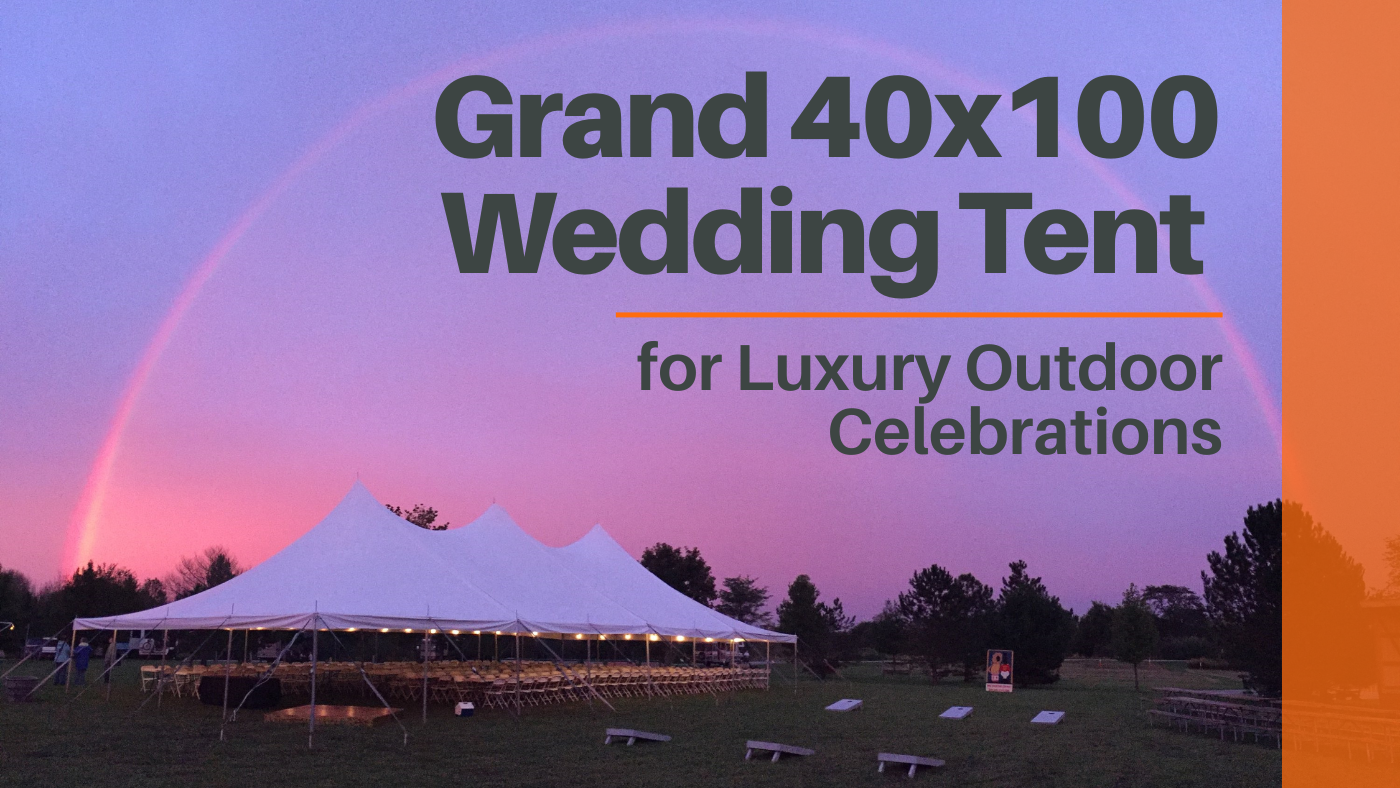
As event size grows, the relationship between tents and tables becomes more critical. Clear zones for dining, service, and movement help maintain order and comfort.
Scaling up successfully usually means being intentional about how these elements are paired rather than simply adding more of everything.
How Tents and Tables Affect Guest Perception
Guests may not comment on tables or tents directly, but they notice how the space feels.
If seating feels cramped, they leave sooner. If tables are unstable, they’re cautious. If the tent feels well-planned, they relax.
These reactions shape the overall memory of the event more than décor alone.
Why Event Professionals Prioritize the Basics
Experienced event planners know that tents and tables are not glamorous—but they’re essential.
When these basics are handled well, everything else works better. When they’re overlooked, even the best décor or entertainment struggles to compensate.
Strong foundations create better outcomes across the board.
Tents an Tables as Long-Term Event Assets
For organizations that host events regularly, tents and tables become long-term tools.
They support multiple event types, adapt to changing needs, and provide consistency across seasons. When chosen thoughtfully, they remain useful long after trends change.
A Practical Starting Point for Any Event
Every successful event starts with structure and function.
Tents provide shelter and definition. Tables provide purpose and interaction. Together, they create spaces where people can gather comfortably and meaningfully.
Getting this pairing right simplifies planning and improves results.
FAQ
Why are tents and tables usually planned together?
Tents create the environment, while tables define how that space is used. Planning them together ensures proper spacing, comfort, and flow for guests. It also prevents layout surprises where the tent feels cramped once furniture arrives. When the pairing is intentional, movement and service feel easier. The event becomes calmer because the basics are already working.
How many tables fit under a tent?
This depends on tent size, table type, and layout. Allowing space for walkways and movement is just as important as fitting the tables themselves. A layout that “fits on paper” can still feel crowded if aisles disappear. Planning for comfort usually improves guest experience and keeps service smoother. The best answer is always tied to how you want the space to feel.
Are certain tables better for outdoor tented events?
Yes. Tables designed for outdoor use are sturdier and handle uneven ground better. Stability is especially important under tents where surfaces may vary. Wobble becomes more noticeable outdoors because people lean, move, and shift around more. Choosing solid tables reduces small frustrations. It also helps keep the space feeling professional and secure.
Should tables be centered under a tent?
Not always. Placement depends on sidewall use, wind direction, and event type. Balanced layouts usually perform best. Sometimes centering works for formal dining, while other events benefit from open edges for circulation. The goal is to avoid creating tight corners and awkward bottlenecks. Comfort comes from how people move, not from perfect symmetry.
Is renting tents and tables better than buying?
Renting works well for occasional events. Buying makes sense for frequent hosts who want consistency and familiarity with their setup. Rentals offer variety and reduce storage concerns. Ownership reduces availability risk and makes setup faster over time. Many professionals combine both—own essentials, rent what changes per event. The right choice depends on your calendar, not just budget.
How do sidewalls affect table layout?
Sidewalls allow tables to be placed closer to tent edges while maintaining comfort. Without sidewalls, layouts often need more interior spacing to protect guests from wind or sun exposure. Sidewalls also influence traffic patterns—people tend to linger longer in enclosed spaces. Partial walls can offer the best balance. They give coverage without making the setup feel boxed in.
Do tents and tables need special maintenance?
Basic care like cleaning, drying tents before storage, and stacking tables properly extends equipment life significantly. Most wear comes from moisture, poor storage, and rough handling—not normal use. Keeping tents dry prevents mildew and fabric breakdown. Storing tables correctly reduces chips and bent legs. Small habits protect your investment over multiple seasons.
What’s the biggest mistake people make with tents and tables?
Treating them as afterthoughts. Poor spacing, unstable tables, or mismatched tent sizes often cause avoidable issues during events. When basics are rushed, everything feels harder—movement, service, and guest comfort. Planning tents and tables first makes décor and extras easier. The foundation sets the tone for the entire experience.