




The Most Replaced Rental Items Every Season
The most replaced rental items rarely fail without warning. In most cases, the signs were there long before something broke mid-event or slowed a crew down during a tight install. Season after season, rental companies see the same components wear out first. These are the items that take the most handling, absorb the most stress, and get pushed hardest when schedules are full and turnaround times are short.
Knowing what typically goes first makes planning far easier than reacting when something finally gives out at the worst possible moment. Below is a breakdown of the rental items most commonly replaced each season, along with why they fail under rental conditions and how to recognize when they’re nearing the end of their usable life.
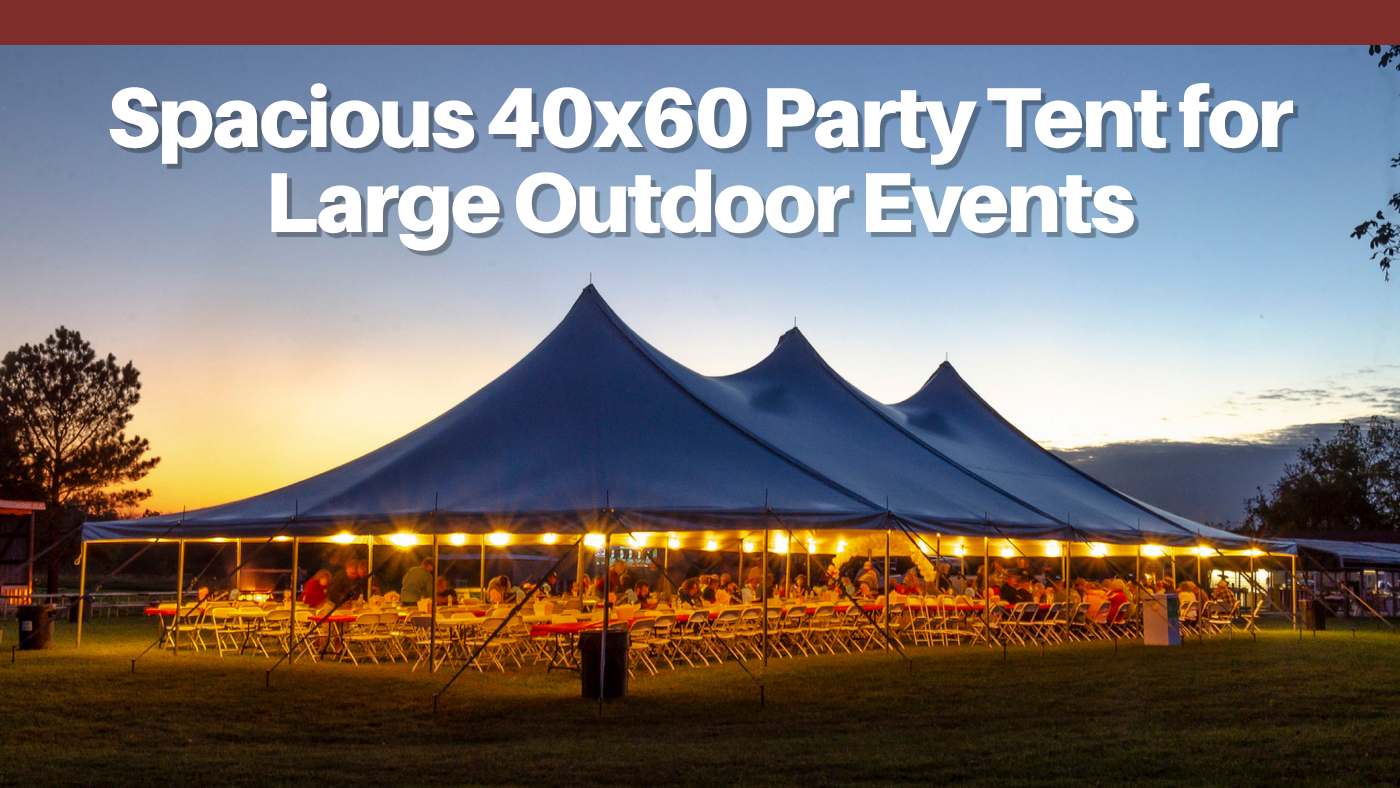
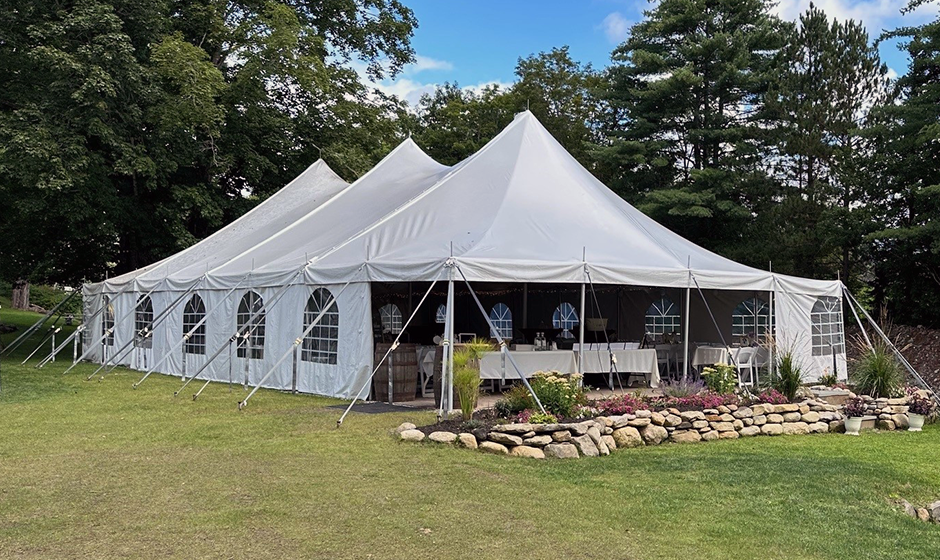
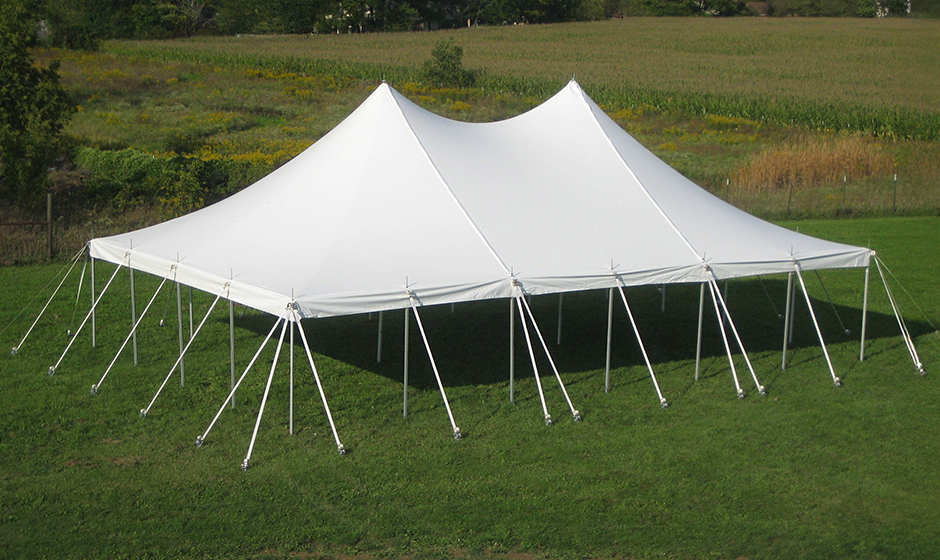
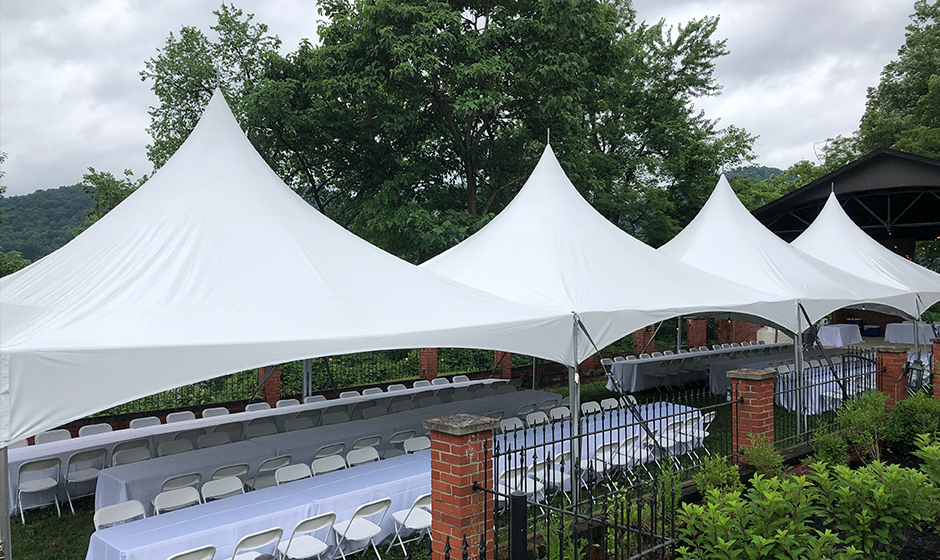
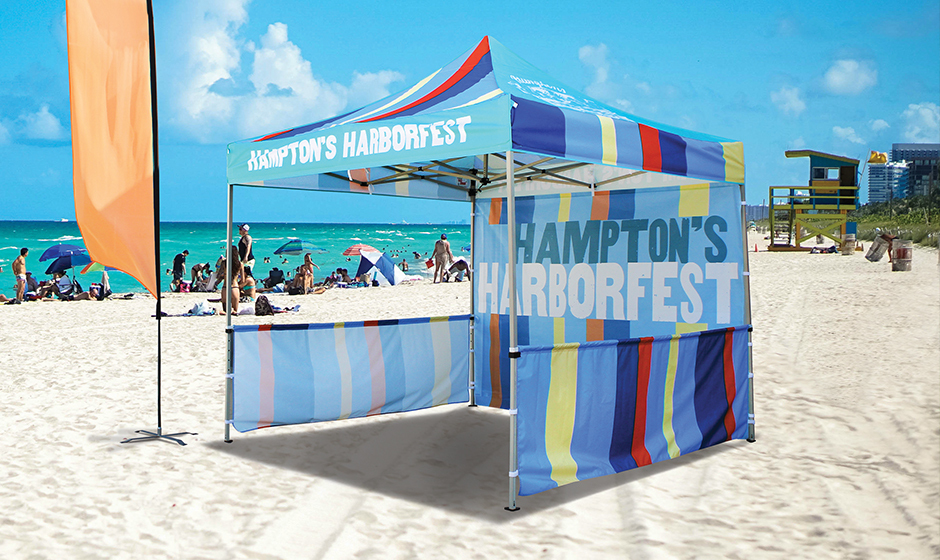
Tent Tops and Fabric Panels
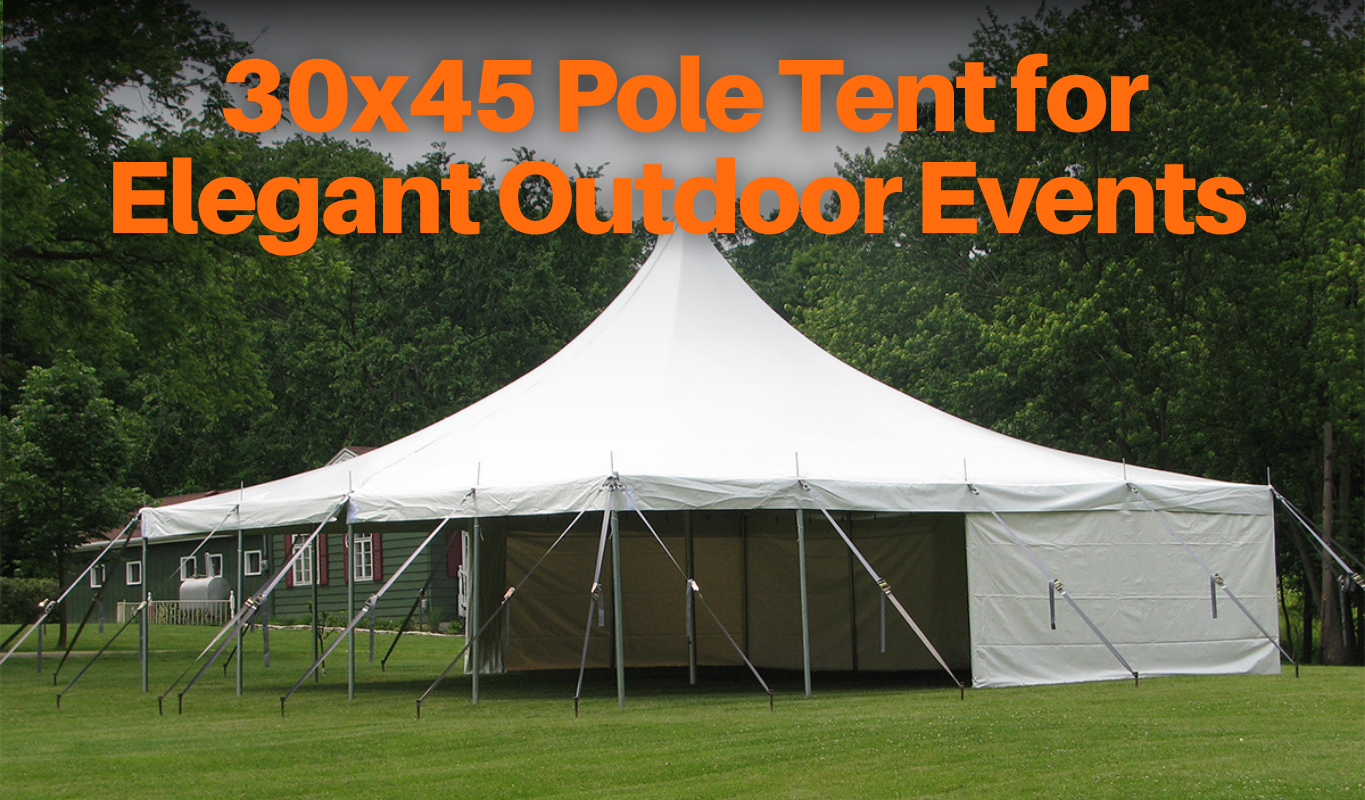
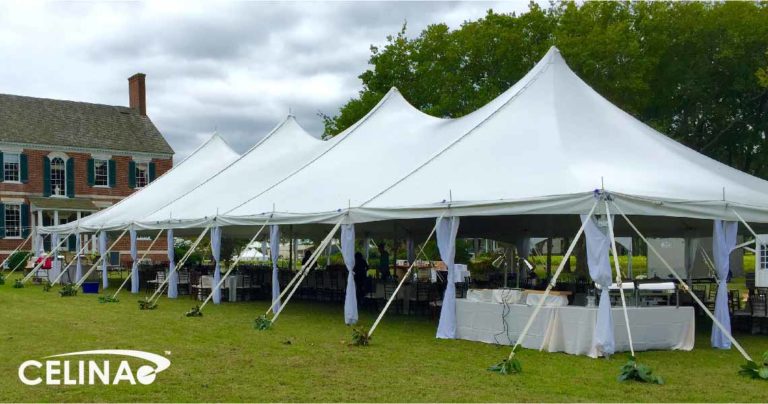
Tent tops are one of the most frequently replaced rental items, and for good reason. They carry constant tension, face repeated exposure to sun and weather, and are installed and removed more than almost any other component in a tent system. Over time, fabric begins to thin at corners and high-stress points. Stitching along seams can slowly separate, especially in areas that experience repeated pulling during installs.
UV exposure also plays a major role. Fabric that feels brittle, chalky, or unusually stiff is often nearing failure, even if no major tears are visible yet. It is always a good idea to browse replacement tent tops before the season starts to avoid mid-summer emergencies.
Sidewalls: Clear, Solid, and Windowed
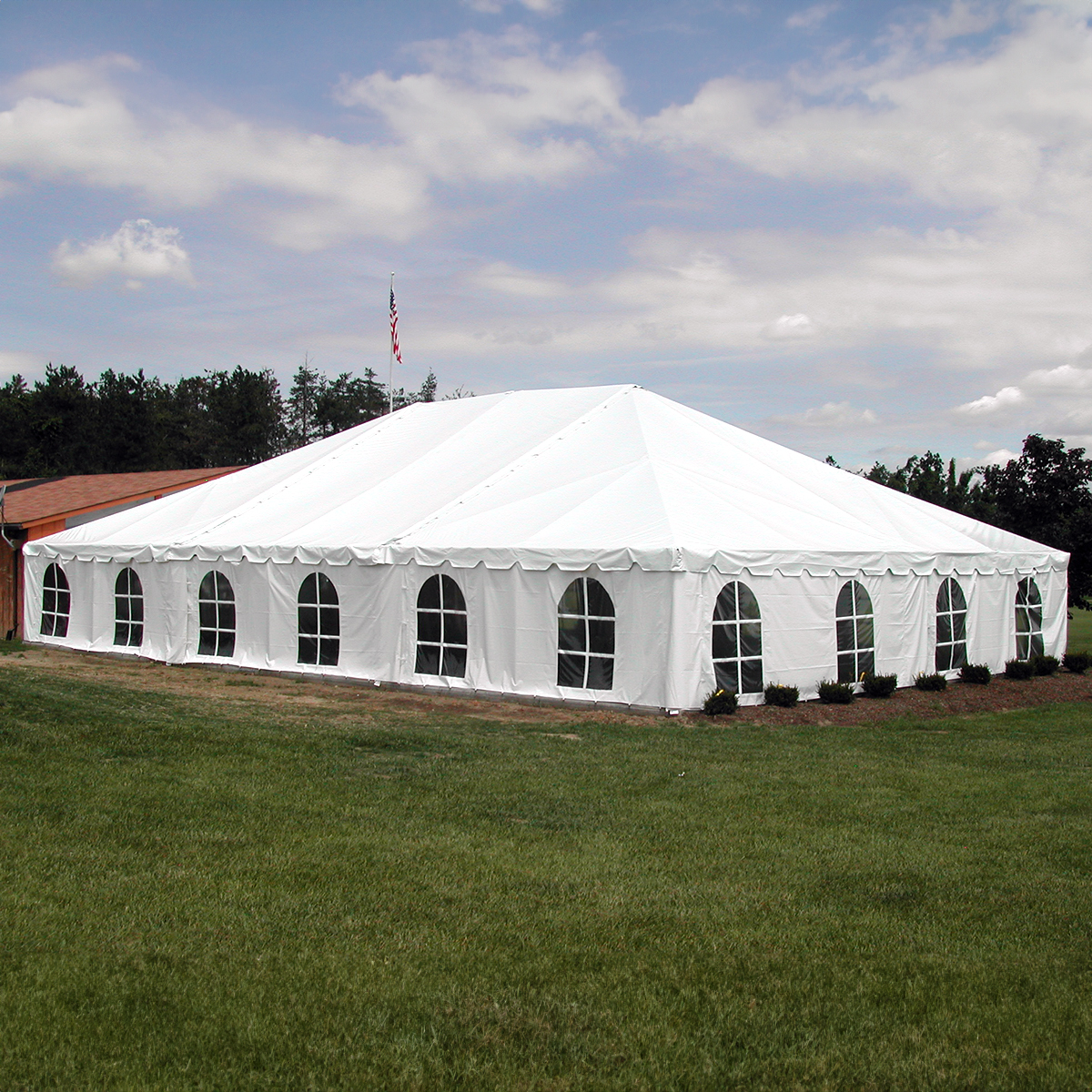
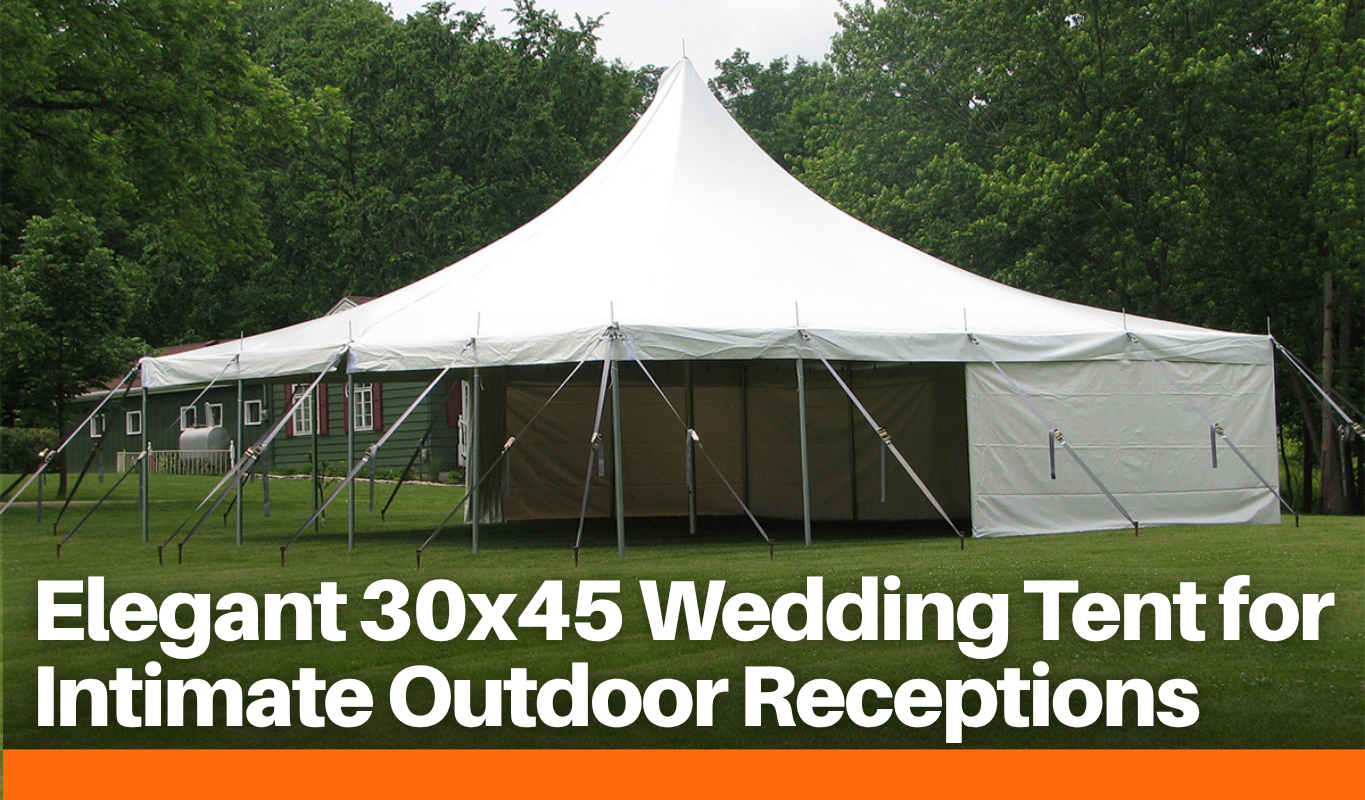
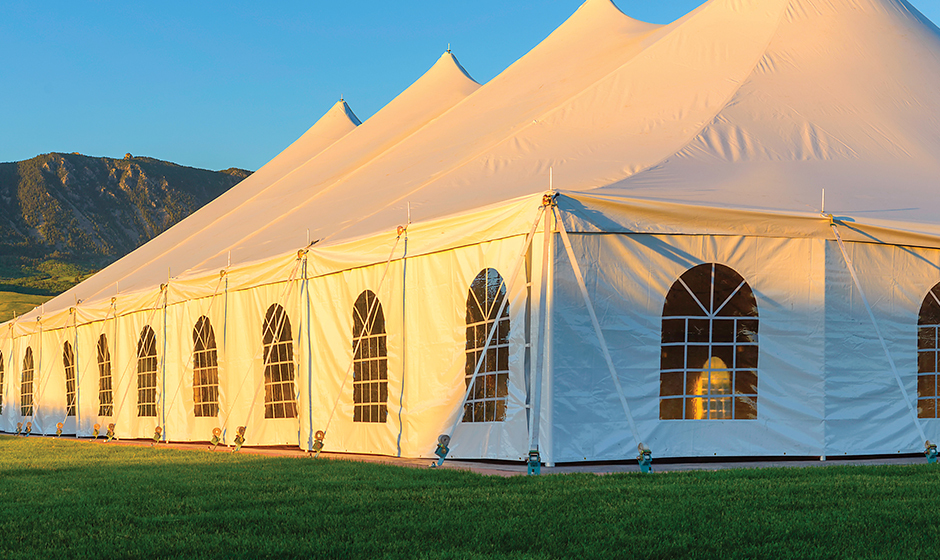
Sidewalls take a surprising amount of abuse during rental use. Frequent installs and removals, wind load during events, and constant handling all accelerate wear. Clear sidewalls are often replaced due to yellowing, cloudiness, or cracking that affects presentation. Solid and windowed sidewalls tend to fail at zippers, keder edges, or grommets.
Once panels stop aligning cleanly during installs, setup time increases and frustration builds quickly. Sidewalls are also one of the first things clients notice visually. Keeping a fresh stock of sidewall panels ensures your setups stay professional and weather-tight.
Ratchets, Anchors, and Straps
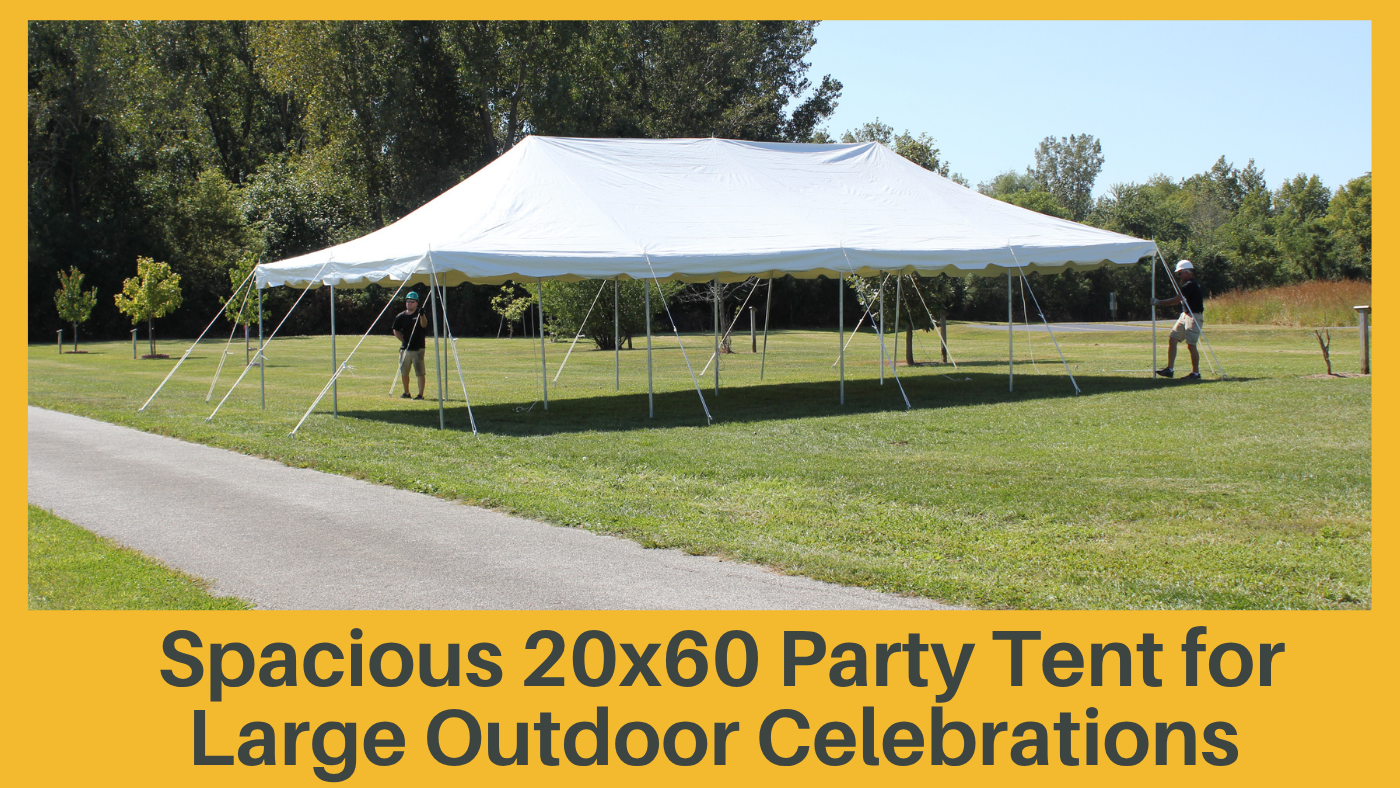
Some of the most replaced rental items are also the smallest. Ratchets, anchors, and straps are inexpensive compared to major tent components, but they cause outsized problems when they fail. Ratchet straps often wear out due to slipping mechanisms or frayed webbing. Anchors and stakes bend, rust, or go missing over time. Mismatched hardware creates inconsistencies that slow crews down and force on-site improvisation. Because these items are used on nearly every install, even minor wear adds up quickly. Replacing your ratchet straps and anchoring hardware early is far less disruptive than dealing with a failure during a high-pressure setup.
Maintenance Tip: Conduct a "hardware audit" every off-season. Grouping your purchases for items like base plates, connectors, and rain gutters can save on shipping and ensure your crew has matching equipment for every truck in the fleet.
Stakes and Ground Hardware
Ground hardware lives a hard life. Stakes are driven into different soil types, pulled out repeatedly, and transported in bulk. Over time, bending and deformation become common. Once stakes are no longer straight or consistent, installs take longer and anchoring becomes less reliable. Rust and corrosion also weaken hardware, especially in regions with moisture or coastal exposure. Stakes are often overlooked because they seem simple, but inconsistent or damaged ground stakes can affect both safety and efficiency during installs.
Why These Items Fail First Under Rental Conditions
Rental environments are demanding by nature. Equipment is used frequently, handled by multiple crews, exposed to changing weather, and expected to perform consistently with little downtime. Items that experience tension, friction, or repeated motion tend to wear out faster. Components that are installed and removed dozens of times per season naturally reach the end of their usable life sooner than structural elements that stay assembled longer. The most replaced rental items are usually the ones that do the most work behind the scenes.
Planning Replacements Instead of Reacting
Understanding which items are most commonly replaced makes planning far easier. Instead of reacting to breakdowns as they happen, rental operators can build replacement schedules around predictable wear patterns. This allows for grouped purchases, better inventory consistency, and fewer last-minute scrambles. Crews benefit from complete kits, and installs become smoother across the season. Once you know what typically goes first, replacement planning becomes a routine process rather than a crisis response.
Frequently Asked Questions
Why do the same rental items fail every season?
Rental equipment is subjected to repetitive mechanical stress and varied environmental conditions that naturally degrade materials over time. Items like straps and fabric panels are constantly being tensioned, folded, and exposed to UV rays which eventually leads to failure. Identifying these high-wear items allows you to create a proactive maintenance schedule rather than waiting for a break. CELINA specializes in providing high-durability equipment designed specifically to handle these repetitive rental cycles.
Are tent tops really replaced that often?
Tent tops are the most visible part of your inventory and also the most exposed to harsh weather and tension. Because they serve as the primary structural skin of the tent, any thinning or seam separation can lead to safety concerns or water leaks during an event. Regularly cycling out aged tops ensures that your inventory remains reliable and visually impressive for high-end clients. You can find a wide variety of replacement tent tops at CELINA to keep your setups looking sharp.
How do sidewalls usually fail?
Sidewalls typically fail at their connection points, such as zippers, grommets, or keder edges, due to the high volume of handling they receive. Clear vinyl panels are especially prone to yellowing or cracking if they are stored while damp or exposed to extreme temperature swings. Maintaining a backup supply of sidewall panels prevents your crew from being forced to use damaged or unsightly equipment. CELINA offers a full range of clear, solid, and windowed sidewalls to match any tent style.
Why are small items like ratchets such a big problem?
While ratchets and straps are small, they are the primary safety components that keep your structures anchored and stable. A single slipping ratchet or a frayed strap can compromise the entire tent and lead to dangerous situations during heavy winds or rain. Checking these components before every install is a critical safety step for any professional rental crew. Order your heavy-duty ratchets and replacement straps from CELINA to ensure your anchoring is always up to code.
How can I tell if hardware should be replaced?
You should look for physical signs of deformation, such as bent stakes, rusted base plates, or rounded-off bolts that make assembly difficult. Hardware that has lost its original shape or structural integrity will slow down your installation times and may lead to component mismatching in the field. Routine inspections during the off-season help you identify exactly which pieces need to be retired before the rush begins. CELINA carries all the essential hardware and replacement parts needed to keep your fleet in top shape.
Is it better to replace items gradually or all at once?
A gradual, planned replacement strategy is usually much easier on your budget and ensures that you always have a mix of reliable equipment available. By replacing the oldest 20% of your high-wear items each year, you can avoid the massive capital hit of a total fleet overhaul. This method also allows your crew to get used to new hardware without a complete change in their workflow. Contact CELINA to set up a recurring order for your most-used rental components and accessories.
What happens if replacements are delayed too long?
Waiting too long to replace worn equipment often results in higher costs due to emergency shipping fees and potential lost revenue from canceled jobs. More importantly, using equipment that is past its prime increases the risk of on-site failure which can damage your reputation and lead to safety liabilities. Taking the time to restock your inventory early is the best way to protect your business and your clients. CELINA offers fast shipping on essential replacement items to help you prepare for peak demand.
How does knowing this help with season planning?
Understanding which items are most likely to fail allows you to allocate your maintenance budget more effectively and prepare your crew for successful installs. When you know which parts are prone to wear, you can stock your trucks with the necessary spares to handle any on-site issues immediately. This proactive approach leads to smoother operations and higher customer satisfaction throughout the entire busy season. CELINA is your partner in seasonal planning with a massive inventory of rental-ready equipment.