











Turning Rental Prep Into a Smarter Inventory Plan
Inspections are only half the work. Most rental companies know how to inspect equipment before the season starts. Tent tops get pulled. Sidewalls are checked. Hardware is counted. Notes get written down. But the real advantage doesn’t come from the inspection itself — it comes from what happens next.
The operators who avoid mid-season emergencies are the ones who turn inspection results into a clear, intentional inventory plan before crews are stretched thin and calendars are full. This shift in strategy ensures that every finding from your prep work is addressed while you still have the time and budget to act.
Why Inspections Alone Aren’t Enough
Finding issues is important, but inspections without follow-through often lead to the same problems repeating year after year. Items get flagged, then pushed aside in favor of more urgent tasks. Replacement decisions are delayed until something finally fails during a busy weekend. At that point, options are limited and orders become rushed, leading to higher costs and crew frustration.
From Notes to Action
The difference between reactive and prepared rental companies usually comes down to how inspection findings are organized and acted on. Instead of treating inspection notes as a checklist that gets filed away, experienced operators treat them as data. Patterns start to emerge regarding which tent sizes show more wear and which components fail repeatedly. Using this data helps you choose reliable tent structures that fit your specific usage patterns.
Grouping Purchases by Tent Size or System
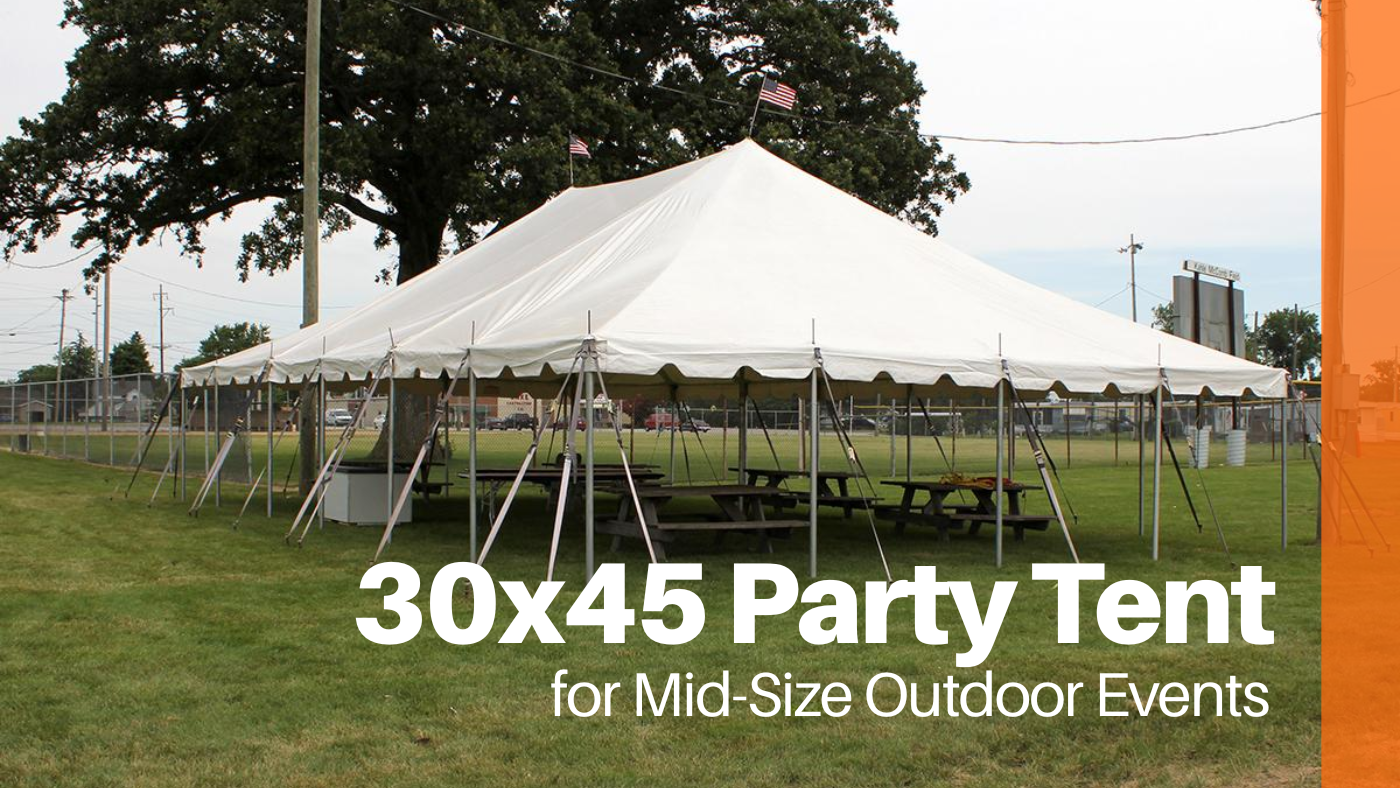
One of the most effective planning strategies is grouping replacements by tent size or system rather than by individual item. Instead of ordering one tent top here and a few sidewalls there, operators look at complete systems. If a 40x60 frame tent consistently shows wear across multiple components, replacing those items together makes more sense than patching one part at a time. This keeps systems consistent and ensures your frame tent inventory remains uniform for every install.
Efficiency Tip: Replacing high-wear items in batches—like ratchets, straps, and anchors—simplifies warehouse management and ensures your crews always have complete, matching kits for every truck.
Standardizing Components Across the Fleet
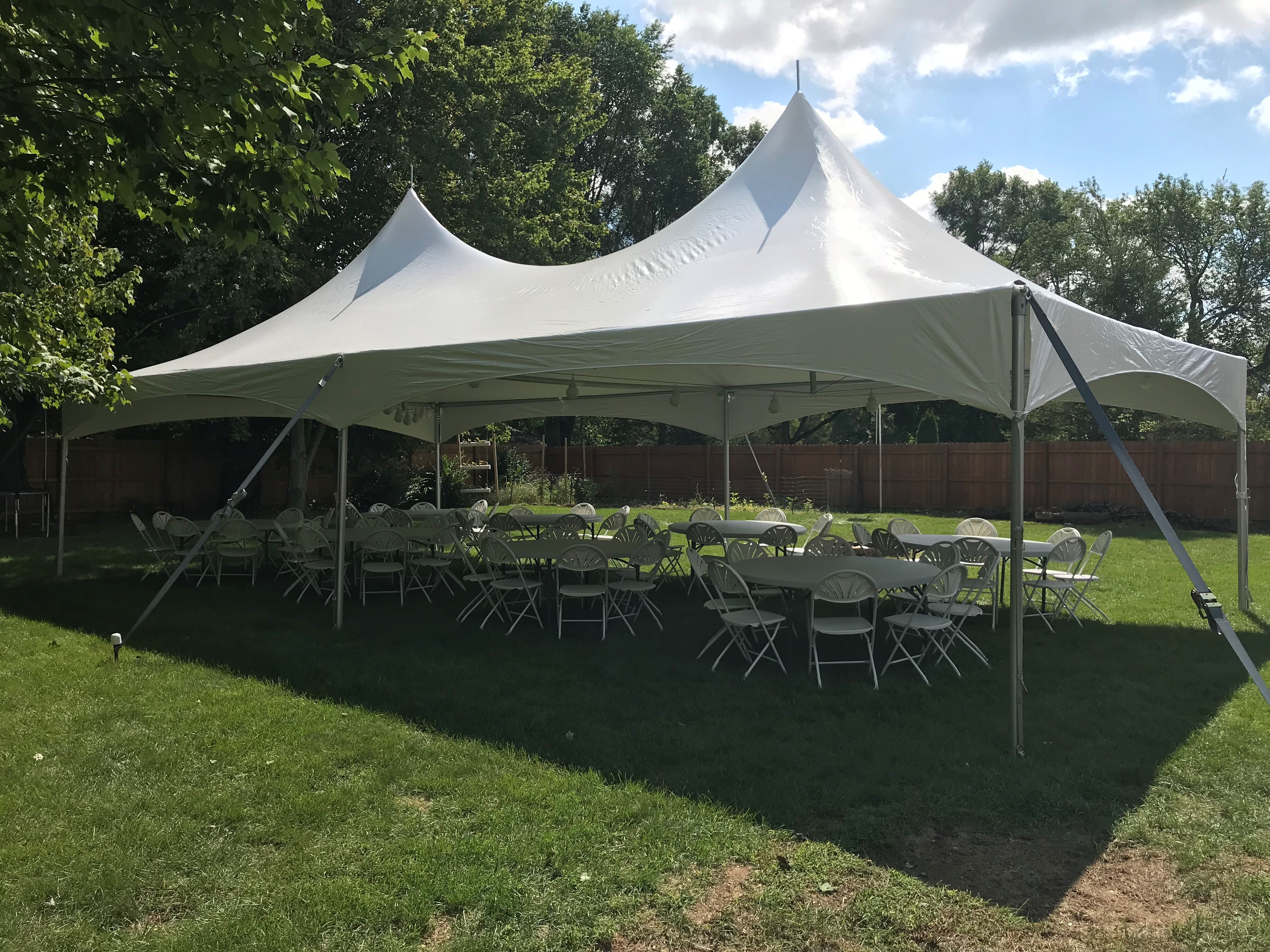
Standardization is one of the most overlooked advantages of proactive inventory planning. When components are standardized across tent sizes, everything becomes easier. Crews train faster, installs go quicker, and spare parts become interchangeable. This reduces mistakes under pressure and ensures that your tent accessories and hardware work perfectly every time.
Avoiding Emergency Orders During Peak Weeks
Emergency orders are expensive because they involve rush shipping costs and disrupt your focus during active events. Rental companies that plan ahead use inspection data to place orders before peak demand hits. This ensures equipment arrives on time and installs remain consistent. Avoiding these last-minute scrambles isn't about luck; it is about timing your restock of anchoring and hardware correctly.
Replace Versus Repair: Making the Call Early
Repairs have their place, but they stop making sense when they become frequent, time-consuming, or unreliable. Inventory planning allows this decision to be made calmly. If inspection notes show repeated repairs on the same items, that is usually a sign replacement is the smarter long-term move. Making that call early prevents mid-season failures and helps you control your overall operational costs more effectively.
Frequently Asked Questions
Why is inventory planning just as important as inspections?
Inspections identify issues, but planning ensures those issues are addressed before they disrupt active events. Without a plan, you risk entering your busy season with unreliable gear. CELINA helps operators turn notes into action with a massive inventory of ready-to-ship components.
What’s the biggest mistake rental companies make after inspections?
The biggest mistake is delaying action and waiting until equipment fails during peak season. This often leads to higher shipping costs and lost time. Planning ahead with CELINA ensures your most critical items are replaced well before the first big weekend of the year.
Why group replacements by tent system instead of individual items?
It keeps systems consistent, reduces mismatched components, and improves install efficiency for your crew. When all parts of a 20x20 or 40x60 system are replaced together, the setup is much more predictable. CELINA offers complete kits to help you standardize your fleet easily.
How does batch replacement save time?
Crews receive complete, reliable kits instead of working around partial or inconsistent inventory. This reduces on-site problem solving and allows your team to focus on the installation. Batch ordering from CELINA also simplifies your warehouse management and storage logistics.
When should repair be avoided?
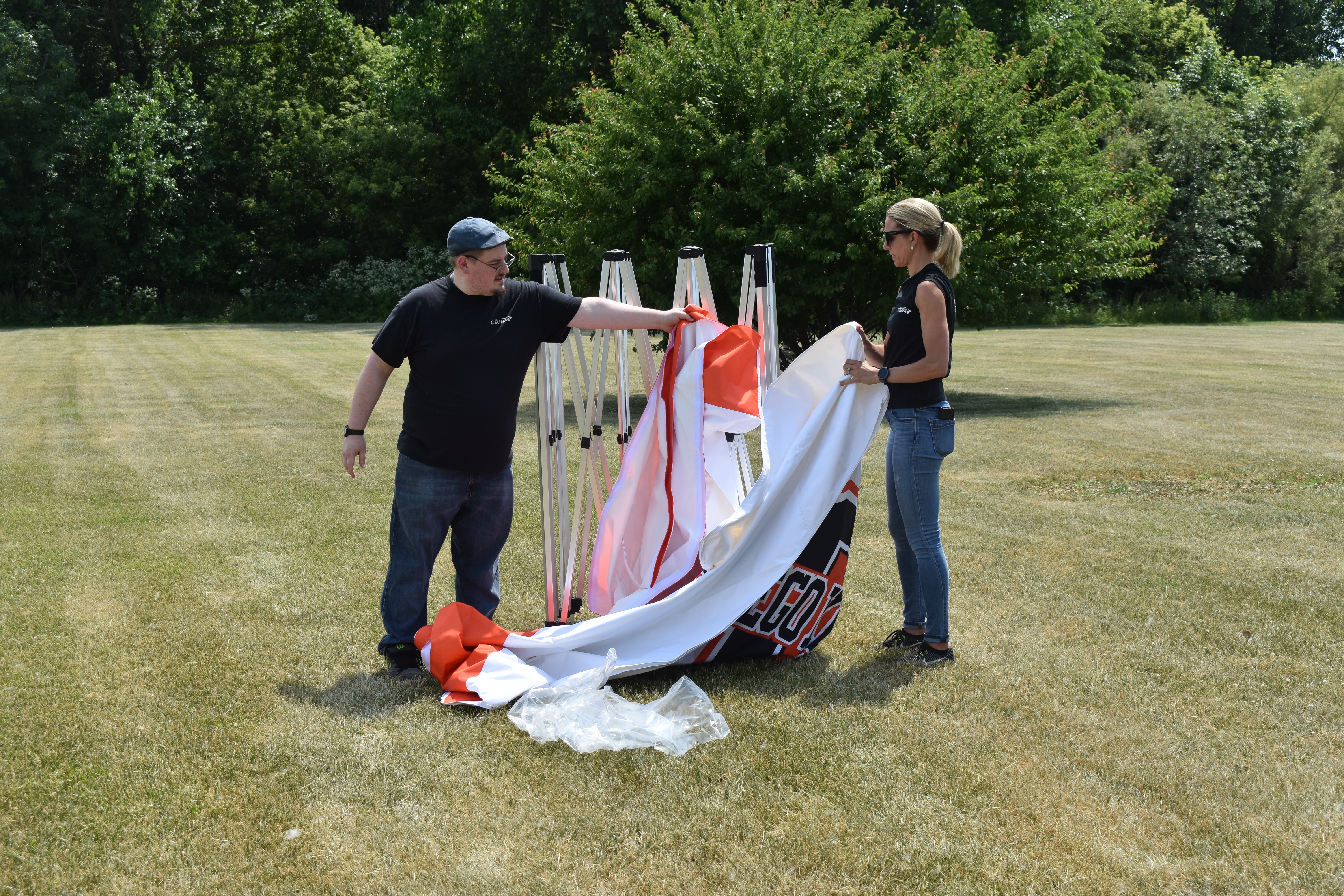
Repair should be avoided when the process becomes frequent, increases install time, or creates reliability concerns under pressure. Visual presentation also matters; heavily patched items may not meet the standards of high-end clients. Replacing worn fabric through CELINA ensures your inventory always looks professional.
How does standardization help operations?
Standardization simplifies training, reduces errors, and allows parts to be interchangeable across your entire inventory. This means any crew can work on any truck with total confidence. CELINA’s compatible hardware systems are designed specifically to support this kind of operational efficiency.
Can inventory planning reduce costs?
Yes. Planned orders avoid rush fees, reduce downtime, and often qualify for better pricing when you buy in volume. By planning your purchases with CELINA, you can manage your budget more effectively and avoid the financial strain of emergency mid-season orders.
When should planning happen for the upcoming season?
The best time to plan is immediately after inspections, while there is still time to order, organize, and prepare before demand peaks. This proactive timing gives you a significant advantage over competitors who wait until the last minute. CELINA stays stocked year-round to help you execute your plan whenever you are ready.