



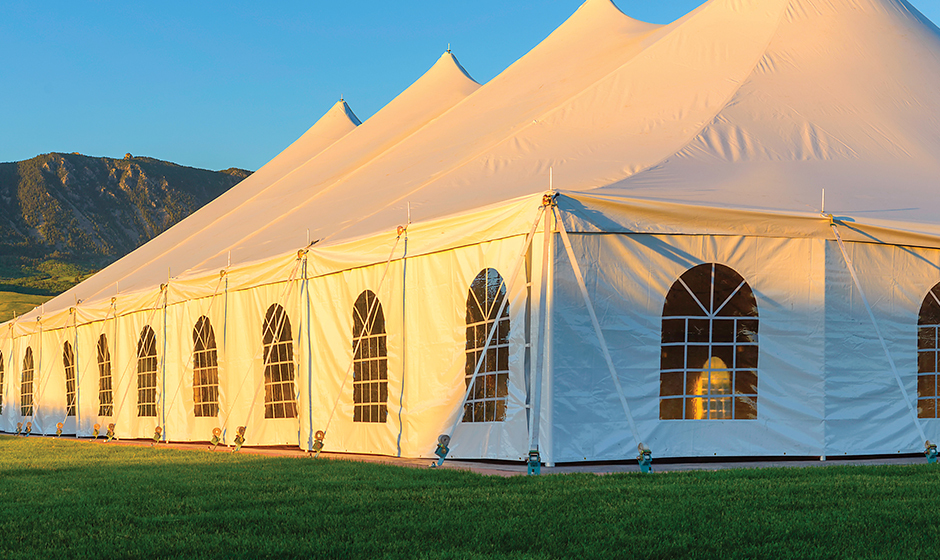
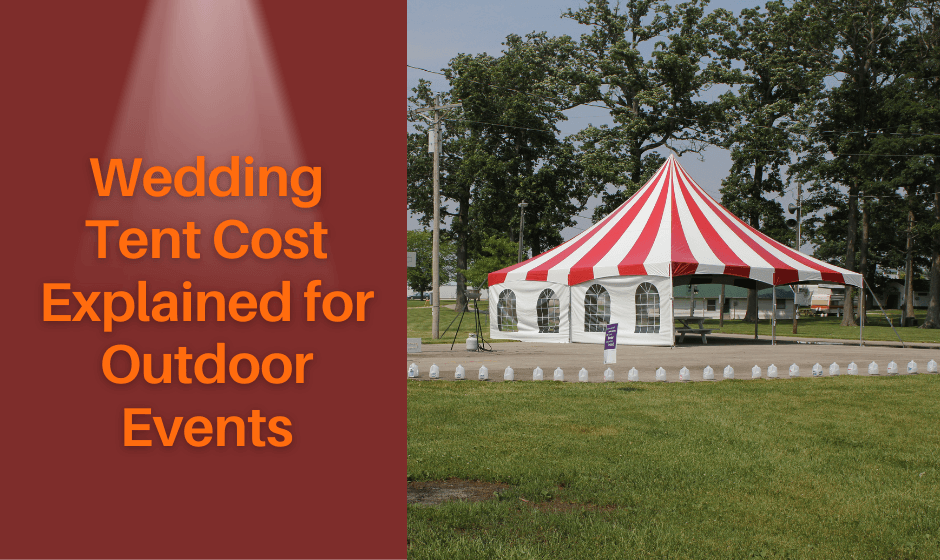
Wedding Tent Cost Explained for Outdoor Events
Wedding tent cost is one of the first budget questions couples face when planning an outdoor celebration. A tent often becomes the foundation of the entire event, shaping layout, comfort, and atmosphere. Because it plays such a central role, pricing can vary widely depending on choices made early in the planning process.
Rather than a single flat number, wedding tent cost is influenced by several practical factors. Understanding what actually drives pricing helps couples make informed decisions and avoid surprises later on.
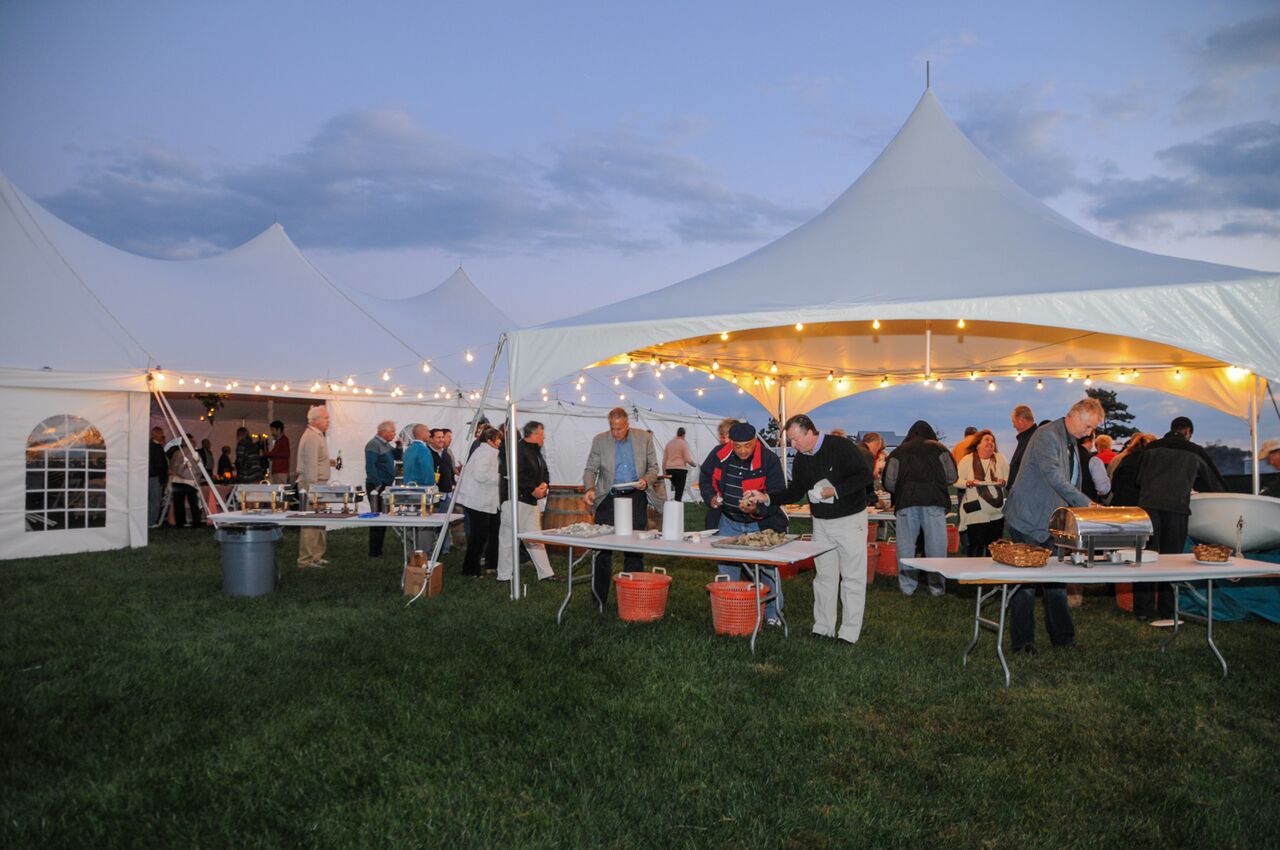
The easiest way to think about wedding tent cost is to ask: what does the tent need to support? A simple covered space for a short window costs less than a tented venue that needs dining, dancing, lighting, and weather protection for hours.
Once you’re clear on how the space will function, quotes make more sense. Instead of feeling random, the pricing starts to reflect real variables like size, structure, materials, accessories, and the logistics of getting everything installed safely.
What Typically Influences Wedding Tent Cost
The cost of a wedding tent is shaped by more than just the tent itself. Size, structure, materials, accessories, and logistics all play a role. Each choice adds or removes complexity, which is reflected in the final price.
A simple tent for a short event costs less than a larger structure designed to host dining, dancing, and décor for several hours. The more the tent is expected to do, the more factors come into play.
Tent Size and Guest Count
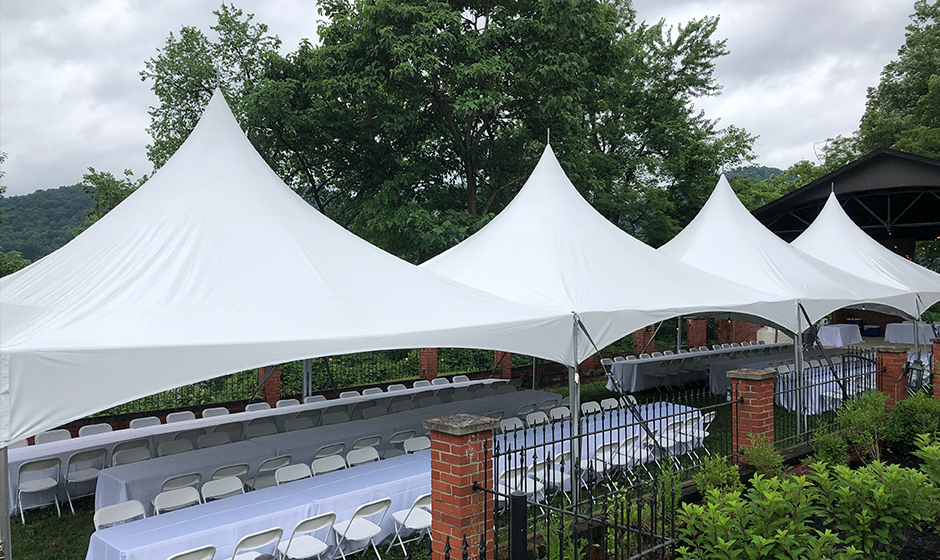
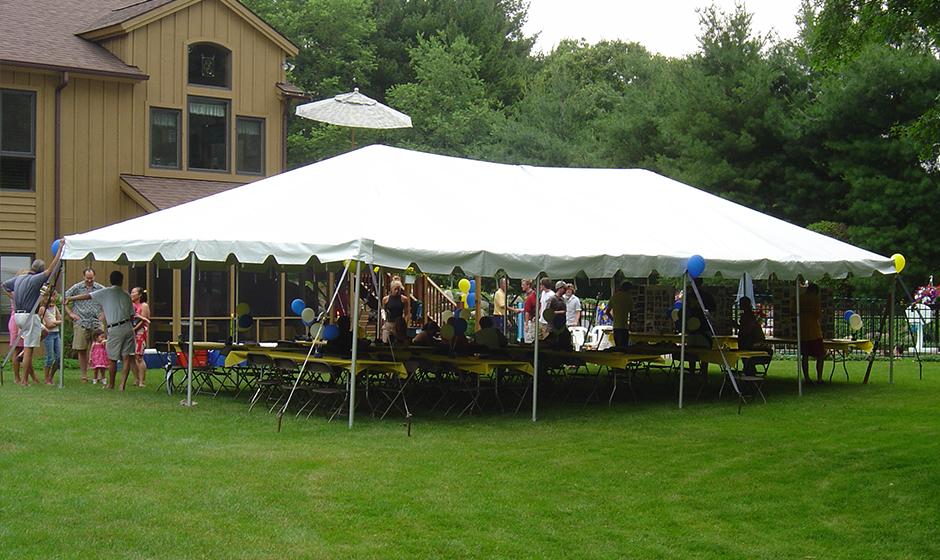
Tent size is usually the biggest driver of wedding tent cost. Larger tents require more materials, more labor to install, and more time to set up and break down.
Guest count is only part of the equation. Space for tables, walkways, a dance floor, bars, and service areas also affects size requirements. Choosing a tent that allows comfortable movement often costs slightly more but improves the overall experience.
Frame Type and Structural Design
Different tent structures come with different costs. Lightweight frames are generally less expensive but may not offer the same stability or interior feel as heavier, commercial-grade options.
Stronger frame systems increase wedding tent cost upfront, but they also provide better performance, especially for longer events or unpredictable weather. Many couples prioritize this reliability for peace of mind.
Fabric and Material Quality
Tent canopy materials affect both appearance and performance. Heavier fabrics tend to hold tension better, resist sagging, and manage weather more effectively.
While higher-quality materials increase wedding tent cost, they also improve comfort and appearance throughout the event. Fabric that maintains its shape and cleanliness contributes to a polished look from start to finish.
Sidewalls and Weather Protection
Sidewalls are one of the most common additions that influence wedding tent cost. They help block wind, manage temperature, and protect against rain.
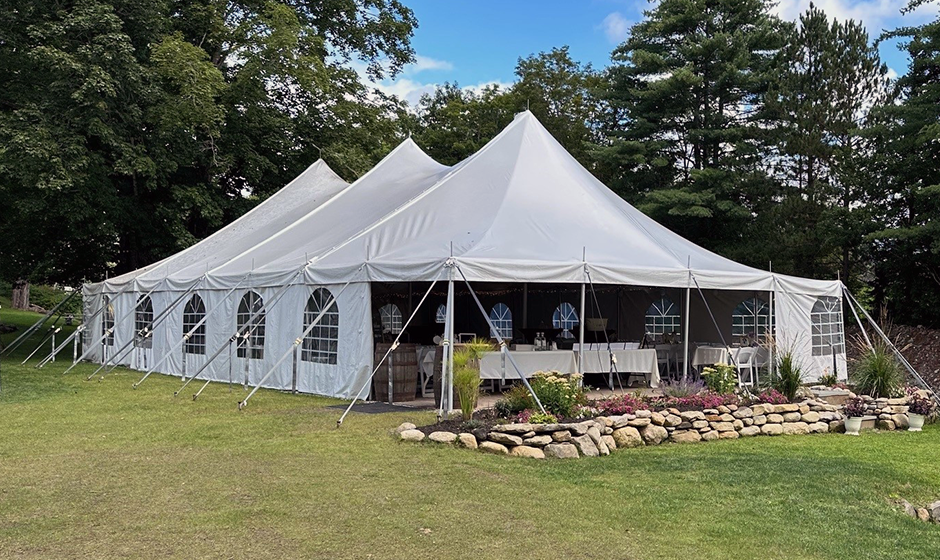
Clear or window sidewalls allow natural light and visibility, while solid sidewalls offer privacy and insulation. Couples often choose a combination based on weather expectations and desired atmosphere.
Lighting, Flooring, and Interior Elements
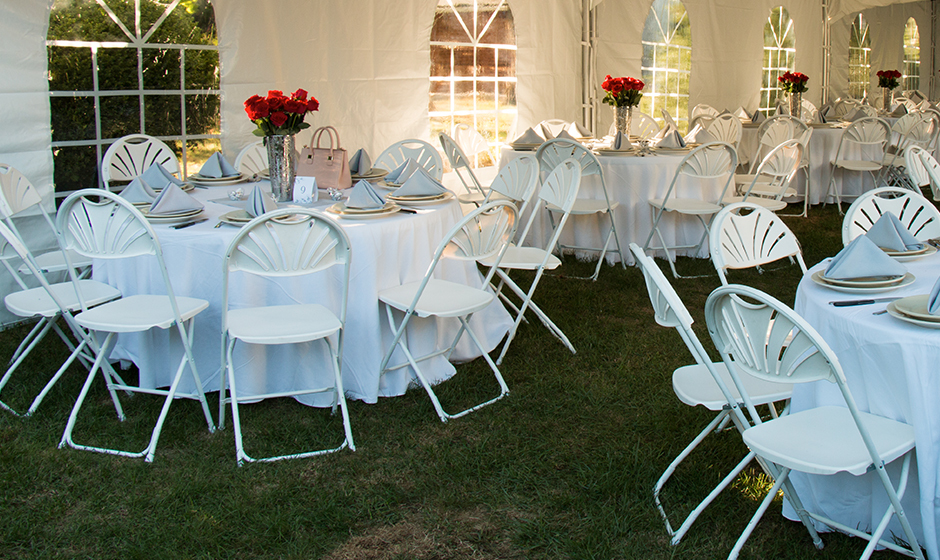
A tent alone creates shelter, but accessories complete the space. Lighting, flooring, décor, and climate control all add to the overall cost.
Lighting transforms the atmosphere, especially for evening weddings. Flooring improves comfort and appearance on uneven ground. These elements are optional, but they significantly shape how the tent feels and functions.
Labor, Delivery, and Setup Costs
Labor is a major part of wedding tent cost that’s easy to overlook. Transporting materials, assembling the structure, and removing it after the event all require time and skilled crews.
Remote locations, difficult terrain, or tight setup windows can increase labor requirements. Planning ahead helps reduce last-minute changes that may add unexpected costs.
If a quote seems high, ask how much is tent vs. labor vs. accessories. Seeing the line items usually makes it clear what’s driving the number—and what you can adjust without sacrificing comfort.
Location and Seasonal Factors
Where and when the wedding takes place affects pricing. Peak wedding season often comes with higher demand for tents and installation crews, which can raise costs.
Location matters too. Events held far from distribution centers or in areas with limited access may involve higher delivery or setup fees.
Renting vs. Buying a Wedding Tent
Most couples rent tents for weddings, as ownership doesn’t make sense for a single event. Rental pricing typically includes the tent, setup, and breakdown, simplifying logistics.
Buying a tent may only make sense when it will be reused for multiple events or shared among family or venues. For most weddings, renting remains the more practical option.
What Couples Often Forget to Budget For
Some wedding tent costs aren’t immediately obvious. These can include permits, ground preparation, anchoring systems, power access for lighting, or extended rental periods.
Factoring these items in early helps create a more accurate budget and prevents stress closer to the event date.
Balancing Budget With Experience
It’s tempting to reduce wedding tent cost by choosing the smallest or simplest option available. However, comfort and flow play a large role in how guests experience the celebration.
Spending slightly more on the right size or better materials often leads to a smoother event, better photos, and fewer disruptions. In many cases, the added value outweighs the difference in price.
Why Tent Cost Is an Investment, Not Just an Expense
A wedding tent shapes the entire environment. It influences how guests move, how comfortable they feel, and how the event is remembered.
When the tent performs well, it fades into the background and lets the celebration shine. When it doesn’t, problems become noticeable quickly. This is why understanding wedding tent cost is about more than numbers—it’s about reliability and experience.
Planning Ahead to Control Costs
Early planning is one of the most effective ways to manage wedding tent cost. Booking ahead increases availability, allows more time to compare options, and reduces the risk of premium pricing.
Clear communication about guest count, layout, and expectations helps ensure quotes reflect real needs rather than estimates that change later.
Explore Wedding Tent Options
If you’re budgeting for an outdoor wedding and want clarity on wedding tent cost, exploring size options, materials, and accessories early can make the process smoother. You can view tent configurations and compatible components at gettent.com to better understand how different choices affect pricing and performance.
FAQ
What is the biggest factor affecting wedding tent cost?
Tent size is usually the largest factor because it directly affects how much material is needed and how long installation takes. Larger tents require more fabric, stronger framing, additional anchoring, and larger crews to install safely. Beyond guest count, size is also influenced by layout needs such as dance floors, bars, walkways, and service areas, all of which increase the overall footprint and cost.
Does adding sidewalls increase wedding tent cost?
Yes. Sidewalls add cost because they require additional materials and labor to install. However, they also add significant value by improving weather protection, temperature control, and privacy. Many couples choose sidewalls selectively, using only the sides needed based on wind direction or weather forecasts, which helps balance comfort and budget.
Is lighting included in the base tent price?
Lighting is typically not included in the base tent price because lighting needs vary widely by event style and duration. Simple functional lighting costs less than decorative lighting designs that include string lights, chandeliers, or uplighting. Power access, wiring, and installation time also affect lighting costs, which is why it’s usually quoted separately.
Does wedding tent cost change by season?
Yes. Wedding tent cost often increases during peak wedding season due to higher demand for both equipment and installation crews. Popular months tend to book up early, and limited availability can drive prices higher. Off-peak seasons or weekday events sometimes offer more flexibility in pricing and scheduling.
Are heavier tents more expensive?
Generally, yes. Heavier tents use stronger frames and thicker canopy materials designed to handle longer installations and changing weather. While these tents cost more upfront, they provide better stability, cleaner appearance, and more predictable performance, which is why they’re commonly chosen for weddings where reliability matters.
Can wedding tent cost be reduced without sacrificing comfort?
In many cases, yes. Adjusting layout to reduce unused space, simplifying décor, choosing partial sidewalls instead of full enclosure, or selecting off-peak dates can help manage costs. The key is avoiding cuts that affect structural stability or guest comfort, as those compromises often create problems during the event.
Do setup and breakdown fees vary?
Setup and breakdown fees vary based on tent size, location access, terrain, and event duration. Sites that require longer carry distances, special anchoring, or tight setup windows may increase labor time. These fees are sometimes bundled into the quote, but it’s always important to confirm what’s included.
Why do wedding tent prices vary so much?
Wedding tent prices vary because no two events are exactly the same. Differences in size, materials, accessories, labor requirements, location, season, and event length all affect cost. What may seem like a similar tent on the surface can involve very different installation complexity behind the scenes.