



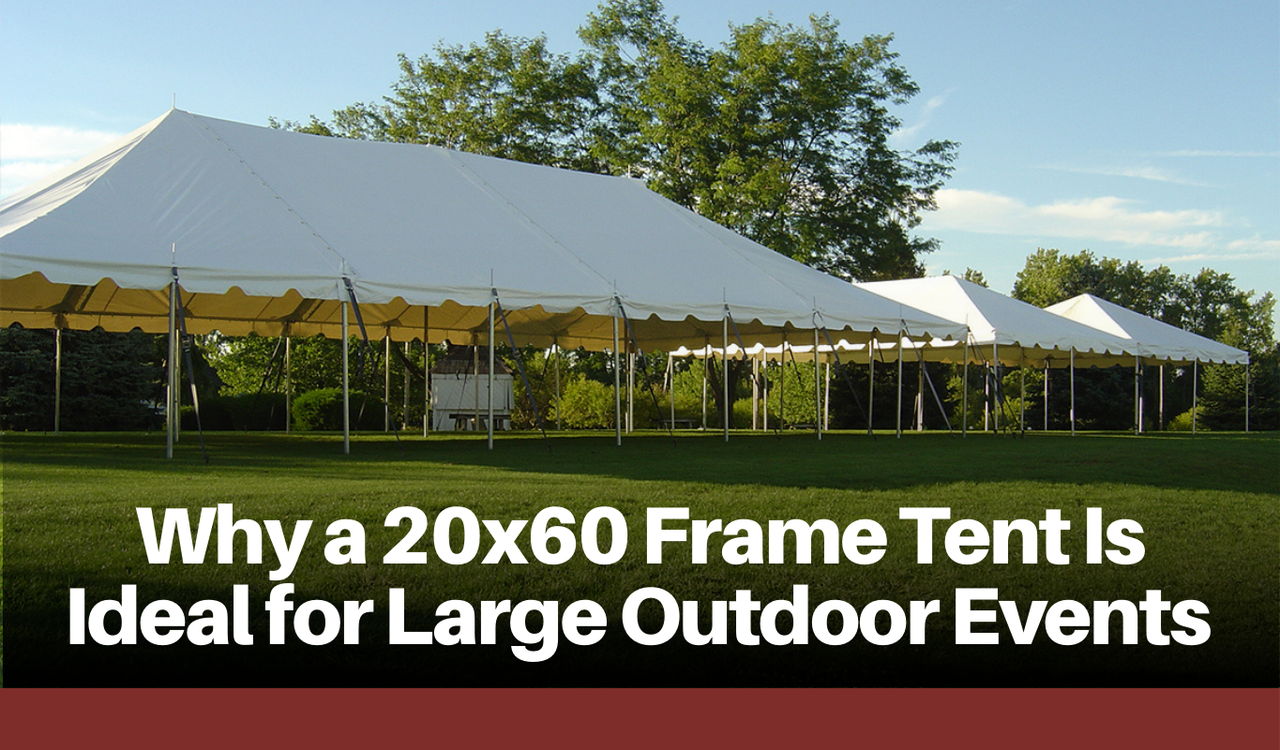
Why a 20x60 Frame Tent Is Ideal for Large Outdoor Events
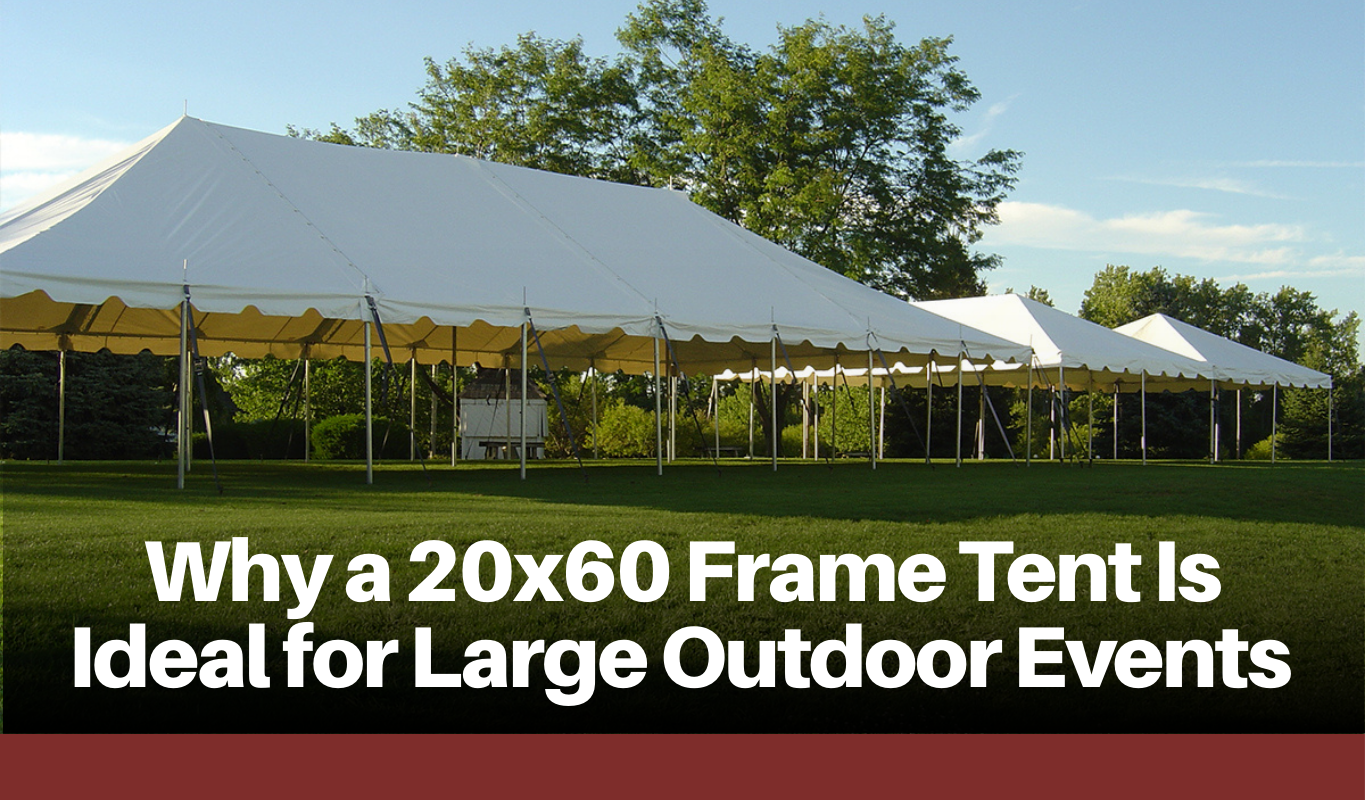
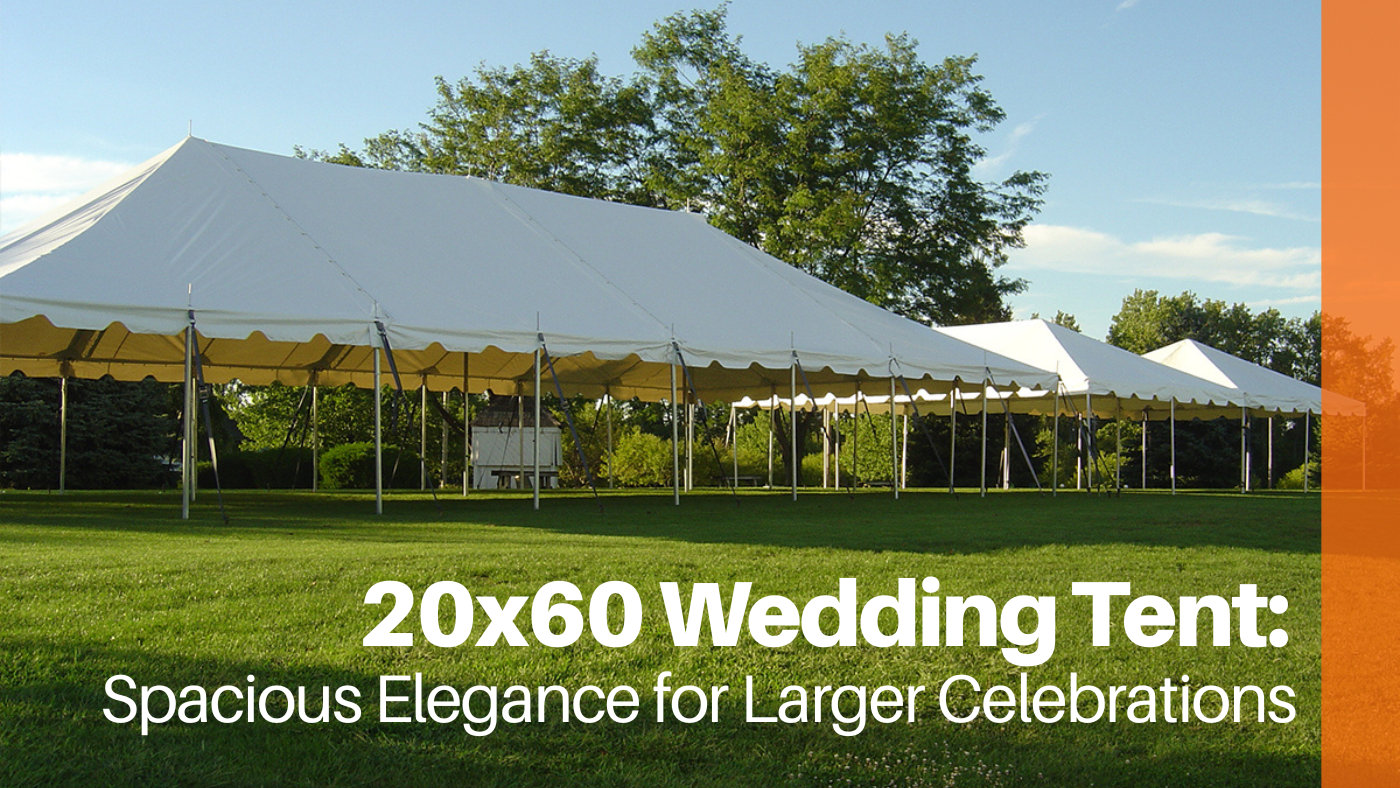
A 20x60 frame tent provides 1,200 square feet of uninterrupted interior space, positioning it as one of the most versatile large-format structures for professional events. It is substantial enough to support full-scale weddings, corporate receptions, fundraisers, and community gatherings, yet manageable enough for efficient installation by experienced crews.
What separates a 20x60 frame tent from other structures of similar size is not just square footage. It is the structural design. With no interior center poles, the layout possibilities expand dramatically. For event planners and rental companies, that structural freedom often makes the difference between a workable setup and a seamless one.
When capacity, flexibility, and professional presentation matter, this size consistently proves its value.
Understanding the Space: What 1,200 Square Feet Really Means
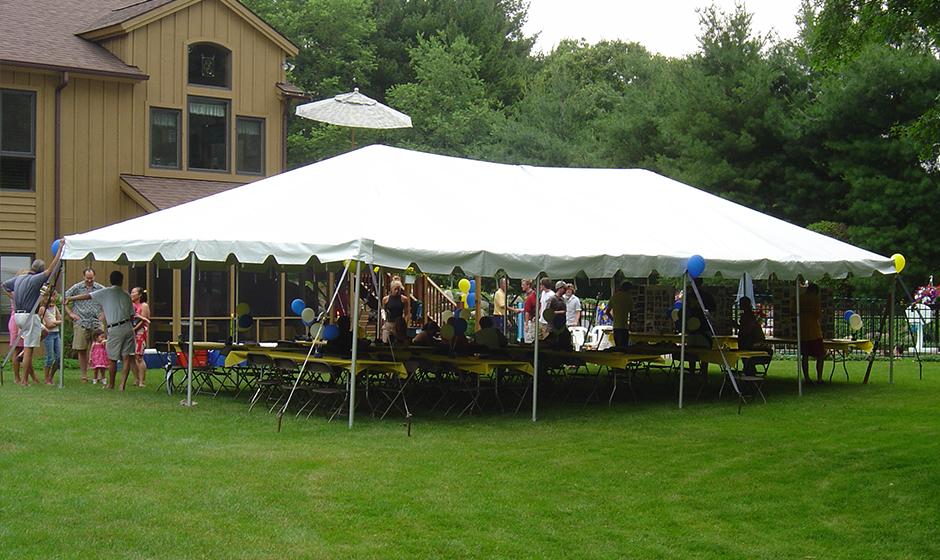
It is easy to focus on dimensions without translating them into practical use. A 20x60 frame tent measures 20 feet in width and 60 feet in length, giving you a long rectangular footprint that works particularly well for segmented event layouts.
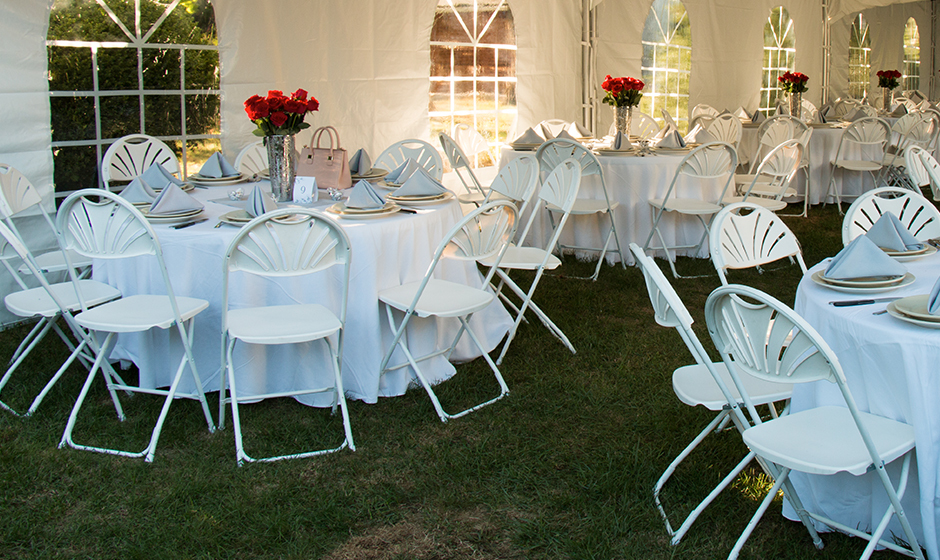
In real-world terms, this space comfortably accommodates approximately 120 to 150 guests seated at round tables with appropriate spacing for movement and service. If banquet-style tables are used, the number may increase slightly. Cocktail-style receptions, where seating is reduced, can support even higher attendance while maintaining flow.
The elongated shape allows planners to divide the interior into functional zones. Dining can occupy one end, entertainment or a dance floor the center, and catering or bar service the opposite end. Because there are no interior poles, these zones feel intentional rather than forced around structural obstructions.
This layout efficiency is one of the primary reasons event professionals gravitate toward frame tent systems in this size.
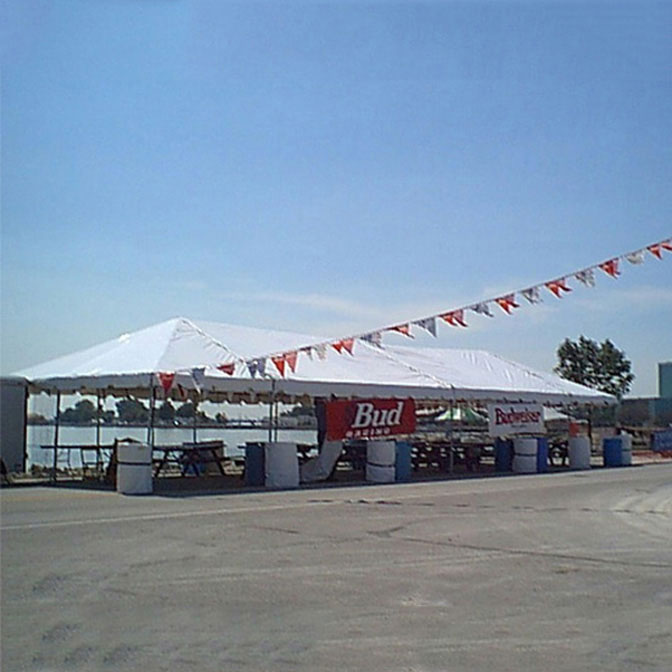
Why a Frame Tent Instead of a Pole Tent?
The structural distinction between frame tents and pole tents becomes far more noticeable at larger sizes.
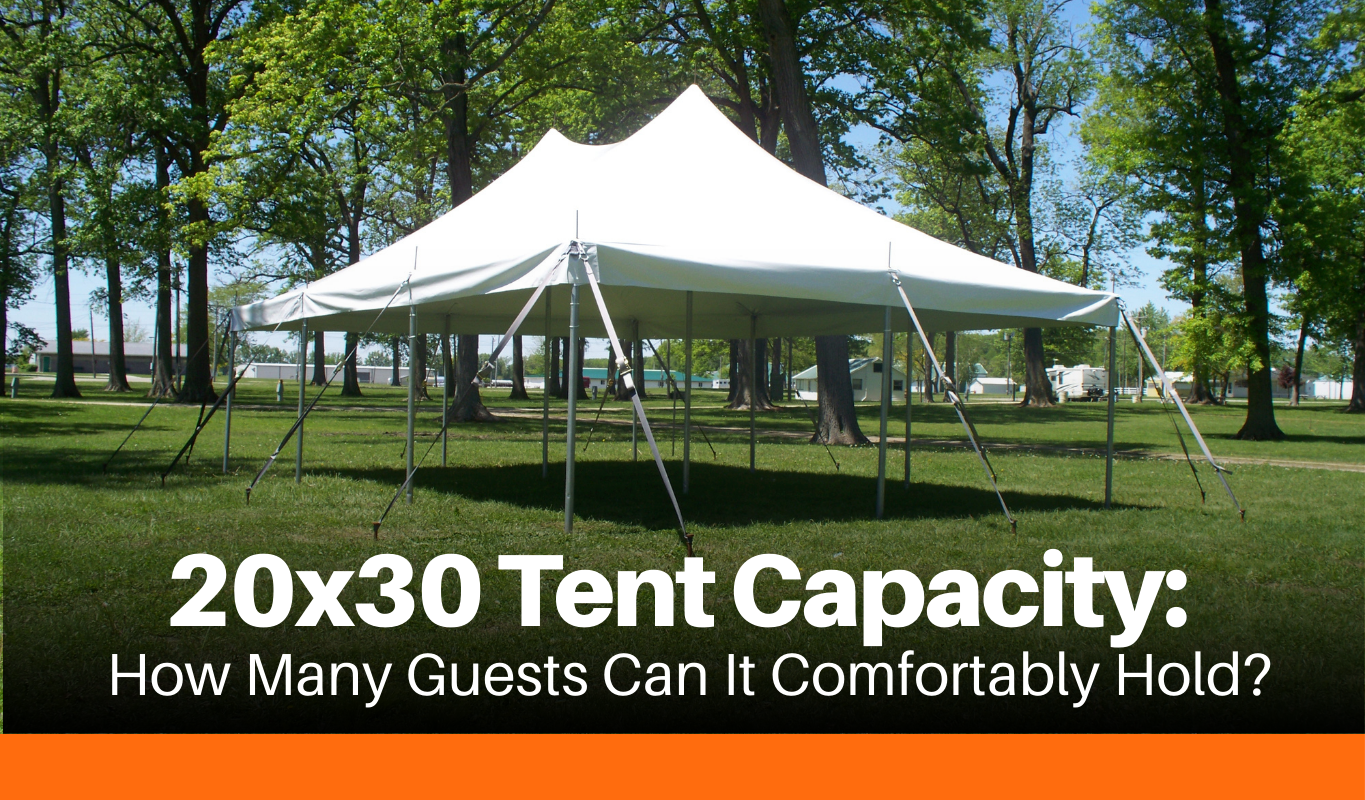
Pole Tent
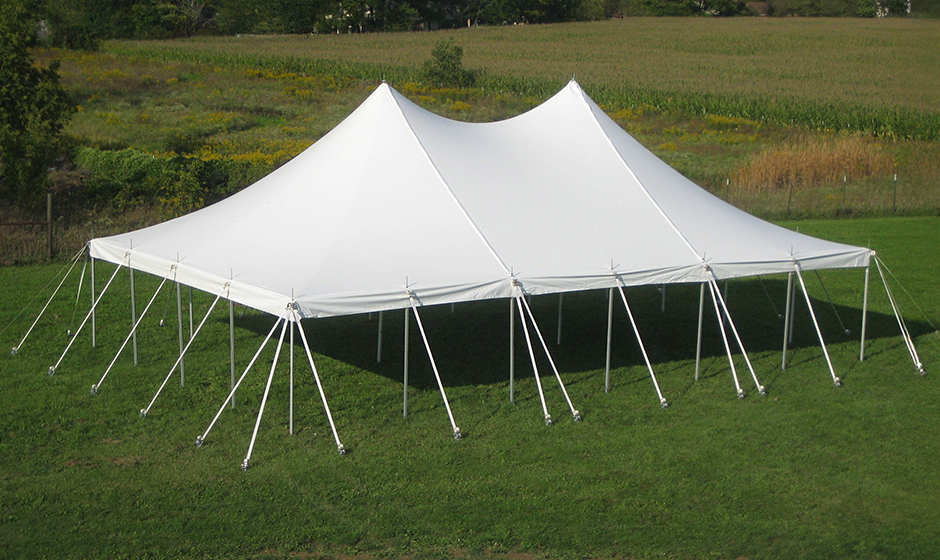
A pole tent depends on center poles and perimeter tension to maintain its shape. While visually classic and often more economical, pole tents introduce interior obstructions that limit design flexibility. In smaller configurations, that may not be a major concern. In a 20x60 footprint, however, those center poles can significantly affect floor planning.
Frame Tent
A 20x60 frame tent uses an aluminum support structure that carries the load through its perimeter and overhead grid. The result is a completely open interior. No center poles. No compromised sightlines. No restricted dance floor placement.
For weddings with elaborate décor, corporate events with presentation screens, or galas requiring symmetrical layouts, that structural clarity matters.
It also makes a practical difference when accessibility is a concern. Clear pathways and ADA-compliant circulation are easier to achieve in an unobstructed interior.
Installation Considerations for a 20x60 Frame Tent
At 1,200 square feet, this is a substantial structure. Installation requires planning, experienced crew members, and proper anchoring.
Unlike smaller backyard tents, a 20x60 frame tent is assembled through a methodical process. The aluminum frame components are connected first, forming the skeletal structure. Once the frame is square and level, the tent top is tensioned over the system and secured. Anchoring is finalized last, ensuring proper tension across the entire structure.
Surface type influences installation strategy. On grass or compact soil, heavy-duty stakes are typically used. On concrete or asphalt, weighted ballast systems replace stakes. These ballast systems add time and logistical coordination but provide safe anchoring without ground penetration.
Weather also plays a role. Larger frame sections require careful lifting procedures. Wind conditions may slow installation to maintain crew safety and structural integrity.
Professional rental companies build these variables into their scheduling, ensuring realistic setup windows.
Layout Flexibility and Event Design Potential
The value of a 20x60 frame tent is most evident once interior planning begins.
Because the interior is fully open, designers can suspend lighting systems, install ceiling liners, or incorporate draping without navigating around center poles. Chandeliers can be aligned precisely over dance floors. Floral installations can be positioned symmetrically. Stages can be centered without structural compromise.
For corporate events, audiovisual equipment benefits from unobstructed sightlines. Projection screens, LED walls, and presentation stages can be placed with precision.
For weddings, the long rectangular footprint lends itself beautifully to aisle-style seating arrangements or elongated reception tables that create dramatic visual impact.
In short, the structure supports creativity rather than limiting it.
Weather Protection and Enclosure Options
A 20x60 frame tent can be fully enclosed, extending its usability beyond fair-weather conditions.
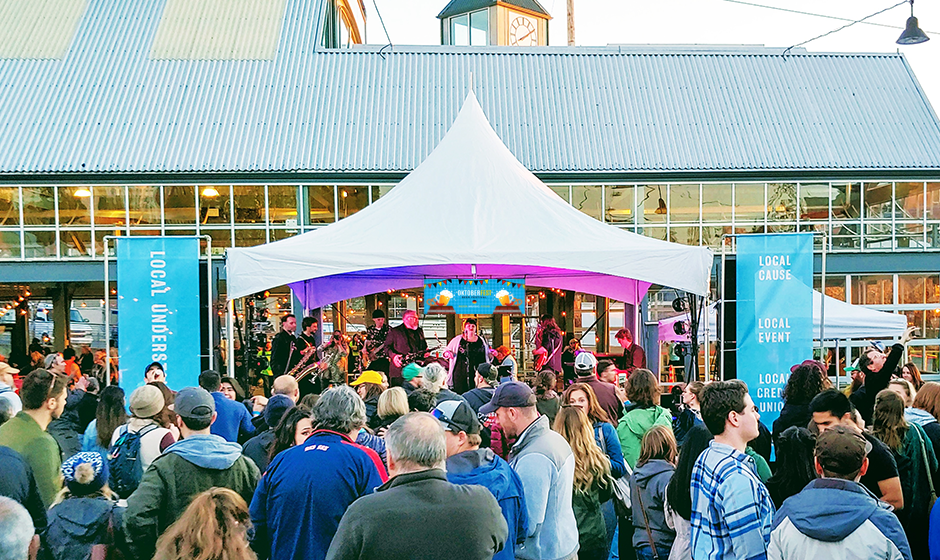
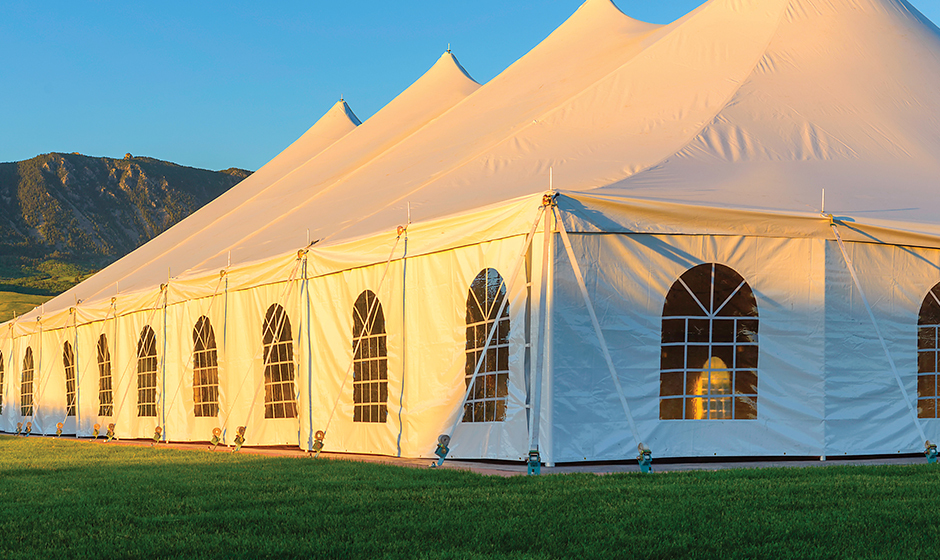
Solid sidewalls provide wind resistance and privacy. Window panels introduce natural light while maintaining protection. Clear vinyl panels create a high-end look that blends indoor comfort with outdoor visibility.
When fully enclosed, the structure can support climate control equipment, including portable heaters or cooling units. This makes it viable for spring and fall events where temperature shifts are common.
The ability to adapt to weather conditions adds long-term value, especially for rental companies operating across multiple seasons.
Durability and Commercial Performance
Commercial-grade 20x60 frame tents are built with heavy-duty vinyl tops and reinforced seams designed to withstand repeated installation cycles. The aluminum framework resists corrosion and maintains structural alignment even after multiple uses.
This durability matters most for rental operators. A tent that performs reliably season after season reduces repair costs, improves crew efficiency, and protects reputation.
For private buyers, durability ensures that the investment extends beyond a single event.
When evaluating cost, lifespan should be weighed alongside purchase price.
Revenue Potential for Rental Businesses
For event rental companies, a 20x60 frame tent occupies an important position in the inventory lineup. It is large enough to command strong rental pricing yet not so large that it requires oversized transport equipment or unusually large crews.
Because it accommodates mid-to-large guest counts, demand remains consistent. Weddings, corporate events, graduations, and community gatherings frequently fall within this size range.
A well-maintained 20x60 frame tent can generate consistent revenue across peak seasons, making it a strategic addition for businesses seeking to expand beyond smaller backyard rentals.
Comparing a 20x60 Frame Tent to Larger Options
While this size covers 1,200 square feet, some events may require even greater capacity. When guest counts exceed 150 seated with additional dance floor and staging requirements, moving to a larger footprint may provide better comfort.
However, larger tents increase installation complexity, labor requirements, and transport logistics.
The 20x60 frame tent often represents the balance point where scale meets efficiency. It delivers substantial coverage without crossing into large-scale festival infrastructure.
Is a 20x60 Frame Tent Right for Your Event?
The decision ultimately depends on three factors: guest count, layout requirements, and surface conditions.
If your event requires a clean interior, structured seating plans, and professional presentation, this size offers strong advantages. If installation must occur on concrete or other hard surfaces, the frame design provides flexibility that pole tents cannot.
For planners who value both capacity and layout freedom, the 20x60 frame tent consistently stands out as a practical and visually polished solution.
Final Thoughts on the 20x60 Frame Tent
A 20x60 frame tent is not simply a larger canopy. It is a structural solution designed to support significant gatherings with professionalism and flexibility.
Its 1,200 square feet of open space allows for creative layouts, efficient guest flow, and dependable performance across various surfaces. Whether used for weddings, corporate events, or rental fleet expansion, it delivers a balance of scale and practicality.
When chosen carefully and installed correctly, this size becomes a foundation for memorable, well-executed events.
Need a Professional 20x60 Frame Tent Solution?
Explore commercial-grade frame tents engineered for open interior layouts, reliable anchoring, and long-term performance — designed to support high-demand events with confidence.
View 20x60 Frame Tent OptionsOpen Interior Design | Engineered Aluminum Frame | Commercial Durability
FAQ
How many people fit in a 20x60 frame tent?
A 20x60 frame tent provides 1,200 square feet of open space and typically accommodates between 120 and 150 guests seated at round tables, depending on layout and spacing. Cocktail-style receptions can hold more guests, while adding a dance floor or stage will reduce seating capacity.
Can a 20x60 frame tent be installed on concrete?
Yes. Frame tents can be installed on concrete or asphalt using weighted ballast systems instead of ground stakes. Professional anchoring is essential for safety and stability.
How long does it take to set up a 20x60 frame tent?
Professional installation typically takes several hours depending on crew size, site access, surface conditions, and added accessories such as sidewalls or lighting.
Is a 20x60 frame tent better than a pole tent?
Frame tents offer a completely open interior without center poles, allowing greater layout flexibility. Pole tents may be more economical and visually traditional, but they introduce interior obstructions.
Can a 20x60 frame tent be expanded later?
Many commercial frame tent systems are modular, allowing additional sections to be added. Expansion compatibility depends on the specific manufacturer and frame system.