



Why Choose High Peak Tents for Events?
High peak tents are often selected when an event needs to feel elevated, open, and thoughtfully designed without becoming overly formal. The tall peaks immediately change the way an outdoor space feels, turning an open area into something that resembles a purpose-built venue rather than a temporary setup.
From weddings and private celebrations to corporate functions and community events, high peak tents strike a balance between visual appeal and practical performance. They don’t rely on heavy décor to make an impact. The structure itself does much of the work.
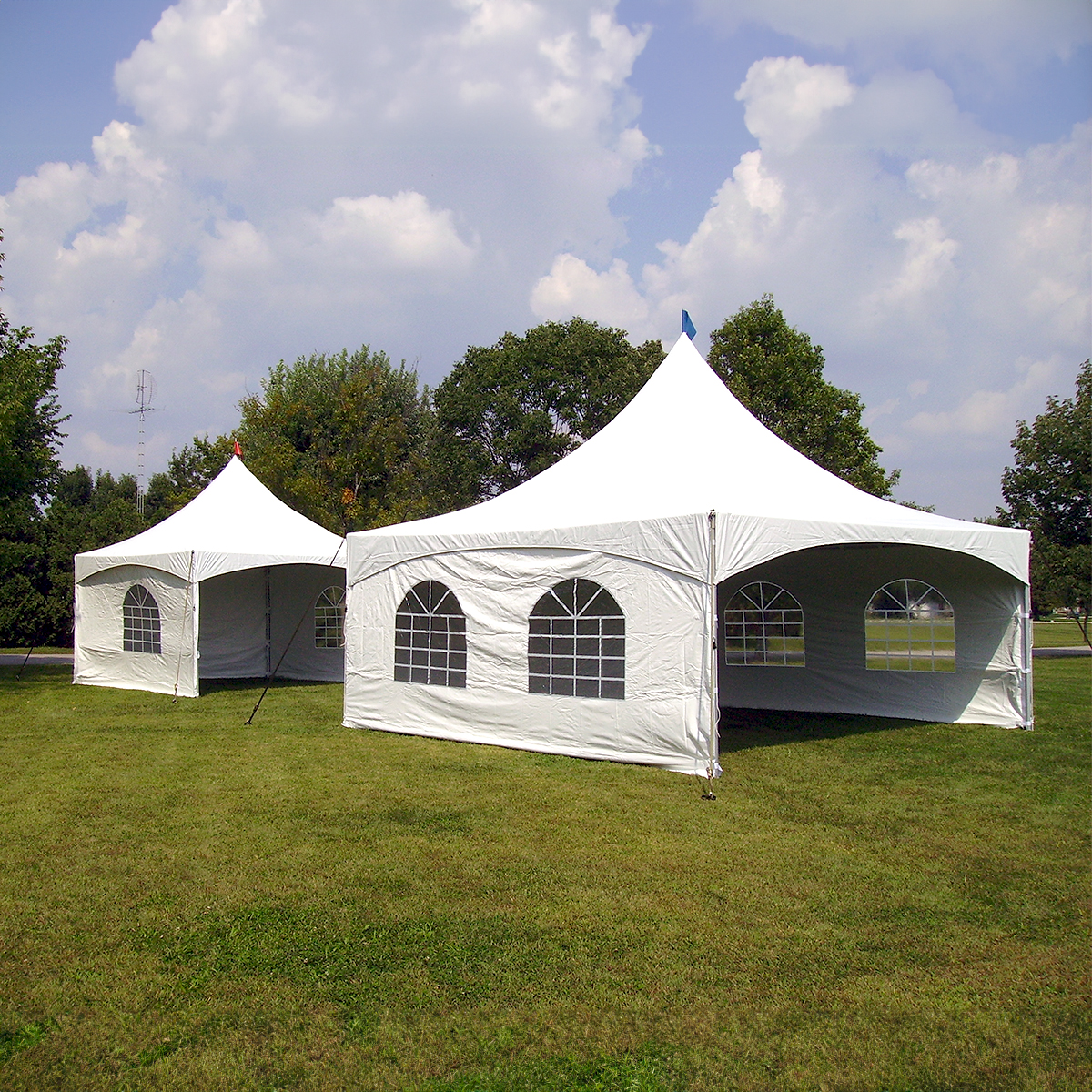
One of the best parts of a high peak tent is that it creates instant “venue energy.” Even before tables, lighting, or florals go in, the silhouette and height make the space feel intentional. That’s why high peak styles are a go-to for events where first impressions matter.
The extra vertical room also helps with comfort. It keeps the interior from feeling tight during busy moments, and it gives planners more options for lighting, décor, and layout without the tent feeling overcrowded.
What Defines a High Peak Tent
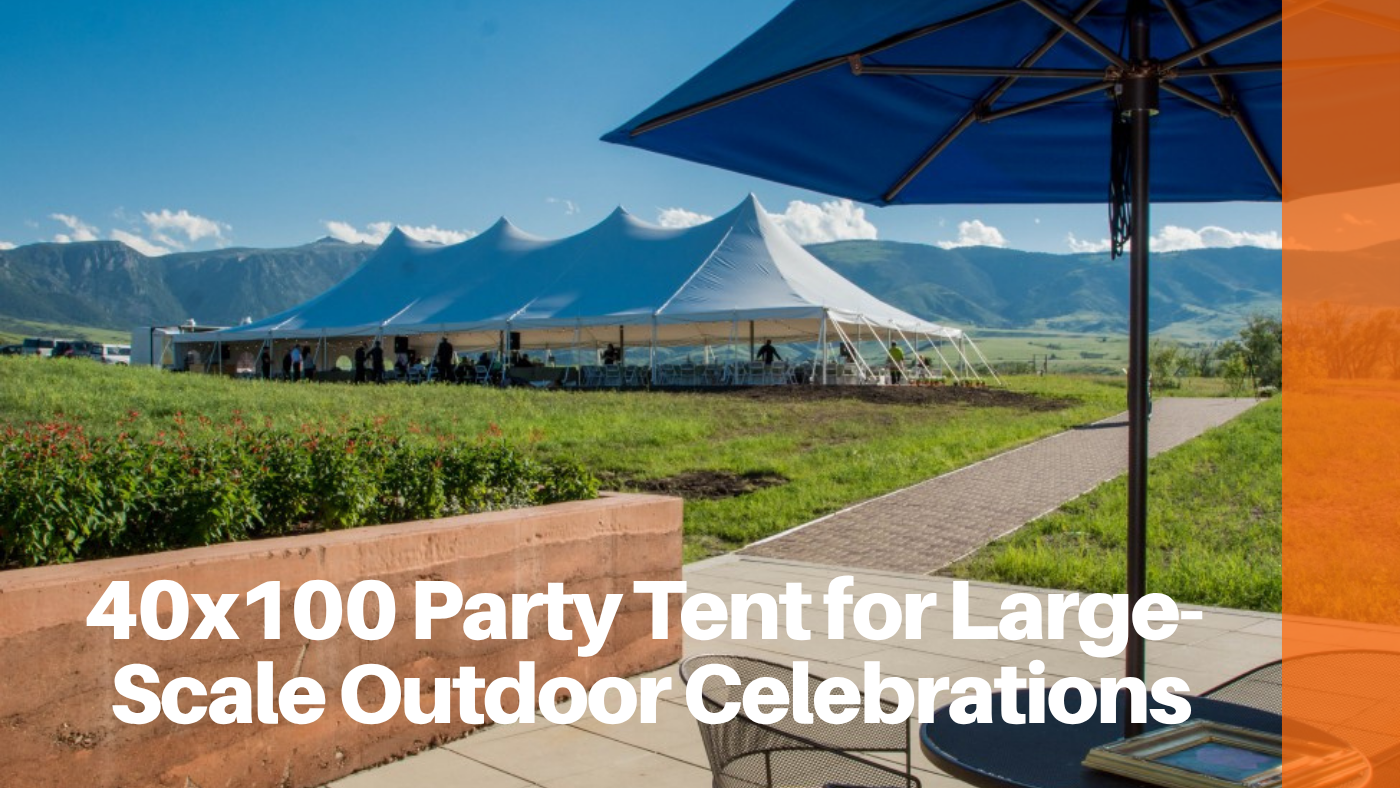
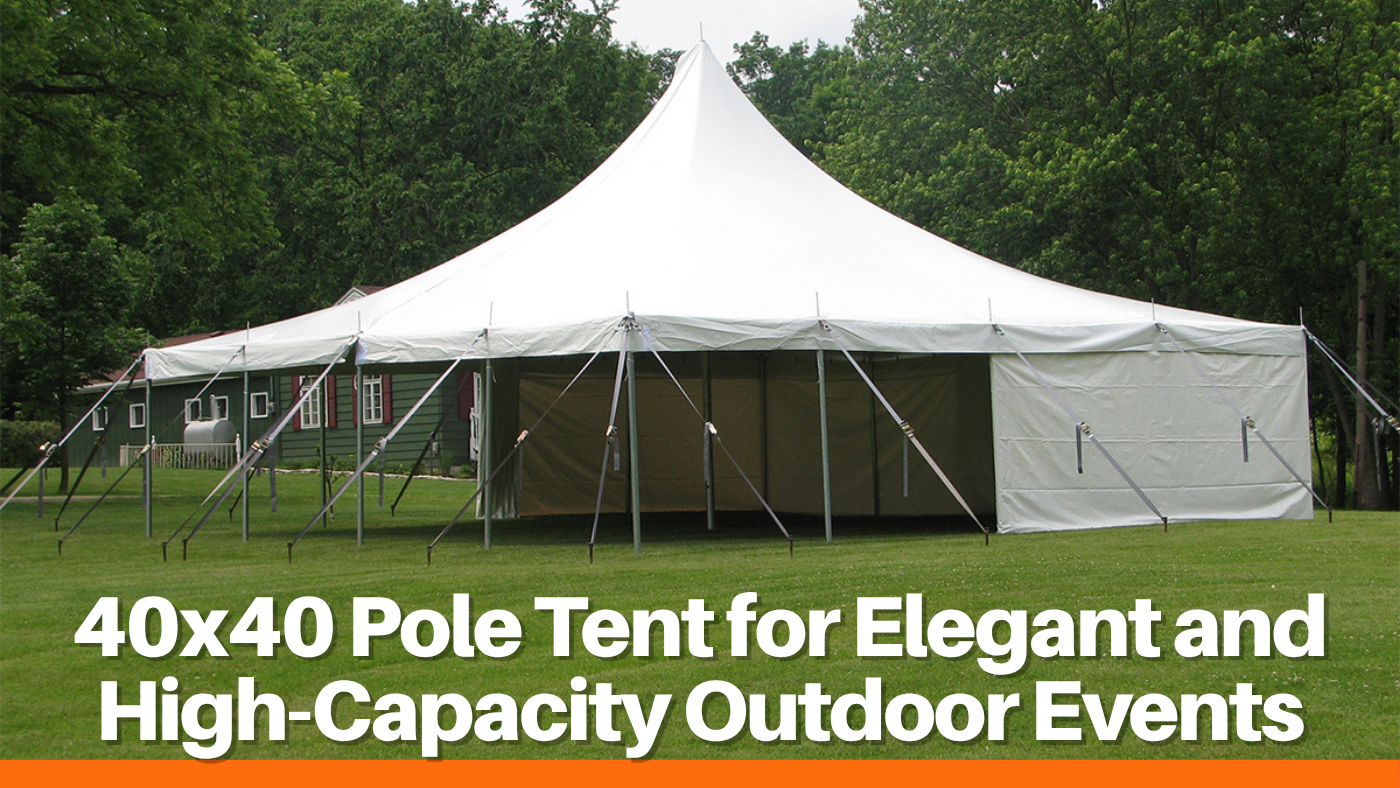
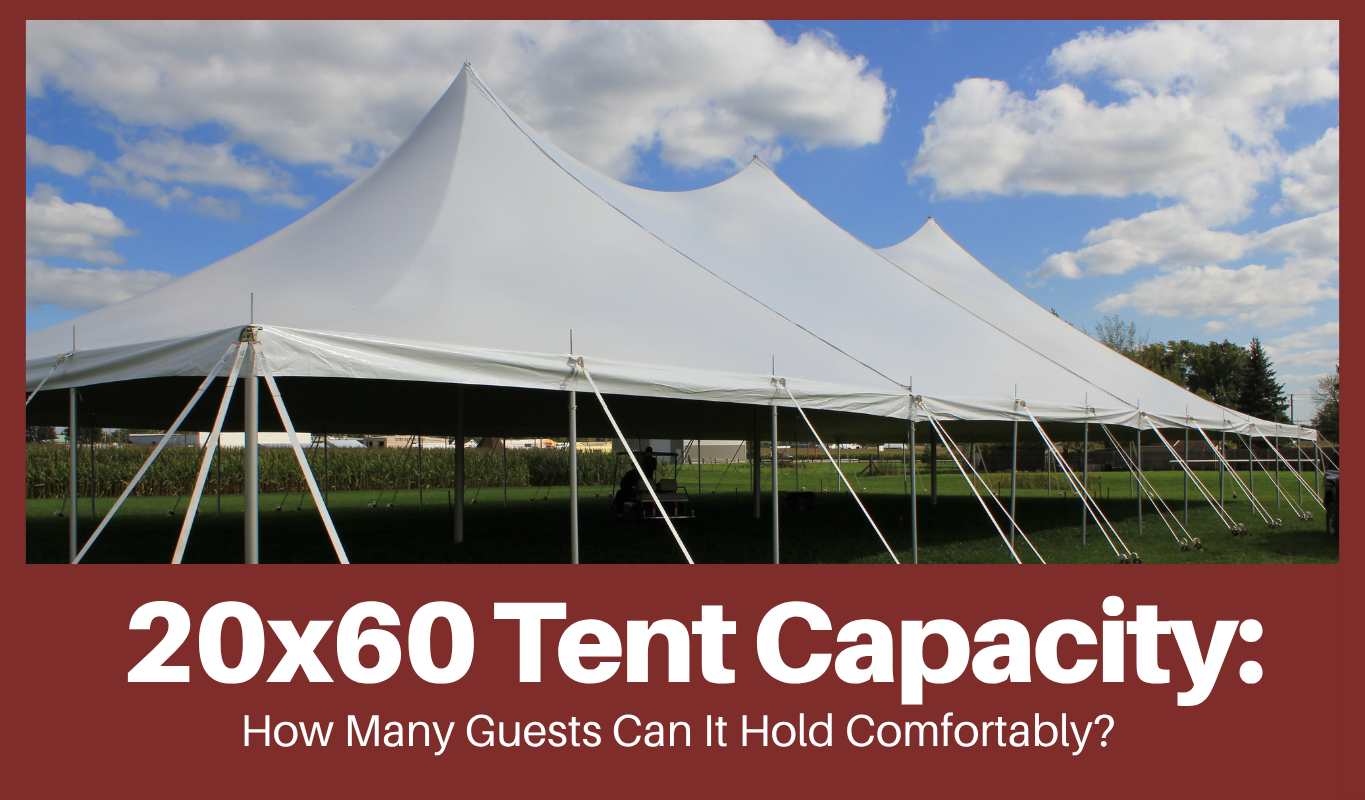
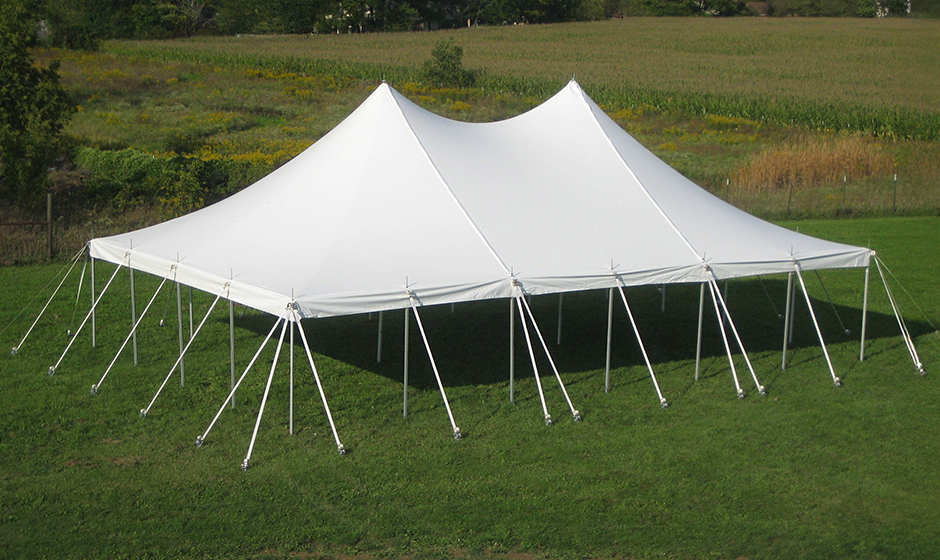
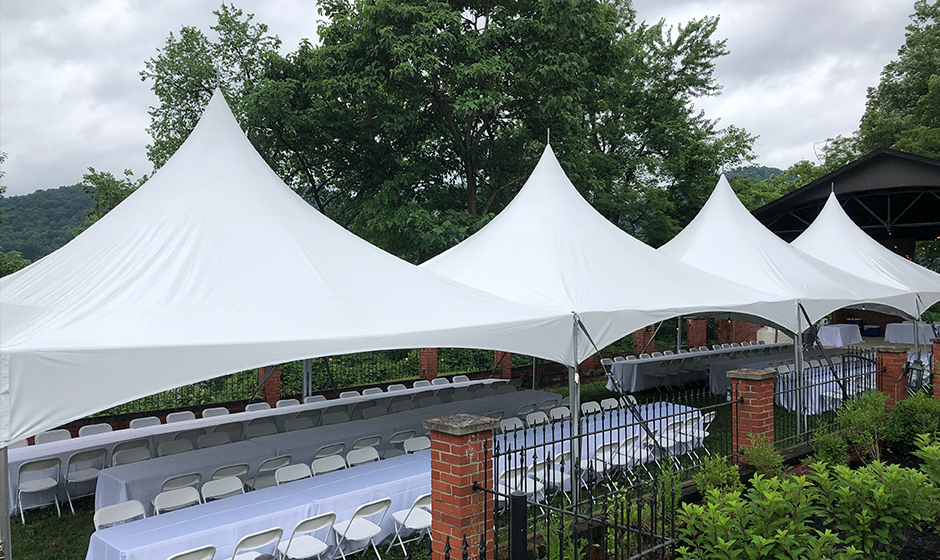
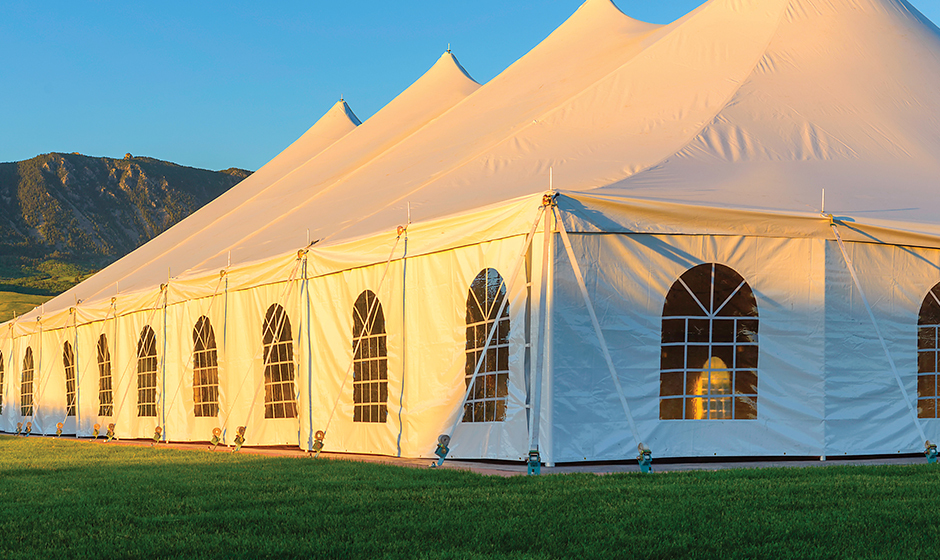
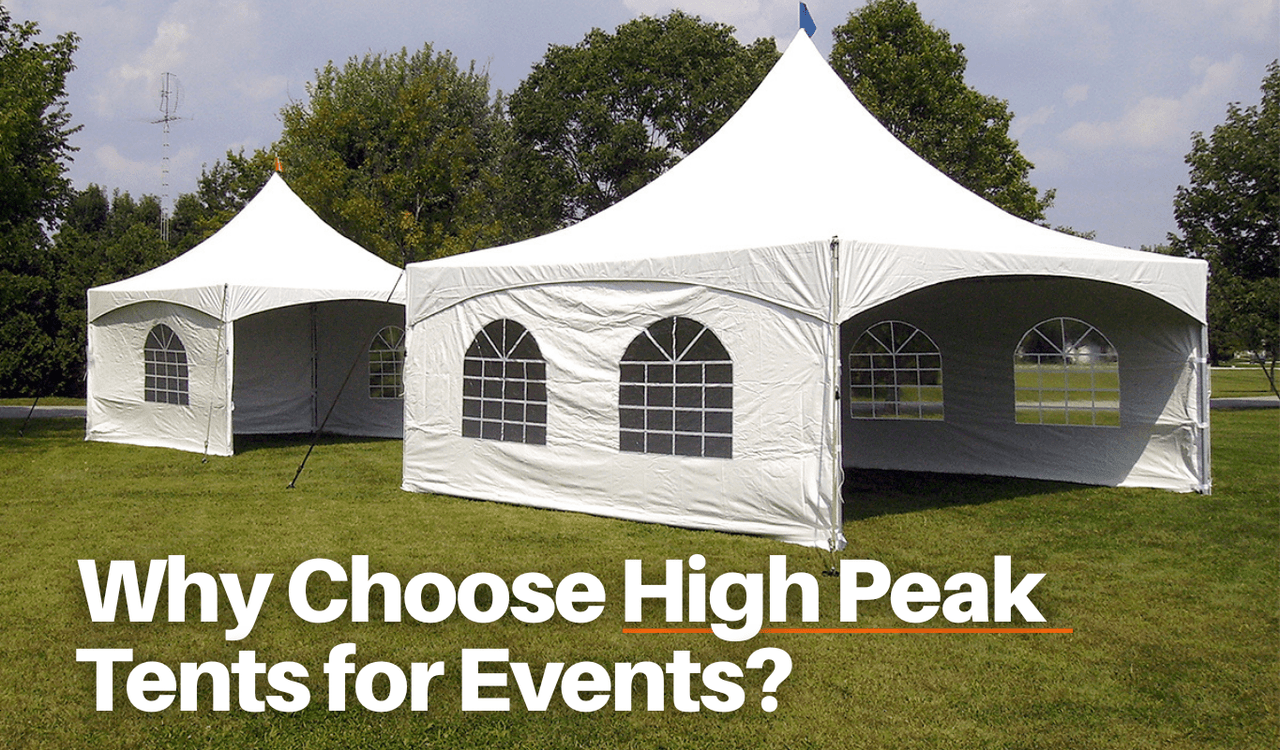
The most recognizable feature of high peak tents is the raised center peak. This vertical design creates more interior height and a distinct silhouette that stands out from standard frame or low-profile tents.
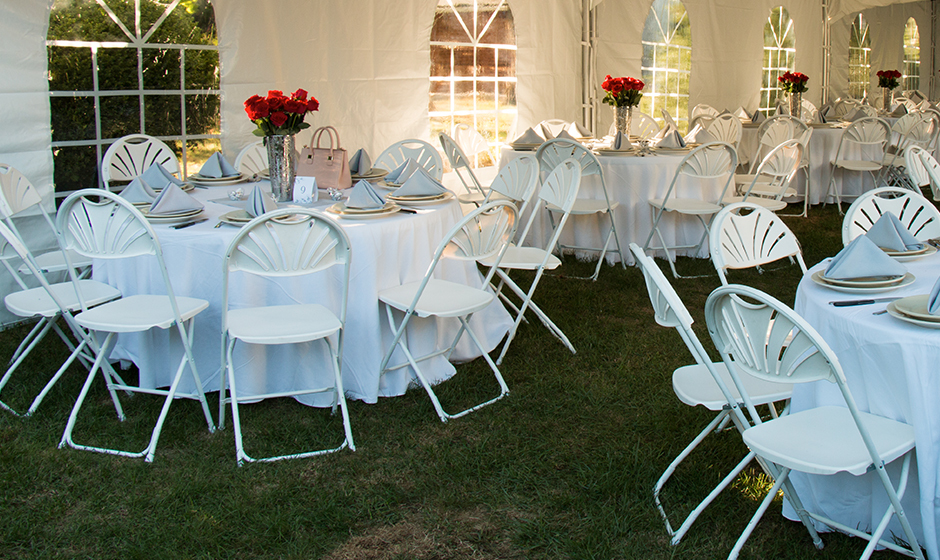
Inside the tent, the added height creates a sense of openness. Guests feel less confined, even when the tent is filled with tables, lighting, and décor. This vertical space also improves airflow, which helps maintain comfort during longer events.
Why Event Hosts Gravitate Toward High Peak Tents
Many event hosts choose high peak tents because they elevate the overall look of an event with minimal effort. Even before décor is added, the tent itself creates a refined atmosphere.
High peak tents are especially popular when the goal is to create an experience that feels intentional rather than improvised. They signal planning and attention to detail without feeling overly structured or rigid.
High Peak Tents and Wedding Aesthetics
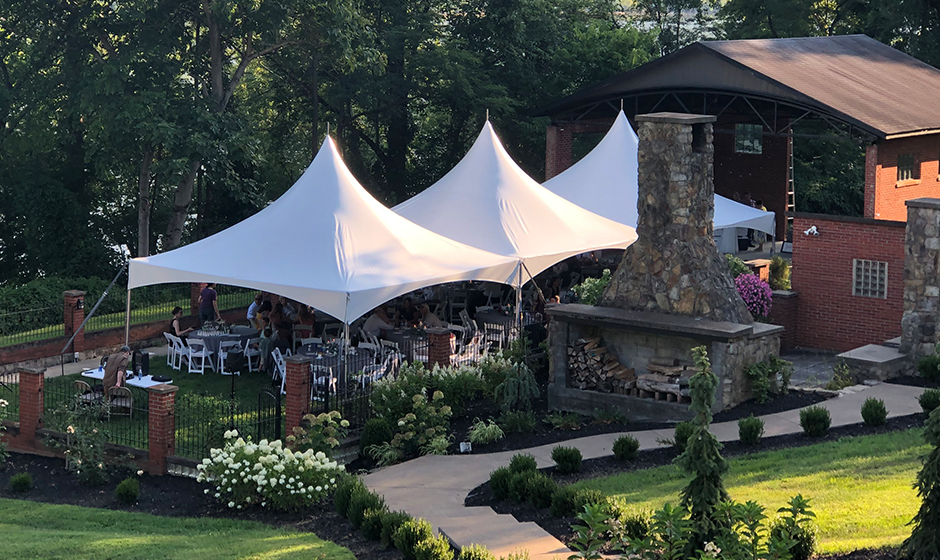
Weddings often rely on visual harmony, and high peak tents support that naturally. The height draws the eye upward, creating a sense of elegance that works well with floral installations, draping, and lighting.
Because the tent design is neutral, it adapts easily to different wedding styles. Whether the theme is classic, modern, rustic, or minimalist, the tent complements the design instead of competing with it.
How Height Changes the Guest Experience
Vertical space plays a bigger role in comfort than many people expect. In a high peak tent, guests don’t feel compressed, even when seating, bars, and dance floors are set up inside.
The openness reduces noise buildup and helps maintain a relaxed atmosphere. Guests can move comfortably, conversations flow more easily, and the space feels balanced throughout the event.
Lighting Works Better in High Peak Tents
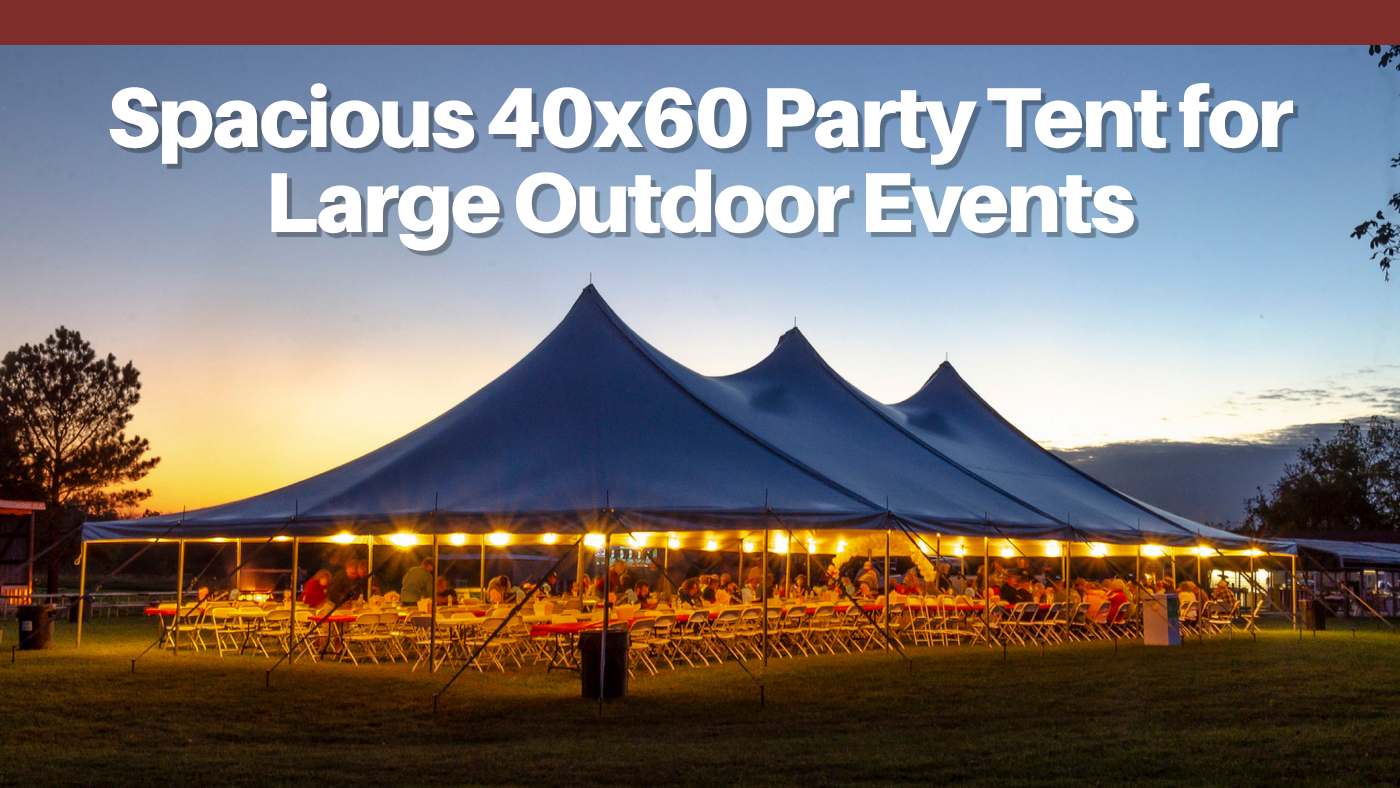
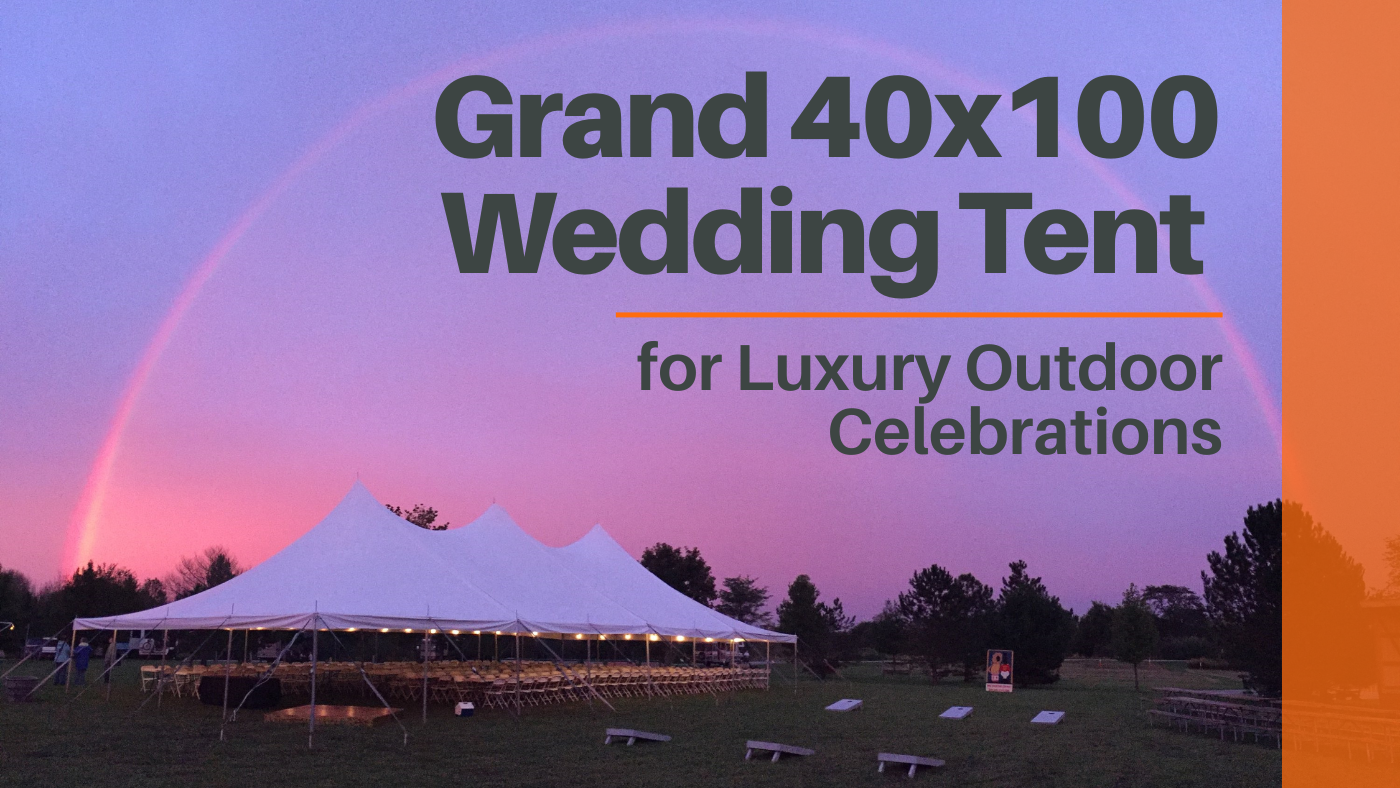
Lighting is one of the biggest advantages of high peak tents. The added height allows lighting to be layered rather than concentrated at eye level.
String lights, chandeliers, uplighting, and suspended décor all benefit from the extra vertical space. Light spreads more evenly, creating a warm and inviting environment that transitions smoothly from day to evening.
Layout Flexibility Inside the Tent
High peak tents offer flexibility when it comes to layout. Dining areas, lounge spaces, bars, and dance floors can all coexist without the space feeling crowded.
Because the interior feels larger than the footprint alone suggests, planners have more freedom to adjust layouts as the event evolves. This flexibility is especially useful for weddings and multi-phase events that move from ceremony to reception.
High Peak Tents for Different Event Types
While weddings are a common use, high peak tents work well for many other events.
They are often used for:
- corporate gatherings and brand events
- charity fundraisers and galas
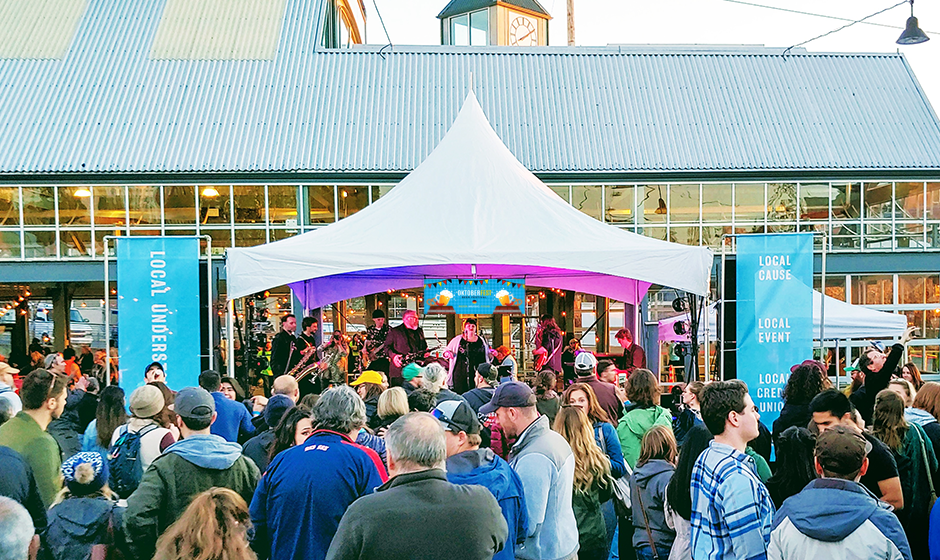
- community celebrations and festivals
- private parties and milestone events
In each case, the tent adds structure and presence without overwhelming the setting.
Weather Performance and Stability
High peak tents are designed to perform reliably in outdoor environments. The shape helps shed water efficiently, and the structure supports consistent tension across the canopy.
While no tent eliminates the need for proper anchoring and planning, high peak tents handle weather changes more predictably than flatter designs. This reliability adds confidence for hosts and planners alike.
Sidewalls and Accessories With High Peak Tents
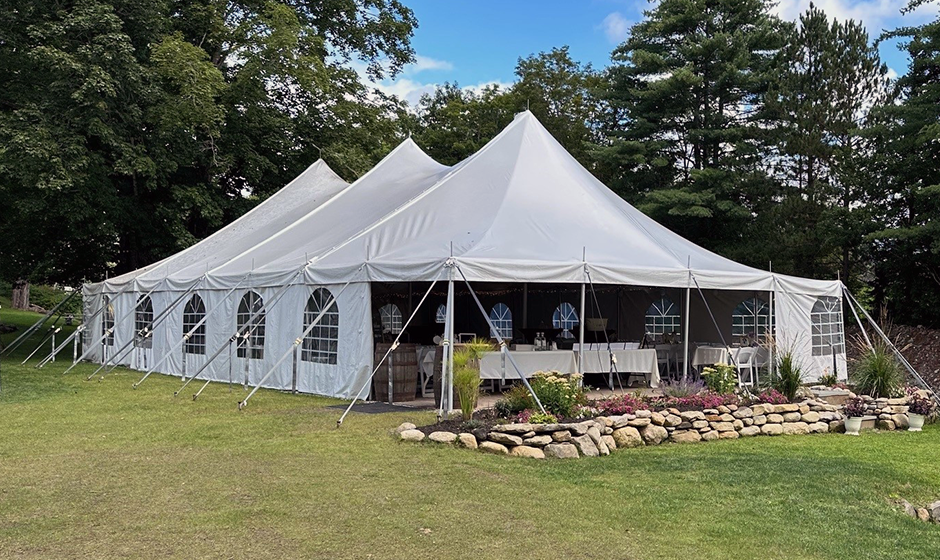
Sidewalls are commonly used with high peak tents to adapt to changing conditions. They can be added for wind protection, temperature control, or privacy without compromising the overall look.
Clear or window sidewalls maintain visibility and light, while solid sidewalls create a more enclosed environment when needed. Accessories such as flooring, heaters, and décor integrate easily with the structure.
If your event runs from daytime into evening, plan your lighting with the peak height in mind. High peak tents make it easier to layer lighting—ambient overhead plus accent lighting around key areas—so the space feels warm without becoming harsh or uneven after dark.
Why High Peak Tents Photograph So Well
Photography is a major consideration for many events, especially weddings. High peak tents create clean lines and a sense of scale that translates beautifully in photos.
The height allows photographers to capture wide shots without clutter, while lighting reflects softly off the canopy. The result is a space that looks as good on camera as it feels in person.
Setup Considerations for High Peak Tents
Although visually impressive, high peak tents are designed for efficient setup when installed by experienced crews. Components align predictably, and the structure maintains its shape once tensioned correctly.
Proper planning around site access, ground conditions, and layout ensures a smooth installation and helps the tent perform as intended throughout the event.
When High Peak Tents Make the Most Sense
High peak tents are ideal when:
- visual impact is important
- guest comfort is a priority
- lighting and décor play a key role
- the event spans several hours
- the space needs to feel open and refined
They may not be necessary for every gathering, but for events where atmosphere matters, they often become the preferred choice.
High Peak Tents as a Long-Term Event Solution
For venues, rental companies, and frequent hosts, high peak tents offer long-term value. Their adaptability across event types and consistent performance make them a reliable option season after season.
When maintained properly, they continue to deliver both function and presentation over time.
Why High Peak Tents Continue to Grow in Popularity
As outdoor events become more common, expectations around comfort and appearance have increased. High peak tents meet those expectations by offering structure without sacrificing openness.
They allow events to feel elevated while still embracing the outdoor environment. That balance is why they remain a popular choice across many event categories.
Considering High Peak Tents for Your Next Event
If your event calls for a tent that does more than provide basic coverage, high peak tents are worth considering. Their shape, height, and adaptability help transform open spaces into venues that feel intentional and welcoming.
You can explore different high peak tent configurations and compatible accessories at gettent.com to see how these tents can support your specific event needs.
FAQ
What are high peak tents best used for?
High peak tents are commonly used for weddings, formal events, corporate functions, and gatherings where appearance and comfort are important. The tall peaks create an instant sense of structure without making the space feel closed in. They work well for both day and evening timelines because the interior height supports lighting and décor. Many hosts choose them when they want a setup that looks polished without relying on heavy decoration. The result is a venue-like feel in an outdoor setting.
Do high peak tents feel larger inside than standard tents?
Yes. The added vertical height creates a more open interior that feels less confined, even with full layouts. Guests notice the difference when the space is busy because movement feels easier and the ceiling doesn’t feel low. This can help the event feel calmer and more comfortable over several hours. The interior also tends to feel more balanced once lighting and décor are installed. It’s one of the main reasons high peak tents are chosen for weddings and upscale gatherings.
Can high peak tents be used in different weather conditions?
When properly installed and anchored, high peak tents handle changing weather predictably and shed water effectively. The canopy shape supports runoff rather than allowing water to sit on flatter sections. That said, weather planning still matters, especially for wind and temperature shifts. Sidewalls, anchoring choices, and site conditions all play a role in performance. With the right setup, high peak tents are a reliable option for outdoor events where conditions can change.
Are high peak tents suitable for evening events?
Yes. Their height allows for layered lighting designs that create a warm, balanced atmosphere after dark. Instead of having all lighting at eye level, you can use overhead ambient lighting plus accent lighting around key areas. This helps the space feel elegant without becoming harsh or overly bright. The added height also gives more room for suspended décor and statement fixtures. For events that transition from day to night, this is a major advantage.
Do high peak tents work with sidewalls?
Sidewalls can be added or removed as needed to manage wind, temperature, or privacy while maintaining the tent’s appearance. Clear or window sidewalls are popular when you want protection without losing visibility and natural light. Solid sidewalls are helpful for cooler evenings or when privacy is needed for service areas. Many events use partial sidewalls to block wind direction while keeping the setup open and welcoming. This flexibility helps the same tent adapt across different conditions.
Are high peak tents more expensive than standard tents?
They can be, depending on size and materials, but many hosts feel the visual and comfort benefits justify the cost. The added height and silhouette often reduce the need for heavy décor to achieve a polished look. In many cases, the overall value comes from guest comfort, photos, and how the space feels throughout the event. Pricing also depends on accessories like sidewalls, flooring, and lighting. Comparing options based on total experience—not just the tent itself—usually gives the clearest answer.
Can high peak tents be reused for different event types?
Yes. Their neutral design and flexibility make them suitable for a wide range of events beyond weddings. Layout, furniture choices, and accessories can completely change the feel of the space while the tent remains the same. This makes high peak tents a practical option for venues and rental companies that need one style to serve many booking types. Over time, that adaptability supports better inventory planning. It’s also why high peak tents stay in demand across seasons.
Why do planners often recommend high peak tents?
Planners value their balance of aesthetics, comfort, and reliability, which helps events feel polished without excessive décor. The height improves airflow and reduces that “crowded tent” feeling during peak moments. They also photograph beautifully and allow more flexibility with lighting and ceiling décor. When installed correctly, they perform predictably across many event formats. For planners, that combination means fewer compromises and a smoother guest experience.