



Why Is Party Rental Equipment So Important for Smooth, Professional Events?
Party rental equipment is the foundation of how events actually function. Long before décor is noticed or music starts, the success of a gathering depends on whether the basics work the way they should. Tents need to stay stable, tables need to sit level, chairs need to stack and move easily, and accessories need to integrate without slowing crews down.
For rental companies, venues, and planners, equipment is not just inventory. It’s the system that determines efficiency, consistency, and how confidently events can be executed again and again.
The fastest way to feel the difference between average equipment and professional rental gear is on a busy setup day. When everything is standardized and built for repeat handling, crews move with confidence. When items are mismatched, fragile, or inconsistent, small delays add up quickly and create stress that doesn’t need to exist.
Reliable party rental equipment makes events easier to run because it removes guesswork. You know the tent will tension correctly, you know tables will lock, and you know chairs will stack cleanly at teardown. That predictability is what turns event execution into a repeatable process instead of a constant scramble.
What Counts as Party Rental Equipment
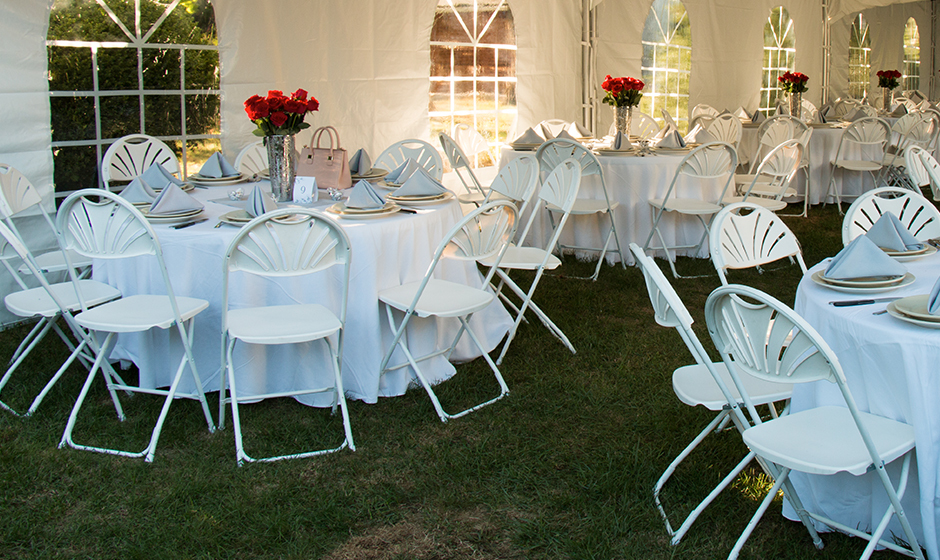
Party rental equipment includes the essential pieces that turn an empty space into a usable event environment. This often starts with tents, tables, and chairs, but it quickly expands to sidewalls, lighting, flooring, staging, heaters, fans, and service accessories.
Each item plays a role. When equipment works together properly, events feel organized and intentional. When pieces are mismatched or unreliable, problems show up quickly—usually when time is limited and expectations are high.
Why Equipment Quality Matters More Than Style
In rental operations, durability matters more than appearance alone. Equipment is moved, stacked, loaded, unloaded, and installed repeatedly. Materials and construction determine whether items survive this cycle or slowly degrade.
Quality party rental equipment holds its shape, aligns consistently, and performs the same way every time. This predictability reduces setup time, limits damage, and keeps crews confident even during busy schedules.
Consistency Is the Key to Efficiency
One of the biggest advantages of investing in the right party rental equipment is consistency. When tables are the same height, chairs stack the same way, and tents share compatible components, planning becomes easier.
Layouts can be reused. Training is simplified. Crews don’t need to relearn how equipment behaves for every event. Over time, this consistency saves labor hours and reduces mistakes that lead to delays.
Core Party Rental Equipment and What It Solves
| Equipment Category | Main Purpose | What to Prioritize |
|---|---|---|
| Tents | Creates the event environment and coverage | Frame strength, fabric tension, accessory compatibility |
| Tables | Supports dining, service, displays, and workflow | Stable legs, reliable locks, stack efficiency |
| Chairs | Guest comfort and seating density | Comfort, weight rating, clean stacking and transport |
| Sidewalls | Weather control, privacy, and space definition | Correct fit, clean attachment, durability under wind load |
| Lighting & Power | Function and ambiance, especially at night | Safe install, consistent output, cable management |
| Flooring | Comfort, safety, and a cleaner finish | Leveling, traction, fast assembly and teardown |
| Climate Accessories | Temperature comfort in changing conditions | Right capacity, placement planning, safe operation |
Tents as the Backbone of Rental Inventory
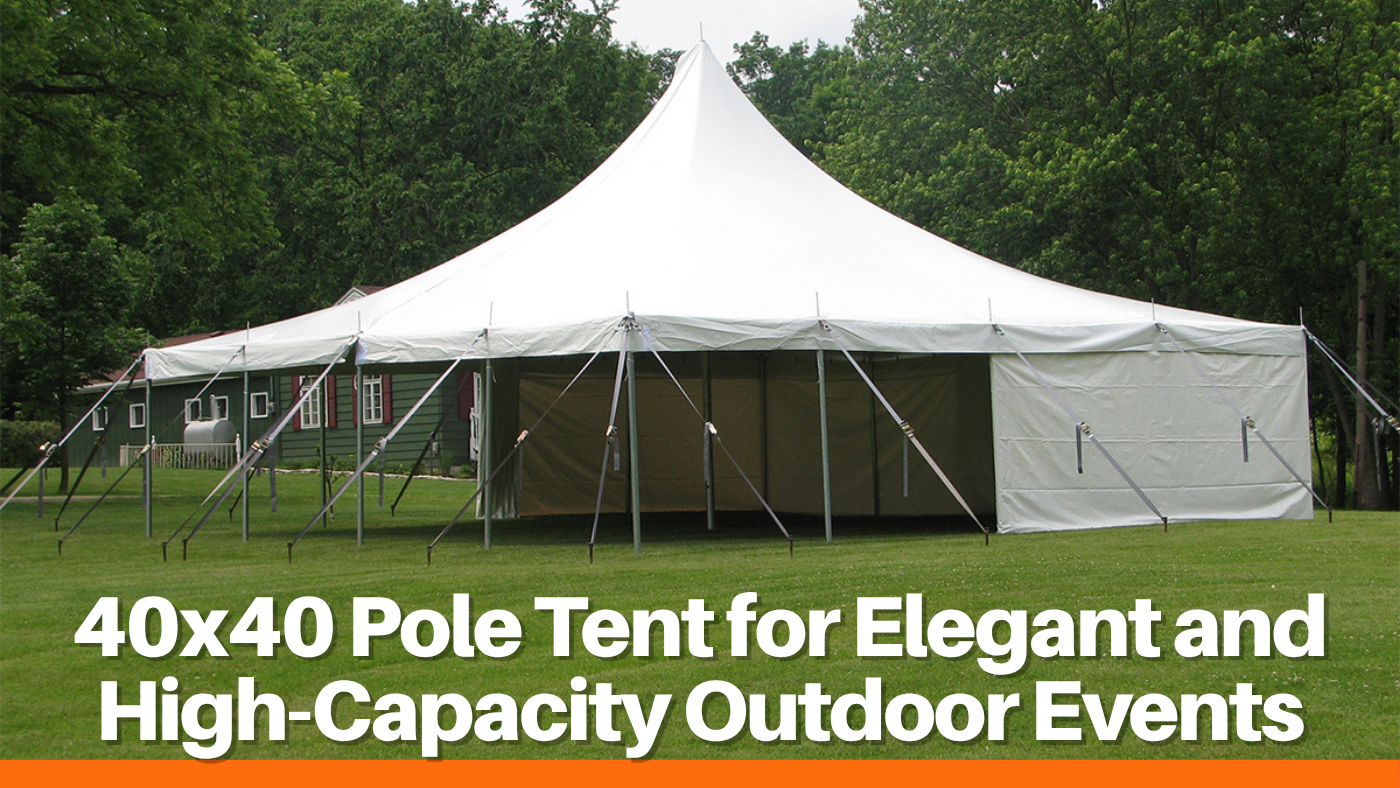
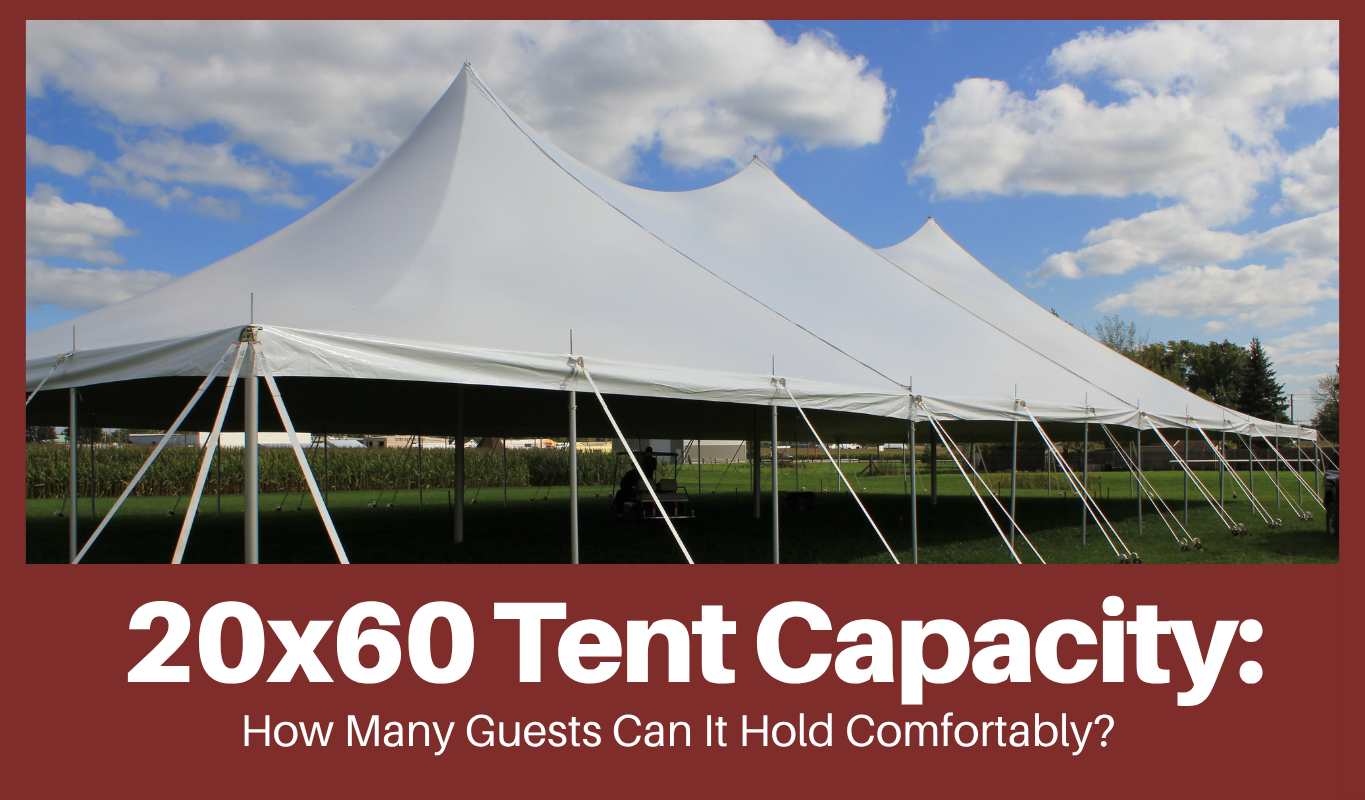
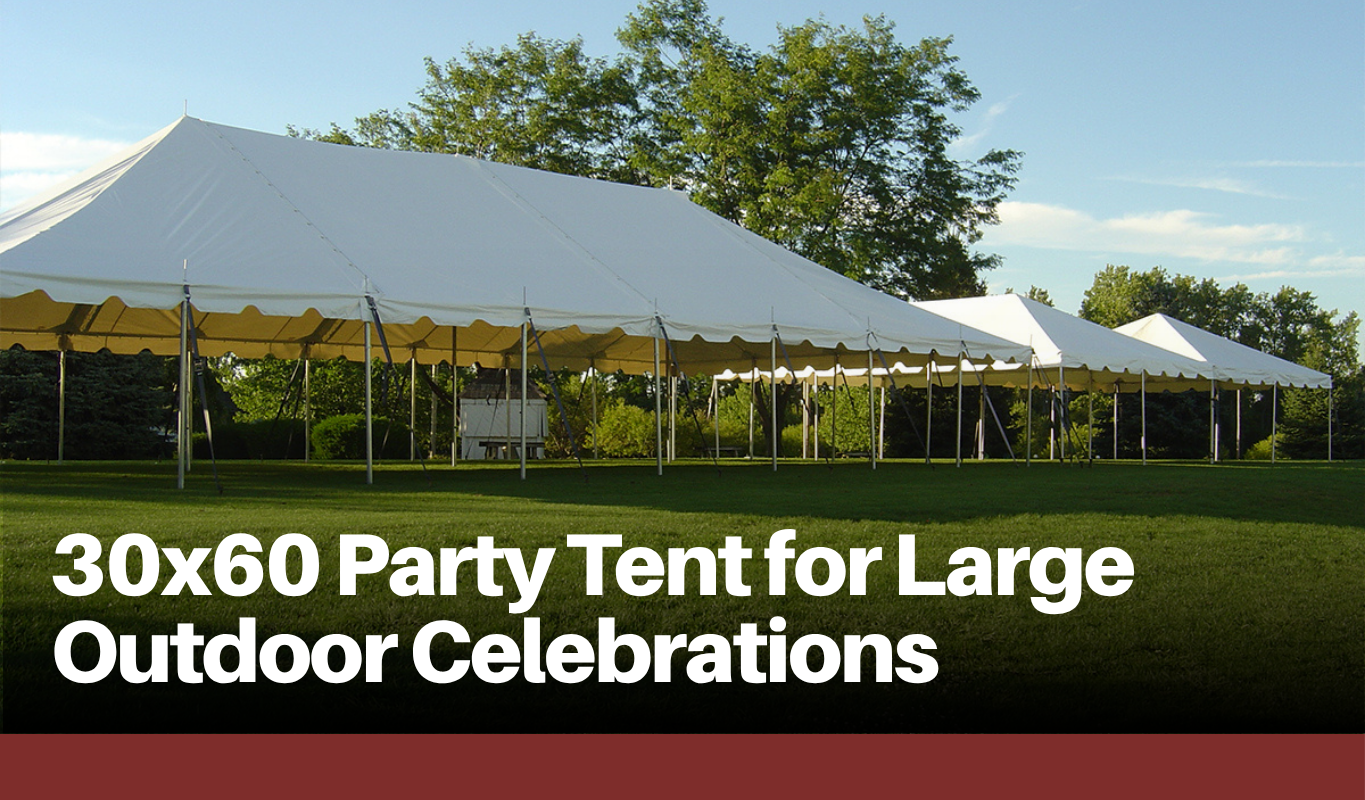
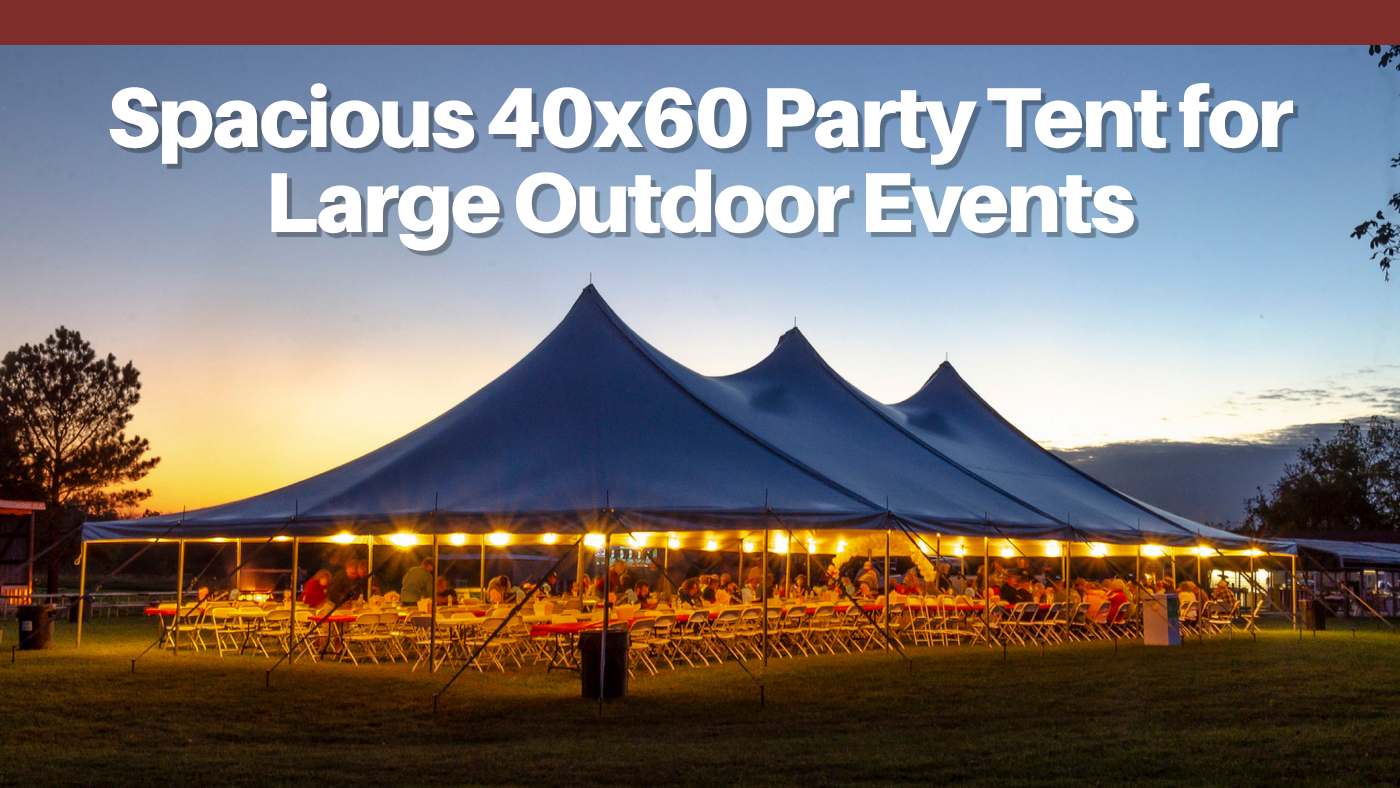
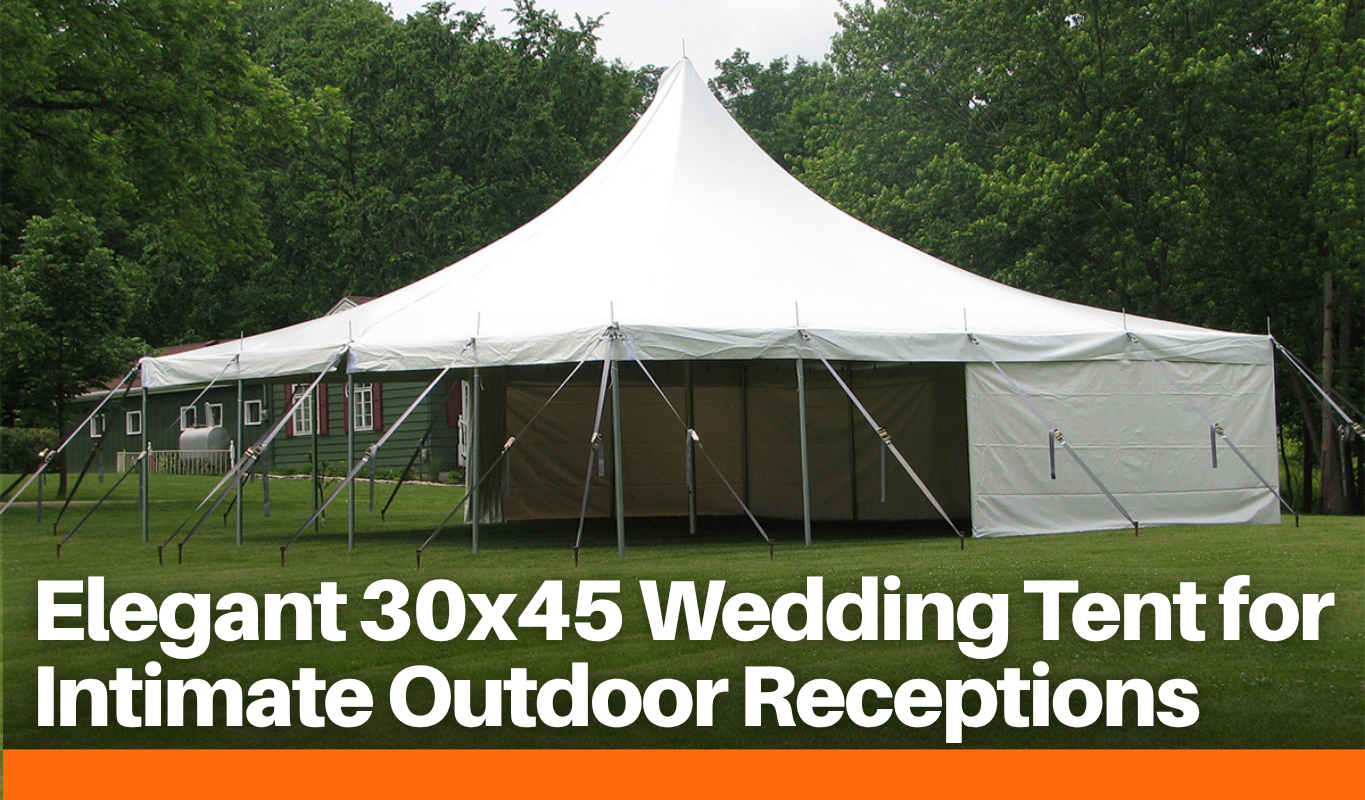
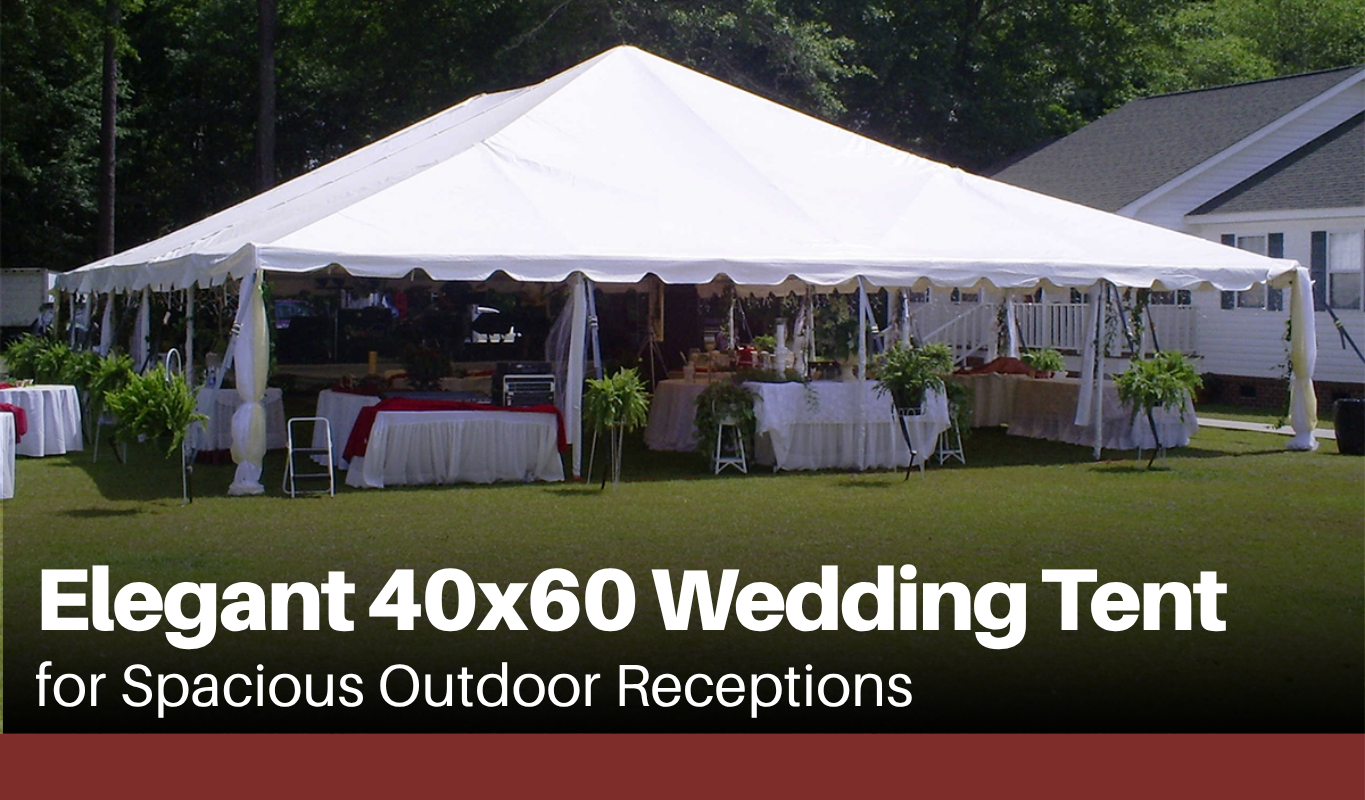
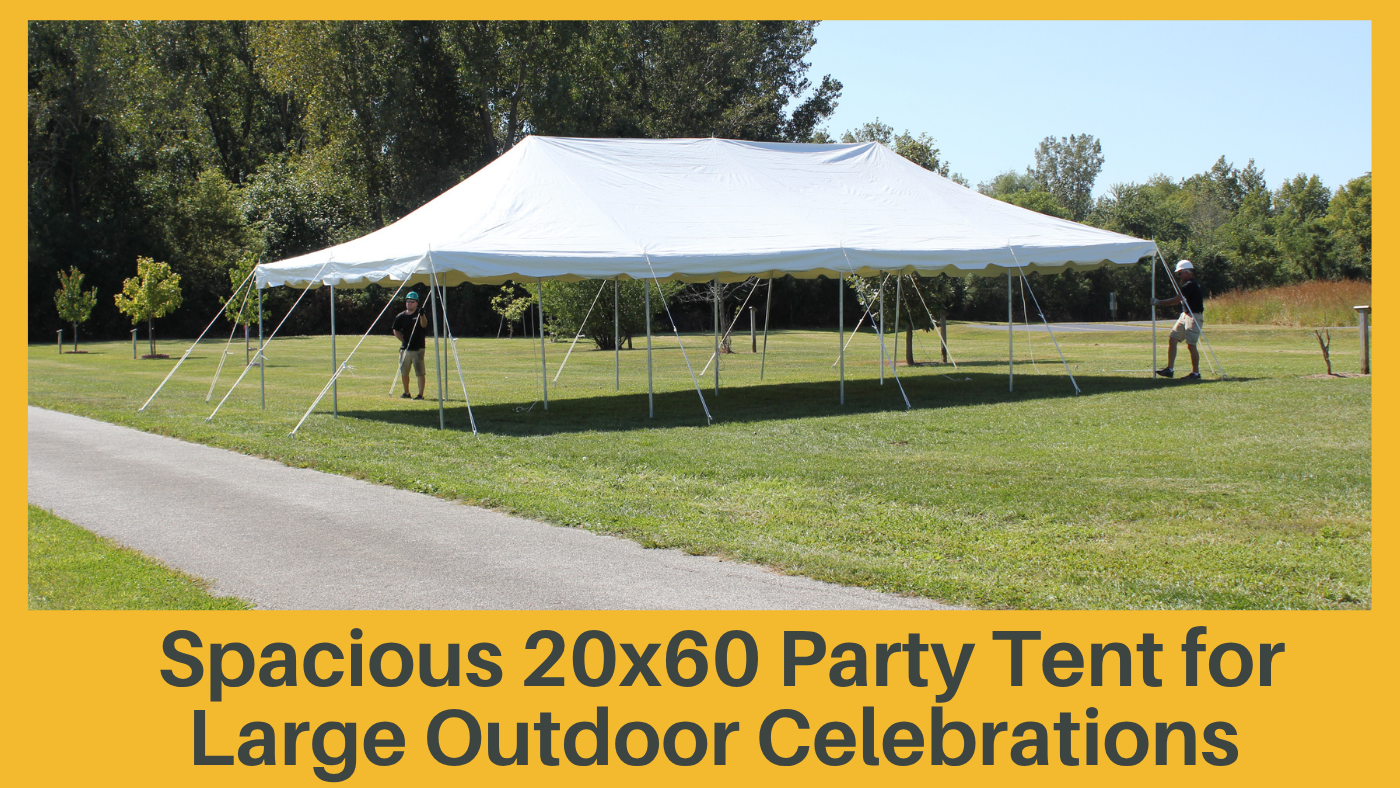
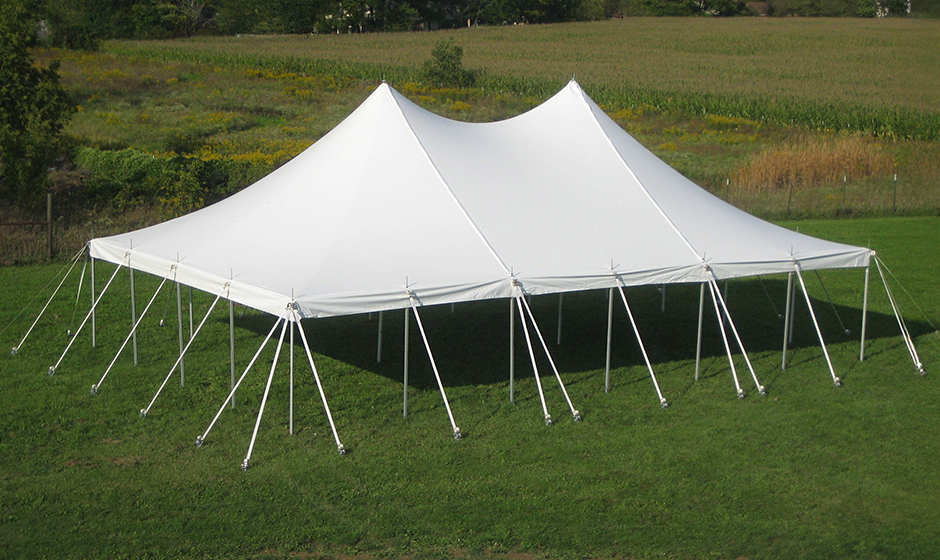
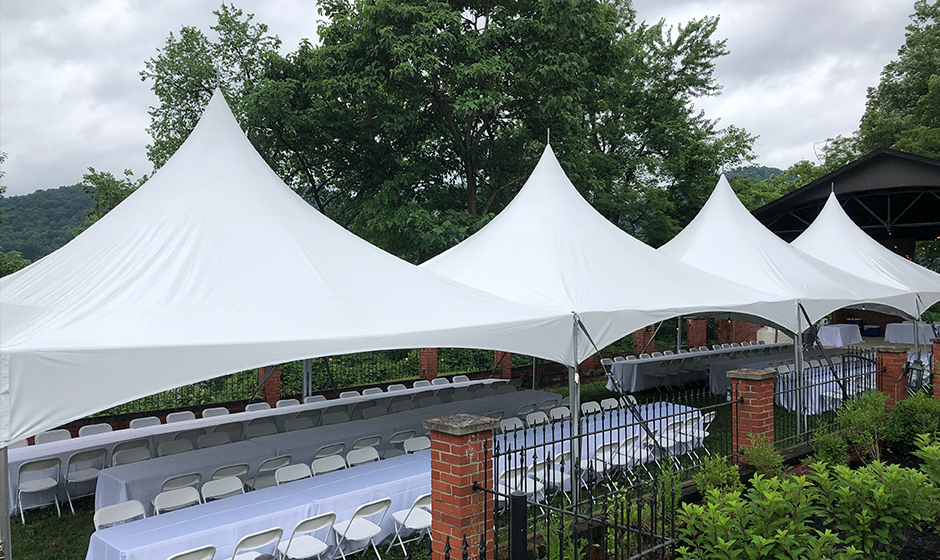
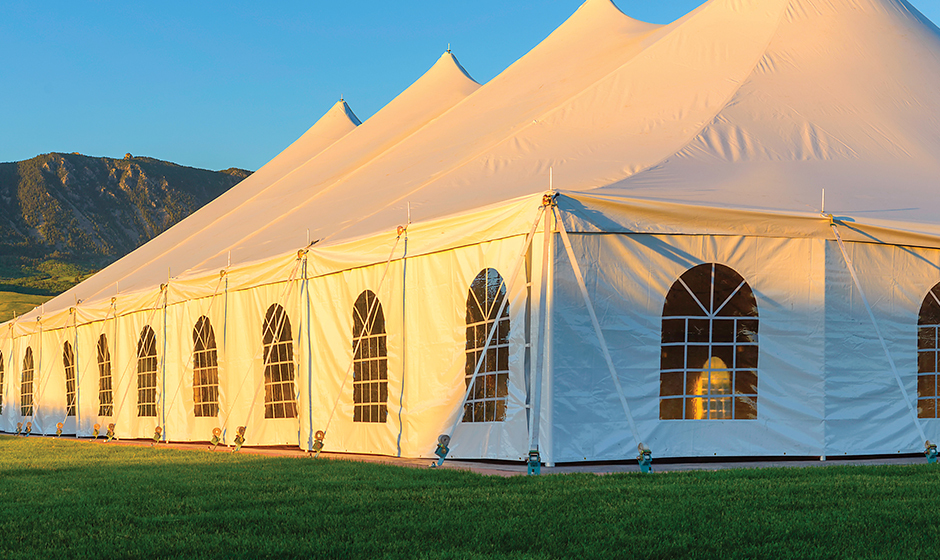
Tents are often the largest and most visible part of party rental equipment. They create the environment where everything else happens.
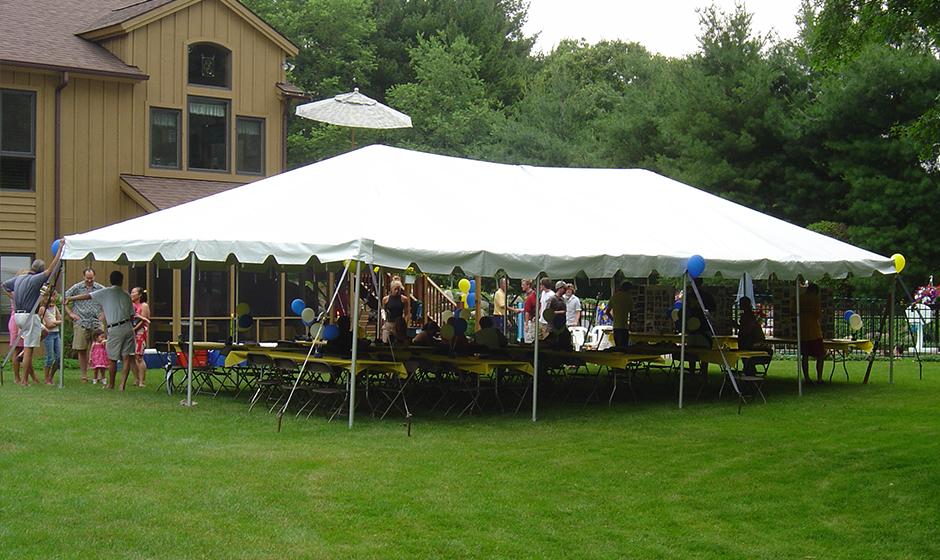
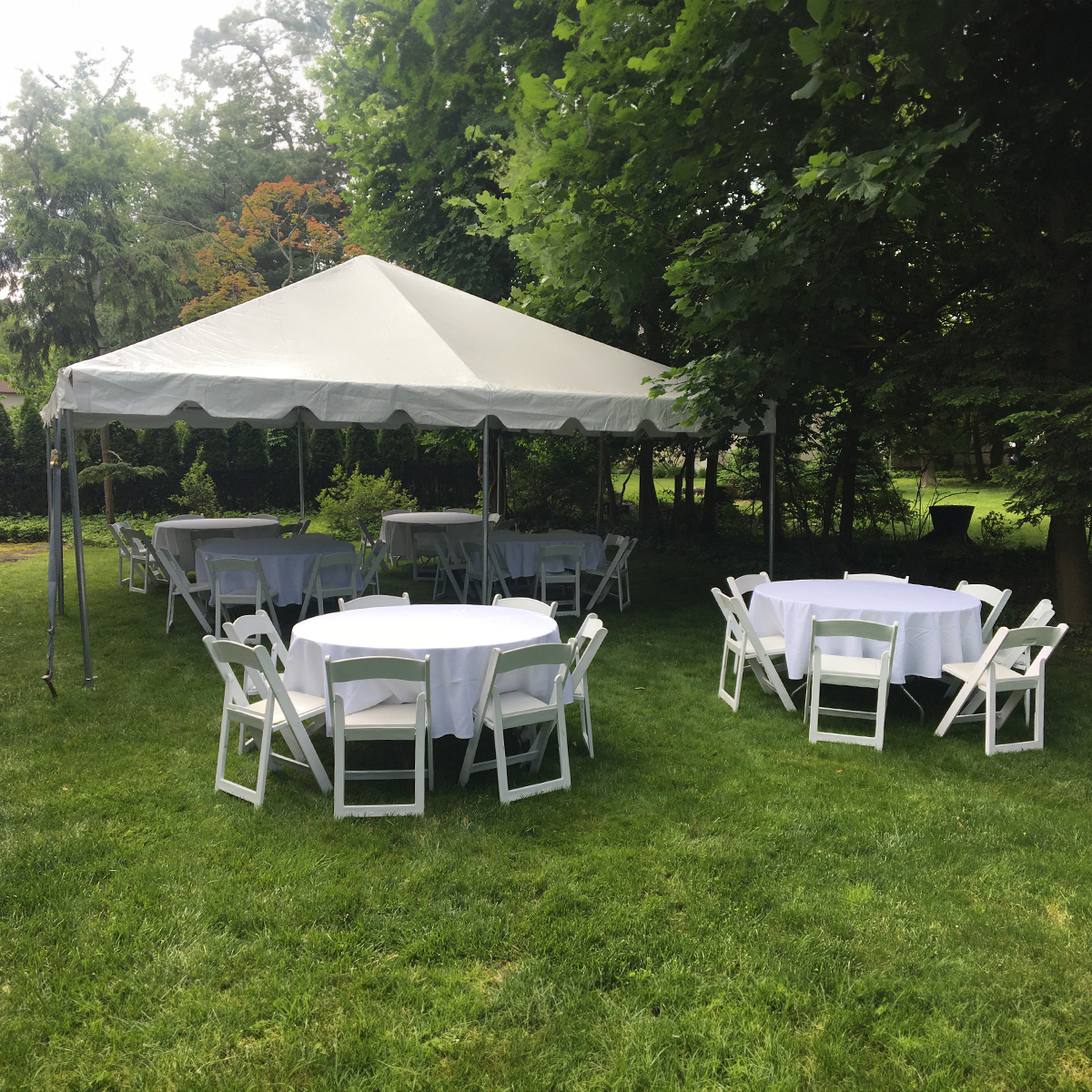
Reliable tent systems allow rental companies to support a wide range of events, from small backyard parties to large formal gatherings. Frame strength, fabric durability, and compatibility with sidewalls and accessories all influence how flexible the tent inventory can be.
A well-chosen tent system supports growth instead of limiting it.
Tables and Chairs Drive Guest Comfort
Tables and chairs may seem simple, but they have a huge impact on guest experience. Wobbly tables or uncomfortable chairs distract guests and reflect poorly on the event as a whole.
Rental-grade tables and chairs are designed to balance comfort with practicality. They need to be sturdy, easy to transport, and quick to set up. When these basics are handled well, guests focus on the experience rather than the furniture.
Sidewalls and Accessories Expand Use Cases
Sidewalls, lighting, flooring, and climate accessories allow party rental equipment to adapt to different conditions and event styles.
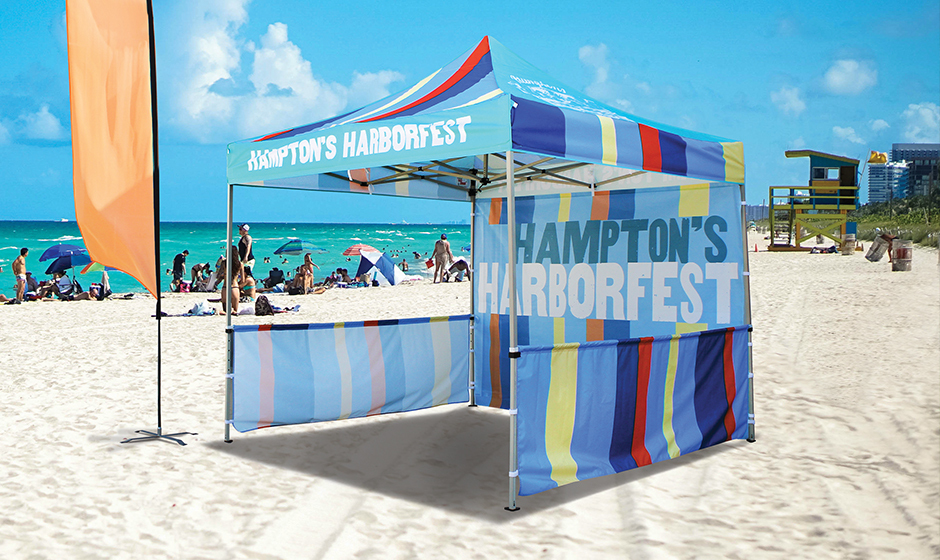
Sidewalls help manage weather and privacy. Lighting extends events into the evening. Flooring improves safety and appearance. Heating and cooling equipment support comfort in changing temperatures.
These accessories turn basic equipment into flexible solutions that work across seasons and locations.
Storage and Transport Affect Long-Term Value
How equipment is stored and transported directly affects how long it lasts. Party rental equipment is often stacked, rolled, or palletized between events.
Items designed for efficient storage reduce damage and save space. Equipment that stacks cleanly loads faster, unloads faster, and suffers less wear during transport. Over time, these efficiencies add up to real savings.
Rental Equipment and Crew Workflow
Good equipment supports the people using it. Crews work faster and with less stress when equipment behaves predictably.
When tents align easily, tables lock securely, and chairs stack without sticking, setup becomes routine instead of reactive. This reliability matters most during peak seasons when multiple events happen back-to-back.
Matching Equipment to Event Types
Not every event needs the same setup. Party rental equipment should support variety without requiring completely different inventories.
A tent system that works for weddings should also adapt to corporate events or festivals. Tables should serve dining, registration, and service needs. Chairs should transition from ceremonies to receptions without issue.
Versatile equipment reduces the need for excessive inventory while increasing booking flexibility.
Renting vs. Owning Party Rental Equipment
For some organizations, renting equipment makes sense. For others, ownership is more practical.
Rental companies and venues with frequent events usually benefit from owning core equipment. This ensures availability, consistency, and faster turnaround. Occasional hosts or smaller operations may prefer to rent, avoiding storage and maintenance responsibilities.
Understanding usage frequency helps determine where ownership provides value and where rentals remain practical.
Durability Shows Over Time
Lower-quality party rental equipment often looks acceptable when new. Issues tend to appear after repeated use.
Fabric stretches. Hardware loosens. Surfaces chip. Over time, these problems increase maintenance costs and slow down operations. Higher-quality equipment resists these issues longer, protecting both reputation and budget.
Planning Inventory for Growth
As rental operations grow, inventory planning becomes more important. Adding new equipment that doesn’t match existing pieces creates inefficiencies.
Choosing standardized systems from the start allows inventory to scale smoothly. New items integrate with old ones, preserving consistency across events and simplifying logistics.
Why Systems Matter in Rental Equipment
Party rental equipment works best as a system rather than individual pieces. Tents should match sidewalls. Tables should align with chairs. Accessories should integrate without modification.
System-based planning reduces compatibility issues and makes operations more resilient under pressure.
Build your inventory around repeatable “event kits” (example: one tent + matching sidewalls + anchoring + lighting basics + a standard table/chair count). When your team can pull a kit and know it will work without hunting for missing parts, turnaround becomes faster and damage drops noticeably over a season.
CELINA’s Approach to Party Rental Equipment
CELINA focuses on supplying party rental equipment designed for repeat use, compatibility, and real-world performance. By emphasizing system consistency and durable materials, equipment supports rental companies and venues that rely on reliability rather than quick fixes.
This approach helps reduce downtime, simplify inventory management, and support long-term growth.
When Equipment Becomes Invisible
The best party rental equipment often goes unnoticed. Guests don’t comment on stable tables or quiet tents—but they feel the difference.
When equipment works without drawing attention to itself, events feel smoother and more professional. That invisible reliability is what separates strong rental operations from struggling ones.
Building Confidence Through Reliable Equipment
Reliable party rental equipment builds confidence for everyone involved. Crews trust the setup. Hosts trust the provider. Guests trust the environment.
That confidence leads to repeat business, referrals, and stronger reputations in competitive event markets.
A Smarter Way to Support Events
Party rental equipment is more than a collection of items. It’s a toolkit for creating environments that work under pressure, adapt to change, and deliver consistent results.
Investing thoughtfully in equipment pays off not just in durability, but in smoother operations and better event experiences.
Ready to Strengthen Your Rental Setup
If you’re evaluating or expanding your party rental equipment, exploring systems designed for compatibility and repeat use can simplify operations and improve outcomes. You can browse equipment options, components, and systems at gettent.com to see how different pieces work together in real event environments.
FAQ
What is included in party rental equipment?
Party rental equipment typically includes tents, tables, chairs, sidewalls, lighting, flooring, staging, and climate accessories used to support events. The exact mix depends on event type, season, and site conditions. Many rental operations build standard packages that cover the basics and add accessories as needed. When these pieces are compatible, setups feel smoother and more intentional. The goal is simple: create a functional environment without last-minute gaps.
Why is rental-grade equipment different from retail equipment?
Rental-grade equipment is built for repeated setup, transport, and storage. It uses stronger materials and construction to handle frequent use. Retail gear may look similar at first, but it often isn’t designed for constant stacking, loading, and cleaning. Over time, that difference shows up as wobble, cracking, stretched fabric, or hardware failures. Rental-grade equipment focuses on predictable performance under real schedules. That’s what protects both your inventory and your reputation.
How does equipment quality affect event efficiency?
Higher-quality equipment sets up faster, breaks less often, and behaves predictably, reducing labor time and last-minute issues. When tents tension correctly, crews spend less time forcing fit or troubleshooting alignment. When tables lock and chairs stack cleanly, load-outs move faster and teardown is smoother. This predictability matters most during peak weekends when multiple events happen back-to-back. Over time, fewer delays and fewer repairs translate into real savings. Quality improves efficiency because it removes friction.
Should rental companies standardize their inventory?
Yes. Standardized equipment improves compatibility, speeds up setup, and simplifies training and inventory management. When your team knows exactly how a chair stacks or how a sidewall attaches, you reduce mistakes and improve turnaround time. Standardization also improves how events look because matching inventory photographs better and feels more professional. It’s easier to replace parts and add inventory when you’re expanding the same system. In the long run, standardization supports growth without chaos.
Is owning party rental equipment more cost-effective than renting?
For frequent use, ownership is often more cost-effective. Renting works better for occasional needs or limited storage situations. Rental companies and busy venues usually prefer ownership because it improves availability and consistency. Occasional hosts may prefer renting to avoid maintenance, storage, and transport responsibilities. The best approach depends on how often the equipment will be used and how quickly you need to turn events around. Frequency is usually the deciding factor.
How important are accessories like sidewalls and lighting?
Accessories expand the usability of core equipment, allowing setups to adapt to weather, time of day, and event style. Sidewalls can turn an open tent into a more controlled space. Lighting can extend the event into the evening and improve ambiance. Flooring can improve safety and make the space feel more finished. Climate accessories help guests stay comfortable across seasons. These add-ons often make the difference between a basic setup and a fully functional venue.
What causes party rental equipment to wear out faster?
Poor storage, rough handling, mismatched components, and low-quality materials all accelerate wear. Storing tents while damp, stacking chairs incorrectly, and overloading tables during transport can shorten lifespan quickly. Mismatched parts create tension and stress points that cause tearing or hardware failure. Frequent use isn’t the problem — inconsistent care and incompatible systems are. Simple routines like drying, cleaning, and correct stacking protect inventory over time. Good handling habits often extend equipment life by seasons.
How do I choose the right party rental equipment supplier?
Look for suppliers that focus on durability, system compatibility, and support for repeat use rather than one-time solutions. Ask how components integrate, how replacements are handled, and what the equipment is designed to withstand. A strong supplier helps you build consistent inventory, not a collection of mismatched pieces. Reliable lead times and clear guidance matter just as much as the products themselves. Over time, the right supplier reduces downtime and simplifies planning. The best choice is the one that supports your operation’s reality.