
Disaster Relief
Disaster response operations often require rapid deployment of temporary infrastructure. Disaster relief tents provide dependable shelter for emergency coordination, supply distribution, and community assistance programs. Commercial-grade tents help response teams establish organized operational spaces during recovery and relief efforts.




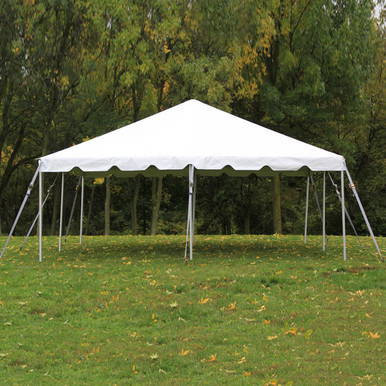


During disasters and emergency situations, response teams must quickly establish safe, organized operational spaces. Temporary shelter structures help support response coordination, supply distribution, and humanitarian assistance when permanent infrastructure may be damaged or unavailable.
These are disaster relief tents designed to support emergency response operations—providing temporary shelter and protected workspaces for organizations responding to natural disasters and community emergencies.
Emergency Response Shelters for Disaster Operations
Emergency response efforts often require flexible infrastructure that can be deployed quickly. Disaster relief tents help organizations establish controlled environments where teams can coordinate response activities and assist affected communities.
- Emergency coordination centers
- Aid and supply distribution points
- Temporary medical or triage areas
- Volunteer coordination and check-in stations
- Temporary shelter and support services
Support Humanitarian and Community Response Efforts
Disaster relief operations often involve multiple agencies and organizations working together. Temporary structures allow teams to establish designated zones for logistics, assistance, and operations while maintaining organized workflows.
Commercial-grade disaster tents provide the flexibility needed to adapt to changing response conditions and support a wide range of emergency relief activities.
Recommended Tent Types for Disaster Relief Operations
High Peak Tents for Rapid Deployment Areas
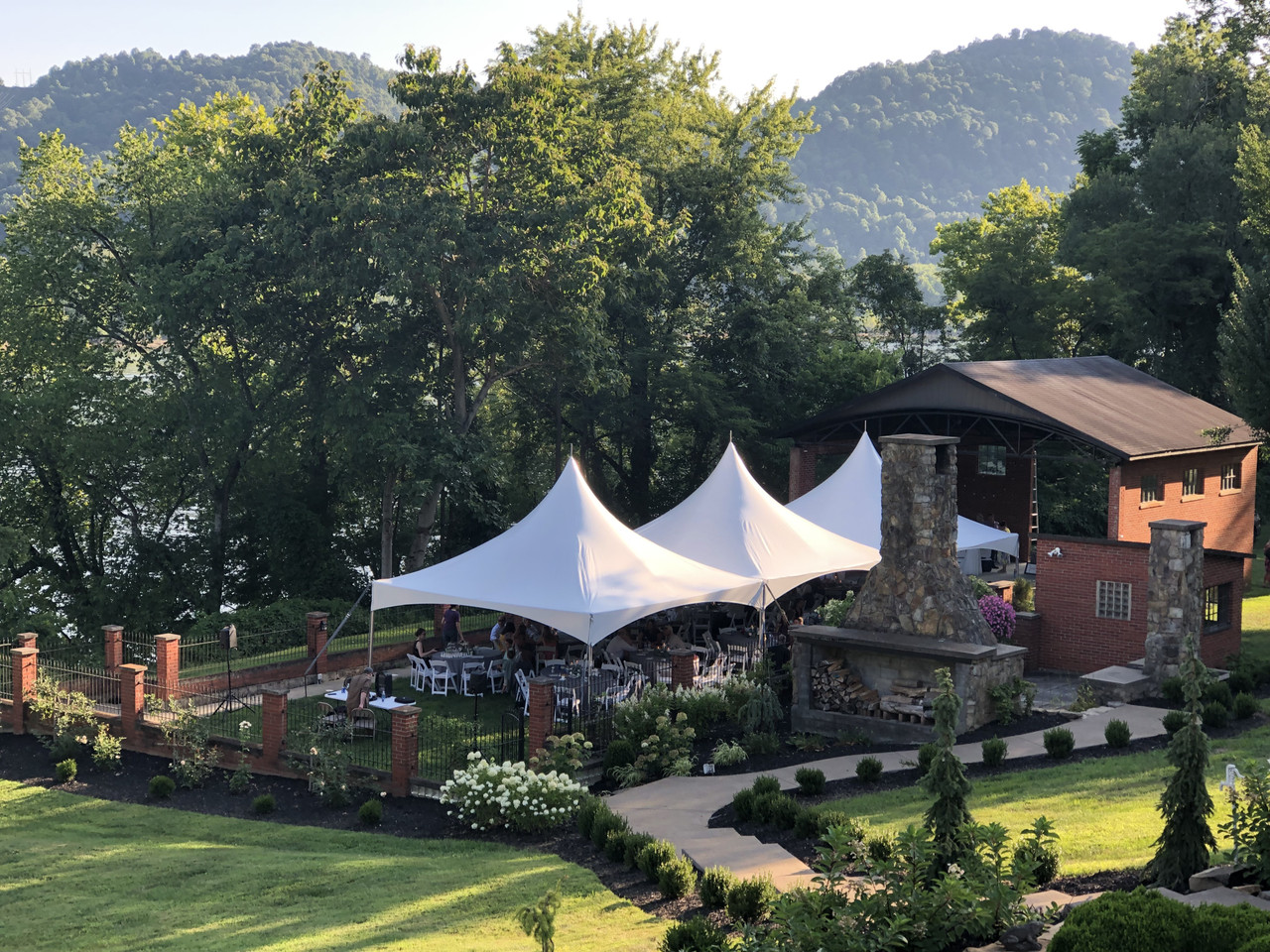
High peak tents are often used for quick-response situations where emergency teams need to establish check-in points, information stations, or distribution areas quickly.
- Efficient setup for rapid deployment
- Compact footprint for mobile operations
- Suitable for information and coordination stations
Popular sizes: 10x10, 10x20, 20x20
Frame Tents for Larger Operational Spaces
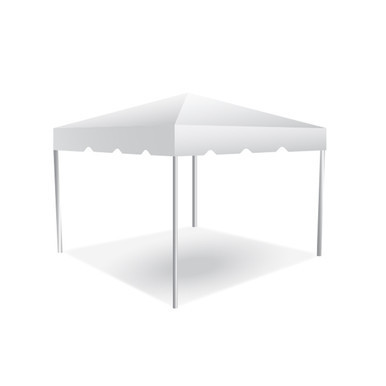
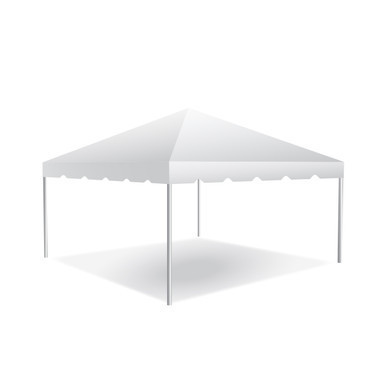
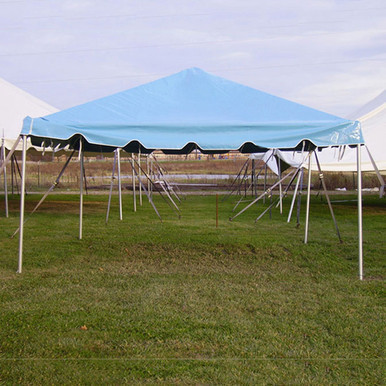
Frame tents are commonly used when response teams require larger protected areas for coordination, equipment, supplies, or extended operations.
- Scalable coverage for response teams
- Compatible with sidewalls and lighting
- Suitable for longer-duration response operations
Common sizes: 20x20, 20x40, 30x40, 40-wide series
Common Disaster Relief Tent Use Cases
- Emergency management coordination centers
- Supply distribution and relief operations
- Community assistance and support stations
- Volunteer check-in and staging areas
- Temporary medical or triage support
- Temporary shelter and protected gathering areas
Designed for Rapid Deployment and Changing Conditions
Disaster response environments require equipment that can be deployed quickly while maintaining durability and reliability. Commercial-grade tents provide flexible infrastructure that supports emergency operations under demanding conditions.
- Waterproof vinyl tops for outdoor protection
- Durable frame systems for repeated deployment
- Anchoring options for multiple surface types
- Accessory compatibility for operational flexibility
Accessories Often Used in Disaster Response
- Sidewalls for enclosed operational spaces
- Lighting systems for nighttime operations
- Anchoring systems for pavement, gravel, or ground
- Clear window panels for natural visibility
- Gutters for connecting multiple tents
Frequently Asked Questions
What are disaster relief tents used for?
Disaster relief tents provide temporary shelter and operational space for emergency response, supply distribution, coordination centers, and community support services.
Who typically uses disaster relief tents?
Emergency management agencies, nonprofit organizations, community response teams, and local governments commonly use disaster tents during emergency situations.
What size tents are used for disaster response?
Smaller tents such as 10x10 and 10x20 are often used for check-in and distribution areas, while larger tents like 20x20 and 20x40 can support coordination and supply operations.
Are disaster relief tents waterproof?
Yes. Commercial tent tops are manufactured from waterproof vinyl suitable for outdoor emergency response environments.
Can disaster relief tents be deployed quickly?
Yes. Many commercial tent systems are designed for rapid setup so response teams can quickly establish operational spaces during emergencies.
Support Emergency Response with Reliable Temporary Shelter
When communities face unexpected challenges, reliable infrastructure helps response teams operate efficiently and safely. Temporary shelter structures allow organizations to establish operational spaces quickly while assisting affected populations.
Commercial-grade disaster relief tents provide flexible shelter solutions that support emergency response efforts and community recovery operations.