




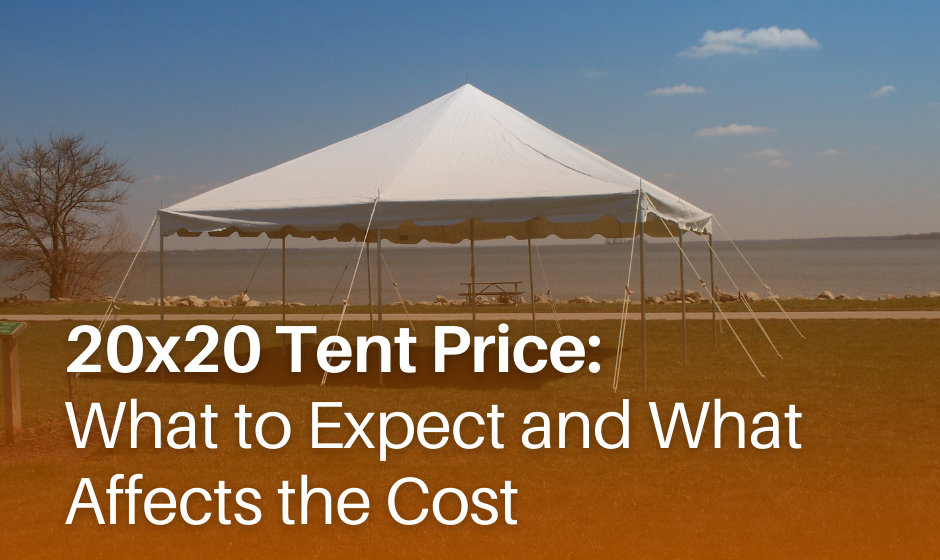
20x20 Tent Price: What to Expect and What Affects the Cost
If you’re researching 20x20 tent price, you’ve probably noticed something quickly — the range can vary dramatically. Some tents are advertised at surprisingly low prices, while others cost significantly more. At first glance, they may even look similar in photos, but the differences hidden in the engineering and material specs are what truly define your long-term costs.
The reality is that not all 20x20 tents are built the same, and the price difference usually reflects structure type, material quality, included components, and long-term durability. Understanding what goes into the cost helps you avoid overpaying for features you don’t need — or underpaying for a tent that won’t last through its first heavy rain or wind gust. Whether you’re buying for personal use, high-end events, or a commercial rental operation, knowing what drives pricing gives you total control over your investment.
What Is the Average 20x20 Tent Price Range?
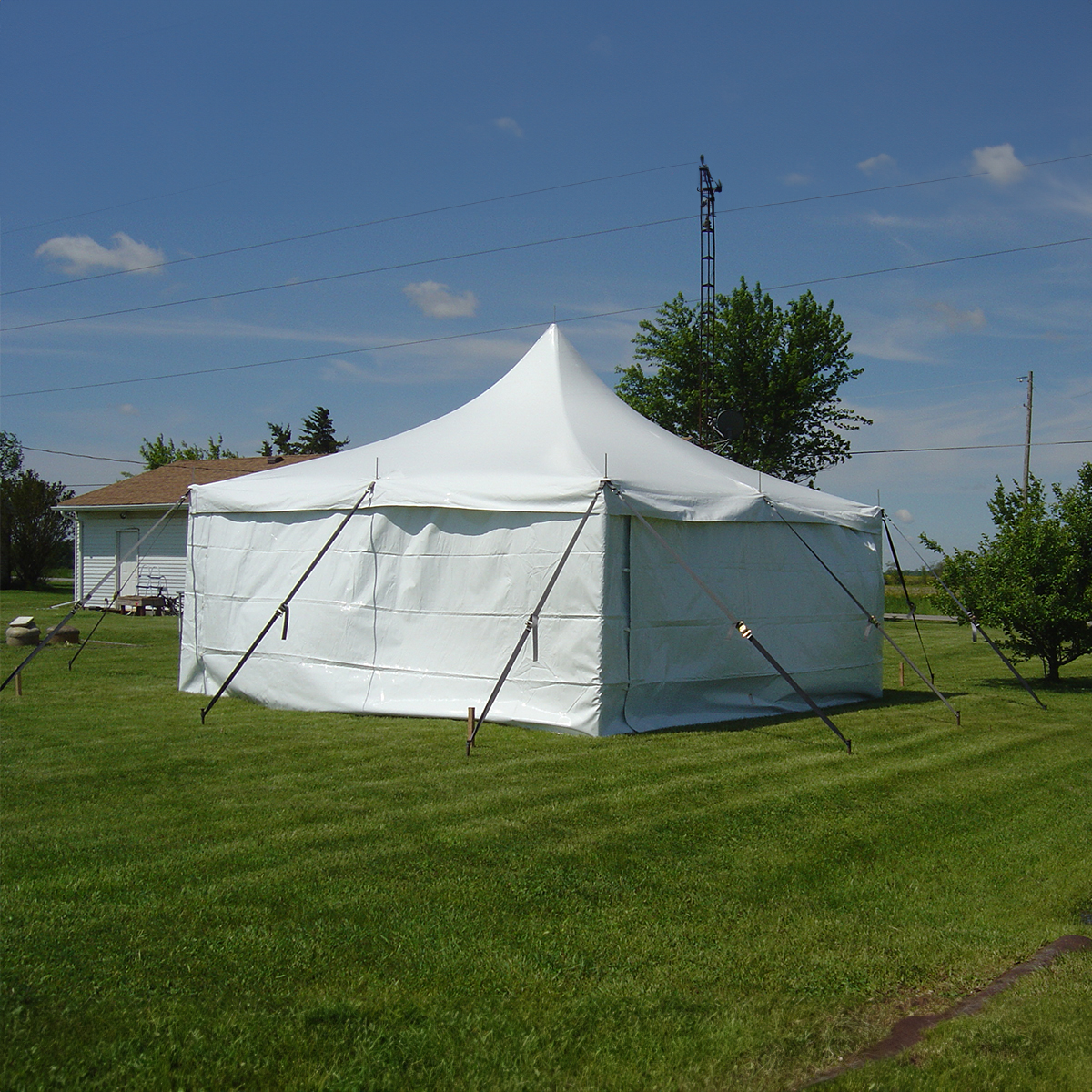
A 20x20 tent price can vary depending on style and quality level. Entry-level consumer-grade models may fall at the lower end of the spectrum. These are often lightweight, designed for occasional backyard use, and may not include heavy-duty anchoring systems or fire-retardant certifications.
Commercial-grade 20x20 tents typically cost more because they are engineered for repeated setups, stronger wind resistance, thicker fabric, and reinforced hardware. These tents are built for event professionals, rental companies, and serious hosts who need reliability every weekend. The price gap reflects structural integrity, material thickness, and how complete the package is when delivered—often including industrial-grade vinyl and galvanized or anodized metal components.
Frame Tent vs Pole Tent: How Structure Impacts Price
One of the first pricing factors is whether the tent is a frame or pole design. This decision changes the entire manufacturing process and material list.
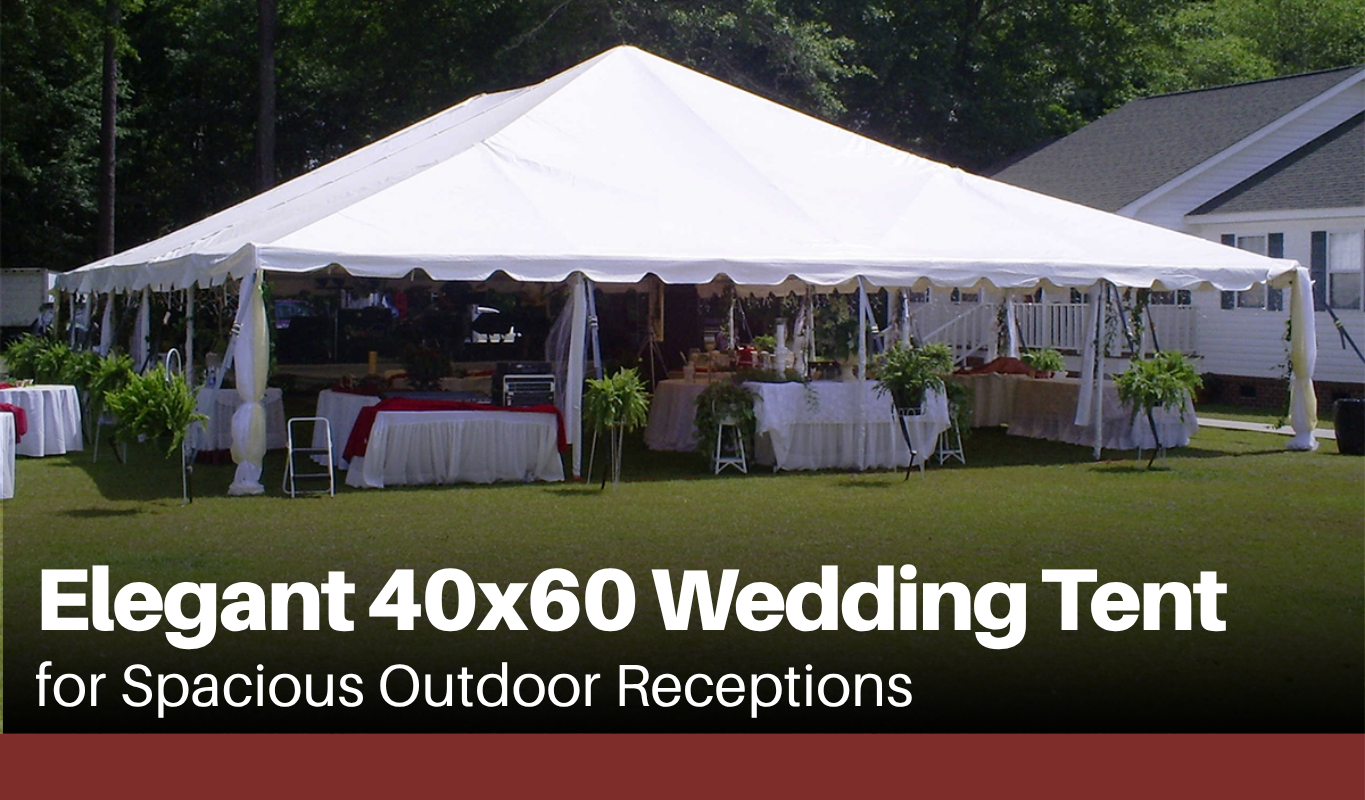
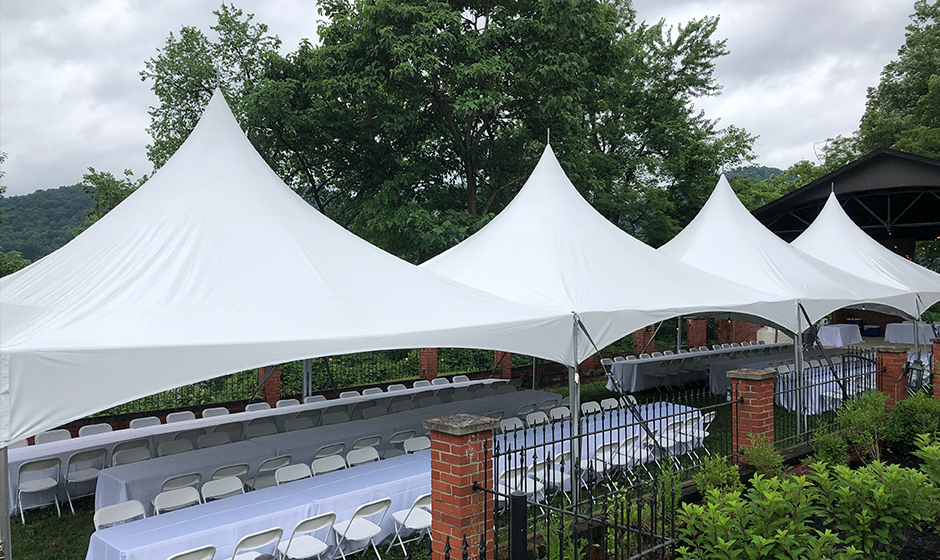
- Frame Tents: These generally cost more due to their complex aluminum or steel framework that supports the structure without interior poles. This design provides full usable interior space and greater surface flexibility. The added hardware and engineering required to keep the tent rigid without a center pole increase the manufacturing cost significantly.
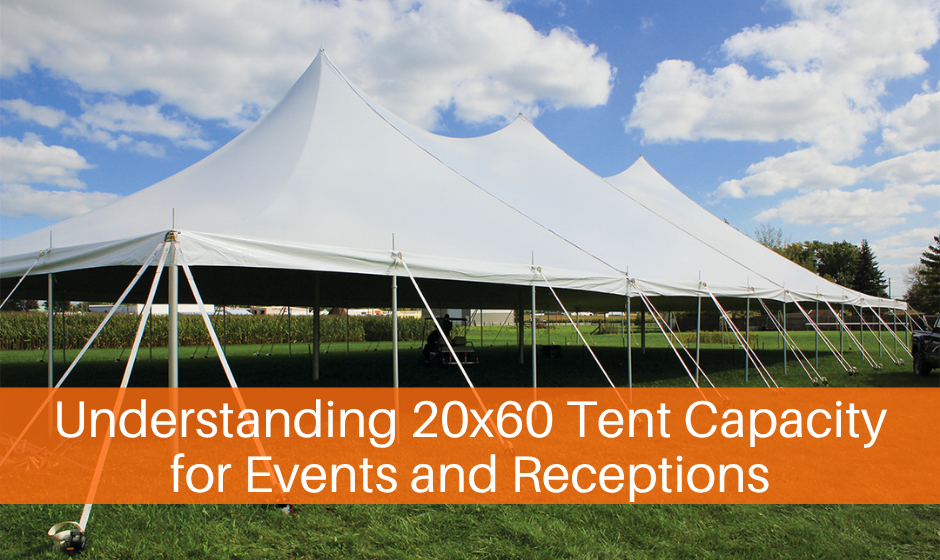
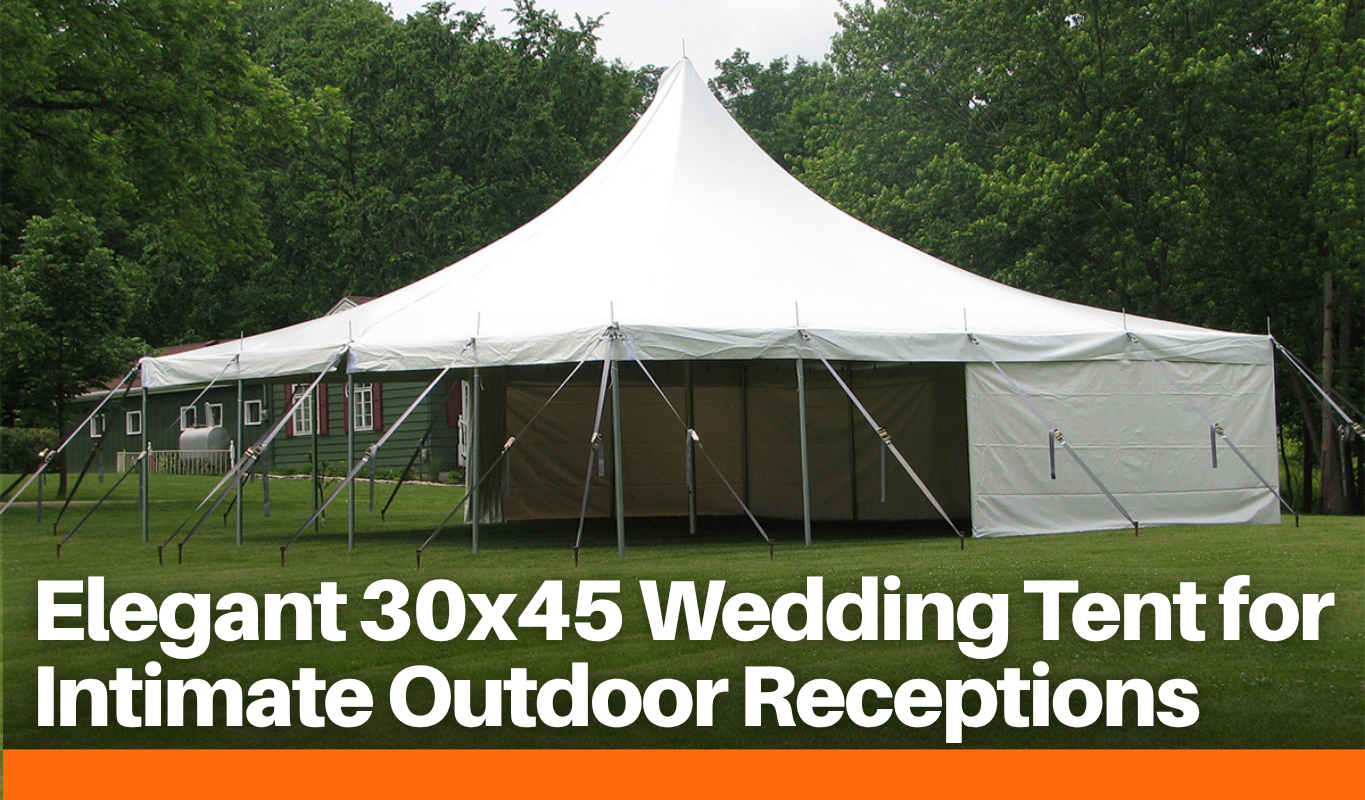
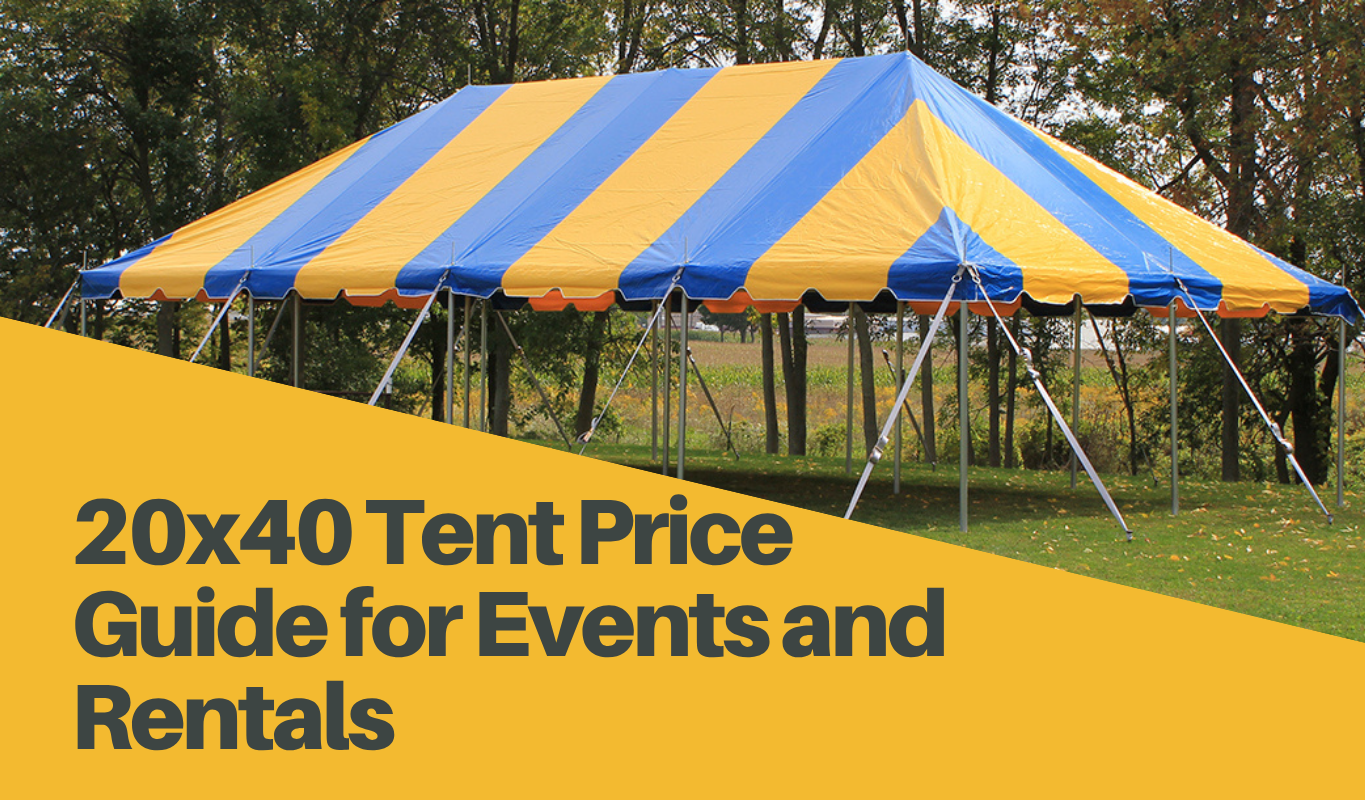
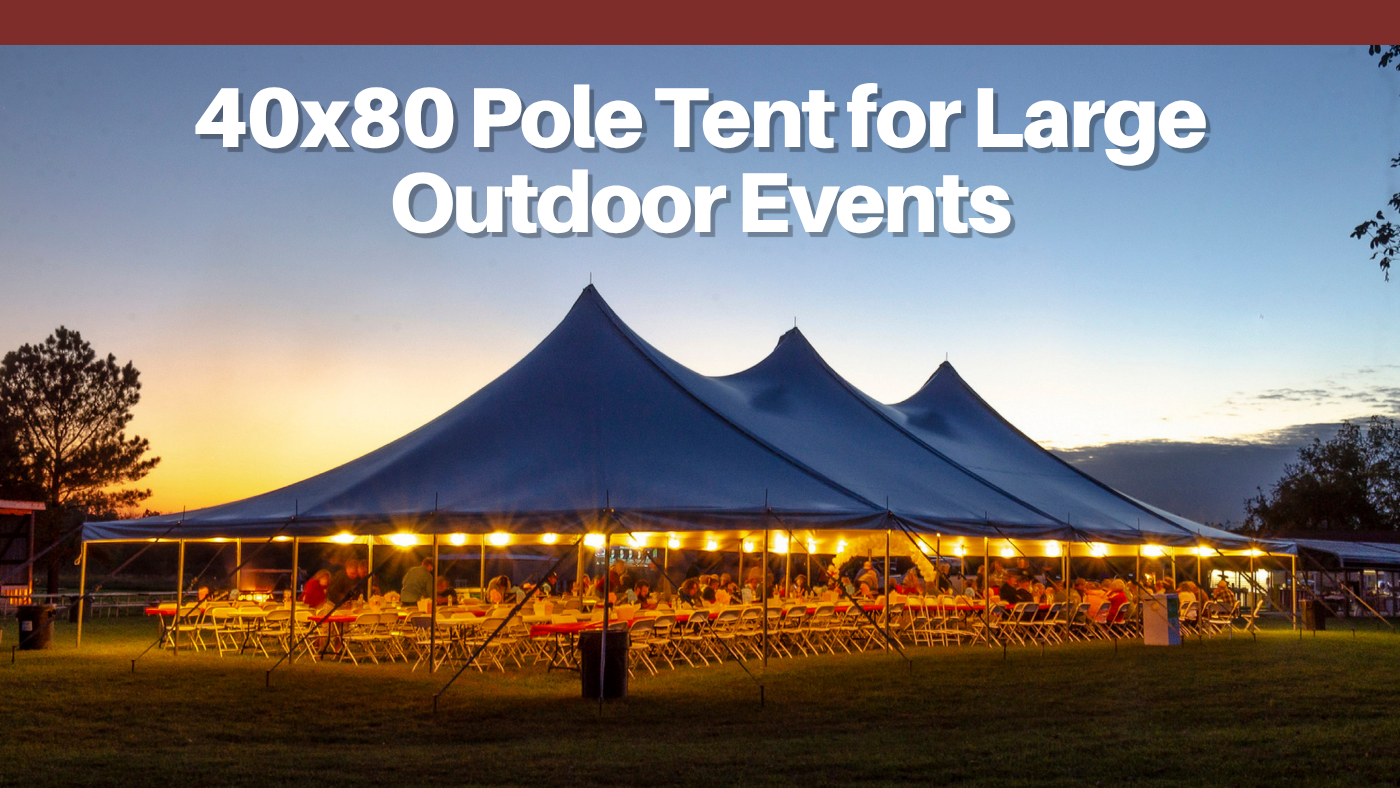
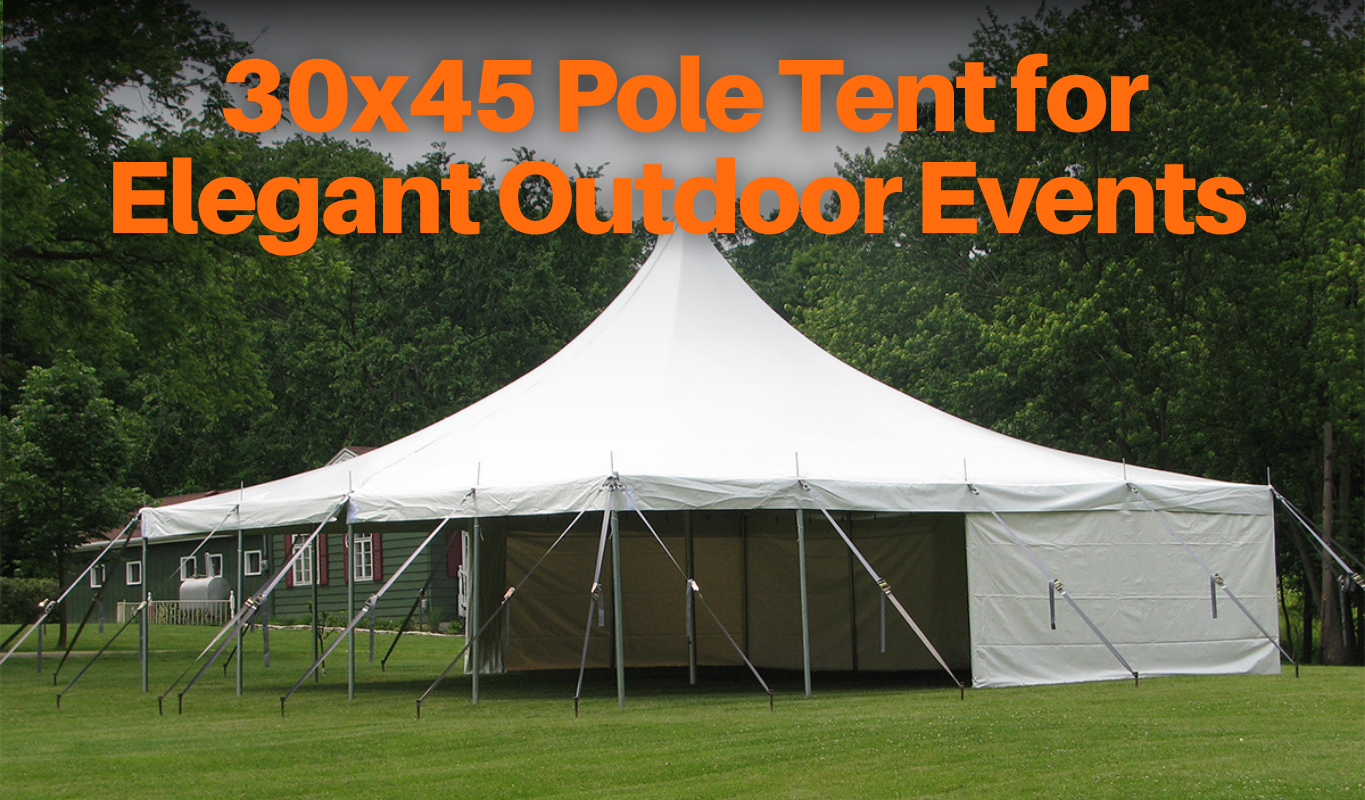
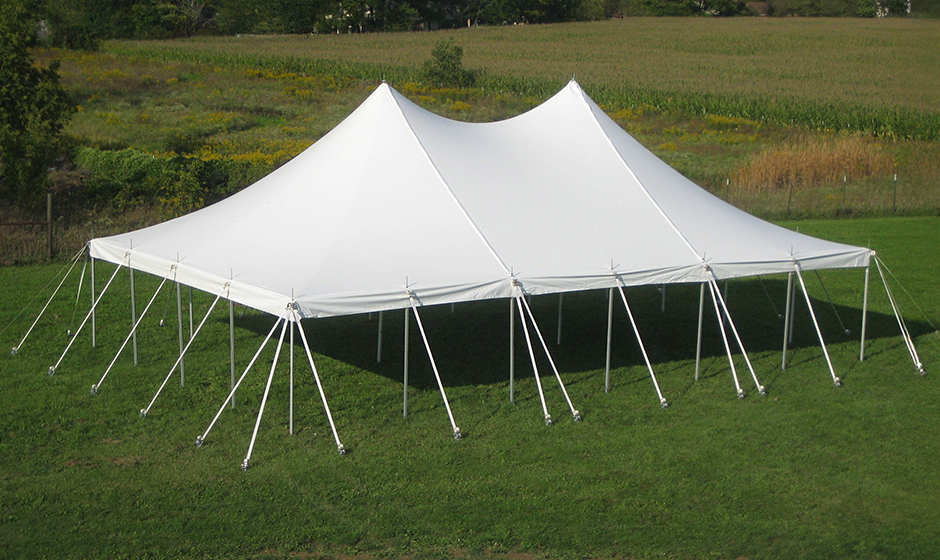
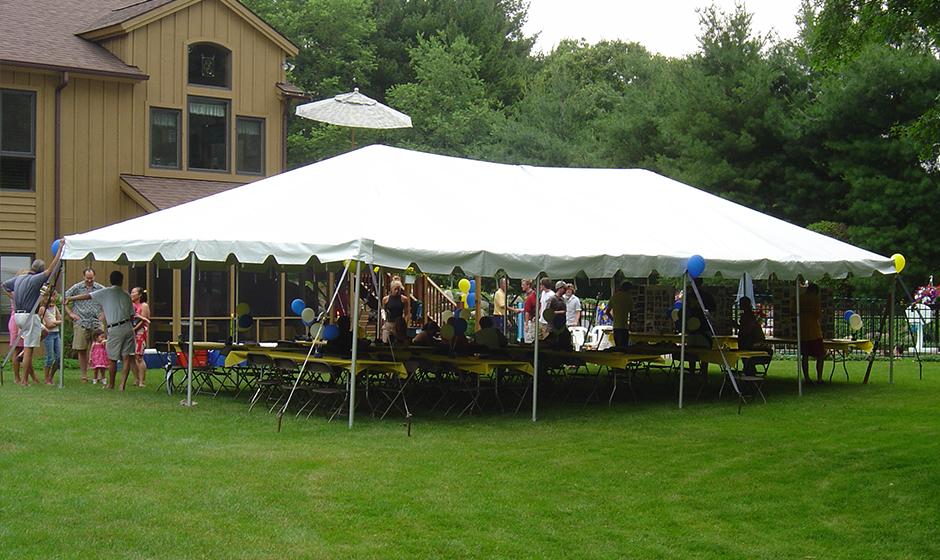
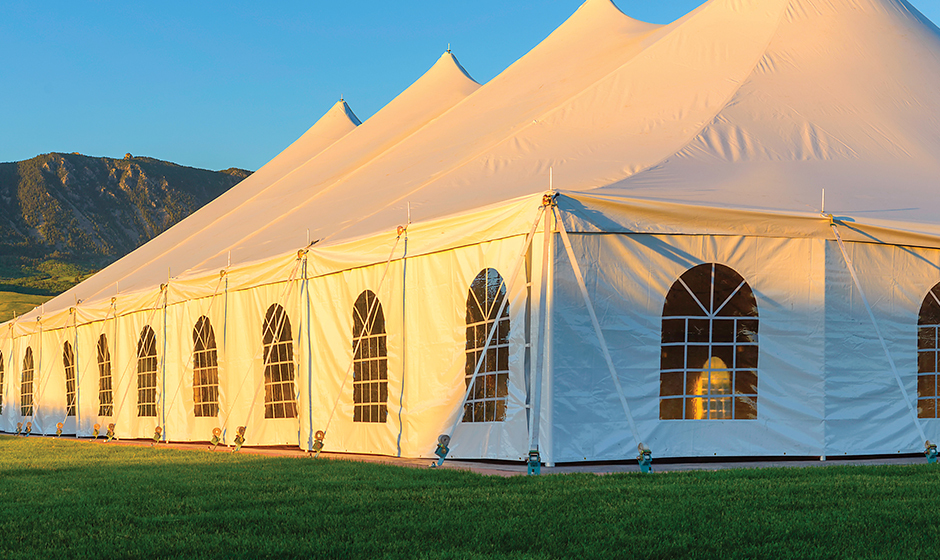
- Pole Tents: These often come at a slightly lower price point because they rely on tension and heavy-duty center poles rather than a full frame system. While elegant and effective, they require staking into the ground (grass or dirt) and may not work on all surfaces without specialized ballasting, which can be a major consideration for rental operators.
Material Quality and Fabric Thickness
Fabric weight and quality are major drivers of 20x20 tent price. Lower-cost tents may use thinner vinyl or polyethylene materials that can degrade faster under sun exposure or frequent installation. Commercial tents use heavier PVC vinyl with UV resistance, heat-welded seams, and reinforced stress points. Higher fabric quality increases upfront cost but significantly improves longevity, safety, and your return on investment.
Complete Kit vs Bare Structure
Another major factor in 20x20 tent price is what’s included in the box. Some listings advertise a "base structure" price but exclude critical components like stakes, ratchet straps, or anchoring systems. A complete tent kit includes everything needed for installation. While the price may appear higher initially, it prevents surprise purchases and ensures all hardware is safety-rated for that specific tent size.
Sidewalls and Accessories
The base 20x20 tent price usually covers only the top and frame. Accessories such as sidewalls, liners, and lighting are typically additional. Sidewalls can impact the total cost based on their design:
- Solid Panels: Most affordable for privacy and weather blocks.
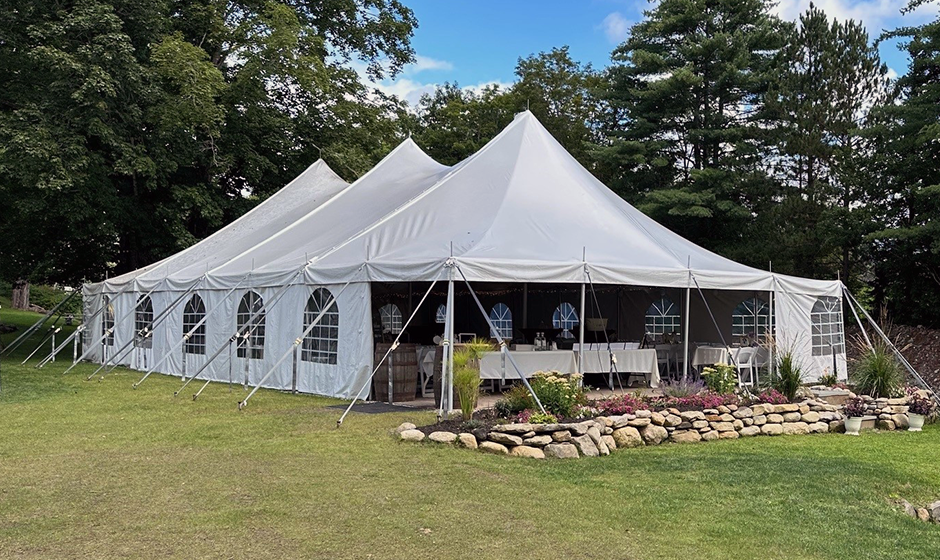
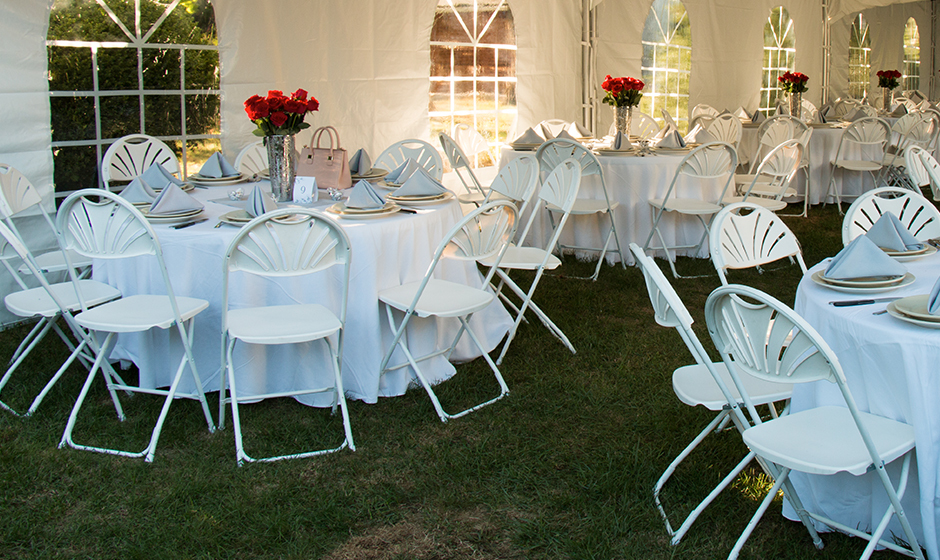
- Cathedral Windows: Ideal for high-end weddings and aesthetic appeal.
- Clear Vinyl: Generally costs more due to material thickness and specialized production.
Long-Term Value vs Initial Investment
The true cost of a 20x20 tent is measured over years, not days. A commercial-grade tent that lasts multiple seasons with minimal repair often provides stronger value than a cheaper alternative that requires frequent replacement. When evaluating price, always check manufacturer support and the availability of replacement parts.
Ready to Expand Your Rental Fleet?
Maximize Your Investment Today. Built for the demands of the event industry.
Shop 20x20 Tent KitsStandardized Parts | Fire Rated | Fast Shipping
Frequently Asked Questions
How much does a 20x20 tent typically cost?
A 20x20 tent price varies depending on whether it is consumer-grade or commercial-grade. Entry-level options cost less but may use lighter materials. Professional models cost more due to stronger frames and heavier, flame-retardant fabric.
Why are some 20x20 tents much more expensive?
Higher prices reflect better materials, reinforced construction, complete hardware kits, and improved durability. Commercial tents are designed for hundreds of repeated use cycles.
Does a 20x20 tent price include sidewalls?
Not always. Many base prices cover only the tent top and frame. Sidewalls and accessories like tables and chairs are often sold separately to allow for customization.
Is a frame tent more expensive than a pole tent?
Yes, frame tents generally cost more due to their engineered support structure and flexible installation options on surfaces like concrete or asphalt where staking is restricted.
Is it worth paying more for a commercial tent?
If you plan frequent use or rental applications, investing in a commercial-grade tent typically provides better long-term value and significantly lower replacement costs over time.