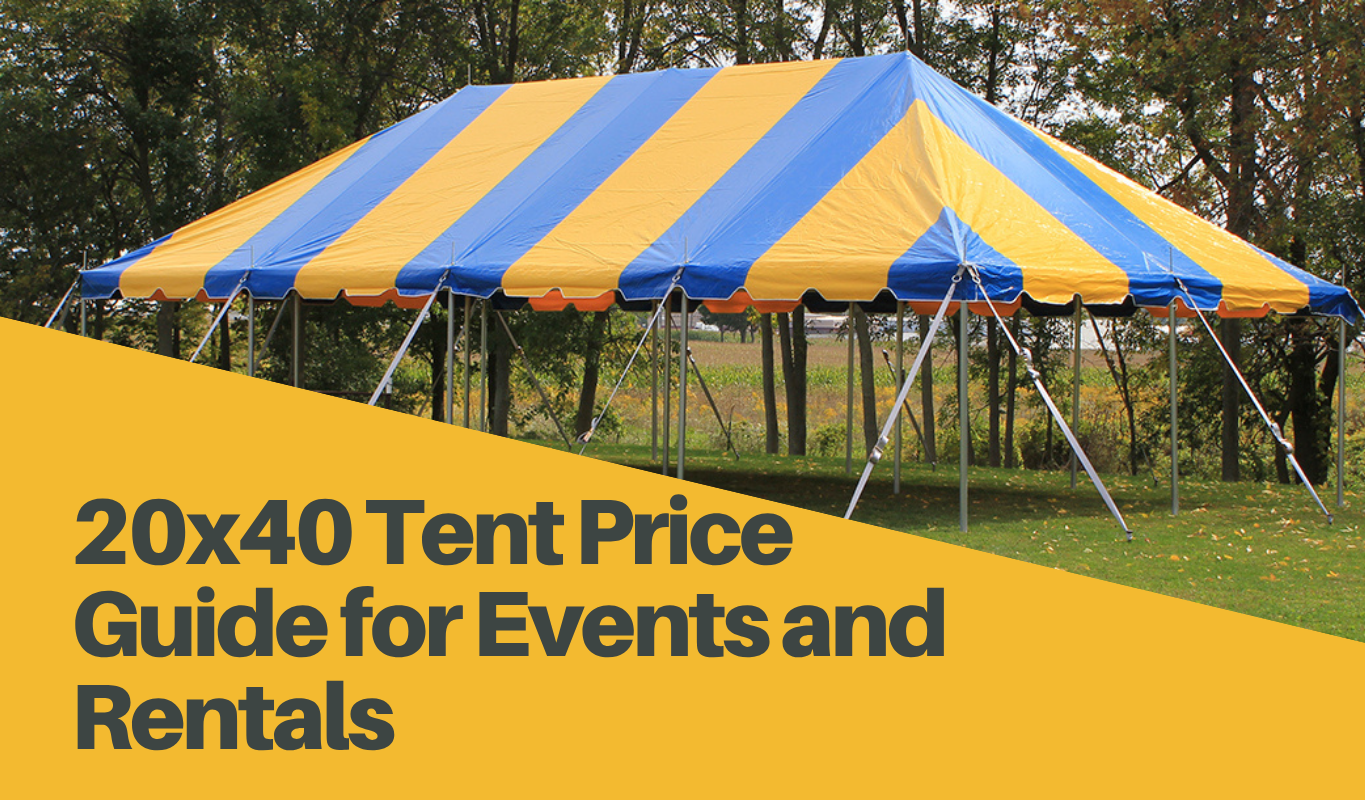




20x40 Tent Price Guide for Events and Rentals
Understanding the real 20x40 tent price requires looking beyond a single advertised number. While this size is considered one of the most versatile mid-sized event tents available, the total cost depends on structure type, installation conditions, rental duration, and added accessories.
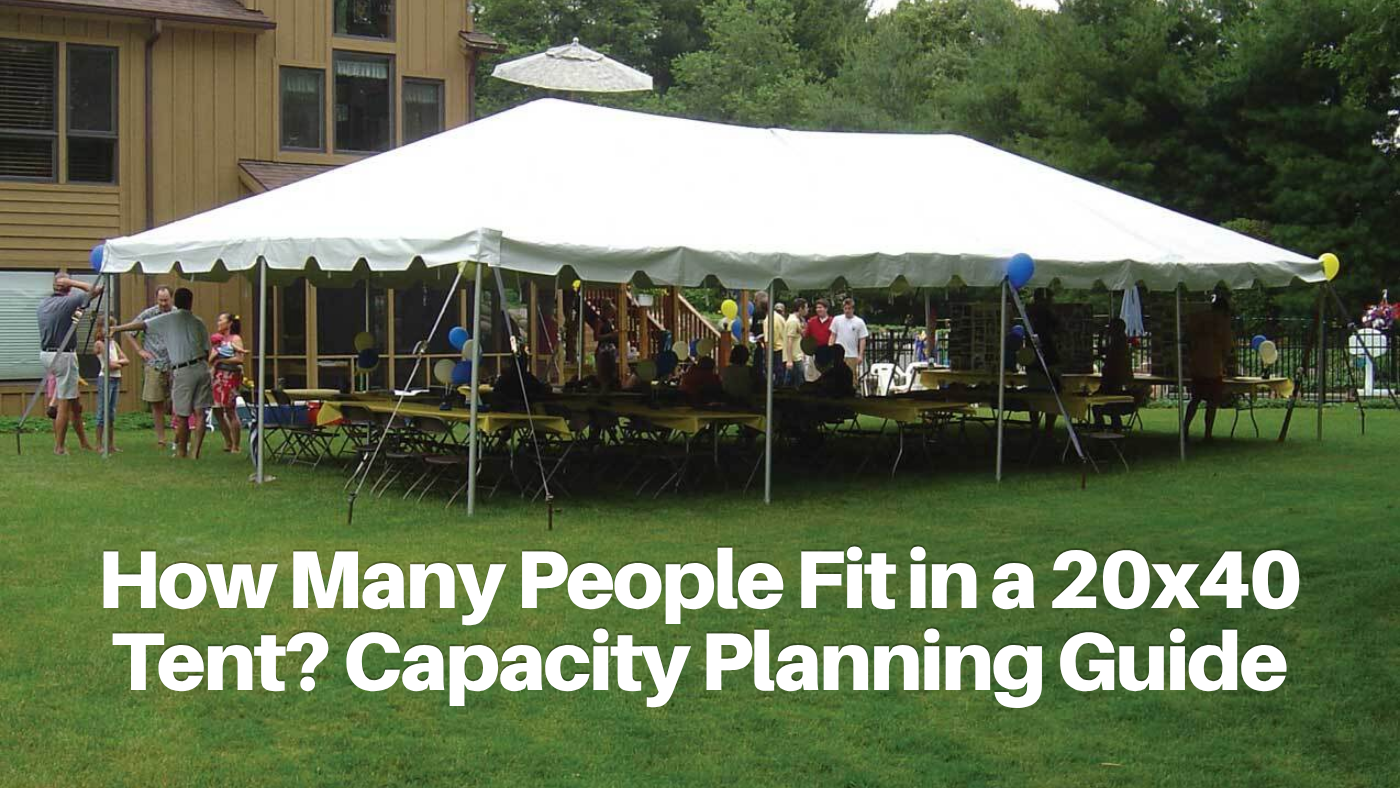
A 20x40 tent provides 800 square feet of covered space. It comfortably supports mid-sized weddings, graduation parties, corporate gatherings, church functions, and community events. Because of its flexibility, it remains one of the most commonly rented and purchased tent sizes in the event industry.
However, pricing is rarely as simple as square footage multiplied by a base rate. Knowing what drives cost allows planners, businesses, and rental companies to budget accurately and avoid unexpected line items.
Average 20x40 Tent Price: Rental and Purchase Ranges
The cost of a 20x40 tent varies significantly depending on whether you are renting for a one-time event or purchasing for long-term use.
Rental Pricing Overview
For short-term rentals, a 20x40 tent typically ranges between $400 and $1,200 for the structure alone. This usually includes the tent top and basic framework or pole system.
When delivery, professional installation, teardown, and standard anchoring are included, the total rental investment often falls between $800 and $2,500 or more depending on region and complexity.
Higher-end markets or complex installations may exceed these averages.
Purchase Pricing Overview
For buyers investing in commercial-grade equipment, a 20x40 tent purchase generally ranges from $1,800 to $5,000 or more. The final number depends on material thickness, frame type, engineering standards, and manufacturer quality.
Premium vinyl tops, reinforced seams, and heavy-duty aluminum frames increase initial cost but provide long-term durability.
Rental vs Purchase: Strategic Cost Considerations
When Renting Makes Sense
For weddings, milestone celebrations, or one-time events, renting is usually the most practical option. It eliminates storage, maintenance, and transportation responsibilities.
Rental packages often include:
- Tent top and structure
- Basic anchoring
- Professional setup and teardown
- Standard rental duration (typically 1–3 days)
However, many base quotes exclude add-ons that significantly impact final cost.
When Purchasing Is More Economical
Buying becomes financially logical for:
- Event rental companies
- Venues with recurring outdoor events
- Churches and schools
- Frequent event hosts
Although upfront investment is higher, repeated use reduces cost per event over time. For rental businesses, a 20x40 tent often becomes a high-utilization asset.
Key Factors That Influence 20x40 Tent Price
Frame Tent vs Pole Tent
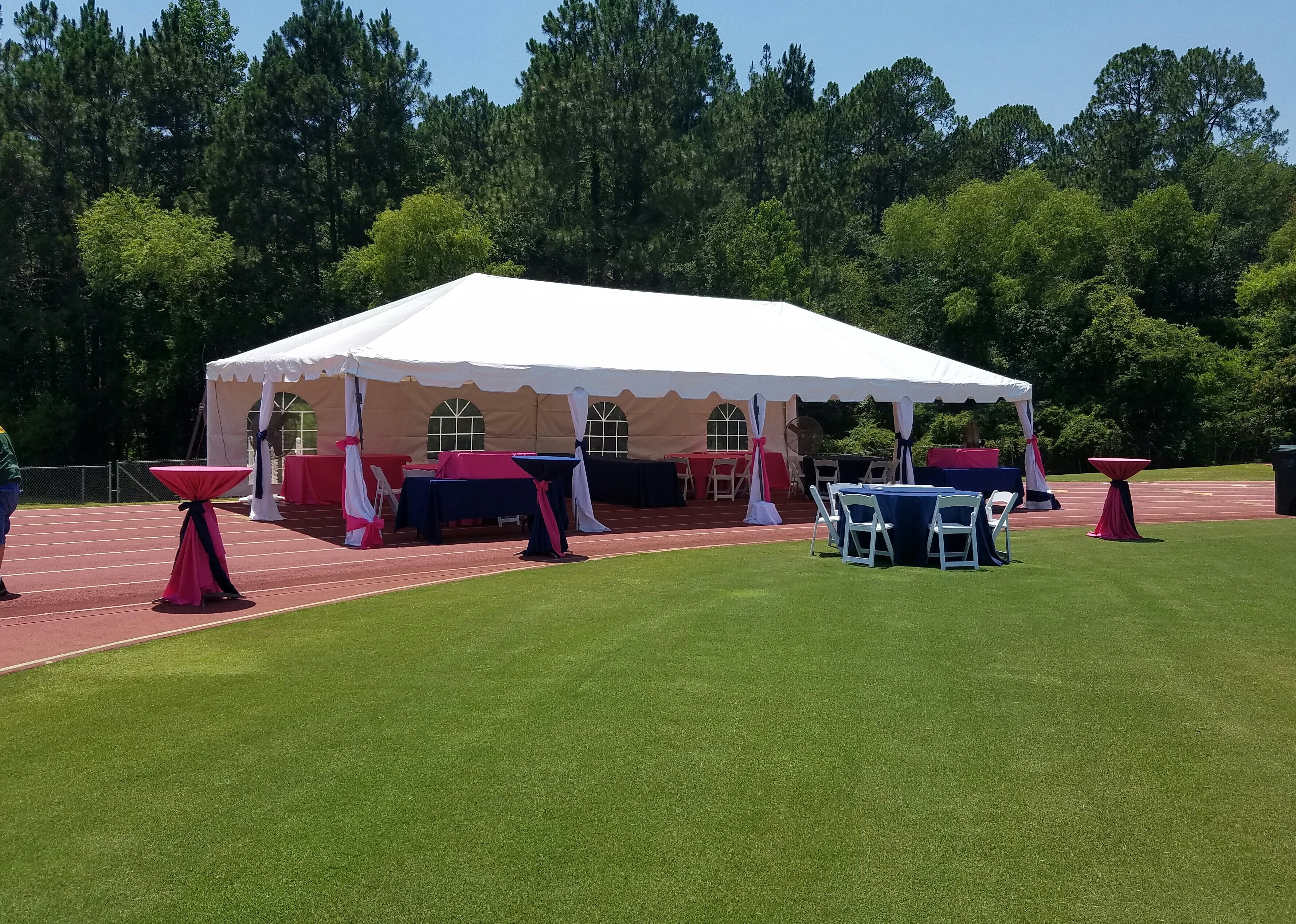
Frame tents generally cost more than pole tents because they require additional aluminum or steel framework for structural support.
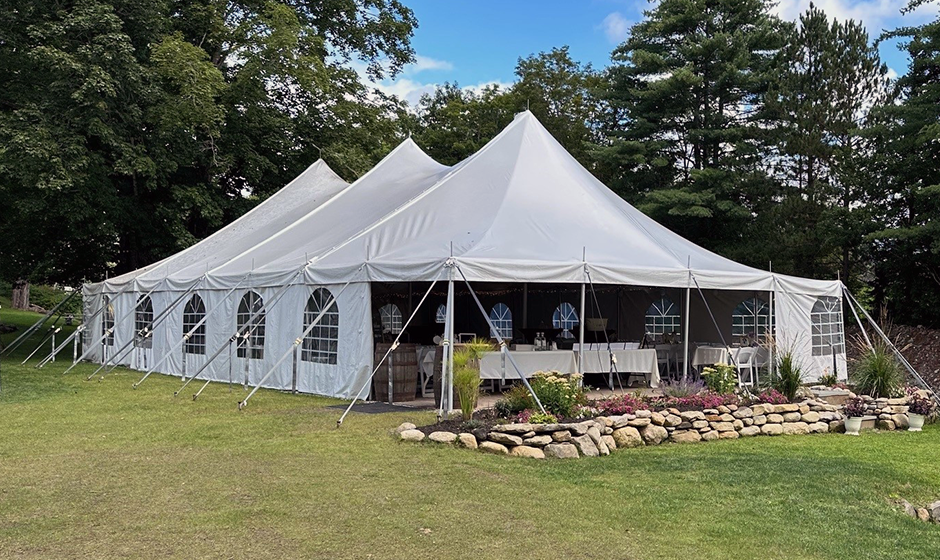
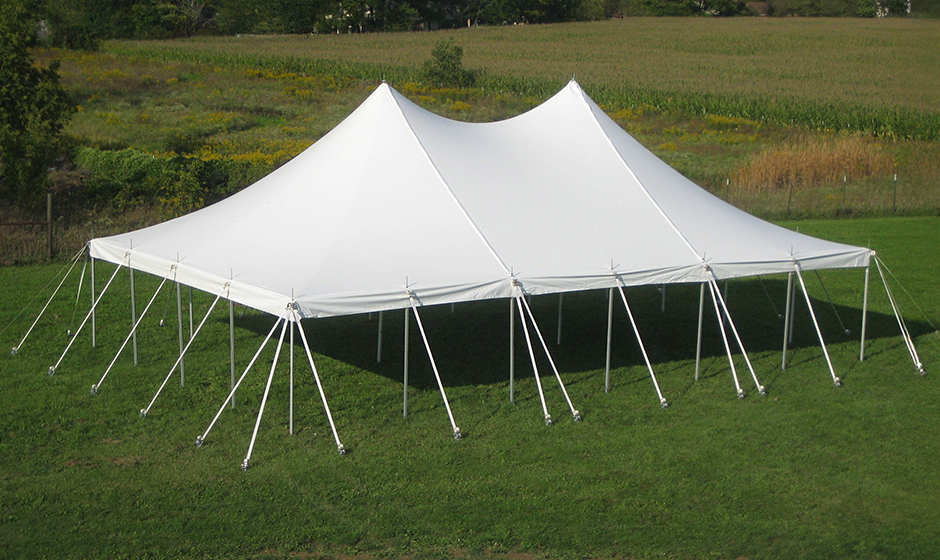
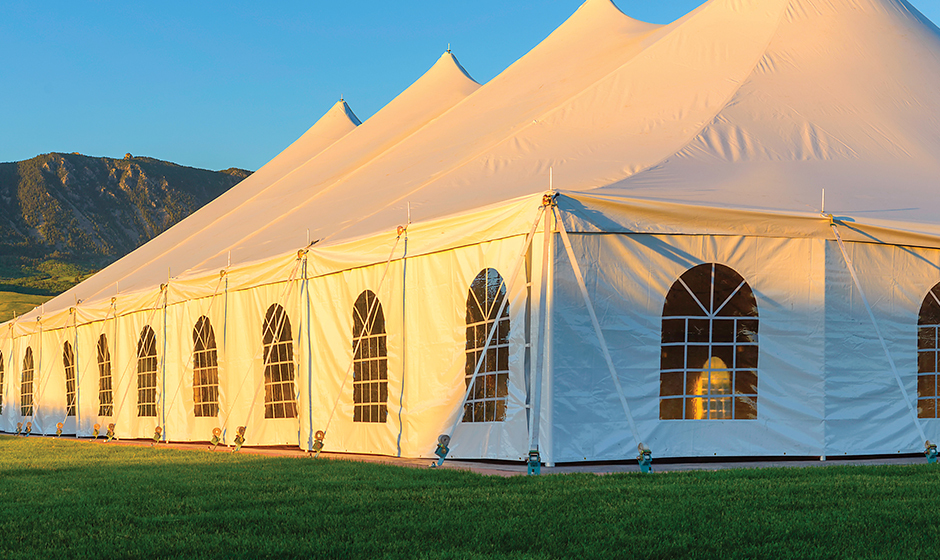
Pole tents use center poles and perimeter tension for stability, making them slightly more affordable in many cases.
However, frame tents eliminate interior poles, which increases layout flexibility. That structural advantage often justifies the higher price.
Surface Type and Anchoring
Installation surface significantly impacts labor and equipment cost.
Grass installations typically use stakes and are less expensive. Asphalt or concrete installations require weighted ballast systems, increasing both material and labor charges.
Hard-surface installations may also require additional crew time.
Location and Delivery Distance
Transportation fees increase with distance from the provider’s warehouse. Remote venues or urban locations with restricted access may require additional labor and coordination.
Delivery and pickup are often separate line items.
Rental Duration
Most rental pricing is based on a standard event window. Extended rentals or multi-day installations increase overall cost.
Accessory Costs That Impact Total Price
The advertised 20x40 tent price often reflects only the basic structure. Most events require additional equipment.
Sidewalls
Solid or windowed sidewalls typically add $1 to $3 per linear foot depending on material quality. Fully enclosing the tent increases weather protection but also increases labor.
Flooring Systems
Basic plywood flooring is more affordable than modular event flooring systems. Carpet overlays, vinyl finishes, or raised platforms significantly increase cost.
Lighting
String lighting, chandeliers, LED uplighting, and power distribution systems enhance atmosphere but require additional equipment and installation time.
Climate Control
Heaters or fans may be necessary depending on season and climate. These units require power access and proper placement.
Guest Count and Layout Complexity
Guest count indirectly influences 20x40 tent price because layout complexity increases labor and equipment needs.
A simple 80-guest seated dinner may require minimal add-ons. A 120-guest reception with dance floor, buffet, and bar increases lighting, flooring, and anchoring requirements.
More components mean higher total cost.
Material Quality and Price Differences
Commercial-Grade Vinyl
Higher-grade vinyl is thicker, UV-resistant, and flame-retardant certified. It withstands repeated installations and harsh weather exposure.
This durability increases upfront cost but reduces long-term replacement expenses.
Consumer-Grade Materials
Lower-cost tents often use thinner tops and lighter frames. These are typically suited for occasional backyard use rather than professional event environments.
Price reflects engineering strength.
Hidden Costs to Clarify Before Booking
Some quotes appear affordable but exclude necessary services.
Common hidden charges include:
- Permit fees
- Utility marking services
- Damage deposits
- Weather contingency fees
- Site leveling
Requesting a detailed, itemized quote prevents budgeting surprises.
How 20x40 Tent Price Compares to Other Sizes
Relative cost matters when evaluating event needs.
A 20x20 tent costs significantly less due to half the square footage. A 20x60 tent increases material and labor cost proportionally. A 30x40 tent adds width, which increases structural demand and pricing.
The 20x40 remains one of the most cost-efficient mid-sized tent options available.
Is a 20x40 Tent Worth the Investment?
For events expecting 80–120 guests, this size delivers a strong balance between affordability and functionality.
It supports seated dining, moderate dance floor space, buffet lines, bar areas, and comfortable circulation.
The value lies not only in shelter but in protecting guest comfort and event continuity.
Long-Term ROI for Rental Businesses
For rental companies, the 20x40 tent often becomes a core inventory piece.
Its versatility allows booking across weddings, corporate events, school functions, and private parties. High utilization rates improve return on investment compared to niche tent sizes.
When properly maintained, commercial-grade models deliver multiple seasons of performance.
Final Thoughts on 20x40 Tent Price
The true 20x40 tent price depends on structure type, surface conditions, accessories, installation complexity, and duration.
Renting provides convenience for single events. Purchasing provides long-term value for recurring use.
Evaluating total project requirements — not just base structure cost — ensures accurate budgeting and informed decisions.
Plan Your 20x40 Tent Investment with Confidence
Explore professional-grade 20x40 tent options built for durability, flexible layouts, and dependable outdoor performance.
View 20x40 Tent OptionsFAQ
How much does it cost to rent a 20x40 tent?
Rental pricing typically ranges from $400 to $1,200 for the structure alone. With delivery, setup, and accessories, total cost often ranges between $800 and $2,500 or more.
Is it cheaper to buy a 20x40 tent?
Buying can be more cost-effective for businesses or venues that use tents frequently. Commercial-grade purchase prices generally range from $1,800 to $5,000 or more depending on quality.
Does installation cost extra?
Yes. Delivery, setup, anchoring, and teardown are often separate line items unless included in a package rental quote.
Why do sidewalls increase price?
Sidewalls require additional material and labor for installation. They also increase structural tension and anchoring needs.
What is the most affordable type of 20x40 tent?
Pole tents are generally more affordable than frame tents because they require less structural framing, though layout flexibility may be slightly reduced.