



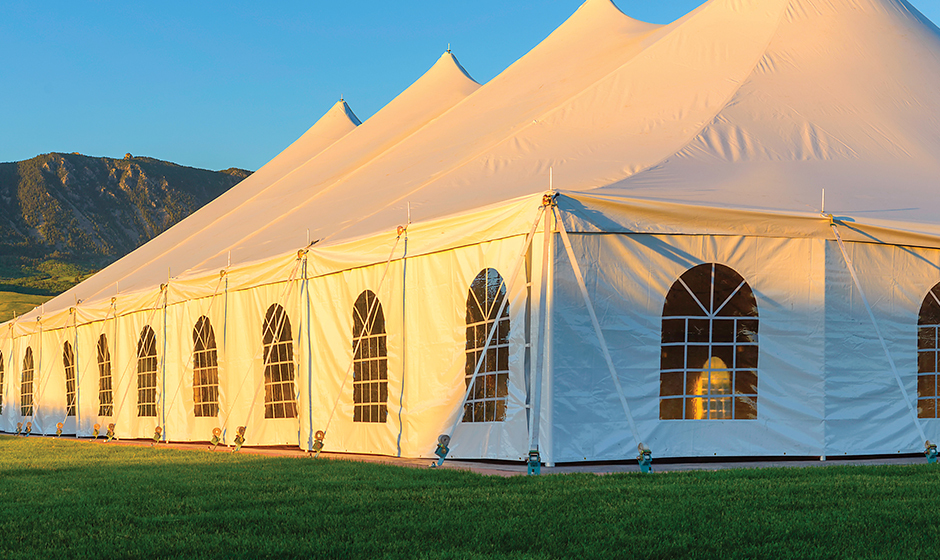
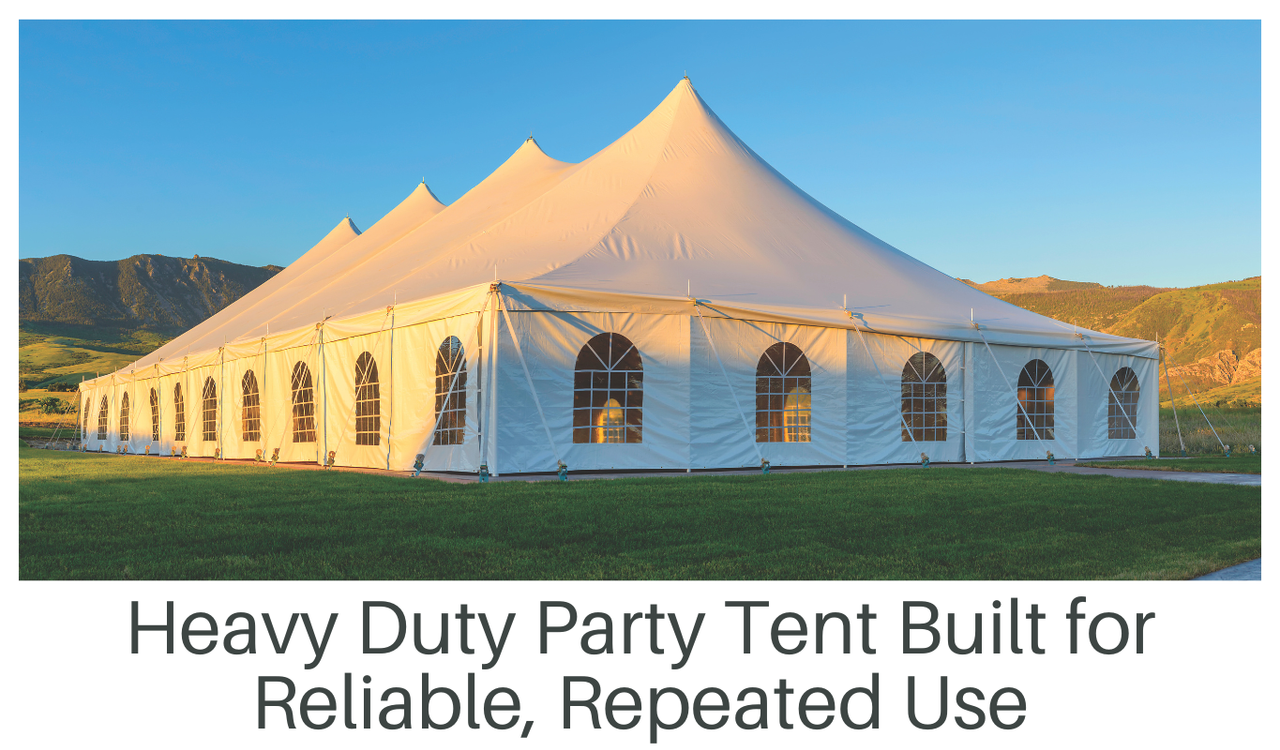
Heavy Duty Party Tent Built for Reliable, Repeated Use
A heavy duty party tent is usually chosen after someone has already learned a lesson the hard way. Maybe a lighter tent struggled in wind. Maybe fabric sagged during rain. Maybe setup felt fine once, but didn’t hold up over repeated events.
Heavy duty tents exist for situations where the tent isn’t just a backup plan. It’s a core part of the event setup, expected to stay stable, look clean, and perform consistently from the first guest to the last breakdown.
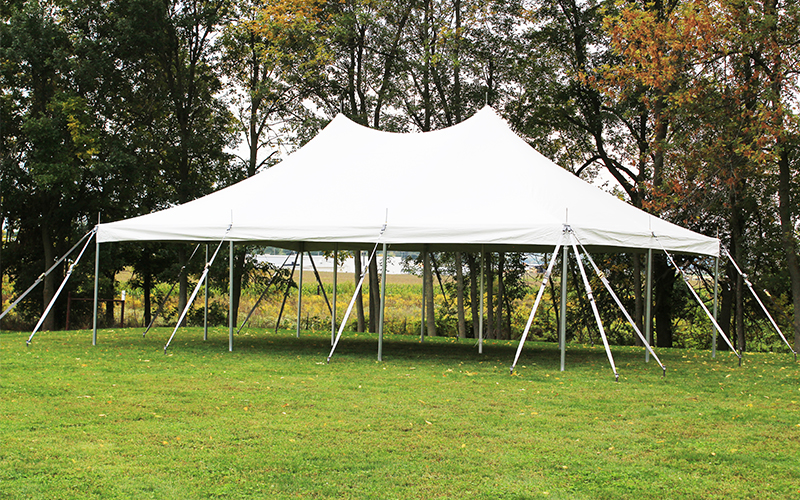
A good heavy duty tent has a very specific vibe: it’s quiet. It doesn’t draw attention to itself. It doesn’t look like it’s “working hard” to stay up. It just sits there—stable, clean, and dependable—so the event can feel smooth and intentional.
And the more often you run events, the more that quiet reliability matters. Not because guests are studying the frame, but because everyone feels the difference when the structure behaves calmly under real conditions.
Why “Heavy Duty” Actually Matters
The term heavy duty gets used loosely, but in real event use, it means something very specific.
A heavy duty party tent is designed to handle:
• repeated setup and teardown
• longer event durations
• changing weather conditions
• higher tension across the structure
• heavier accessories like sidewalls and lighting
This isn’t about overbuilding. It’s about building appropriately for real-world use instead of ideal conditions.
The Difference You Feel During Setup
One of the first places you notice the difference with a heavy duty party tent is during setup.
Frames align more easily. Connections feel solid. Fabric pulls evenly instead of fighting back. There’s less forcing, less adjusting, and less second-guessing.
That smoother setup matters, especially when crews are working on tight timelines or setting up multiple tents in a row.
Stability Changes How the Event Feels
Guests may never comment on the tent itself, but they feel stability immediately.
A heavy duty party tent doesn’t sway noticeably when wind picks up. It doesn’t flap loudly. It doesn’t draw attention to itself during the event.
That calm presence allows guests to relax and focus on the experience rather than the structure around them.
Quick Comparison: Standard vs. Heavy Duty Party Tents
| Feature | Standard Party Tent | Heavy Duty Party Tent |
|---|---|---|
| Best use case | Occasional, short events | Repeat use, long days, pro setups |
| Frame feel | Lighter, more flex | Stiffer, more stable under load |
| Fabric behavior | More prone to stretch and sag over time | Holds tension better and sheds water more predictably |
| Accessories | Limited or adds stress faster | Built to support sidewalls, lighting, and repeat installs |
| Long-term value | Lower upfront, higher replacement risk | Higher upfront, fewer surprises over time |
Fabric Weight Plays a Bigger Role Than Most Expect
Fabric weight is one of the defining features of a heavy duty party tent.
Heavier materials hold tension better, resist stretching, and shed water more effectively. Over time, they maintain shape instead of developing permanent sag or uneven pull.
This matters not just for appearance, but for performance. A tent that sheds water cleanly and maintains tension puts less stress on the frame and accessories.
Why Heavy Duty Tents Handle Weather Better
No tent is immune to weather, but heavy duty party tents are built to manage it more predictably.
Stronger frames resist movement. Heavier fabric doesn’t whip or snap as easily. Reinforced seams distribute stress more evenly when conditions change.
This doesn’t eliminate weather planning—but it gives you a structure that responds calmly instead of reacting dramatically.
Repeated Use Is Where Heavy Duty Pays Off
Lightweight tents often work fine once or twice. Problems usually appear after repeated use.
Hardware loosens. Fabric stretches. Frames lose alignment. Over time, setup takes longer and performance becomes less reliable.
Heavy duty party tents are built with repetition in mind. They’re designed to be used, packed, transported, and used again without degrading quickly.
Why Rental Companies and Venues Prefer Heavy Duty
Rental companies, venues, and frequent hosts gravitate toward heavy duty tents for one reason: predictability.
When the same tent performs the same way every time, planning becomes easier. Crews know what to expect. Layouts remain consistent. Fewer surprises appear on event day.
That predictability reduces stress and improves efficiency across the entire operation.
Sidewalls and Accessories Need Strong Foundations
Sidewalls, lighting, heaters, and décor add weight and tension to a tent system.
A heavy duty party tent is built to support these additions without compromising stability. Attachment points are reinforced. Frames are designed to handle increased load.
This allows greater flexibility in event design without pushing the structure beyond its limits.
Heavy Duty Doesn’t Mean Inflexible
There’s a misconception that heavy duty tents are rigid or hard to work with.
In reality, well-designed heavy duty party tents offer just as much layout flexibility as lighter options. The difference is that they maintain shape and performance regardless of configuration.
You get adaptability without sacrificing reliability.
When a Standard Party Tent Stops Being Enough
Many hosts start with standard party tents and upgrade later.
The upgrade usually happens when:
• events become larger or more frequent
• weather becomes a recurring concern
• setup time starts increasing instead of decreasing
• appearance consistency starts to matter
At that point, a heavy duty party tent becomes less of an upgrade and more of a necessity.
Long-Term Cost vs. Short-Term Savings
Heavy duty party tents often cost more upfront, but they typically cost less over time.
Fewer replacements. Fewer repairs. Less downtime. Less frustration. Over multiple seasons, that durability translates into real savings.
This is especially true for businesses and venues that rely on their tents regularly.
Why Fit and Engineering Matter
Heavy duty performance doesn’t come from material alone. It comes from engineering.
Proper fit ensures fabric tensions evenly. Reinforced stress points prevent premature wear. Frame geometry supports load distribution instead of concentrating stress in one area.
These details are what separate truly heavy duty tents from those that only claim the label.
How CELINA Approaches Heavy Duty Party Tents
CELINA designs heavy duty party tent systems with repeat use, compatibility, and long-term performance in mind. Frames, tops, and accessories are engineered to work together predictably under real event conditions.
This system-based approach reduces setup issues and helps tents maintain performance season after season.
If you’re running sidewalls and lighting often, pay attention to how the system is engineered at stress points—corners, wall attachment zones, and connection hardware. Heavy duty performance shows up there first. A well-designed system keeps tension even, makes installs smoother, and helps the tent stay “quiet” in wind and weather.
Heavy Duty Tents Support Professional Standards
For professionals, reliability is part of reputation.
A tent that performs consistently reflects well on the host, venue, or rental provider. It signals preparation and attention to detail, even if guests never consciously notice why the space feels comfortable.
Heavy duty party tents support that standard quietly and effectively.
When the Tent Becomes Part of the Experience
At larger or longer events, the tent isn’t just shelter—it’s part of the environment.
When it stays stable, looks clean, and performs without interruption, it enhances the experience rather than competing with it. That’s the goal of a heavy duty party tent.
A Practical Investment for Serious Events
Whether for rentals, venues, or frequent hosts, a heavy duty party tent is a practical tool.
It handles stress better. It lasts longer. It simplifies planning. And it reduces the number of things that can go wrong on event day.
That reliability is what makes heavy duty tents worth the investment.
Ready for a Heavy Duty Solution
If your events demand stability, repeat use, and dependable performance, a heavy duty party tent is designed for exactly that. Exploring a system built for real-world conditions can help eliminate guesswork and elevate how your events run.
You can view CELINA’s heavy duty party tent options and related components at gettent.com, where systems are designed to perform together rather than as mismatched parts.
FAQ
What makes a party tent “heavy duty”?
Heavy duty party tents use stronger frames, heavier fabric, reinforced seams, and engineered fit to handle repeated use and higher stress compared to lightweight or temporary tents. The goal is stable performance over time, not just one good setup. You typically feel the difference in tension, alignment, and how the tent behaves in wind. Heavy duty is less about “bigger” and more about “built for repeat work.”
Are heavy duty party tents harder to set up?
Not usually. While components may be sturdier, proper design often makes setup smoother and more predictable, especially for experienced crews. A well-engineered system reduces forcing and re-adjusting. Once your team learns the routine, it often feels faster than fighting a lighter tent that won’t tension evenly. Familiarity is what makes setup feel easy over time.
Do heavy duty party tents handle wind better?
They are designed to respond more predictably to wind due to stronger frames and better tension distribution, but proper anchoring is still essential. Heavy duty doesn’t remove the need for good stakes, ballast, or safe installation practices. It does, however, reduce the “drama” factor—less flapping, less movement, and fewer surprises when conditions change. The tent feels calmer when built and secured correctly.
Are heavy duty tents only for large events?
No. They’re often chosen for smaller events that happen frequently or require consistent performance, not just for large gatherings. If you’re setting up every weekend, running longer hours, or using sidewalls and lighting often, heavy duty can be the more practical choice. The benefit shows up in repeatability and reduced wear. It’s about usage patterns more than crowd size.
How long does a heavy duty party tent last?
Lifespan depends on use and care, but heavy duty tents typically last significantly longer than lightweight options when maintained properly. Cleaning after events, drying before storage, and inspecting hardware regularly all extend life. Proper tensioning also helps fabric avoid permanent stretch. When the system is treated like equipment (not disposable gear), the value stretches across seasons.
Can sidewalls be used with heavy duty party tents?
Yes. Heavy duty tents are designed to support sidewalls and accessories without compromising stability. Reinforced attachment points and stronger frames help manage the added wind load and tension that sidewalls create. This gives you more flexibility in how enclosed or open the space feels. The key is still correct anchoring and using compatible components that fit the system properly.
Is a heavy duty party tent worth the higher upfront cost?
For frequent use, rental operations, or professional events, the long-term savings and reliability often outweigh the initial investment. You typically see fewer repairs, fewer replacements, and less downtime. Setup becomes more predictable, which also reduces labor stress over busy seasons. If the tent is part of your operation—not a one-time backup—the value becomes clearer quickly.
Who should consider a heavy duty party tent?
Rental companies, venues, event professionals, and hosts who prioritize reliability, durability, and consistent performance benefit most from heavy duty party tents. If weather is a recurring factor, if your events are back-to-back, or if you rely on accessories like sidewalls and lighting, heavy duty is often the safer, smoother choice. It’s for people who want fewer surprises and more control on event day.