



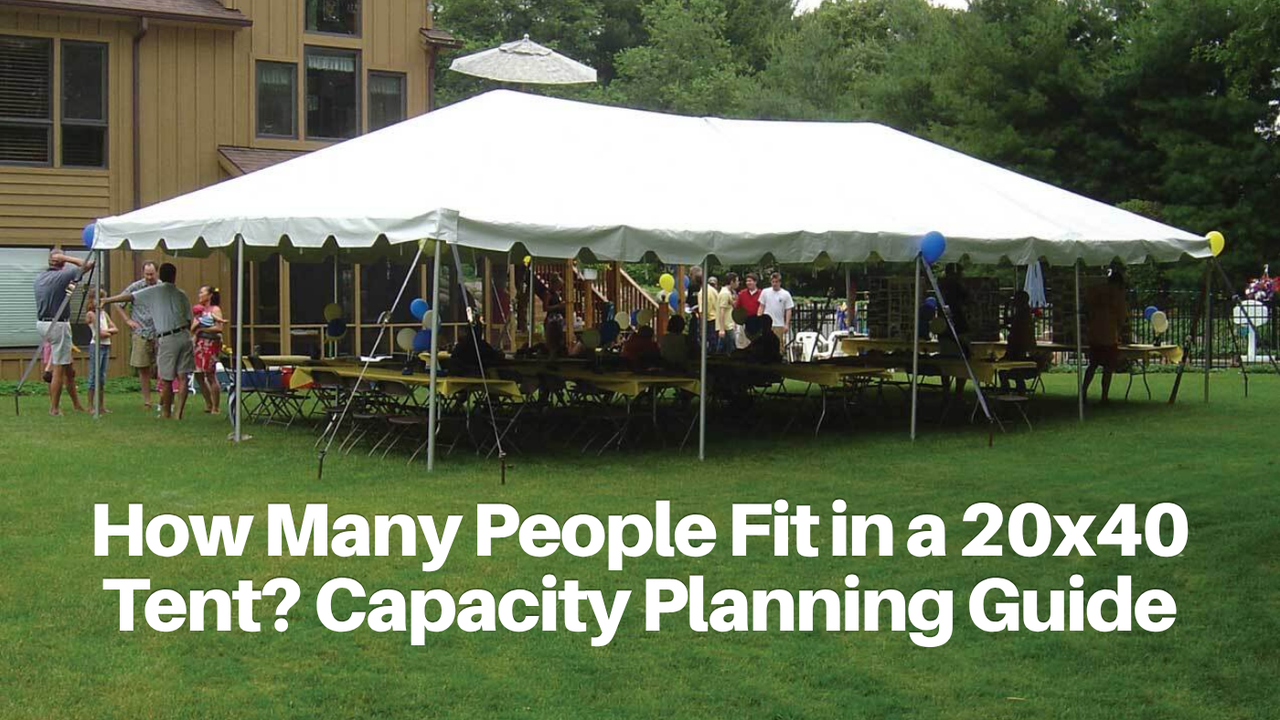
How Many People Fit in a 20x40 Tent? Understanding 20x40 Tent Capacity
When planning an outdoor event, one of the most common questions is simple but critical: what is the real 20x40 tent capacity?
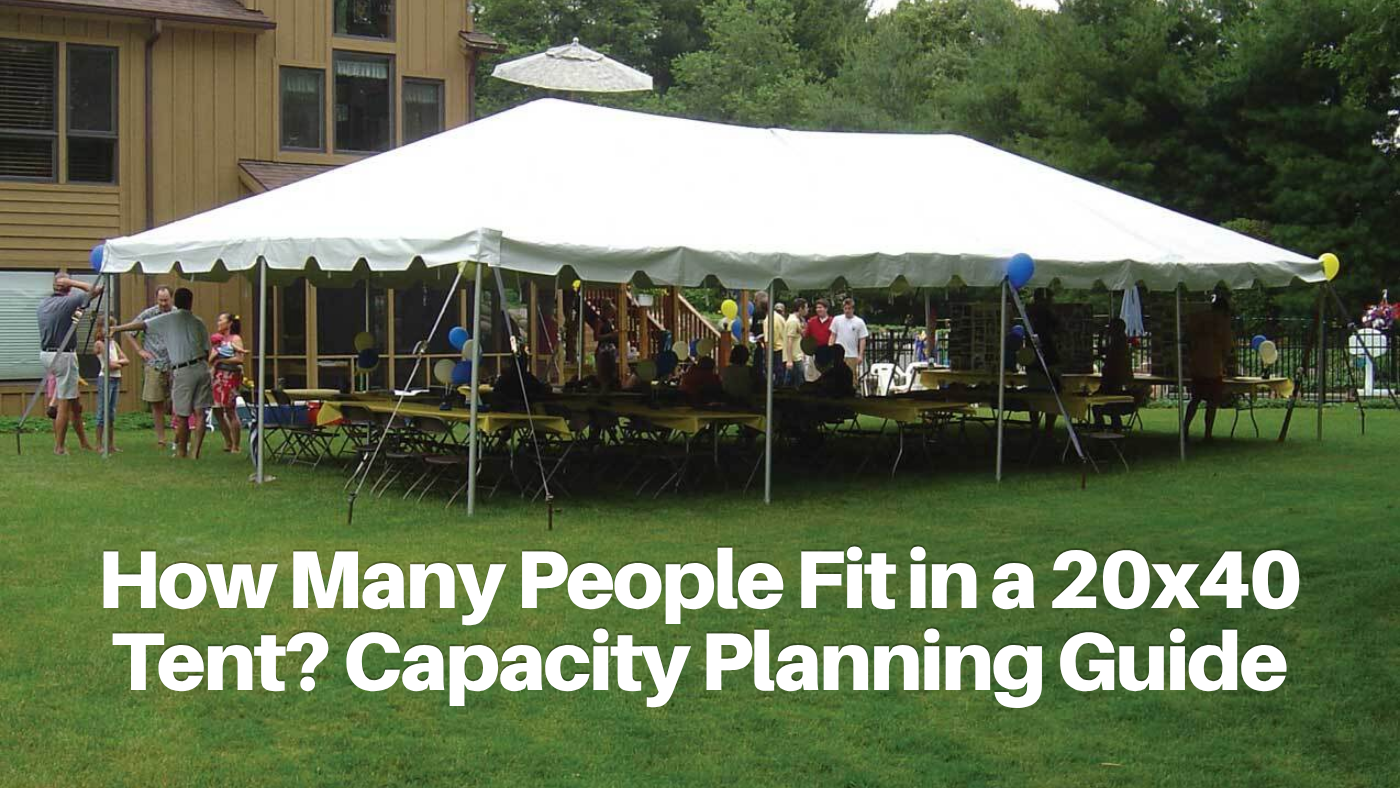
A 20x40 tent provides 800 square feet of covered space. On paper, that number seems straightforward. In practice, however, capacity depends entirely on layout, seating style, service flow, and whether additional features like dance floors or buffet stations are included.
Understanding how many people comfortably fit under a 20x40 tent is not just about maximum occupancy. It’s about guest experience, movement, and comfort.
Breaking Down the Square Footage
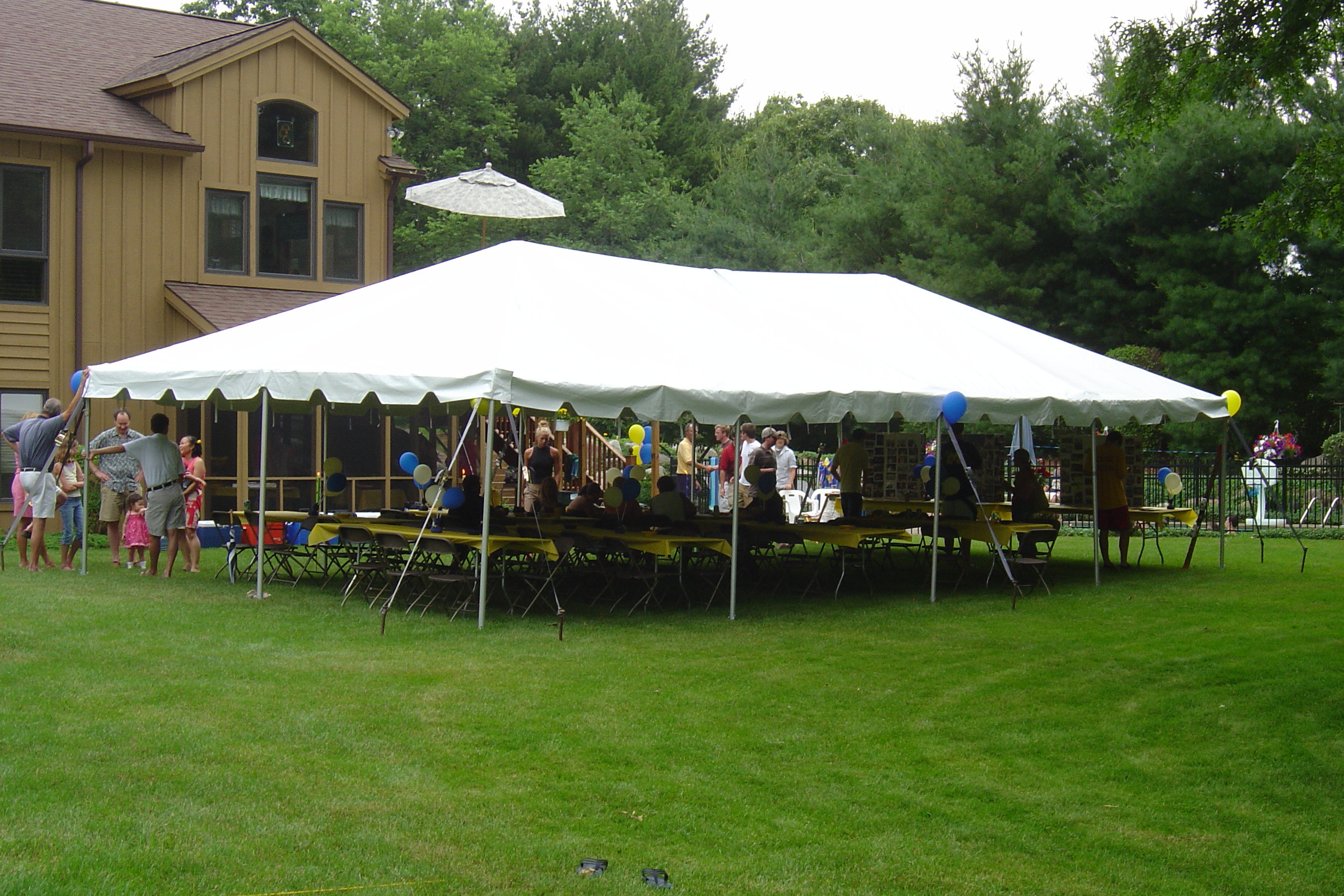
A 20x40 tent measures 20 feet wide and 40 feet long, creating 800 square feet of usable interior space.
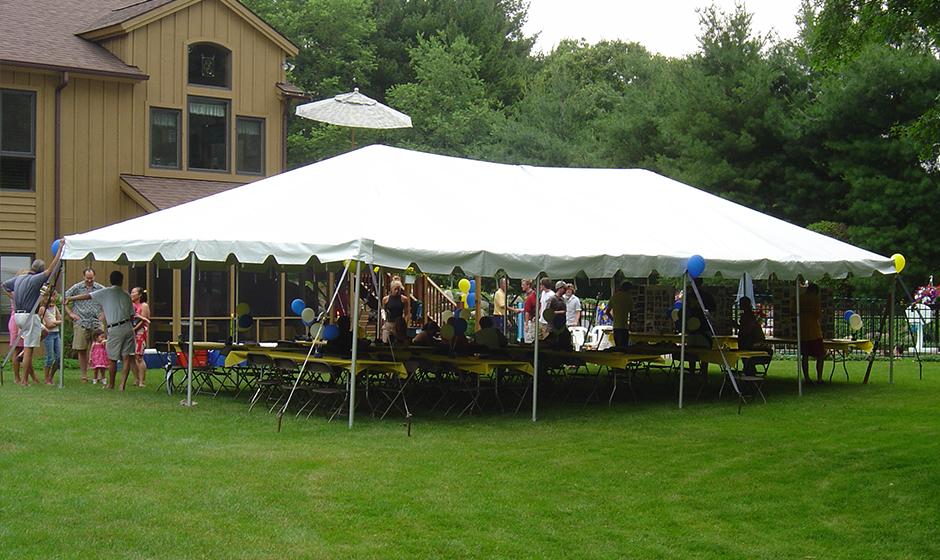
That footprint makes it a mid-sized option — larger than backyard tents but smaller than large wedding or corporate event structures. It’s often selected for:
- Weddings under 150 guests
- Graduation parties
- Corporate luncheons
- Church gatherings
- Backyard receptions
- Community events
But square footage alone does not determine capacity. Layout design changes everything.
20x40 Tent Capacity for Seated Events
Round Table Seating Layout
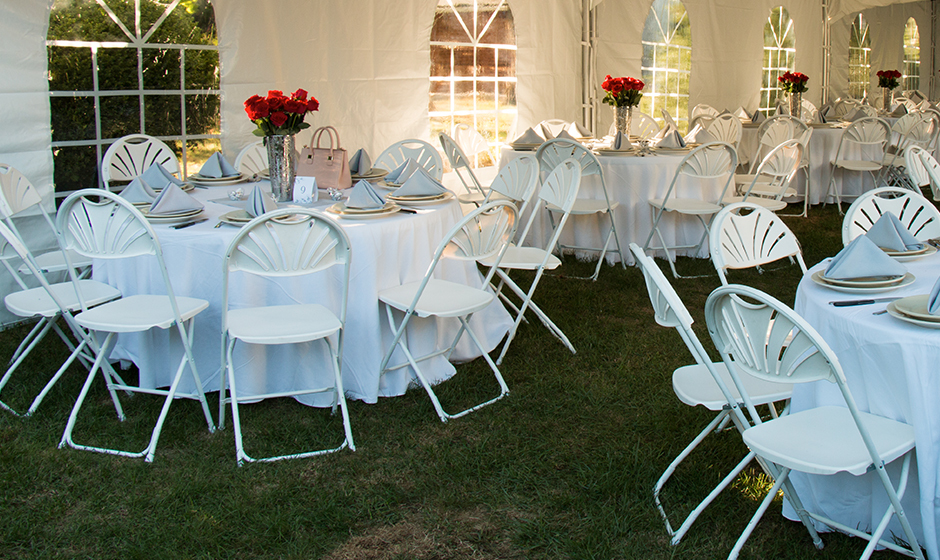
For events using standard 60-inch round tables seating 8 guests per table, a 20x40 tent typically accommodates between 80 and 100 guests comfortably.
This estimate includes reasonable spacing between tables and walking lanes for guests and servers.
If spacing is reduced, capacity can increase slightly, but comfort begins to suffer. At higher guest counts, the tent may feel crowded rather than celebratory.
Why Spacing Matters
Many planners attempt to maximize guest count without considering flow. Guests need space to pull out chairs, navigate between tables, and access the dance floor or buffet.
In an 800-square-foot tent, overpacking reduces air circulation and creates congestion. Proper spacing ensures the tent feels open, not compressed.
Banquet-Style Seating Capacity
Long Rectangular Tables
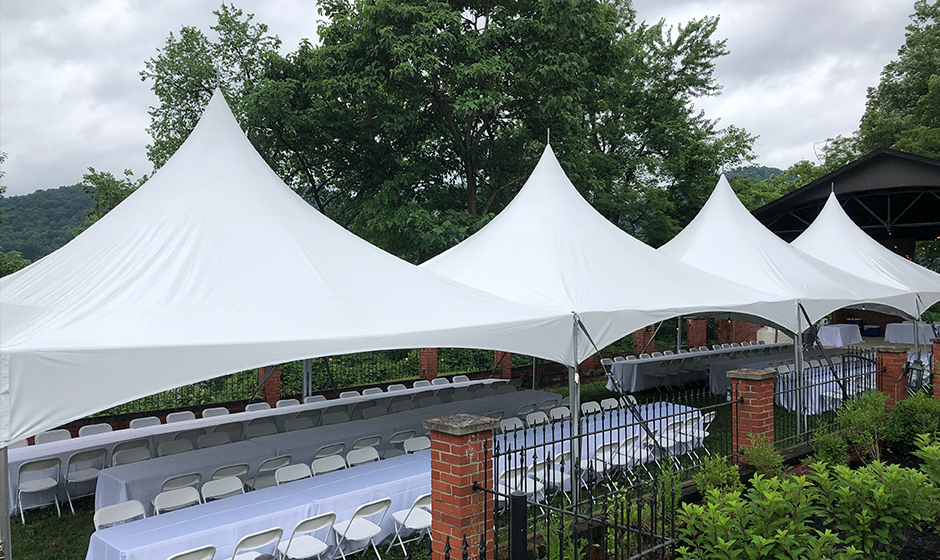
Banquet-style seating allows for more efficient use of space. Using 8-foot rectangular tables, a 20x40 tent can typically seat 96 to 112 guests depending on configuration.
Long tables create visual symmetry and reduce aisle space compared to round table layouts. This can slightly increase overall capacity while maintaining acceptable movement lanes.
Visual Impact of Banquet Layouts
Beyond capacity, banquet tables create dramatic presentation. In a 20x40 tent, long rows emphasize the 40-foot length, drawing the eye down the space and enhancing perceived scale.
This layout works particularly well for weddings with a central dance floor positioned at one end.
Cocktail-Style 20x40 Tent Capacity
If the event is standing-room with cocktail tables instead of full dining setups, 20x40 tent capacity increases significantly.
For cocktail receptions, the same tent can accommodate approximately 120 to 150 guests depending on table density and bar placement.
Because guests are not seated for long durations, space per person decreases. However, planners must still account for:
- Bar lines
- Food stations
- Entertainment areas
- Circulation lanes
A tent may technically hold more people, but functionality determines comfort.
Adding a Dance Floor Changes Capacity
One of the biggest variables affecting 20x40 tent capacity is the inclusion of a dance floor.
A standard 12x12 dance floor consumes 144 square feet. A larger 16x16 dance floor takes up 256 square feet — nearly one-third of the tent’s total footprint.
When adding a dance floor, seated capacity typically drops to:
- 70–90 guests with round tables
- 80–100 guests with banquet tables
Dance floors are often worth the tradeoff, but they significantly impact available seating.
Buffet, Bar, and Catering Considerations
Many planners overlook service space.
A buffet line may require 8 to 12 linear feet. A bar station consumes additional square footage. Catering prep areas, if placed inside the tent, further reduce seating capacity.
If food service is located outside the tent, more interior space remains available for guests.
Capacity planning must include all functional zones, not just tables.
Frame Tent vs Pole Tent Capacity Differences
The structure type affects usable space.
Frame Tent Advantage
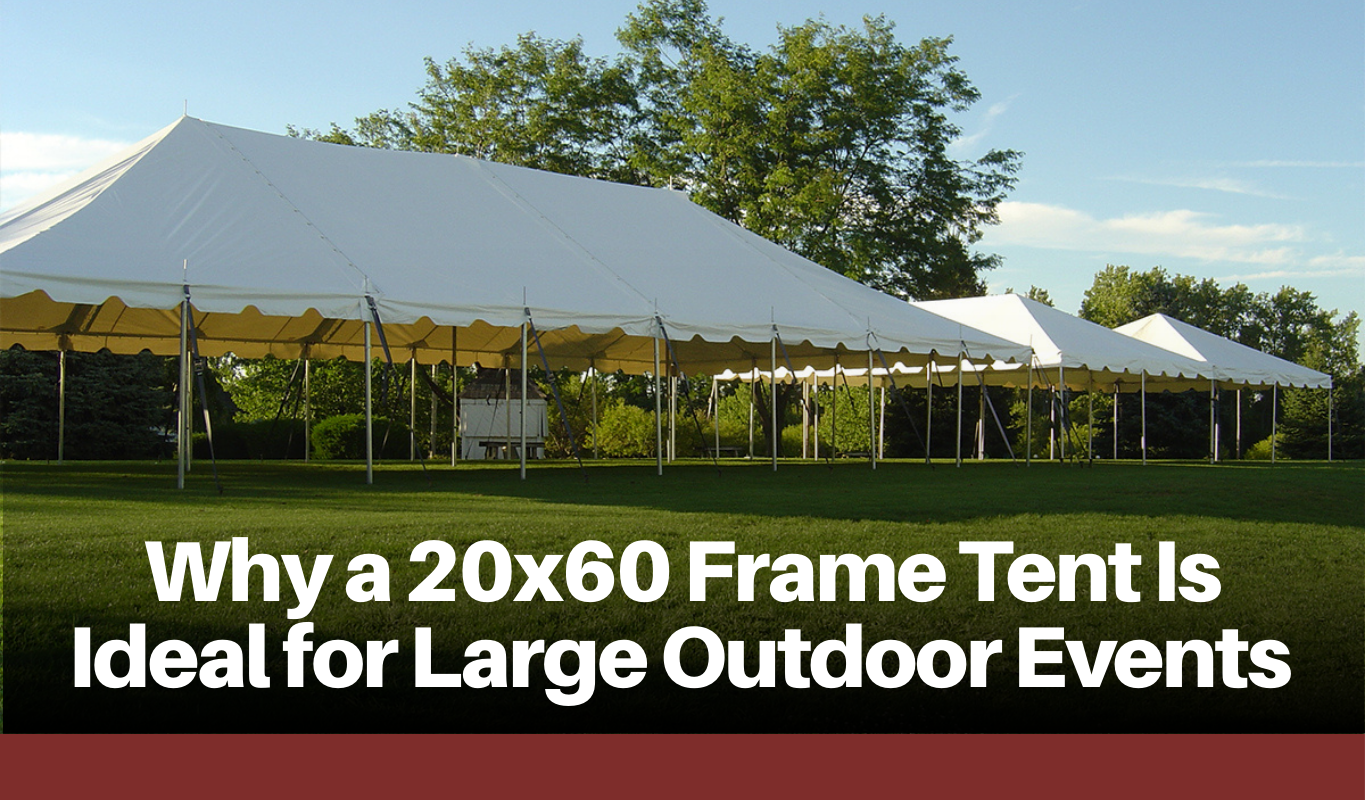
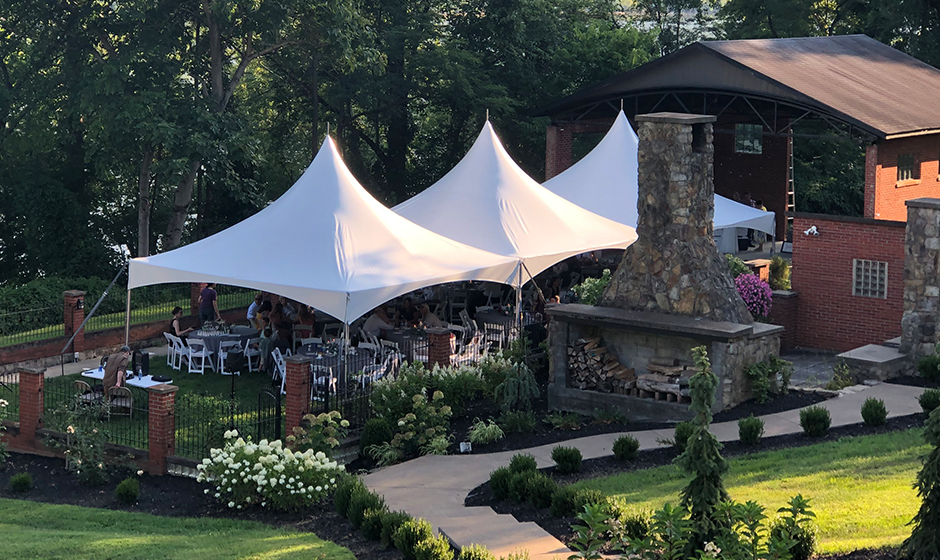
A 20x40 frame tent eliminates interior poles, allowing full 800-square-foot usage. Tables can be positioned anywhere without navigating structural obstructions.
This maximizes layout flexibility and often slightly increases practical capacity.
Pole Tent Limitations
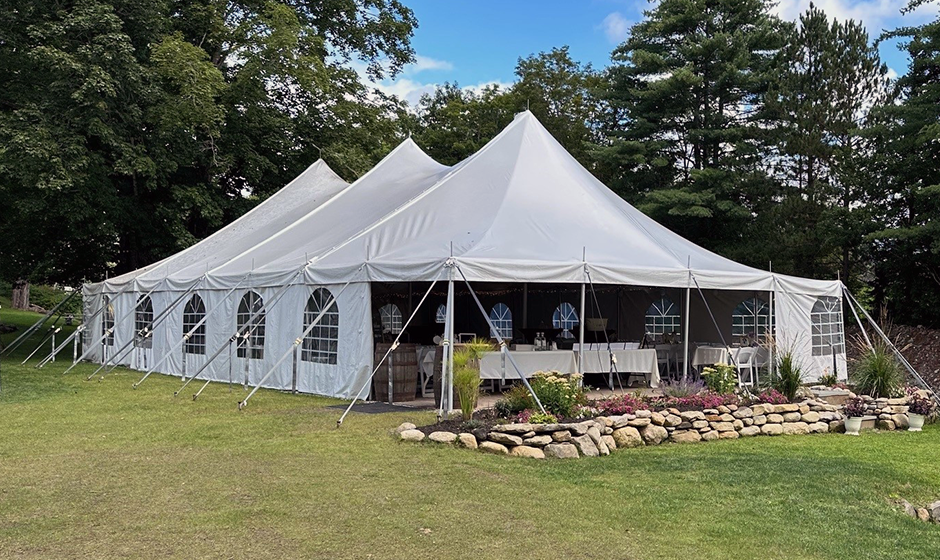
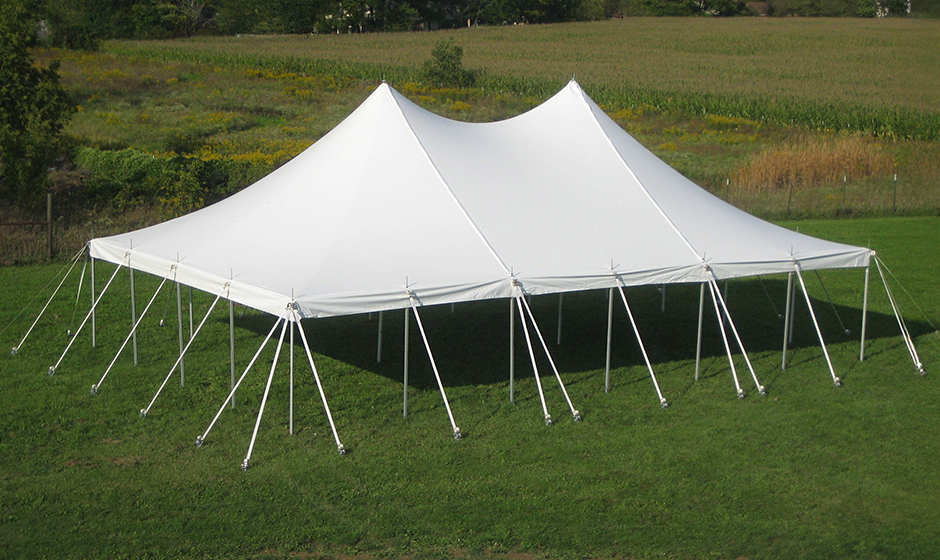
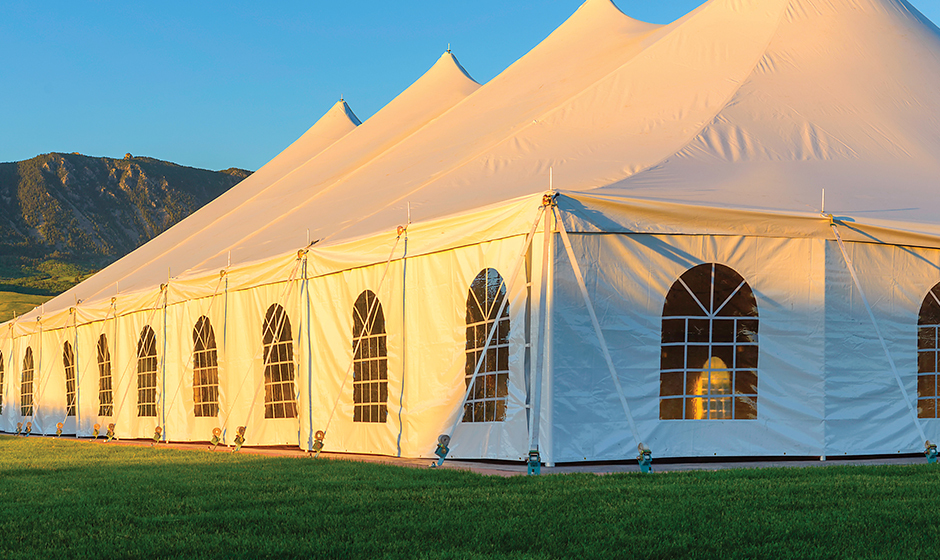
A 20x40 pole tent typically includes one or more center poles. While they do not dramatically reduce capacity, they affect table placement and dance floor positioning.
For formal events with strict symmetry requirements, frame tents provide greater layout freedom.
Comfort vs Maximum Occupancy
There is a difference between how many people can physically fit under a 20x40 tent and how many should fit.
Pushing to maximum capacity may reduce comfort. Tight spacing creates difficulty for servers, increases heat buildup, and restricts movement.
Comfort-focused capacity typically sits 10–15% below theoretical maximum occupancy.
Experienced planners prioritize guest experience over numerical limits.
Weather and Seasonal Impact on Capacity
In cooler weather, enclosed sidewalls reduce ventilation. This makes overcrowding feel more pronounced.
In warm weather, airflow becomes essential. A packed tent traps heat quickly.
Season and climate should influence final capacity decisions. A comfortable summer layout may require fewer guests per square foot than a mild spring event.
Is a 20x40 Tent Large Enough for Your Event?
A 20x40 tent works well for:
- Weddings under 120 guests
- Graduation parties
- Corporate networking events
- Community dinners
- Family reunions
If your guest list exceeds 120 seated guests with entertainment space required, a larger tent such as a 20x60 configuration or 30x40 tent may provide better flow.
Understanding realistic 20x40 tent capacity prevents last-minute upgrades or uncomfortable layouts.
Comparing 20x40 to Other Sizes
Compared to a 20x20 tent (400 square feet), a 20x40 doubles available space.
Compared to a 20x60 tent (1,200 square feet), it offers a more compact footprint with easier installation.
For mid-sized events, the 20x40 often represents the balance point between manageable setup and meaningful guest capacity.
Final Thoughts on 20x40 Tent Capacity
The true 20x40 tent capacity depends less on square footage and more on layout intention.
For seated events with round tables, expect 80 to 100 guests comfortably.
For banquet seating, 96 to 112 guests may fit efficiently.
For cocktail-style receptions, 120 to 150 guests are possible.
The difference between a comfortable event and a cramped one lies in planning.
Choose a layout that supports movement, service, and atmosphere — not just numbers.
Need a Flexible 20x40 Tent Solution?
Explore professional-grade 20x40 tents designed for adaptable layouts, dependable anchoring, and seamless event execution.
View 20x40 Tent Options800 Sq Ft Coverage | Frame & Pole Options | Commercial-Grade Materials
FAQ
How many guests fit in a 20x40 tent with round tables?
A 20x40 tent typically accommodates 80 to 100 guests seated at round tables, depending on spacing and service lanes.
How many people can stand in a 20x40 tent?
For cocktail-style events, a 20x40 tent can hold approximately 120 to 150 guests with proper circulation planning.
Does a dance floor reduce 20x40 tent capacity?
Yes. A standard dance floor reduces available seating space and may lower capacity by 10 to 20 guests.
Is a frame tent better for maximizing capacity?
Yes. Frame tents eliminate interior poles, allowing full use of the available 800 square feet.
When should I choose a larger tent?
If your guest count exceeds 120 seated guests with added features like a dance floor or buffet, upgrading to a larger size will improve comfort and flow.