





Starting & Scaling a Tent Rental Business: A Practical Guide
At first glance, a tent rental business sounds like the ultimate side hustle.
Buy a few tents. Rent them out on weekends. Make solid money while everyone else is at the event you’re setting up. Simple, right?
And honestly? There’s real opportunity here.
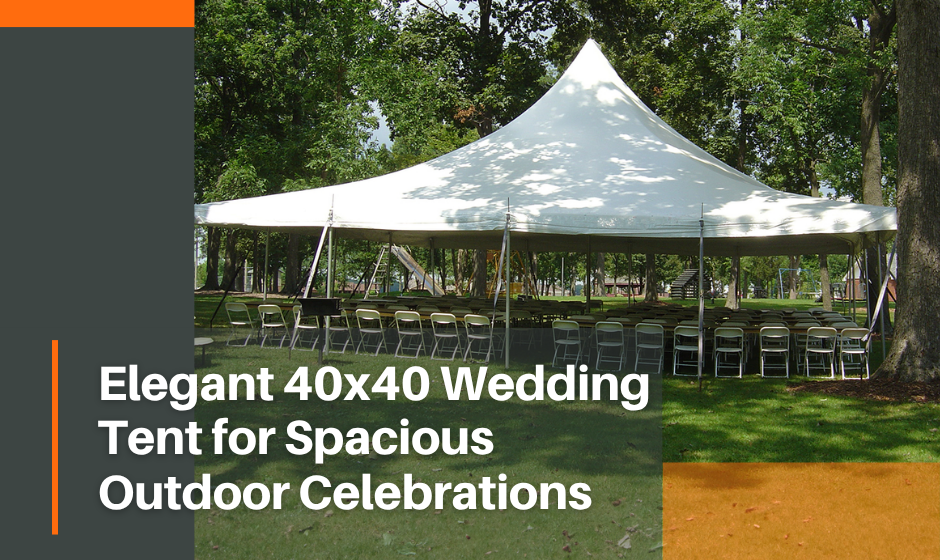
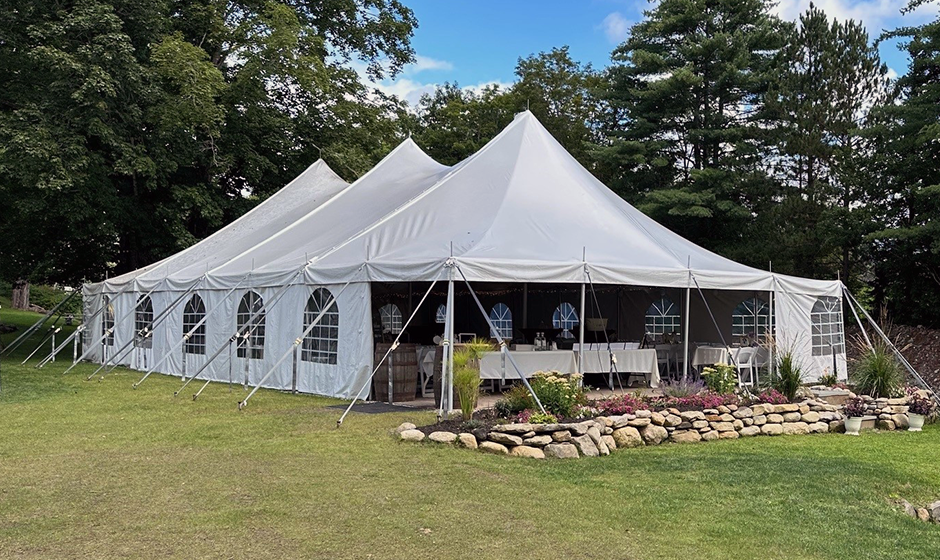
The demand for outdoor events isn’t going away. Weddings, graduations, corporate events, backyard parties — they all need coverage. From intimate backyard gatherings to large formal celebrations under professionally styled wedding-ready tent setups, temporary structures continue to fill gaps that permanent venues can’t.
Many legacy rental companies are run by owners nearing retirement, which means room for new operators. Barriers to entry are relatively low compared to many other businesses. You don’t need a storefront on Main Street. You don’t need a massive staff on day one. You can start lean, test your market, and grow from there.
It’s one of those rare businesses with both accessible entry and accessible exit. Equipment holds resale value. Demand is steady. Cash flow can scale quickly once you build momentum.
But here’s the part most people don’t see.
A tent rental business is not really a “tent” business.
It’s an operations business.
On paper, it looks straightforward. There’s a product. There’s demand. There’s a clear exchange of value. But once you’re in it, you realize tents aren’t passive inventory sitting neatly on shelves. They’re working assets — especially when you’re managing durable systems built from commercial-grade tent structures.
They move in and out every week.
They get soaked in unexpected rainstorms.
They’re dragged across grass, asphalt, gravel, and concrete.
They’re loaded onto trucks at 6 a.m. and packed up after dark.
Every one of those moments affects their lifespan — and your bottom line — especially if you’re managing a mix of frame tents, pole tents, or cross-cable systems.
Behind every smooth installation is a chain of moving parts:
- Reliable labor that knows how to assemble each system safely
- Trucks with the right capacity and proper tie-downs
- Warehouse space that keeps fabric dry and hardware organized
- Scheduling systems that prevent double bookings or missing components
Something as small as a missing ratchet strap or a mismatched enclosure panel from your sidewall inventory can delay an install and chip away at your reputation. In this business, small mistakes don’t stay small for long.
That’s why tent rental rewards operators who think in systems.
Your equipment strategy matters. Standardized inventory makes training easier and reduces setup errors. Investing in coordinated systems — whether through structured purchasing options or bundled configurations like those found in complete tent kit packages — simplifies logistics and speeds up installs.
Your maintenance discipline matters. Regular inspections and timely repairs prevent mid-season breakdowns — the kind that cost far more than the repair itself. Operators who build structured upkeep routines, similar to long-term fabric maintenance and care planning, protect margins over time.
Your scheduling matters. Stack jobs poorly and you’ll burn out your crew. Plan efficiently and you increase margins without increasing stress.
And your growth strategy matters most of all.
It’s easy to chase bookings. It’s harder to build structure.
Many operators feel this shift when they move from “a few weekend rentals” to consistent volume. Suddenly you need documented processes. Clear contracts. Insurance. Organized inventory tracking. Proper rental paperwork. What felt like a hustle starts looking like a real company — because it is. Administrative foundations such as clearly defined policies and structured customer service and support processes become just as important as the equipment itself.
The good news? When you build the right foundation early, growth doesn’t feel chaotic.
This guide walks through how to start a tent rental business the right way — with smart equipment choices, realistic operational planning, and systems that support scale instead of strain. For more insights like this, visit our tent rental blog for practical articles on equipment, operations, and growth strategies. The goal isn’t just to rent more tents. It’s to build a business where growth reduces stress instead of multiplying it.
With the right structure, your tents become income-producing assets that drive steady, predictable expansion — not constant firefighting.
That’s the difference between dabbling in rentals and intentionally building something that lasts.
Understanding the Tent Rental Business Model
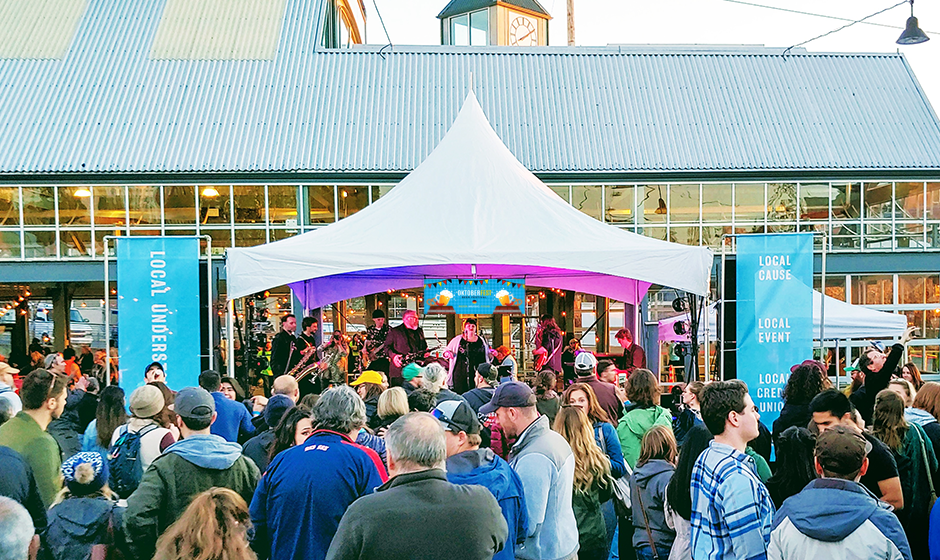
At its core, a tent rental business makes money by providing temporary covered space for events. Backyard birthday parties. Graduation celebrations. Weddings. Corporate gatherings. Festivals. Community events.
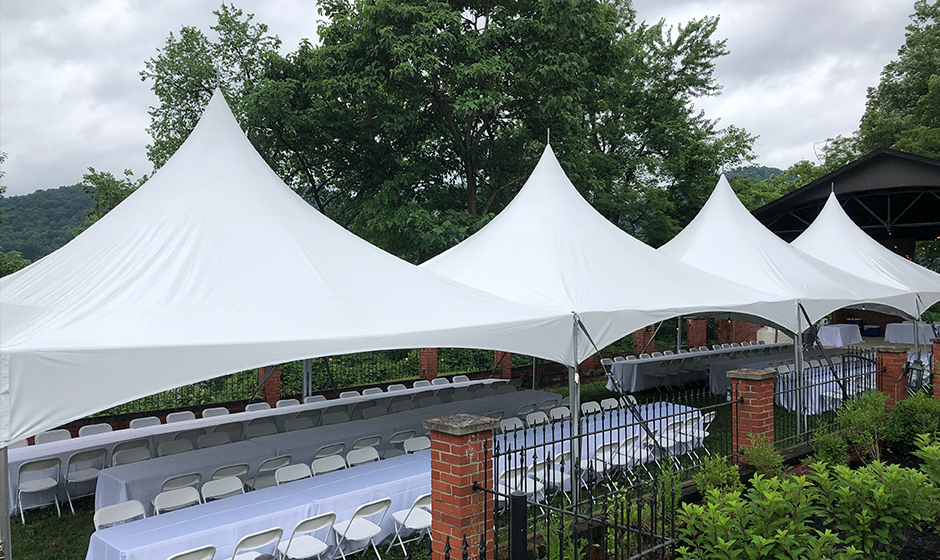
From intimate celebrations under adaptable graduation-ready setups to larger gatherings supported by versatile event tent structures, the core need is the same: reliable coverage.
On the surface, it sounds simple:
A client needs a tent for a date.
You deliver it.
You set it up.
You take it down.
You get paid.
Done.
Except… that’s only the surface.
Behind that simple exchange is a business built on logistics, timing, labor coordination, and risk management. The tent itself is just one piece of what you’re offering.
What customers are really paying for is confidence.
They want to know the event will go on, rain or shine.
They want structure in an empty field or backyard.
They want something temporary that feels solid and dependable for a day — whether it’s a casual gathering or a polished setup using engineered frame-based tent systems.
You’re not just renting fabric and poles.
You’re selling shelter.
You’re selling flexibility when venues are booked.
You’re selling protection against unpredictable weather.
Most of all, you’re selling peace of mind for events that often matter a lot — emotionally and financially.
When you understand that, your mindset shifts.
If you think you’re just an equipment supplier, you’ll compete on price.
If you understand you’re reducing stress and solving logistical problems, you’ll focus on reliability, professionalism, and systems.
And here’s the honest truth: this is not passive income.
It’s hands-on. It’s asset-heavy. It rewards structure.
The Asset-Heavy Reality
Unlike digital services or consulting, you can’t start this business with just a laptop and Wi-Fi.
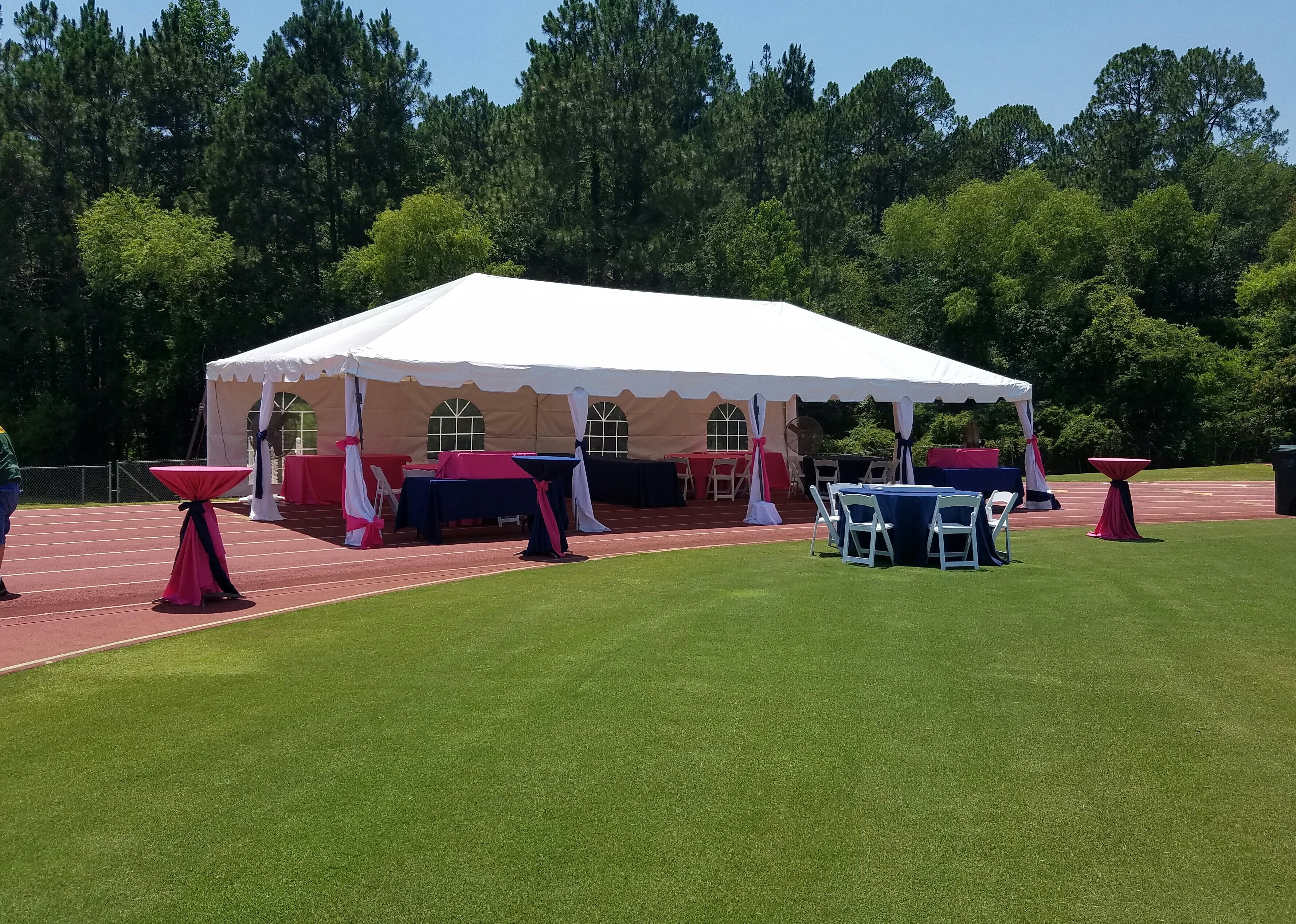
Before you make your first dollar, you’re buying physical equipment: tents, frames, hardware, anchors, sidewalls, accessories. Then you have to store it, transport it, install it, clean it, maintain it, and repair it.
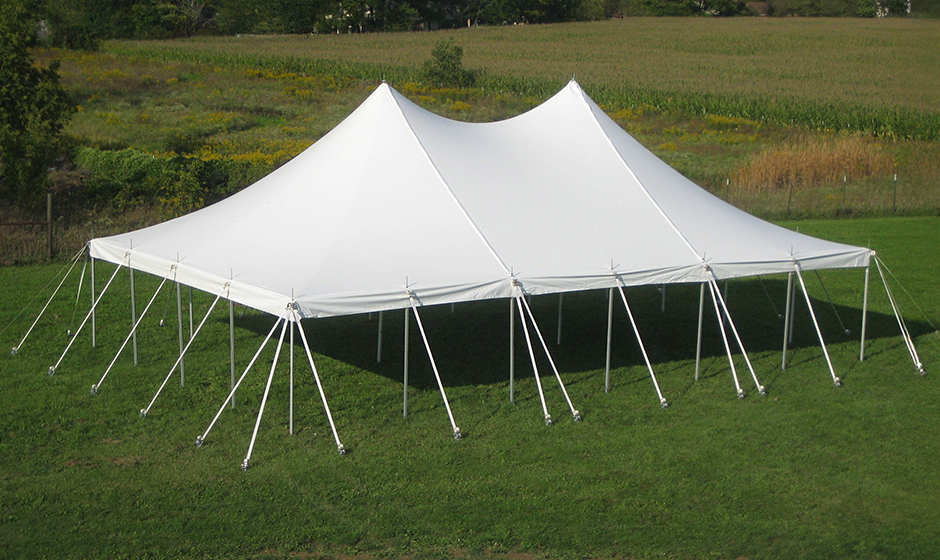
Core structural choices — whether you invest in traditional pole tent configurations or more versatile engineered systems — affect not just appearance, but labor, anchoring, and surface compatibility.
Every structure you own is capital.
When it’s installed at an event, it’s earning.
When it’s sitting in storage, it’s tying up cash.
That creates a simple but powerful dynamic: your equipment has to work.
And tents live a tough life.
Fabric gets wet.
Frames get scratched.
Stakes bend.
Hardware disappears.
Sidewalls tear — especially without organized storage of items like protective tent sidewall panels.
Unlike a digital product, tents don’t stay pristine. They slowly wear down every time they’re deployed. That means maintenance isn’t optional — it’s part of the business model. Proper handling, inspection, and access to replacement components through dedicated tent parts and accessories directly affect lifespan.
The operators who protect their assets well enjoy stronger margins.
The ones who ignore maintenance end up replacing inventory sooner than they planned.
Longevity equals leverage.
The longer your equipment stays event-ready — especially high-demand configurations similar to adaptable all-purpose party tent formats — and the more often it rents during peak season, the faster you recover your investment and stabilize your cash flow.
Revenue Is Driven by Three Core Factors
There are a lot of moving pieces, but revenue in this business consistently comes down to three big levers:
- Equipment utilization rate
- Average rental value per event
- Operational efficiency
If you understand these three, you understand the engine.
Equipment utilization rate is about how often your tents are out working instead of sitting in storage. You might own a large inventory, but if only half of it is consistently booked, your returns shrink. High utilization during peak months is a great sign. Low utilization usually means overbuying, weak marketing, or expanding into formats without proven demand.
Average rental value per event is how much you earn per booking. Renting only a base tent generates one number. Packaging that tent with lighting, enclosure panels, flooring, or portable heating systems from your event climate control inventory can significantly increase that number — without adding another event to your calendar. Smart bundling often beats simply chasing more bookings.
Add-ons such as interior treatments like tent liner systems or professional lighting configurations can transform a basic rental into a premium environment.
Operational efficiency determines how much of that revenue you keep. If crews waste time hunting for missing hardware, making extra warehouse runs, or correcting install mistakes, labor costs climb fast. If routing isn’t optimized, fuel costs rise. Small inefficiencies stack up quickly.
Efficiency doesn’t happen by accident. It’s built through planning, organization, and repeatable systems — including structured installation processes supported by proper tools and handling equipment like frame tent lifting tools and setup aids.
New operators often celebrate a full calendar. And being busy feels good.
But busy doesn’t automatically mean profitable.
Experienced operators focus on predictable demand, predictable costs, and predictable processes. That predictability creates stability. And stability is what allows you to grow without feeling like you’re constantly putting out fires.
In the end, the tent rental business isn’t just about staying busy.
It’s about building a machine that runs smoothly — even during your busiest season.
Step 1: Starting with the Right Equipment Strategy
One of the most common early mistakes in a tent rental business is purchasing equipment based on excitement rather than demand. Large, dramatic tents look impressive in photos and at trade shows. They feel like growth. But they also require greater investment, more labor, and more logistical capacity.
A stronger strategy is starting with versatile sizes that serve the widest range of events. In most markets, mid-sized systems consistently generate bookings because they fit residential properties, corporate gatherings, and community functions alike. Versatile configurations found within broader tent size options tend to rent more frequently than oversized specialty structures.
For example, a 20x20 tent can accommodate several dozen guests depending on layout. It fits comfortably in many backyards. It can be installed by a small crew. It transports efficiently in a standard truck. Because it serves so many event types, it tends to book frequently. Many rental operators build their fleets around reliable workhorses similar to the configurations discussed in this breakdown of a 20x20 rental-friendly tent setup.
That frequency matters more than spectacle. A tent that rents every weekend generates steady return on investment. A large tent that rents a few times a year may produce larger invoices but lower overall efficiency.
Oversized inventory also increases operational complexity. Larger tents require more crew members, stronger anchoring systems, greater transport capacity, and expanded storage. They demand more careful site evaluation. For a new business, these added layers can create strain before systems are mature.
Early growth should focus on reliability. Build a foundation of inventory that books consistently. Develop processes. Train crews. Once demand clearly exceeds capacity, expansion becomes strategic rather than speculative.
The Power of Standardization
Another critical element of equipment strategy is standardization. In the early stages, it can be tempting to purchase whatever equipment is discounted or immediately available. Over time, this leads to mismatched systems.
If one 20x20 tent uses different hardware than another, crews must remember multiple configurations. If sidewalls are not interchangeable, loading becomes complicated. If anchoring systems vary, training becomes inconsistent.
Standardized equipment simplifies operations. Crews develop familiarity and speed when every tent in a size category assembles the same way. Replacement parts are easier to stock. Inventory tracking becomes clearer. Expansion is smoother because each new tent integrates seamlessly into existing processes, especially when sourcing coordinated tent kits and compatible hardware systems.
Standardization reduces cognitive load. When your team does not have to think through minor differences on every job, they work more efficiently and with fewer errors.
Step 2: Planning Storage and Transportation
A tent rental business is fundamentally logistical. Buying equipment is only the beginning. You must move and protect it efficiently.
Storage is more than finding empty space. Tents must remain dry and organized. Moisture leads to mildew. Mildew shortens lifespan and increases replacement costs. Maintaining proper airflow, separation of hardware, and organized racking systems supports long-term durability similar to the maintenance principles used across professional tent parts and accessory storage systems.
Organization also impacts morale and efficiency. When crews can quickly locate what they need, loading times shrink. When items are misplaced, frustration increases and labor costs rise. Disorganized warehouses quietly drain profitability.
Transportation planning is equally important. Your trucks are not just vehicles; they are revenue tools. Underestimating vehicle capacity or routing needs can bottleneck growth. If your trucks cannot carry additional inventory, expansion stalls. If routing is inefficient, fuel and labor expenses grow unnecessarily.
As inventory increases, transportation capacity must grow alongside it. Balanced scaling across storage, vehicles, and equipment prevents operational strain.
Step 3: Pricing for Profit, Not Just Bookings
Pricing is where many tent rental businesses either stabilize or struggle. Underpricing may generate early traction, but it creates thin margins and unrealistic customer expectations.
Your pricing must account for depreciation, labor, transportation, maintenance, insurance, and administrative overhead. Every rental should contribute not only to immediate expenses but also to long-term equipment replacement.
Tents physically wear down over time. Fabric fades from sun exposure. Frames endure stress. Hardware disappears. If pricing does not include a buffer for replacement, you may find yourself facing large capital expenses without sufficient reserves.
Understanding depreciation protects the long-term health of your business. Estimating how many times a tent can realistically rent before replacement allows you to calculate how much revenue each job should contribute toward that future cost.
As the business grows, decisions about purchasing versus financing equipment become more frequent. Paying outright reduces long-term cost but slows expansion. Financing accelerates growth but introduces monthly obligations and interest. Exploring structured purchasing options such as available installment payment plans can support expansion when demand is confirmed and cash flow is stable.
Step 4: Operational Discipline During Peak Season
Peak season does not create problems; it exposes them. Weak organization, inconsistent training, or neglected maintenance become visible when demand increases.
Preparation before busy months is critical. Inspecting tent tops, reviewing hardware, confirming inventory counts, and retraining crews reduces mid-season emergencies. Many operators formalize this process through structured seasonal preparation checklists.
When systems are tight, growth feels manageable. When systems are loose, growth feels overwhelming.
Operational discipline is what turns a seasonal rush into structured revenue. Businesses that prepare thoroughly enter peak season confident. Those that do not spend it reacting to preventable issues.
Understanding the tent rental business model at this level changes how you build it. Instead of chasing bookings and hoping operations keep up, you design systems that support steady, profitable expansion.
Scaling Smart: Expanding Inventory Strategically
Growth in a tent rental business should follow data, not ego.
It’s easy to assume scaling means buying larger tents, expanding into new formats, or adding impressive structures that elevate your portfolio. But sustainable growth rarely starts with dramatic moves. It starts with careful observation.
Before purchasing additional inventory, step back and analyze your actual booking patterns. Your existing calendar tells you far more about your next move than your ambition does.
Ask yourself:
- Which tent sizes book most frequently throughout the season?
- Which weekends are fully booked, and which still have availability?
- Which equipment categories cause the most scheduling conflicts?
- Where are you consistently turning down jobs due to lack of inventory?
If your 20x20 tents are fully booked every Saturday in April, May, and June, that’s a signal. Many operators see consistent performance from versatile layouts similar to the setups outlined in this look at a reliable 20x20 rental workhorse.
When your fleet is built around consistent systems—such as standardized complete tent packages—your team gains speed because each install feels familiar.
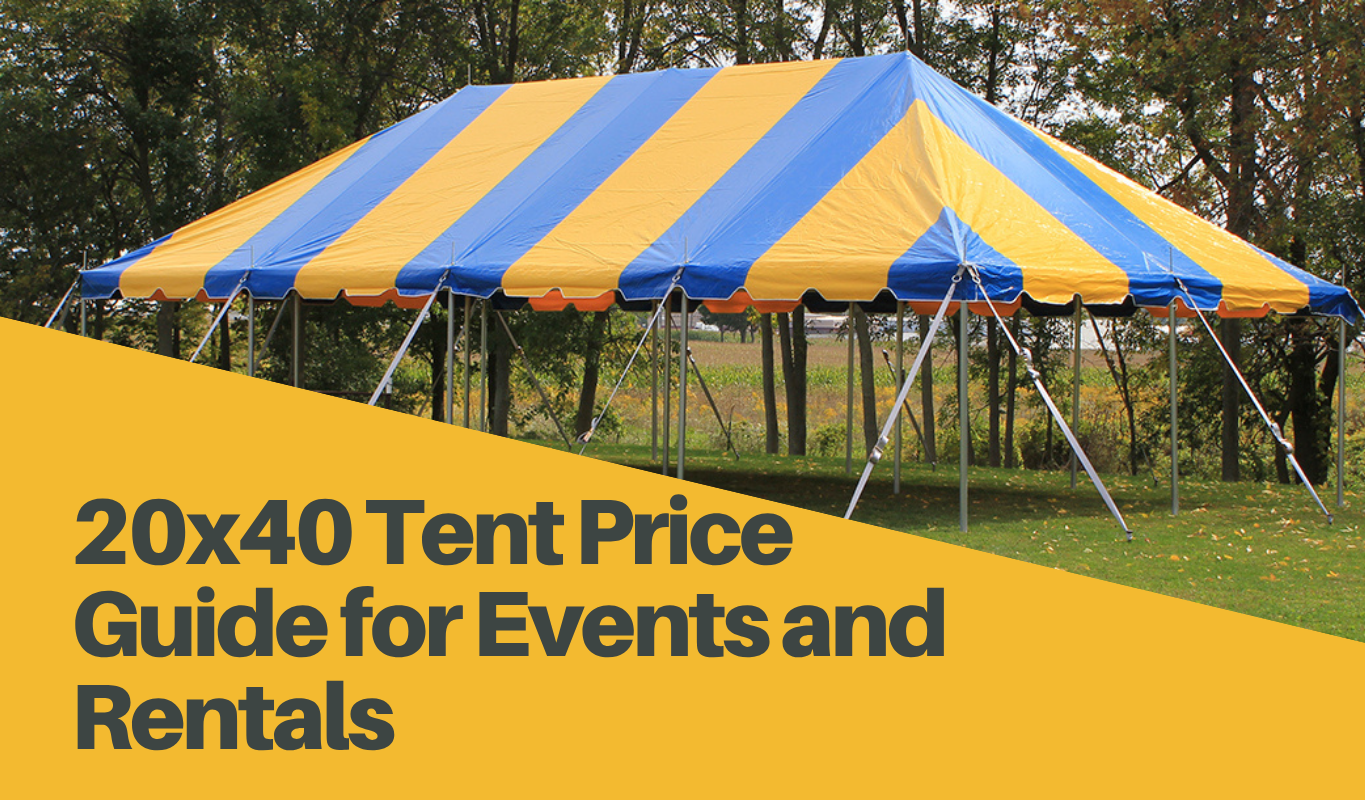
Once you move beyond mid-sized systems, the considerations start to resemble what’s involved with extended-span setups like the 20x40 high-peak configuration, where logistics scale quickly.
Strategic Inventory Expansion Framework
| Expansion Signal | What It Indicates | Recommended Action |
|---|---|---|
| Repeatedly fully booked weekends | Strong, consistent demand | Add more units of those specific high-demand sizes |
| Turning down similar jobs weekly | Missed revenue due to limited inventory | Expand within proven, frequently rented categories |
| Crew operating comfortably at capacity | Operational systems are stable | Consider moderate, controlled inventory growth |
| Storage space nearly full | Infrastructure limits growth | Improve storage systems before adding more equipment |
| Large inquiries but no booking history | Potential demand but unproven market | Wait for confirmed bookings before major expansion |
| Increasing add-on sales per event | Strong upsell performance | Expand accessory inventory before buying larger tents |
The Role of Accessories in Revenue Growth
One of the most underutilized profit drivers in a tent rental business is accessories.
Accessories increase average rental value without requiring massive storage expansion. Instead of increasing revenue by adding more tents and more labor, you increase revenue by increasing the value of each event you already book.
High-demand add-ons typically include sidewalls, lighting, flooring, tables, liners, climate control systems, connectors, gutters, and weighted ballasts.
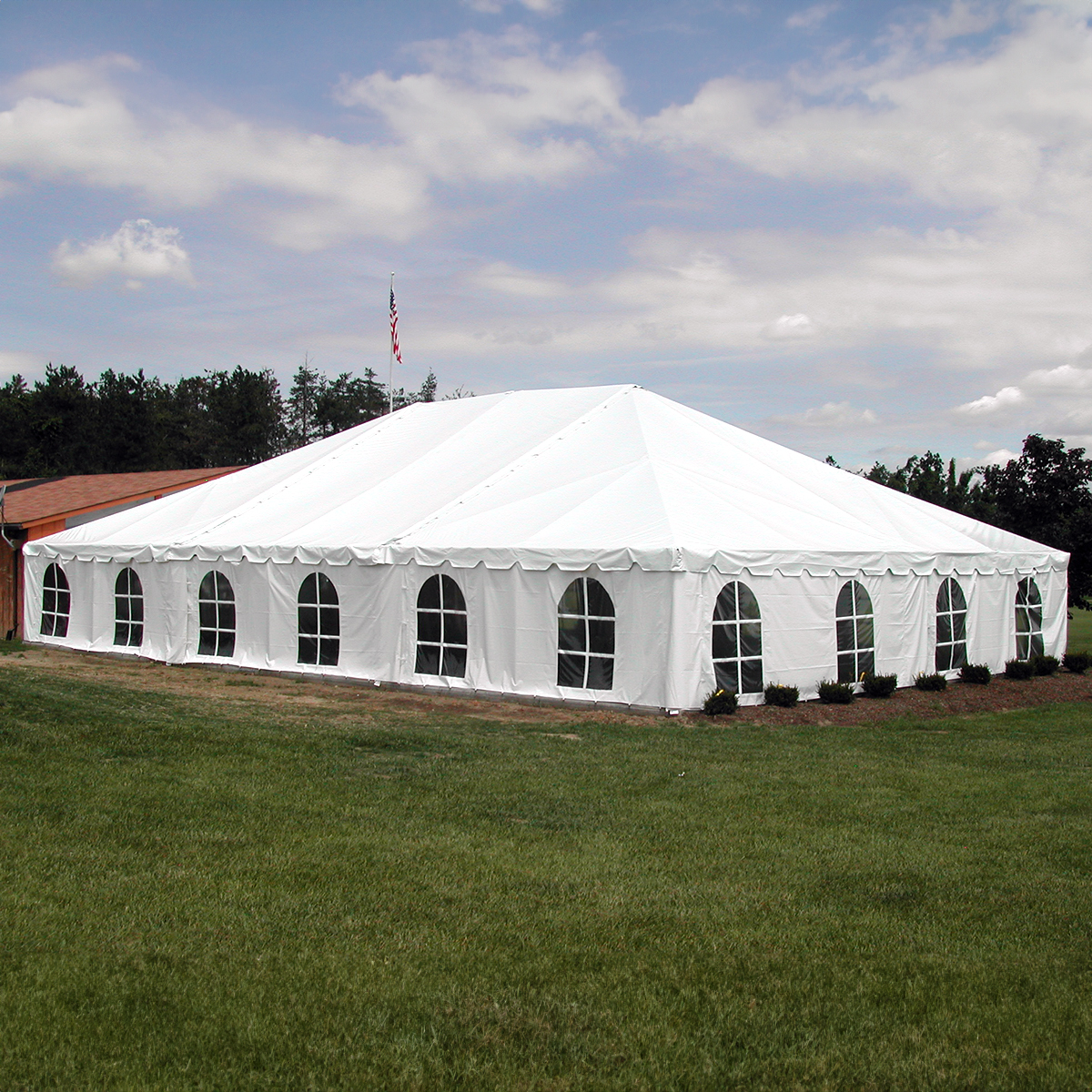
Sidewalls are one of the simplest and most effective upgrades. They provide wind protection and added weather control. Proper tent sidewalls improve safety and significantly increase invoice totals.
Lighting extends event hours and elevates atmosphere. Well-planned tent lighting layouts transform space without structural complexity.
Liners appeal to higher-end clients. Professionally styled tent liner installations dramatically change perception and often deliver strong margins.
Climate control extends your usable season. Many operators rely on event climate control options to maintain usability during shoulder seasons.
Understanding proper securement methods aligns with correct anchoring practices and safe installation fundamentals.
In many businesses, tents secure the booking. Accessories drive profitability.
Hiring and Training Crew
Labor efficiency directly affects profit margins.
Focus on:
- Clear install procedures
- Safety training
- Equipment checklists
- Defined crew roles
- Consistent setup diagrams
Standardized setups reduce training time. Consistent equipment reduces confusion. A confident crew installs faster and safer.
Managing Maintenance and Replacement
Equipment wears at different rates. Tracking these patterns protects margins and stabilizes cash flow.
| Equipment Item | Typical Wear Cause | Replacement Frequency (Avg.) | Management Strategy |
|---|---|---|---|
| Tent tops | UV exposure, moisture, tension stress | 3–5 seasons | Budget long-term replacement cycles |
| Sidewalls | Zipper stress, abrasion, mildew | 2–4 seasons | Inspect seams and closures regularly |
| Ratchet straps | Over-tensioning, weather exposure | 1–2 seasons | Increase mid-season inspections |
| Stakes | Bending in hard soil, rust | Ongoing replacement | Rotate inventory and discard bent units |
| Small hardware | Loss, corrosion, thread stripping | Ongoing replacement | Maintain organized hardware bins |
| Bungees | Elastic fatigue, sun exposure | 1–2 seasons | Replace proactively before peak season |
| Velcro components | Dirt buildup, repeated tension | 1–3 seasons | Clean regularly and replace at first failure |
Preventative maintenance is cheaper than emergency replacement.
- Inspect after every strike
- Separate damaged equipment immediately
- Repair within 48 hours
- Log replacement cycles
Consistency prevents chaos.
Marketing Your Tent Rental Business
Marketing a tent rental business should communicate professionalism, reliability, and clarity. It is often the first impression a client has of your company. If your messaging feels disorganized or vague, prospects will assume your operations are too.
You are not selling fabric and frames. You are selling trust.
Most clients rent tents infrequently and may not understand sizing, anchoring, layouts, or weather considerations. That uncertainty creates hesitation. Strong marketing reduces that hesitation by clearly explaining what goes into a safe, well-executed installation and how your team manages logistics and risk, especially when working with certified materials such as those outlined under current flame compliance standards for event tents.
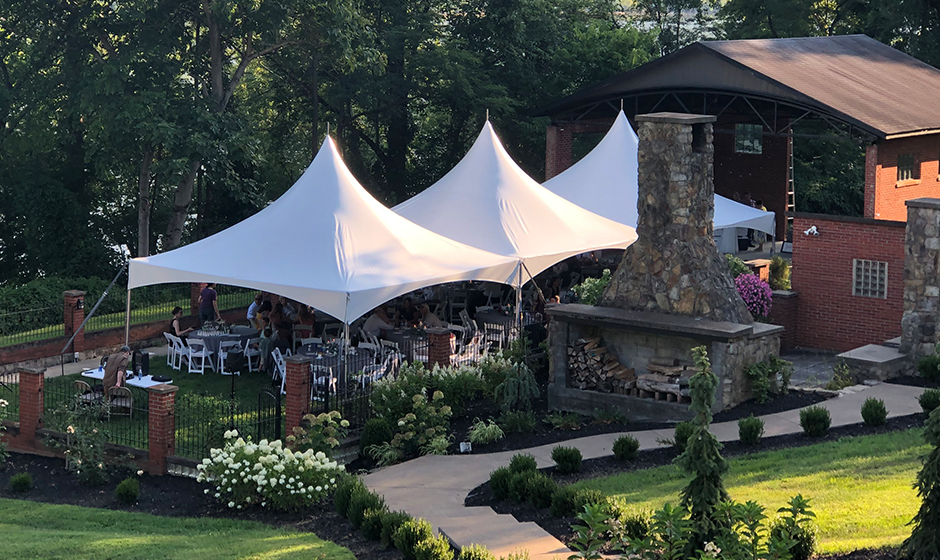
High-quality photos of real installations are essential. Show various tent sizes in real settings—backyards, weddings, corporate events—during both day and evening. Include lighting setups and enclosed configurations. Real examples build confidence, particularly when they reflect polished event environments similar to those seen in professionally styled white tent wedding installations.
Clear size guidance and simple layout visuals help clients understand capacity and planning. Many clients benefit from practical planning insights similar to those shared in resources that break down guest flow and setup considerations for choosing the right party tent size. Transparent pricing ranges prevent sticker shock and position you as straightforward and professional.
Educational content further strengthens authority. When you answer common questions before they’re asked, you build credibility. Covering topics like safe heating practices during colder months or how to prepare for seasonal events reinforces expertise and mirrors the kind of proactive guidance seen in discussions around safe tent heating strategies.
Relationship marketing also matters. Venue partnerships, planners, and bridal events create steady referral streams. Building credibility through consistent execution—especially for milestone events like graduations, community gatherings, or corporate celebrations—helps position your company as a dependable option within broader event-focused tent solutions.
Ultimately, authority builds trust. Trust builds bookings. And over time, a strong reputation becomes one of your most valuable business assets.
Risk Management and Insurance
A professional tent rental business requires disciplined risk management. You are installing temporary structures that interact directly with weather, terrain, and public safety. Wind, rain, and soil conditions are not minor details. They are central considerations.
Comprehensive insurance coverage is essential. General liability insurance protects against third-party claims. Equipment coverage protects your inventory investment. Commercial auto policies cover transport risks. Workers’ compensation protects both your crew and your company in the event of injury.
Clear rental agreements also play a critical role. Contracts should outline weather policies, damage responsibility, cancellation terms, and site requirements. Ambiguity creates disputes. Clarity prevents them. Many operators formalize their standards around installation and safety expectations similar to the documentation processes required for flame-certified event structures.
Operationally, documented safety procedures reinforce protection. Establish wind monitoring policies and defined anchoring standards. Train crews on proper safety equipment use. Maintain communication protocols with clients if weather conditions change. Structured procedures mirror the importance of maintaining compliance and structural safety across professional setups.
Risk management is not just about avoiding loss. It also builds client confidence. When customers see structured procedures and clear documentation, they trust your professionalism.
The Difference Between Starting and Scaling
Starting a tent rental business is about momentum. You focus on acquiring initial inventory, landing your first bookings, and building a reputation in the market. Energy and hustle drive early growth.
Scaling is different. Scaling is about refinement. It involves improving efficiency, increasing average event value, standardizing systems, and expanding inventory intentionally. It requires protecting margins rather than chasing volume.
Many businesses stall because they remain in hustle mode. The owner continues handling every install, every quote, and every problem. Without systems and delegation, growth becomes exhausting.
Scaling demands documentation, delegation, and discipline. Processes must be written down. Responsibilities must be distributed. Decisions must be data-driven rather than reactive. Companies that successfully transition often focus on refining workflows and reducing friction in ways similar to operators who continuously evaluate and optimize their event rental processes.
The shift from startup energy to operational maturity determines long-term success.
Common Mistakes to Avoid
Many tent rental businesses struggle not because demand is lacking, but because avoidable mistakes compound over time. Buying too much inventory too quickly strains cash flow and storage. Underpricing services erodes margins. Ignoring maintenance shortens equipment lifespan.
Failing to standardize equipment increases confusion. Overbooking without adequate crew capacity damages reputation. Neglecting storage organization creates inefficiencies. Skipping insurance upgrades exposes unnecessary risk. Expanding without confirmed demand creates financial pressure.
Operational missteps often surface in areas like improper storage or inconsistent folding practices, which quietly reduce longevity as highlighted in conversations around long-term fabric and equipment care routines.
Avoiding these pitfalls dramatically improves long-term stability. Discipline often matters more than ambition.
Final Thoughts
Building a tent rental business requires more than purchasing tents. It demands thoughtful inventory selection, consistent maintenance, disciplined pricing, standardized systems, trained crews, stable cash flow, and strategic expansion.
When those elements align, growth becomes sustainable instead of stressful. Systems replace chaos. Margins strengthen. Reputation compounds.
Focus on structure. Focus on profitability. Focus on reliability.
The rest follows.
Ready to Build or Scale Your Tent Rental Business?
Explore standardized, professional-grade tent systems designed for rental operators who want predictable installs, durable materials, and scalable inventory.
Shop Complete Tent KitsStandardized Systems | Commercial-Grade Materials | Built for Rental Fleets
FAQ
How much does it cost to start a tent rental business?
Startup costs vary depending on inventory size and market demand. Initial investment includes tents, accessories, storage, transportation, insurance, and marketing. Starting with versatile, high-demand sizes helps control early costs and improves return on investment. Costs increase as you expand inventory and operational capacity.
What tent sizes should I buy first?
Most rental businesses begin with 20x20 and 20x30 frame tents because they serve multiple event types and fit a wide range of properties. These sizes book frequently and are easier to transport and install. Expanding into 30x30 and larger sizes should follow proven demand and consistent booking patterns.
Is a tent rental business profitable?
Yes, when equipment utilization is high and margins are healthy. Profitability depends on disciplined pricing, consistent maintenance, efficient routing, trained crews, and strong accessory sales. Operators who protect inventory and maximize average event value typically see stronger long-term returns.
How do I scale a tent rental business?
Scaling should follow demand patterns rather than speculation. Expand inventory within high-performing sizes, standardize equipment for efficiency, improve crew training, and increase accessory revenue per event. Strategic growth reduces operational strain and improves stability over time.
What equipment wears out fastest in tent rentals?
Tent tops, sidewalls, ratchet straps, stakes, bungees, and small hardware components typically require the most frequent replacement. Exposure to UV, moisture, tension, and repeated handling accelerates wear. Proactive inspection and scheduled replacement prevent mid-season emergencies.