





What to Check Before the Rental Season Starts
The rental season doesn’t usually break equipment. It exposes it.
Every year, rental companies see the same pattern repeat itself. Gear that looked “good enough” during teardown suddenly becomes a problem once inventory is pulled, inspected, and prepped for the first real runs of the season. What seemed manageable at the end of last year starts to reveal its weaknesses when demand returns and timelines tighten.
That’s why the most prepared rental operators use the pre-season window to focus on one critical task: evaluating inventory before demand ramps up.
Catching issues now, before crews are slammed and bookings are stacking up, saves time, money, and stress once the season is underway. This is the window where small decisions make a big difference later.
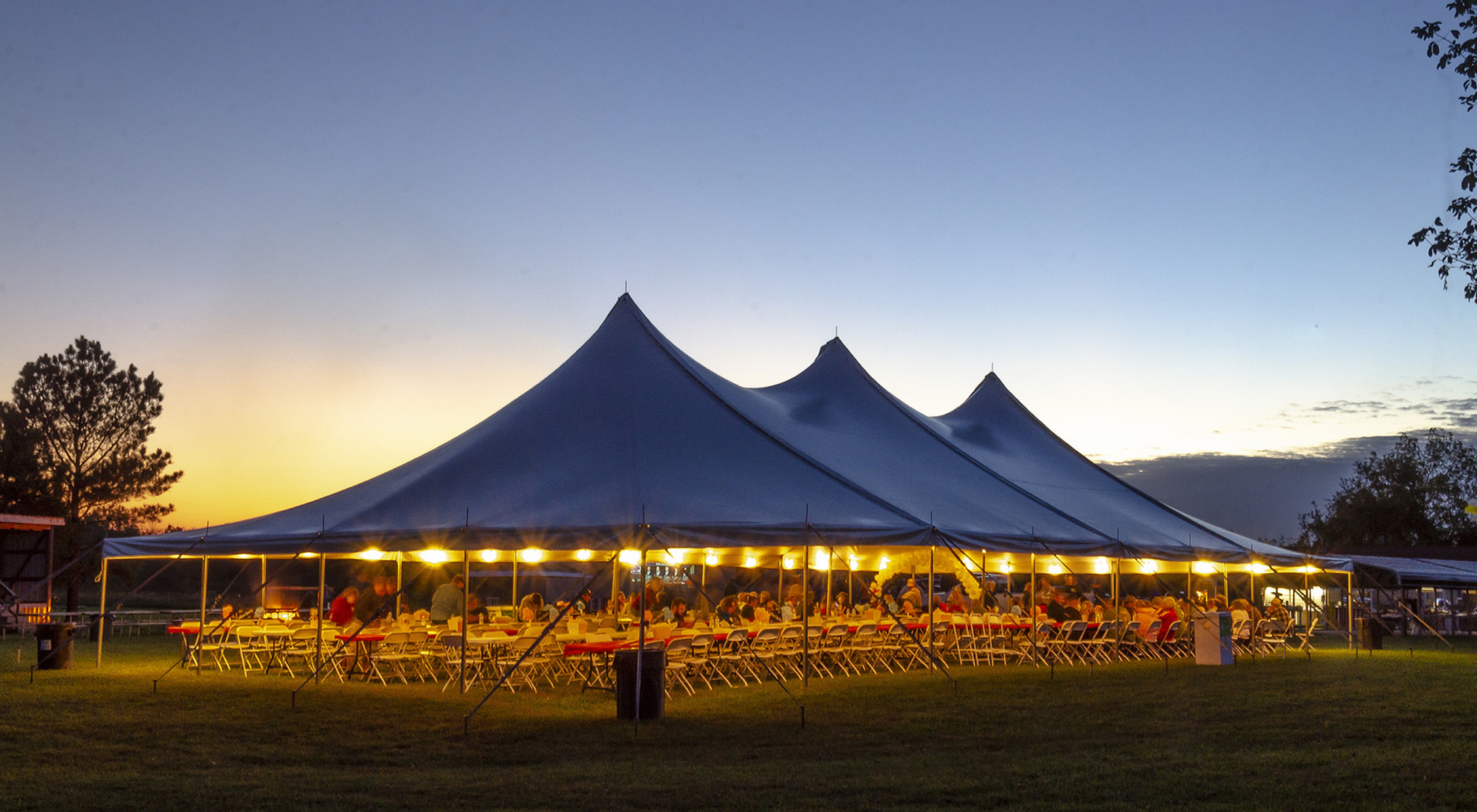
Below is a practical rental season equipment checklist based on what consistently shows up when the season hits full stride.
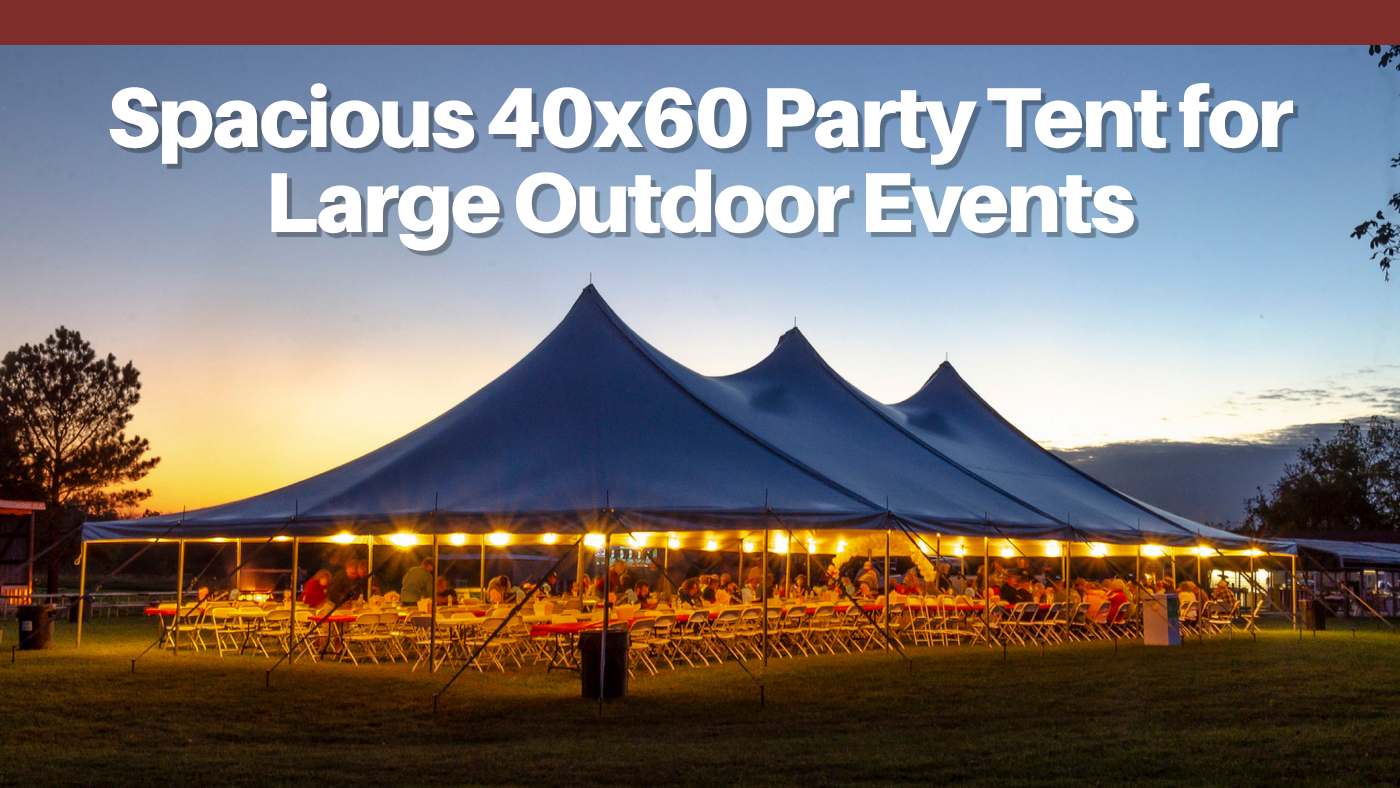
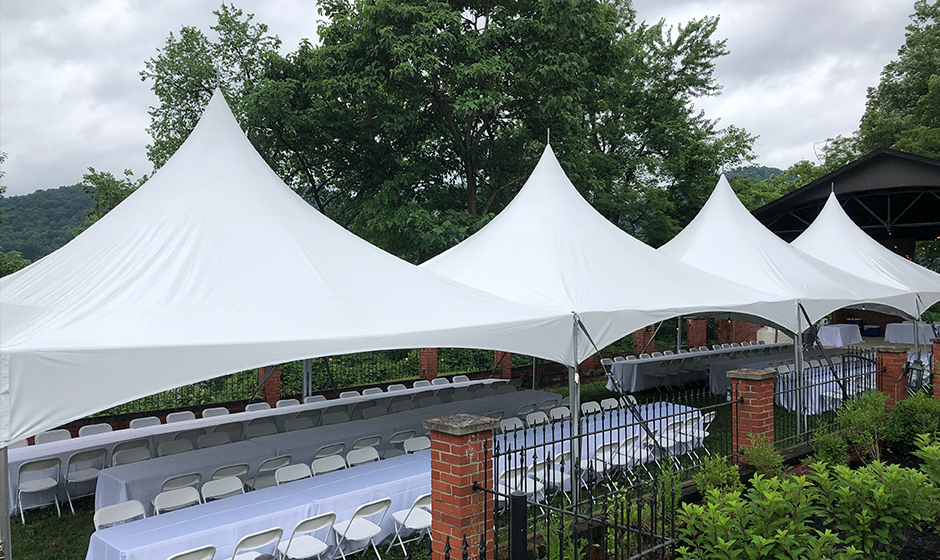
Tent Tops: Look Beyond Obvious Damage
Tent tops are usually the first items operators pull for inspection. They’re visible, familiar, and often the most expensive single component in a setup. But surface-level checks don’t always tell the full story.
A tent top can look fine folded or laid out flat and still fail once it’s tensioned over a frame. Stress points only reveal themselves under load, which is why deeper inspection matters before the season starts.
During inspection, look closely for fabric thinning at corners and high-stress areas, especially where tops connect to frames or experience repeated tension. Stitching should be checked along seams for early separation. UV degradation is another major concern. Fabric that feels brittle, chalky, or unusually stiff is often nearing the end of its usable life. Small tears that were patched late last season should also be examined carefully, as they tend to reopen under renewed demand.
An early warning sign is simple. If a tent top barely made it through last season, it’s unlikely to survive another one at full capacity. This is often the point where replacement makes more sense than repair, especially when failure would occur during peak weekends.
Sidewalls: Function Matters as Much as Appearance
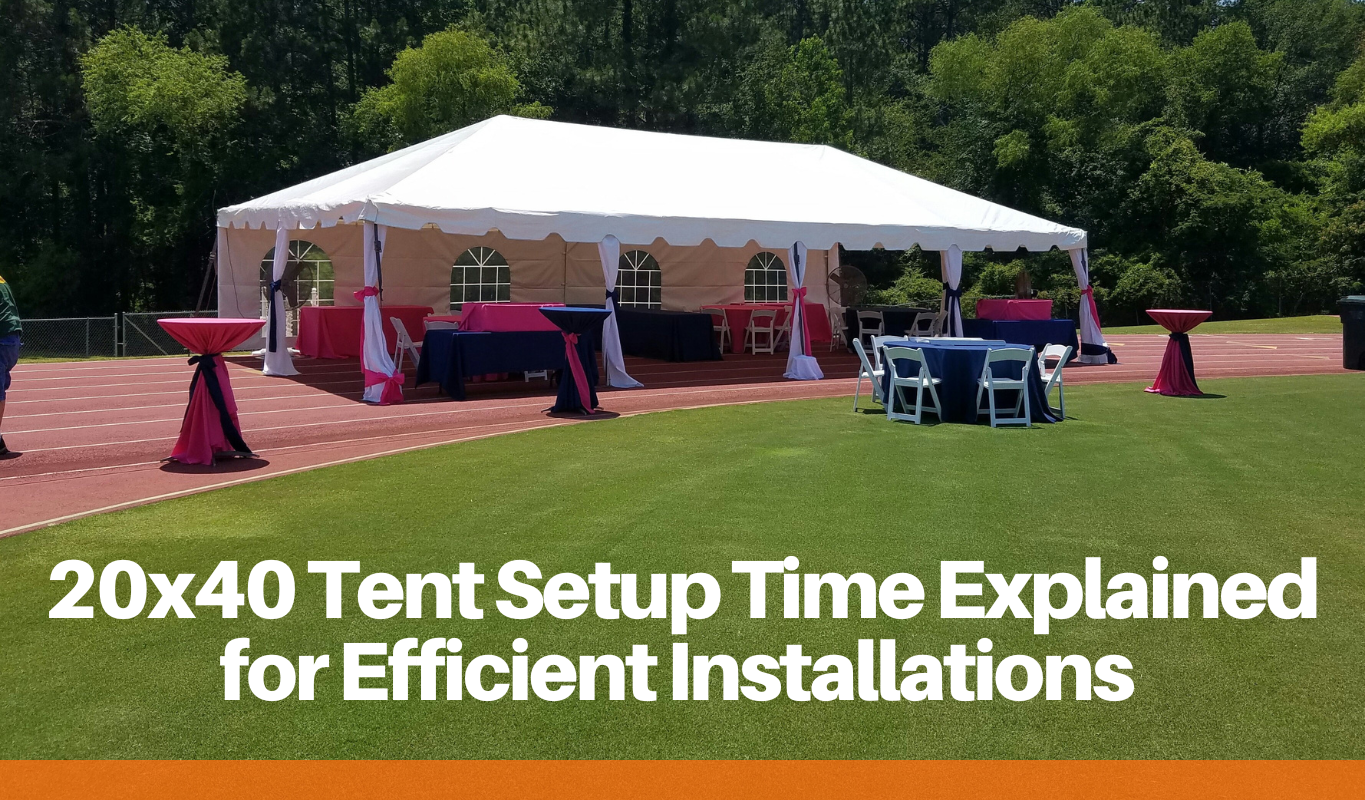
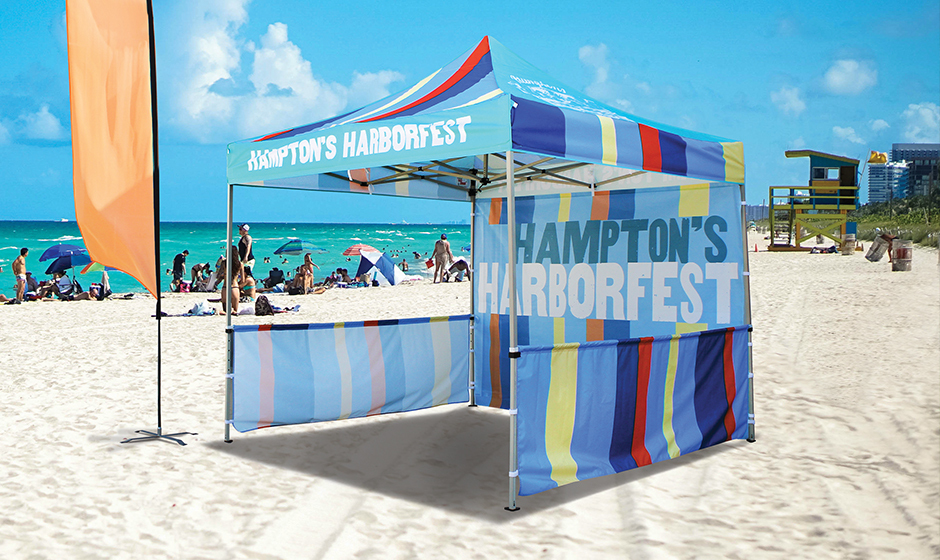
Sidewalls take more abuse than almost any other rental item. They’re installed and removed repeatedly, exposed to wind loads, and handled by multiple crews across different events. Over time, that wear shows up in ways that directly affect setup speed and presentation.
Zippers are one of the first failure points. If they stick, split, or separate under tension, they slow installs immediately. Keder edges and grommets should be checked for early signs of pull-out or distortion. Clear vinyl panels deserve special attention. Yellowing, cloudiness, or cracking not only affect appearance but also signal material fatigue.
Another common issue is alignment. Panels that no longer line up cleanly during installs increase setup time and frustrate crews. During peak season, those delays compound quickly.
Sidewalls that don’t install smoothly or don’t present well become liabilities when schedules are tight and expectations are high.
Frames and Structural Components
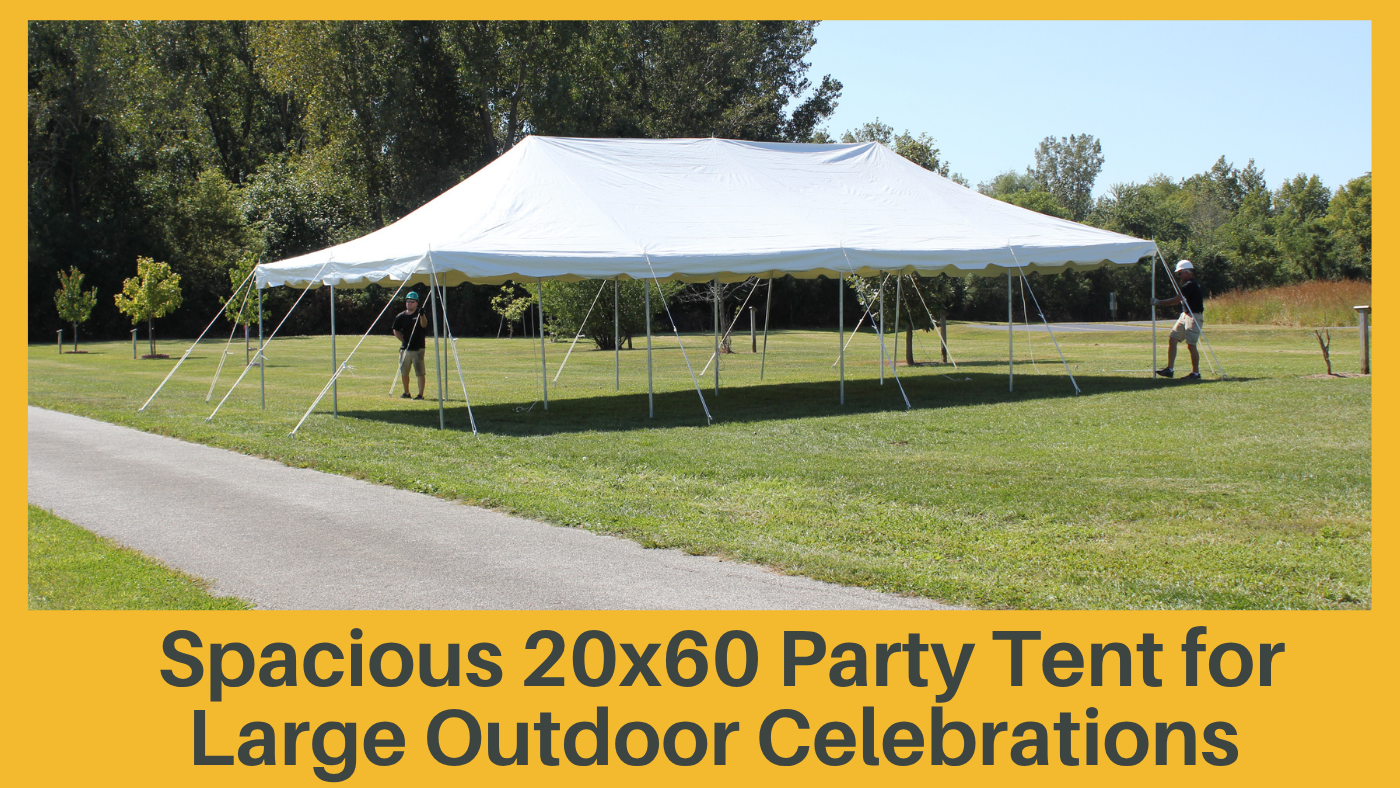
Frame systems often receive less attention during early inspections because problems aren’t always obvious at a glance. However, these components carry the structural load of the entire setup, and small issues can escalate quickly once crews are under pressure.
Inspect frame members for bending or stress, especially in sections that are frequently loaded or transported. Missing pins, bolts, or connection hardware should be flagged immediately. Joint interfaces should be checked for wear caused by repeated assembly and disassembly.
Components that no longer seat or align correctly slow down installs and increase the risk of unsafe setups. Structural issues don’t just affect efficiency. They create safety concerns and increase the likelihood of failed installs when timelines leave little room for troubleshooting.
Anchoring, Ratchets, and Tensioning Hardware
Some of the biggest on-site headaches come from the smallest components. Anchoring and tensioning hardware often gets overlooked until it fails mid-install.
Ratchet straps should be tested for slippage and full tensioning. Worn webbing with frayed edges is a clear replacement signal. Stakes and anchors should be checked for bending, rust, and mismatched sizes that complicate installs. Missing hardware is especially costly, as it forces last-minute improvisation that slows crews down and compromises consistency.
These items are relatively inexpensive compared to the downtime they cause when something goes missing on a busy weekend. Replacing them now is far easier than scrambling later.
Accessories and Easy-to-Overlook Items
Every rental operation has items that don’t get noticed until they’re suddenly needed. These pieces often sit outside the main inspection flow but are still critical for complete setups.
This category usually includes ballast blocks and ballast accessories, base plates and connectors, rain gutters and connection pieces, and storage bags or transport hardware. If an item is required for a complete installation, it should be inspected now rather than discovered missing during the first major weekend of the season.
Incomplete kits are one of the most common causes of delays once demand ramps up.
When Replacement Makes More Sense Than Repair
Repairs absolutely have a place in rental operations, but there is a tipping point where patching becomes more expensive than replacing.
Replacement is often the smarter move when repairs are frequent and recurring, install time increases due to unreliable components, appearance begins to affect customer perception, or failure risk rises during busy weekends.
The goal isn’t perfection. It’s reliability when demand is highest and margin for error is lowest.
Use This Window to Plan Ahead
Pre-season inspection isn’t just about finding problems. It’s about turning those findings into a plan.
Knowing what needs to be replaced now allows rental operators to group purchases instead of ordering piecemeal, avoid emergency orders mid-season, prepare crews with complete and reliable kits, and start the season confident instead of reactive.
This planning phase creates momentum. Instead of responding to issues as they arise, operators move into the season with control over inventory and expectations.
Preparing for the Season Ahead
If this rental season equipment checklist highlights gaps in your inventory, that’s exactly what it’s meant to do. Addressing those gaps before the season starts is one of the simplest ways to protect revenue, reduce stress, and support crews when schedules are full.
Later this season, we’ll share how rental companies are turning this prep work into smarter restocking strategies for 2026, using inspection data to guide purchasing decisions rather than reacting to breakdowns.
Supporting Reliable Setups All Season Long
If you’re evaluating tent tops, sidewalls, frames, or replacement hardware as part of your pre-season planning, you can explore compatible components and complete systems at gettent.com to support smoother installs and more reliable setups all season long.
FAQ
When should rental companies start pre-season inspections?
Pre-season inspections should ideally begin several weeks before peak bookings start. This gives operators enough time to identify issues, place replacement orders, and receive inventory without paying rush fees or disrupting scheduled events.
What equipment causes the most problems during rental season?
Tent tops, sidewalls, and small hardware components like ratchets, pins, and anchors are the most common sources of issues. These items experience the most stress and handling, making them more likely to fail when demand is high.
How do I know when to replace rather than repair tent tops?
If repairs are becoming frequent, fabric shows signs of UV degradation, or the top no longer performs reliably under tension, replacement is usually the safer option. Repeated patching often leads to failures during peak events.
Why are sidewalls often a bottleneck during installs?
Sidewalls are handled repeatedly and exposed to wind load, which accelerates wear on zippers, edges, and alignment points. When panels don’t align or zip smoothly, install times increase and crew frustration rises.
Are small hardware issues really that disruptive?
Yes. Missing or failing hardware often causes the biggest delays because crews are forced to improvise on-site. This not only slows installs but also increases safety risks and inconsistency.
Should inspections follow a standardized checklist?
Using a standardized checklist ensures every component is reviewed consistently. This reduces the chance of overlooking critical items and helps multiple team members inspect inventory with the same expectations.
How does early inspection save money?
Early inspection allows rental companies to group purchases, avoid emergency shipping, and reduce downtime during peak weekends. Planned replacements are almost always cheaper than reactive fixes.
What’s the biggest benefit of pre-season preparation?
The biggest benefit is confidence. Crews enter the season with reliable equipment, complete kits, and fewer surprises, allowing them to focus on execution rather than troubleshooting.