JackJaw 301 Stake Puller
$607.78


Our Support Team has the Answers! From orders to product details, we’re here to help — contact us today!
View Description & Specifications
sku: JJ0308
Choose Options
Day or night, our team is just a chat away.
Get ready fast with step-by-step instructions!
Most orders ready to ship in 1-2 business days.
Extensive warranty available on most products.
Day or night, our team is just a chat away.
Get ready fast with step-by-step instructions!
Most orders ready to ship in 1-2 business days.
Extensive warranty available on most products.
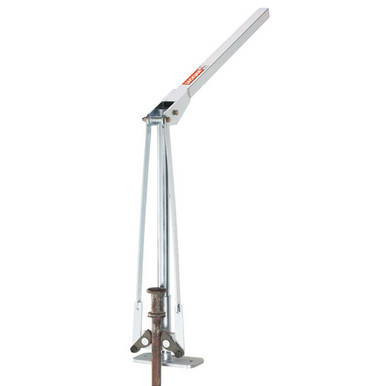
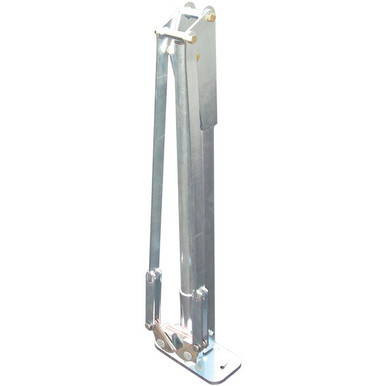
The JackJaw 308 is similar to the 301, but for smaller tent stakes and ground rods and T-posts. The JJ0308 was developed specifically to make easy work of removing 3/16” (4.76 mm) to 1" (25.4 mm) diameter tent stakes and rebar that are commonly used by tent rental professionals. This tent stake puller features a sturdy steel 29" (736.6 mm) tall frame that helps guide the stakes as they are being extracted. It's 36" (914.4 mm) long handle linked to case hardened cam shaped jaws, generates a 16-to-1 mechanical advantage on the stake. That is, when the operator pushes down on the handle with 100 lbs. (45.36 kg), the unit produces an upward force of 1600 lbs. (725.75 kg) on the stake!
The pulling force is aligned with the stake shaft, making it easier to pull and does not bend or damage the stake. Since the unit operates by pushing down with the operator's weight, it prevents back strain and injury. The patented JackJaw® Extractors are manufactured in Dayton, Ohio from heavy gauge steel plate and tubing to withstand everyday job site use. The easily replaceable jaws are case hardened AR400 steel for long wear. No paint to chip: JackJaw® units have a zinc and clear chromate plating for long lasting durability and corrosion resistance.
more to explore



Have Questions? Our Support Team Has the Answers
24/7 Support
Day or night, our chat team is just a message away
easy installation
Get ready fast with step-by-step instructions
fast shipping
Most orders ready to ship in 1-2 business days.
Extensive Warranty
Extensive warranty available on most products.