
Tent Anchors
At CELINA, we offer a wide range of professional-grade tent anchors designed to ensure your structures remain secure under any conditions. Whether you're dealing with high winds, heavy rain, or challenging terrains, our anchoring solutions guarantee that your tents stay firmly in place. From basic steel stakes to advanced auger systems, we provide the right solutions to meet your needs, ensuring stability and safety for your events.


anchoring
The Importance of Anchoring Your Tent
Proper anchoring is one of the most critical parts of any tent installation. Without a secure anchoring system, tents can shift, collapse, or even become airborne in wind or storm conditions—putting equipment, event attendees, and property at risk. Anchoring systems counteract wind pressure, tension in the tent fabric, and other environmental forces, keeping the structure stable and safe from unexpected movement or damage. Larger tents, in particular, place greater loads on anchoring components, making a reliable anchoring solution essential for both safety and performance.
When anchoring isn’t done correctly, tents can pull free of their stakes or tie-downs, leading to costly repairs, downtime, or event cancellations. That’s why selecting the right anchors and following proper installation steps is as important as choosing the right tent.
Tent Anchoring: Step-by-Step Guide
Follow these practical steps to ensure your tent is anchored securely—whether you’re setting up on soil, grass, gravel, or harder surfaces:
1. Assess the Site and Conditions
Before placing any anchors, evaluate the soil type and expected weather. Loose, sandy soil or wet ground may require longer or heavier anchors with more penetration, while firm soil may need fewer but deeper stakes for secure holding.
2. Select the Right Anchoring Hardware
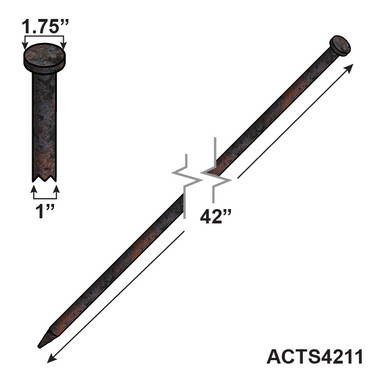
Choose stakes, auger anchors, asphalt plugs, or other specialty anchors based on surface type and tent size. Different anchor types offer varying holding power—longer steel stakes provide deeper ground penetration, while auger stakes excel in soft or loose soils.
3. Mark Anchor Points
Based on your tent layout and manufacturer recommendations, mark where each anchor will go. Proper spacing and placement help distribute load and tension evenly across the structure.
4. Install Anchors Properly
Drive stakes or augers into the ground at each marked location. For soil, a straight or slightly angled entry works best; for asphalt or concrete, use appropriate plugs or drilled anchors. Ensure each anchor is seated fully and firmly.
5. Attach Guy Lines or Straps
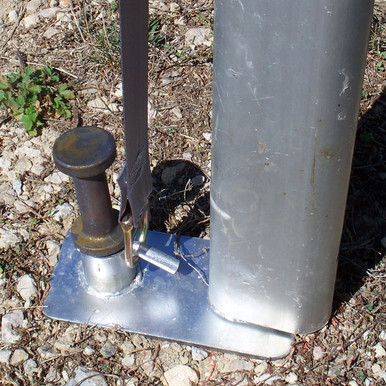
Connect your tent’s guy lines, ratchet straps, or tie-downs to each anchor point. Ensure lines are free of twists and that tension is balanced across all sides. Proper tension helps resist uplift and lateral forces.
6. Adjust and Inspect Tension
With all connections in place, tighten straps or adjust lines so the tent is taut but not over-stressed. Too little tension can allow movement; too much can damage fabric or hardware.
7. Check Periodically
Especially in long-duration events or changing weather, check anchor stability throughout your event. Soil conditions can change with rain or heat, and periodic adjustments maintain security.
key benefits
Why Choose CELINA Tent Anchors?
Engineered for Safety
Our anchors are rigorously tested to withstand extreme weather conditions and comply with the highest industry safety standards, ensuring that your tent remains stable even in the most challenging environments.
Universal Compatibility
CELINA tent anchors are designed to work with all major tent brands and types, including pole tents, frame tents, and pop-up tents. This versatility allows you to trust our anchors for any setup.
Surface-Specific Designs
We offer specialized anchors tailored to different surfaces such as grass, asphalt, concrete, and more. Whether you’re setting up on soft soil or a hard surface, our anchors are engineered to provide the best performance.
Durable Construction
Our anchoring systems are made from high-strength steel with protective coatings, ensuring resistance to bending, rust, and corrosion. This durable construction guarantees long-lasting performance, even in harsh weather conditions.
Easy Installation
Our anchors feature user-friendly designs that make installation quick and easy without the need for special tools or complex procedures. Set up your tent with confidence, knowing that your anchoring system will perform flawlessly.

Anchor Types & Applications
Choose the right anchoring solution to secure your tent based on ground type, event needs, and environmental conditions:
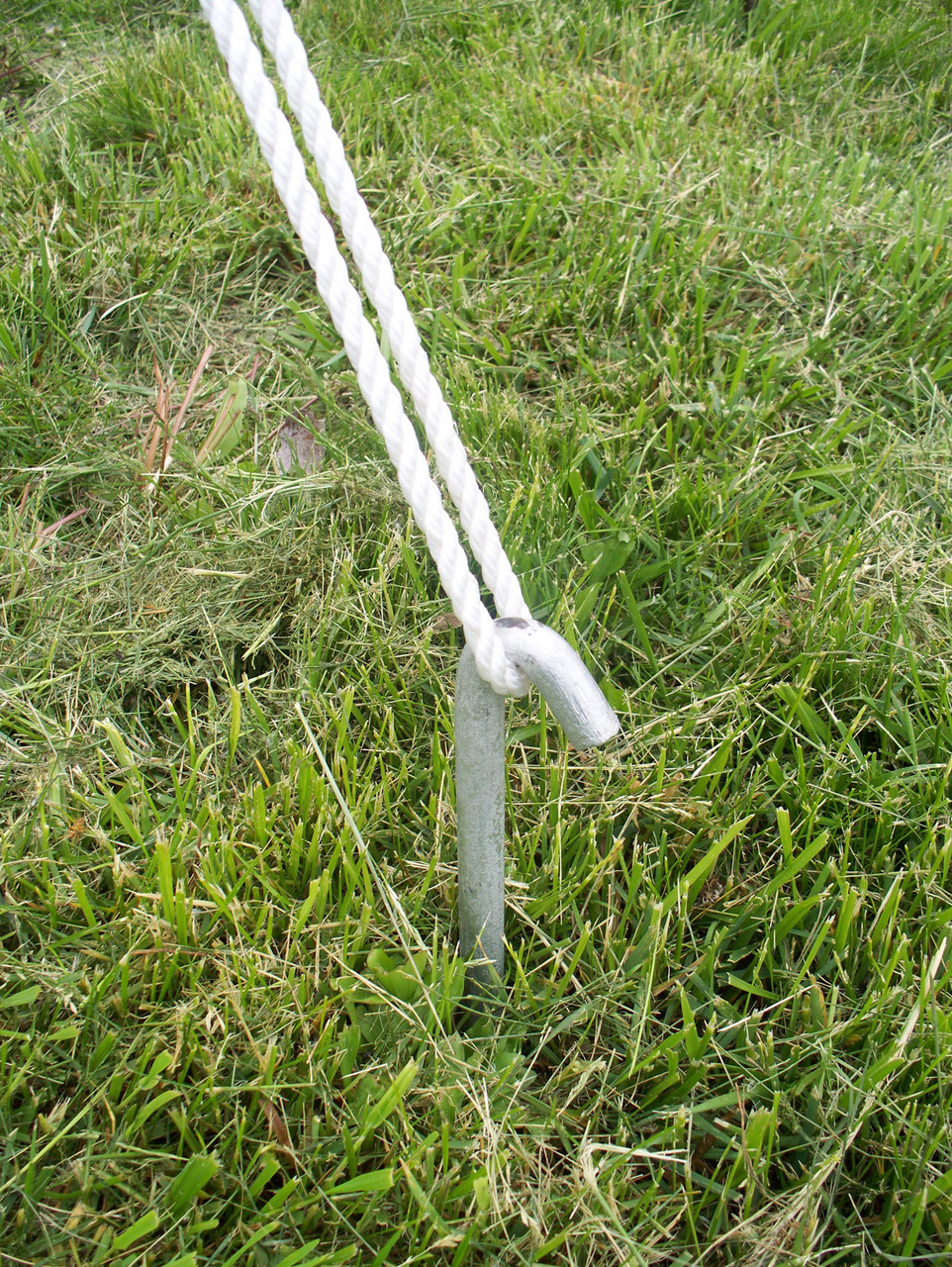
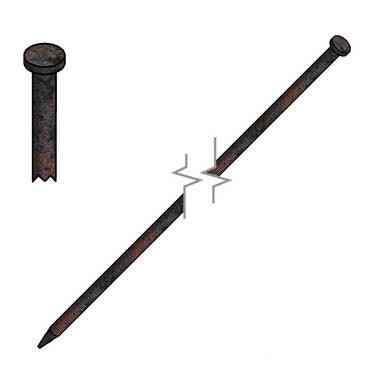
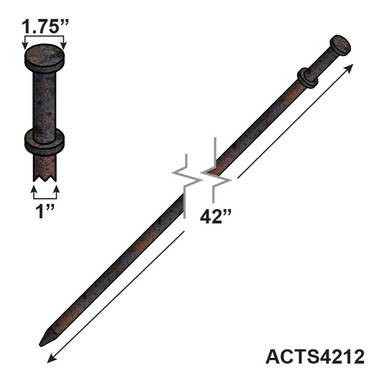
Steel Tent Stakes
Best for: Grass, dirt, and soft surfaces
- Diamond-point design for easy penetration
- Available in sizes ranging from 12" to 24"
- Galvanized finish for added corrosion resistance
Auger Anchors
Best for: Loose soil and sandy conditions
- Helical design for superior holding power
- Constructed from heavy-duty steel
- Easy to remove using standard tools
Concrete Anchors
Best for: Pavement and hard surfaces
- Weighted base designs for maximum stability
- Non-penetrating options available for surface protection
- Rubberized bottoms to protect pavement and prevent surface damage
Specialty Anchors
Includes:
- Water barrel weights
- Sandbag systems
- Screw-in ground anchors
- Ballast blocks for additional stability
anchoring basics
Choosing Anchors for Different Surfaces
Soft Soil or Grass
Longer steel stakes or auger-style anchors provide increased penetration and holding power in softer ground conditions. These anchors help resist pull-out forces caused by wind load and fabric tension.
Hard Ground or Urban Settings
When installing tents on asphalt or concrete, use anchors specifically designed for drilled installation. Asphalt plugs and concrete anchors create secure attachment points where traditional stakes cannot be used.
Loose or Unstable Surfaces
For sandy, gravel, or otherwise unstable surfaces, specialized anchoring systems and additional tie-down points help improve grip and reduce the risk of anchors pulling free under load.
choosing the right anchor system
Choosing the Right Anchor System
Tent Size
Larger tents typically require more or heavier anchors to maintain overall stability and safety.
Surface Type
Select an anchor system designed specifically for your installation surface—grass, asphalt, concrete, or mixed terrain.
Weather Conditions
Areas prone to strong winds or storms may require reinforced or heavier-duty anchor solutions.
Frequency of Use
Commercial and rental operations benefit from durable, long-lasting anchor systems made to withstand repeated installations.
Local Regulations
Some venues or municipalities require specific anchoring methods—always confirm compliance before setup.
Proper Anchor Installation
Follow these proven best practices to ensure your tent remains secure, stable, and safe during every event setup:
Use the Right Tools
Drive anchors with approved installation tools. Avoid sledgehammers, which can bend or damage stakes and reduce effectiveness.
Ensure Full Penetration
Anchors must penetrate the surface completely to provide the required stability and structural integrity.
Follow Tent Spacing Requirements
Space anchors according to your tent’s engineering specifications to ensure proper tension and balanced support.
Inspect Throughout Multi-Day Events
Regularly check anchor tension and footing during extended installations to maintain peak performance and safety.
Proper anchoring is essential for safety and compliance. Follow these guidelines to ensure a secure setup every time.
maintenance tips
Maintenance Tips
Clean After Each Use
Clean anchors thoroughly after each use to prevent dirt buildup and corrosion.
Store in Proper Conditions
Store anchors in dry, cool conditions to avoid moisture-related damage.
Inspect for Damage
Inspect anchors regularly for bends, cracks, or other signs of wear and tear.
Replace Worn Components
Replace worn or damaged components promptly to maintain safe and reliable anchoring.
Need help choosing replacement anchors or maintenance tools? Our team is ready to help.
Get Support
why choose celina
Why Choose CELINA?
CELINA provides industry-leading anchoring products backed by expert support, fast delivery, and commercial-grade reliability. Here’s why professionals trust our anchoring solutions:
✔ Industry-Leading Quality
We use commercial-grade materials to ensure long-lasting, reliable performance in any environment.
✔ Complete Systems
We provide not only anchors but also straps and accessories—your one-stop shop for all anchoring needs.
✔ Expert Support
Our specialists offer guidance on proper installation and recommend the correct anchor type for your tent and site conditions.
✔ Fast Shipping
With most items in stock, we offer same-day shipping to keep your projects on schedule.
✔ Bulk Discounts
Rental companies and event professionals can take advantage of volume discounts on our anchoring products.
frequently asked questions
Tent Anchoring FAQs
Quick answers to the most common tent anchoring, installation, and hardware questions.
Why is proper tent anchoring so important?
Proper anchoring keeps a tent stable under wind load, fabric tension, and changing weather conditions. Without secure anchors, tents can shift, collapse, or lift, creating safety risks and potential damage to equipment, property, and the tent itself.
What happens if a tent is not anchored correctly?
Improper anchoring can cause stakes or tie-downs to pull out of the ground, allowing the tent to move or fail. This can lead to costly repairs, event interruptions, or complete tent loss in severe weather.
How do I know which type of anchor I need?
The correct anchor depends on the surface you’re installing on and the size of the tent. Soft soil or grass typically requires longer steel stakes or auger anchors, while asphalt or concrete installations require drilled anchors designed for hard surfaces.
How deep should tent stakes be driven into the ground?
Tent stakes should be driven fully into the ground so the head is seated firmly at the surface. Deeper penetration increases holding strength, especially in soft or loose soil conditions.
Can I use the same anchors for all tent sizes?
No. Larger tents create greater wind and tension loads and require heavier-duty anchors or additional anchoring points. Always follow manufacturer recommendations for anchor size and quantity based on tent dimensions.
Should tent anchors be installed straight or at an angle?
In most soil conditions, anchors can be installed straight or at a slight angle away from the tent. The key is ensuring full penetration and secure seating to resist pull-out forces.
Do I need to recheck anchors during an event?
Yes. Anchors should be inspected periodically, especially during long events or after weather changes. Rain, heat, or shifting soil can reduce holding strength and may require adjustment.
Are tie-down straps and guy lines required in addition to anchors?
Yes. Anchors work together with guy lines or ratchet straps to distribute tension evenly across the tent structure. Proper tensioning is essential for overall stability.
When should I use additional anchoring points?
Additional anchors are recommended for larger tents, loose or unstable surfaces, and windy conditions. Increasing the number of anchoring points helps reduce stress on individual anchors and improves overall safety.

professional-grade anchoring solutions
Secure Your Setup Today
Don’t risk your event’s success with unreliable anchoring systems. Trust CELINA’s professional-grade anchors to secure your tents, ensuring safety and stability.
Contact our team today for personalized anchor recommendations based on your specific tent and site conditions.
Shop Anchors Now – Protect your investment and guarantee a safe, stable setup for your event.