
-
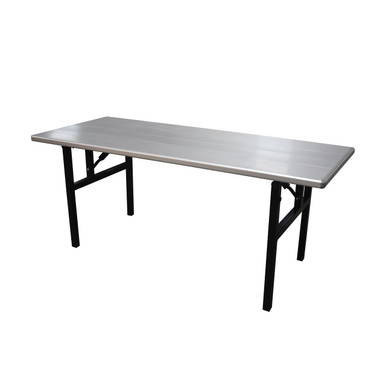

6' x 30" Aluminum Banquet Table
$629.94 -


8' x 30" Aluminum Banquet Table
$761.09 -


-


-


-


-

-

-
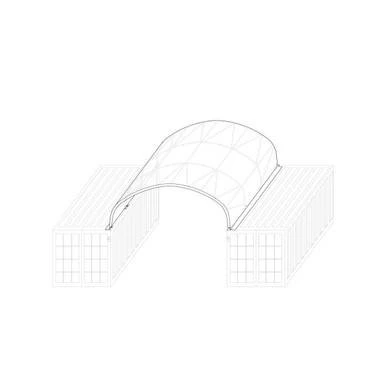
Celina Tent
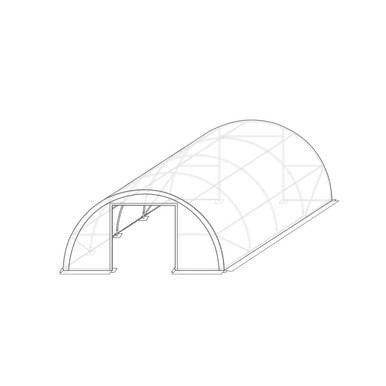
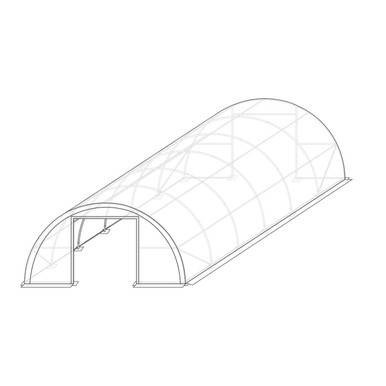
26'W x 20'L x 10'H Crestline Single Truss Arch Container Shelter, Vertical Side
$5,662.18 -
-
-


-
-

-

-


-
-

-


-
-
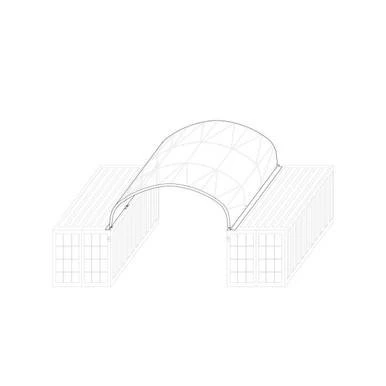
Celina Tent
33'W x 40'L x 16'4"H Crestline Single Truss Arch Container Shelter, Arched Side
$10,597.04 -
-

-

Construction Tents
Construction projects often require temporary shelter for equipment, materials, and crews. Construction tents provide covered workspaces that protect operations from weather while improving jobsite organization. Durable commercial tents allow contractors to establish temporary work areas, staging zones, and equipment protection across a wide range of construction environments.

A Reliable Jobsite Shelter
Every contractor faces the challenge of unpredictable weather. Rain delays can be costly, and blazing sun can exhaust crews. Our construction tents provide reliable protection over worksites, scaffolding and materials. With engineered frames and tear‑resistant vinyl, these structures withstand high winds, snow loads and constant wear. Set up a temporary workshop for carpenters, shield sensitive equipment from dust or create a covered staging area for deliveries.
Modular Designs for Evolving Projects
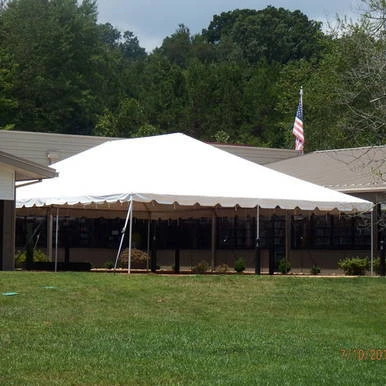
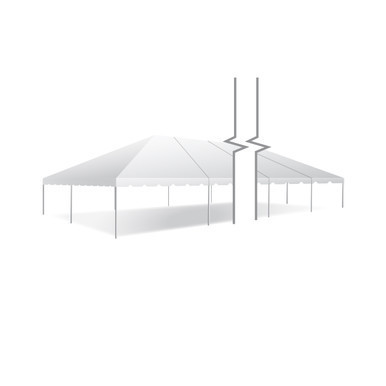
Jobsites change as projects progress. Our modular tents adapt with you. Frame tents can be expanded or reduced in width and length by adding or removing bays, while clearspan structures create unobstructed interiors for larger equipment. Choose open gables for easy forklift access or enclosed walls for climate control.
Safety and Compliance
Worker safety is non‑negotiable. CELINA’s construction tents are certified to meet NFPA and IBC codes and are manufactured using flame‑retardant, UV‑treated materials. Reinforced anchoring systems secure tents on dirt, asphalt or concrete. Brightly colored guy lines reduce tripping hazards, and optional interior lighting improves visibility for night shifts.
Simplified Logistics
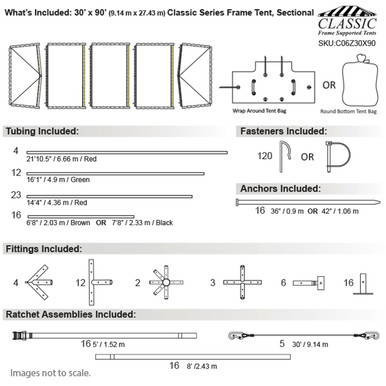
Time is money. Our tents are designed for quick installation with minimal tools. Pre‑drilled holes, snap‑button connectors and clear instructions accelerate assembly, and each component is labeled for easy identification. When a project wraps, disassembly is just as straightforward, and durable storage bags keep components organized for the next site.
- Weather resilience: Rated for heavy wind and snow loads with proper anchoring.
- Versatility: Use tents for break rooms, material storage or temporary offices.
- ROI: Protect expensive equipment and reduce downtime, maximizing profit margins.
Protect your crew and your investment with a construction tent built for the realities of the jobsite. CELINA’s heavy‑duty structures help you maintain schedules, safeguard materials and ensure employee comfort. Speak with our specialists to configure a tent that supports your next build.
Construction Tents for Large-Scale Projects
Coordinate Site Access
Consider how deliveries and personnel will reach the temporary structure during active construction. Commercial event structures can offer useful coverage concepts when planning temporary spaces. Keeping access routes clear can make daily site coordination easier while reducing disruptions around the covered area.
Plan Temporary Coverage
Construction tents can help contractors create usable work areas when permanent facilities are unavailable. Before choosing a structure, consider how equipment will move through the space. A thoughtful layout can reduce unnecessary movement and make daily tasks more efficient.
If you need help selecting an appropriate setup, reach out to CELINA to discuss your project requirements.
frequently asked questions
Construction Tent FAQs
Quick answers to common construction tent sizing, selection, and operational questions for jobsite workspaces and equipment protection.
What are construction tents used for?
Construction tents provide temporary shelter for jobsite work areas, equipment protection, material storage, and crew operations.
What size tent is best for a construction jobsite?
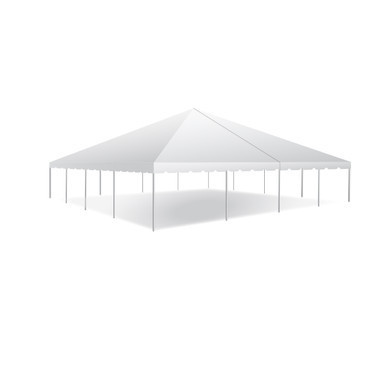
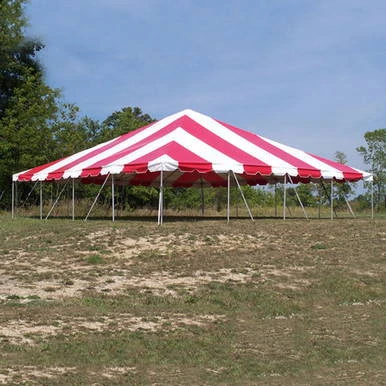
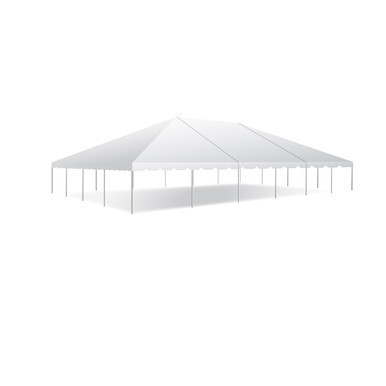
Smaller staging areas often use 10x10 or 10x20 tents. Larger projects frequently use 20x20, 20x40, or larger frame tents depending on project scope.
Can construction tents be anchored on pavement or gravel?
Yes. Appropriate anchoring systems allow tents to be secured on pavement, gravel, and compacted ground.
Are commercial construction tents waterproof?
Yes. Commercial tent tops are manufactured from waterproof vinyl designed for outdoor jobsite environments.
Which tent type works best on construction sites?
Frame tents are commonly used for larger workspaces and equipment coverage, while high peak tents are useful for smaller staging areas and mobile jobsite functions.
Can construction tents support different project phases?
Yes. Their temporary nature can make them useful when workspace requirements change as construction progresses. A project may need additional covered space during one phase and less during another. Construction tents can provide flexibility without requiring teams to commit to permanent additions that may no longer be needed once the project is completed.
How should construction tents be prepared for changing weather?
Teams should consider local weather when planning temporary structures. Proper anchoring and site preparation can help maintain stability and usability during changing conditions.
What affects tent placement on a job site?
Work area access and available ground space can influence placement decisions. Teams should also consider how workers and equipment will move around the structure. Positioning the tent thoughtfully can help prevent unnecessary interference with active construction activities and maintain smoother movement throughout the site.
Can a tent improve material organization?
A properly planned covered area can provide a designated location for certain materials, helping keep the active work zone more organized.
Are construction tents useful during project delays?
They can provide temporary covered space when schedules change, helping teams maintain usable workspace while permanent facilities are unavailable. This can be particularly helpful when a delay affects access to an existing building or planned work area. Having an alternative covered location may allow certain activities to continue while the project schedule is adjusted.