



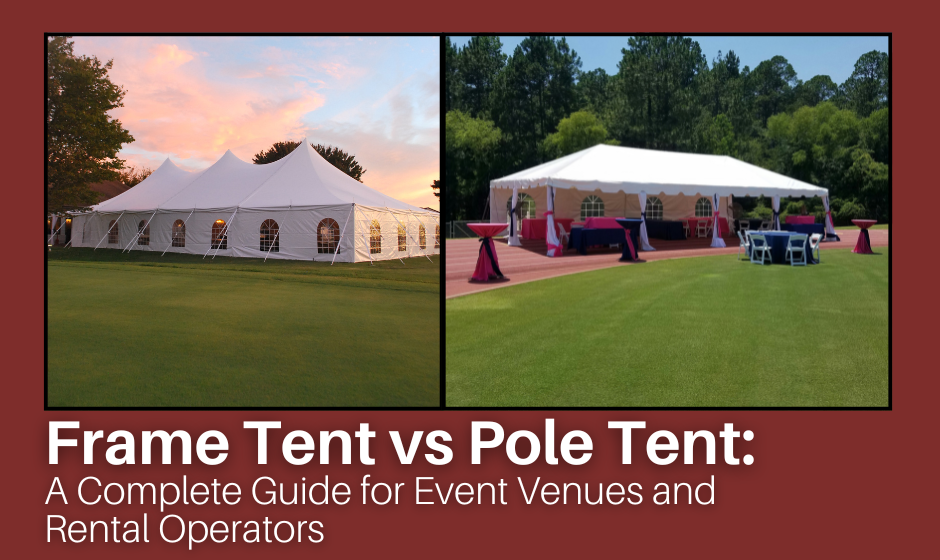
Frame Tent vs Pole Tent: A Complete Guide for Event Venues and Rental Operators
Choosing between a frame tent and a pole tent is one of the most consequential decisions in the event and tent rental industry. This decision extends far beyond visual preference. It directly influences where an event can be installed, how predictable labor and logistics will be, how the structure performs under real weather conditions, and how much long-term value the tent delivers over years of use.
For event planners, the choice affects layout flexibility, guest flow, and the overall experience. For venues, it determines which surfaces can be used, what permits are required, and what installation restrictions apply. For rental operators, it impacts utilization rate, crew efficiency, scheduling reliability, liability exposure, and return on investment.
This guide is written as a resource. It does not attempt to declare a winner. Instead, it explains how frame tents and pole tents behave in real-world conditions so you can choose, quote, install, and deploy them intentionally across a wide range of events and venues.
Understanding the Structural Difference
At the most basic level, both frame tents and pole tents are designed to create covered, weather-resistant space. The defining difference is how each structure achieves stability and transfers loads into the ground.
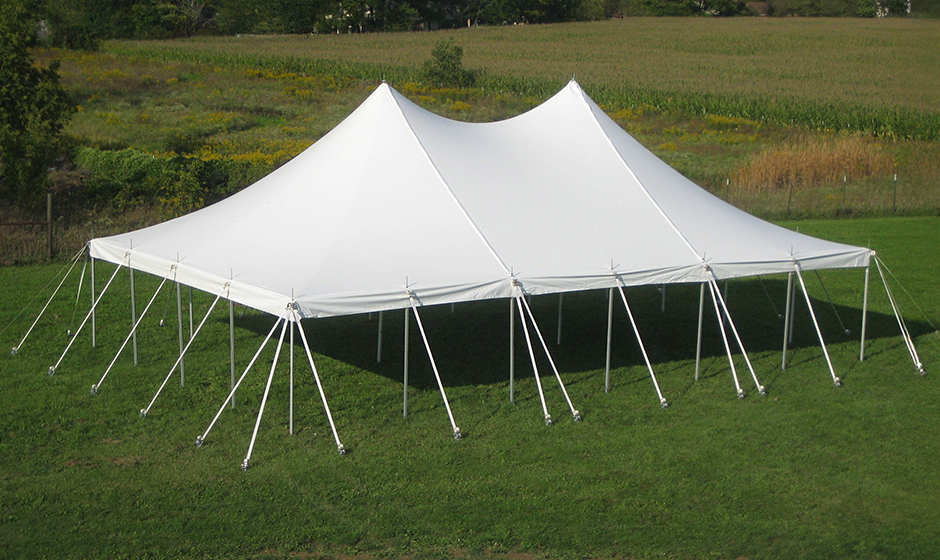
Pole tents rely on tension. The canopy is stretched between center poles, perimeter poles, and ground stakes. Structural integrity comes from fabric tension working in combination with anchor resistance. Every component is under load, and the system depends heavily on proper staking and soil performance. Because the fabric does so much of the work, it is important to focus on picking a canopy built for high-tension environments.
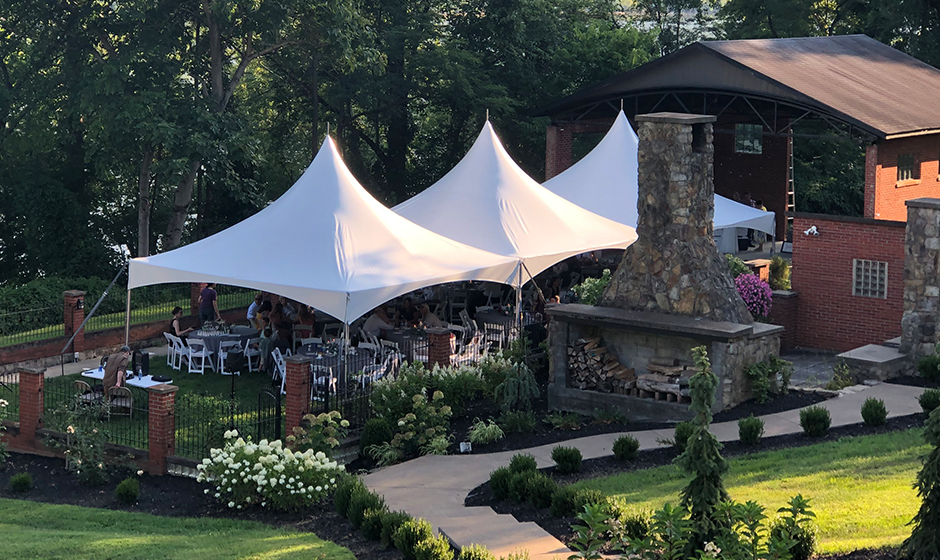
Frame tents rely on structure. A rigid aluminum or steel framework supports the canopy independently of ground tension. Anchoring primarily resists movement rather than carrying the full structural load. This allows the tent to remain stable even when soil conditions are less predictable or when you can't stake deep into the ground. Before you invest in one, it helps to understand what to look for in a reliable frame system.
This single distinction cascades into nearly every operational consideration that follows, from site selection and labor planning to weather performance and long-term ownership costs.
High-Level Comparison
Frame tents: rigid internal frame, no center poles, can be anchored with ballast, work on grass, concrete, asphalt, pavers, and mixed surfaces, and serve a wide range of event types.
Pole tents: fabric tension-based structure, center poles required, must be staked into soil, limited to grass or dirt sites, with strong demand for traditional outdoor weddings and seasonal events. For private-event context, many planners also compare these against smaller setups designed for casual gatherings.
Quick Comparison: Frame Tent vs Pole Tent
| Category | Frame Tent | Pole Tent |
|---|---|---|
| Structural Support | Internal metal frame | Tension via poles and stakes |
| Center Poles | None (clear span) | Yes |
| Anchoring Options | Stakes or ballast | Stakes only |
| Surface Compatibility | Grass, concrete, asphalt, pavers | Grass / soil only |
| Typical Use | Corporate, urban, repeat installs | Weddings, seasonal events |
Pole Tents: Structural Reality and Field Conditions
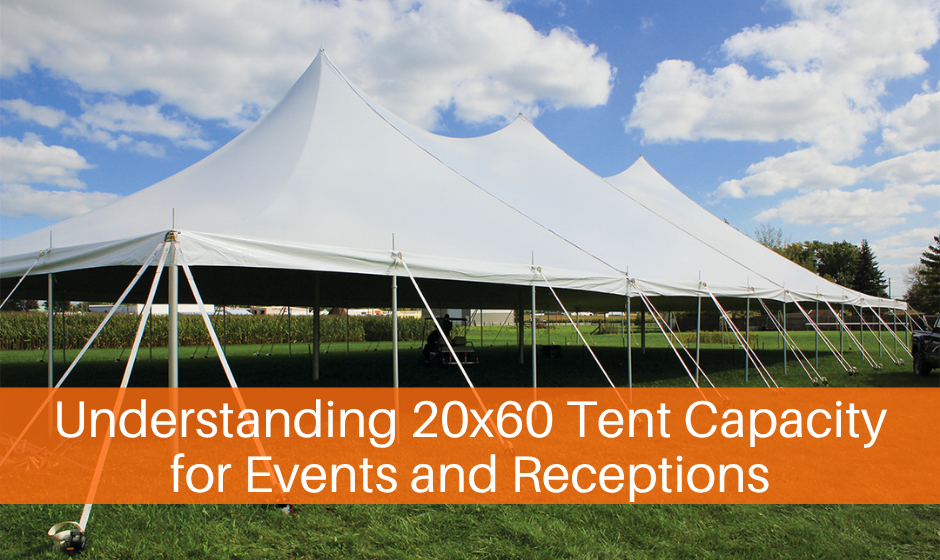
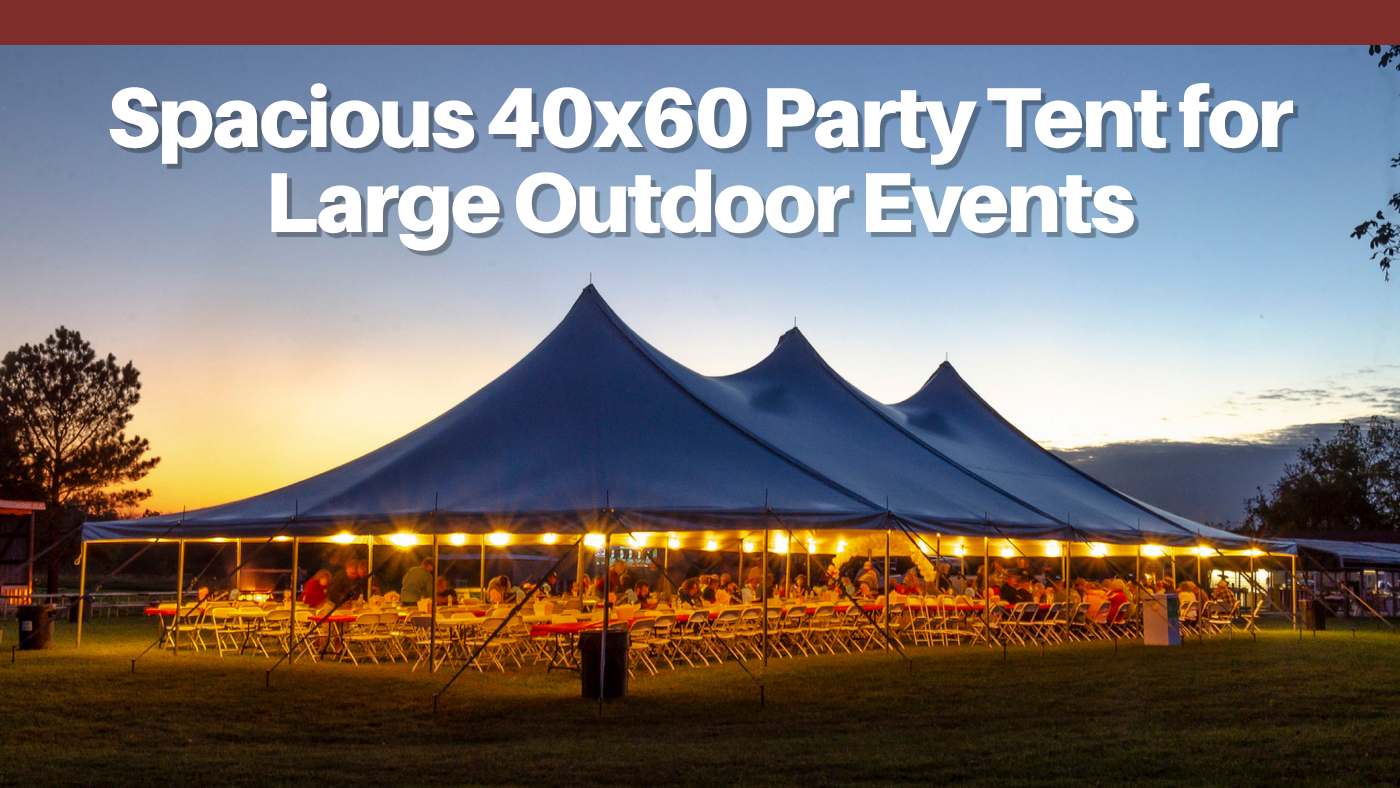
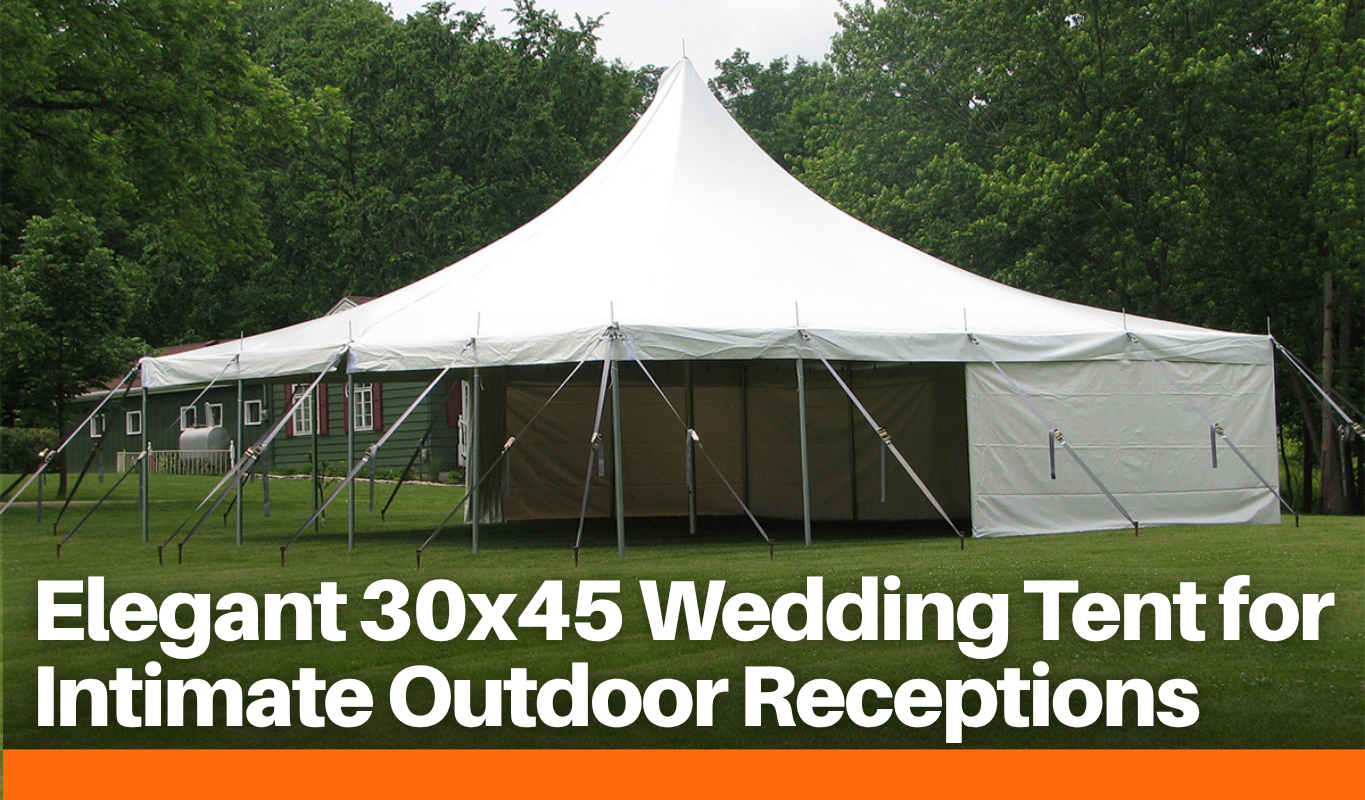
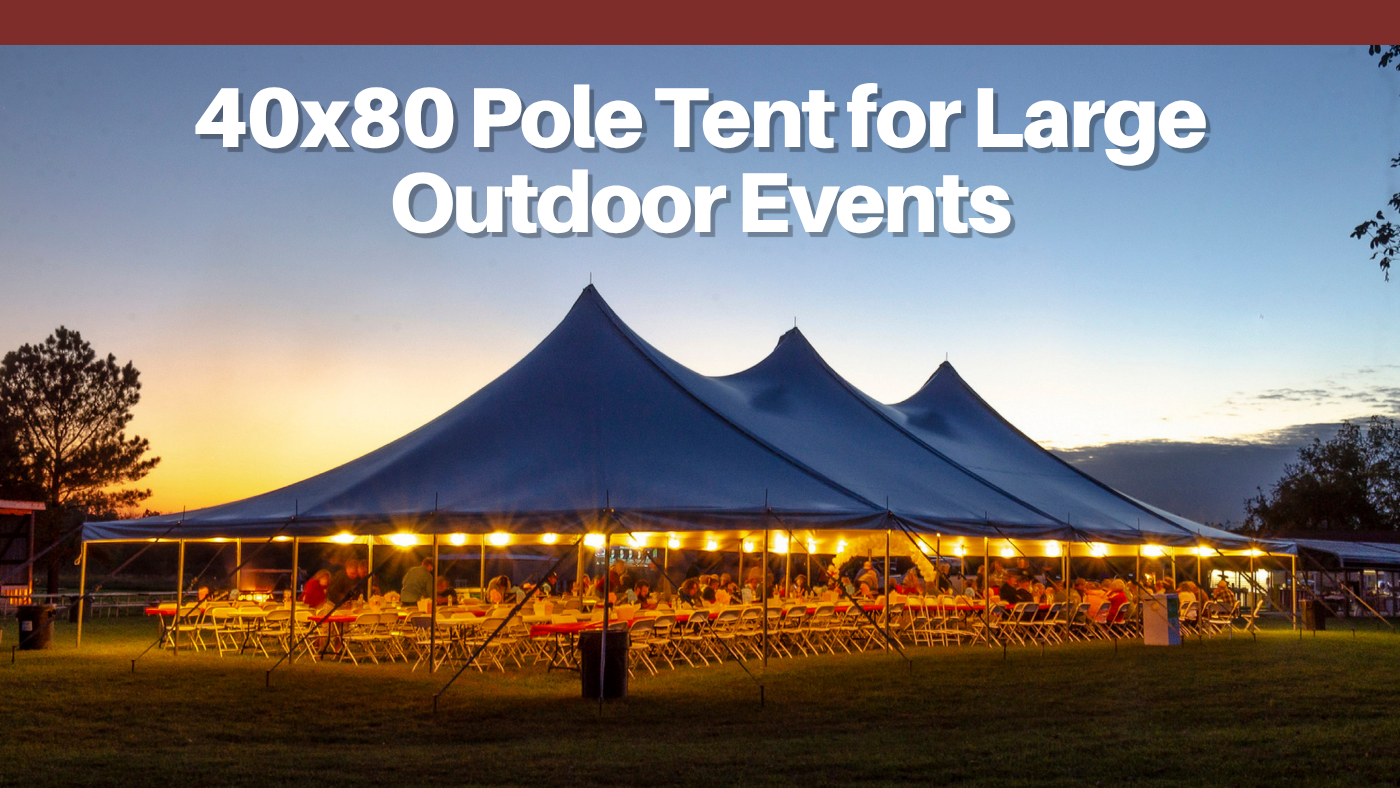
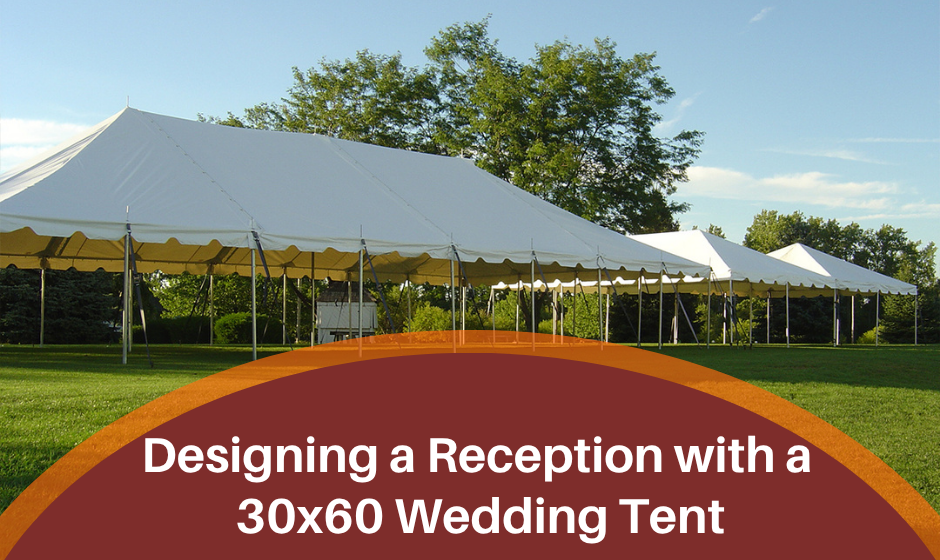
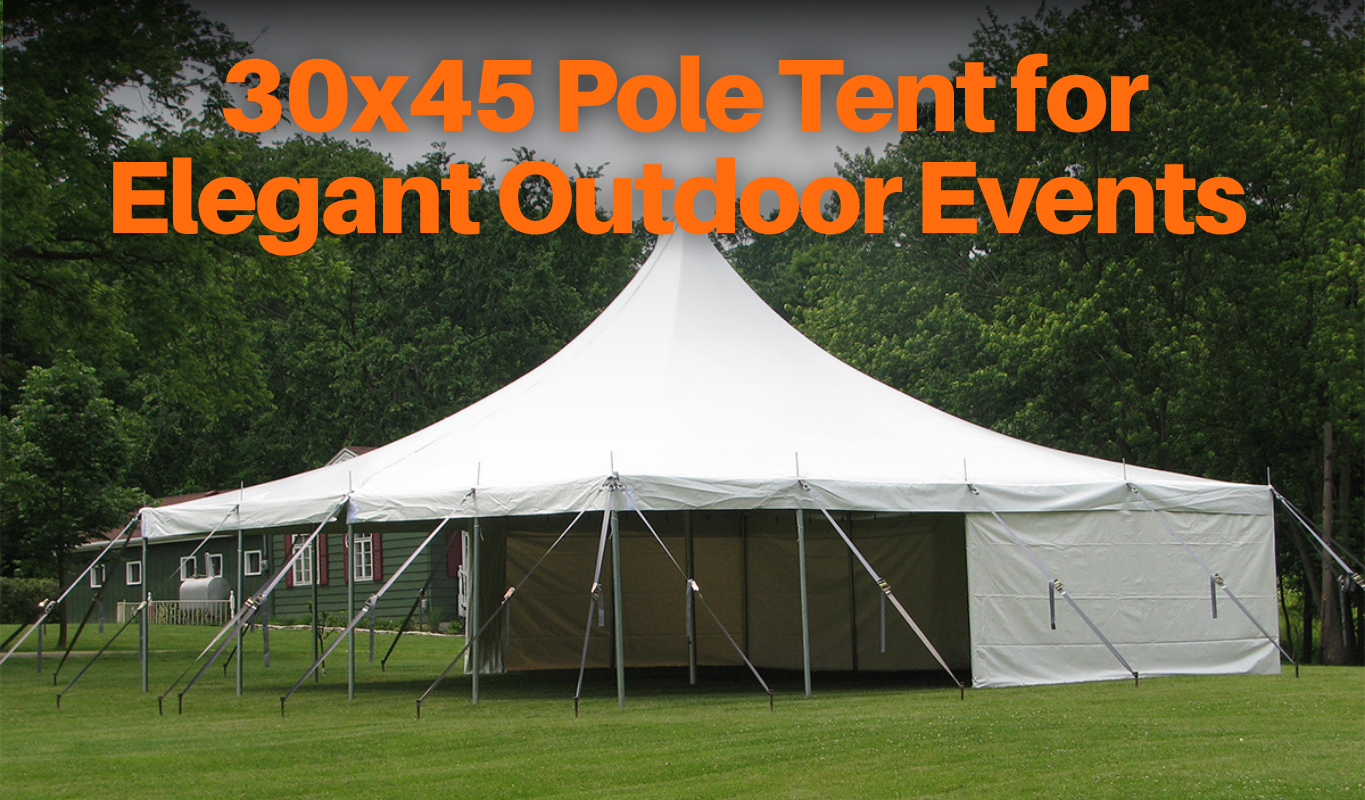
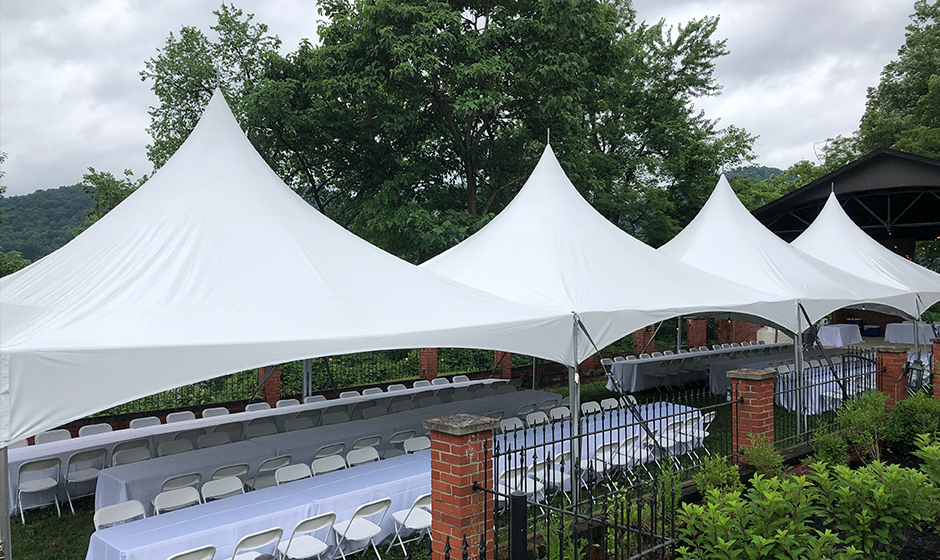
Pole tents are among the most recognizable structures in the event industry. Their sweeping rooflines and tall peaks are closely associated with outdoor weddings, festivals, and traditional celebrations held on open grass. You can view our full collection of traditional pole systems, and for wedding-focused planning, see these elegant options for ceremonies.
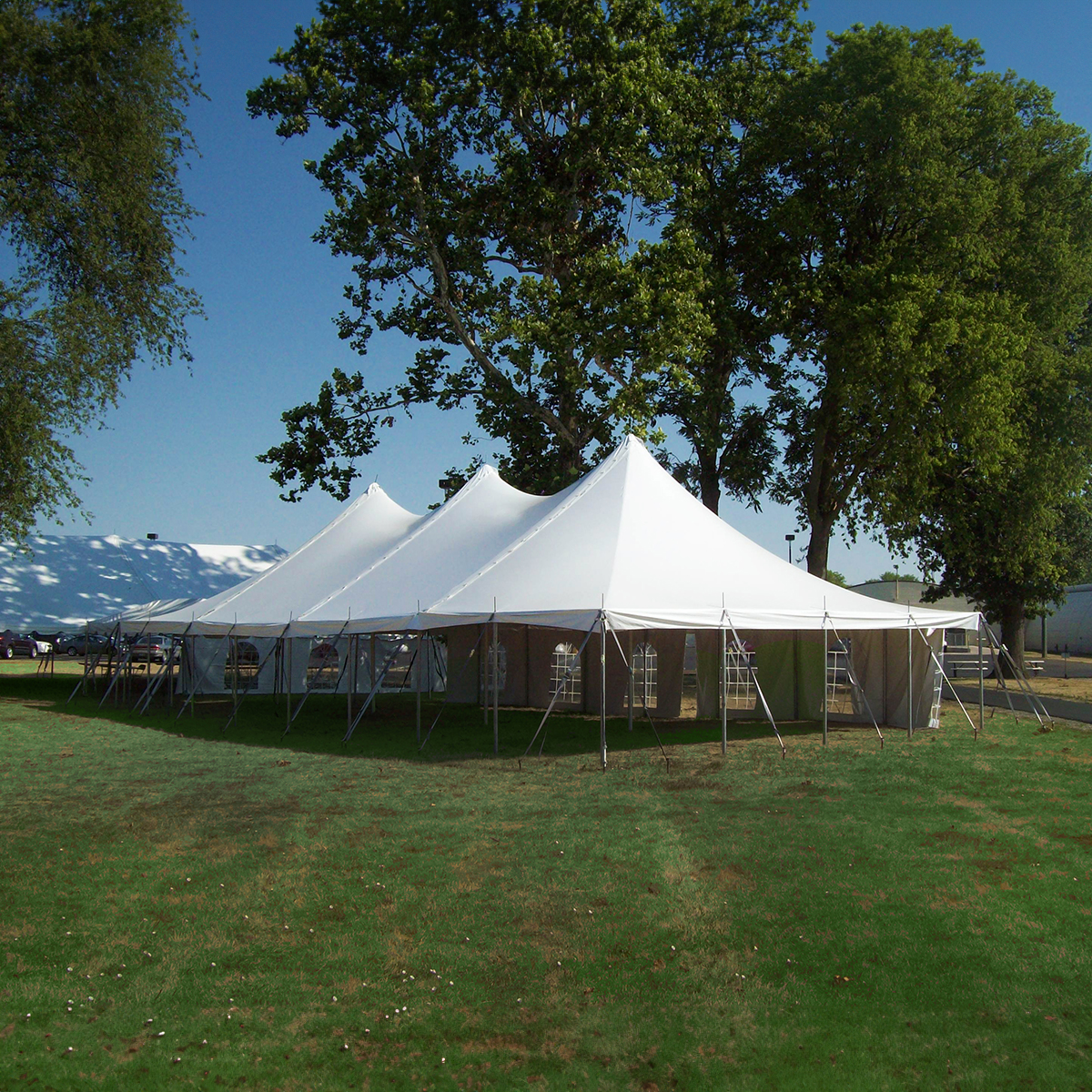
In ideal conditions, pole tents are efficient and cost-effective. Components are relatively lightweight, large footprints can be covered quickly, and experienced crews can move fast on open sites with good soil. When everything aligns, pole tents are excellent revenue generators.
However, pole tents are only as strong as their anchoring. Stake length, diameter, angle, and placement all matter. Soil composition plays a major role in holding power. Clay soils behave differently than sandy soils, and fill dirt introduces its own challenges. Moisture content can dramatically affect performance, particularly after heavy rain.
Experienced operators understand that what lies below the surface is often more important than what is visible above it. Underground utilities, irrigation systems, tree roots, drainage lines, and landscaping features frequently restrict where stakes can be placed. These constraints may force changes in tent orientation, size, or even structure type.
Interior center poles further influence usability. While expected in wedding layouts, they complicate staging, dance floors, bars, audiovisual placement, and accessibility for other event types. For production-heavy or corporate events, these obstructions can be a deal-breaker.
From a business standpoint, pole tents remain strong seasonal assets. They deliver high visual impact at a competitive cost, which continues to drive wedding demand. Many rental companies intentionally maintain pole tent inventory specifically to serve this market.
Rental operators typically rely on a mix of traditional and high-peak pole tents to meet wedding and private-event demand, including:
- Classic Series Pole Tents
- Presto Series Pole Canopy
- Premiere I Series High Peak Pole Tents
- Premiere II Series Engineered High Peak Pole Tents
- TP Series Pole Tent Complete Kits
Frame Tents: Flexibility, Ballast, and Predictability
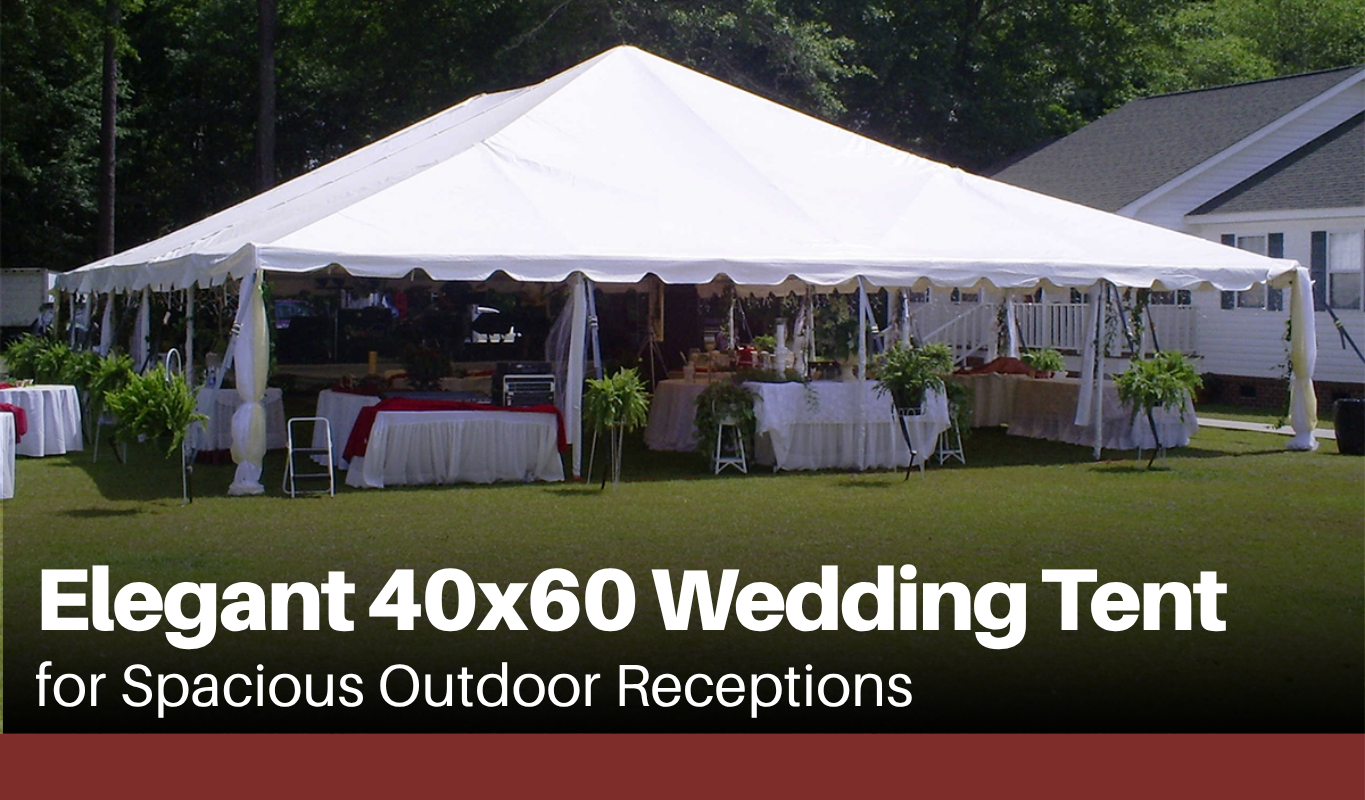
Frame tents approach structural stability differently. A rigid framework supports the canopy, allowing the tent to stand independently of fabric tension and soil conditions. You can browse our versatile freestanding frame systems to see how different series are built for different utilization profiles.
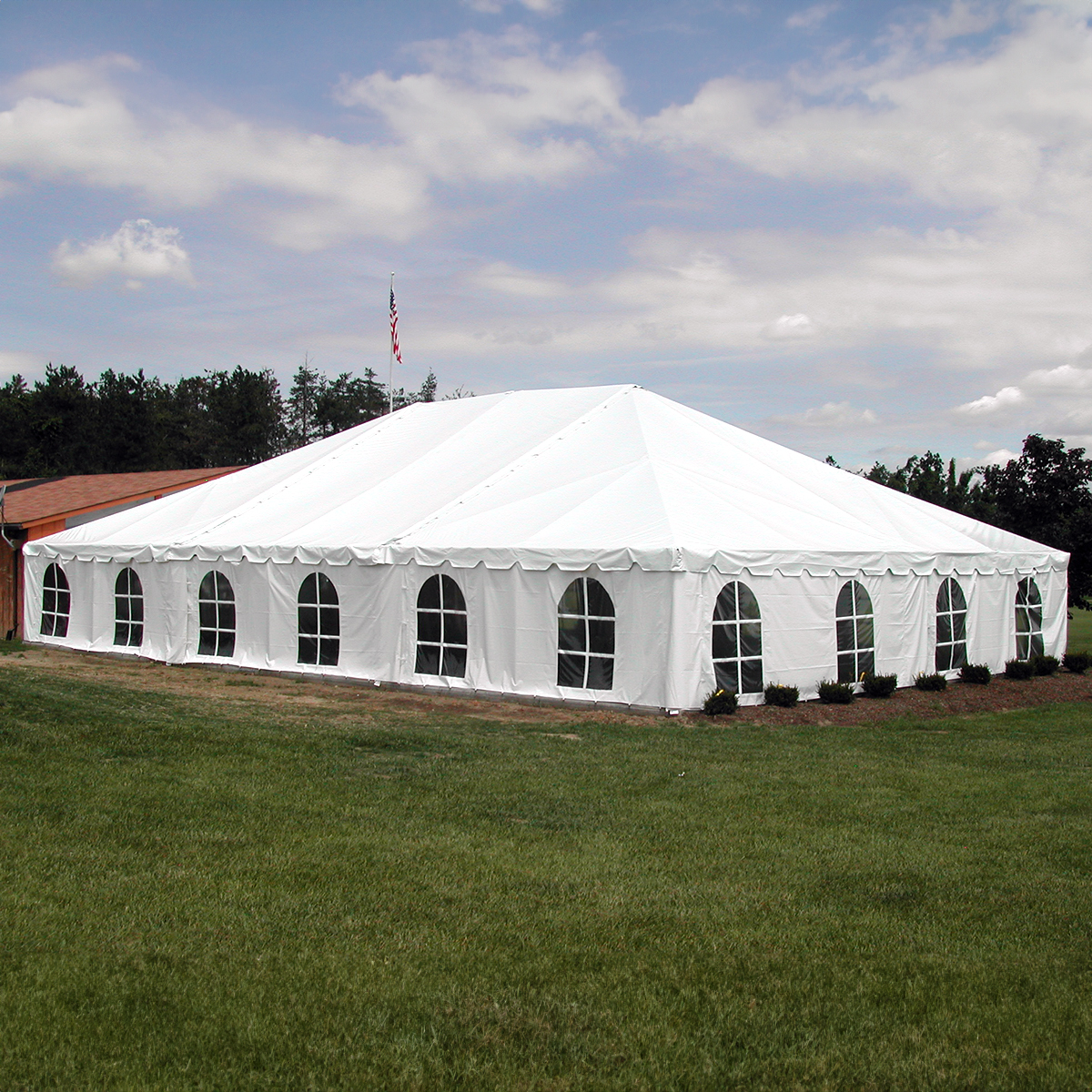
This design unlocks installation environments that pole tents simply cannot serve. Concrete plazas, asphalt parking lots, rooftops, courtyards, and mixed-surface venues become viable with appropriate ballast systems. Concrete blocks, water barrels, and engineered ballast solutions allow operators to meet anchoring requirements without penetrating the ground.
From a quoting perspective, this flexibility reduces friction. Sales teams spend less time negotiating site limitations and more time focusing on layout, capacity, and event requirements. Operations teams benefit from predictable installs that behave consistently across sites.
Frame tents also simplify interior planning. With no center poles, layouts are easier to design, repeat, and scale. Seating counts become more predictable. If you’re evaluating this flexibility for rentals, see how frame setups adapt to almost any location.
While frame tents typically involve more components and higher upfront investment, they often deliver stronger long-term value. For fleet and purchasing considerations, you can reference why adding frames is a smart financial move for your business.
Common frame tent configurations include:
- Classic Series Frame Tents
- Classic Series Gable Frame Tents
- Master Series Frame Tents
- Master Series High Peak Frame Tents
Visual and Client-Facing Considerations
Aesthetics still matter, particularly for weddings and high-visibility events. Pole tents are often chosen for emotional reasons. Their peaks, slopes, and fabric tension create a traditional, organic look that resonates strongly in the wedding market. When installed on open grass with proper lighting and liners, pole tents create a sense of occasion that many clients actively seek.
Wedding-focused tent layouts are detailed on the GetTent site here: Wedding Planning Resources.
If you want additional framing for client education, you can also reference these related reads: a quick comparison of the pros and cons, the key differences between the two styles, and what makes frames the most adaptable choice.
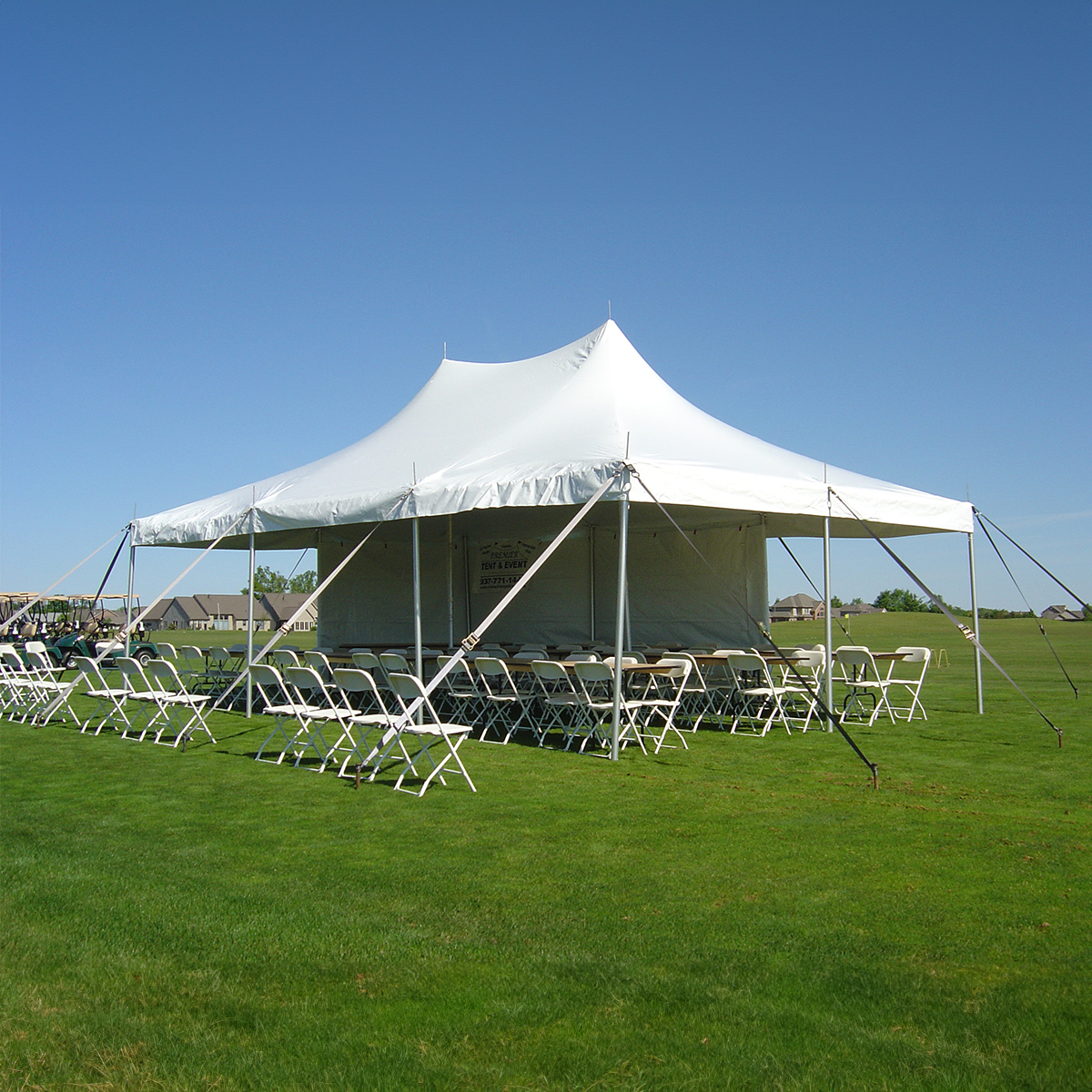
Pole tents have a natural, sweeping look that many clients fall in love with immediately. Because of their high peaks and elegant slopes, they often feel "event-ready" the moment they are standing, especially on a green lawn. This "organic" look is a huge selling point for weddings where the tent itself is part of the décor.
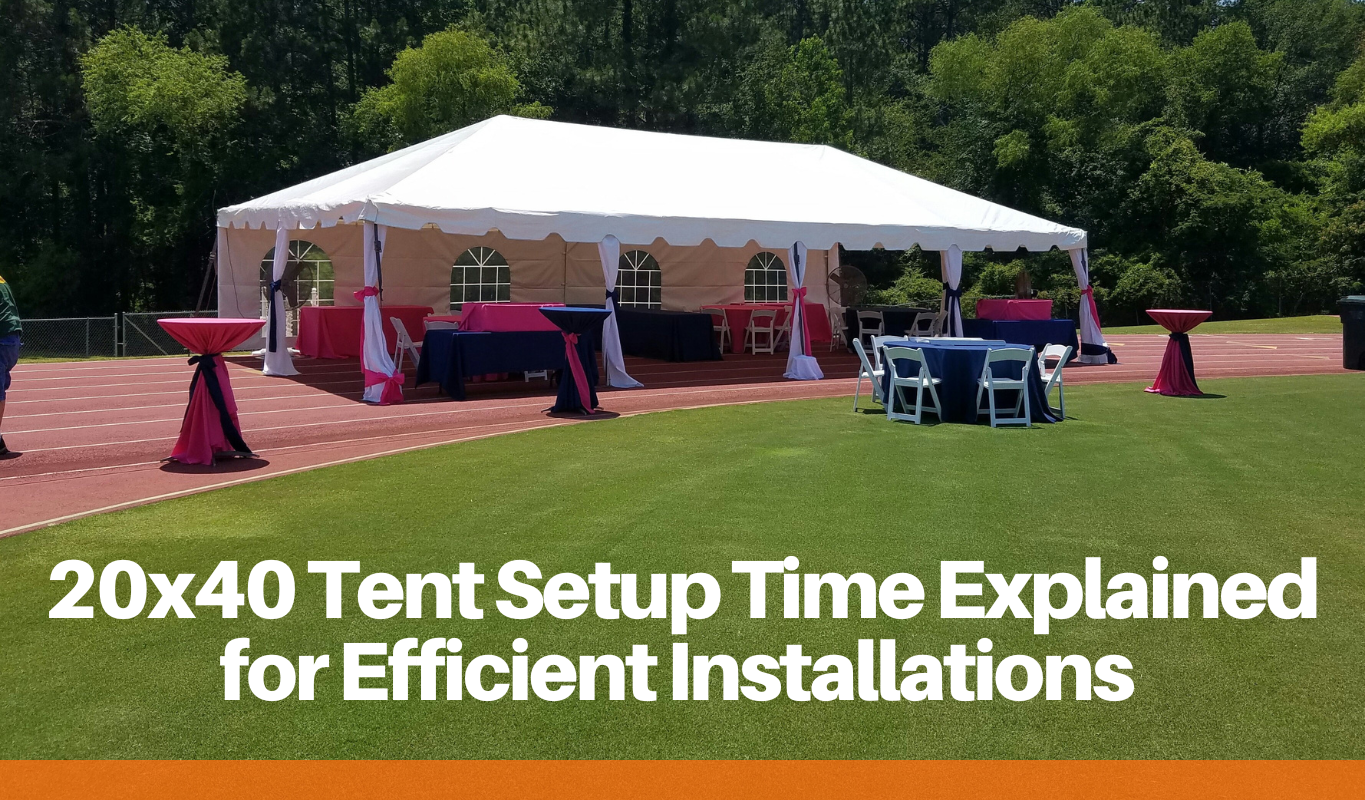
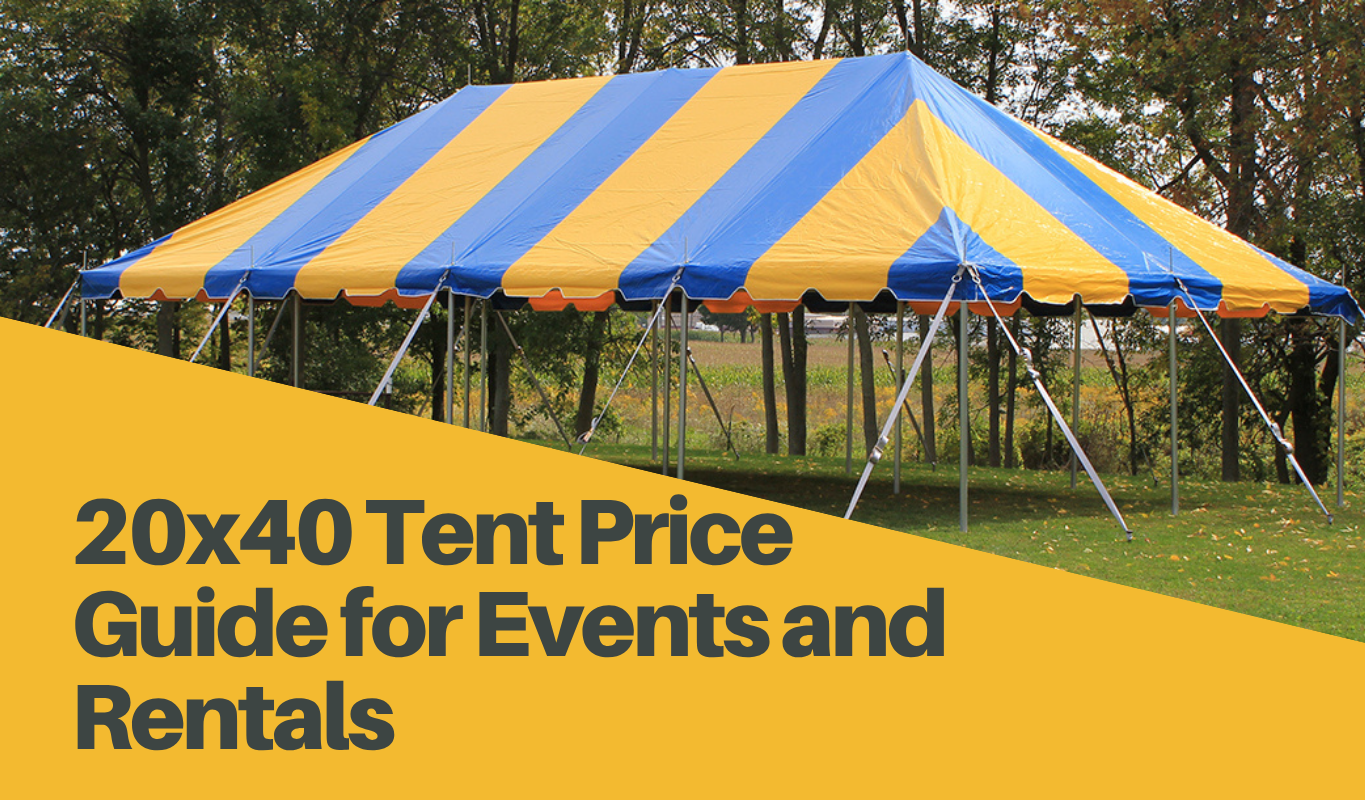
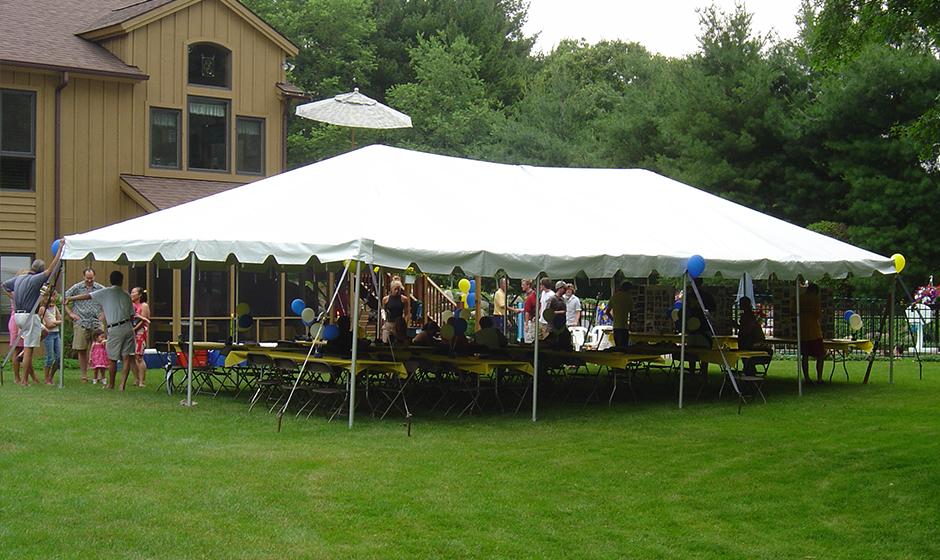
However, the visual appeal only works if the size matches the guest list. When planning your layout, it helps to look at how specific footprints handle seating and flow. For example, you can see how a versatile 20x40 footprint can change the game for mid-sized events. If you are working with a tighter space or a more intimate guest count, you might find that a compact 20x20 setup is the perfect go-to shelter for your needs.
Site Conditions and Venue Restrictions
Site conditions are frequently the deciding factor between frame tents and pole tents. Pole tents require staking into soil. If staking is restricted or prohibited, a pole tent is not an option. This is why many operators steer wedding inquiries toward site-first planning using resources like wedding ceremony setups and, for casual/private setups, backyard party tents.
Site Compatibility Comparison
| Surface Type | Frame Tent | Pole Tent |
|---|---|---|
| Grass | Yes | Yes |
| Asphalt | Yes (with ballast) | No |
| Concrete | Yes (with ballast) | No |
What Actually Happens During a Site Walk
On paper, a venue may appear suitable for either tent type. In practice, site walks often reveal constraints that immediately narrow the options. Grass does not automatically mean stake-ready. Fill dirt, shallow utilities, irrigation systems, and tree roots frequently limit anchoring.
Installation, Labor, and Crew Efficiency
Labor is one of the most significant cost drivers. Pole tents can be installed quickly on ideal sites, but performance varies based on soil and resistance. Frame tents take longer to assemble, but the process is standardized, making training easier for seasonal crews.
Installation & Labor Comparison
| Factor | Frame Tent | Pole Tent |
|---|---|---|
| Install Predictability | High | Variable |
| Soil Dependence | Low | High |
Training Crews at Scale
Pole tent installs rely heavily on experience and judgment. Frame tents benefit from repeatable processes. Components are standardized, and layouts are consistent, which reduces dependency on highly experienced installers.
CELINA Tip: If your crew roster changes seasonally, standardization is key. Repeatable frame tent processes reduce retraining time and lower install variability.
Interior Layout, Capacity, and Expansion
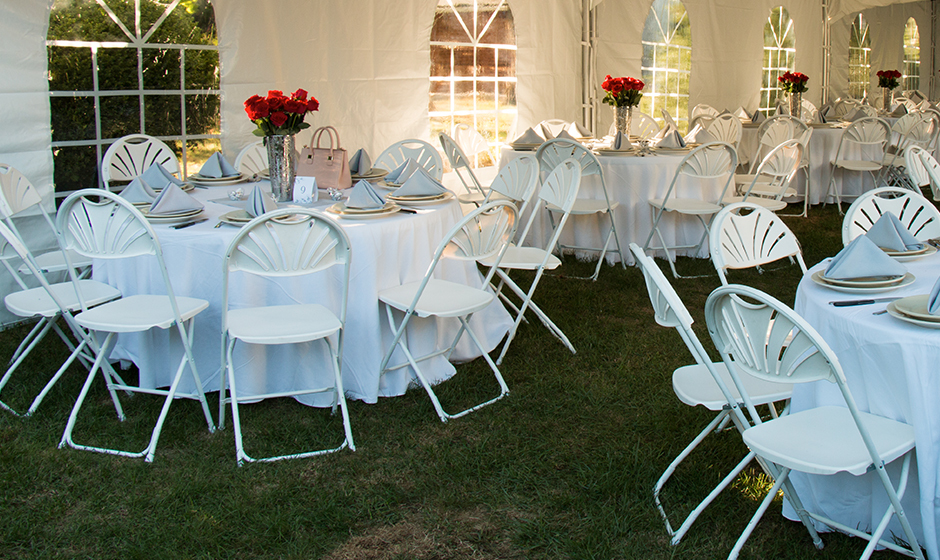
Pole tents scale efficiently, but center poles must be planned around. Frame tents provide true clear-span interiors, making them ideal for high-density seating, staging, and audiovisual production.
Weather Performance and Risk Management
Both types perform well when installed correctly. Pole tents rely on stakes to manage wind and rain. Frame tents rely on the rigid frame and ballast. In variable weather, a frame system often provides more stability and peace of mind.
Lifecycle, Maintenance, and Fleet Economics
Lifecycle cost includes maintenance and downtime. A detailed guide is available on how to find parts and keep your inventory in top shape. Pole tents experience constant fabric tension, while frame tents benefit from modular construction where individual legs or fittings can be replaced.
ROI, Utilization, and Portfolio Strategy
Pole tents generate strong seasonal returns for weddings, while frame tents stabilize year-round revenue. Mature operations deploy both intentionally to align with market demand.
Explore Categories
Compare structures and configurations using the links below.
Frequently Asked Questions
Which tent is better for a wedding?
It usually depends on the setting and the look the couple wants to achieve. Pole tents are very popular for weddings because of their high peaks and elegant, sweeping fabric lines that create a classic romantic feel on grass. However, if the wedding is being held on a patio or requires a large stage and dance floor, a high-peak frame tent might be better since it has no center poles. CELINA offers beautiful options for both styles to ensure every wedding looks perfect.
Can a pole tent be set up on a driveway?
Generally, a pole tent cannot be set up on a driveway because it must be staked deep into the ground to stay standing. Attempting to anchor a tension-based tent on asphalt or concrete without stakes is unsafe and not recommended by professionals. For driveways, parking lots, or any hard surface, you should choose a freestanding frame tent that can be secured with weights or water barrels. CELINA provides specialized ballast solutions designed specifically for these types of installations.
What is a "clear-span" tent?
A clear-span tent is almost always a frame tent because it uses a metal skeleton to support the roof instead of center poles. This design leaves the entire area under the tent completely open, which is why it is called a "clear span" of space. This is a huge advantage for events like corporate presentations or formal dinners where you do not want a pole blocking anyone's view. You can browse CELINA’s Master Series to find clear-span options that maximize your usable square footage.
Do I always need stakes to hold a tent down?
While stakes are the traditional way to secure a tent, they are only mandatory for pole tents. Frame tents give you more options because they can be held down using heavy weights, often called ballast, if you are working in a place where you cannot dig into the ground. This makes frame tents much more versatile for urban events or protected venues with underground utilities. You can check out CELINA’s guide on parts and anchoring to see which stakes or weights are right for your setup.
Are frame tents harder to put together?
Frame tents have more individual metal pieces than pole tents, but many crews actually find them easier to learn because the assembly is the same every time. Pole tents require a lot of "feel" to get the tension just right, whereas a frame tent goes together like a structured kit. Using a resource like CELINA’s layout handbook can help your team visualize the build before they even get to the site. CELINA also offers assembly videos to help new owners get up to speed quickly.
How much wind can these tents handle?
The wind resistance of a tent depends on how it is anchored and whether it is an engineered model. Most standard event tents handle normal breezy conditions well, but for areas prone to high winds, you should look into engineered tent systems that are built to meet specific safety codes. It is always best to have a weather plan in place and ensure your anchoring is checked regularly during the event. CELINA’s support team can help you choose a tent that fits the weather requirements of your local area.