




Fixing a Tent Pole: Simple Repairs to Keep Your Tent Standing Strong
It usually happens at the worst possible time.
You're setting up for an event, everything seems to be going smoothly, and then you notice it. One of the poles isn't sitting quite right. Maybe it's bent, cracked, or refusing to lock into place.
It's frustrating, especially when guests are arriving soon or the weather isn't looking promising.
The good news is that fixing a tent pole doesn't always mean replacing the entire tent. In many cases, the problem is isolated to a single section, a connector, or a piece of hardware that can be repaired or replaced.
Knowing how to identify the issue early can save you time, money, and the headache of dealing with a larger problem later on.
Let's look at the most common tent pole issues, how to fix them, and when it's time to replace a part instead of repairing it.
Why Tent Pole Maintenance Matters
A tent frame is only as strong as the poles supporting it.
Whether you're setting up a commercial frame tent, a high peak tent, or a pop up canopy, every pole works together to distribute weight and maintain the structure's stability.
When even one component becomes damaged, the extra stress is transferred to the surrounding frame members. Over time, that additional strain can cause other parts to wear more quickly.
That's why repairing or replacing damaged components early is so important. Small issues are usually inexpensive to fix, while ignored damage often leads to more costly repairs later.
Start by Identifying the Problem
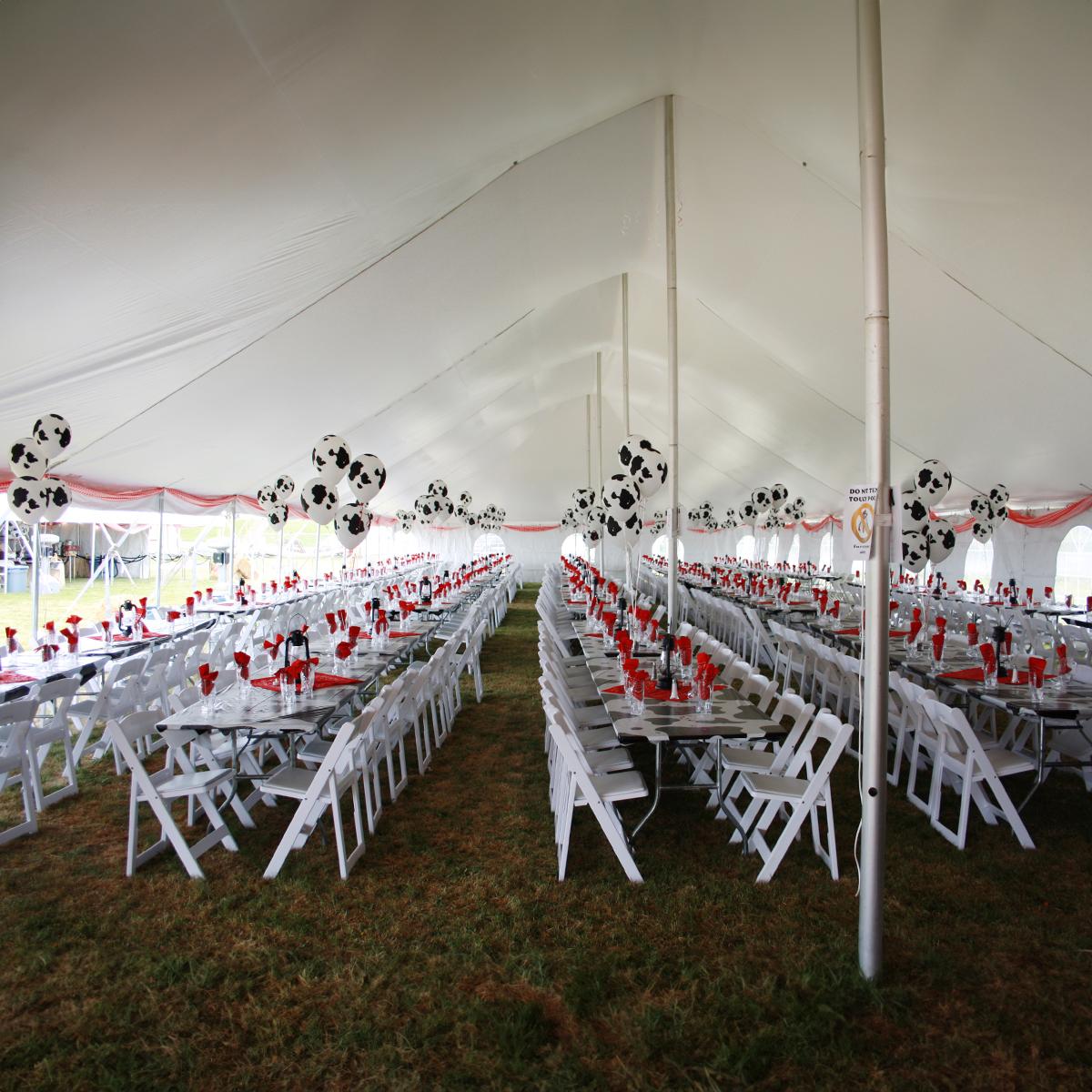
Before reaching for tools or replacement parts, take a few minutes to inspect the pole carefully.
Not every issue requires the same solution.
Sometimes the pole is slightly bent after being exposed to strong winds. Other times, a connector has cracked, a locking pin has failed, or the pole simply wasn't assembled correctly.
Look closely for:
- Visible bends or dents
- Cracks in the tubing
- Loose or missing hardware
- Damaged connectors
- Sections that no longer fit together properly
- Rust or corrosion around connection points
- Locking pins that no longer engage securely
Understanding exactly what's wrong makes it much easier to decide on the right repair.
A Quick Inspection Can Save an Event
Many tent pole issues can be spotted before installation even begins. Spending just a few minutes inspecting your frame before every event can prevent unexpected delays once setup is underway.
Can a Bent Tent Pole Be Fixed?
It depends on how severe the bend is.
A minor bend may still allow the tent to function temporarily, but it weakens the pole and increases the chance of future failure.
Trying to force a bent aluminum or steel pole back into shape often creates even more stress on the material. It may look straight again, but its structural strength has usually been compromised.
For commercial event tents, replacing the damaged section is generally the safest and most reliable solution.
After all, the frame is what supports the entire structure.
When a Replacement Is the Better Option
If the bend is clearly visible or the pole no longer fits together correctly, replacement is almost always the smarter decision. It protects both your tent investment and the safety of everyone using it.
Replacing a Damaged Pole Section
One of the biggest advantages of many commercial tents is that individual frame components can often be replaced.
Instead of purchasing an entirely new frame, you may only need a replacement leg, rafter, spreader bar, cross cable, or center support.
When ordering replacement parts, it's important to match the specifications carefully.
| Specification | Why It Matters |
|---|---|
| Tent model | Ensures compatibility with the existing frame. |
| Pole diameter | Maintains structural strength and proper fit. |
| Wall thickness | Keeps load capacity consistent. |
| Connector style | Allows sections to assemble correctly. |
| Material type | Matches the performance of the original frame. |
Using the correct replacement ensures the repaired frame performs exactly as intended.
This is often the most cost-effective approach for rental companies and frequent event hosts.
Tightening Loose Connections
Sometimes the pole itself isn't the problem.
Bolts can loosen after repeated setup and teardown. Locking pins may wear over time. Connectors can shift slightly after years of regular use.
Before assuming a pole has failed, inspect all hardware around the affected area.
Tightening loose fittings or replacing worn pins is often enough to restore stability.
It's a simple maintenance step that can prevent larger issues later.
Repairing Damaged Connectors
Frame connectors experience a surprising amount of stress during installation.
If a connector becomes cracked, warped, or distorted, the attached poles may no longer align correctly.
Rather than forcing the frame together, replace the damaged connector as soon as possible.
Continuing to use compromised hardware places additional strain on nearby components and can eventually lead to multiple failures.
Small repairs today often prevent expensive repairs tomorrow.
Preventing Future Pole Damage
The easiest repair is the one you never have to make.
A few simple habits can dramatically extend the life of your tent frame.
- Never force poles into place if they don't align naturally.
- Assemble the frame on level ground whenever possible.
- Use proper anchoring so wind doesn't overload the structure.
- Inspect hardware before every installation.
- Store poles in a dry, protected location.
- Replace worn connectors before they fail completely.
Consistent maintenance keeps small issues from becoming major repairs.
Common Causes of Tent Pole Damage
Most tent pole problems don't happen randomly.
They're usually caused by one or more of these situations:
- Strong wind on an improperly anchored tent
- Dropping frame components during loading or transport
- Forcing misaligned sections together
- Overtightening hardware
- Improper storage that causes corrosion or impact damage
- Years of normal wear from repeated installations
Understanding why damage occurred helps prevent it from happening again.
When Repair Isn't the Best Option
Not every tent pole can — or should — be repaired.
While replacing a loose bolt or worn connector is often a straightforward fix, structural damage is a different story. Once a pole has lost its strength, continuing to use it can put unnecessary stress on the rest of the frame.
If you notice any of the following, replacement is usually the safest choice:
- Large cracks in the tubing
- Severe bends that affect alignment
- Splitting or warped metal
- Heavy corrosion or rust damage
- Repeated failures in the same section
- Broken welds or damaged connection points
A tent frame depends on every component working together. One weakened pole can affect the stability of the entire structure, especially during windy conditions or under heavy loads.
When safety is involved, replacing damaged parts is almost always the better investment.
Keeping Replacement Parts on Hand
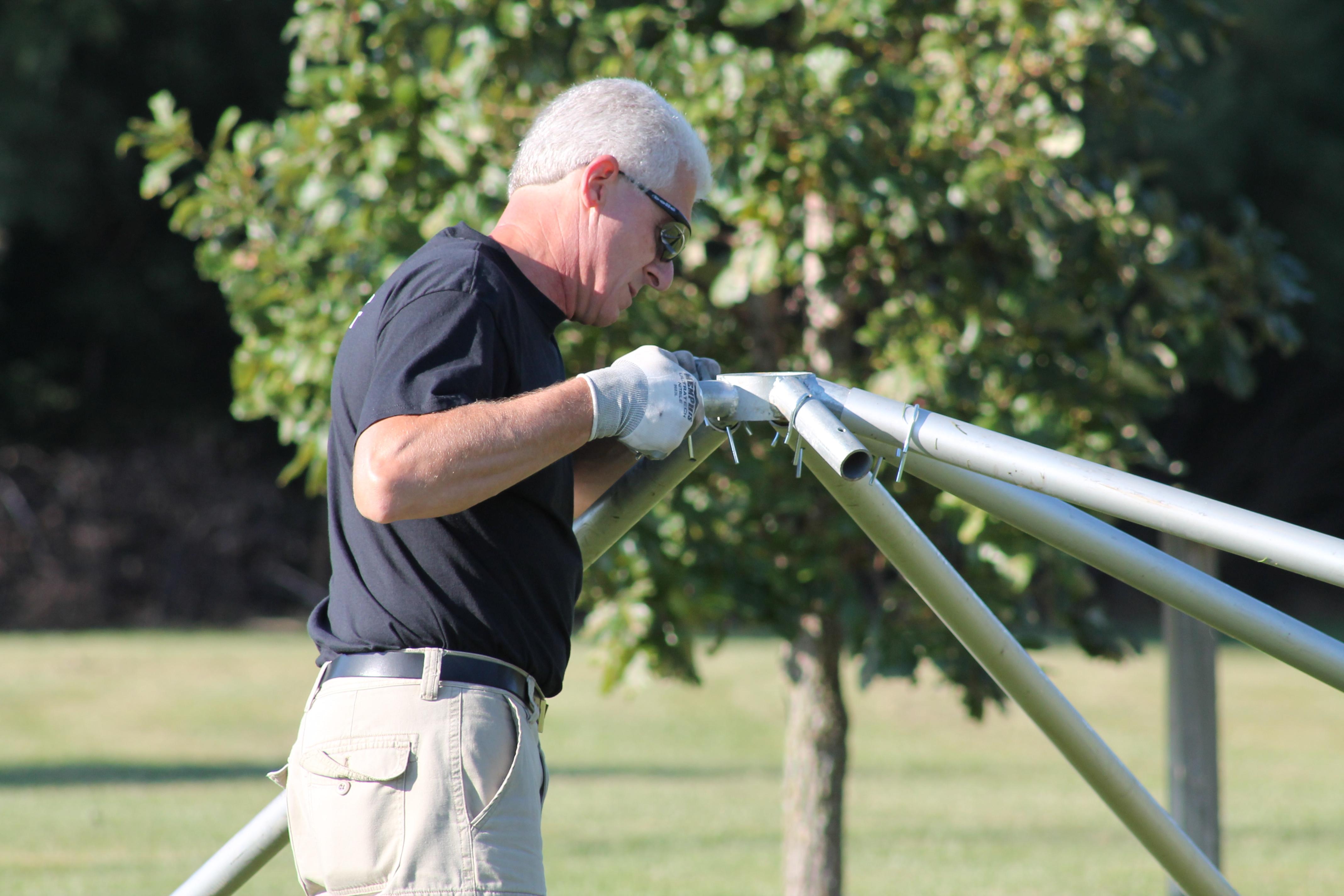
If you regularly install commercial tents, keeping a small inventory of replacement parts can save valuable time and prevent unnecessary event delays.
Instead of waiting for shipping after discovering a damaged component, you can make repairs immediately and continue with setup.
Many rental companies and event professionals keep extras such as:
- Frame legs
- Rafters
- Spreader bars
- Center poles
- Cross braces
- Frame connectors
- Locking pins
- Bolts, nuts, and washers
- Base plates and foot pads
Having a few commonly replaced parts available can make the difference between a quick repair and a delayed event.
Essential Tools for Tent Pole Repairs
You don't need a fully equipped workshop to handle most tent frame maintenance, but having a few basic tools nearby makes repairs much easier.
| Tool | Purpose |
|---|---|
| Socket or wrench set | Tightening frame hardware |
| Rubber mallet | Aligning frame sections without damaging them |
| Replacement pins | Replacing worn or damaged locking pins |
| Measuring tape | Confirming replacement part dimensions |
| Work gloves | Protecting hands during repairs |
Keeping these tools with your tent equipment helps you handle minor repairs without interrupting the rest of your setup.
Caring for Your Tent Frame Between Events
Maintenance doesn't stop once the tent comes down.
How you clean, transport, and store your frame has a direct impact on how long it lasts.
Before packing everything away:
- Wipe away dirt, mud, and moisture.
- Inspect each pole for dents, cracks, or loose hardware.
- Replace worn pins or connectors before the next event.
- Organize components so they're easy to locate during your next setup.
- Store poles where they won't be bent or crushed by heavier equipment.
These simple habits help extend the life of the frame and reduce unexpected repairs during future installations.
A little preventative maintenance after every event often saves hours of repair work later.
Building a Routine Inspection Schedule
If your tent is used regularly, inspections shouldn't only happen when something goes wrong.
Creating a routine maintenance schedule allows you to identify worn components before they become larger problems.
Many professional rental companies inspect their frames:
- Before every installation
- Immediately after teardown
- Before long-term storage
- After severe weather exposure
Routine inspections reduce unexpected failures and help ensure every setup is completed safely and efficiently.
Bringing It All Together
Fixing a tent pole is often much simpler than people expect.
In many cases, replacing a single section, tightening a loose connector, or installing new hardware is all that's needed to restore the frame.
The key is addressing problems early.
Small cracks become larger ones. Loose hardware leads to unnecessary strain. Minor bends can eventually become complete failures if left unattended.
By inspecting your tent regularly, replacing damaged components when needed, and following good maintenance practices, you can keep your tent standing strong for many seasons to come.
After all, a dependable frame is the foundation of every successful outdoor event.
Keep Your Tent Performing at Its Best
Explore replacement tent poles, frame components, connectors, and accessories designed to restore strength, improve safety, and keep your tent event-ready for years to come.
Shop Replacement Tent PartsCommercial-Grade Components | Built to Fit | Fast Shipping
Frequently Asked Questions About Fixing a Tent Pole
Can you fix a bent tent pole?
Minor bends may allow temporary use, but bent poles have reduced structural strength. Replacing the damaged section is usually the safest long-term solution, particularly for commercial event tents.
Should I repair or replace a cracked tent pole?
A cracked pole should generally be replaced rather than repaired. Cracks weaken the frame and can lead to further damage or structural failure during installation or use.
Why won't my tent poles fit together?
The issue may be caused by bent tubing, damaged connectors, worn locking pins, dirt inside the pole sections, or misaligned hardware. Inspect each component before attempting to force the pieces together.
Can I replace just one tent pole?
Yes. Many commercial tents are designed with replaceable frame components, allowing individual poles, rafters, legs, or braces to be replaced without purchasing a completely new frame.
How can I prevent tent pole damage?
Proper anchoring, careful handling during setup, routine inspections, correct storage, and replacing worn hardware before it fails all help extend the lifespan of tent poles and reduce the need for repairs.