



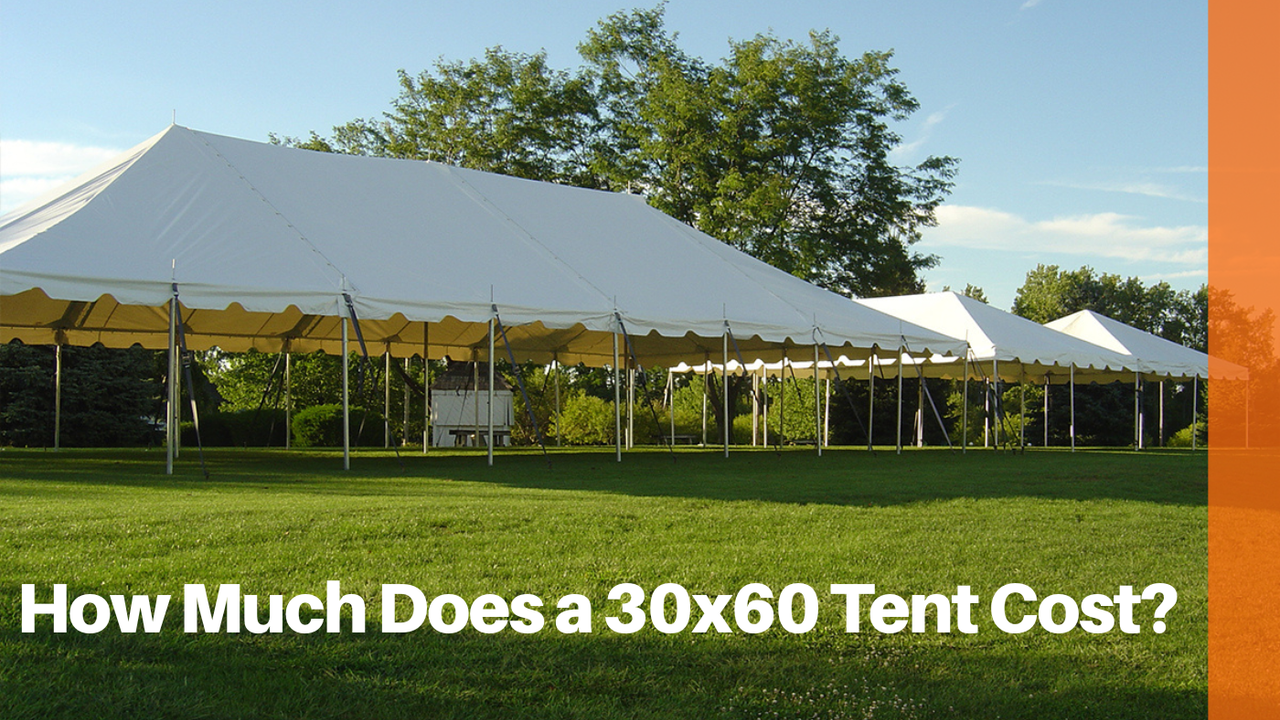
How Much Does a 30x60 Tent Cost?
If you're planning a larger event, one of the first budgeting questions you’ll ask is simple: what is the real 30x60 tent price?
A 30x60 tent gives you 1,800 square feet of covered space. That’s enough room for 150 to 200 guests depending on layout. It’s a popular size for weddings, corporate gatherings, graduation parties, and community events.
But the price isn’t just one flat number.
It depends on structure type, rental vs purchase, site conditions, and how fully you plan to build out the space.
Let’s walk through what actually affects the cost.
Average 30x60 Tent Price Range
There are two main paths: renting or buying.
If you’re renting, the 30x60 tent price typically includes:
- The tent structure
- Delivery
- Installation
- Teardown
Rental pricing varies depending on region, event duration, and installation complexity.
If you’re purchasing, the base cost depends on:
- Pole or frame construction
- Fabric thickness
- Hardware quality
- Anchoring systems
A commercial-grade tent costs more upfront but is built for durability and repeated use.
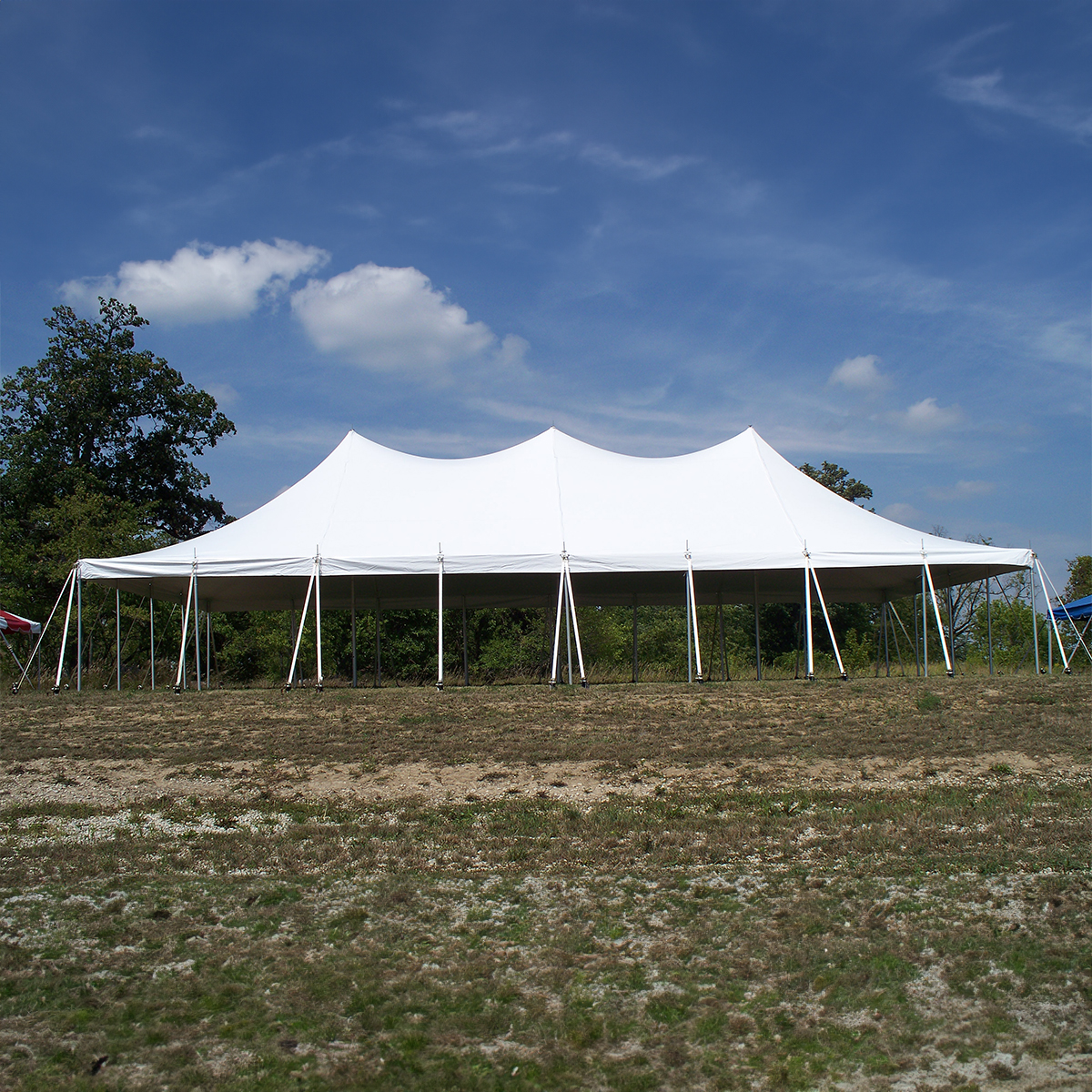
Pole Tent vs Frame Tent Price
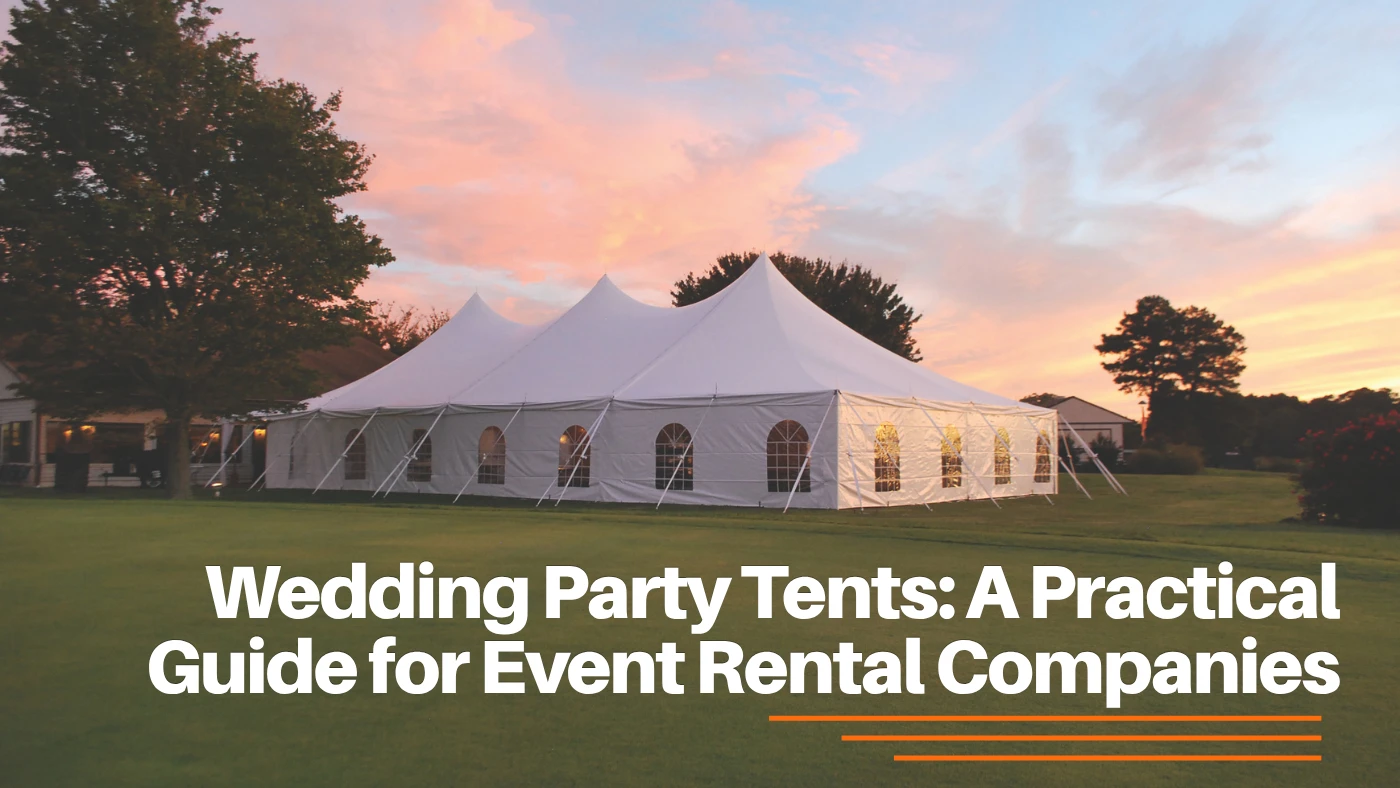
30x60 Pole Tent Price
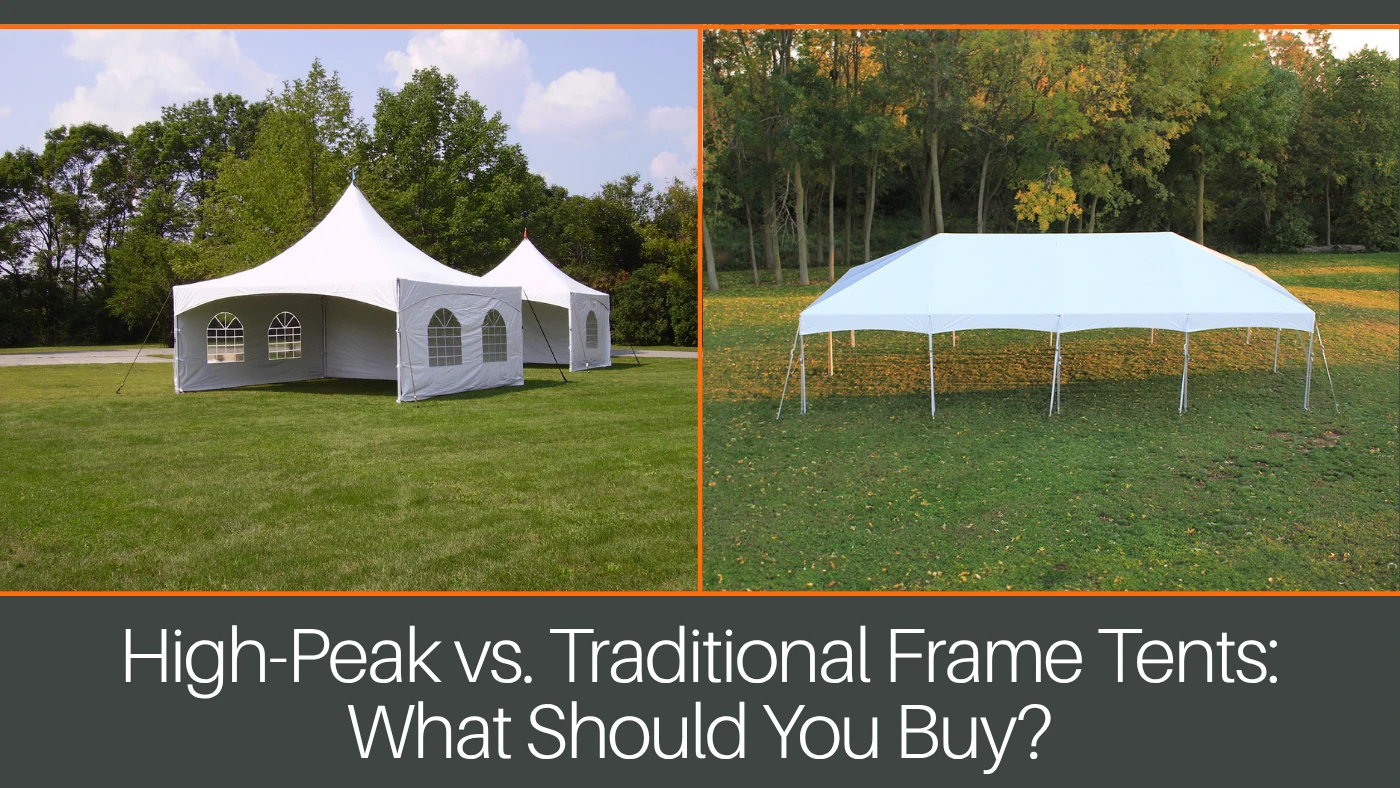
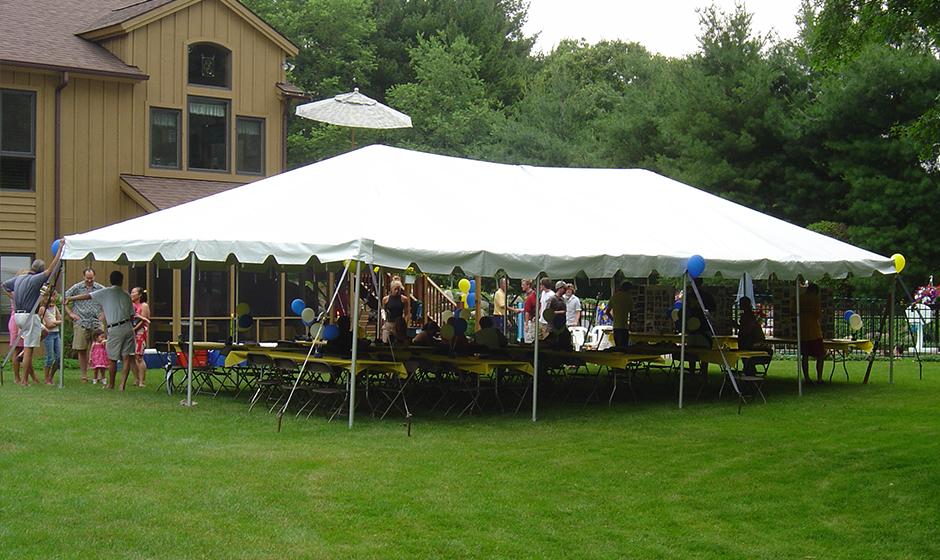
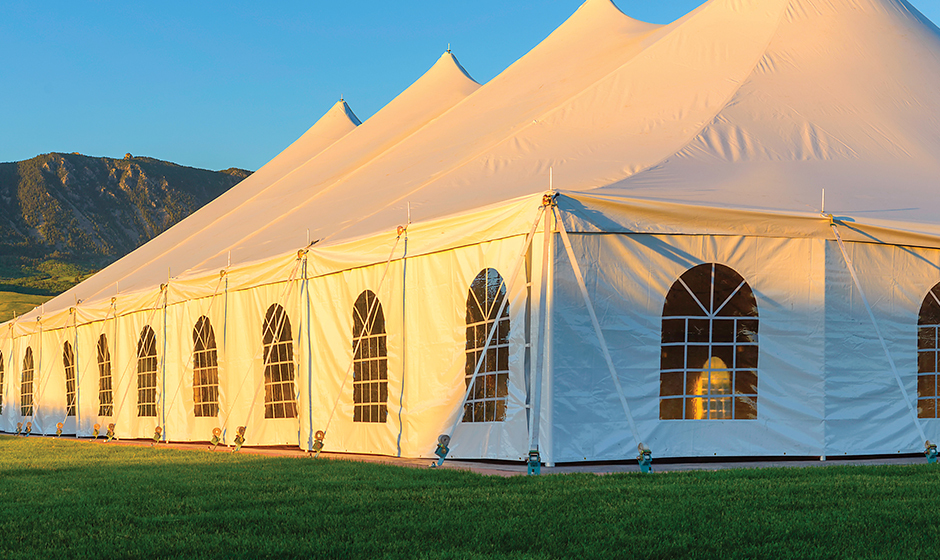
Pole tents generally cost less than frame tents.
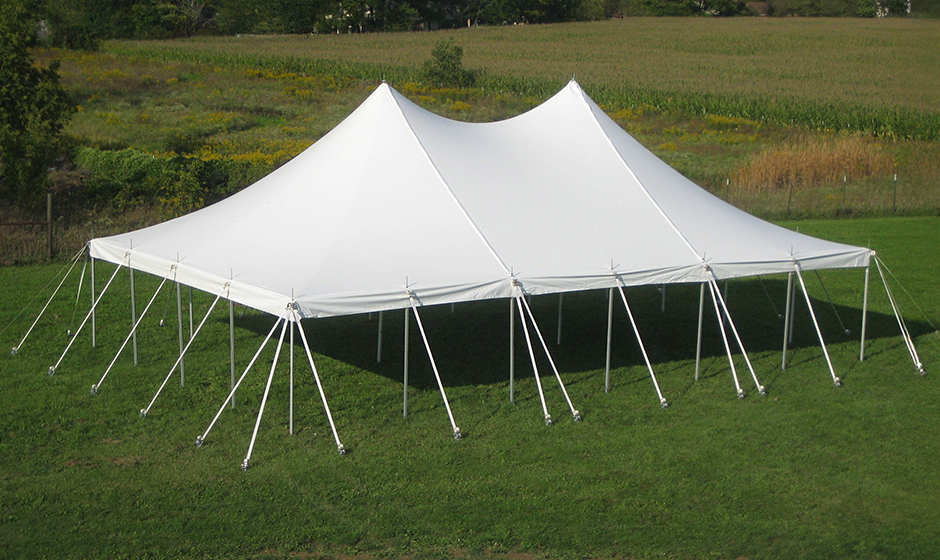
They use tensioned fabric and center poles rather than a full aluminum framework. That reduces material costs.
For buyers, this often makes pole tents the more budget-friendly large-size option.
For rentals, pole tents may also be slightly less expensive, especially when installed on grass.
30x60 Frame Tent Price
Frame tents typically cost more.
They require more aluminum components and engineered framing. However, they offer:
- No interior poles
- Full layout flexibility
- Compatibility with hard surfaces
For events on concrete or asphalt, a frame tent may be the only practical option.
The higher price often reflects the additional structure and flexibility.
What Impacts 30x60 Tent Price?
Fabric Quality
Not all tent tops are equal.
Heavier, commercial-grade vinyl:
- Lasts longer
- Resists UV damage
- Performs better in wind
- Maintains appearance over multiple seasons
Lower-cost tents often use lighter fabric that may wear faster.
Quality affects long-term value.
Anchoring and Hardware
A 30x60 tent requires substantial anchoring.
Stakes, ratchets, side poles, connectors, and ballast systems all add to the total cost.
Cutting corners on hardware may reduce price upfront but increases risk later.
Accessories
This is where budgets often expand.
Common additions include:
- Sidewalls (solid or clear vinyl)
- Lighting
- Tent liners
- Dance floors
- Flooring
- Heating or cooling systems
A basic tent setup costs less than a fully built event space.
The more refined you want the environment to feel, the more accessories contribute to the final price.
Rental vs Purchase: Which Makes Sense?
If you’re hosting a one-time wedding or event, renting usually makes the most sense.
If you’re running a rental company, hosting recurring events, managing a venue, or operating a school or church, purchasing may offer better long-term value.
Spreading the investment across multiple events often lowers the effective cost per use.
Installation Costs
Installation is not optional at this size.
A 30x60 tent requires:
- A trained crew
- Proper anchoring
- Safety inspections
Site conditions also matter.
Uneven ground, restricted access, or hard surfaces may increase labor costs.
For rentals, installation is usually bundled into the overall price. For purchases, labor costs are separate unless you’re installing yourself with trained staff.
Cost Per Guest Perspective
Sometimes it helps to think differently.
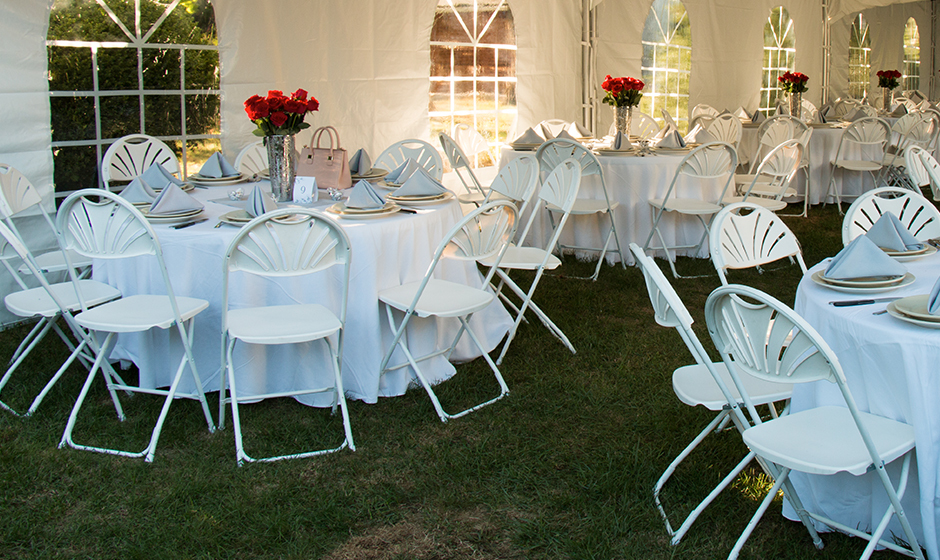
If a 30x60 tent seats 150 to 180 guests, the cost per guest can feel much more reasonable when viewed through that lens.
For weddings especially, the tent becomes the venue.
Instead of paying venue rental fees, you’re creating a custom space on your own property or chosen location.
When evaluated that way, the value becomes clearer.
Comparing to Other Sizes
If you’re deciding between sizes:
- A 20x60 tent (1,200 square feet) costs less but fits fewer guests.
- A 30x45 tent (1,350 square feet) is slightly smaller and more affordable.
- A 40x60 tent (2,400 square feet) costs more but supports larger guest counts.
The 30x60 tent sits comfortably in the middle — large enough for serious events without moving into very large-scale pricing.
When It’s Worth Spending More
Sometimes the lowest price isn’t the best value.
Spending slightly more can provide:
- Better fabric longevity
- Stronger wind resistance
- Cleaner appearance
- Longer usable life
- More layout flexibility
Especially for commercial buyers, durability often matters more than initial savings.
Final Thoughts
The true 30x60 tent price depends on pole vs frame construction, rental vs purchase, fabric quality, accessories, and installation conditions.
It’s not just about square footage — it’s about how you plan to use the space.
For weddings and events in the 150-guest range, this size offers flexibility, comfort, and strong presence without stepping into extreme large-event territory.
With smart planning, it becomes a practical and valuable investment.
Planning a 30x60 Event?
Explore 30x60 tent options designed for durability and flexible layouts — and request a quote tailored to your event, guest count, and setup needs.
View 30x60 Tent OptionsFlexible Layouts | Professional Installation | Built for Events
FAQ
How much does a 30x60 tent cost to rent?
Rental pricing varies by region and duration, but typically includes delivery, setup, and breakdown. Accessories are often priced separately.
Is a 30x60 frame tent more expensive than a pole tent?
Yes. Frame tents usually cost more due to their aluminum framework and open interior design.
How many guests can a 30x60 tent seat?
A 30x60 tent can seat approximately 150 to 180 guests with round tables, depending on layout.
Do sidewalls increase the price?
Yes. Adding solid or clear sidewalls increases overall cost due to additional materials and hardware.
Is it better to buy or rent?
For one-time events, renting is typically more practical. For recurring use, purchasing may offer better long-term value.