



Outdoor Wedding Tent Solutions for Elegant, Weather-Ready Celebrations
An outdoor wedding tent allows couples to transform open land into a refined, intentional wedding venue. Whether the setting is a garden, private property, vineyard, or estate, the tent becomes the structure that brings everything together while still allowing the natural surroundings to shine.
Rather than being a backup plan, an outdoor wedding tent is often the centerpiece of the celebration. It provides flexibility, protection from weather, and a sense of cohesion that makes outdoor weddings feel polished instead of unpredictable.
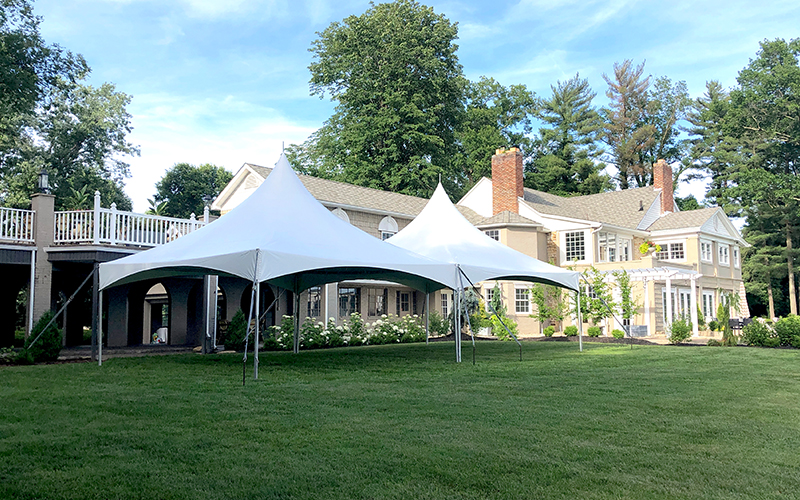
The best tented weddings don’t feel like “we had to use a tent.” They feel like a venue was created on purpose—one that just happens to sit in a beautiful outdoor setting.
When the tent is chosen well and installed cleanly, it becomes the quiet framework that keeps the day running smoothly: guests know where to go, vendors have structure to work within, and the couple gets the outdoor atmosphere without the constant weather anxiety.
Why Couples Choose an Outdoor Wedding Tent
Outdoor weddings are appealing because they feel personal and open. Couples often want a setting that reflects their story rather than a standard indoor hall. An outdoor wedding tent makes that possible by offering coverage without removing the atmosphere of the location.
With a tent in place, couples gain peace of mind. Weather becomes manageable, layouts become clearer, and the event feels structured without feeling confined. This balance is one of the main reasons outdoor wedding tents continue to grow in popularity.
Turning an Open Area Into a Wedding Venue
Open spaces are beautiful, but without structure they can feel undefined. Guests may not know where to gather, where dinner will be served, or where the reception begins.
An outdoor wedding tent creates a natural focal point. Once the tent is installed, everything else falls into place. Tables, lighting, dance floors, and décor all feel intentional. The space transitions from an open field into a recognizable wedding venue.
Choosing the Right Size for Comfort and Flow
Tent size affects far more than guest capacity. It determines how the wedding feels.
A tent that only fits seating can feel cramped once guests stand, mingle, or dance. A slightly larger outdoor wedding tent allows room for walkways, service paths, and gathering areas. This extra space improves flow and helps guests feel relaxed throughout the event.
Comfort is often remembered long after the décor details fade.
Quick Guide to What Extra Space Accomplishes
| Wedding Moment | What Extra Space Helps With | Why Guests Feel It |
|---|---|---|
| Arrivals & seating | Clear entry paths and less congestion near seating | People settle in calmly instead of squeezing past others |
| Dinner service | Wider aisles and smoother movement for servers | Service feels effortless, less bumping and interruptions |
| Mingling & speeches | Standing areas that don’t block walkways | Guests can gather without feeling cramped or stuck |
| Dancing | Dedicated dance floor zone that doesn’t spill into tables | Energy stays high without chaos around seating |
| Late-night comfort | Room for heaters, lounge corners, or a bar line | The tent feels like a real venue, not a tight shelter |
How Tent Style Shapes the Wedding Aesthetic
Different tent styles influence the overall look and mood of a wedding.
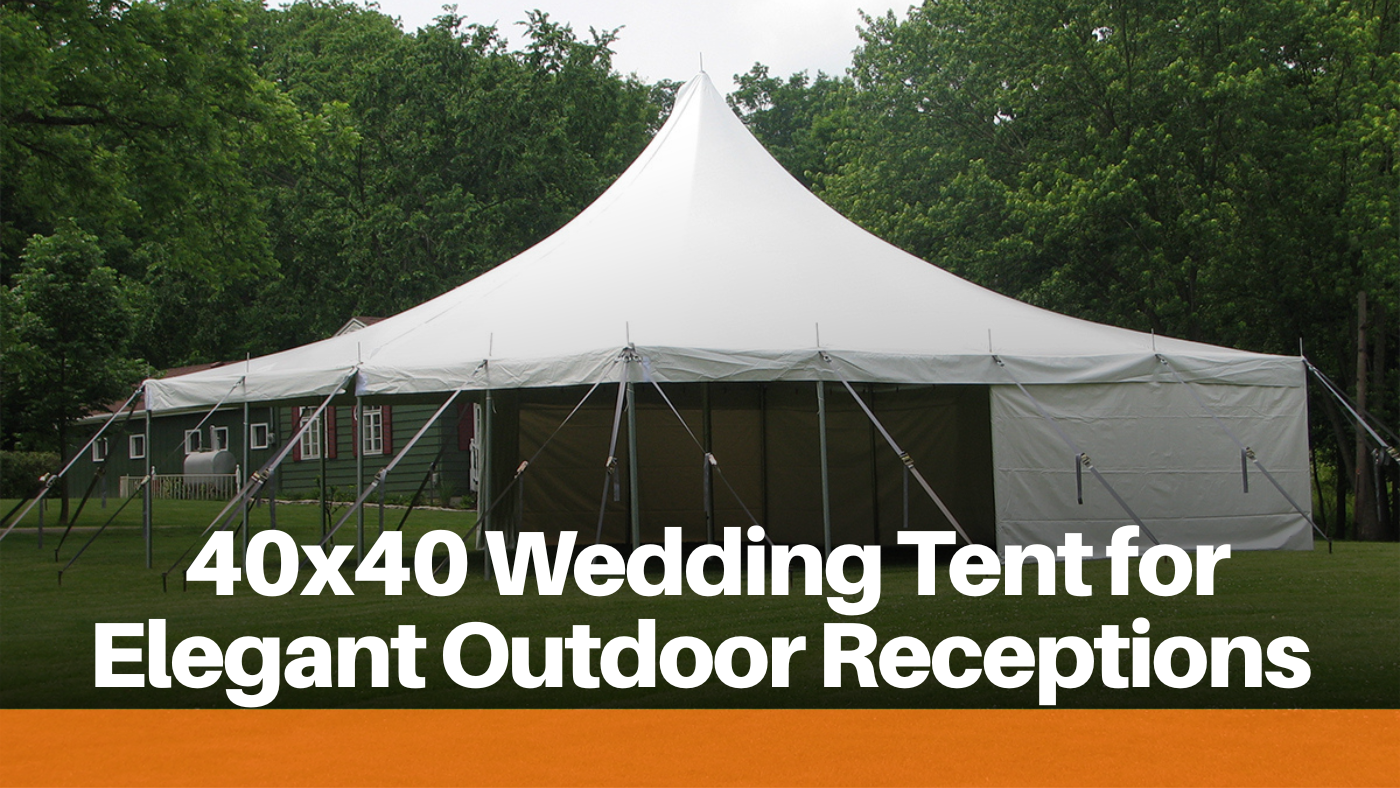
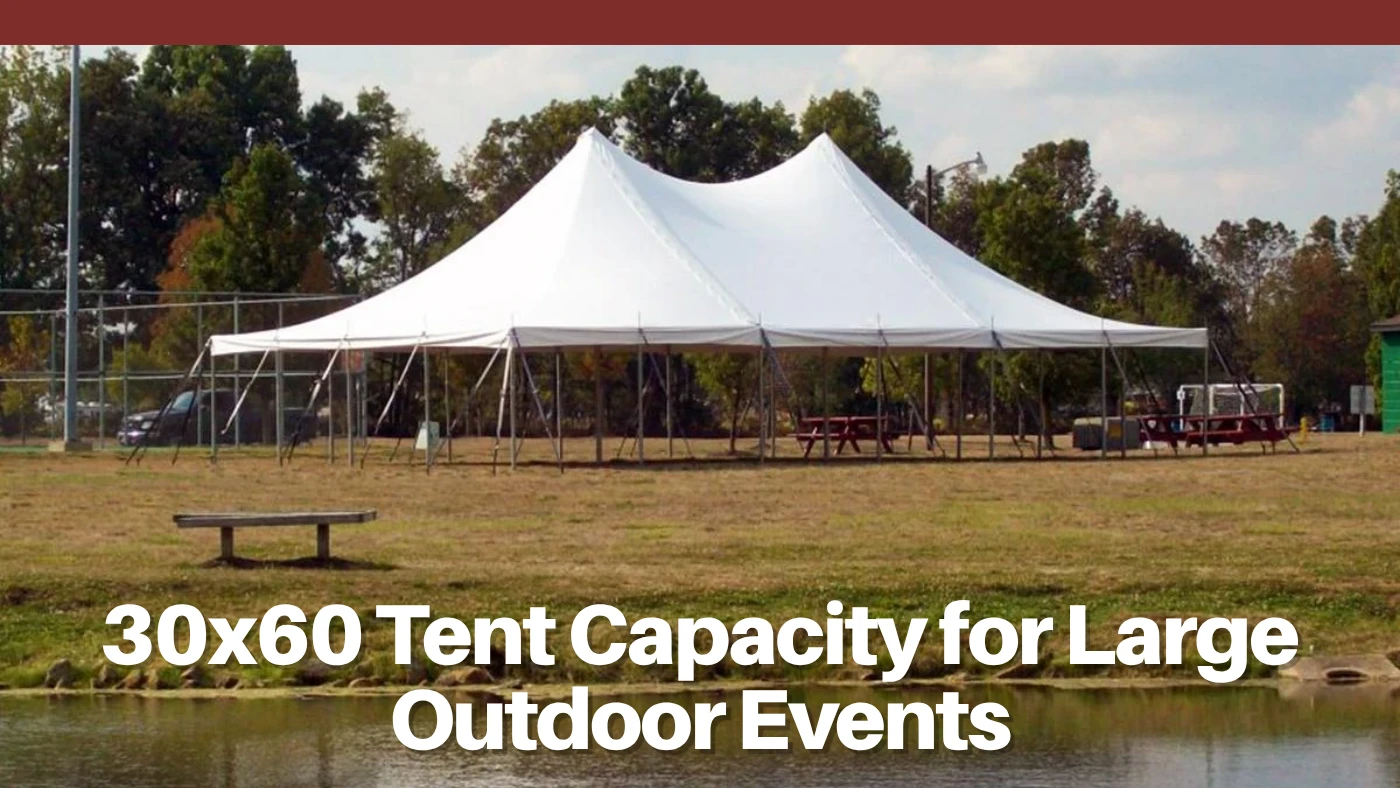
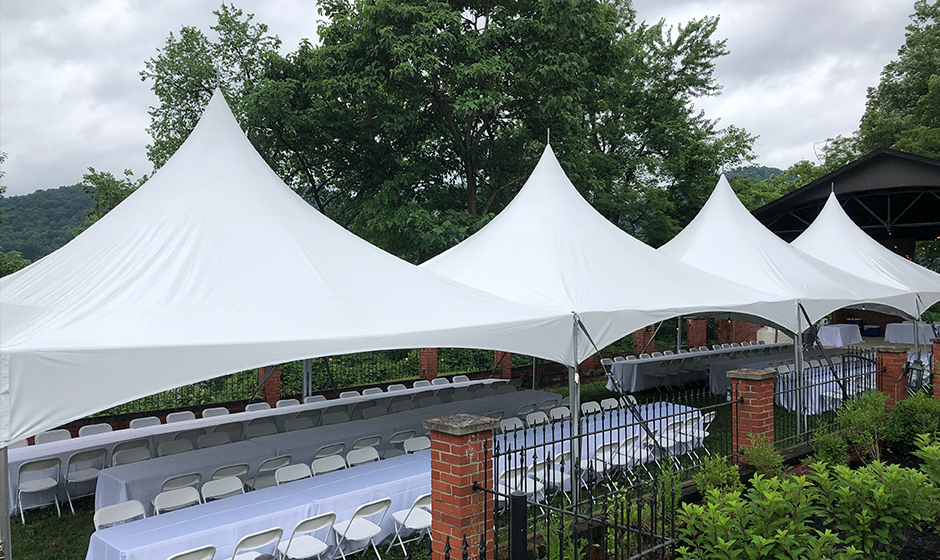
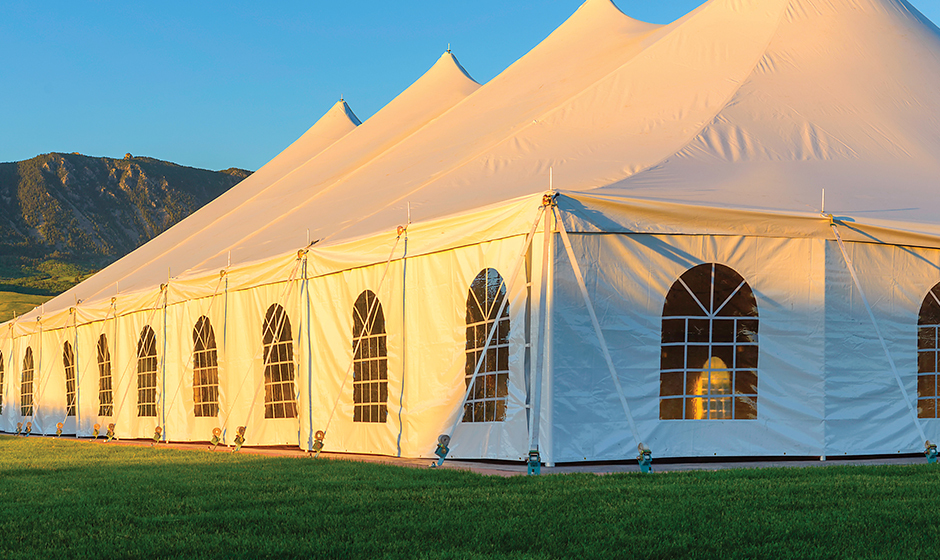
Some tents create a traditional, symmetrical appearance that pairs well with formal décor. Others feel open and airy, complementing natural landscapes and softer design choices. High-peak tents draw the eye upward and create a sense of elegance without heavy decoration.
Choosing a tent style that aligns with the wedding vision helps the space feel cohesive from ceremony to reception.
The Role of Sidewalls in Outdoor Weddings
Sidewalls are an important consideration for outdoor wedding tents.
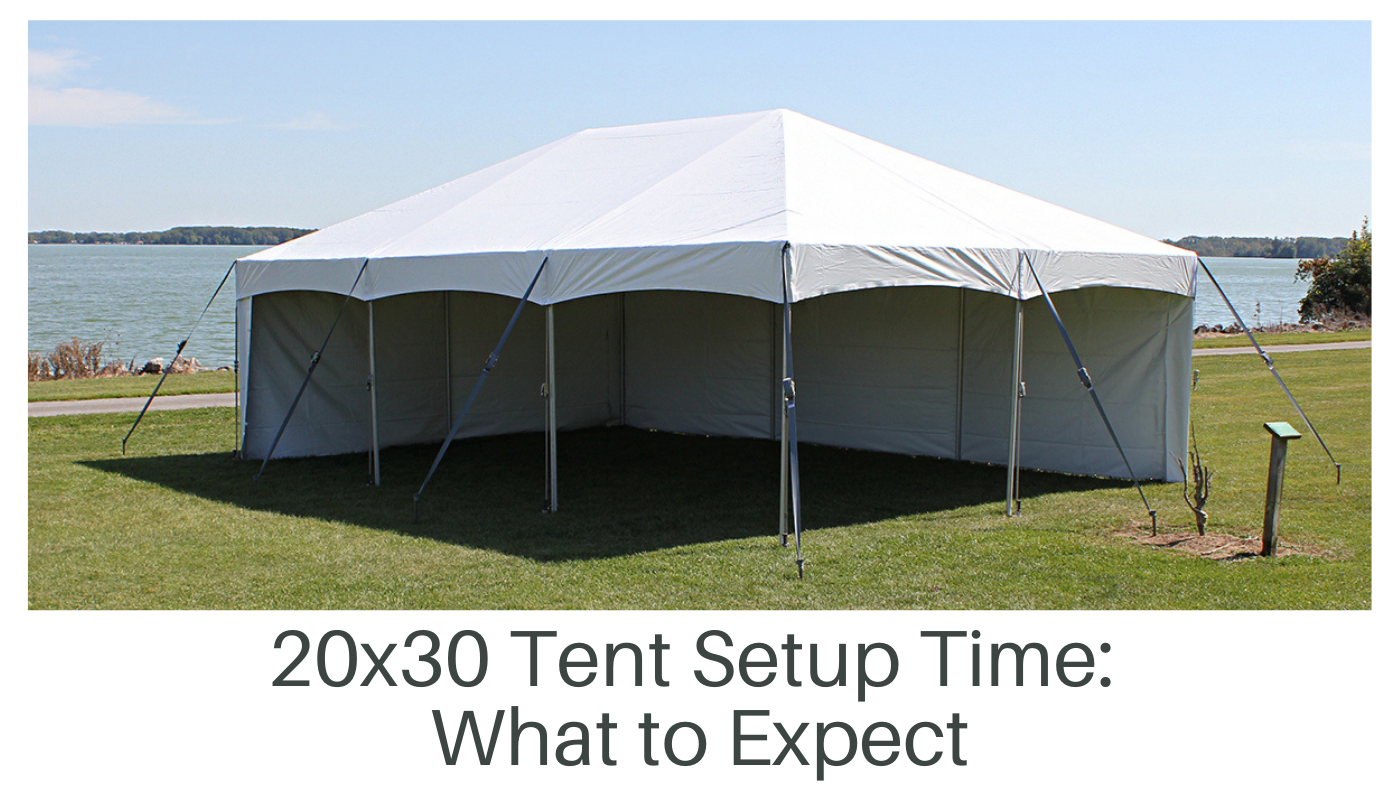
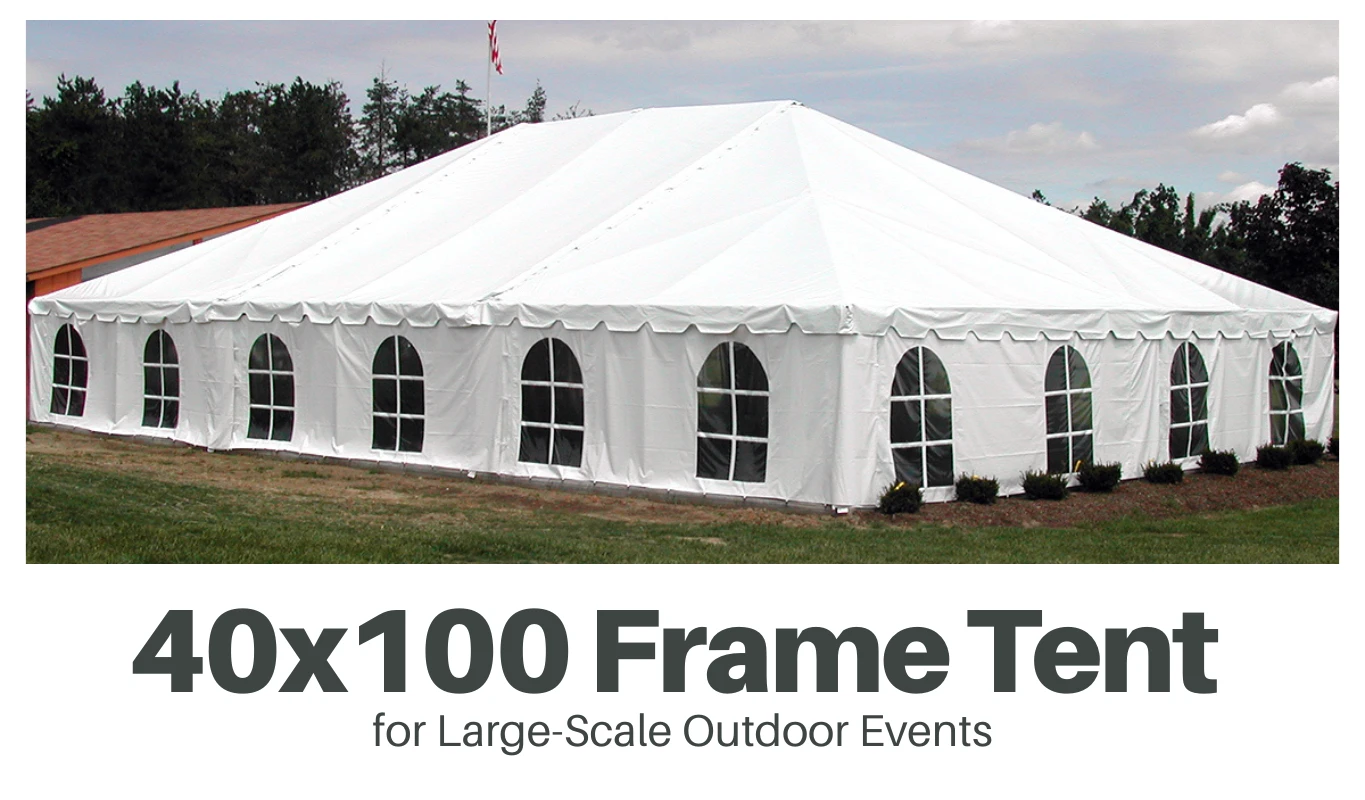
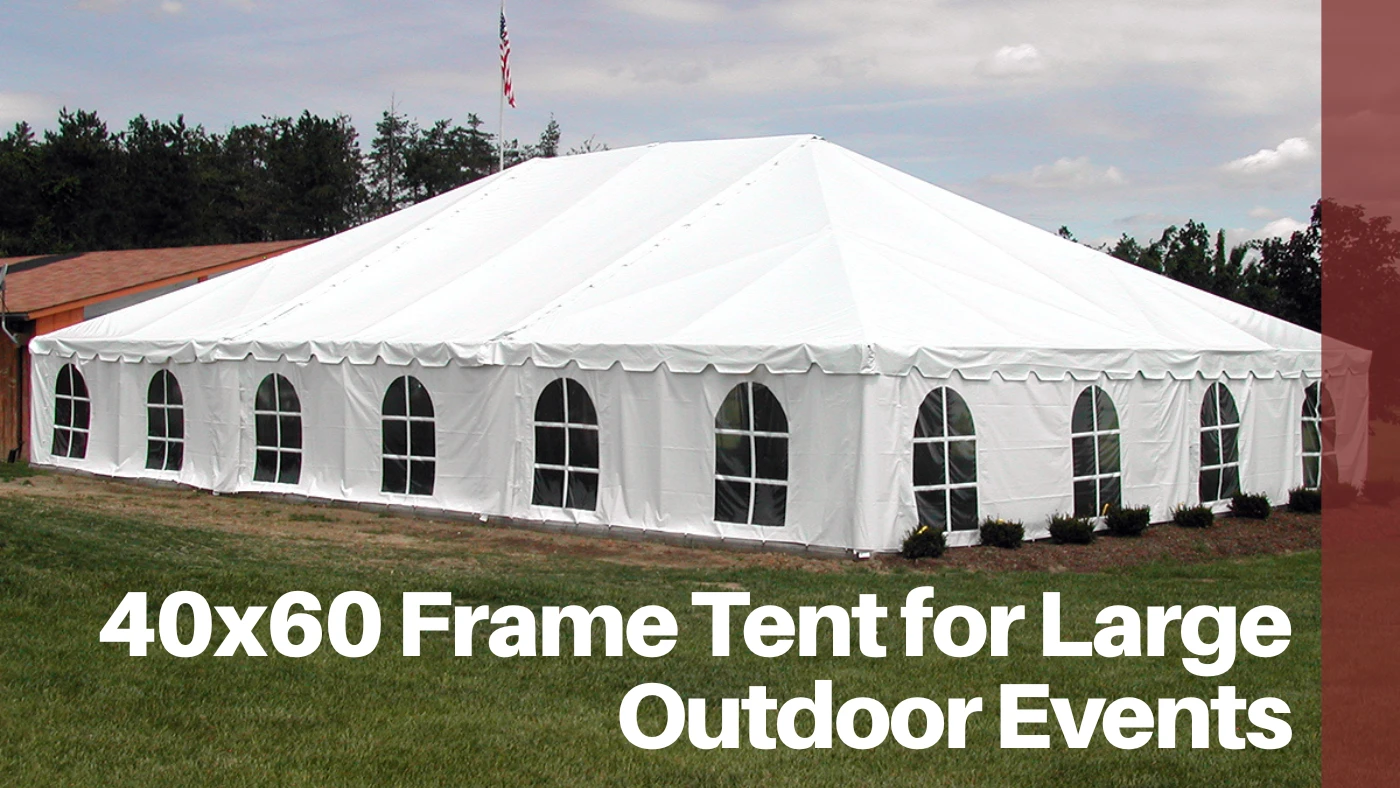
They can be added for weather protection, privacy, or temperature control. Clear sidewalls are often used to maintain visibility while blocking wind or rain. Solid sidewalls offer more enclosure when conditions require it.
Many couples opt for partial sidewalls, allowing flexibility as the day progresses. This adaptability helps the tent respond to changing weather or evening temperatures without disrupting the event.
Lighting Transforms an Outdoor Wedding Tent
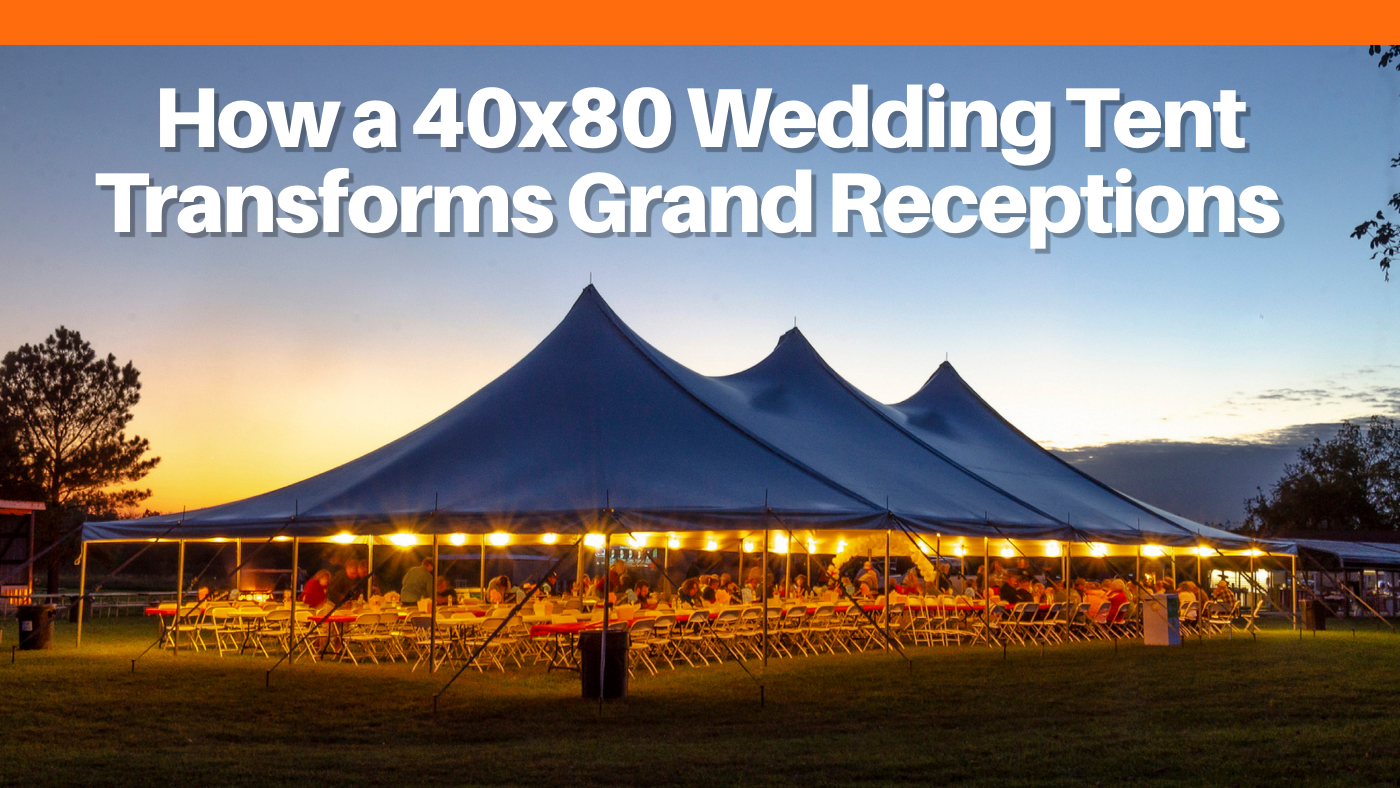
Lighting plays a major role in how an outdoor wedding tent feels, especially as daylight fades.
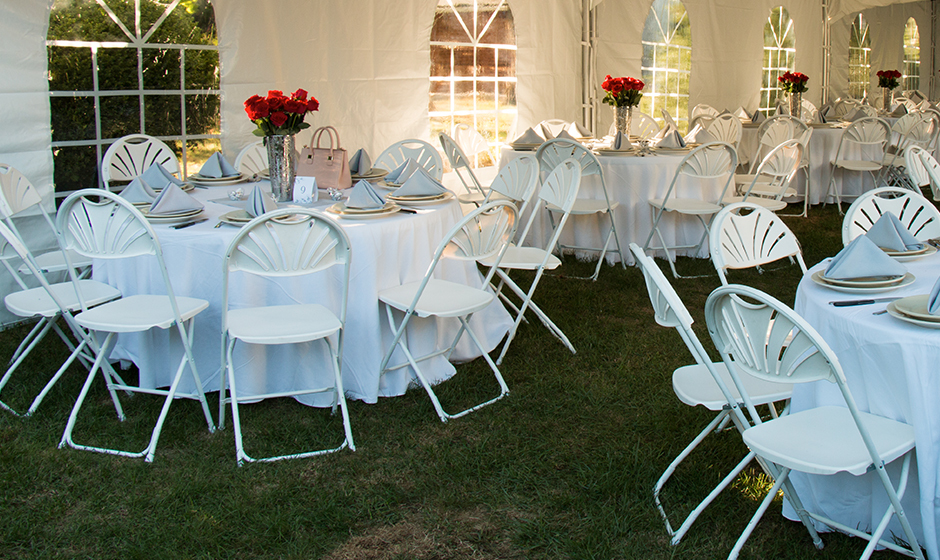
String lights, chandeliers, uplighting, and soft ambient lighting can completely change the atmosphere inside the tent. A well-designed lighting plan adds warmth and elegance while ensuring the space remains functional throughout the evening.
The tent provides a framework that allows lighting to be installed cleanly and safely.
Weather Protection Without Losing the Outdoor Feel
One of the biggest advantages of an outdoor wedding tent is protection without isolation.
Guests stay comfortable during sun, wind, or light rain while still enjoying the surrounding environment. This combination allows couples to embrace outdoor settings without taking unnecessary risks.
A properly installed tent helps ensure that weather becomes part of the ambiance rather than a source of stress.
Layout Planning Inside the Tent
An outdoor wedding tent allows flexibility that many indoor venues cannot offer.
Ceremony seating, dining tables, bars, dance floors, and lounge areas can all be arranged to suit the couple’s vision. This freedom allows for smoother transitions throughout the event and helps prevent overcrowding in key areas.
Thoughtful layout planning improves both guest comfort and service efficiency.
Why Tent Quality Matters for Weddings
Wedding tents are often installed for extended periods and expected to look pristine throughout the event.
Quality materials hold tension better, maintain a clean appearance, and perform reliably during long celebrations. A well-constructed outdoor wedding tent looks as good at the end of the night as it did at the beginning.
For weddings, reliability is just as important as appearance.
Outdoor Wedding Tents for Different Locations
Outdoor wedding tents are used in a wide range of settings.
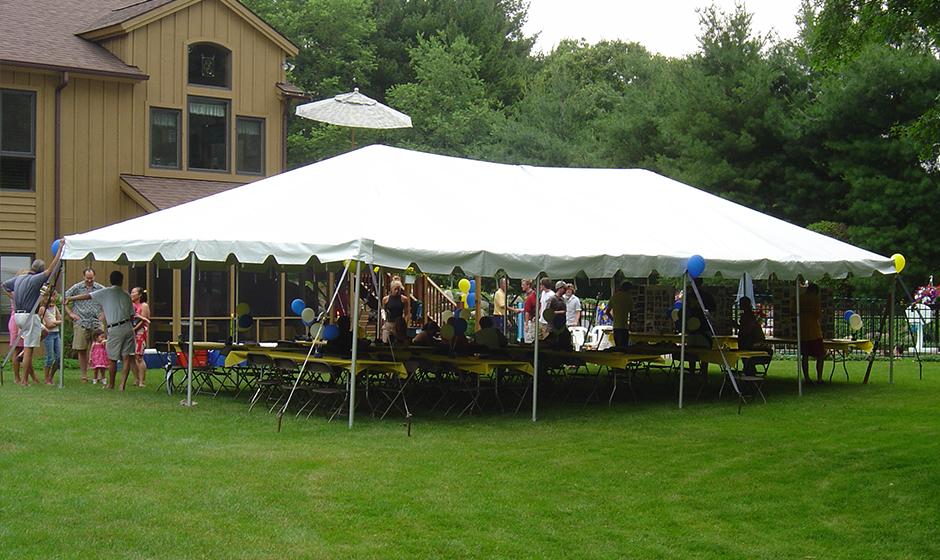
They work on private properties, estates, farms, gardens, beaches, and event grounds. The ability to adapt the tent size, layout, and accessories allows couples to host weddings in locations that would otherwise be unavailable.
This flexibility is one of the strongest advantages of tented weddings.
Planning Ahead for a Smoother Wedding Day
Early planning is especially important for outdoor wedding tents.
Site access, ground conditions, layout, and weather considerations all play a role in choosing the right tent. Working through these details in advance helps prevent last-minute adjustments and ensures the setup supports the overall vision.
Preparation leads to a calmer, more enjoyable wedding day.
Why Outdoor Wedding Tents Remain Popular
Outdoor wedding tents offer a rare combination of freedom and structure.
They allow couples to choose meaningful locations while still providing the comforts of a traditional venue. When planned thoughtfully, the tent enhances the celebration without (drawing attention to itself.
This balance is why outdoor wedding tents remain a preferred option for couples seeking both beauty and flexibility.
FAQ
What size outdoor wedding tent do I need?
Tent size depends on guest count, seating style, and additional elements like dance floors or bars. Planning for circulation space improves comfort and flow throughout the event. A tent that technically “fits” can still feel tight once guests stand and mingle. Extra space also helps vendors move smoothly during service. Comfort and movement are usually the difference between a tent that feels elegant and one that feels crowded.
Can an outdoor wedding tent handle bad weather?
A properly installed tent with appropriate anchoring and sidewalls helps manage rain, wind, and sun. Planning for weather in advance is essential. Sidewalls add control but also change wind load, so stable installation matters. A quality tent system performs more predictably when conditions shift. Weather planning should be built into the setup, not left to the morning of the wedding.
Are outdoor wedding tents suitable for formal weddings?
Yes. With the right tent style, lighting, and décor, an outdoor wedding tent can feel just as elegant as an indoor venue. High peaks and clean rooflines add visual height that reads as “formal” without heavy styling. Thoughtful lighting can transform the space after sunset. The tent becomes the venue, and the outdoor setting becomes the atmosphere.
Do I need sidewalls for a wedding tent?
Sidewalls are optional but recommended for flexibility. They help manage weather, temperature, and privacy as conditions change. Many couples prefer partial sidewalls so airflow stays comfortable while wind is blocked where it matters. Clear walls are a popular choice for protection without losing scenery. The goal is adaptability, not full enclosure unless the conditions call for it.
How early should an outdoor wedding tent be booked?
Booking several months in advance is recommended, especially during peak wedding season, to secure the desired size and style. Early booking also gives time to plan layout, lighting, and sidewall needs. It reduces the chance of settling for a tent that doesn’t match the vision. It also makes vendor coordination easier because the “venue footprint” is defined sooner.
Can lighting and décor be attached to the tent?
Yes. Wedding tents are commonly designed to support lighting, draping, and decorative elements when installed correctly. The key is using safe attachment methods and planning weight distribution. A well-installed tent provides a clean framework for chandeliers, string lights, and fabric treatments. This is where a stable structure makes design easier and reduces day-of stress.
Are outdoor wedding tents reusable for other events?
Yes. Many tents are used for multiple events and occasions beyond weddings, depending on ownership or rental arrangements. The same structure can host celebrations, corporate functions, and seasonal gatherings with different layouts. Sidewalls, lighting, and interior setup shift the feel without changing the base tent. Reusability is one reason tented venues remain a practical long-term option.
What makes an outdoor wedding tent feel comfortable for guests?
Proper sizing, good airflow, stable installation, and thoughtful layout all contribute to guest comfort during the celebration. Comfort improves when there’s room to circulate, clear entrances, and balanced spacing between tables and activity zones. Sidewalls can be used strategically to manage wind and temperature. When guests feel relaxed, the tent fades into the background and the celebration becomes the focus.