




30x60 Tent Capacity for Large Outdoor Events
If you’re planning a larger celebration and considering this size, the first question is simple:
What is the real 30x60 tent capacity?
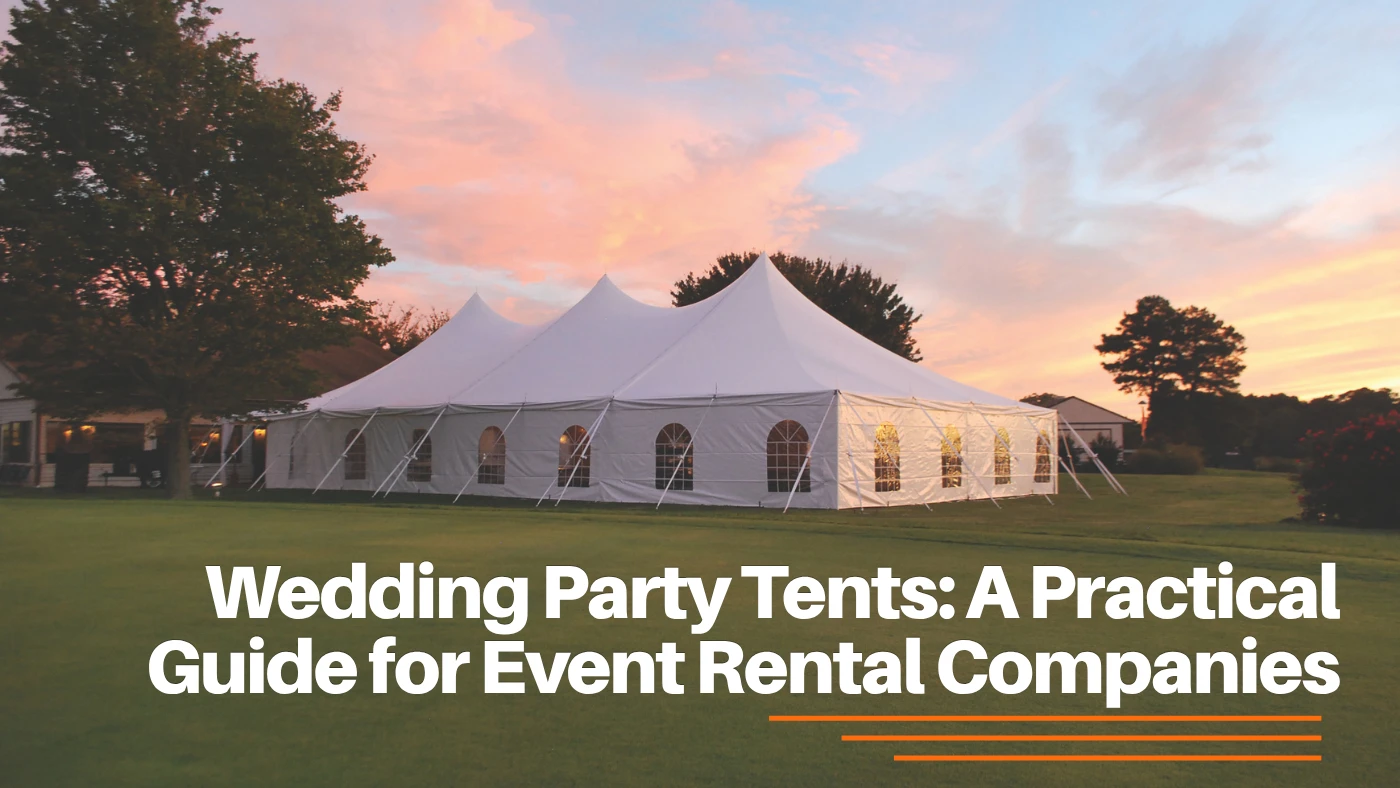
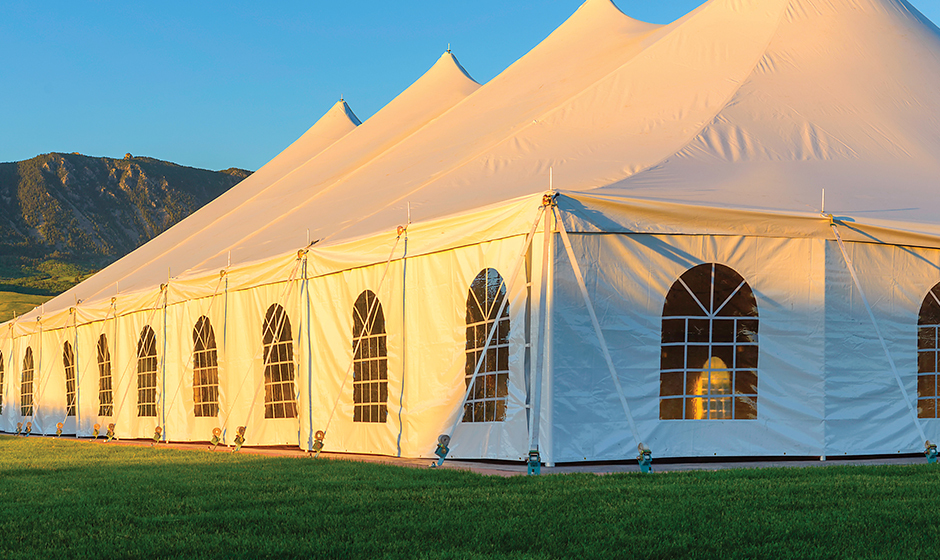
A 30x60 tent gives you 1,800 square feet of covered space. That’s substantial. It’s large enough for triple-digit guest lists while still being manageable on many private properties and venues.
But capacity isn’t just about square footage. It depends on layout, seating style, and what else needs to fit inside — like dance floors, buffets, bars, or stages.
Let’s walk through what you can realistically expect.
How Many People Fit in a 30x60 Tent?
Here’s a practical breakdown.
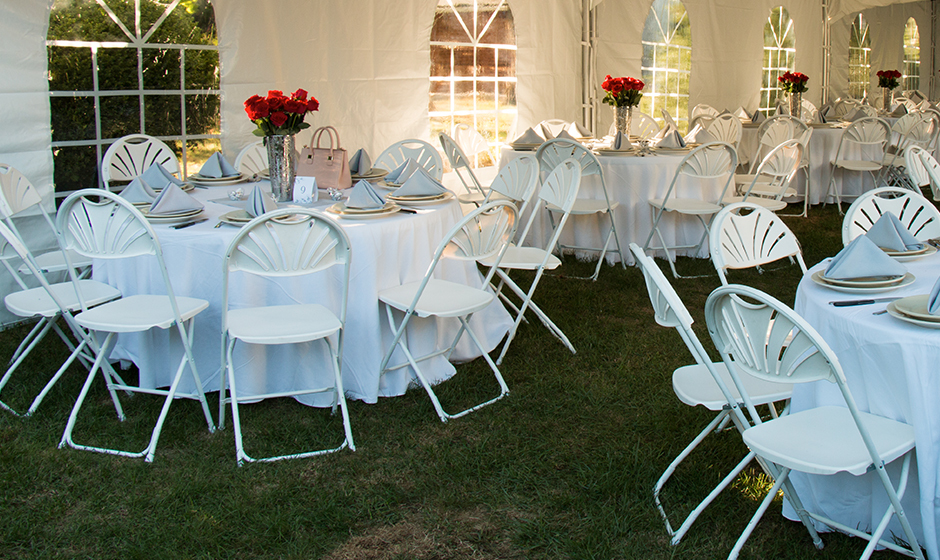
With round tables (60-inch rounds seating 8 guests each), a 30x60 tent comfortably fits:
150 to 180 guests
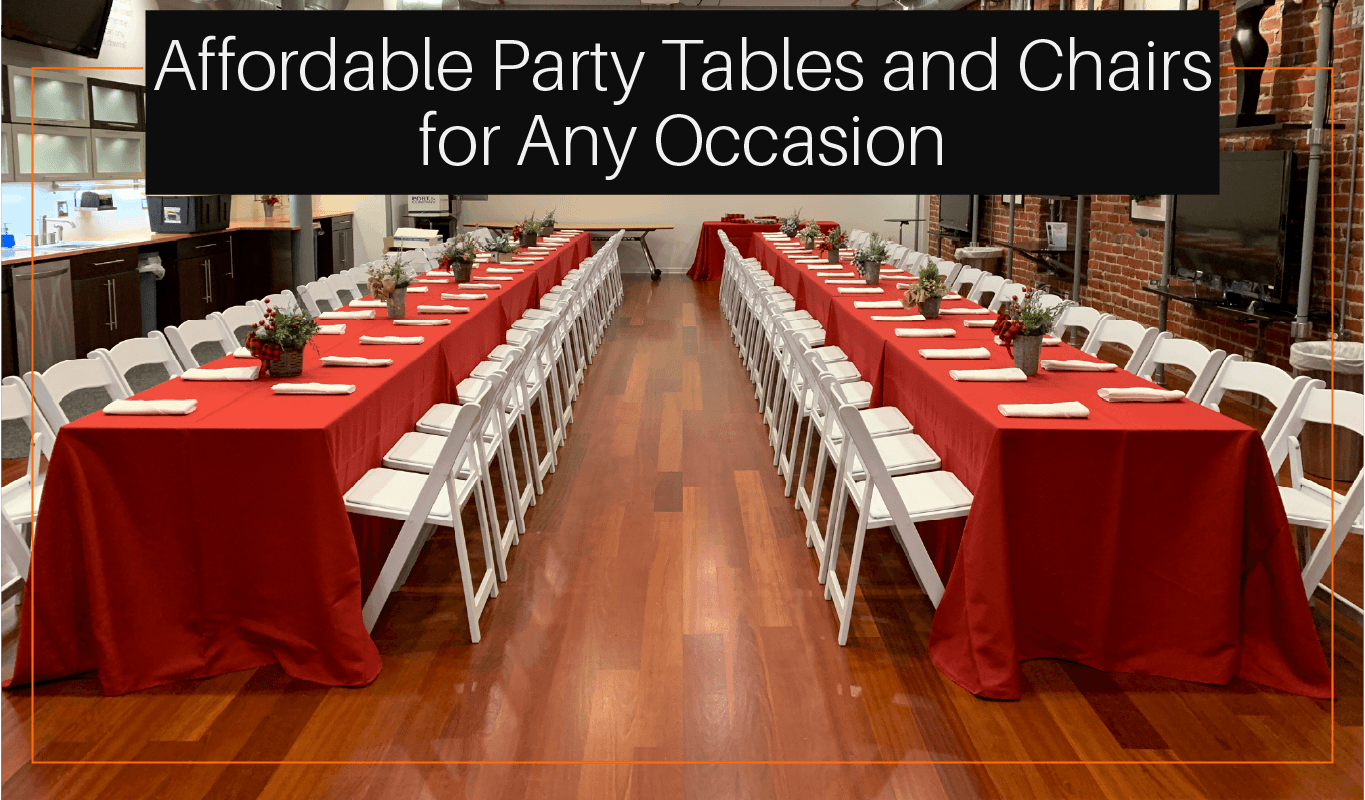
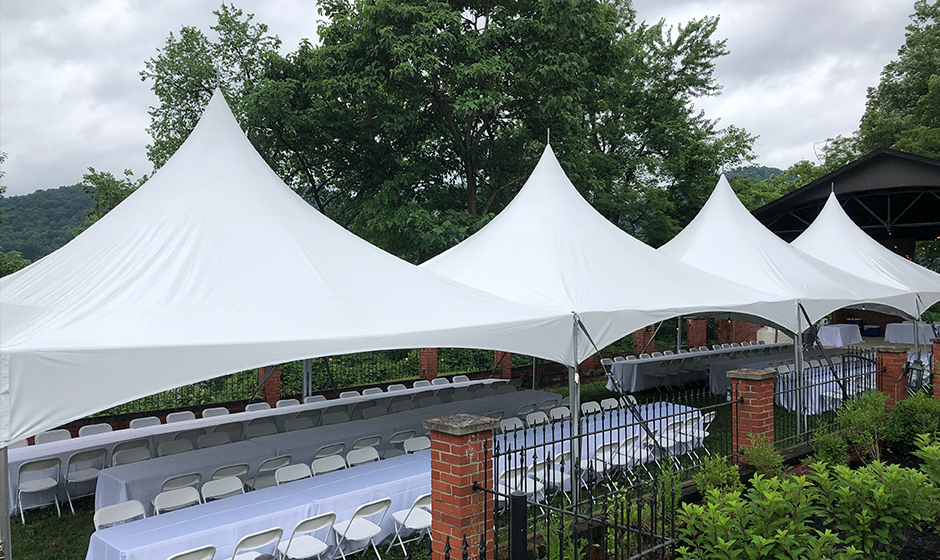
With banquet-style seating (long tables), you can typically seat:
170 to 200 guests
For cocktail-style events with minimal seating:
200 to 225 guests
Those numbers assume thoughtful spacing, not squeezing tables edge to edge.
Comfort matters just as much as maximum headcount.
Why Layout Changes Everything
You can technically fit more guests inside a tent — but that doesn’t mean you should.
A comfortable layout allows for clear walkways, easy server movement, comfortable table spacing, and room for guests to stand and mingle.
When spacing feels cramped, guests notice. Service slows down. The event feels tighter than it should.
A 30x60 tent works best when you allow it to breathe.
Adding a Dance Floor
Most weddings and parties include a dance floor, which affects 30x60 tent capacity.
A 16x16 dance floor fits comfortably while still allowing seating for around:
140 to 160 guests
A larger 20x20 dance floor reduces seating slightly but creates a stronger entertainment zone.
The 60-foot length of the tent makes it easy to dedicate one section to dining and another to dancing without disrupting flow.
Buffet, Bar, and Service Areas
If your event includes buffet tables, bar stations, dessert displays, photo booths, or lounge areas, these take up valuable square footage.
Each buffet line can require 6 to 8 feet of width and 8 to 10 feet of length. Bar areas often need space behind them for staff movement.
For events with heavy service elements, it’s wise to reduce seated capacity slightly to keep things comfortable.
Wedding-Specific Capacity
For weddings, a 30x60 tent is often ideal for:
120 to 160 guests with full reception layout
That includes dining tables, dance floor, head table, DJ or band area, and gift table.
It’s large enough to feel celebratory, but still intimate enough to maintain atmosphere.
Corporate Event Capacity
Corporate events often use slightly tighter seating arrangements, especially for awards dinners, networking events, and company celebrations.
In these cases, a 30x60 tent can comfortably accommodate 180 to 200 guests if minimal decor and entertainment space is required.
Cocktail-style corporate events can go even higher.
Comparing to Other Tent Sizes
A 20x60 tent offers 1,200 square feet and seats around 100 to 130 guests. A 30x45 tent offers 1,350 square feet and seats around 120 to 150 guests. A 40x60 tent offers 2,400 square feet and seats 200 to 250 guests.
The 30x60 tent sits comfortably in the mid-to-large event category.
It’s often the sweet spot for larger private events.
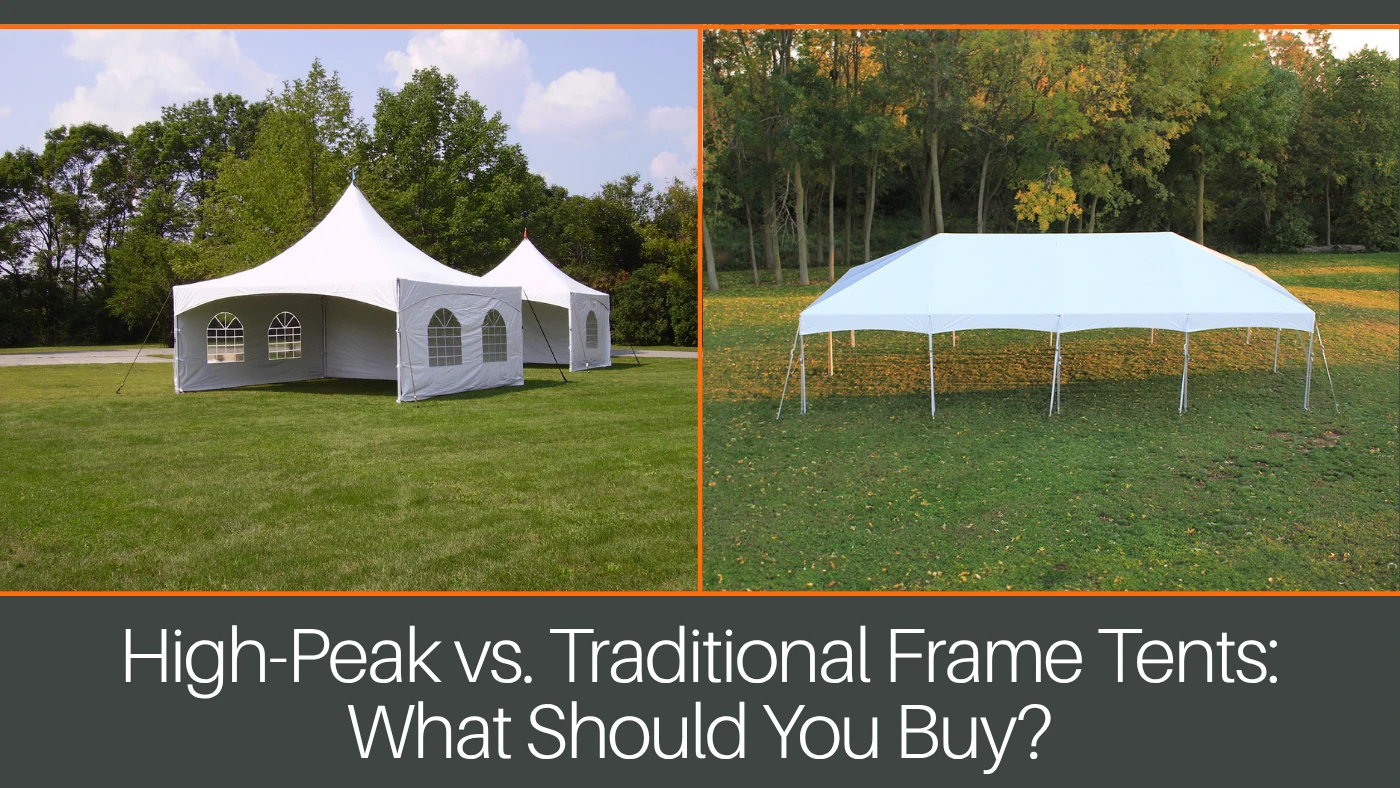
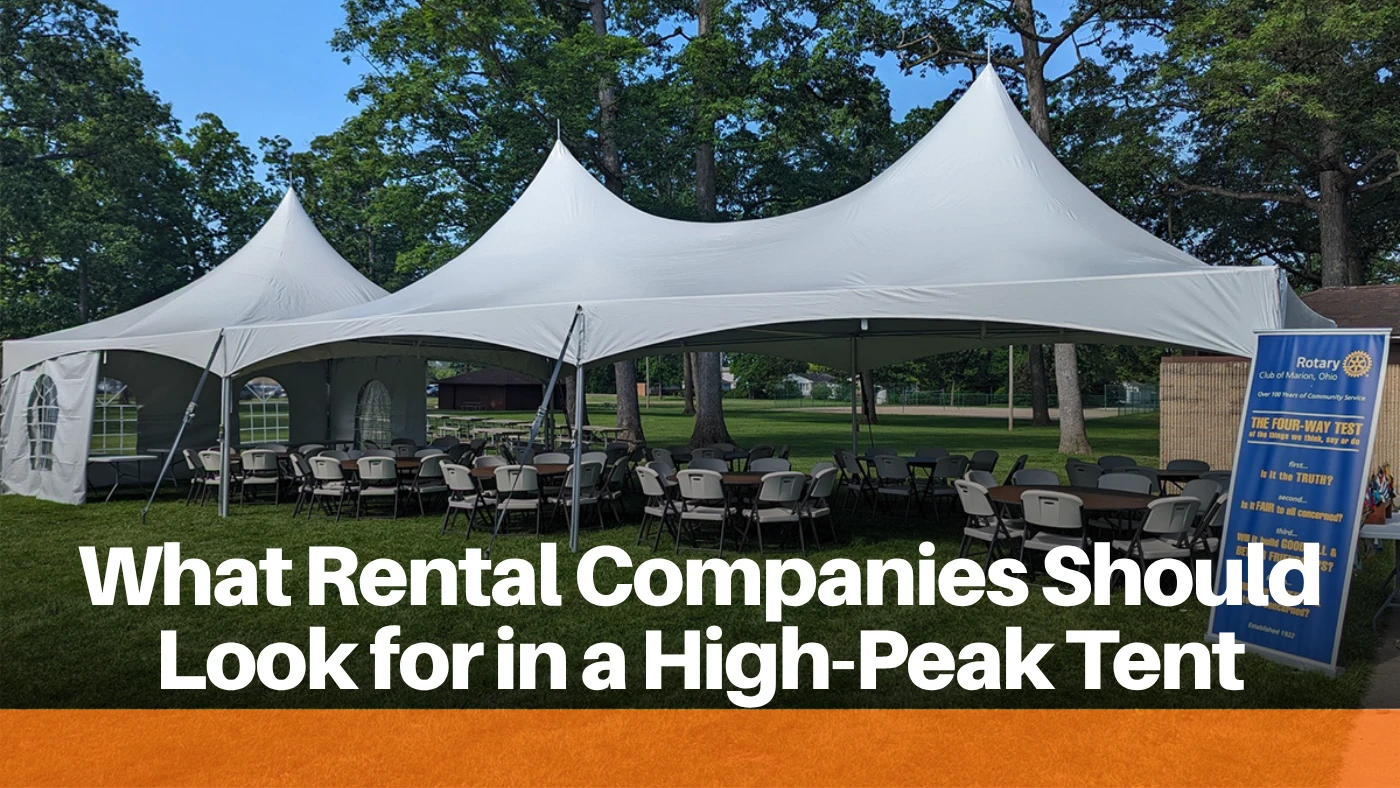
Frame vs Pole Tent Capacity
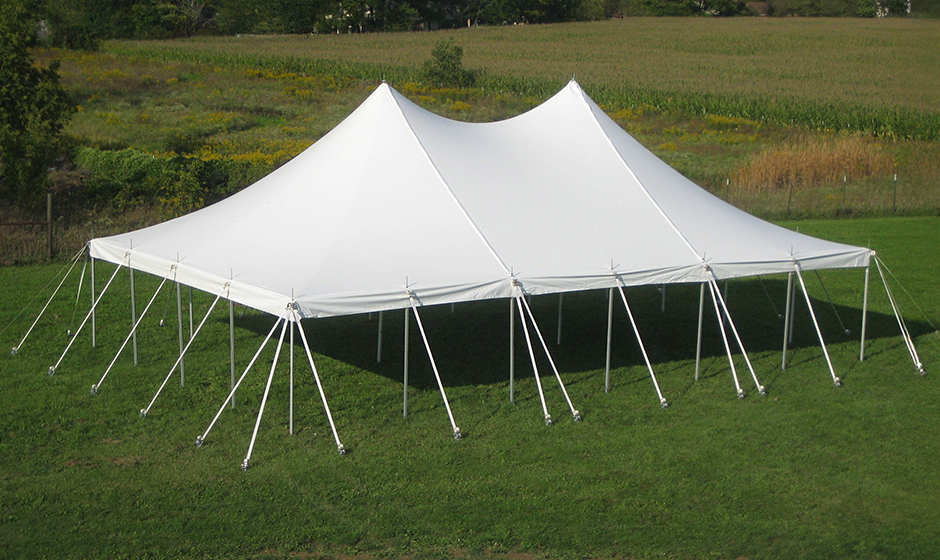
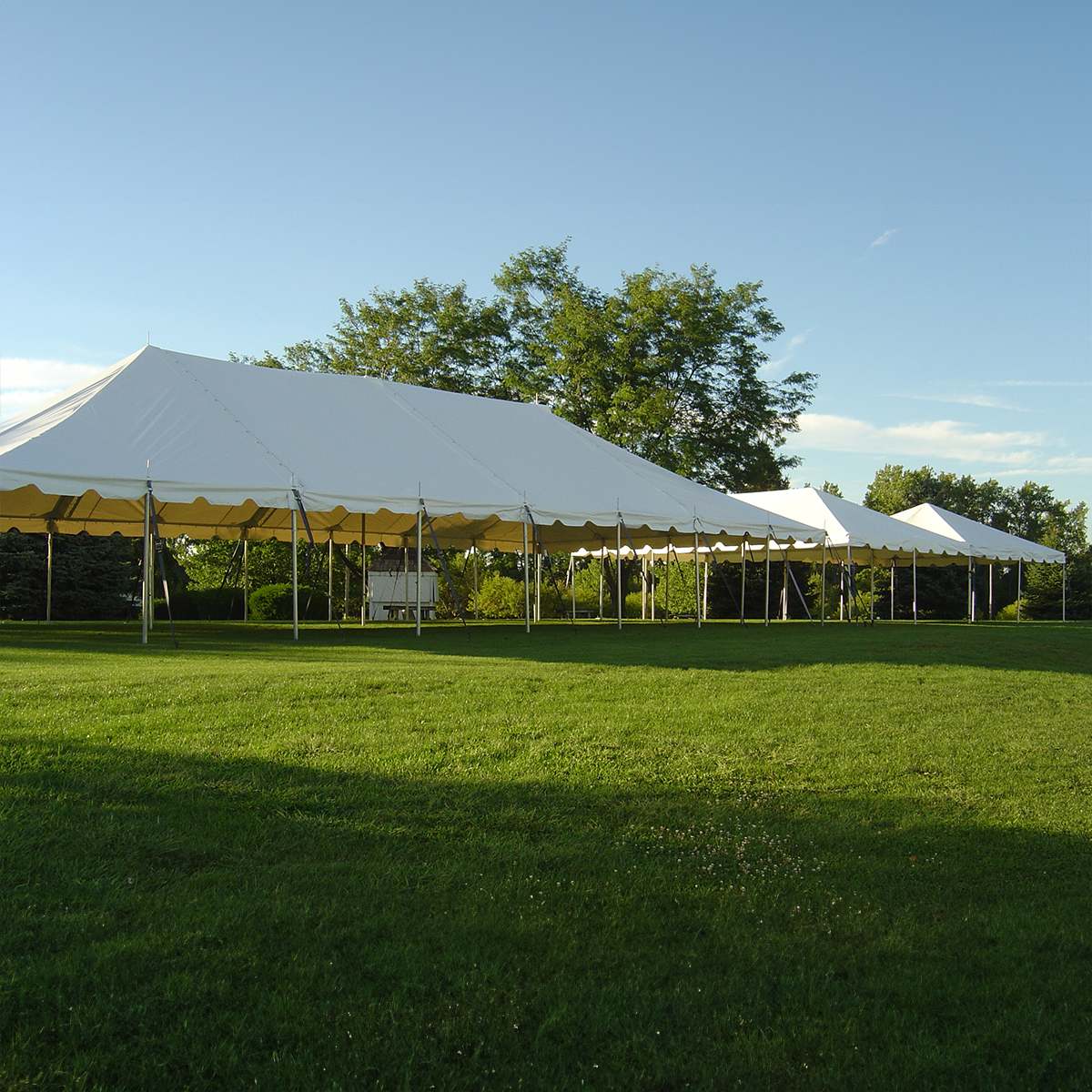
Pole Tent
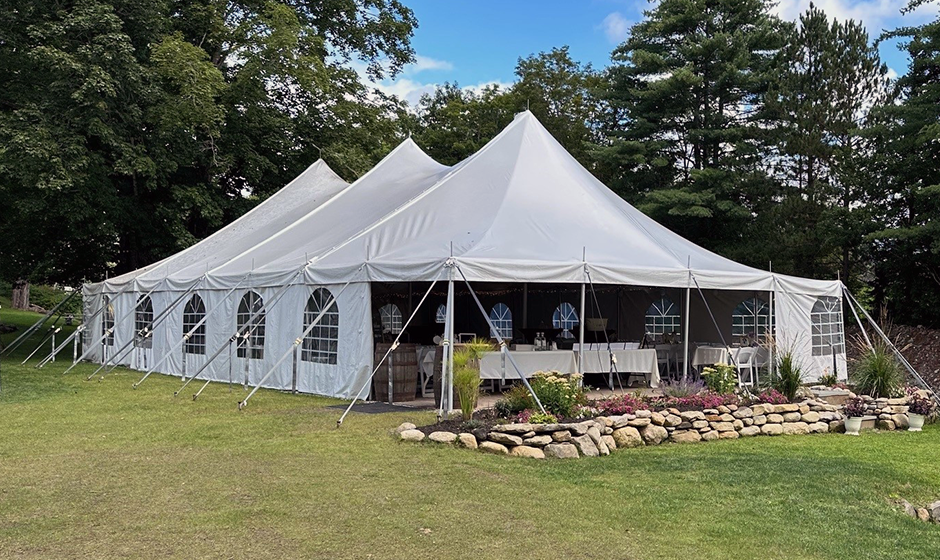
Pole tents have center poles that support the structure. While they look elegant, those poles occupy interior space and slightly affect layout flexibility.
You may need to adjust table placement around center supports.
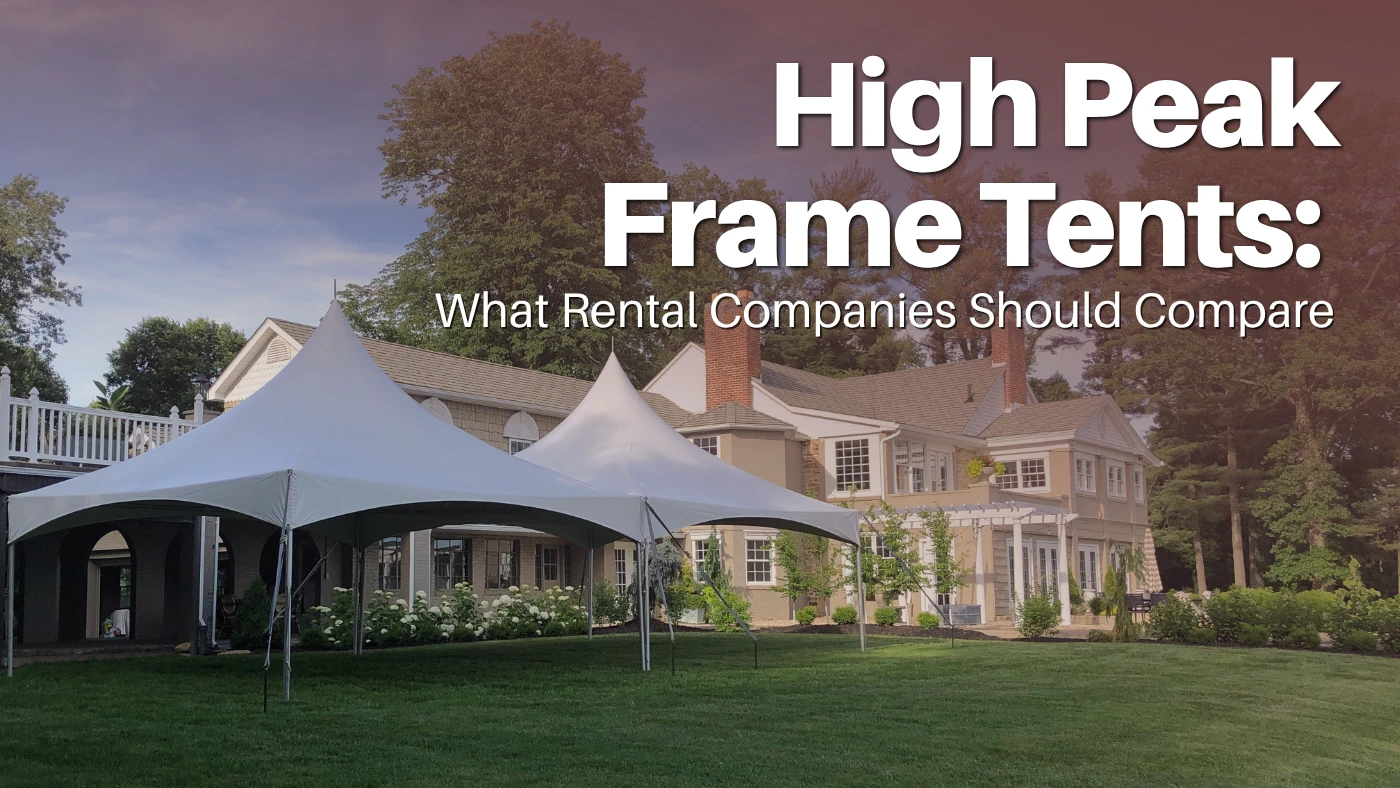
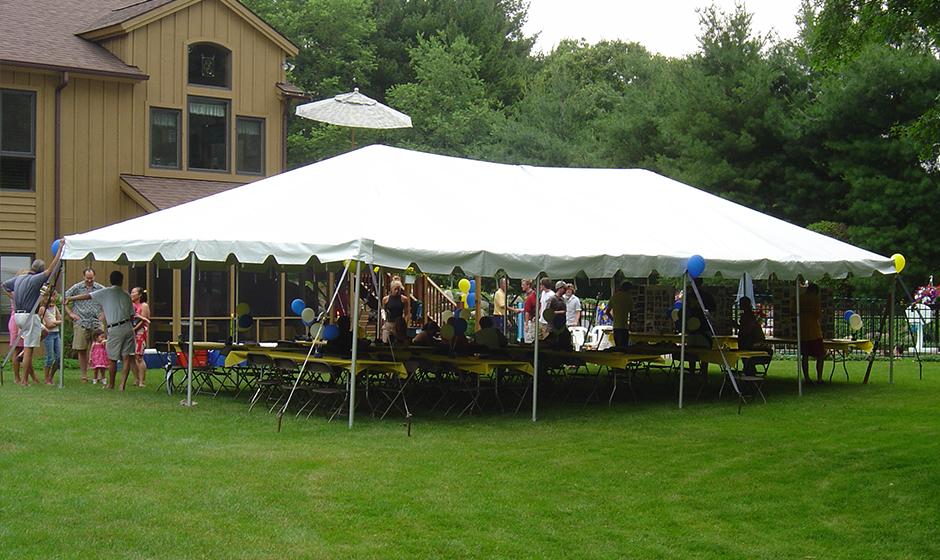
Frame Tent
Frame tents have no interior poles, which gives you completely open floor space.
That extra flexibility can help you maximize capacity while maintaining clean sightlines.
If layout freedom is important, a frame structure may be worth considering.
Planning Tips for Accurate Capacity
To avoid surprises, finalize your guest count early, decide on seating style, confirm dance floor size, determine buffet or plated service, and account for bar and lounge areas.
Once you know those details, layout planning becomes much more accurate.
The tent size sets the boundary, but the design determines how it feels.
When to Size Up
If your guest list is pushing the upper limit — say 190+ seated guests — you may want to consider a 40x60 tent instead.
Sizing up slightly can improve comfort, enhance flow, reduce stress on event day, and give vendors more working space.
Sometimes a little extra square footage makes a big difference.
Final Thoughts
A 30x60 tent capacity typically supports 150 to 180 guests with round tables, 170 to 200 with banquet seating, and 200+ for cocktail-style events.
It’s a flexible, reliable size for weddings, corporate events, and larger celebrations.
When planned properly, it offers the space you need without feeling oversized.
If your guest count falls within this range, this tent size is a strong, dependable option.
Planning for 150+ Guests?
Explore 30x60 tent options designed for comfortable layouts and confident large-scale events — and plan your space around real guest numbers, not guesses.
Explore 30x60 Tent OptionsFlexible Layouts | Professional Installation | Event-Ready Design
FAQ
How many guests can a 30x60 tent seat with round tables?
A 30x60 tent typically seats 150 to 180 guests using standard 60-inch round tables with comfortable spacing.
Can 200 people fit in a 30x60 tent?
Yes, 200 guests can fit with banquet seating or tighter spacing, but adding a dance floor may reduce capacity slightly.
Is a 30x60 tent big enough for a wedding reception?
For weddings with 120 to 160 guests, this size works very well and allows room for dining and dancing.
Does a frame tent hold more people than a pole tent?
Frame tents can maximize usable space because there are no center poles, which can make layouts slightly more efficient.
Should I size up if I’m close to the limit?
If your guest count is near the upper capacity range, moving to a larger size can improve comfort and event flow.