



It's the off-season. Your tents are back in the warehouse, the phones are quieter, and you finally have time to look at what your inventory needs before next season.
Maybe customers kept asking for high-peak tents last summer. Maybe you had to subrent a few. Or perhaps you want to start offering smaller wedding packages and corporate event setups.
Now you're considering a purchase.
But before ordering, there are a few questions worth answering.
Which sizes will actually get booked? How much equipment will your crew need to handle? What comes with the tent? And how many rentals will it take to recover the purchase cost?
High-peak frame tents can be a useful addition to a rental fleet, but not every size or system will suit every business.
Here's what to consider before putting money into your next tent purchase.
What Makes a High-Peak Frame Tent Different?
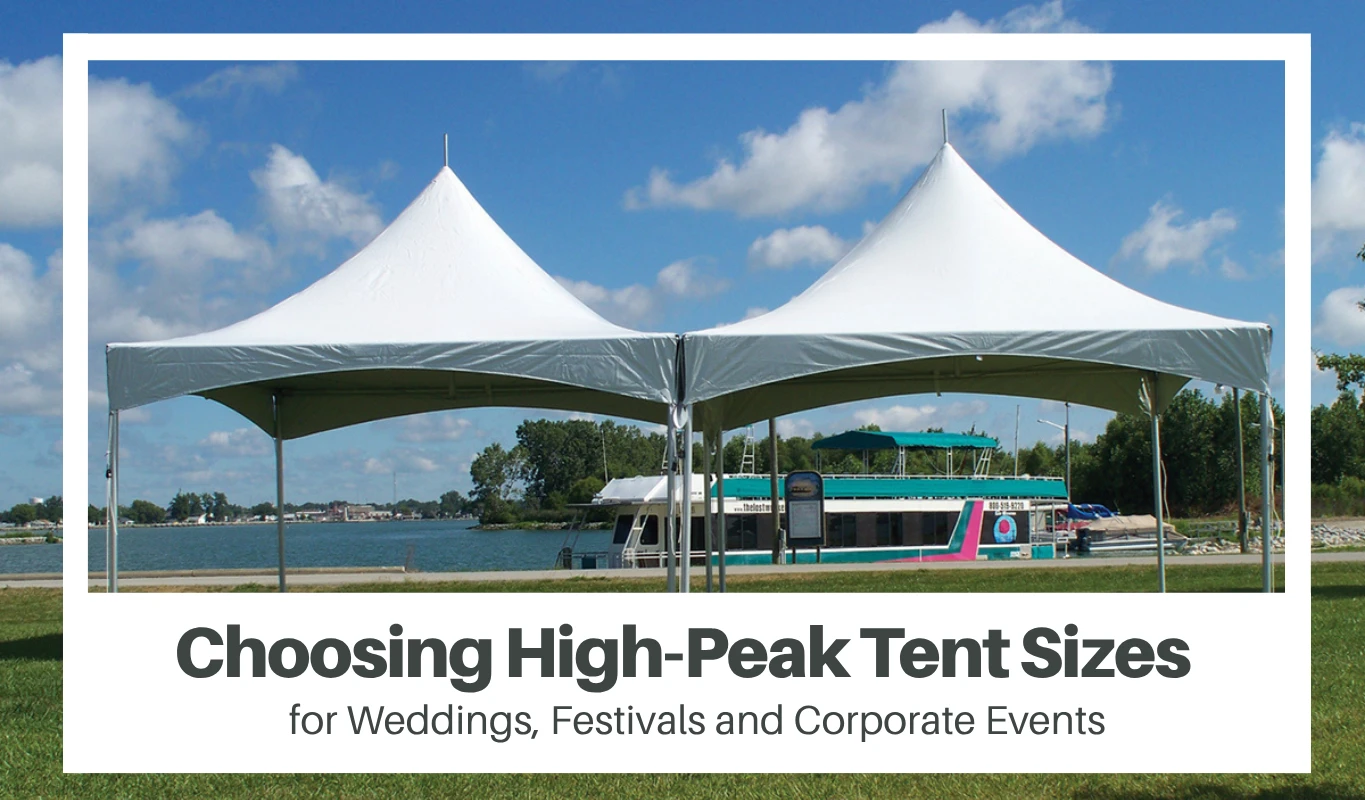
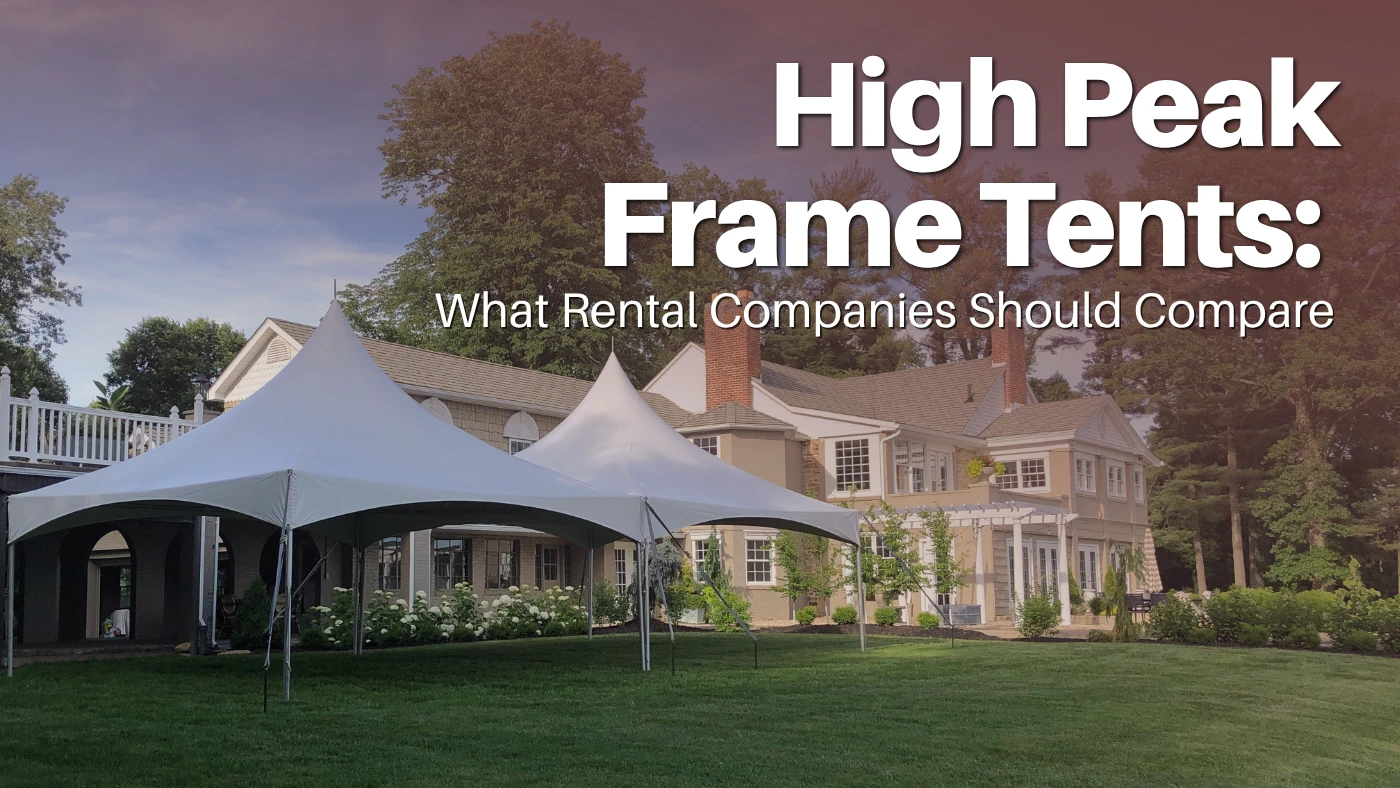
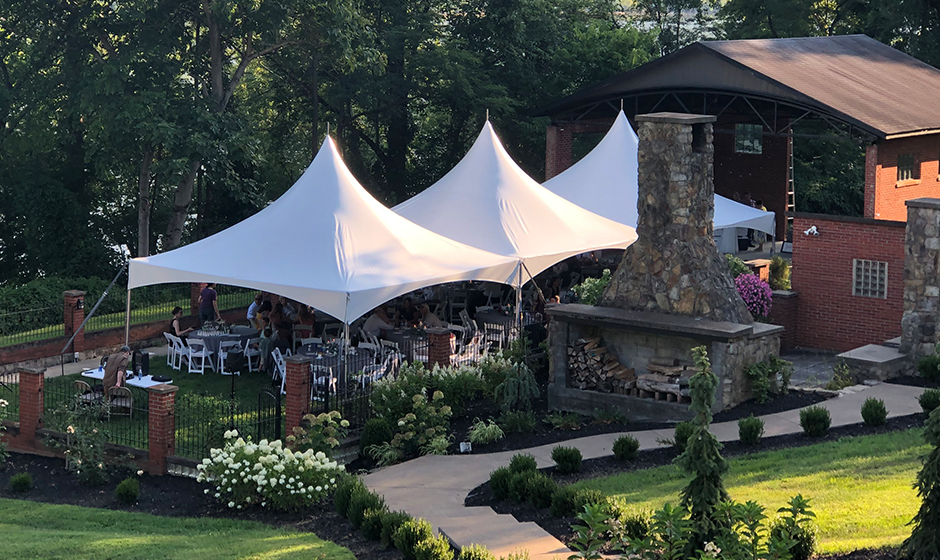
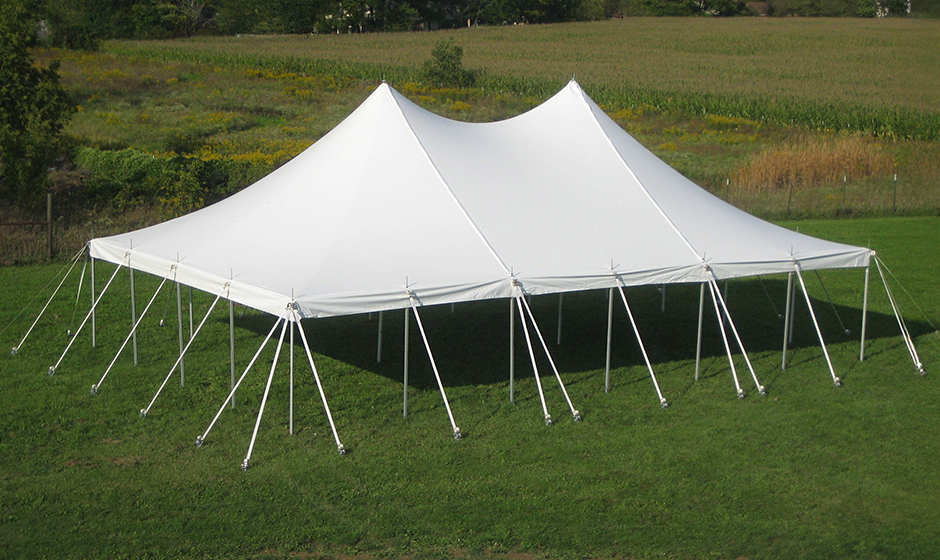
High-peak frame tents have a raised center peak that gives the tent a distinct shape.
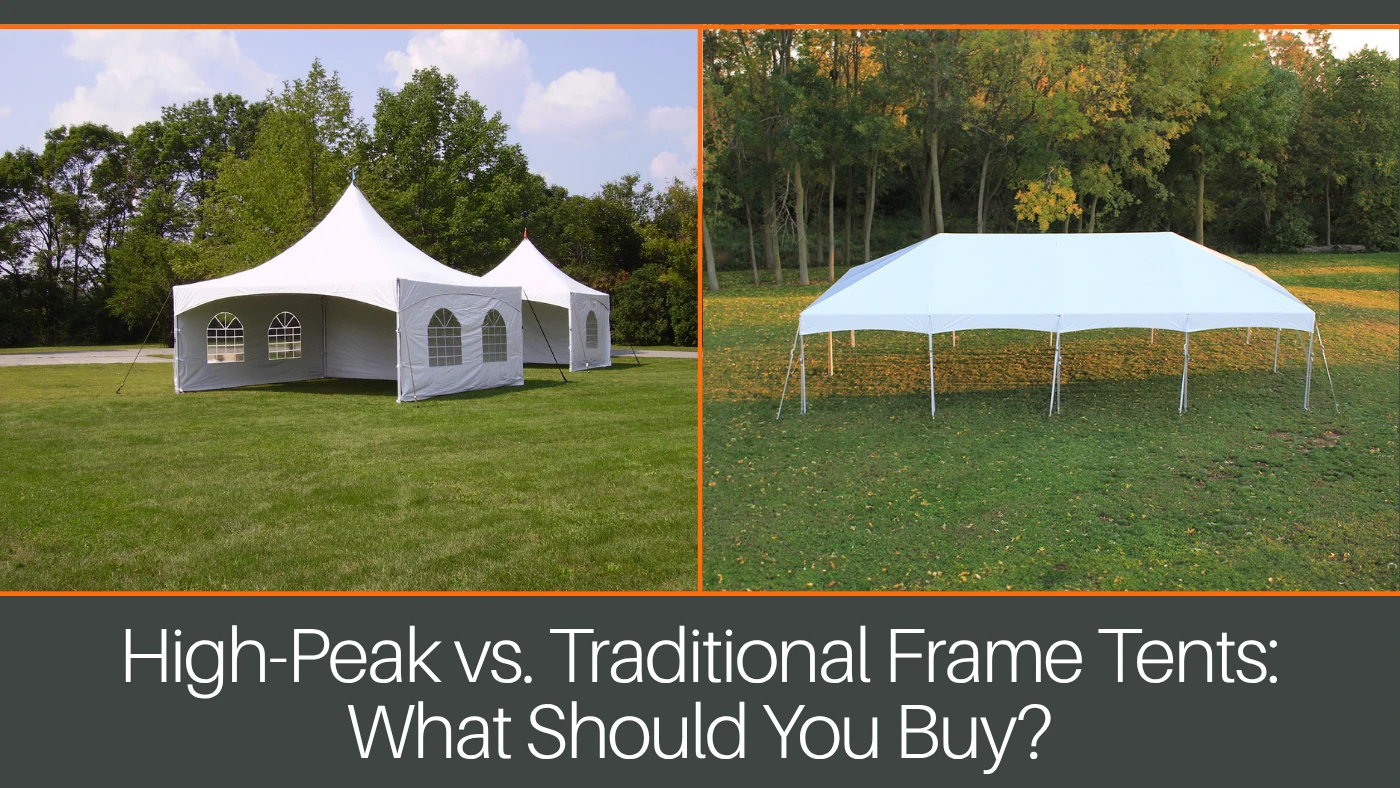
Unlike traditional pole tents, many high-peak frame designs do not need a center pole on the ground.
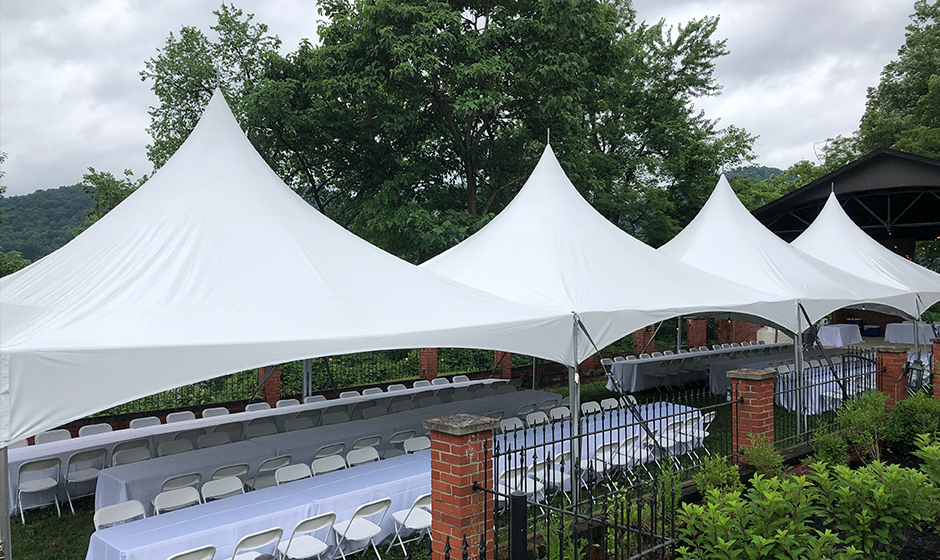
For example, CELINA's Pinnacle Series High Peak Frame Tents use cross cables to support the center mast above the open interior.
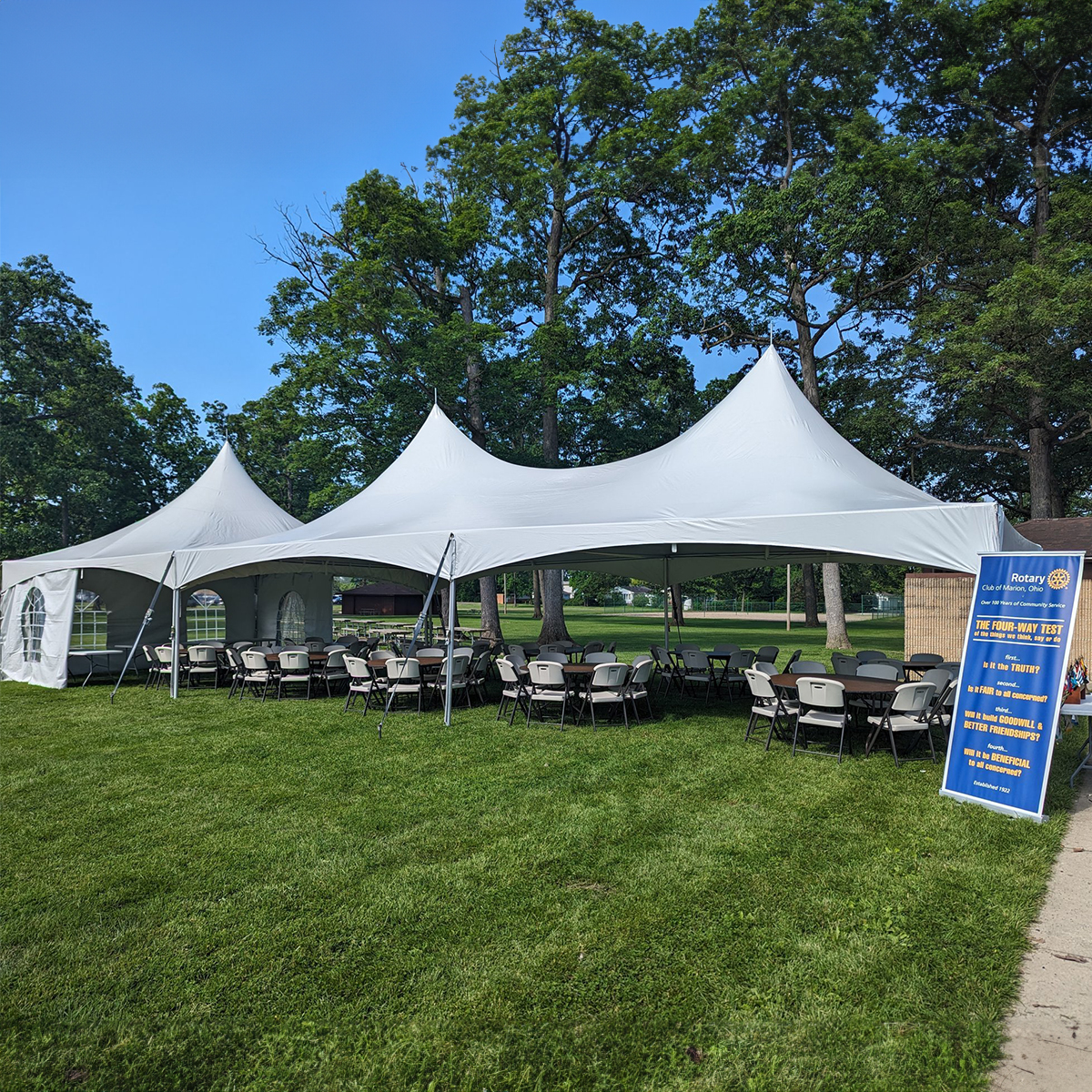
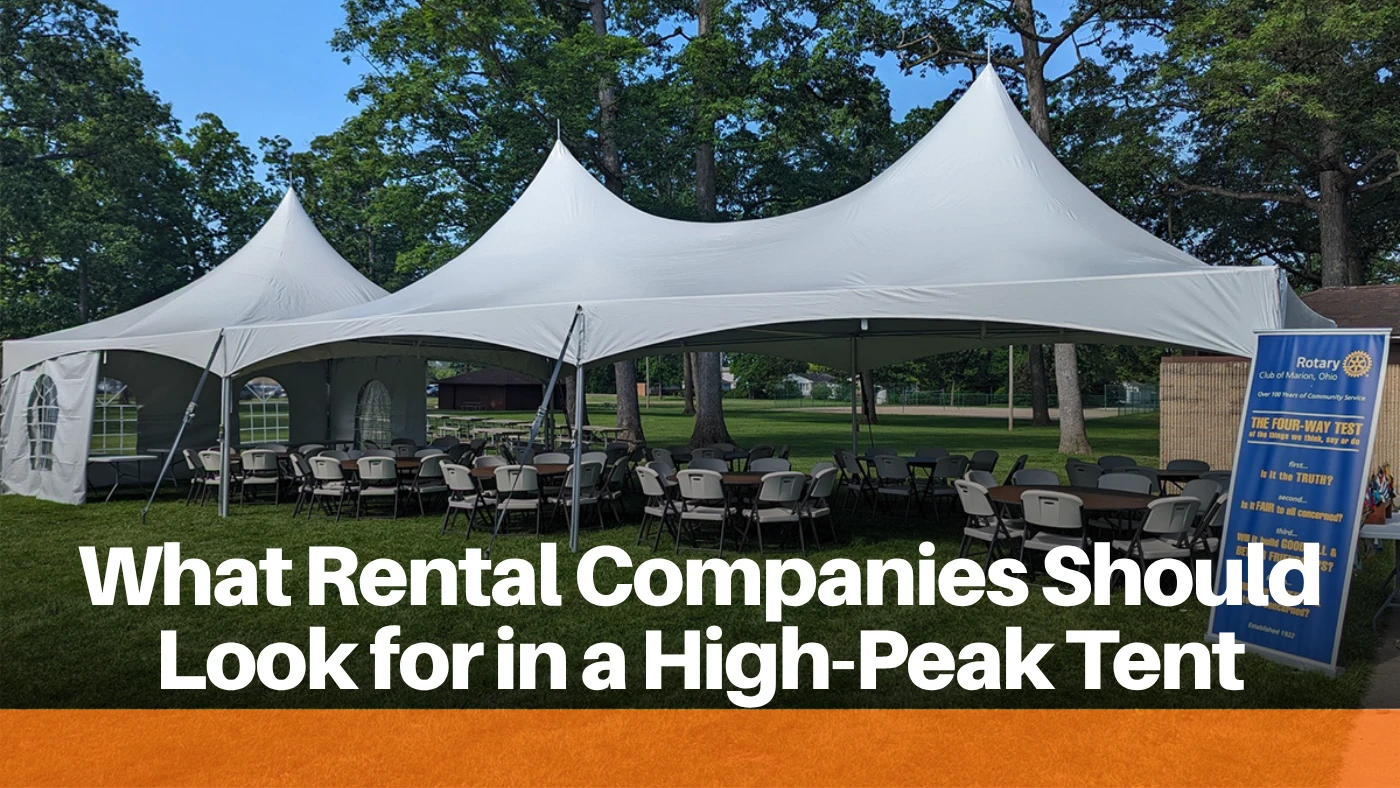
That leaves room underneath for tables, chairs, bars, displays, and other event equipment.
For rental companies, the appeal goes beyond appearance.
A high-peak tent can serve several types of bookings without requiring a completely different tent style for each one.
Where Can You Rent Them Out?
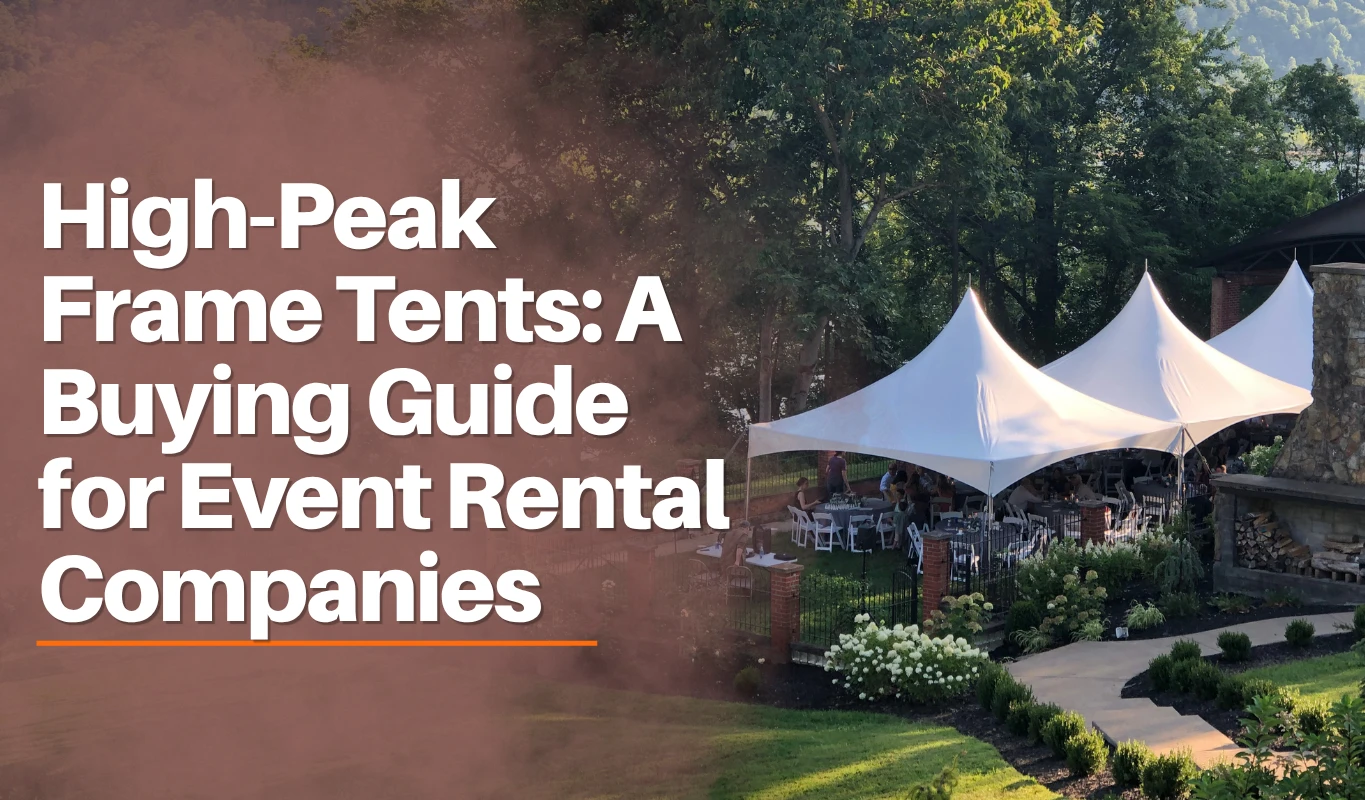
Depending on the size and layout, high-peak frame tents can work for:
- Wedding ceremonies and smaller receptions
- Corporate events and outdoor registration areas
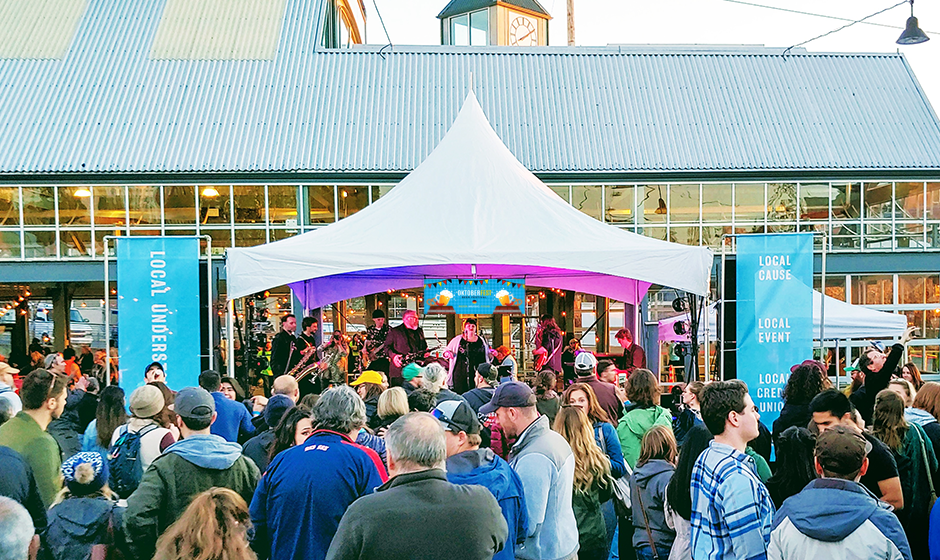
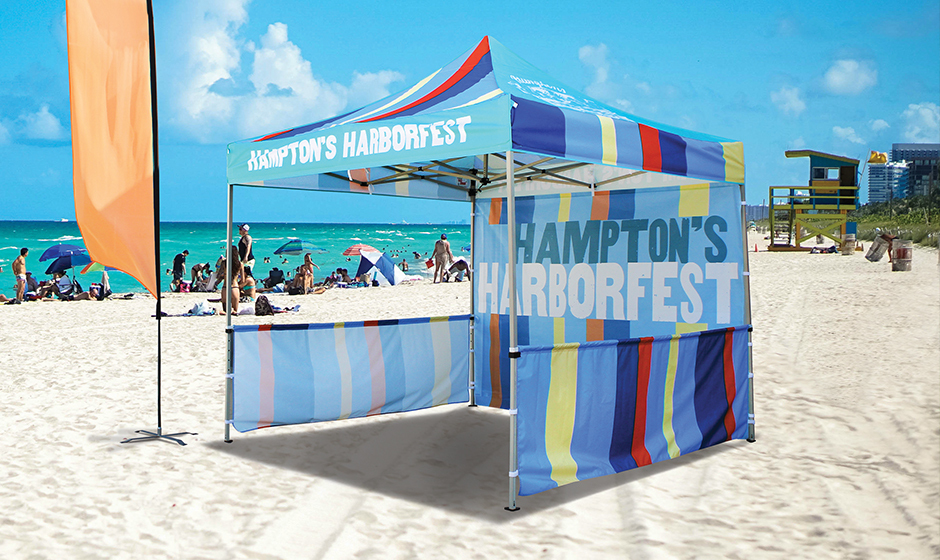
- Festival vendor booths and merchandise tents
- Catering stations and outdoor bars
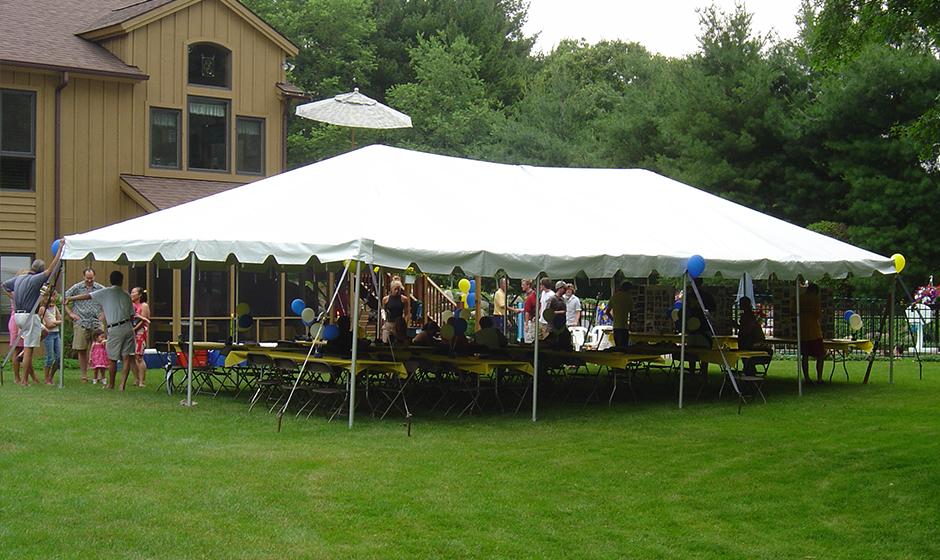
- Private parties and backyard gatherings
- VIP areas and event entrances
A 20x20 high-peak tent might cover a wedding bar one weekend and a corporate registration area the next.
That flexibility can help you get more use from the same piece of inventory.
But versatility alone doesn't guarantee bookings. Look at the demand in your own market before deciding what to buy.
Start With Last Season's Bookings
Before comparing tent sizes or prices, pull up your rental records.
What did customers request most often?
Which jobs required equipment you didn't own?
Did you turn away bookings because your existing tents were unavailable?
And how often did you have to subrent high-peak tents from another company?
Those answers should guide your next purchase.
Buy for Demand You Can Identify
Suppose you received several requests for 20x20 high-peak tents last season.
You fulfilled some with your own inventory, subrented others, and lost a few because you couldn't supply the equipment.
That gives you a reason to investigate adding another unit.
But if customers only requested that size once or twice, buying may not make financial sense yet.
The goal isn't to fill the warehouse.
It's to add equipment that has a realistic chance of going out regularly.
Which High-Peak Tent Sizes Should You Consider?
One of the first buying decisions is size.
Smaller high-peak tents can support vendor packages, private parties, and event stations. Larger options provide more room for seating and group activities.
CELINA offers Pinnacle Series high-peak frame tents in several configurations, including 10x10, 10x20, 15x15, 15x30, 20x20, 20x30, and 20x40.
Here are a few ways rental operators might use them.
10x10 and 10x20: Small-Event Packages
These sizes can work well for vendor booths, festival stations, registration areas, and small private events.
They may be worth considering if your company offers smaller rental packages or frequently supplies multiple tents for one event.
15x15 and 15x30: More Room for Event Setups
These sizes give you options for smaller wedding functions, catering stations, and corporate gatherings.
A 15x30 also provides a longer layout that can work for certain seating arrangements or event stations.
20x20: A Practical Size to Evaluate
A 20x20 high-peak frame tent provides 400 square feet of covered space.
That makes it worth evaluating for wedding bars, cocktail areas, vendor spaces, and smaller gatherings.
For companies entering the high-peak rental market, it can be a useful size to compare against actual booking demand.
20x30 and 20x40: When You Need More Space
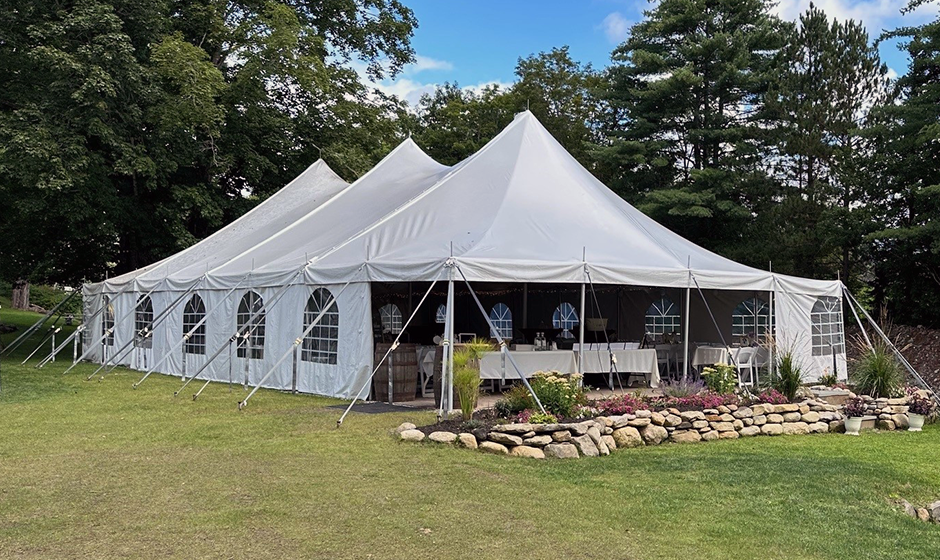
Larger high-peak tents may suit wedding receptions, corporate functions, and festival activities that need more covered space.
However, larger inventory also affects transportation, handling, setup planning, and storage.
Before ordering, make sure the potential bookings justify those additional requirements.
For a closer look at available configurations, browse CELINA's Pinnacle Series tent sizes.
Think About the Crew Before You Buy
A tent can look great in a product photo and still be the wrong fit for your current operation.
Your crew has to load it, transport it, install it, take it down, and return it to the warehouse.
That's why setup requirements belong in the buying decision.
CELINA's Pinnacle cross cable design uses fewer frame components than some conventional frame systems. Depending on the tent size and installation conditions, certain configurations may be installed by a small crew.
But don't assume every high-peak tent requires the same number of people.
Before purchasing, check:
- The manufacturer's recommended crew size
- The weight of the complete tent
- The longest frame components
- The tools needed for installation
- The anchoring requirements
- Whether your crew needs additional training
You should also consider how many setups your team can realistically complete in one day.
A tent that works well for one event may create scheduling problems if you expect the same crew to install several units at different locations.
Review the Pinnacle installation instructions and product details before committing to a size.
Look Beyond the Purchase Price
The price of the tent is only one part of the investment.
There may also be costs for freight, accessories, installation equipment, crew training, storage, maintenance, and replacement parts.
Before buying, calculate what it will cost to put the tent into service.
Check What's Included
Ask the supplier whether the package includes the complete frame, top, fittings, cables, and required anchoring equipment.
Also confirm whether sidewalls and other accessories are sold separately.
Two tents with different purchase prices may not include the same equipment.
Estimate How Many Rentals It Will Take to Pay for Itself
Start with the total amount you expect to spend getting the tent ready for rental.
Then estimate how much each booking will contribute after direct job costs.
For example:
If a tent costs $3,000 to purchase and prepare for rental, and each booking contributes $300 after direct costs, you would need approximately 10 rentals to recover that initial amount.
That's a simplified example, not a guaranteed return.
Your actual numbers will depend on rental rates, labor, delivery, maintenance, insurance, and demand.
The important question is whether the tent can earn enough to justify the purchase.
If you're reviewing next season's budget, this commercial event tent buying guide covers additional considerations when choosing rental equipment.
Don't Forget Replacement Parts
The first setup usually isn't when you discover whether a tent system is easy to maintain.
That happens later.
A fitting goes missing. A cable needs replacing. A top comes back damaged. Your crew finds a problem during the warehouse inspection.
And the tent is booked again next weekend.
Before buying, find out whether you can order individual replacement components.
CELINA offers replacement cross cable frame kits for Pinnacle tents, along with size-specific components.
That matters because replacing a damaged part may be more practical than purchasing a complete new system.
Check Compatibility With Your Existing Inventory
If you already own high-peak tents, don't assume fittings, cables, tops, or frame components are interchangeable across different manufacturers or sizes.
Check compatibility before placing an order.
Some components are designed for specific tent dimensions.
Keeping the correct replacement parts on hand can save time when equipment needs attention during busy season.
Consider How the Tent Will Fit Into Your Packages
A high-peak frame tent doesn't have to be rented as a standalone item.

Depending on your market, you may be able to include it in packages with:
- Tables and chairs
- Sidewalls
- Lighting
- Flooring
- Event accessories
For example, a 20x20 high-peak tent could become part of a small wedding package with seating and lighting.
A 10x10 could be offered with tables for festival vendors.
And a 20x40 could support a corporate event package with seating and other rental equipment.
The key is to build packages around services your customers already request.
Don't buy accessories just because they appear in a catalog.
Look at what you can realistically rent together.
Use the Off-Season to Prepare for the First Booking
Winter is a good time to make purchasing decisions without the pressure of a full event calendar.
But don't wait until the first booking to figure out how a new tent works.
Once your equipment arrives, give your crew time to become familiar with it.
Set up the tent according to the manufacturer's instructions.
Check that all components are present.
Practice packing and loading it.
Identify where each part belongs in storage.
And make sure the crew understands the anchoring requirements.
This is also a good time to inspect your existing inventory.
You may discover that repairing or replacing a few components is a better investment than buying an entirely new tent.
CELINA's winter tent maintenance guide offers additional steps to help prepare inventory for the season ahead.
When Does Buying a High-Peak Frame Tent Make Sense?
There isn't one answer for every rental company.
For some operators, high-peak tents can help meet demand for weddings, festivals, and corporate events.
For others, a traditional frame tent or pole tent may better suit the jobs they book.
Consider buying when:
- Customers regularly request high-peak tents
- You frequently subrent this tent style
- Your existing inventory sells out during peak periods
- Your crew can handle the installation requirements
- You have room to transport and store the equipment
- The expected rental income supports the investment
If those conditions aren't there yet, you may be better off waiting.
You can also review the differences between frame tents and pole tents before choosing a new tent style.
High-Peak Frame Tent Buying Checklist
| Before You Buy | Questions to Ask |
|---|---|
| Demand | Did customers request this size? Are you currently subrenting? |
| Size | Does the size match your most common weddings, festivals, or corporate events? |
| Crew | Can your current crew safely transport and install it? |
| Included Equipment | Does the package include the complete frame, cables, fittings, anchors, and top? |
| Replacement Parts | Can you easily source replacement tops, cables, fittings, and frame components? |
| Storage | Do you have room to store and transport the complete system? |
| ROI | How many rentals will it take to recover the investment? |
Make Your Next Tent Purchase Count
The best high-peak frame tent for your rental company isn't necessarily the biggest or most expensive option.
It's the one that fits your bookings, crew, storage space, and budget.
Use the slower months to review last season's demand, compare tent sizes, calculate costs, and check what equipment you'll need to support each purchase.
CELINA offers Pinnacle Series high-peak frame tents, replacement components, and event rental equipment through GetTent.com.
Ready to Expand Your Rental Inventory?
Explore CELINA's Pinnacle Series high-peak frame tents, replacement components, and commercial event equipment designed for demanding rental operations.
Commercial Grade | Replacement Parts Available | Fast Shipping
Frequently Asked Questions
What Is the Best High Peak Frame Tent for Rental Companies?
The best option depends on the sizes your customers request, how often you expect to rent the tent, and what your crew can install. Look for a system with clear specifications, suitable anchoring equipment, and available replacement parts. CELINA's Pinnacle Series is one option to evaluate for regular rental use.
What Is the Best 20x20 High Peak Frame Tent?
A good 20x20 high-peak frame tent should fit your expected bookings and have suitable frame construction, anchoring equipment, and replacement-part support. CELINA offers a 20x20 Pinnacle Series cross cable high-peak frame tent with 400 square feet of covered space and an open interior without a ground-level center pole.
Why Do Rental Companies Upgrade to High Peak Frame Tents?
Rental companies may add high-peak frame tents to meet customer requests, expand their event packages, or provide covered spaces without interior center poles. The raised peak also gives customers a different appearance from traditional flat-profile frame tents.
What High Peak Frame Tent Suits Both Weddings and Corporate Events?
A 20x20 or 20x40 high-peak frame tent may suit different wedding and corporate event uses, depending on the required layout. Smaller units can cover bars and registration areas, while larger sizes may support seating and other event activities. Always confirm the available space and required capacity before quoting.
How Do High Peak Frame Tents Improve Event Rental Efficiency?
Some cross cable high-peak systems use fewer frame components than conventional frame tents, which may simplify handling and setup for trained crews. Their open interiors also support different event layouts. Actual efficiency depends on the tent size, site conditions, crew experience, and installation requirements.