



It's the off-season. The warehouse is quieter, your equipment is being inspected, and you're deciding what inventory deserves a place on next year's schedule.
One wedding client wanted an elegant cocktail tent. A festival organizer requested dozens of matching vendor shelters. A corporate customer needed separate covered areas for registration, food service, and networking.
Those bookings all called for high-peak tents—but not necessarily the same size.
Choosing the right inventory isn't simply about buying the biggest tent you can afford. It's about stocking sizes that work across multiple event types, fit your crews, and generate consistent bookings throughout the season.
If you're reviewing purchases before next season, here's how to evaluate which high-peak tent sizes deserve space in your rental fleet.
Start With the Event Layout, Not the Guest Count

One of the biggest mistakes rental companies make is sizing a tent based only on attendance.
A customer might tell you they have 50 guests.
That number alone doesn't tell you much.
Will everyone be standing? Are they seated for dinner? Is there a buffet? A dance floor? A DJ? A registration desk? A bar?
Every additional feature changes the usable floor space.
CELINA's Pinnacle Series High-Peak Frame Tents feature open interiors without ground-level center poles, giving event planners more flexibility when arranging tables, furniture, and equipment. However, furniture, service areas, and guest circulation still reduce available space.
Use Capacity Estimates as a Starting Point
A general planning guideline is:
- Approximately 6–8 square feet per guest for standing receptions.
- Approximately 12–15 square feet or more per guest for seated dining.
These figures are planning estimates—not occupancy limits.
Actual capacity depends on furniture layouts, aisles, entertainment, catering equipment, local regulations, and event design.
For example, a 20x20 high-peak tent provides 400 square feet.
On paper that may appear suitable for around 40 standing guests.
But once cocktail tables, buffet stations, bars, décor, and walkways are added, the practical capacity changes considerably.
The event layout—not the guest count—is what determines whether a tent is actually the right size.
For a more detailed breakdown of event capacities, read our Tent Size Guide: How Many People Fit Under a Tent?.
Compare Popular High-Peak Tent Sizes
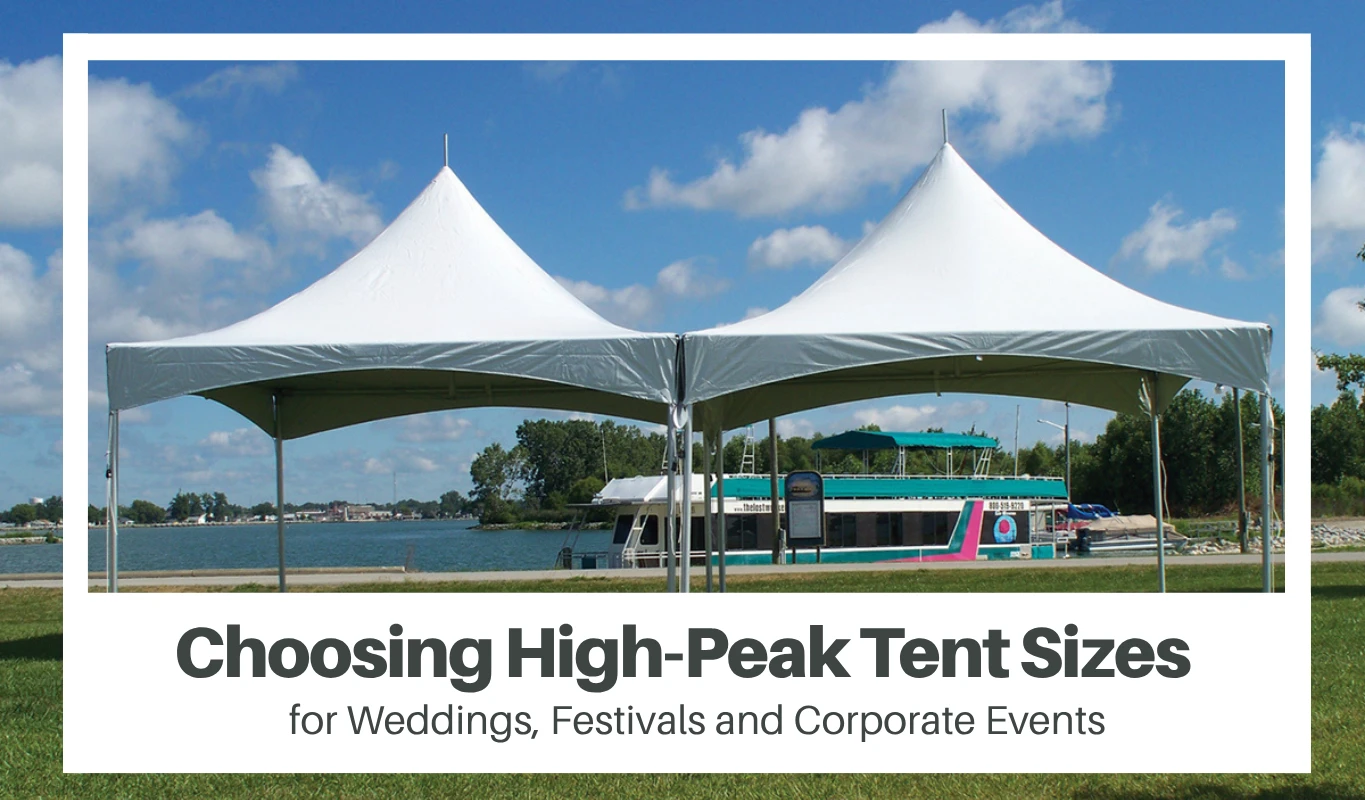
CELINA's Pinnacle Series includes several square and rectangular configurations that serve different rental applications.
Instead of purchasing every available size, focus on the ones that overlap across multiple event categories.
| Tent Size | Covered Area | Typical Rental Applications |
|---|---|---|
| 10x10 | 100 sq. ft. | Vendor booths, registration, ticketing, promotional spaces |
| 10x20 | 200 sq. ft. | Food vendors, merchandise, festival booths, check-in areas |
| 15x15 | 225 sq. ft. | Wedding bars, welcome areas, ceremony support |
| 15x30 | 450 sq. ft. | Catering stations, networking areas, hospitality spaces |
| 20x20 | 400 sq. ft. | Cocktail hours, receptions, festival activities |
| 20x30 | 600 sq. ft. | Dining layouts, private events, corporate gatherings |
| 20x40 | 800 sq. ft. | Wedding receptions, corporate events, covered seating |
These are example applications rather than fixed capacities. Always review the customer's layout, installation site, and manufacturer specifications before confirming a rental.
You can compare available options in the CELINA Pinnacle Series High-Peak Collection.
Choosing High-Peak Tent Sizes for Weddings
Wedding events rarely use just one tent.
Many venues require several covered spaces serving different purposes throughout the day.
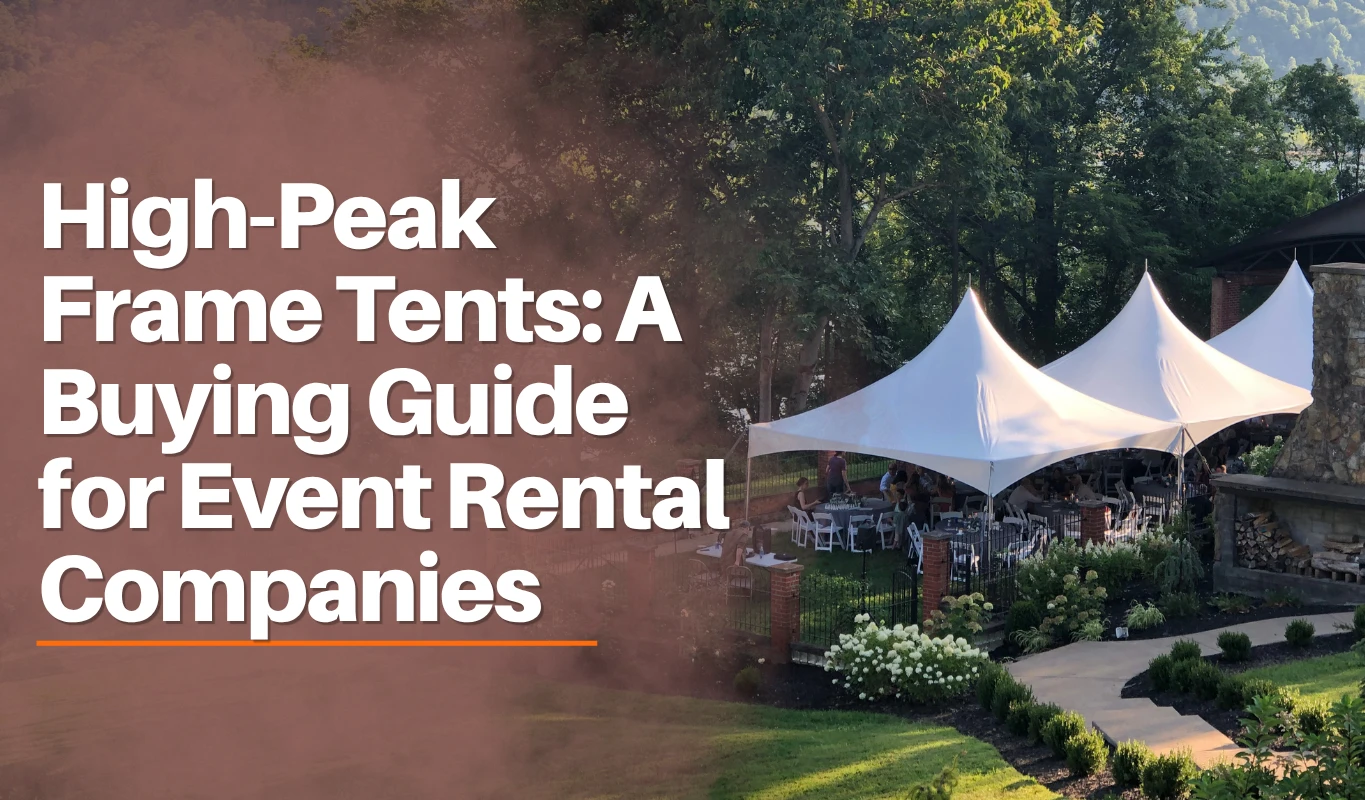
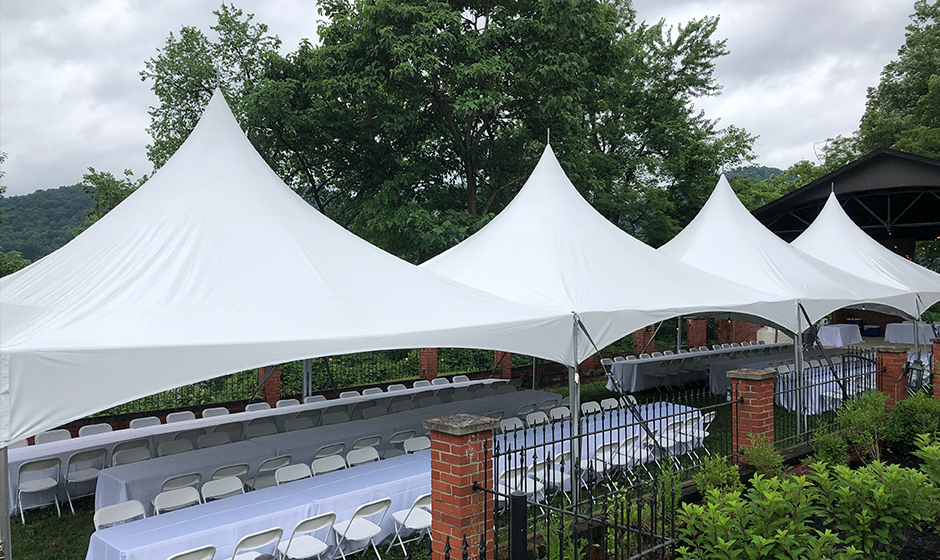
The reception may use one structure, while additional tents cover cocktail areas, bars, catering stations, entrances, or ceremony locations.
That creates opportunities for rental companies with multiple high-peak sizes available.
Smaller Wedding Support Tents
Compact sizes like 10x10 and 15x15 can work well for:
- Welcome stations
- Outdoor bars
- Guestbook displays
- Ceremony entrances
- Catering prep areas
These tents may serve completely different purposes on different weekends, improving inventory utilization throughout the season.
A 20x20 tent provides additional flexibility for cocktail hours and gathering areas while maintaining the signature high-peak appearance many wedding planners appreciate.
Larger Reception Areas
Reception layouts usually require more than seating.
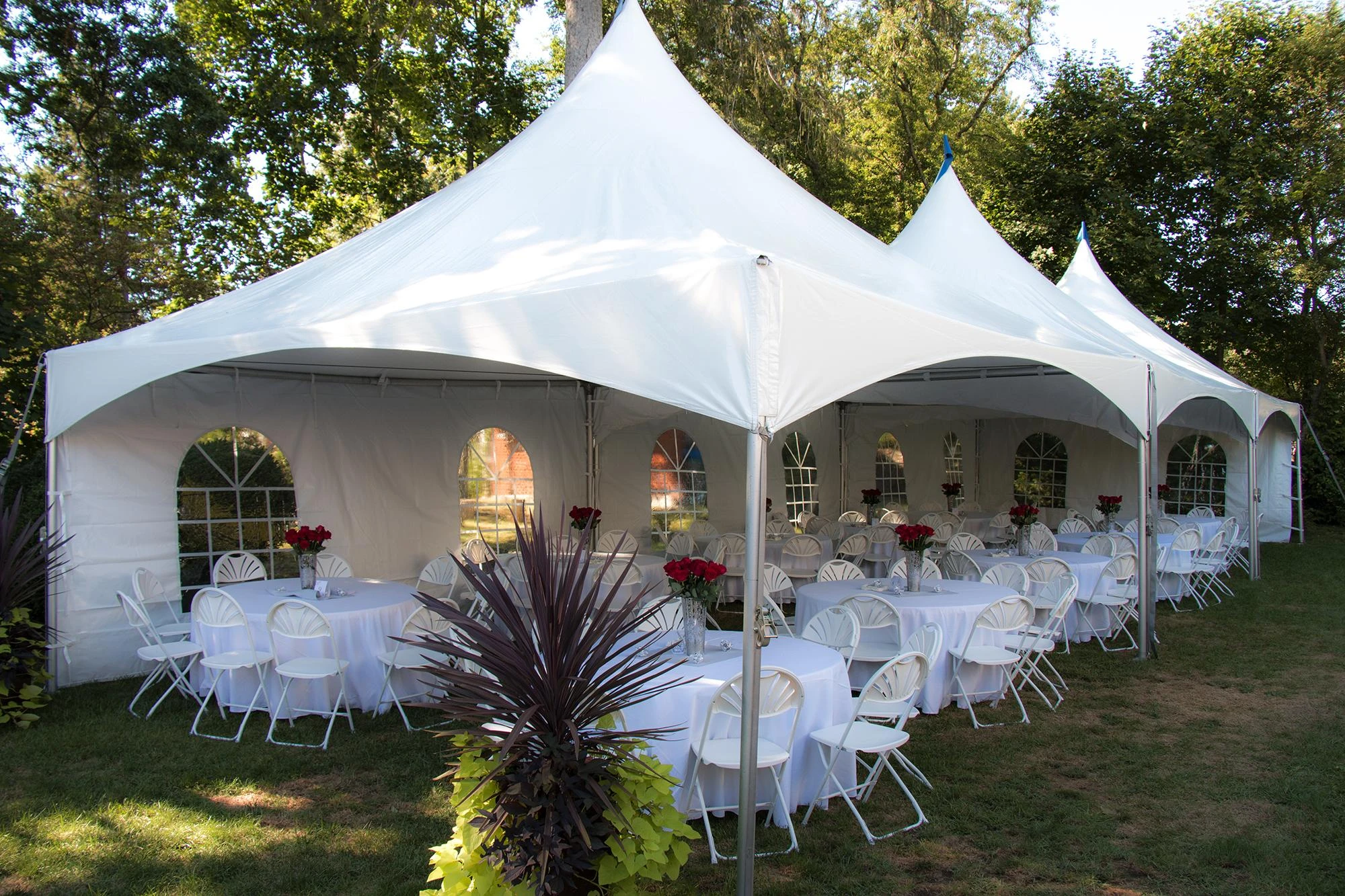
Most weddings also include:
- Dining tables
- Dance floors
- Buffets
- Beverage stations
- Entertainment
- Guest walkways
Those features quickly reduce usable space.
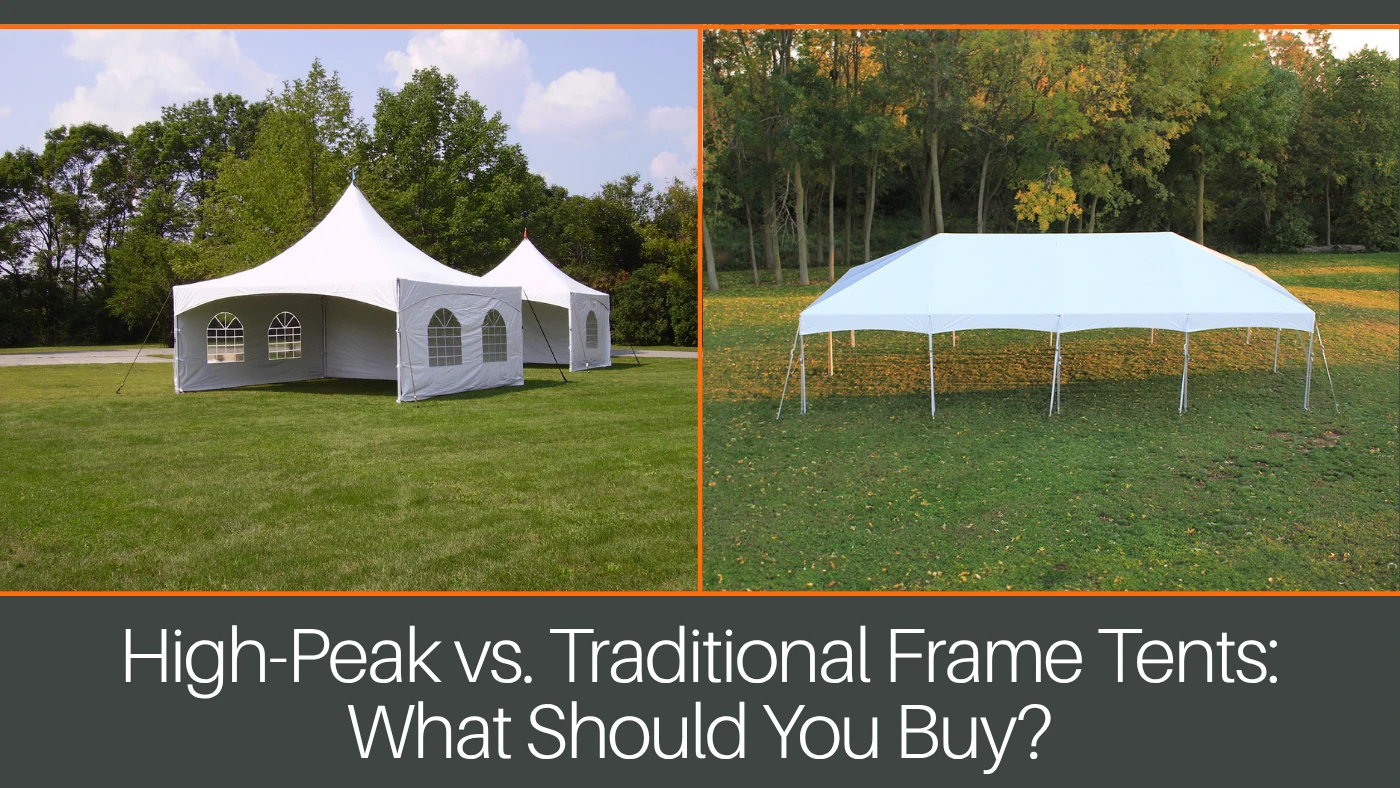
For larger receptions, a traditional frame tent or larger event structure may ultimately provide a better solution than forcing everything beneath a smaller high-peak tent.
Rental companies build stronger customer relationships by recommending the structure that best fits the event—not simply the one already in inventory.
Which High-Peak Sizes Work Best for Festivals?
Festival rentals create a different inventory challenge than weddings.
Instead of delivering one tent for one customer, you may be installing multiple matching tents across a large event site.
Vendor booths, food courts, registration areas, ticketing stations, merchandise spaces, and sponsor activations often require separate structures.
That makes repeatable, versatile tent sizes especially valuable.
10x10 and 10x20 for Vendor Packages
Smaller high-peak tents work well for individual vendors and event stations.
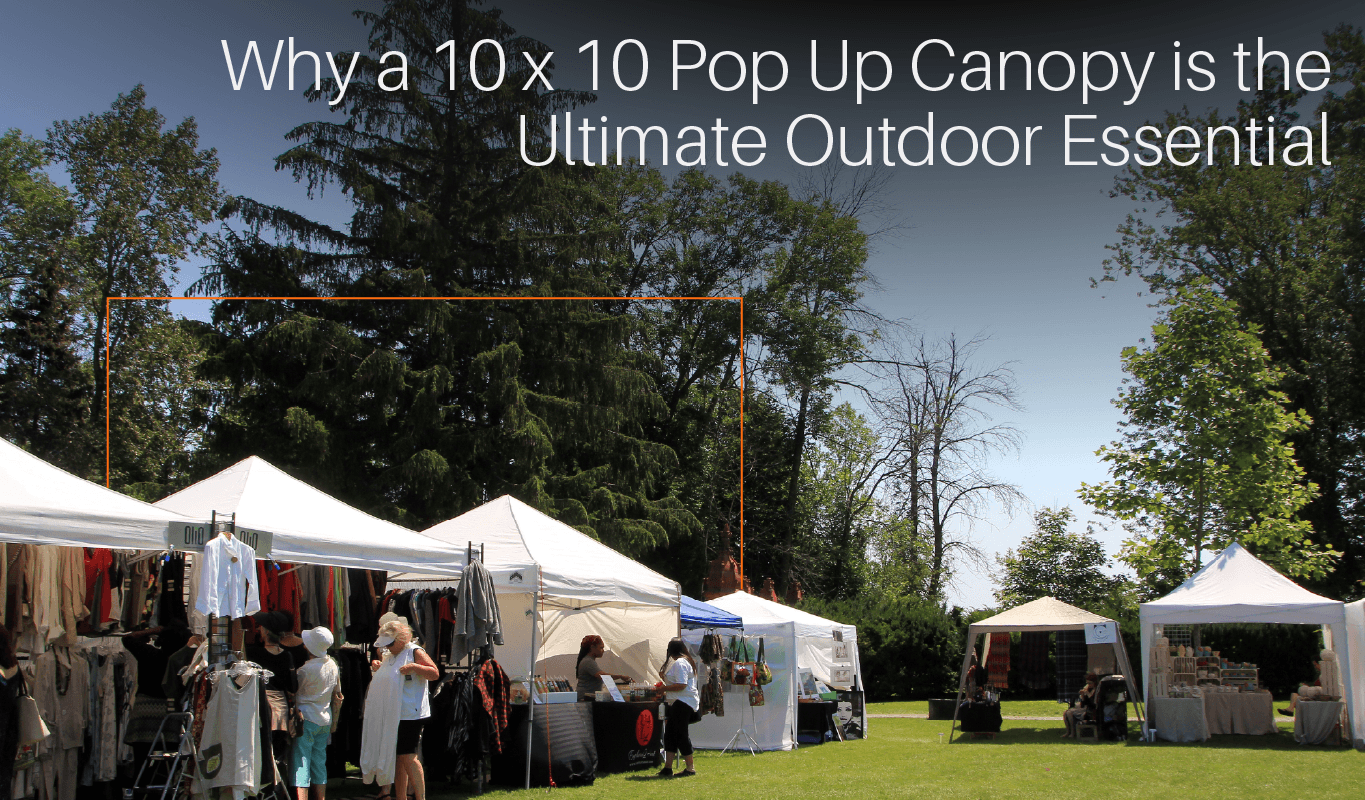
A 10x10 provides a compact footprint for ticket booths, information stations, and retail vendors.
A 10x20 offers additional room for food vendors, merchandise displays, equipment, and customer service areas.
Before recommending inventory, review the organizer's specifications.
Some festivals require uniform tent sizes, colors, anchoring methods, or approved shelter types.
High-peak tents create a more architectural appearance than standard pop-up canopies, so confirm they meet the event requirements before quoting.
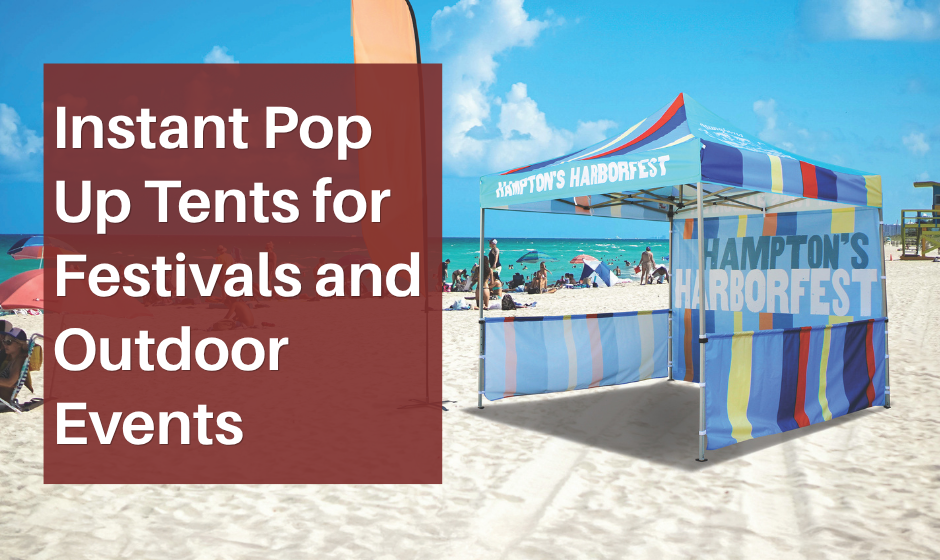
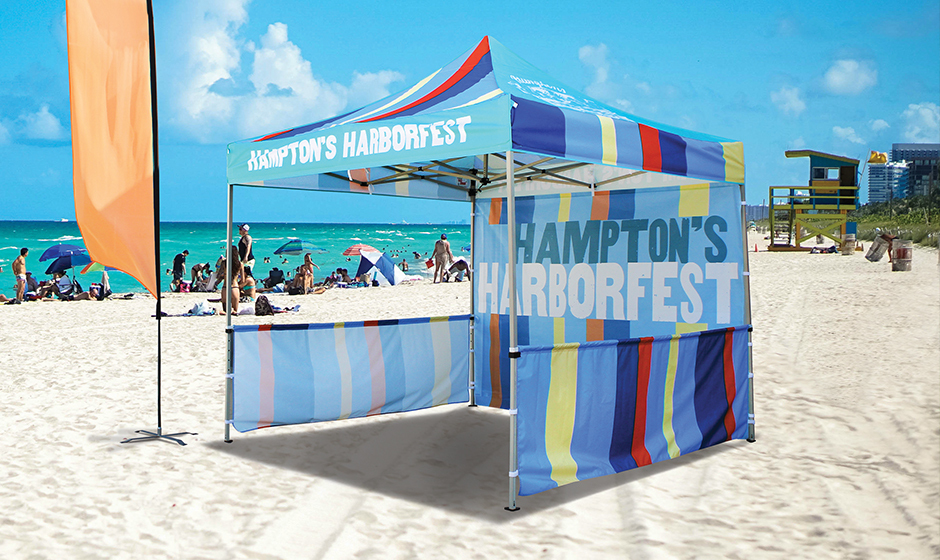
If your company also rents pop-up shelters, our guide to 10-Foot Tents explains where compact canopies may fit into your inventory alongside larger commercial tents.
20x20 and Larger Shared Festival Areas
Larger high-peak tents can support shared festival functions such as:
- Information centers
- Merchandise areas
- Food service
- Hospitality spaces
- Activity zones
However, larger festivals also create logistical challenges.
Your crew may need to install multiple tents throughout the venue while working within strict setup schedules.
Truck access, unloading time, equipment handling, and anchoring all influence how many installations your team can complete in a day.
Several smaller tents often require considerably more individual installations than one larger structure.
Before expanding your fleet, evaluate how many simultaneous setups your crew can realistically manage during busy festival weekends.
Planning High-Peak Tent Sizes for Corporate Events
Corporate events often appear similar on paper while requiring completely different layouts.
Two companies may each expect 200 attendees.
One wants an outdoor networking event.
The other needs separate registration, catering, presentation, and hospitality spaces.
The guest count may be identical, but the tent requirements are not.
Match the Tent to the Function
Smaller high-peak tents often work well for:
- Registration areas
- Check-in stations
- Information booths
- Hospitality lounges
- Catering support
Mid-sized units can support networking areas and reception spaces.
A 20x40 tent provides approximately 800 square feet of covered space and may suit dining layouts or corporate receptions, depending on furniture, audiovisual equipment, and event flow.
Whenever possible, ask customers for a basic floor plan before recommending a size.
The layout frequently reveals space requirements that guest counts alone do not.
For larger corporate functions, a traditional frame tent or larger commercial structure may ultimately provide a better solution.
Separate Activity Areas
Many corporate events divide activities across several locations.
Registration, food service, networking, presentations, and sponsor displays may each occupy separate tents.
This creates opportunities to rent multiple matching high-peak tents on a single project while maintaining a consistent appearance throughout the venue.
Just remember that multiple tents also require multiple installation plans, anchoring locations, and additional labor.
Compare the total equipment, labor, and transportation costs before recommending several smaller tents over one larger structure.
Build Inventory Around Mixed Demand
Most rental companies serve more than one market.
You may supply weddings one weekend, festivals the next, and corporate events the week after.
Instead of stocking every available high-peak size, focus on tents that serve several event categories.
For example, a 20x20 tent may work for:
- Wedding cocktail hours
- Festival merchandise areas
- Corporate networking spaces
- Private celebrations
A 10x10 might support:
- Vendor booths
- Registration
- Ticket sales
- Promotional activations
The more situations a particular size can support, the more opportunities you have to generate rental revenue.
That doesn't automatically justify every purchase.
Your local demand should always guide inventory decisions.
Review Last Season Before Buying
Before ordering new inventory, compare:
- Frequently requested tent sizes.
- Equipment you regularly subrented.
- Jobs you declined because you lacked the right tent.
- Bookings requiring multiple matching tents.
- Inventory already available in your warehouse.
This review often provides a much clearer purchasing strategy than simply choosing the newest or largest product.
For more inventory planning ideas, read our guide on Starting & Scaling a Tent Rental Business.
Don't Forget the Space Outside the Tent
The footprint underneath the canopy is only part of the installation.
Every tent also requires space around it for anchoring, setup, crew access, and safe operation.
This becomes especially important in:
- Small backyards
- Urban venues
- Courtyards
- Festival grounds
- Sites surrounded by buildings or landscaping
Before confirming a rental, ask about:
- Ground conditions
- Available installation space
- Underground utilities
- Nearby structures
- Vehicle access
- Approved anchoring methods
Our guide to What to Check Before the Rental Season Starts includes additional planning considerations before equipment goes back into service.
Larger Tents Require Larger Installations
As tent sizes increase, crews must manage longer frame components, heavier materials, additional equipment, and more demanding installation procedures.
These factors influence transportation, scheduling, labor requirements, and the number of jobs your team can complete during a busy weekend.
Always review the manufacturer's installation instructions for the exact tent size before quoting a project.
How Many Tent Sizes Should You Keep in Stock?
There isn't one inventory formula that works for every rental company.
A business focused on festivals may benefit from owning several matching 10x10 and 10x20 tents.
A company specializing in weddings might see stronger demand for 20x20 high-peak tents alongside larger reception structures.
Rental businesses serving a wide range of events often find the best balance by keeping a mix of compact support tents and versatile mid-sized units.
The objective isn't to own every available size.
It's to stock tents that consistently leave the warehouse instead of collecting dust.
Think Beyond the Purchase Price
Every additional tent size introduces ongoing responsibilities beyond the initial investment.
You'll also need to consider:
- Warehouse storage space.
- Transportation requirements.
- Maintenance schedules.
- Replacement components.
- Crew familiarity.
- Inspection procedures.
Adding another tent size also means stocking compatible tops, fittings, cables, stakes, and other replacement parts.
Before expanding your fleet, make sure the new inventory integrates with your existing maintenance and storage systems.
CELINA offers a wide range of Tent Parts & Accessories for supported commercial tent systems. Always confirm compatibility with your specific model before ordering replacement components.
Use the Off-Season to Build Better Rental Packages
The quieter months are ideal for more than purchasing equipment.
They're also an opportunity to rethink how you package your inventory.
Instead of advertising individual tents, consider creating complete solutions built around your most popular sizes.
For example, a wedding package might include:
- A 20x20 high-peak tent.
- Tables and chairs.
- Lighting.
- Sidewalls.
- Linens.
A festival vendor package could combine:
- A matching 10x10 high-peak tent.
- Tables.
- Signage space.
- Anchoring equipment.
Corporate packages may include separate registration, networking, and catering tents using matching high-peak inventory.
Building packages around equipment customers already request can increase booking value while simplifying the quoting process.
For additional planning ideas, see our articles on Party Rental Equipment for Smooth and Stress-Free Events and What a Party Tent Rental Company Really Provides Beyond the Tent.
Choose High-Peak Tent Sizes That Will Actually Get Booked
The biggest tent isn't always the smartest investment.
The best inventory is the equipment your customers request repeatedly and your crew can install efficiently.
Smaller high-peak tents often support vendor booths, registration areas, and wedding stations.
Mid-sized tents serve cocktail hours, networking spaces, and private gatherings.
Larger configurations provide additional covered space for receptions, dining layouts, and corporate events—but they also require more planning, labor, transportation, and storage.
Before purchasing, review last season's bookings, identify the sizes that generated the strongest demand, and compare expected rental revenue against the total ownership cost.
Find the Right High-Peak Tent Sizes for Every Event
Browse CELINA's commercial-grade Pinnacle Series high-peak tents in multiple sizes for weddings, festivals, corporate events, and professional rental operations.
Frequently Asked Questions
How Should Rental Companies Size Portable Shelters for Mixed Wedding and Festival Demand?
Start by reviewing which sizes customers requested most often for each event type. Smaller shelters may work for festival vendors and wedding support areas, while larger tents can serve dining and gathering spaces. Choose sizes that overlap across your bookings, but confirm each event's layout and site requirements before quoting.
Which Portable Shelters Are Best for Rental Companies' Small-Event Packages?
Pop-up canopies and smaller high-peak frame tents are both worth considering. Pop-ups may suit jobs that prioritize compact transport and quick setup, while high-peak tents can provide a distinctive roofline for weddings, vendor areas, and private events. The best option depends on the package, crew, and customer demand.
What Are the Top High-Peak Frame Tent Options for Weddings?
Common sizes worth evaluating include 15x15, 20x20, 20x30, and 20x40 high-peak frame tents. Smaller sizes can support bars and ceremony areas, while larger configurations may suit dining and gathering spaces. The best choice depends on the wedding layout, guest count, and available site space.
Can a 20x20 High-Peak Tent Work for Both Weddings and Festivals?
Yes. A 20x20 provides 400 square feet of covered space and can support different event functions, including wedding cocktail areas, festival merchandise stations, and corporate event spaces. Capacity depends on the layout, furniture, equipment, and required walkways.
Should Rental Companies Buy Several Small High-Peak Tents or One Large Tent?
That depends on the bookings you expect. Several smaller tents may be useful for festivals and events with separate activity areas, while one larger tent may suit a reception or corporate gathering. Compare purchase costs, setup requirements, crew availability, and the number of jobs each option could support.