






How Tent Rental Companies Can Make Money in Winter
It's January. The phones have slowed down. Tent tops are stacked in the warehouse. Crews that were running every weekend in June suddenly have gaps in the schedule.For rental companies in colder parts of North America, that slowdown is normal. Snow, frozen ground, and fewer outdoor events can take a large portion of traditional tent work off the calendar.
But winter does not have to mean zero revenue.
We work with rental operators every day, and one thing is clear: a tent rental business is rarely just a tent business. There are trucks, crews, tables, chairs, sidewalls, flooring, replacement inventory, accessories, warehouse space, and customer relationships behind every setup.
That is also why CELINA carries more than one type of rental product. A rental company makes money by keeping useful inventory working across different jobs, seasons, and customer types. The question for winter is not, "How do I force more summer tent jobs into January?"
It is, "What can the business I already built do during the months when tent demand slows?"
Here are five places to look.
1. Follow Your Customers Indoors
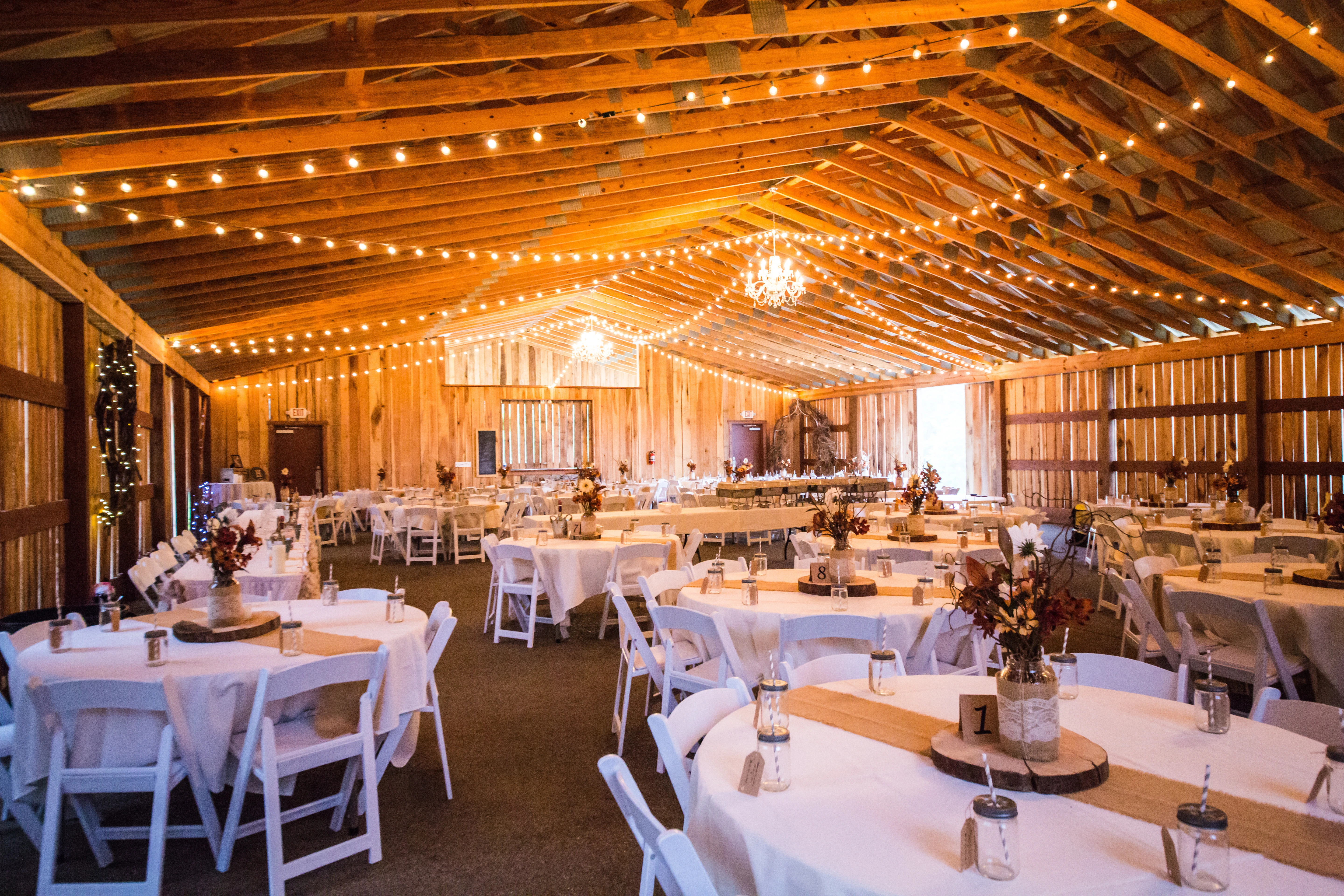
The event does not always disappear when the temperature drops. Sometimes it just moves inside.
Corporate holiday parties move into hotels. Church dinners move into fellowship halls. Schools still hold banquets, fundraisers, and programs. Companies still run conferences, training events, and award nights. Families still have birthdays, showers, anniversaries, and weddings.
They may not need a tent, but they still need equipment.
That can include:
- Tables and chairs
- Cocktail tables
- Pipe and drape
- Staging
- Dance floors
- Lighting
- AV equipment
- Bars
- Linens
- Event accessories
For rental operators, this is one reason it makes sense to think about inventory as a system instead of buying equipment for one type of job.
A folding chair can go under a 40-foot tent in July and into a banquet hall in January. The same commercial tables used for graduation season can work at corporate dinners, church functions, and indoor weddings.
At CELINA, we carry tents alongside tables, chairs, sidewalls, replacement parts, and other commercial event equipment because that is how rental businesses actually operate. The tent may be the largest piece on the truck, but it is rarely the only thing the customer needs.
Start With the Customers You Already Have
You do not necessarily need to create a brand-new winter customer base.
Look at who booked with you this year.
Did a company rent a tent for its summer employee picnic? Ask what it does for the holiday party. Does a church rent tables and tents for its summer festival? It may need seating for Christmas programs or winter dinners. Do you already work with hotels, event venues, planners, schools, or caterers? Find out what they struggle to source locally during the winter.
Those conversations can also tell you what inventory is worth adding.
If customers routinely ask for a dance floor, pipe and drape, or staging that you do not own, track those requests. Subrent the equipment first if that makes sense in your market. Learn what people are willing to pay before filling the warehouse with another product category.
The Goal Is Not to Own Everything
It is to own, or have access to, the equipment your customers consistently need.
2. Extend the Usable Tent Season Where Conditions Allow
Winter does not automatically mean every tent stays in the warehouse.
Cool weather, however, needs to be separated from true snow-load conditions.
Tent sidewalls, flooring, and climate equipment can help rental companies serve events later into fall and earlier in spring. Sidewalls can also increase the value of an existing tent order by giving customers more enclosure and helping create a more controlled space.
For a rental operator, that is valuable because you are earning more from equipment you already own rather than adding another event to the calendar.
But there is an important line here.
Important Winter Installation Reminder
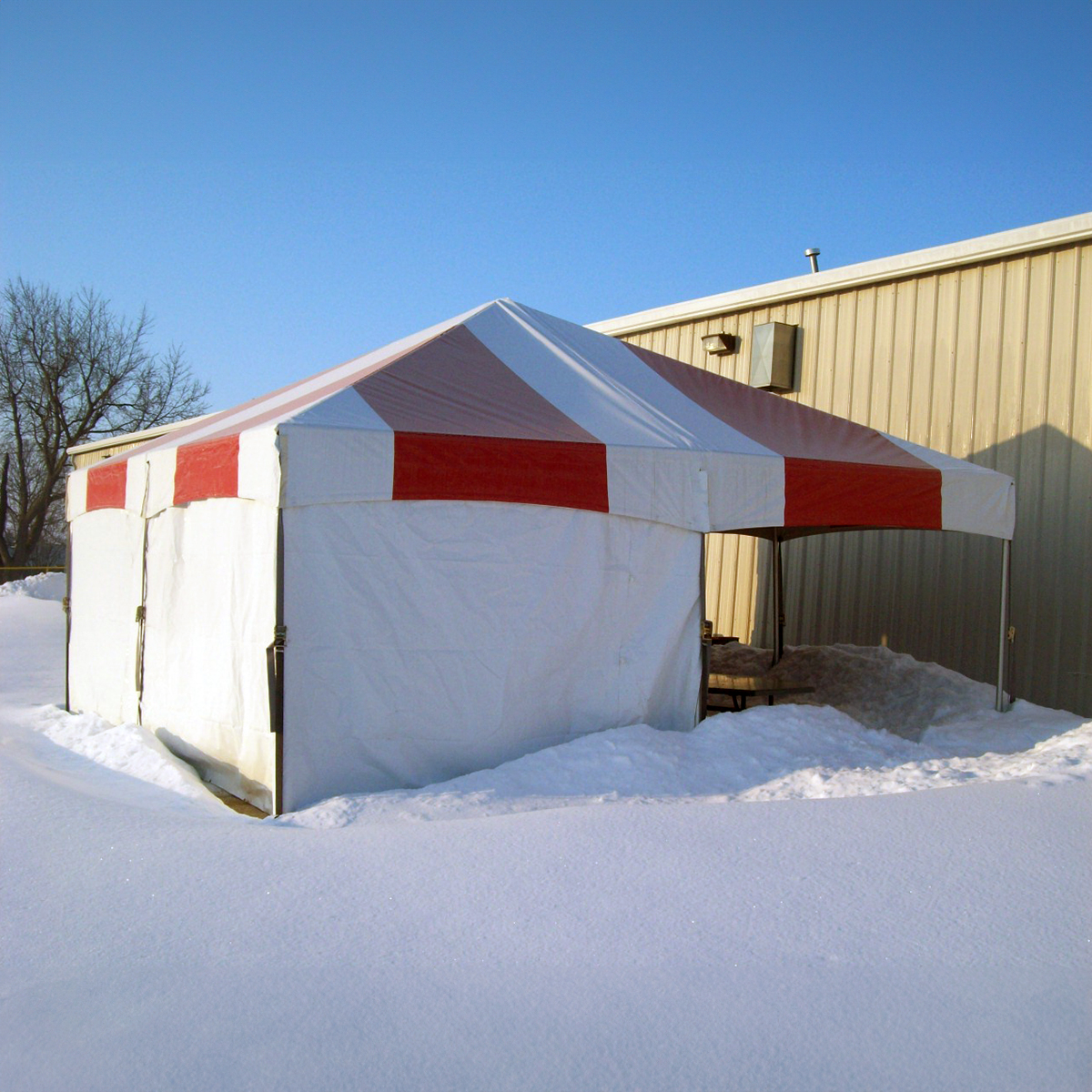
Sidewalls and heaters do not turn a standard event tent into a snow-rated structure.
A tent should only be used within the conditions, engineering, installation requirements, and limitations that apply to that specific product. CELINA's product support resources and installation manuals can help operators review product-specific requirements rather than assuming every tent can handle the same conditions.
For colder-weather installations, operators may need to consider:
- Structure engineering
- Wind conditions
- Snow-load requirements
- Heating
- Sidewalls
- Flooring
- Anchoring
- Power
- Weather monitoring
- Snow-management procedures
- Local permits and code requirements
If the equipment is not designed for the expected conditions, do not try to solve that problem by adding more heat or more sidewalls.
Think Beyond the Middle of Winter
There is also money in the edges of the season.
You may not be installing a traditional event tent during a heavy January snowstorm, but could sidewalls and appropriate climate accessories help you take more October jobs? Could they help a customer feel comfortable booking earlier in April? Extending the usable season by several weekends can matter.
You already paid for the tent. You already store it. You already train crews to install it.Every additional appropriate rental helps that equipment earn its spot in the warehouse.
3. Look Beyond Events for Commercial and Industrial Rentals
One of the biggest opportunities for a rental company with the right equipment is to stop thinking only about events.
A construction company does not care that wedding season is over. Neither does a business that needs temporary storage.
Commercial customers can need temporary covered space for:
- Equipment storage
- Material storage
- Construction projects
- Maintenance work
- Temporary warehouses
- Heated work areas
- Overflow storage
- Production space
- Crew areas
- Project staging
This is a different type of rental than a Saturday wedding.
A typical event tent may go up before the weekend and come back down a few days later. A commercial temporary structure may remain in place for weeks or months. That changes the conversation around utilization. Instead of looking only for more one-day events, you may be putting equipment on a longer-duration job with a completely different customer.
For CELINA, this is part of why commercial rental equipment goes well beyond party tents. We manufacture industrial structures and storage tent solutions for customers whose needs include events, commercial work, storage, and other applications. Different jobs require different structures, accessories, and engineering.
Your Older Inventory May Still Have a Job
Commercial work can also create another useful inventory question.
Rental companies often grade equipment by appearance. A bright, clean top may stay in the wedding inventory while a cosmetically worn top gets pushed farther back in the warehouse. That does not automatically mean the older top has stopped earning.
A construction or storage customer may care less about cosmetic appearance than a wedding customer does. If the top is still safe, serviceable, compatible, and appropriate for the application, there may be jobs where appearance is less important. That can help operators protect their best presentation-grade inventory for jobs where appearance affects what the customer is willing to pay.
The key word is serviceable.
There is a big difference between cosmetic wear and a top that no longer performs correctly. Sagging, coating failure, damaged attachment points, leaks, or other performance problems can signal that repair or replacement is the better decision. CELINA stocks replacement tent tops across multiple tent systems because the fabric is a working component, not just decoration.
Do not lower the safety standard because the job is less glamorous.
Match the condition of the inventory to the job, but retire or repair equipment when performance is compromised.
4. Make More From the Inventory You Already Own
Winter diversification does not always require buying another trailer full of equipment.
Before adding anything, look at what you already own and ask whether each rental is producing as much revenue as it could.
A tent-only order might also need:
- Sidewalls
- Tables
- Chairs
- Flooring
- Lighting
- Climate equipment
- Replacement or additional accessories
Adding useful equipment to an existing order can increase the value of that job without requiring another customer, another sales lead, or another trip across town.
That matters because rental revenue is not only about how many bookings are on the calendar.
It is also about:
- How often the inventory rents
- How much revenue each job produces
- How efficiently the crew delivers and installs it
CELINA's rental business guidance focuses on those same three factors: equipment utilization, average rental value, and operational efficiency.
That is the lens to use when considering winter inventory.
Do Not Buy Something Just Because the Warehouse Is Quiet
Slow season has a way of making new equipment look very attractive.
Before purchasing another product line, ask:
- How many customers requested it last season?
- Did you repeatedly subrent it?
- Could you book it before you buy it?
- How much warehouse space will it consume?
- Does it fit on trucks you already run?
- Will your existing crew know how to handle it?
- How many rentals will it need to pay for itself?
A rental product that earns good revenue but creates a second delivery route, takes up half a truck, needs special labor, and only rents twice a year may not be the opportunity it first appeared to be. We manufacture a broad range of commercial rental equipment because different markets need different tools, not because every rental company should own every product.
Buy for the Business You Actually Have
Start with proven customer demand. Consider how much revenue the equipment could produce, what it costs to deliver and maintain, and how often it is likely to rent. Expand when your bookings show you where the next gap is.
5. Use Winter to Build Next Season Before It Starts
Some northern markets are going to be quiet in winter no matter what you do.
That is not necessarily a problem.
The mistake is treating the slow season as dead time.
Busy season is not when you want to discover that three tops need replacement, your sidewall inventory is short, fittings are missing, or the tent you expected to use every weekend needs repairs. Winter gives you time to find those problems while there is still room to deal with them.
- Pull the tops.
- Inspect the sidewalls.
- Count the hardware.
- Check frames and fittings.
- Repair what can be repaired.
- Replace what cannot.
- Clean and reorganize the warehouse.
CELINA recommends turning off-season inspections into an inventory plan rather than simply making a list of problems and putting everything back into storage. Maintenance is only half of the opportunity.
Review What Actually Made Money
Before planning next year's purchases, look at this year's jobs.
- Which tent sizes were booked constantly?
- Which products sat in the warehouse?
- What did customers repeatedly ask for?
- What did you have to subrent?
- Which jobs required extra truck runs?
- Which equipment slowed the crew down?
- What kept getting damaged or lost?
- Where did you turn work away because you did not have enough inventory?
Those answers should shape next year's buying decisions.
If your 20-wide tent inventory was booked every weekend, there is your signal. If three customers asked about a product all year, that may not be enough evidence to fill a rack with it.Growing operators sometimes get caught looking at the biggest tent or newest product when the better purchase is another piece of boring inventory that already rents every week.
Follow the demand.
Sell Spring While It Is Still Winter
The warehouse may be quiet, but the sales pipeline does not have to be.
Winter is the time to:
- Contact last year's customers
- Reach out to venues and planners
- Quote recurring corporate work
- Start graduation tent campaigns
- Promote wedding tent inventory
- Follow up with previous inquiries
- Confirm annual events
- Take appropriate advance bookings and deposits
- Update photos and website content
- Build the next season's marketing calendar
Do that work in January and February, not when every phone line is busy in May.
The goal of winter is not necessarily to make January look like June.
It is to make the entire year stronger.
The Best Winter Strategy Starts With the Business You Already Have
There is no single winter revenue plan that works for every tent rental company.
A company in Minnesota is dealing with a different season than one in Texas. An operator with tables, chairs, staging, and a large commercial fleet has options that a startup with six frame tents does not. Start with what is already working.
If you have relationships with venues, follow those events indoors. If sidewalls and appropriate climate accessories can safely extend your shoulder season, package them. If you own structures suitable for commercial applications, start talking to construction and industrial customers. If the warehouse is full of underused equipment, improve utilization before buying more. And if winter really is quiet, use it to repair, sell, plan, and book the season ahead.
That is the manufacturer perspective we bring to rental equipment at CELINA.
A tent is not valuable because it is sitting clean and folded in a warehouse. Neither is a chair, sidewall, fitting, or replacement top. It earns its keep when the right equipment goes to the right job, comes back ready to work again, and keeps doing that throughout its useful life.
Winter is simply another part of that cycle.
Get Your Rental Inventory Ready for the Next Season
Whether you're replacing worn tent tops, adding tables and chairs, or expanding your commercial rental inventory, CELINA can help you explore equipment that fits your business and upcoming bookings.
Questions about equipment for your rental business? Call CELINA at 844-801-9588.
Frequently Asked Questions
How do tent rental companies make money in winter?
Tent rental companies can shift toward indoor event equipment, extend their shoulder season where conditions allow, serve commercial and industrial customers, increase revenue from existing inventory, and use the slow season to secure future bookings.
What rental equipment can stay busy during winter?
Tables, chairs, staging, pipe and drape, lighting, flooring, and other indoor event equipment can serve corporate, school, church, conference, holiday, and private events throughout colder months.
Can regular event tents be used in snow?
Do not assume a standard event tent is suitable for snow load. The specific structure, engineering, manufacturer instructions, site conditions, local codes, and weather requirements determine whether a structure is appropriate.
Should rental companies buy new inventory during the off-season?
Only when demand supports it. Review booking history, customer requests, subrental activity, storage, transportation, labor, and expected utilization before adding another product category.
What should a tent rental company do during a very slow winter?
Use the time to inspect and repair equipment, replace worn inventory, organize the warehouse, review the previous season's profitability, strengthen venue and planner relationships, and start booking spring and summer work.