



High-Peak vs. Traditional Frame Tents: What Should You Buy?
Last season, you had customers asking for different things.
One wanted a high-peak tent for a wedding. Another needed a long, covered space for a corporate event. A third wanted something that could fit into a tight event site.
Now it's the off-season, and you're reviewing your inventory before next year's bookings start coming in.
Should you add more high-peak tents? Invest in traditional frame tents? Or keep a mix of both?
Both styles can earn their place in a rental fleet, but they don't always serve the same jobs.
The right choice depends on what your customers are booking, how your crew handles installations, and which tent sizes make sense for your operation. Reviewing your booking history alongside a smarter inventory plan can help identify where new equipment will have the greatest impact.
Here's how high-peak and traditional frame tents compare.
What's the Difference Between High-Peak and Traditional Frame Tents?
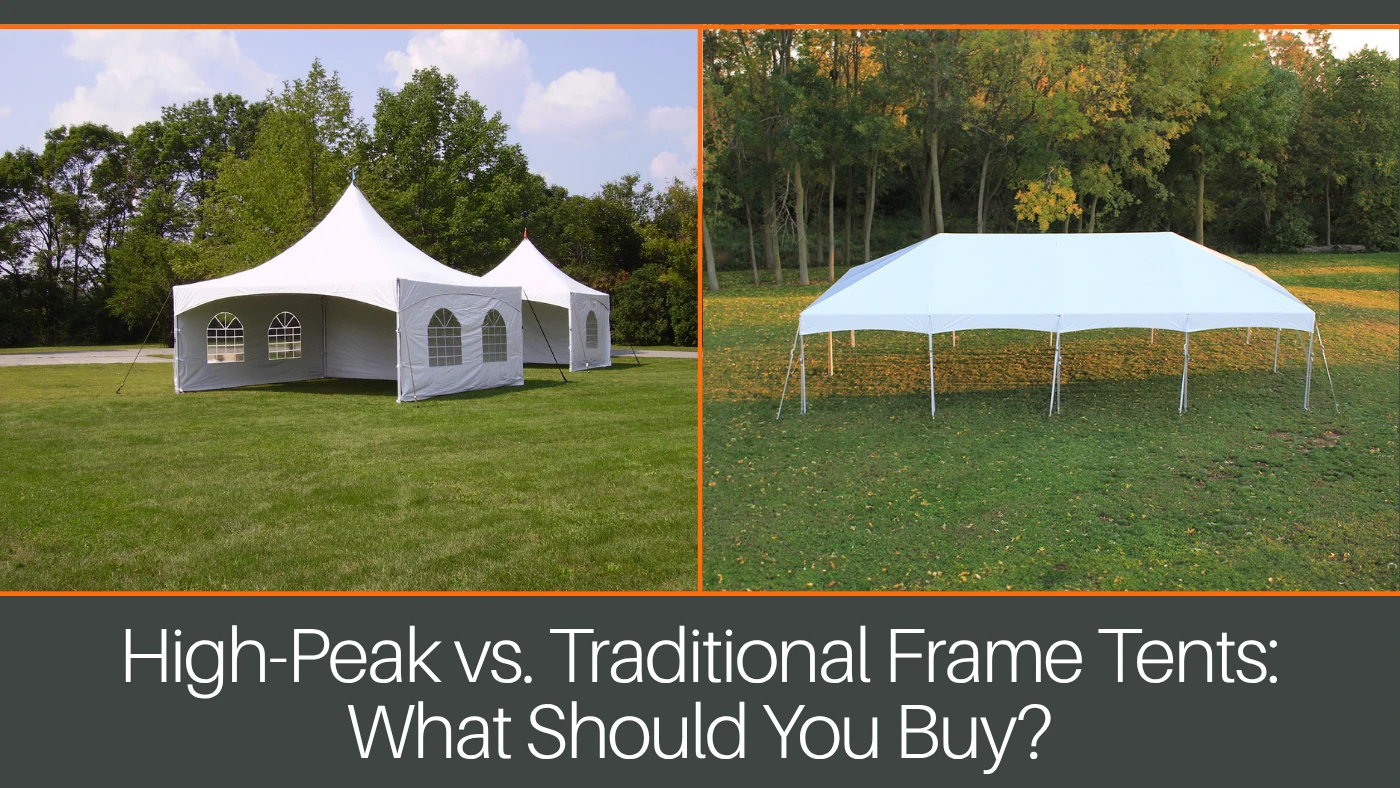
Both tent styles use a frame to support the fabric top. Unlike traditional pole tents, neither requires center poles extending to the ground in the covered interior.
The main difference is how they create their roof shape.
High-Peak Frame Tents

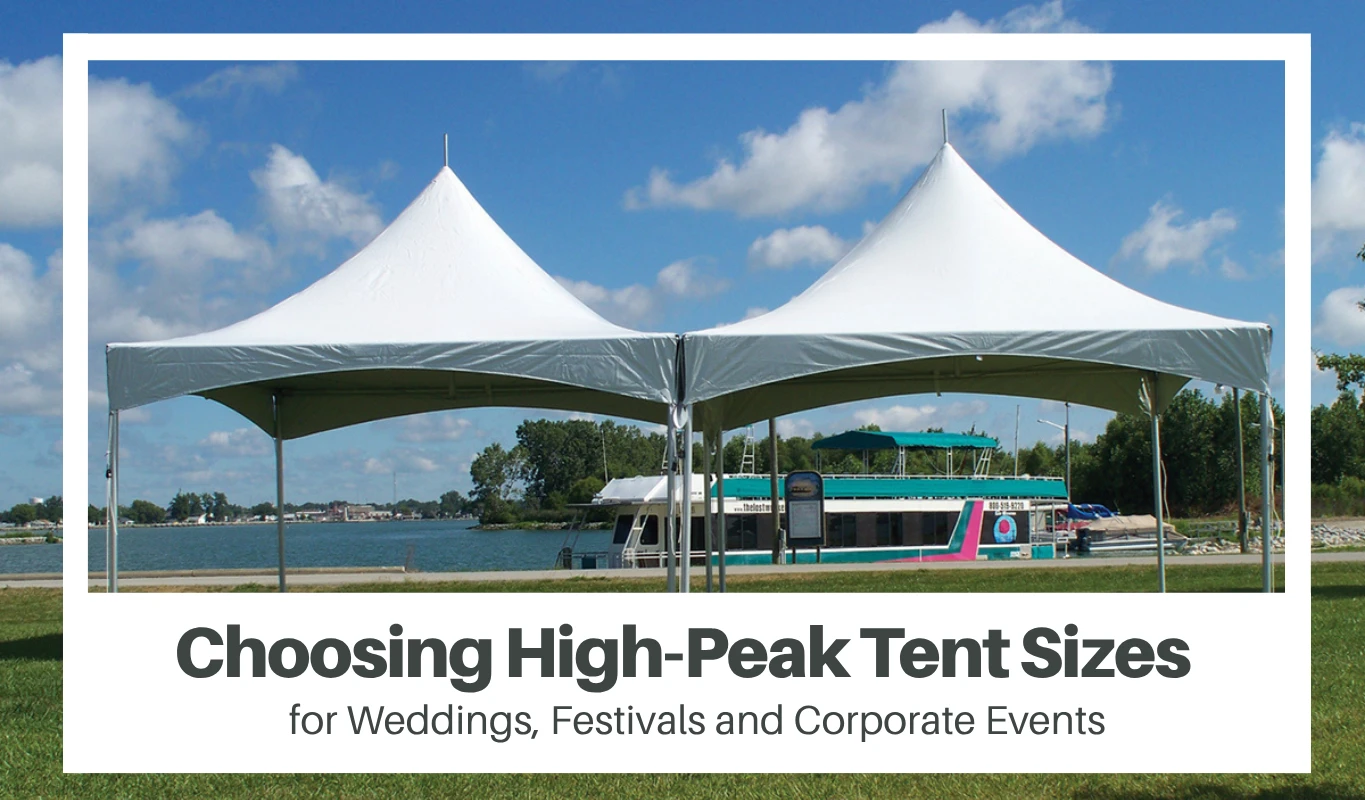
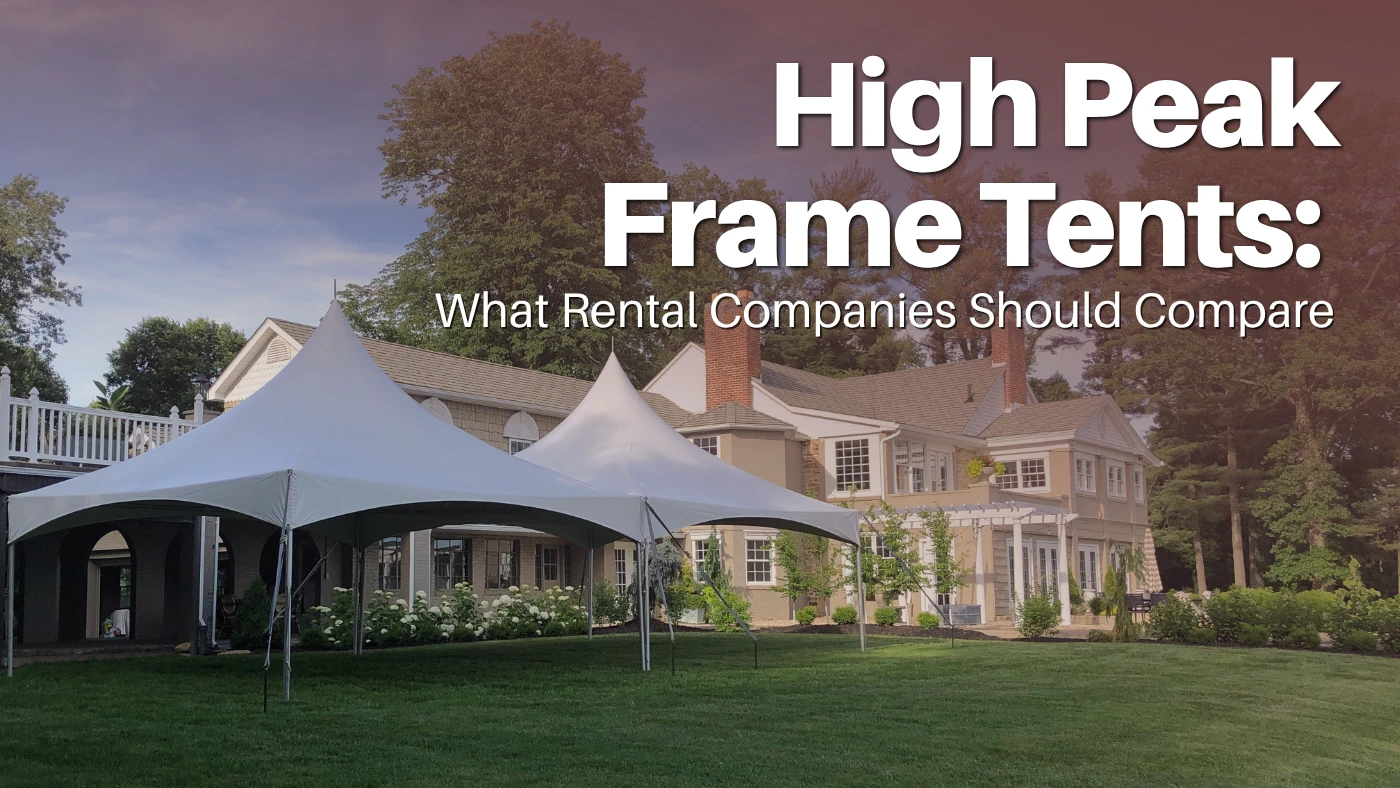
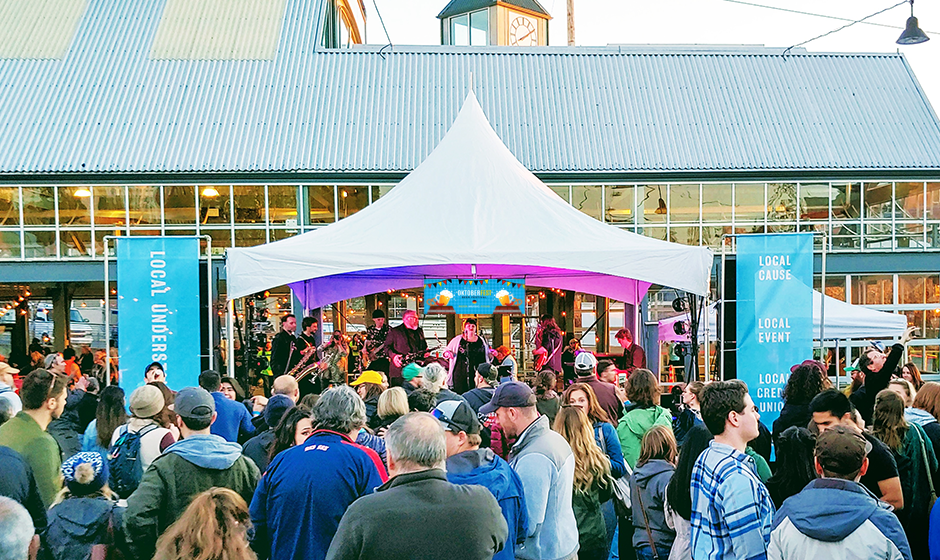
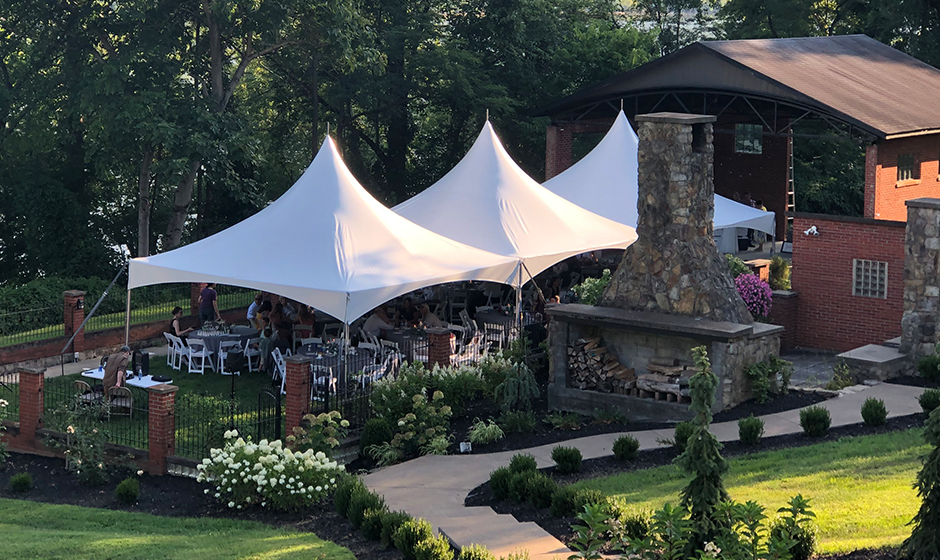
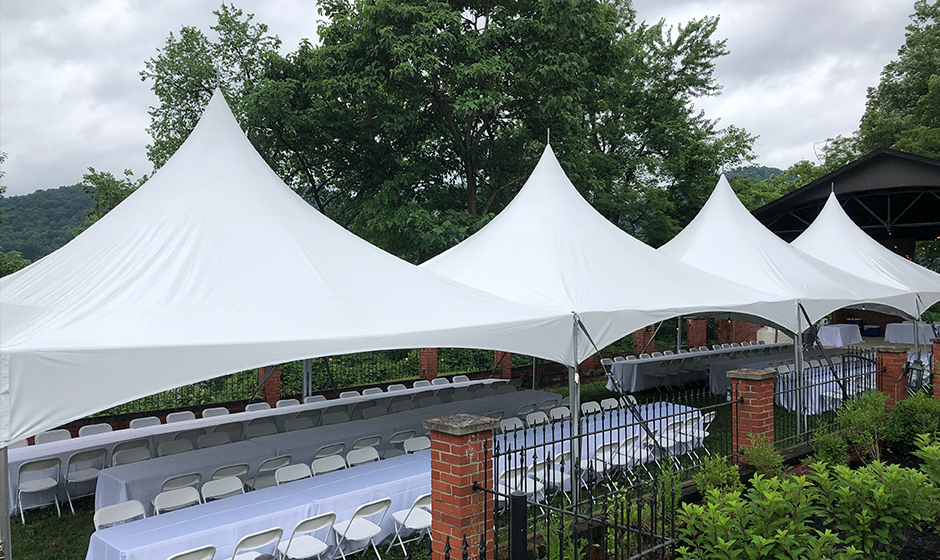
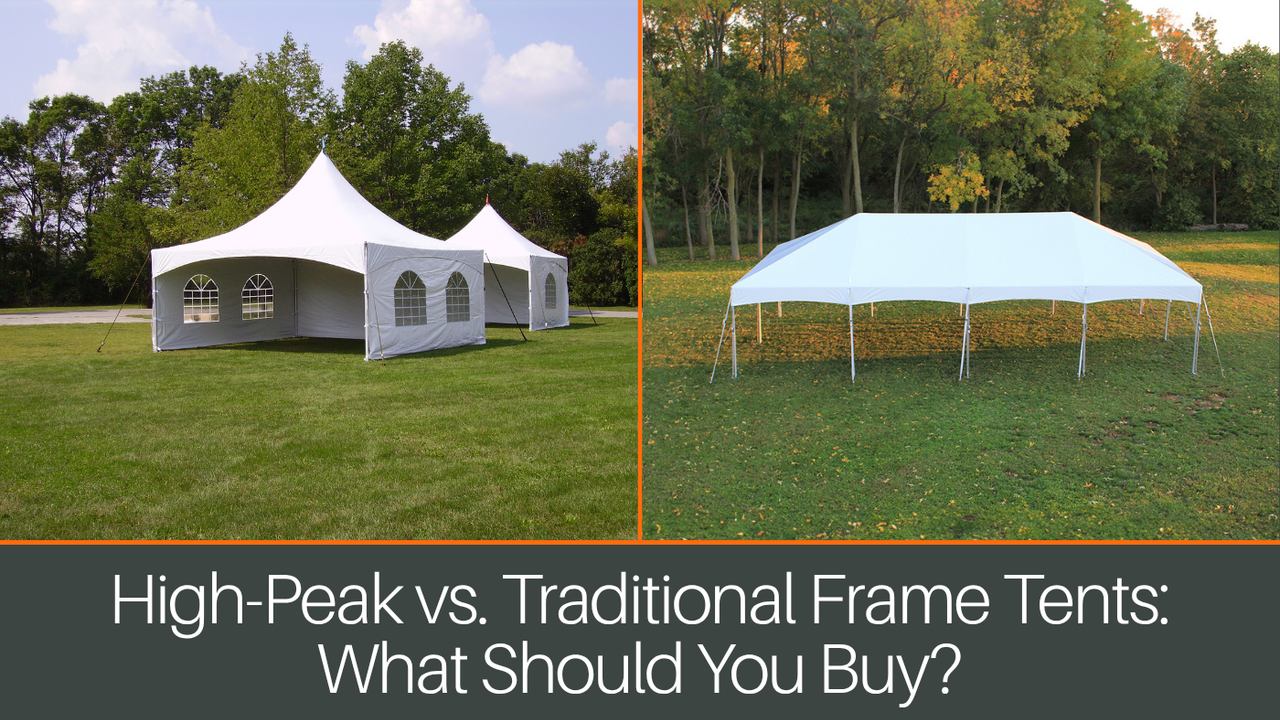
High-peak frame tents feature a raised center peak that creates a distinct, pointed roof.
CELINA's Pinnacle Series High Peak Frame Tents use a cross cable system to support the center mast.
The cables hold the mast above the open interior, creating the high-peak shape without a center pole on the ground.
If you're comparing different high-peak designs, it can also help to understand why event professionals choose high-peak tents for many outdoor events.
This style is often worth considering for:
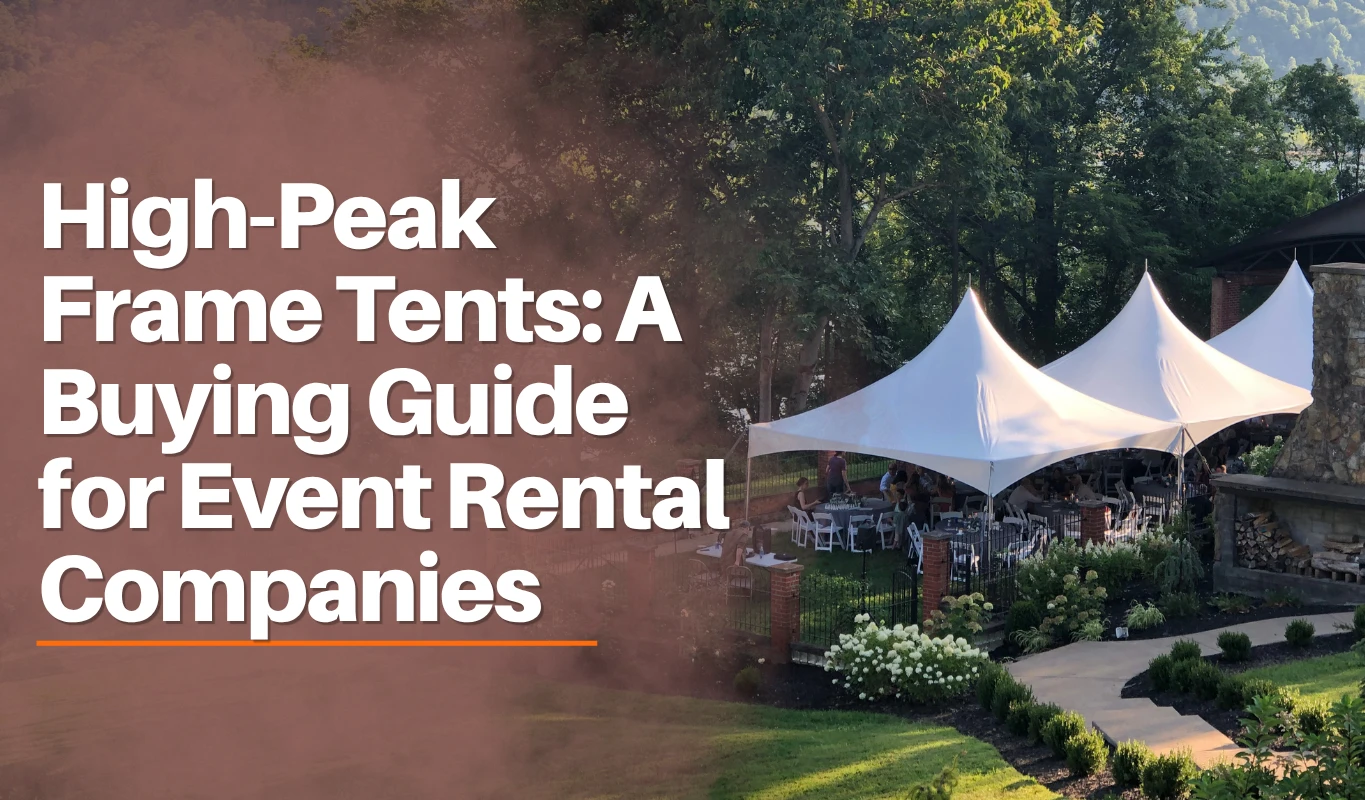
- Wedding ceremonies and receptions
- Corporate entrances and registration areas
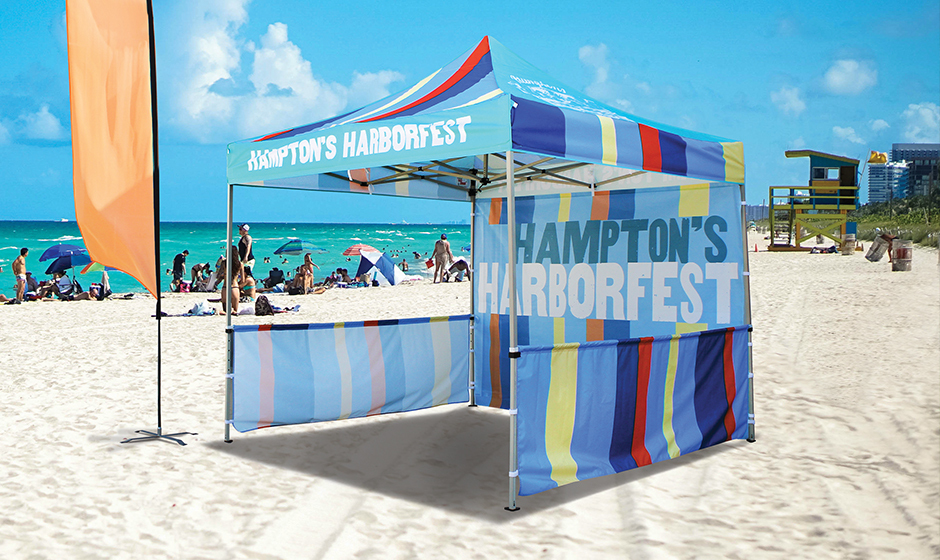
- Festival booths and vendor spaces
- Outdoor bars and catering stations
- Private parties and smaller gatherings
Traditional Frame Tents
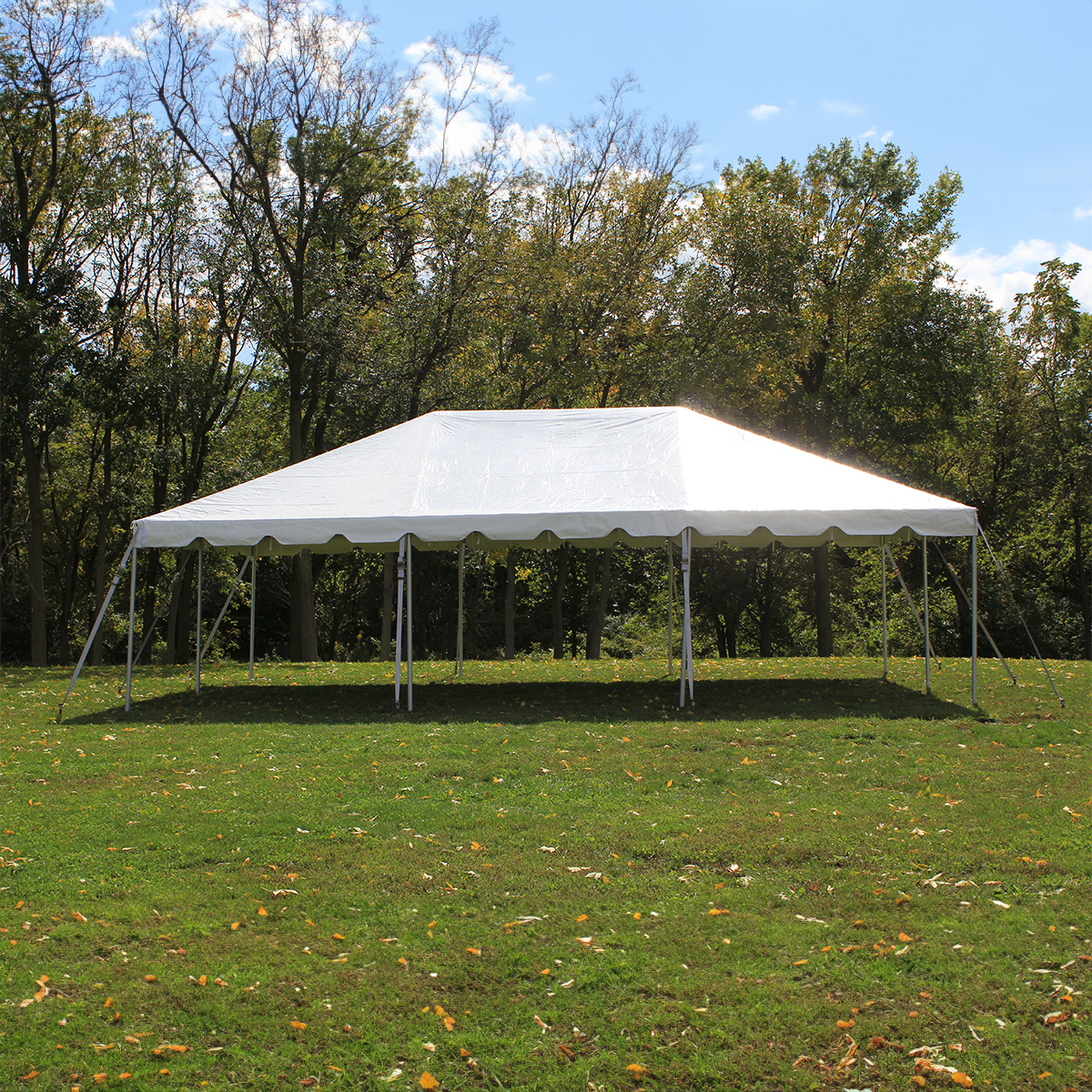
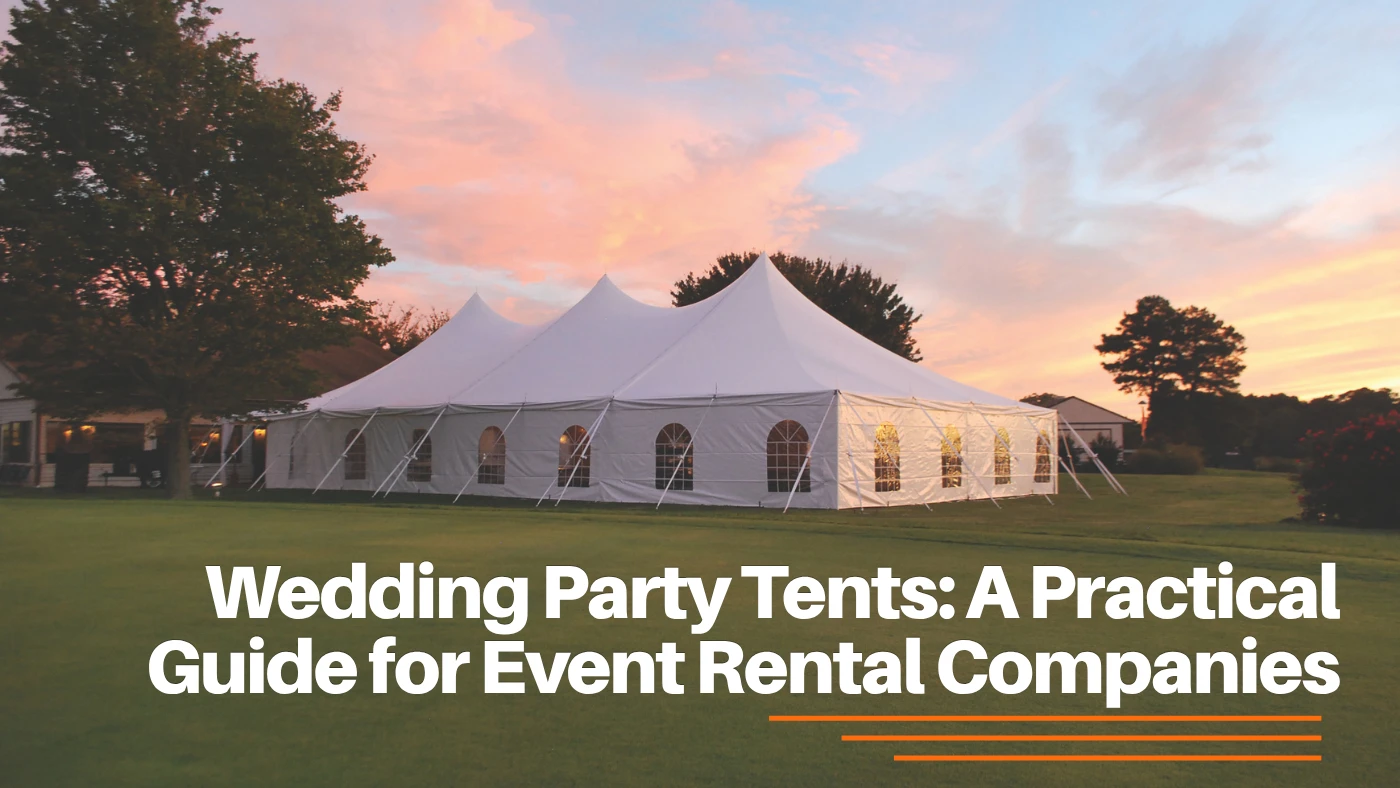
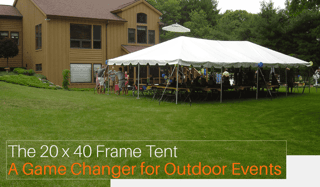
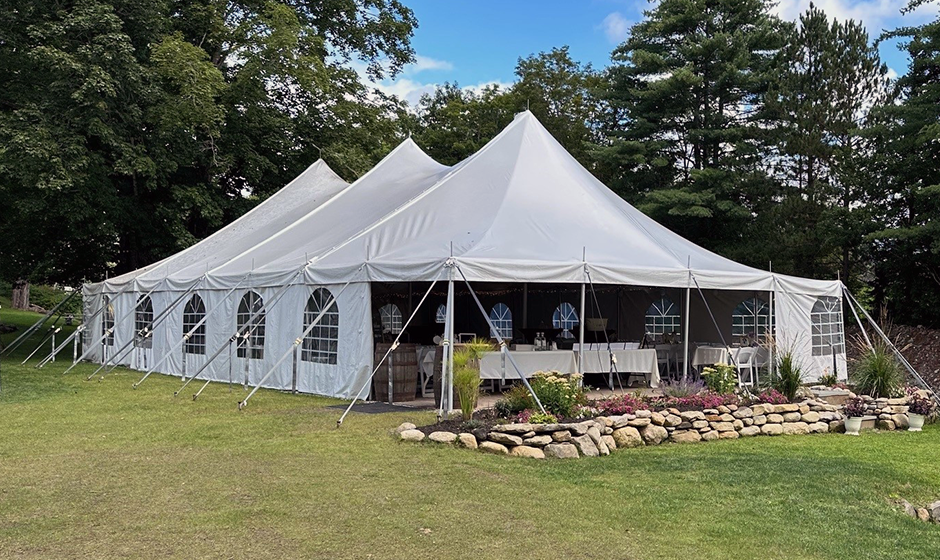
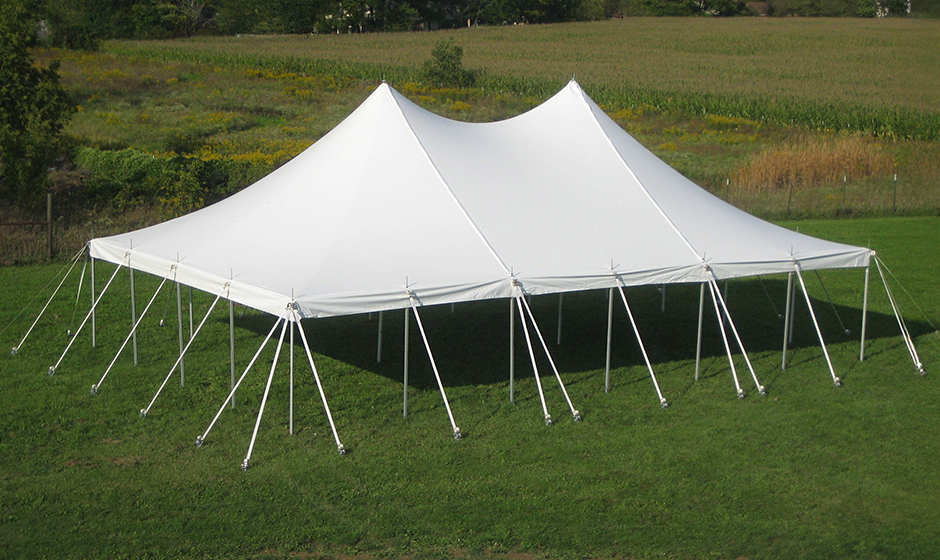
Traditional frame tents use a framework of tubing and fittings to support the top.
Depending on the model, they may have a gable-style or other roof profile rather than a single raised center peak.
They also provide open interior space without center poles.
CELINA offers a range of commercial frame tents designed for different event layouts and rental applications.
Rental companies often use traditional frame tents for:
- Larger wedding receptions
- Corporate functions
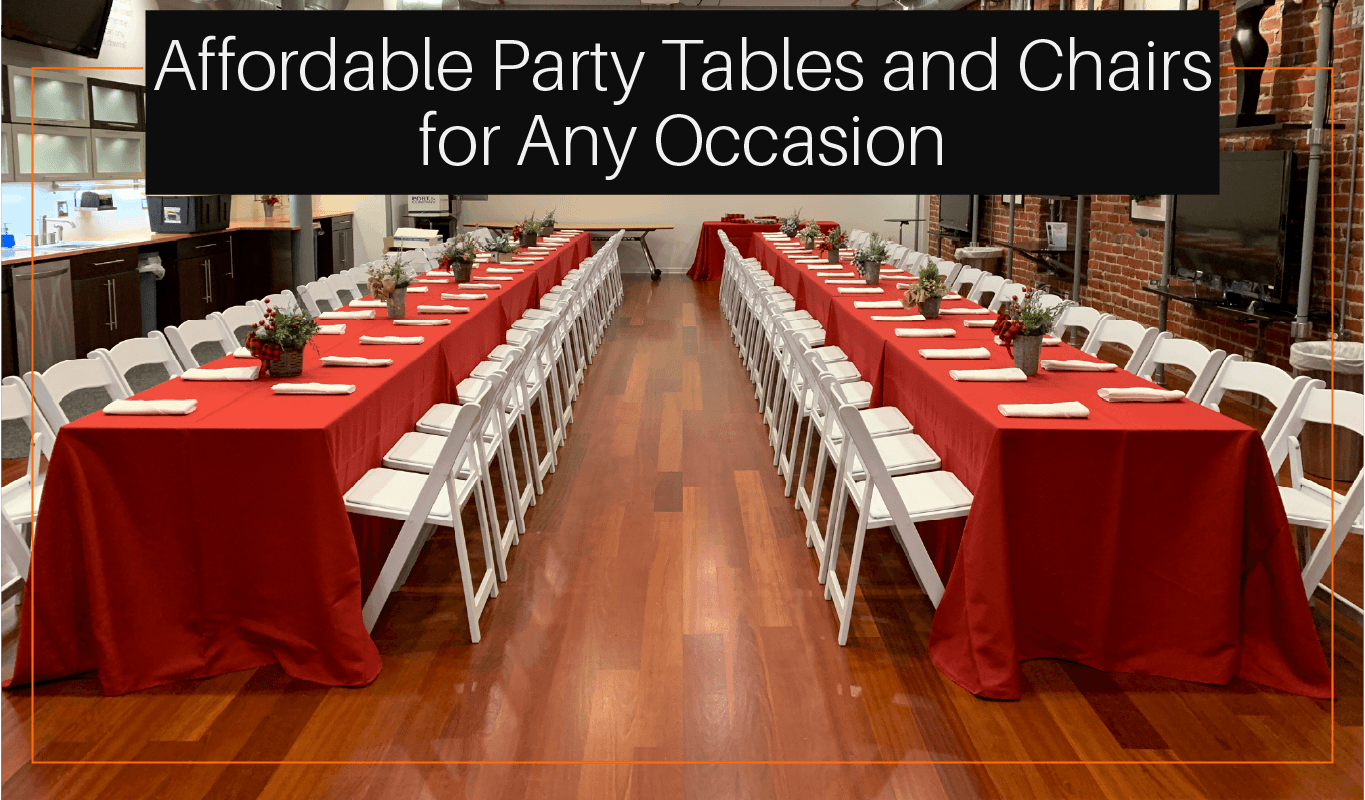
- Long dining layouts
- Festivals and community events
- Covered walkways and event areas
- Installations requiring connected tent sections
Neither style is automatically better.
The question is which one works best for the jobs you want to book.
Compare How Each Tent Fits Different Events
Before buying, think about how often you can realistically send each tent out.
A tent that looks great in your catalog still needs enough bookings to justify the warehouse space. Looking at how equipment matches your rental operation can help you avoid buying inventory that spends most of the year in storage.
Weddings: Appearance and Layout Both Matter
Wedding customers often care about how the tent looks in photographs.
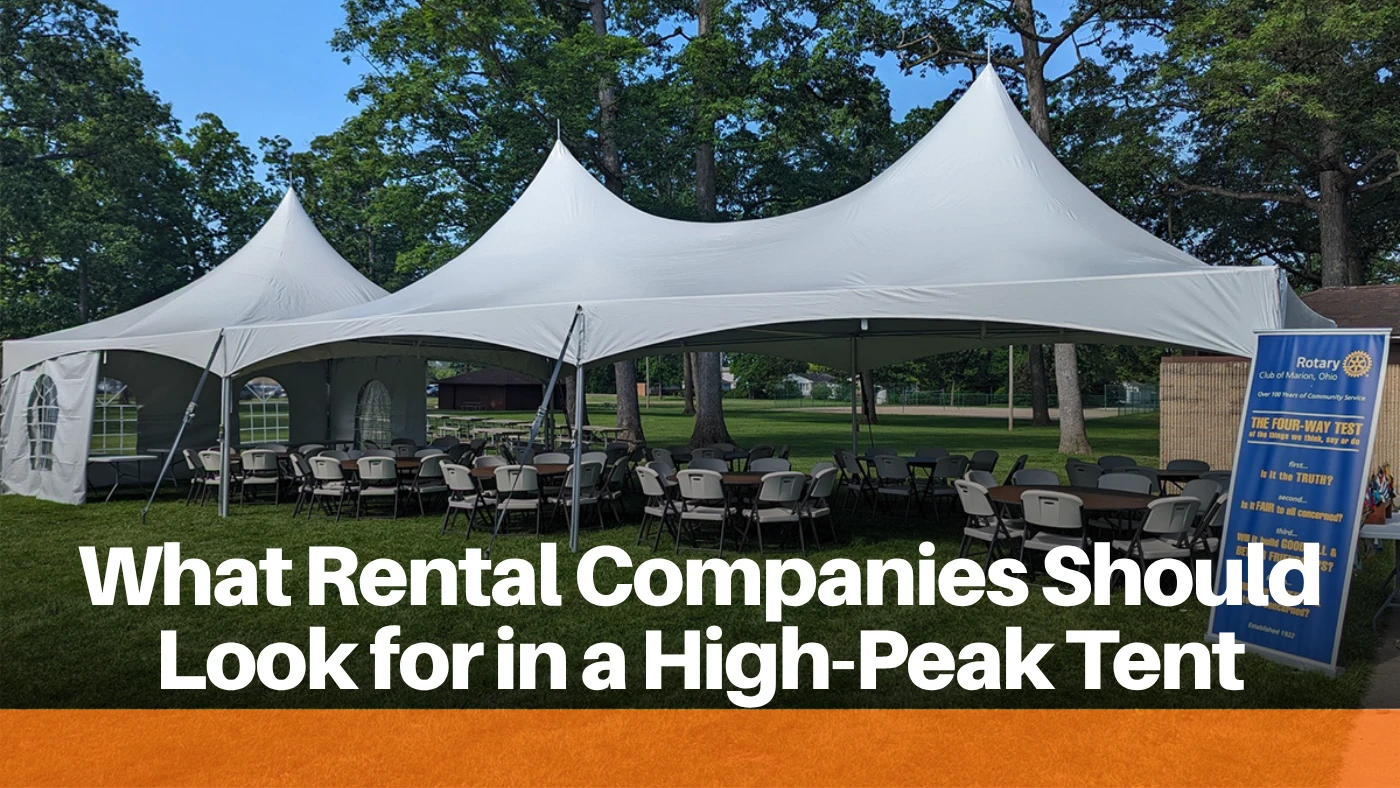
High-peak frame tents offer a raised roofline that can work well for ceremonies, cocktail areas, bars, and smaller receptions.
Traditional frame tents can also work well for weddings, particularly when the event requires a larger covered area or a specific floor plan.
For rental companies, the decision comes down to what customers request and how much usable space they need.
A high-peak tent may be the right choice for a wedding bar.
A traditional frame tent may make more sense for a long reception layout with dining tables, a dance floor, and catering areas.
If you're comparing layouts for different venues, you may also find our guide to frame tents versus pole tents helpful.
Festivals: Think About Repeated Setups
Festival jobs often involve multiple tents.
You might be supplying vendor booths, ticketing stations, merchandise areas, and food service spaces.
High-peak tents can work well for individual stations, especially when customers want a consistent appearance across several locations.
Traditional frame tents may suit larger shared spaces or layouts requiring extended coverage.
For either style, consider how many tents your crew must install, how far apart the sites are, and how much equipment fits on the truck.
Corporate Events: Match the Tent to the Job
Corporate bookings can involve anything from a small registration tent to a large outdoor gathering.
High-peak tents can provide a distinct entrance or separate activity area.
Traditional frame tents may be more practical when the customer needs a longer covered footprint or a large seating arrangement.
Rather than choosing one style for every corporate event, look at the layouts your clients request most often.
What Does Setup Look Like for Your Crew?
A tent purchase affects more than your rental catalog.
It affects the people loading the truck, assembling the frame, securing the top, and taking everything down after the event.
That's why setup should be part of the comparison.
High-Peak Frame Tent Setup
Cross cable high-peak tents use cables to support the raised center mast.
Depending on the size and design, this can reduce the number of frame components compared with some conventional frame systems.
For crews that install the same sizes regularly, a familiar setup process may help with scheduling.
However, larger high-peak tents still require proper planning, anchoring, and trained installers.
Before installation, review the manufacturer's instructions and ensure all required tent anchors and hardware are available.
Traditional Frame Tent Setup
Traditional frame tents typically use a system of tubing and fittings to form the roof structure.
Some configurations require more individual frame pieces than cross cable designs.
That doesn't necessarily make them the wrong choice.
If your crew already knows the system and your warehouse stocks compatible parts, sticking with a familiar frame tent may be more practical than switching equipment.
Don't Compare Setup Time Without Considering the Site
Crew experience, tent size, ground conditions, anchoring, and access all affect installation.
A tent that installs quickly on an open grass field may require a different plan on pavement or at a site with limited truck access.
Before buying either style, review the manufacturer's installation instructions and recommended crew requirements. You can also browse CELINA's instruction manuals to better understand installation procedures before investing in new equipment.
Consider the Space Underneath the Tent
Both high-peak and traditional frame tents provide open interiors without ground-level center poles.
That gives rental companies flexibility when planning layouts.
However, the roof shape and available dimensions can affect how the tent is used.
High-Peak Tents for Separate Event Areas
High-peak tents can work well when an event needs several smaller covered spaces.
For example, a wedding might use separate tents for the ceremony entrance, bar, and catering station.
A festival could use matching high-peak tents for vendor booths and registration areas.
These layouts may allow you to rent several smaller units for one event.
Many rental companies pair high-peak tents with tent sidewalls, lighting, and other accessories to create dedicated spaces for different event functions.
Traditional Frame Tents for Larger Layouts
Traditional frame tents are worth considering when customers need longer or larger covered spaces.
They can be useful for rows of dining tables, corporate seating, or connected event areas.
The available configurations depend on the specific tent system.
If your rental business regularly handles large receptions or corporate functions, traditional frame inventory may still be essential.
Compare the Full Cost, Not Just the Tent Price
When you're buying equipment during the off-season, it's tempting to compare prices and choose the lower number.
But the purchase price doesn't tell you everything.
Look at the complete cost of putting each tent into rental service.
That includes:
- Tent top and frame
- Required anchoring equipment
- Additional accessories
- Freight and delivery
- Storage requirements
- Crew training
- Maintenance and replacement parts
A lower-priced tent may cost more once you add the equipment required for your typical jobs.
And a more expensive tent doesn't automatically provide better value if customers rarely request it.
Calculate the Cost Against Expected Bookings
Look at what you charged for similar rentals last season.
Then estimate how many bookings the new tent could realistically receive.
Subtract the direct costs of labor, delivery, setup, tear down, and other job expenses.
That gives you a better picture of how much each rental contributes toward recovering the purchase cost.
If the numbers don't work, the tent may not be the right investment yet.
For more guidance on comparing long-term ownership costs, read CELINA's Commercial Event Tents: The Complete Buyer's Guide. You can also review available installment plans if you're planning equipment purchases before peak season.
What About Storage and Replacement Parts?
Think about what happens after the event.
The crew returns to the warehouse.
The top needs cleaning. Frame components need checking. Stakes, fittings, and other parts need to go back into storage.
Both high-peak and traditional frame tents require maintenance and organized inventory.
But the parts aren't necessarily interchangeable.
Know What You Already Own
If you already have a large collection of traditional frame tents, adding more compatible inventory may simplify parts management.
Your crew knows the system, and you may already stock some of the required components.
If you're building a high-peak inventory, standardizing around a specific series can also help you manage replacement parts and setup procedures.
Many rental companies also review their most frequently replaced rental items before expanding inventory to reduce downtime during busy months.
Check Parts Availability Before Ordering
Ask whether you can purchase individual tops, fittings, frame components, cables, and anchoring equipment.
CELINA offers tent parts and accessories for supported tent systems.
Confirm compatibility with the exact model and size before ordering replacements.
You don't want to discover during busy season that a missing component is difficult to source.
Keeping commonly used replacement components on hand can help reduce delays when equipment returns from a busy weekend needing repairs.
Should You Keep Both Styles in Your Rental Fleet?
For some rental companies, the answer is yes.
High-peak and traditional frame tents can serve different customer requests.
A mixed fleet may allow you to quote more types of events without forcing every job into the same tent configuration.
But adding a new style also means adding another set of parts, setup procedures, and storage requirements.
Before expanding, ask:
- Did customers request both styles last season?
- Which tent sizes were booked most often?
- Did you lose jobs because you lacked a particular style?
- Can your crew handle both systems?
- Will you need additional accessories or replacement parts?
- Can the expected bookings justify the purchase?
If you already have steady demand for both styles, a mixed fleet may make sense.
If you're still building your business, focusing on the tents you can rent most consistently may be the better decision. Reviewing when event rental companies typically expand their tent inventory can help guide that decision.
Use Winter to Decide What Next Season Needs
The slower months give you time to review your rental history without making rushed purchases.
Look at the jobs you completed.
Look at the requests you couldn't fulfill.
Check which tent sizes went out most often and which ones spent more time in the warehouse.
Then compare high-peak and traditional frame tents against those numbers.
You may find that adding several smaller high-peak tents would help you serve more wedding and festival bookings.
Or you may discover that a larger traditional frame tent would allow you to take on the corporate jobs you had to turn away.
You might even find that repairing your existing inventory makes more sense than buying anything new.
Before making purchasing decisions, it's worth reviewing what to check before the rental season starts and following a structured maintenance plan.
The right purchase should solve a real problem in your rental operation.
Choose the Tent That Fits Your Bookings
High-peak frame tents and traditional frame tents both have a place in the event rental industry.
High-peak tents offer a raised roofline and flexible options for weddings, festivals, and smaller event spaces.
Traditional frame tents can be useful for larger layouts, extended coverage, and jobs where their available configurations fit the site.
Neither style is the right answer for every rental company.
Before buying, compare the jobs you want to book, the crew you have, the equipment you already own, and the cost of putting the tent into service.
To continue comparing tent styles, you may also find these guides helpful: Frame Tent vs. Pole Tent, What Is a Tent Frame?, and Why Choose High-Peak Tents for Events?.
Ready to Choose the Right Tent for Your Rental Fleet?
Compare CELINA's commercial-grade high-peak and traditional frame tents to find the best fit for your rental inventory, event types, and long-term business goals.
Frequently Asked Questions
Which Frame Tent Do Event Rental Companies Usually Choose for Marquees?
The choice depends on the marquee's size, layout, and intended use. Traditional frame tents are worth considering for larger or longer covered spaces, while high-peak frame tents may suit smaller standalone event areas. Rental companies should compare available configurations, installation requirements, and customer demand before choosing.
Which High-Peak Frame Tents Work Best for Wedding Rentals?
High-peak frame tents with open interiors are useful for wedding bars, ceremony areas, cocktail spaces, and smaller receptions. CELINA's Pinnacle Series offers several sizes, allowing rental companies to match the tent to the wedding layout and available site space.
What Causes Issues Installing Large Frame Tents for Weddings?
Common challenges include limited site access, uneven ground, unsuitable anchoring conditions, insufficient crew, missing components, and poor installation planning. Larger tents also require careful attention to the manufacturer's instructions and site-specific requirements.
Are High-Peak Frame Tents Easier to Install Than Traditional Frame Tents?
Some cross cable high-peak designs use fewer frame components than conventional frame systems. However, that doesn't guarantee a faster installation. Tent size, crew experience, site conditions, and anchoring requirements all affect setup time.
Can High-Peak and Traditional Frame Tents Be Used Together?
Yes. Rental companies often use both styles across different event areas. However, components from different tent systems should not be assumed interchangeable. Each tent must be installed and anchored according to the manufacturer's requirements.