



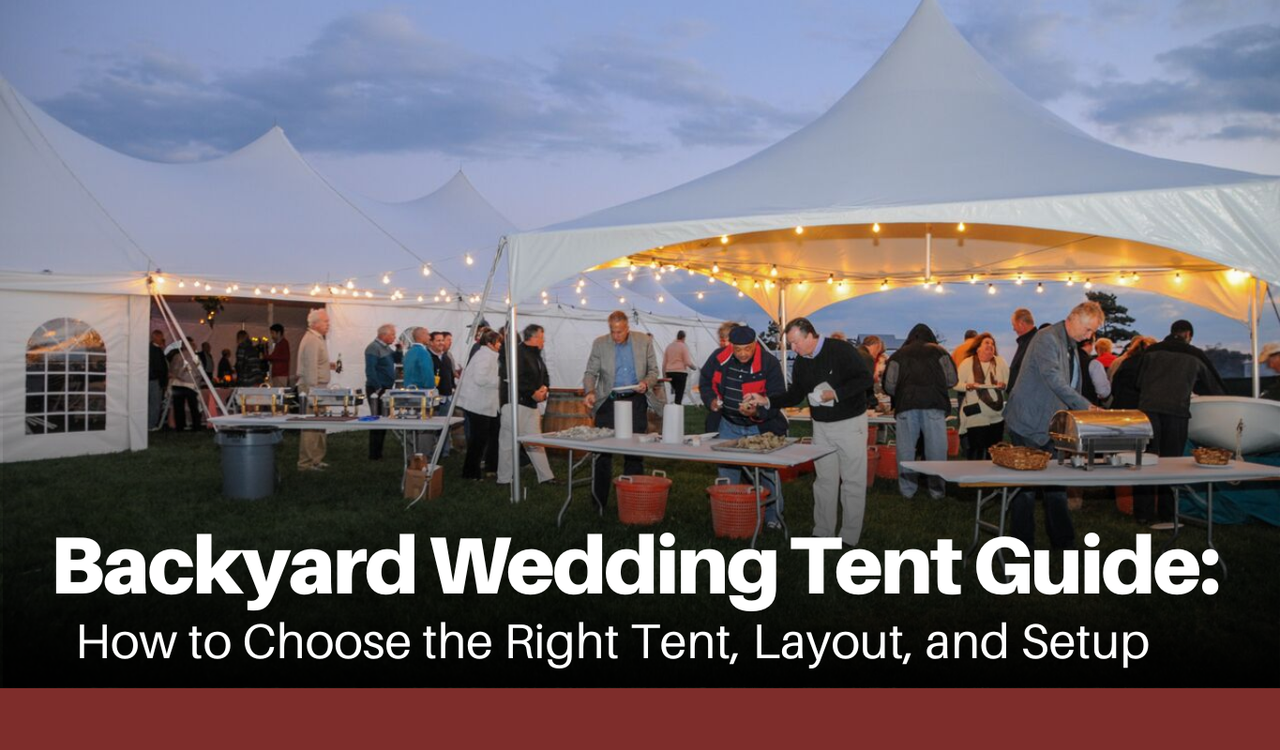
Backyard Wedding Tent Guide: How to Choose the Right Tent, Layout, and Setup
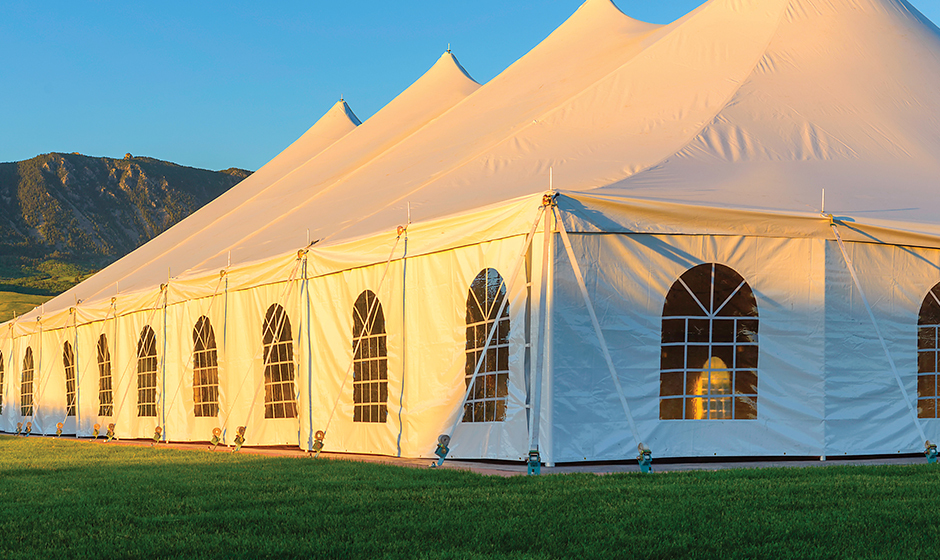
Planning the right backyard wedding tent is one of the biggest decisions you’ll make when organizing an outdoor wedding. A backyard wedding tent affects everything from guest comfort and layout flow to lighting, flooring, catering space, weather protection, and overall atmosphere. The right setup can transform a private backyard into a beautiful wedding venue that feels polished, welcoming, and memorable.
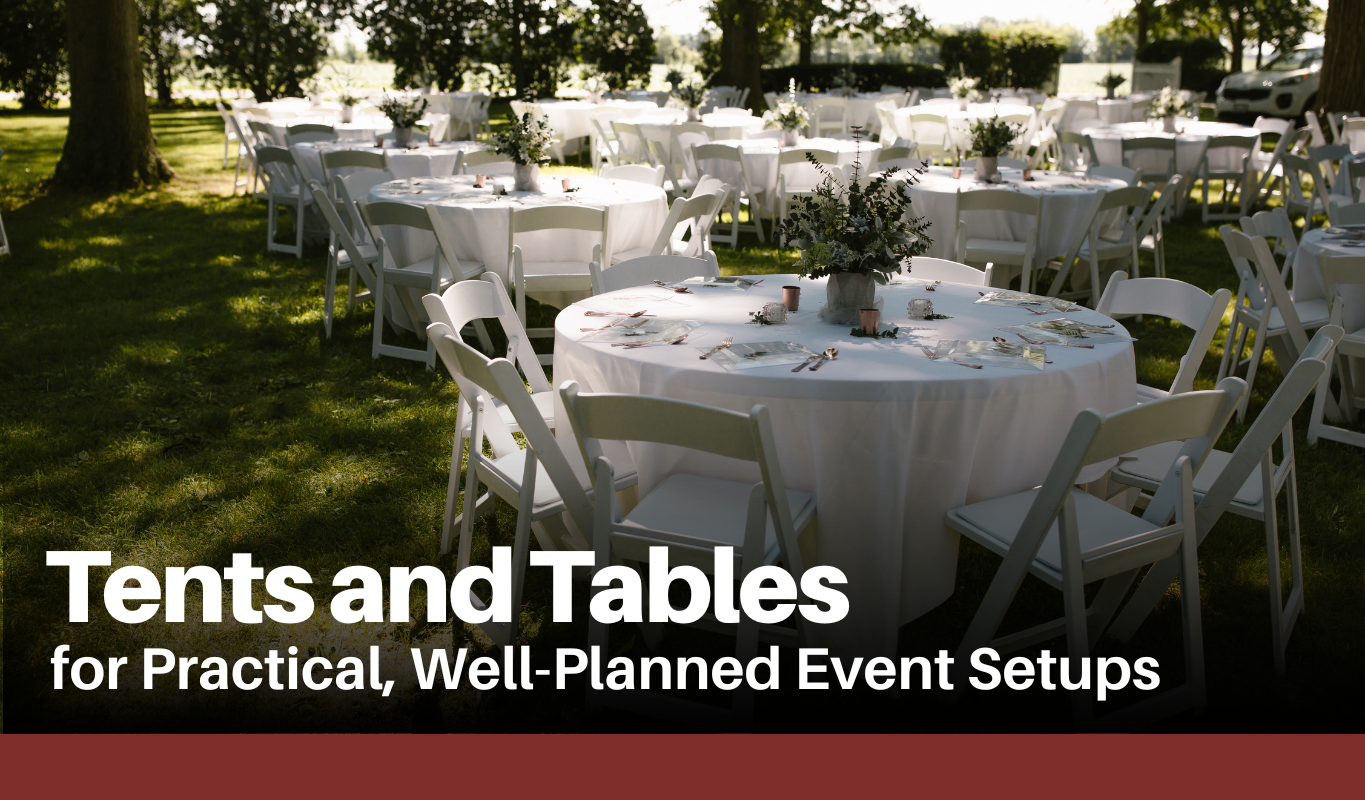
Backyard weddings continue to grow in popularity because they feel more personal, flexible, and customizable than many traditional venues. Some couples want a small family gathering under string lights, while others envision a large reception with elegant décor, lounge seating, dance floors, and full catering setups. No matter the size or style, the backyard wedding tent usually becomes the centerpiece that ties the entire event together.
One of the biggest misconceptions about tented weddings is that the tent only matters if it rains.
In reality, your backyard wedding tent shapes nearly every part of the guest experience. It defines the layout, creates flow between spaces, protects guests from changing weather, and helps the event feel intentional instead of temporary.
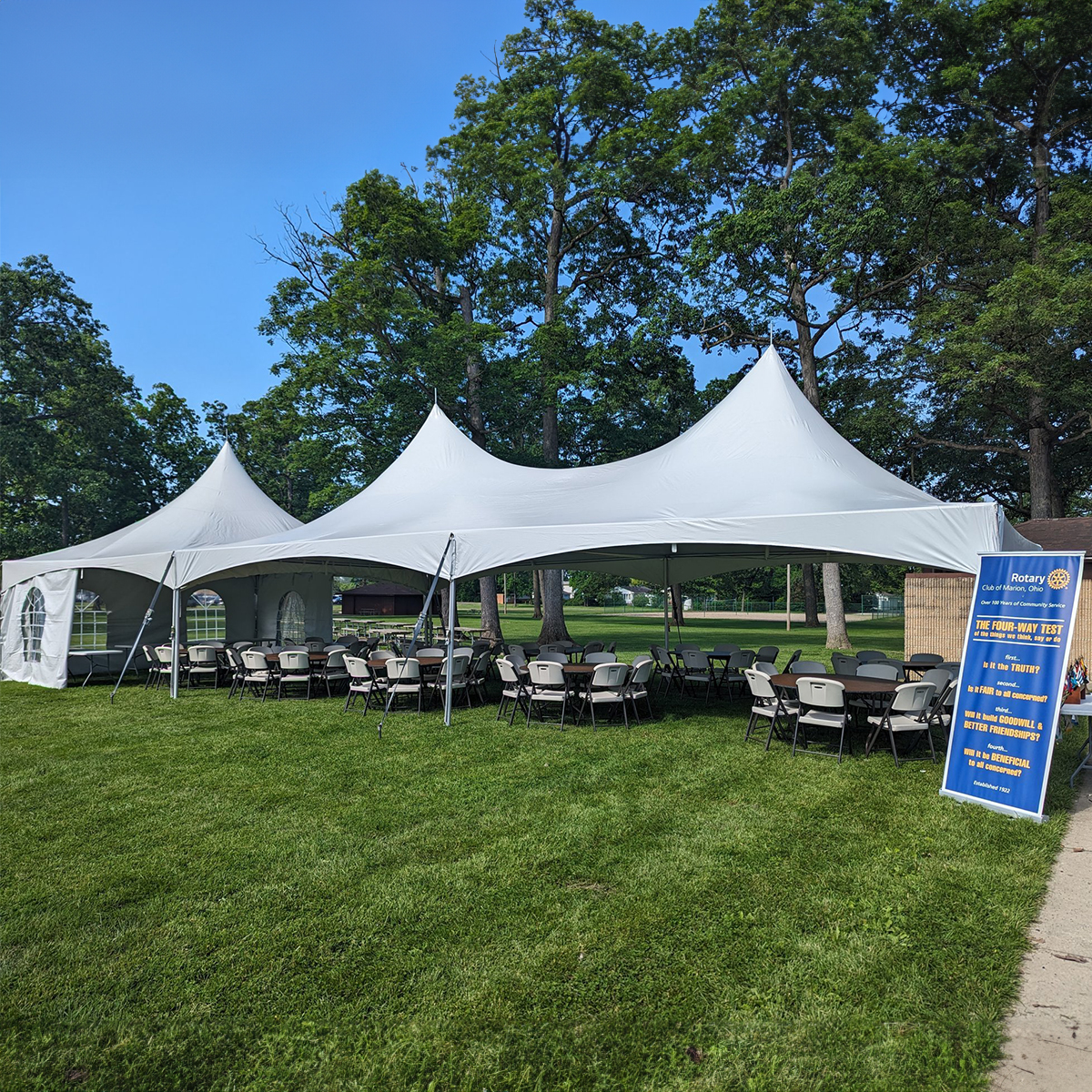
With the right planning, a backyard tent wedding can feel just as beautiful and organized as a high-end venue wedding — sometimes even more memorable because of the personal atmosphere it creates.
Not Sure Which Tent Is Right for Your Event?
Our team has helped thousands of customers choose the right tent, layout, and accessories for events of every size. Whether you're planning a wedding, festival, corporate event, or building your rental inventory, we're here to help.
Friendly Advice • No Pressure • Commercial-Grade Event Experts
Table of Contents
- How to Determine the Right Backyard Wedding Tent Size
- Types of Backyard Wedding Tents Explained
- How to Measure Your Backyard for a Wedding Tent
- Backyard Wedding Tent Layout Ideas
- Backyard Wedding Tent Flooring Options
- Lighting Ideas for Backyard Wedding Tents
- Climate Control for Backyard Wedding Tents
- Backyard Wedding Tent Décor Ideas
- Backyard Wedding Logistics Most Couples Forget
- Backyard Wedding Tent Cost Breakdown
- Backyard Wedding Tent Setup Timeline
- Questions to Ask Before Renting a Backyard Wedding Tent
- Real Backyard Wedding Tent Setup Examples
- Frequently Asked Questions About Backyard Wedding Tents
How to Determine the Right Backyard Wedding Tent Size
A backyard wedding tent does far more than provide overhead coverage. It creates the structure that supports the entire guest experience.
Without a tent, outdoor weddings can feel disconnected and vulnerable to weather changes. Guests may struggle with sun exposure, wind, uneven ground, or temperature swings. Vendors may have difficulty protecting equipment, food service stations, and décor installations.
A well-planned tent gives the whole wedding structure and flow while turning an ordinary backyard into a space that actually feels like a real venue.
Weather Protection
Weather is the most obvious reason couples rent wedding tents, but protection goes beyond rain.
A tent shields guests from direct sunlight during daytime ceremonies, protects catering stations from heat, and provides cover during sudden weather changes. Even on mild days, weather conditions can shift quickly during a long wedding timeline.
Sidewalls, flooring, heaters, and fans can all be added to adapt the tent for changing conditions. Severe weather planning is especially important for outdoor events, particularly in areas prone to storms or high winds, and FEMA recommends preparing ahead for changing weather conditions during outdoor gatherings.
The key advantage is flexibility. Instead of scrambling to react to the weather, couples can plan proactively and keep guests comfortable throughout the event.
Guest Comfort
Comfort directly affects how long guests stay, socialize, dance, and enjoy the celebration.
If guests are too hot, too cold, crowded together, or stuck standing in direct sun, they’ll notice that more than the wedding itself. Comfortable guests stay longer, dance more, and enjoy the night a whole lot more.
A tent allows couples to create shaded dining areas, organized seating sections, airflow management, and designated gathering spaces. It also creates psychological comfort by making the event feel intentional and protected.
Even simple additions like sidewalls, lighting, flooring, and fans dramatically improve the overall atmosphere.
Defining the Event Space
Open backyards often lack structure.
Without clear boundaries, guests may feel unsure where to gather, where the reception begins, or how the event flows from one activity to another.
A tent visually defines the wedding space. It creates a focal point that organizes dining, dancing, speeches, and socializing into one cohesive environment.
This is especially important for larger guest counts where organization becomes critical.
Creating a True “Venue” Atmosphere
One of the biggest challenges with backyard weddings is making the event feel elevated rather than casual.
A tent instantly transforms a residential property into an event environment.
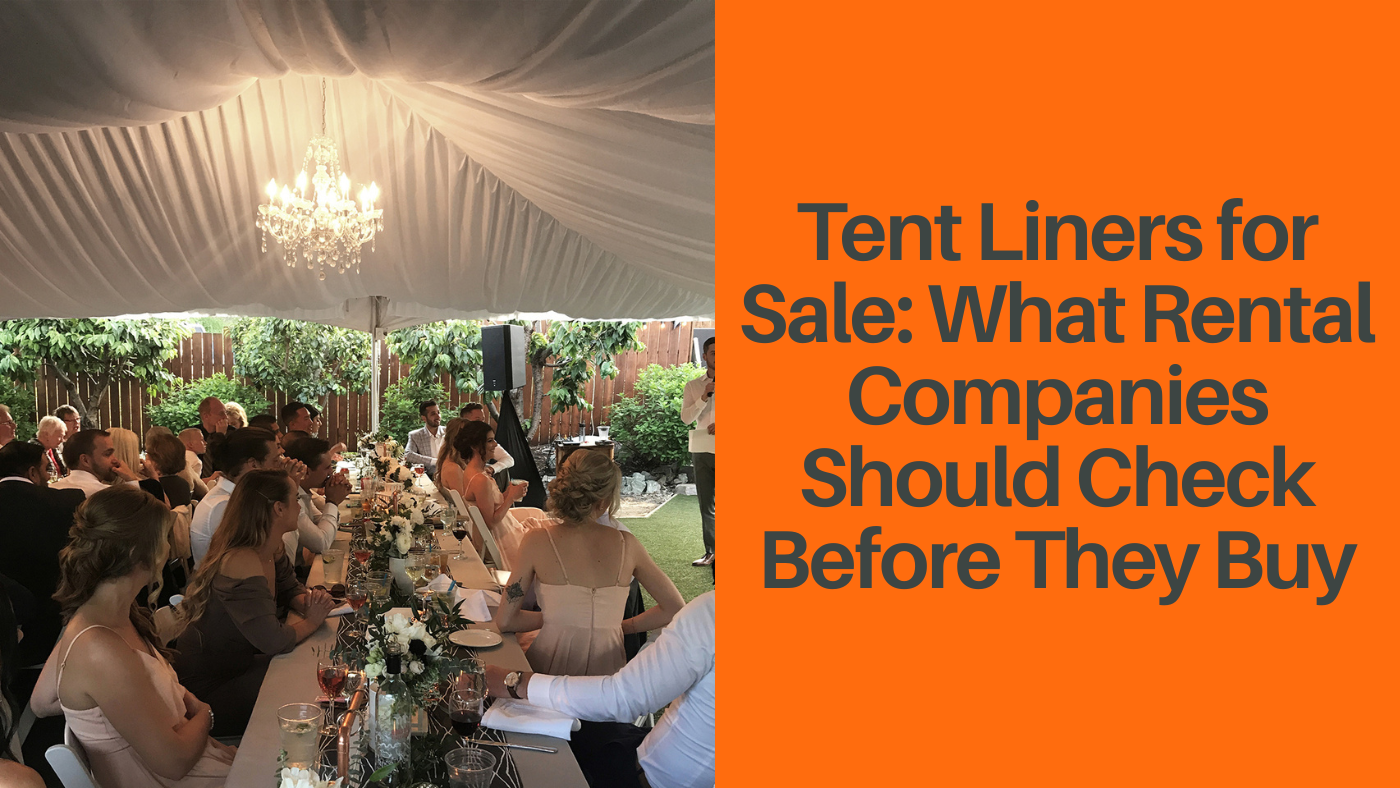
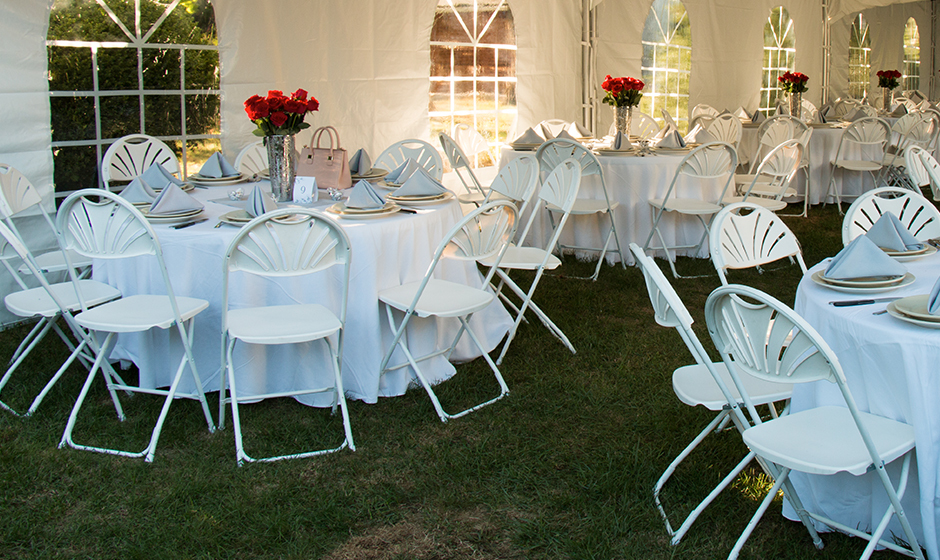
With proper lighting, draping, flooring, floral installations, and furniture, guests often forget they are standing in someone’s backyard. The tent structure provides height, framing, and visual impact that helps create a polished atmosphere.
High peak tents and clear top tents are especially effective for creating upscale visual appeal.
Flexibility for Layouts and Guest Counts
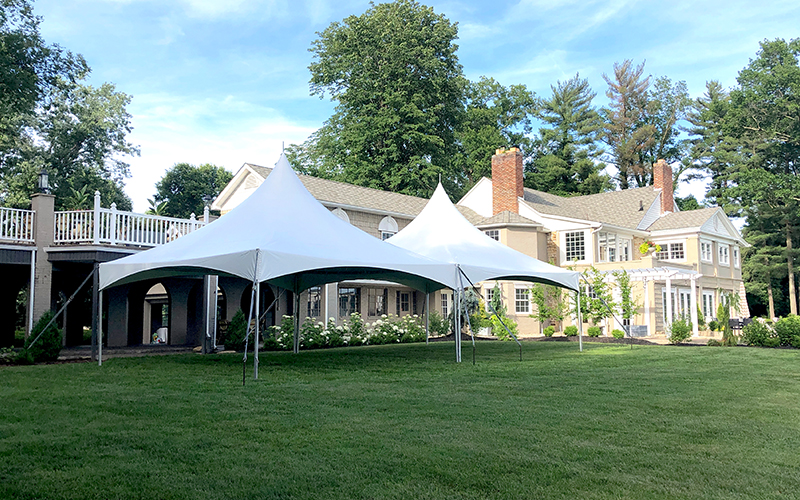
Traditional venues often lock couples into predetermined layouts.
Tent weddings offer flexibility.
You can create banquet seating, farm tables, cocktail-style receptions, lounge sections, dance floors, or multiple entertainment zones based on your priorities.
As guest counts change during planning, tent sizing and layouts can often be adjusted more easily than fixed indoor spaces.
This flexibility is one of the biggest reasons tent weddings remain popular for both intimate and large-scale events.
Extending Seasonal Use
Many couples assume backyard weddings only work during mild spring or summer weather.
With the right tent setup, outdoor weddings can work across multiple seasons.
Heaters, sidewalls, flooring systems, and cooling equipment allow couples to host weddings during cooler evenings, windy conditions, or warmer summer months.
A professionally planned tent setup expands the number of usable wedding dates while helping protect guests from seasonal unpredictability.
How to Determine the Right Backyard Wedding Tent Size
Tent sizing is one of the most important decisions in the planning process.
A tent that is too small creates crowding, uncomfortable seating arrangements, and logistical problems for vendors. A tent that is too large can feel empty, disconnected, and unnecessarily expensive.
The right size depends on more than guest count alone.
You must also account for seating styles, dance floors, catering areas, bars, entertainment, walkways, and weather contingencies.
Start With Your Guest Count
Guest count provides the foundation for tent sizing.
However, different wedding formats require different amounts of space per guest.
Ceremony Only
Ceremony-only layouts usually require the least amount of square footage.
Rows of chairs with a central aisle can fit efficiently inside a tent. If guests will not remain for dining or dancing, space needs remain relatively simple and work especially well in smaller wedding tent setups.
For ceremony-only setups, planners typically estimate around 6 to 8 square feet per seated guest.
Reception Only
Reception layouts require significantly more room because tables, catering stations, bars, entertainment, and dance floors all consume additional space.
Reception-only setups often require 12 to 15 square feet per guest depending on the layout complexity and the amount of event furniture and accessories included in the design.
Full Wedding + Reception
Combined ceremony and reception setups usually need the largest footprint.
If the ceremony takes place inside the same tent as the reception, planners must account for either:
- Room flips between ceremony and dinner
- Additional seating storage
- Multi-purpose layouts
- Flexible furniture arrangements
These weddings typically require careful space planning to prevent bottlenecks and overcrowding.
Space Requirements by Setup Style
Guest count alone does not determine tent size.
The way you use the space matters just as much.
Seated Dinner
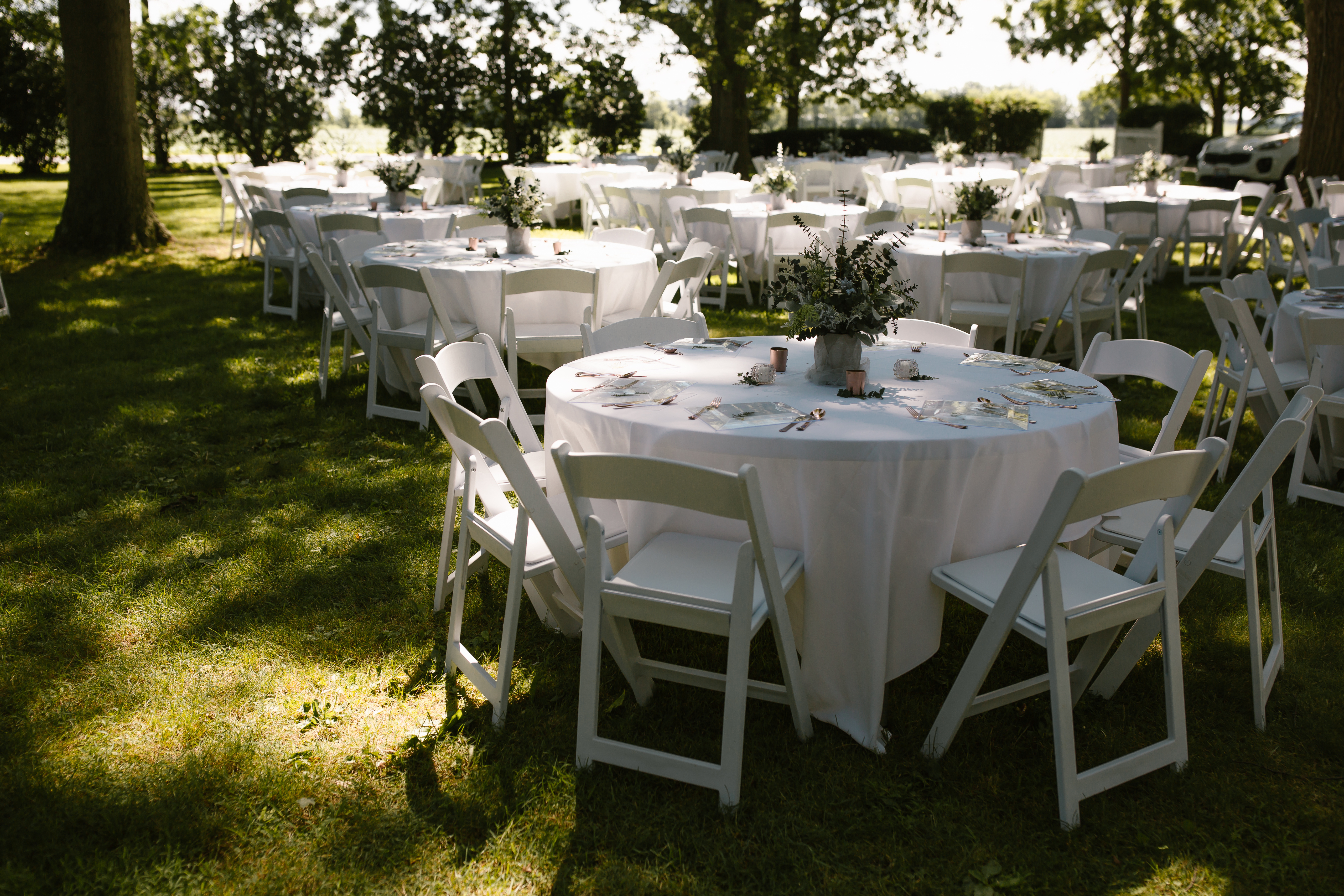
Round tables require more square footage than banquet-style farm tables.
Formal plated dinners usually require wider spacing between tables for service staff movement.
A fully seated dinner setup generally requires:
- 10 to 12 square feet per guest for standard dining
- More space for luxury layouts with larger tables and wider spacing
Buffet
Buffets require dedicated serving lanes and guest circulation space.
Couples often underestimate how much room buffet tables consume. Guests also need space to queue comfortably without blocking pathways.
Dance Floor
Dance floors quickly become overcrowded if undersized.
A good rule is to plan for approximately 30% to 50% of guests on the dance floor at peak times.
Popular dance floor sizes include:
- 12x12 for small weddings
- 16x16 for medium receptions
- 20x20 or larger for larger guest counts
Lounge Areas
Lounge seating creates a more upscale and social atmosphere.
However, couches, cocktail tables, and soft seating require more square footage than standard dining layouts.
Lounge areas work best when intentionally incorporated into the overall layout rather than squeezed into leftover space.
Bar Service
Bars create gathering points that influence guest flow.
Crowded bar areas can become bottlenecks if not planned properly.
Consider:
- Bar size
- Number of bartenders
- Queue spacing
- Nearby lounge or standing areas
DJ or Band Space
Entertainment setups often require more room than couples expect.
A DJ setup may need only a small platform and table area, while live bands often require staging, power access, equipment storage, and dedicated performance zones.
Always account for vendor operational space in the tent layout.
Backyard Wedding Tent Size Chart
The following tent sizes are among the most common for backyard weddings.
20x20 Tent
The 20x20 tent is a compact option that works well for intimate backyard weddings, cocktail gatherings, and smaller ceremony setups where space efficiency matters.
Approximate capacity:
- 40 seated guests banquet-style
- 32 to 36 guests with round tables
- Small cocktail receptions
- Ceremony seating for around 50 guests
Best for intimate weddings, rehearsal dinners, or lounge spaces.
20x40 Tent
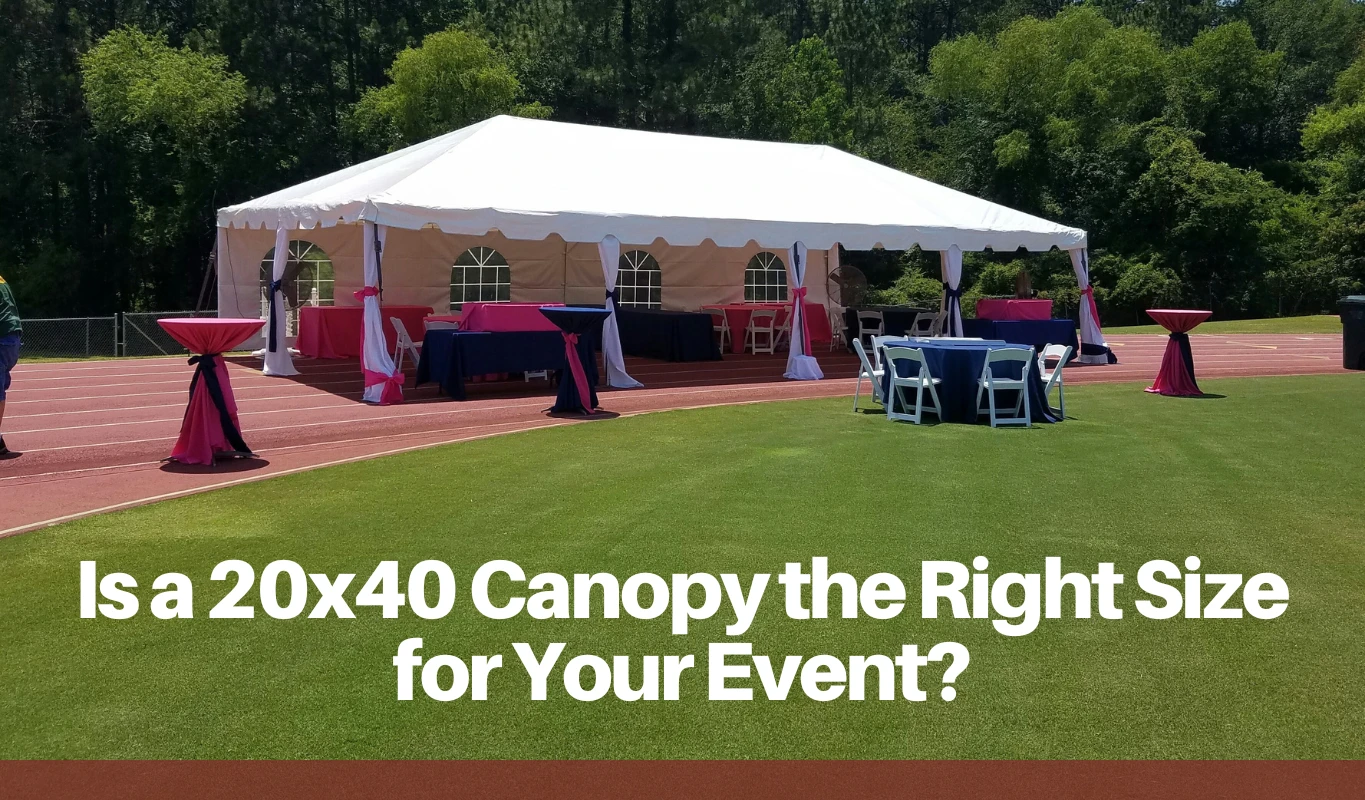
A 20x40 tent is one of the most practical choices for backyard weddings and medium-sized receptions.
Approximate capacity:
- 64 to 80 seated guests depending on layout
- Small dance floor and buffet included
Popular for smaller backyard receptions.
30x45 Tent
The 30x45 tent offers a balanced layout for weddings that need enough room for dining, guest movement, and entertainment without feeling oversized.
Approximate capacity:
- 100 to 120 guests seated
- Room for dance floor and catering support
A versatile mid-sized wedding tent.
30x60 Tent
The 30x60 tent is a popular choice for weddings that need enough space for a full reception setup while still maintaining a comfortable guest flow.
Approximate capacity:
- 120 to 150 guests
- Dining, dance floor, and entertainment included
One of the most commonly rented wedding tent sizes.
40x60 Tent
The 40x60 tent provides generous space for larger receptions while allowing more flexibility for lounge seating, wider walkways, and expanded entertainment areas.
Approximate capacity:
- 180 to 220 guests
- Flexible layout opportunities
- Larger dance floor and lounge areas
Ideal for larger family weddings.
40x80 Tent
The 40x80 tent is designed for large-scale weddings that require spacious layouts, multiple gathering areas, and a more upscale event atmosphere.
Approximate capacity:
- 250 to 320 guests
- Luxury layouts with expanded guest circulation
Often used for upscale backyard weddings with multiple entertainment areas.
Common Backyard Wedding Tent Sizing Mistakes
Even experienced planners occasionally underestimate tent space requirements.
Here are the most common mistakes couples make.
Forgetting Vendor Space
Catering prep tables, DJ booths, cake displays, beverage stations, and equipment storage all require room.
If vendor space is ignored, the event can quickly feel cramped.
Undersized Dance Floors
A small dance floor can kill energy during the reception.
Guests avoid crowded spaces, and movement becomes uncomfortable.
It is usually better to slightly oversize the dance floor rather than undersize it.
No Weather Buffer
Rainy or windy conditions often push guests inside the tent more frequently.
If there is no extra circulation space, the tent may feel overcrowded during weather shifts.
Ignoring Sidewall Space
Sidewalls reduce usable interior space slightly.
Furniture placed too close to sidewalls may interfere with entrances, ventilation, or drainage.
Types of Backyard Wedding Tents Explained
Not all wedding tents are the same.
Different tent structures offer different visual styles, installation requirements, and layout advantages.
Understanding the main tent categories helps couples choose the best fit for their backyard and wedding style.
Frame Tents
Frame tents are among the most popular choices for backyard weddings.
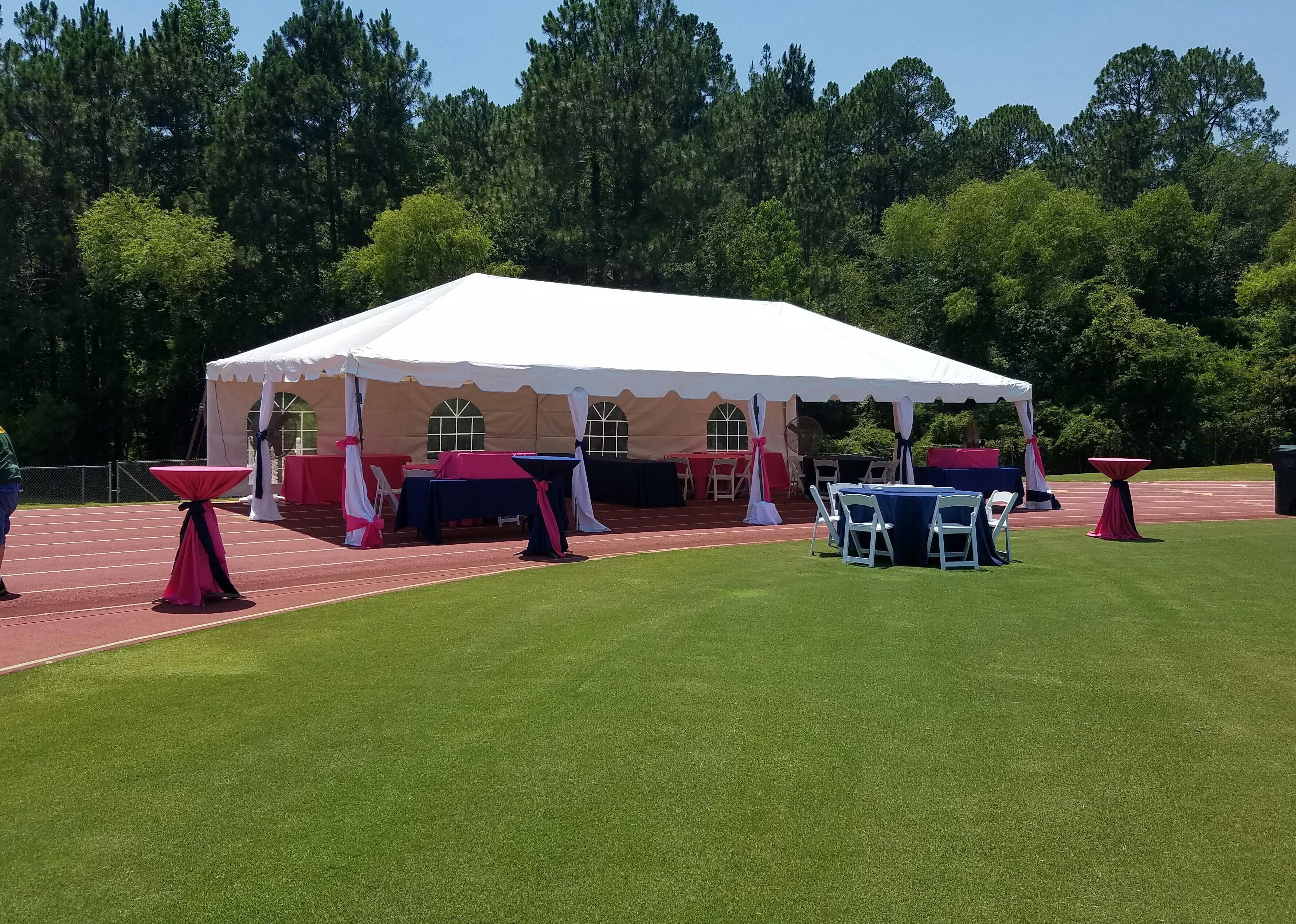
Unlike pole tents, frame tents do not rely on center poles for structural support. Instead, the support system is built into the perimeter frame.
Best Uses
Frame tents work especially well for:
- Smaller or irregularly shaped backyards
- Tight installation areas
- Concrete or hard surfaces
- Weddings requiring unobstructed interior layouts
Pros and Cons
Pros:
- No center poles blocking views
- Flexible placement options
- Works on multiple surface types
- Easier layout planning
Cons:
- Usually more expensive than pole tents
- May require additional ballast on hard surfaces
- Less dramatic peaks than some high peak tents
Why They Work Well in Backyards
Backyards often contain landscaping, fences, patios, pools, or trees that limit staking flexibility.
Frame tents adapt more easily to these environments because they require fewer large anchor points throughout the interior.
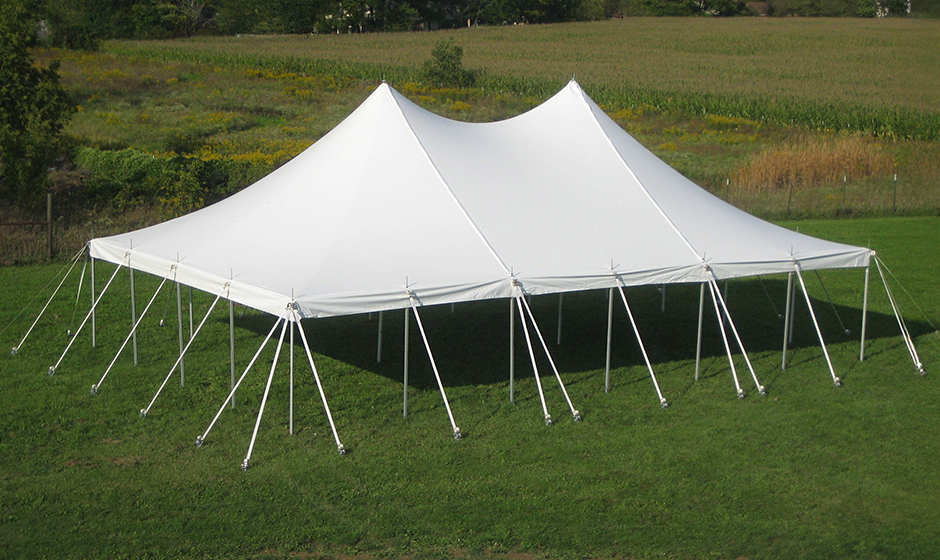
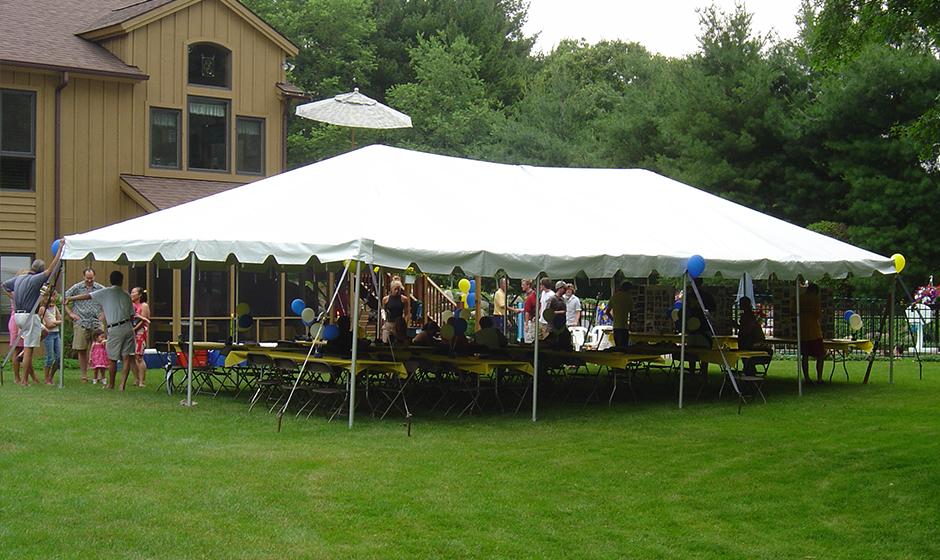
Pole Tents
Pole tents are known for their classic wedding appearance.
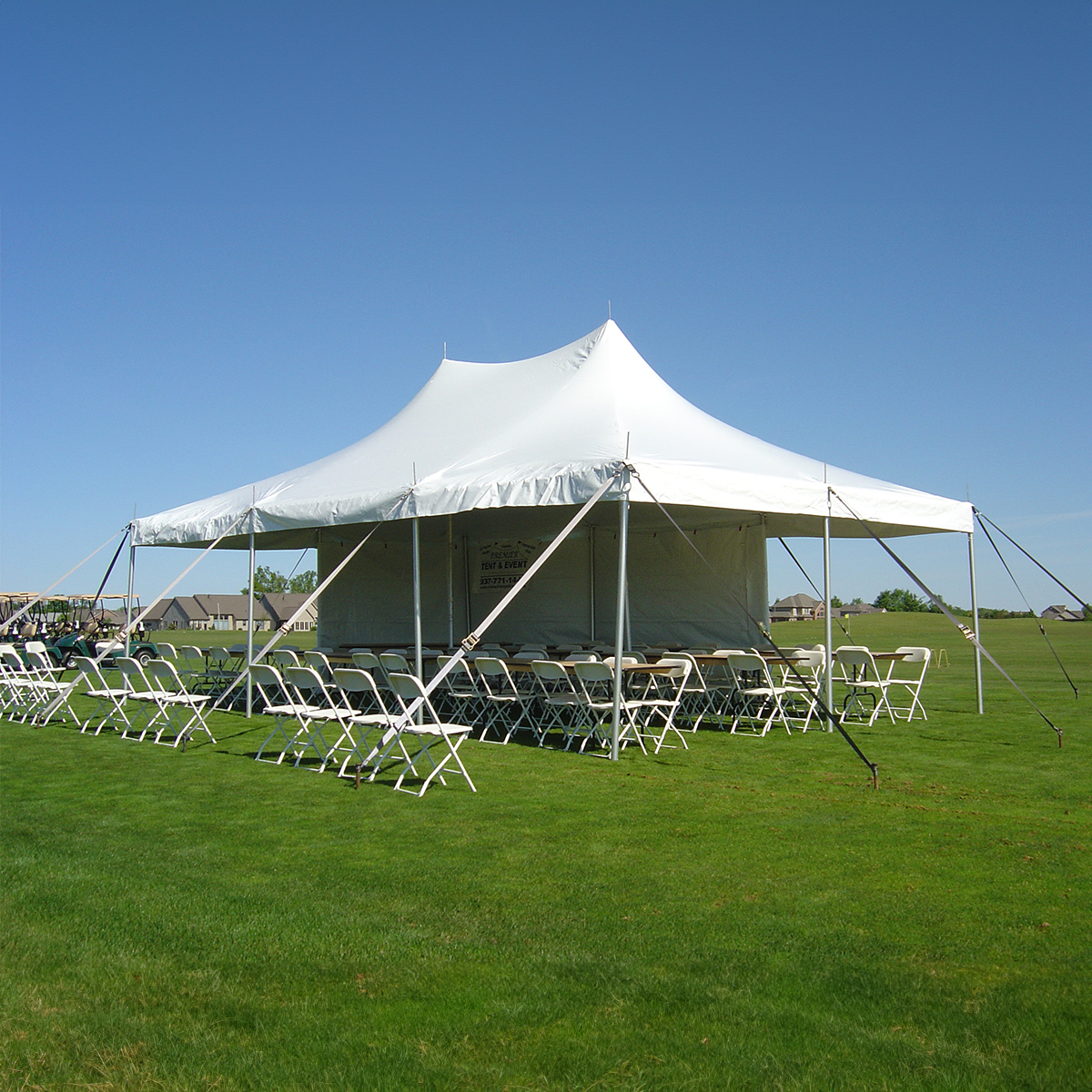
These tents use center poles and perimeter poles to create sweeping peaks and elegant curves.
Traditional Wedding Appearance
Many couples love pole tents because they immediately create a timeless outdoor wedding atmosphere.
The high peaks and flowing canopy lines photograph beautifully.
Center Pole Considerations
The biggest drawback is the interior center poles.
These poles can interfere with:
- Dance floor placement
- Head tables
- Guest sightlines
- Entertainment layouts
Couples must carefully design around them.
Installation Requirements
Pole tents require staking directly into the ground.
This means:
- Grass surfaces work best
- Larger staking areas are needed
- Underground utilities must be identified
- Concrete installations are more difficult
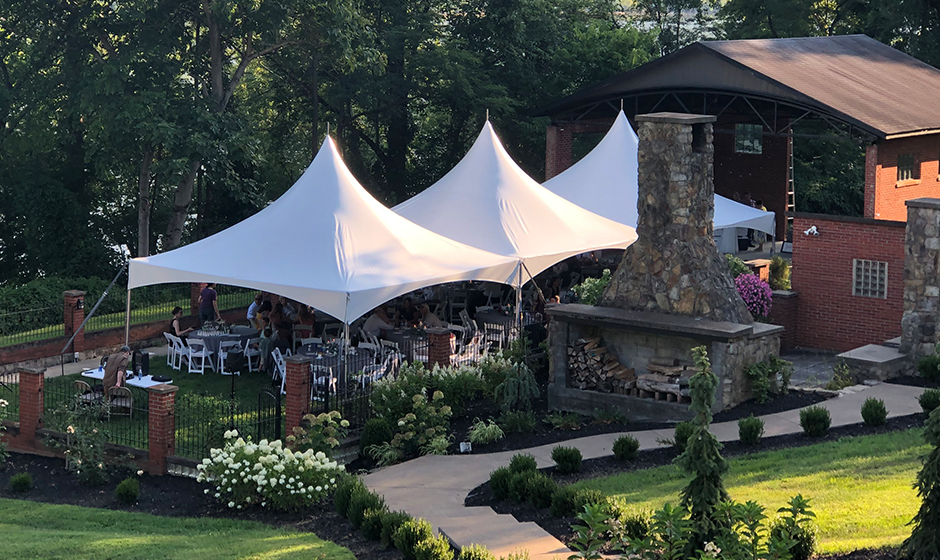
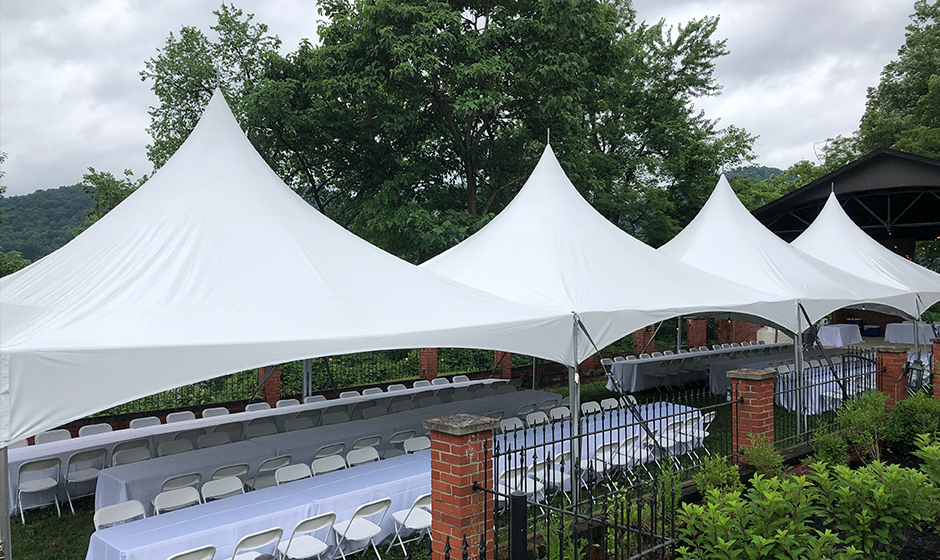
High Peak Tents
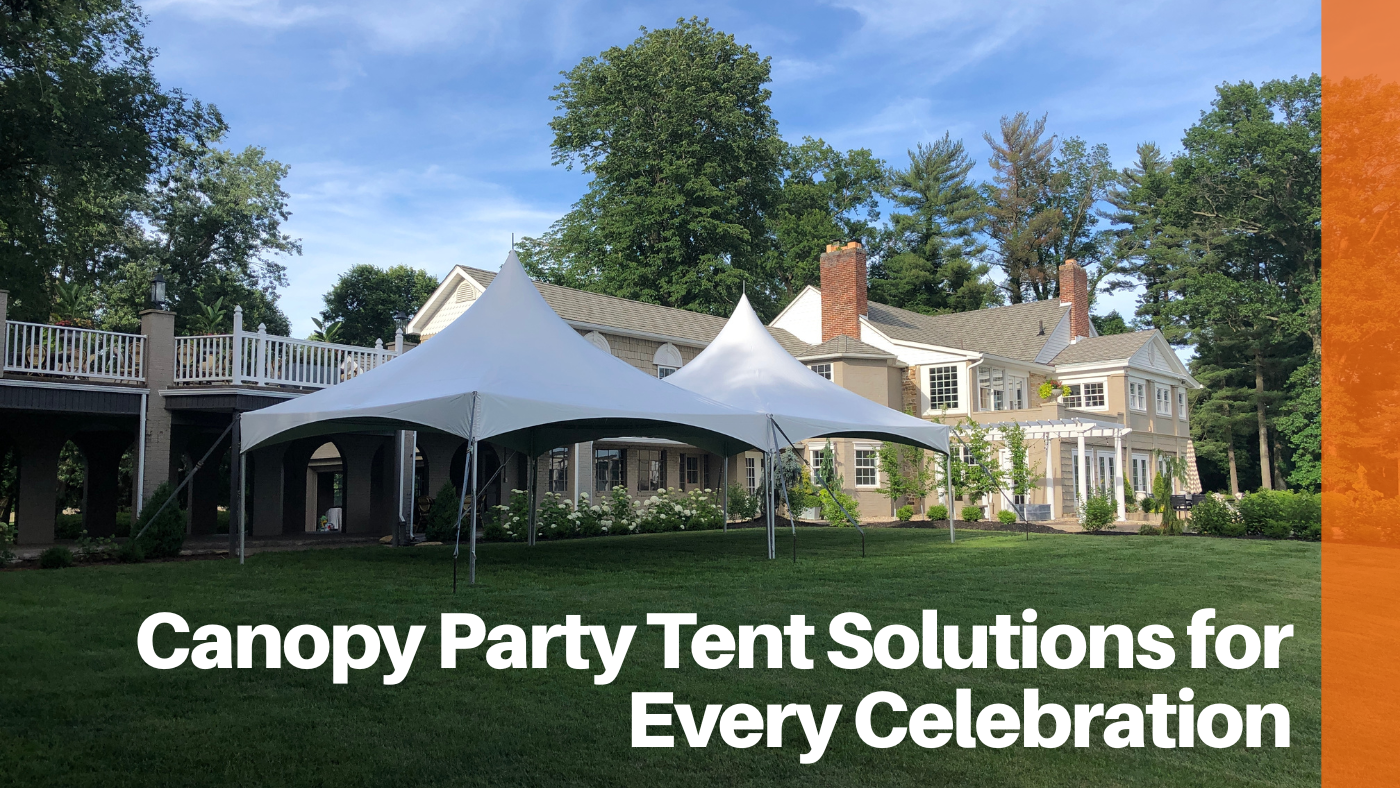
High peak tents combine some of the flexibility of frame tents with the visual elegance of pole tents.
Visual Appeal
These tents feature elevated center peaks that create a dramatic, upscale look.
They are commonly used for:
- Luxury backyard weddings
- Cocktail hours
- Entrance tents
- Lounge sections
Popular Sizes
Common high peak sizes include:
Multiple high peak tents can also be connected together.
Best for Upscale Weddings
Couples looking for elevated aesthetics often choose high peak tents because they create strong visual impact without requiring large center poles.
Clear Top Tents
Clear top tents are among the most visually striking wedding tent options.
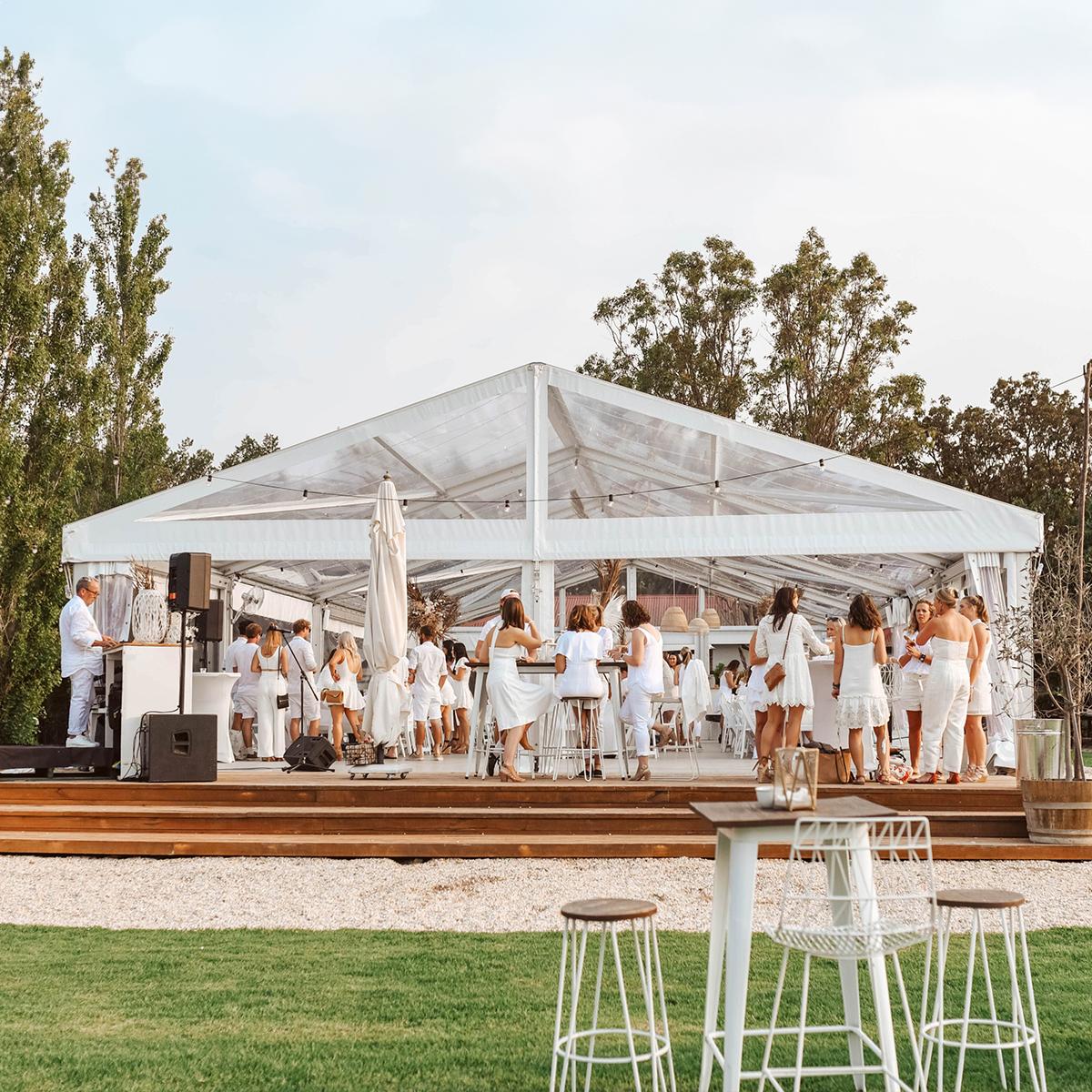
These tents use transparent ceiling panels that allow guests to see the sky, trees, lighting, and surrounding landscape.
Premium Appearance
Clear top tents feel modern, luxurious, and immersive.
At night, they create a dramatic atmosphere with visible string lights, chandeliers, and reflections.
Lighting Opportunities
Because the ceiling is transparent, lighting becomes even more important.
Popular combinations include:
- Bistro lighting
- Hanging floral installations
- Crystal chandeliers
- Warm perimeter uplighting
Seasonal Considerations
Clear top tents can become warmer during direct sunlight.
Couples planning summer weddings should account for:
- Ventilation
- Airflow
- Cooling systems
- Strategic event timing
They are particularly beautiful for spring and fall evening weddings.
How to Measure Your Backyard for a Wedding Tent
Before renting a tent, couples need to understand exactly how much usable space their property provides.
A backyard may appear large enough at first glance, but obstacles, access limitations, elevation changes, and utility concerns can dramatically reduce usable event space.
Professional site inspections are always recommended for larger weddings.
Checking Available Space
Start by identifying the largest open area available for the tent.
Then account for obstacles that may interfere with installation.
Trees
Large branches can block tent peaks or create safety concerns.
Falling debris, sap, and root systems may also impact placement.
Fences
Tent installation crews need enough clearance around the perimeter for staking, anchoring, and sidewall installation.
Tight fence lines can reduce setup flexibility.
Landscaping
Flower beds, irrigation systems, retaining walls, and decorative features may interfere with staking locations.
Protecting landscaping should be discussed before installation.
Pools
Pools can create stunning visual backdrops, but they complicate layouts.
Couples must maintain safe pathways and avoid overcrowding near water.
Utility Lines
Underground utilities are critical.
Tent stakes can damage:
- Water lines
- Gas lines
- Irrigation systems
- Electrical conduits
Utility marking should always happen before installation.
Understanding Surface Types
The ground surface directly affects installation methods and guest comfort.
Grass
Grass is the most common surface for backyard weddings.
It works well for staking but may become muddy during rain.
Gravel
Gravel surfaces can support tents effectively, but leveling may be necessary for guest comfort.
Walking surfaces should also be stabilized for formal footwear.
Concrete
Concrete patios and driveways often require ballast anchoring instead of stakes.
This may increase installation complexity and cost.
Uneven Terrain
Sloped or uneven ground can complicate:
- Table leveling
- Flooring installation
- Guest movement
- Drainage
Professional leveling solutions may be required for larger events.
Tent Anchoring Requirements
Anchoring is one of the most important safety considerations for outdoor weddings. Proper anchoring helps tents remain stable during changing weather conditions and prevents dangerous movement caused by strong wind or storms.
Stakes vs Ballast
Grass installations typically use stakes driven into the ground.
Hard surfaces often require ballast systems such as:
- Concrete weights
- Water barrels
- Specialized anchoring systems
Different surfaces require different anchoring methods, which is why professional site inspections are so important before installation begins.
Safety Considerations
Improper anchoring creates serious risks during wind or storms. Always use experienced tent professionals who follow local safety standards and proper installation practices. Many professional rental companies also follow operational and safety guidelines published by the American Rental Association when handling temporary event structures.
Permit Concerns
Some municipalities require permits for large temporary structures.
Permit requirements may depend on:
- Tent size
- Occupancy limits
- Duration of installation
- Electrical systems
Local regulations may also require compliance documentation such as flame certificates or engineering approvals for larger tent installations.
Why Access Matters
A backyard may technically fit the tent while still being difficult to access.
Installation logistics matter.
Delivery Trucks
Large tent installations require trucks carrying:
- Tent materials
- Flooring systems
- Lighting equipment
- Tables and chairs
Tight driveways or narrow access paths can slow installation.
Setup Crew Clearance
Crew members need room to move large poles, frames, and flooring materials safely during installation and teardown. Proper spacing also helps crews work more efficiently when handling equipment and structural components.
Vendor Pathways
Caterers, bartenders, DJs, and rental crews all need operational pathways.
Poor access planning creates delays and congestion, especially when multiple vendors are moving equipment and event materials throughout the setup process.
Backyard Wedding Tent Layout Ideas
The best wedding layouts feel natural, organized, and easy to navigate.
Good layouts prevent crowding while encouraging guests to move comfortably between key areas using a thoughtful event layout strategy.
Ceremony-Only Layouts
Ceremony layouts are usually straightforward.
Key considerations include:
- Clear aisle placement
- Guest sightlines
- Speaker and microphone positioning
- Entrance and exit flow
Couples often place the ceremony focal point toward the backyard’s best visual feature, such as gardens, trees, water features, or sunset views.
Reception Layouts
Reception layouts become more complex because multiple functions happen simultaneously.
The tent must accommodate:
- Dining
- Dancing
- Entertainment
- Bar service
- Social interaction
- Vendor operations
A balanced layout distributes activity evenly throughout the tent while allowing enough space for event tables and chairs.
Combined Ceremony + Reception Layouts
Combined layouts require careful transitions.
Common approaches include:
- Flipping ceremony chairs into reception tables
- Holding cocktail hour outside while crews reconfigure the tent
- Using divided tent sections for separate functions
The timeline should include enough transition time for staff to work efficiently and safely during tent setup operations.
Dance Floor Placement Tips
The dance floor should feel central without blocking guest movement.
Popular placements include:
- Center of the tent
- Near the DJ or band
- Adjacent to the bar area
Avoid placing dance floors directly beside catering pathways or restroom entrances to maintain smooth guest flow throughout the event.
Bar and Catering Placement
Bars naturally attract crowds.
Position bars where guests can gather comfortably without creating traffic jams.
Catering service areas should remain accessible to staff while staying visually discreet and functional for large event operations.
Restroom and Generator Placement
Luxury restroom trailers should remain close enough for convenience but far enough to minimize noise and visual disruption.
Generators should be positioned away from primary guest areas whenever possible while still supporting necessary lighting and electrical systems.
Creating Guest Flow That Feels Natural
The best guest flow is the kind nobody notices.
Guests should move intuitively between:
- Ceremony spaces
- Cocktail hour
- Dining
- Dance floor
- Restrooms
- Exit areas
Wide walkways and thoughtful spacing improve comfort dramatically while helping create a more organized outdoor wedding experience.
Backyard Wedding Tent Flooring Options
Flooring plays a major role in guest comfort and overall event appearance.
Couples often underestimate how important stable flooring becomes during long receptions.
Grass Events
Simple grass setups work for casual weddings and dry weather.
However, heels, uneven terrain, and moisture can create challenges.
Grass-only events work best for:
- Smaller guest counts
- Informal receptions
- Mild weather seasons
Dance Floors
Dance floors are essential for most receptions.
Even if the rest of the tent remains grass, a stable dance surface improves comfort and safety.
Popular options include:
- Wood-look flooring
- Black-and-white checkered floors
- White vinyl floors
- LED dance floors
Full Subfloor Systems
Luxury weddings often use full subfloor systems.
These systems create a completely level floor across the entire tent.
Benefits include:
- Improved stability
- Better drainage management
- Enhanced guest comfort
- Upscale appearance
Subfloors are especially useful on uneven terrain.
Turf and Grass Protection
Some venues or homeowners require turf protection.
Protective systems help reduce damage caused by:
- Heavy foot traffic
- Equipment weight
- Moisture retention
Flooring for Rainy Conditions
Rain changes everything.
Without flooring, grass can quickly become muddy and slippery.
Flooring systems help maintain:
- Guest safety
- Cleanliness
- Vendor mobility
- Overall appearance
Lighting Ideas for Backyard Wedding Tents
Lighting is one of the easiest ways to completely change the mood of a wedding tent.
The right lighting design creates atmosphere, highlights décor, and improves guest comfort after sunset.
Bistro Lighting
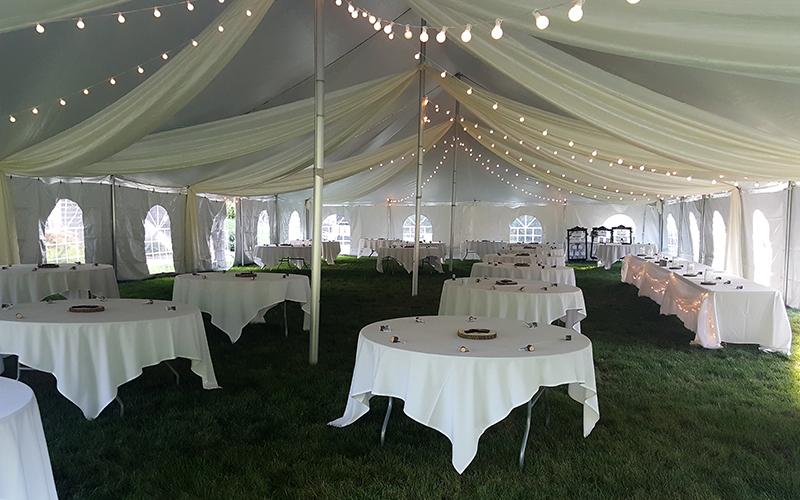
Bistro lights are one of the most popular wedding tent lighting choices.
Warm string lighting creates a romantic atmosphere while providing practical illumination.
These lights work especially well in:
- Clear top tents
- Pole tents
- Rustic wedding designs
Uplighting
Uplighting adds depth and mood to tent walls and ceiling structures.
It can also highlight:
- Floral installations
- Entrance areas
- Head tables
- Architectural features
Tent Perimeter Lighting
Perimeter lighting improves safety while defining pathways and entrances.
Soft perimeter lighting also helps guests feel oriented throughout the event.
Dance Floor Lighting
Dance floor lighting changes the energy of the reception.
Moving lights, spotlights, and synchronized effects help create excitement during dancing.
Power and Generator Considerations
Lighting systems require proper power planning.
Generators may be necessary for:
- Larger weddings
- Extensive lighting systems
- Catering equipment
- Entertainment production
Power distribution should always be professionally managed.
Climate Control for Backyard Wedding Tents
Temperature management is critical for guest comfort.
Outdoor weddings can become uncomfortable quickly if climate conditions are ignored.
Tent Sidewalls
Tent sidewalls provide valuable flexibility during changing outdoor conditions, helping protect guests and event spaces from wind, rain, cold temperatures, and excessive sun exposure.
They also improve comfort throughout the event while creating a more enclosed and polished atmosphere. Clear sidewalls are especially popular because they maintain scenic views and natural light while still adding reliable weather protection.
Fans and Ventilation
Air circulation matters during warm-weather weddings.
Fans improve comfort while reducing stagnant heat inside enclosed tents.
Tent Heaters
Even mild evenings can feel cold after sunset.
Tent heaters help maintain comfortable temperatures during:
- Fall weddings
- Spring evenings
- Coastal climates
- High-altitude locations
Cooling Solutions for Summer Weddings
Summer weddings may require:
- Evaporative coolers
- Air conditioning systems
- Misting fans
- Open sidewall designs
Shaded lounge spaces also improve comfort significantly.
Wind and Rain Protection
Strong weather planning includes:
- Secure anchoring
- Drainage management
- Sidewall flexibility
- Backup equipment plans
Weather preparation should be proactive, not reactive.
Backyard Wedding Tent Décor Ideas
Décor transforms a tent into a personalized wedding environment.
The tent structure itself becomes part of the design.
Ceiling Draping
Fabric draping softens the tent ceiling while creating elegance and texture.
Popular styles include:
- Full canopy draping
- Center swags
- Minimal accent draping
Greenery and Floral Installations
Large floral installations create dramatic focal points.
Common placement areas include:
- Tent entrances
- Dance floor ceilings
- Head tables
- Ceremony backdrops
Lounge Areas
Lounge seating encourages conversation and creates visual variety.
Mixing soft seating with cocktail tables helps balance formal dining with relaxed social spaces.
Entryways and Tent Entrances
The entrance creates the first impression.
Couples often enhance entrances with:
- Floral arches
- Lanterns
- Custom signage
- Draped entry tunnels
Rustic vs Modern Styling
Rustic tent weddings often feature:
- Wood tables
- Edison lighting
- Neutral tones
- Organic greenery
Modern weddings may include:
- Minimalist décor
- Clean lines
- Black accents
- Contemporary lighting
Minimalist Wedding Tent Design
Minimalist designs focus on simplicity and intentional details.
Open space, neutral palettes, and carefully selected décor elements create a refined atmosphere without visual clutter.
Backyard Wedding Logistics Most Couples Forget
The little logistical details are usually what separate a smooth backyard wedding from a stressful one.
Many couples focus heavily on décor while overlooking operational details.
Restrooms
Residential bathrooms are rarely sufficient for large weddings.
Luxury restroom trailers provide:
- Better guest experience
- Reduced strain on the home
- Improved sanitation
Parking Plans
Parking becomes a major issue for backyard events.
Couples may need:
- Shuttle services
- Valet parking
- Nearby overflow lots
- Directional signage
Power Requirements
Backyard electrical systems may not support:
- Catering equipment
- DJs
- Bands
- Lighting systems
- Climate control equipment
Generators are often essential.
Vendor Coordination
Outdoor weddings require strong coordination between:
- Tent companies
- Caterers
- Florists
- Rental providers
- Entertainment vendors
Clear timelines reduce setup conflicts.
Noise Ordinances
Some neighborhoods place restrictions on outdoor events, especially when it comes to amplified music, late event hours, and generator noise. Local rules can vary significantly depending on residential zoning and event size, so couples should always review regulations early in the planning process to avoid unexpected interruptions or penalties.
Cleanup and Breakdown
Couples often underestimate how much coordination is required after the wedding ends. Cleanup and breakdown plans should account for trash removal, rental pickup schedules, flooring removal, and lawn recovery so the property can be restored efficiently once the event is over.
Weather Backup Plans
Every backyard wedding needs a reliable contingency plan for changing outdoor conditions. Backup strategies should prepare for heavy rain, strong wind, extreme temperatures, and possible power outages long before the wedding day arrives. Planning ahead allows vendors and couples to respond calmly and keep guests comfortable if weather conditions suddenly change.
Backyard Wedding Tent Cost Breakdown
Backyard wedding tent costs can range from relatively affordable to highly luxurious depending on the size of the event, tent style, and level of customization involved.
Pricing is usually affected by:
- Guest count
- Tent size
- Flooring
- Lighting
- Climate control
- Installation complexity
- Seasonal demand
Smaller backyard weddings with basic layouts may stay within a modest budget, while luxury weddings with flooring, chandeliers, lounge areas, and climate control can become large-scale event installations.
Tent Rental Pricing
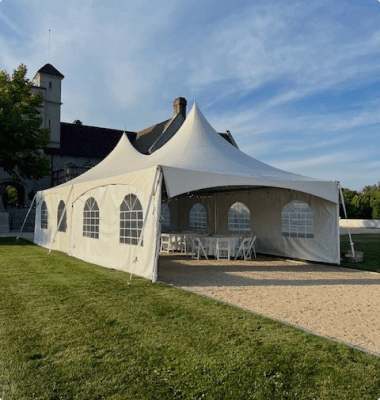
Tent rental pricing varies based on tent size, structure type, location, and installation requirements.
Here are some common backyard wedding tent rental price ranges:
| Tent Size | Typical Rental Price |
|---|---|
| 20x20 Tent | $400–$900 |
| 20x40 Tent | $800–$1,500 |
| 30x45 Tent | $1,500–$3,500 |
| 30x60 Tent | $2,000–$5,000 |
| 40x60 Tent | $4,000–$8,000+ |
| 40x80 Clear Top Tent | $8,000–$15,000+ |
Pole tents are often more affordable than frame tents, while clear top tents and high peak tents usually cost more because of their premium appearance and installation complexity.
Pricing also increases based on:
- Tent type
- Seasonal demand
- Delivery distance
- Luxury upgrades
- Site access challenges
Sidewall and Climate Add-Ons
Climate control upgrades improve guest comfort but increase overall costs.
| Add-On | Typical Price Range |
|---|---|
| Tent Sidewalls | $100–$500+ |
| Tent Heaters | $150–$500 each |
| Fans | $50–$200 each |
| Cooling Systems | $300–$2,000+ |
These additions are especially common for summer weddings, spring evenings, and unpredictable weather conditions.
Delivery and Installation Fees
Travel distance, backyard accessibility, slopes, fencing, pools, and difficult installation areas can all increase labor and setup costs.
Complex backyard layouts often require additional crew time and specialized installation planning.
Budget vs Luxury Setups
Budget-friendly backyard wedding tent setups may prioritize:
- Simpler tents
- Minimal flooring
- Basic lighting
Luxury backyard weddings often include:
- Full flooring systems
- Designer lighting
- Premium furniture
- Custom draping
- Climate control systems
Neither approach is automatically better.
The right backyard wedding tent setup depends on your priorities, guest experience goals, and overall budget.
Backyard Wedding Tent Setup Timeline
Successful backyard weddings rely on organized timelines. Waiting too long to reserve tents and rentals can create availability problems, especially during peak wedding seasons.
| 6–12 Months Before | 3–6 Months Before | 30 Days Before | Wedding Week | Day-of Setup Expectations |
|---|---|---|---|---|
| Establish guest count estimates | Finalize tent size | Finalize layouts | Tent installation | Vendors finalize details |
| Identify backyard limitations | Confirm rental selections | Confirm vendor timelines | Flooring setup | Climate systems are tested |
| Schedule site visits | Coordinate power planning | Review access logistics | Lighting installation | Catering prep begins |
| Reserve tent companies | Review weather strategies | Confirm utility marking | Rental delivery | Entertainment equipment is checked |
| Begin layout discussions | Reserve restroom trailers and generators | Review final setup details | Final décor preparation | Guest areas are prepared for arrival |
A well-organized setup timeline reduces stress dramatically.
Questions to Ask Before Renting a Backyard Wedding Tent
Choosing the right tent rental company matters just as much as choosing the tent itself.
Experienced providers help couples avoid costly mistakes and manage unexpected challenges during the tent rental process.
Installation Experience
Ask how frequently the company handles backyard weddings specifically.
Residential properties often create different challenges than open event venues, especially when dealing with tent anchoring and setup conditions.
Weather Policies
Understand:
- Cancellation policies
- Weather contingency procedures
- Emergency support availability
Reliable providers should also explain how their tents are engineered to withstand wind and weather conditions.
Insurance Coverage
Professional tent companies should carry appropriate insurance coverage for installation and event operations along with proper safety and certification documentation.
Larger outdoor events may also require compliance with local fire safety regulations and temporary structure requirements depending on the tent size and event setup. and temporary structure requirements depending on the tent size and event setup.
Permit Assistance
Ask whether the company assists with:
- Permit applications
- Fire safety compliance
- Inspection coordination
Some larger tent installations may also require professional engineer approvals.
Setup and Teardown Timing
Clarify:
- Installation schedules
- Breakdown timelines
- Access requirements
- Cleanup responsibilities
Efficient scheduling becomes especially important for larger event tent installations.
Included vs Additional Costs
Always ask what is included in the quote.
Unexpected charges often involve:
- Delivery fees
- Sidewalls
- Flooring
- Lighting
- Generator hookups
Additional accessories and upgrades can significantly affect pricing for complete tent setups.
Real Backyard Wedding Tent Setup Examples
Every backyard wedding is different.
These examples illustrate how tent planning changes based on guest count, style, and property size.
Small Backyard Wedding
A 40-person wedding may use:
- 20x20 frame tent
- Bistro lighting
- Small dance floor
- Family-style seating
- Minimal décor
This setup works well for intimate celebrations and smaller outdoor party tent layouts.
Medium-Sized Family Reception
A 120-guest reception might include:
- 30x60 tent
- Buffet station
- Central dance floor
- Lounge seating
- Separate catering prep tent
This size often balances atmosphere and practicality effectively for mid-sized outdoor receptions.
Large Luxury Backyard Wedding
Luxury weddings with 250 guests may feature:
- 40x80 clear top tent
- Full flooring system
- Chandeliers
- Climate control
- Multiple bars
- Luxury restroom trailers
- Expanded lounge areas
These events often resemble high-end private venues with premium tent lighting and décor enhancements.
Clear Top Wedding Example
A clear top tent works beautifully for:
- Evening receptions
- Garden properties
- Scenic backyards
- Weddings emphasizing lighting and atmosphere
Guests enjoy views of the sky while remaining protected inside a stylish clear wedding tent environment.
Multi-Tent Setup Example
Some larger weddings divide functions across multiple tents.
For example:
- Ceremony tent
- Reception tent
- Catering tent
- Lounge tent
This approach improves organization and reduces overcrowding while creating a more efficient event layout design.
Final Thoughts
A backyard wedding tent does a lot more than keep everyone dry if it rains.
It shapes the entire wedding experience.
The right tent creates structure, comfort, atmosphere, and flexibility while turning a private property into a functional event venue. From sizing and layouts to lighting, flooring, and logistics, every decision connected to the tent affects how smoothly the event operates.
Couples who plan carefully can create backyard weddings that feel polished, welcoming, and deeply personal with the help of the right outdoor wedding tent setup.
Whether you are hosting a small family gathering or a luxury reception under a clear top tent, thoughtful preparation makes the difference between a stressful outdoor event and an unforgettable celebration.
Planning Your Backyard Wedding Tent?
Explore professional-grade tents, sidewalls, flooring, lighting, and accessories designed to transform your backyard into a polished, weather-ready wedding venue.
Explore Backyard Wedding Tent OptionsDurable Materials | Flexible Layouts | Reliable Outdoor Performance
Frequently Asked Questions About Backyard Wedding Tents
What size tent do I need for 100 guests?
For a typical seated reception with dining and dancing, many couples choose a tent around 30x45 or 30x60 depending on the layout and additional features.
Can wedding tents be set up on concrete?
Yes. Frame tents can often be installed on concrete using ballast anchoring systems instead of ground stakes, making them one of the most versatile tent structure options.
Are backyard wedding tents waterproof?
Professional wedding tents are designed to withstand rain and weather conditions when installed properly and maintained using proper vinyl tent care practices.
Do I need a permit for a wedding tent?
Permit requirements vary by location and tent size. Large tents or long-duration installations may require permits and inspections depending on local event safety regulations.
How far in advance should I reserve a tent?
Many couples reserve tents 6 to 12 months in advance, especially during peak wedding seasons when event tent demand increases significantly.
Can tents handle wind and rain?
Professionally installed tents are engineered for outdoor conditions, but severe weather may still require contingency planning and proper tent anchoring systems.
What is the best tent for a backyard wedding?
The best tent depends on:
- Guest count
- Backyard layout
- Budget
- Wedding style
- Weather conditions
Frame tents are often the most versatile for backyard installations, while clear top and high peak tents offer stronger visual impact for upscale weddings and more elegant outdoor event experiences.