



Date Published: 11 August 2026
Is a Sidewall Tent Worth Adding to Your Inventory?
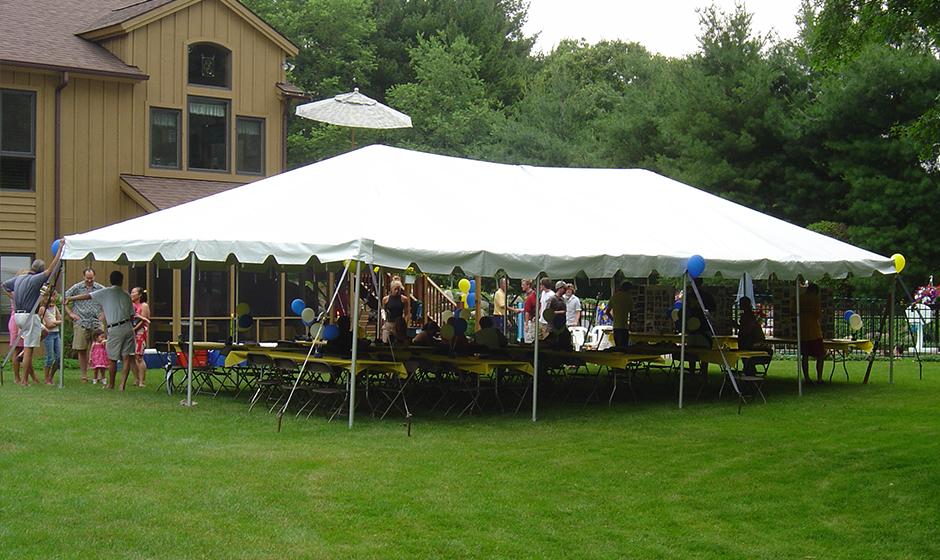
An open frame or pole tent covers guests from above. A sidewall tent goes further. It closes in the sides too, helping keep wind, rain, and cooler air outside the event instead of blowing straight through it. For a rental business, that single addition can turn a fair-weather booking into a year-round one.
If you're deciding whether to add sidewall inventory, this guide covers the panel types worth stocking, how they attach to different tent frames, what wind and fire codes require, how the upgrade pays for itself, and where most rental companies get sidewall inventory wrong.
What Makes a Tent a Sidewall Tent
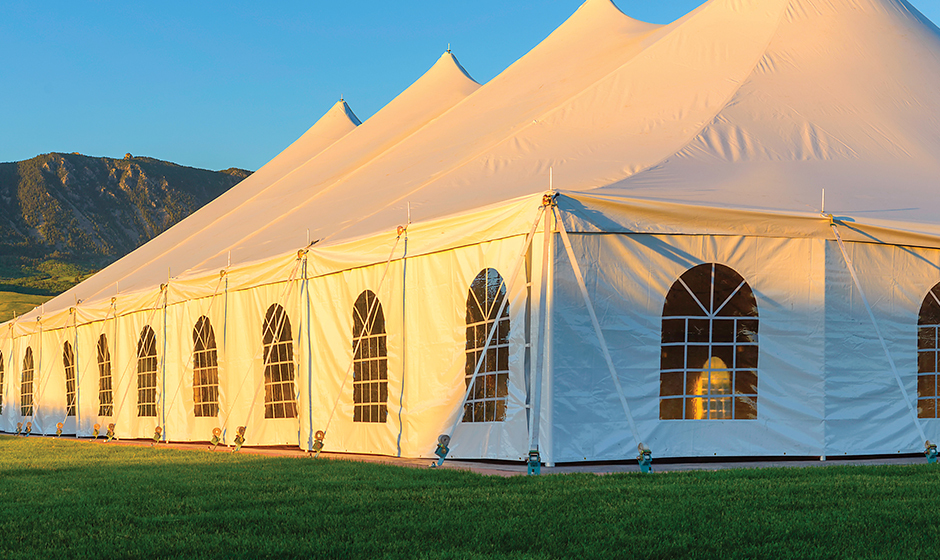
A sidewall tent is any tent, whether it's a frame, pole, or high peak model, fitted with fabric panels that close off the open sides. The panels attach along the tent's perimeter using rope, bungee cords, or a track system built into the frame.
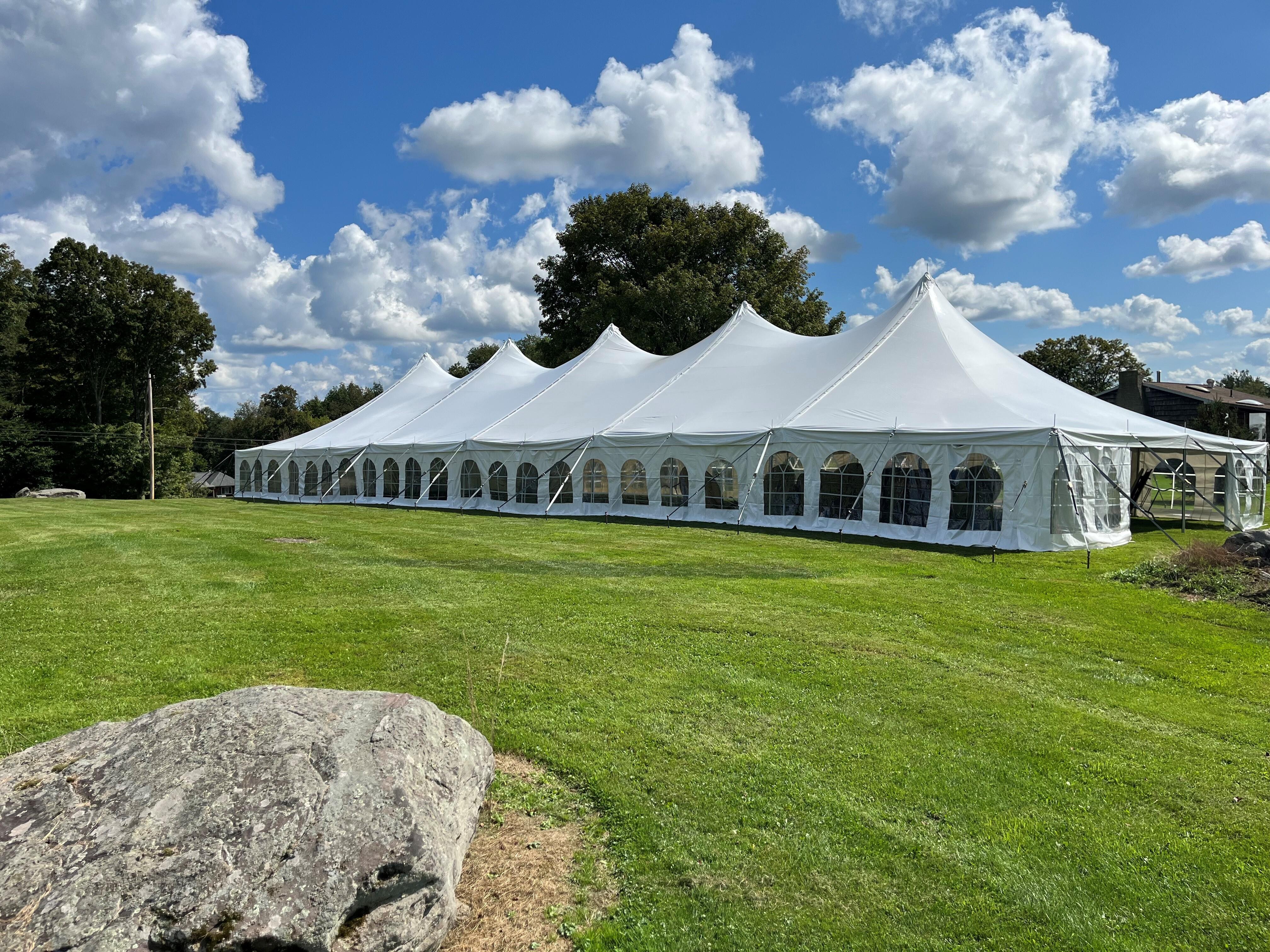
Sidewalls turn a shade structure into a fully enclosed space. That matters for several reasons:
- Weather protection. Wind-driven rain and cold air can't cut through the tent.
- Climate control. Heaters and air conditioning units hold their temperature much more effectively inside an enclosed tent.
- Privacy and branding. Solid or printed panels block sightlines while creating additional space for logos and graphics.
- Noise control. Enclosed walls help reduce outside noise and limit how far music and announcements travel, which can be important for events near residential areas.
Without sidewalls, a tent only solves part of the weather challenge. Adding sidewalls allows rental companies to confidently book more spring and fall events that clients may otherwise hesitate to schedule outdoors.
Panel Types Worth Stocking
Not every event calls for the same style of sidewall. Keeping a variety of panel options in your inventory allows you to match the wall to each booking.
Solid Panels
Solid vinyl panels provide complete protection from wind, rain, and outside visibility. They're the standard choice for weddings, galas, corporate events, and cooler-weather rentals. Most rental fleets stock more solid panels than any other style because they're suitable for the widest range of events.
Clear Vinyl Panels
Clear panels let in natural light while still blocking wind and rain. They work especially well for daytime events where clients want to preserve outdoor views without sacrificing guest comfort.
Many rental companies combine a clear vinyl sidewall with solid panels on the same tent, using clear sections at eye level while maintaining full weather protection below.
Cathedral Window Panels
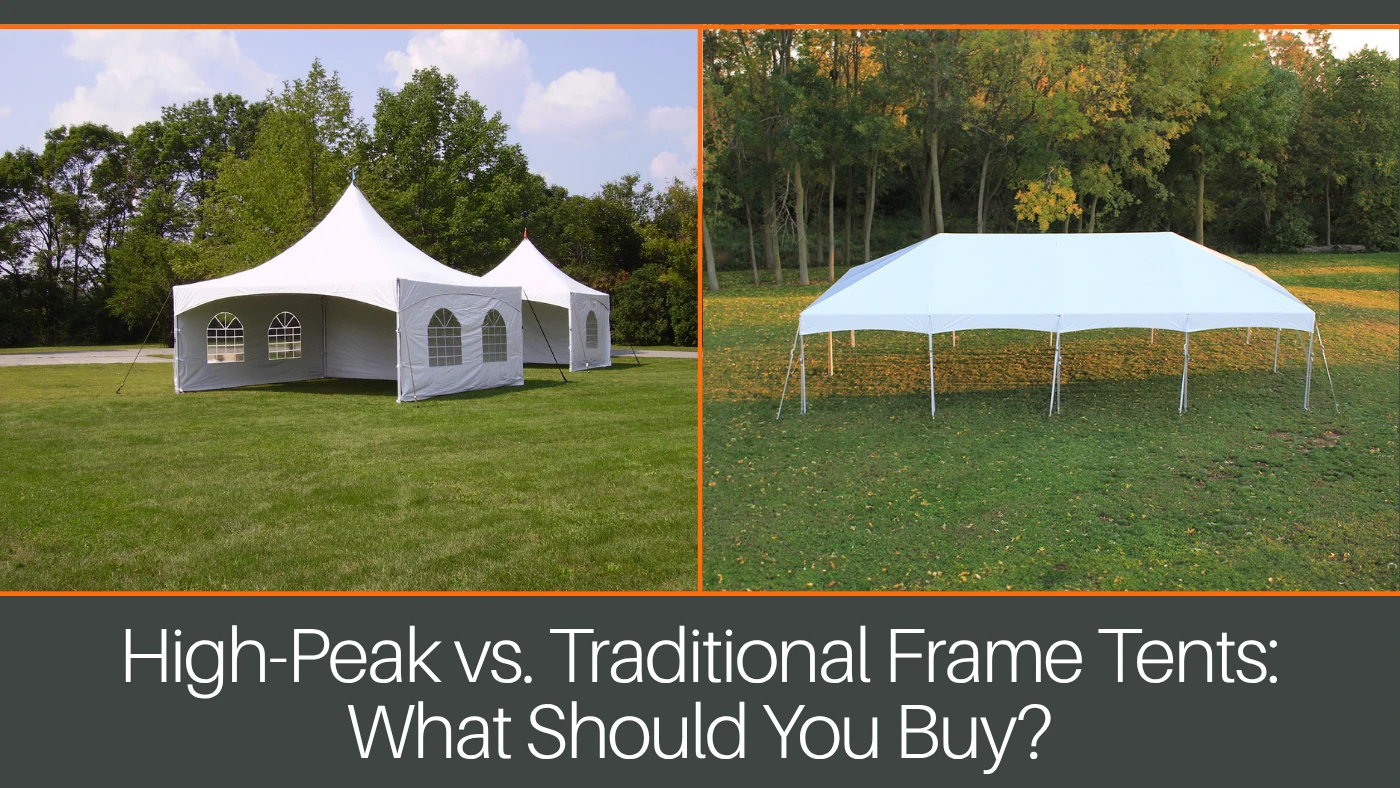
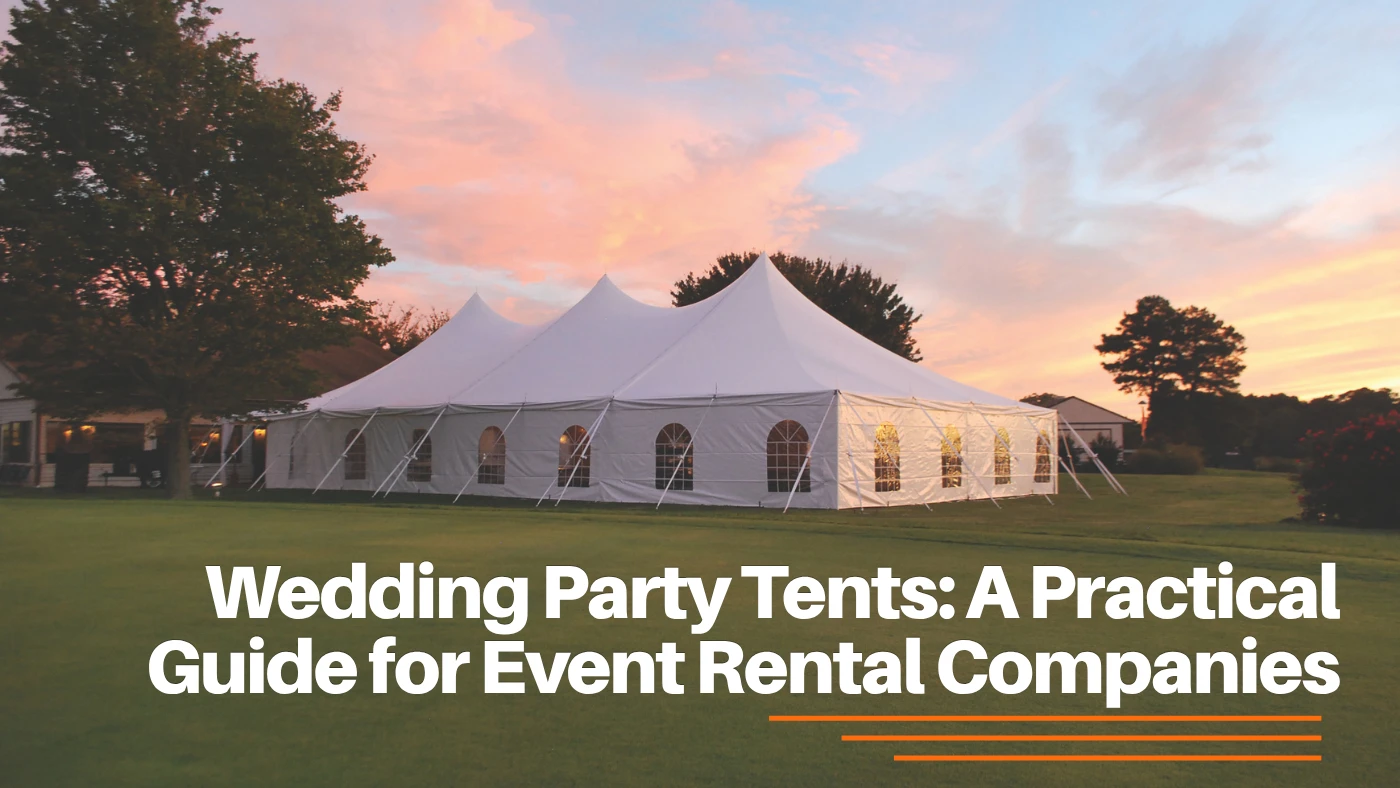
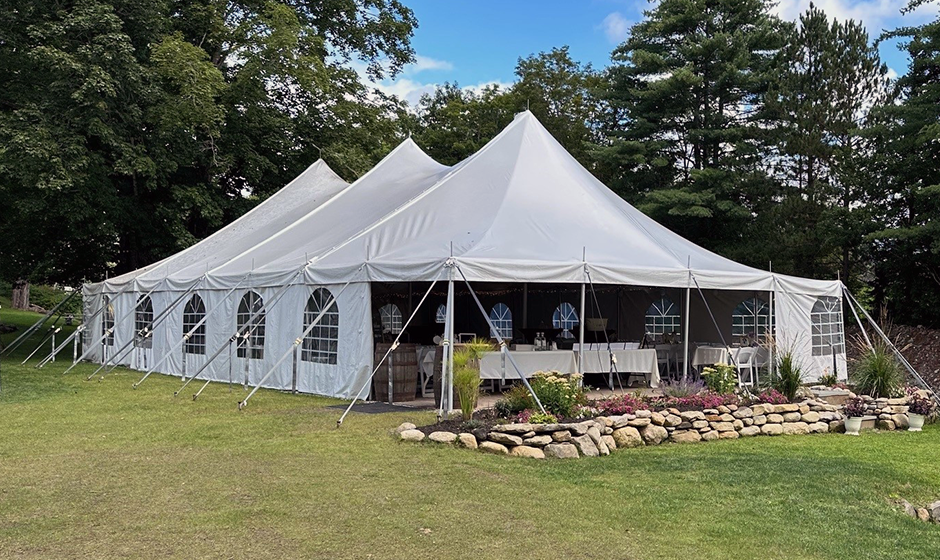
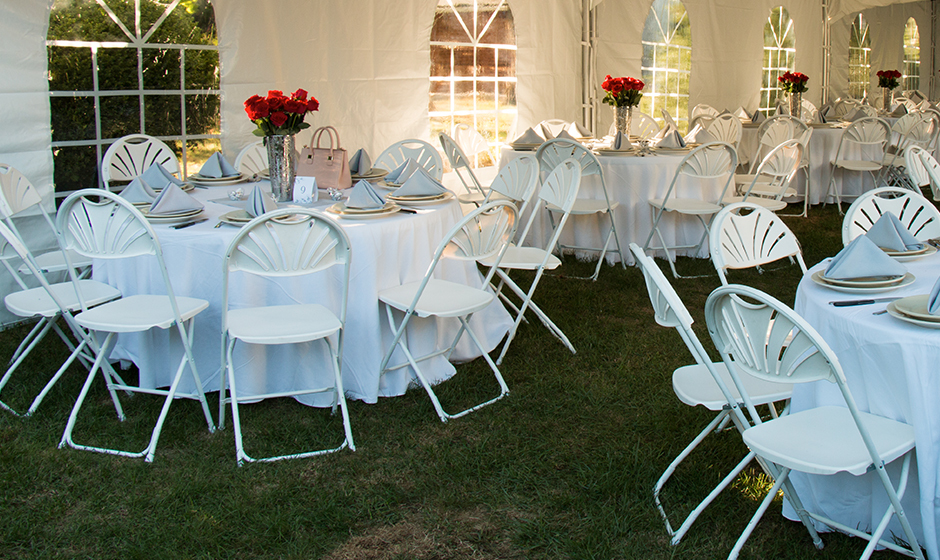
Cathedral window panels feature elegant arched windows built into solid vinyl walls. They create a more upscale appearance while still providing excellent weather protection, making them particularly popular for weddings and formal events.
Screen or Mesh Panels
Mesh panels allow fresh air to circulate while keeping insects outside. They're ideal for warm-weather events such as farmers markets, outdoor dinners, summer receptions, and other occasions where ventilation matters more than weather protection.
Printed and Branded Panels
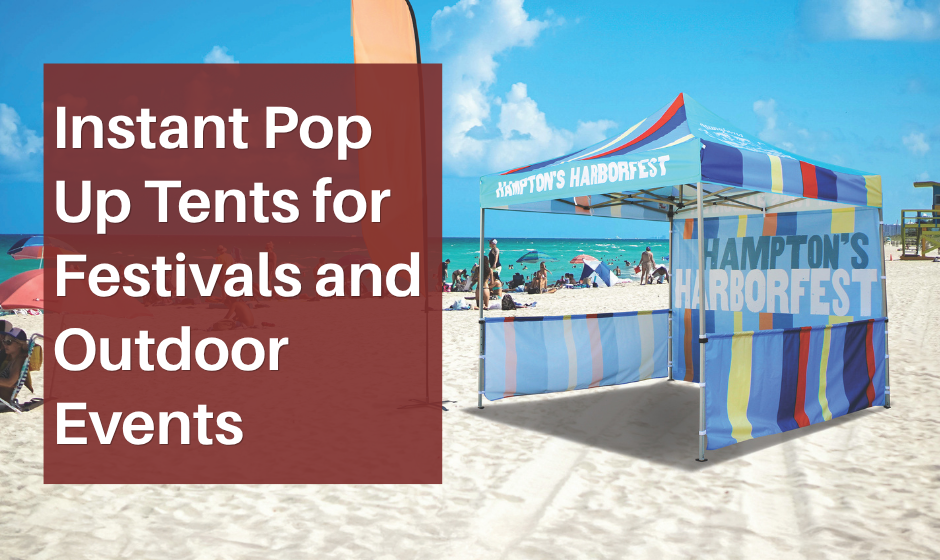
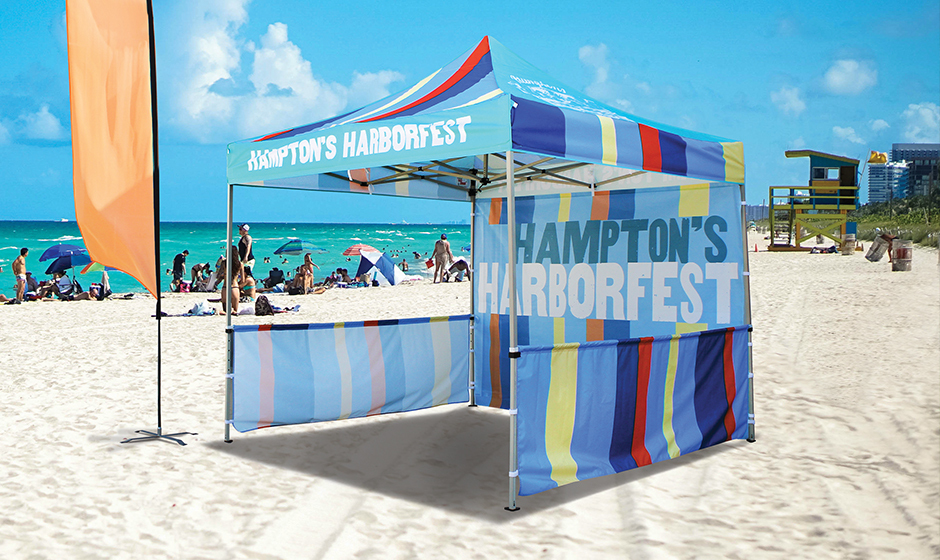
Solid sidewalls also serve as valuable advertising space. Custom logos and branded graphics turn plain panels into effective signage for trade shows, sponsor activations, and corporate events.
Although printed panels require a larger upfront investment, many rental companies recover those costs quickly through premium corporate bookings.
Matching Sidewalls to Your Tent Frame
Sidewalls aren't universal. A panel designed for a frame tent won't properly fit a pole tent, since each structure has different wall heights, leg spacing, and roof profiles.
Frame tents provide a straight, consistent wall line from end to end, allowing standard-length panels to be reused across multiple tent sizes.
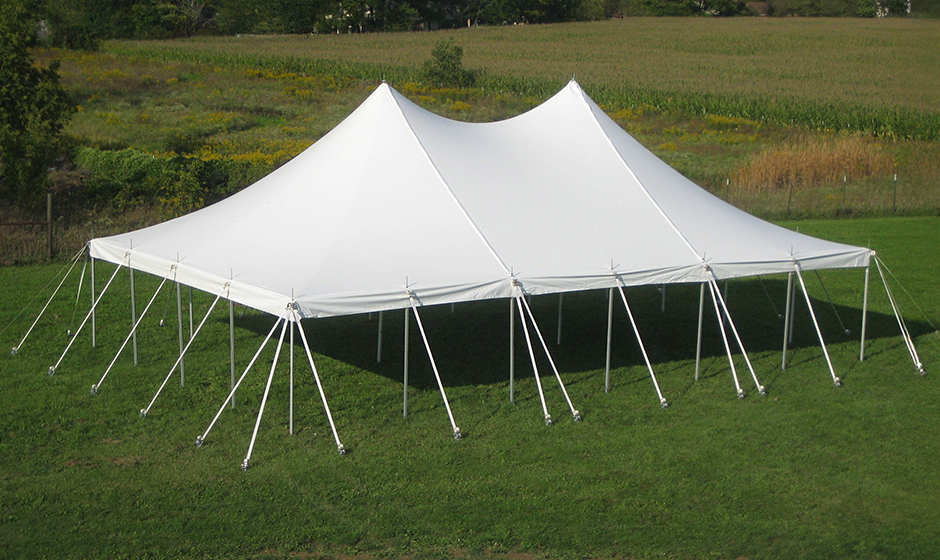
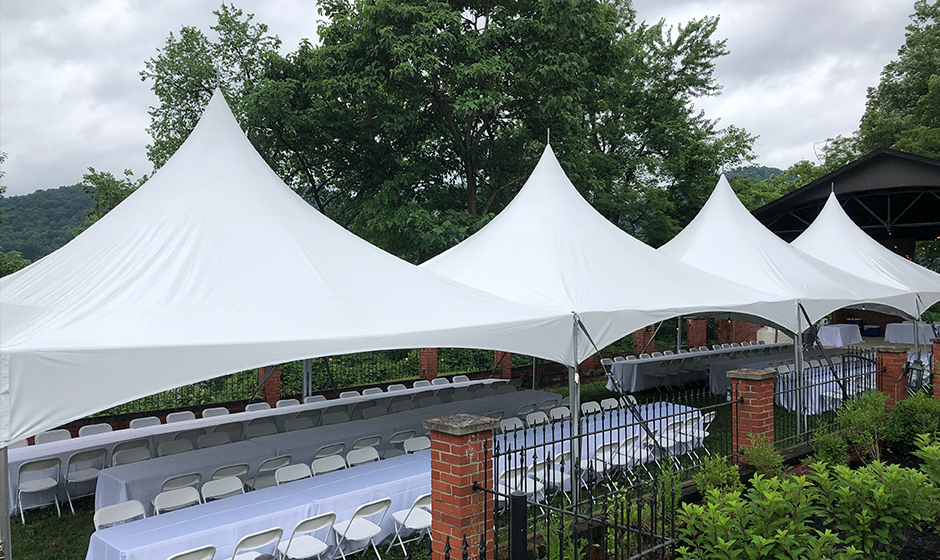
Pole tents create peaks and valleys along the roofline, requiring sidewalls that follow the unique shape of the tent. Rental companies carrying both tent styles should maintain separate sidewall inventories for each system.
Attachment hardware also varies. Some tents use continuous rope-and-track systems, while others rely on evenly spaced bungee attachments. Using incompatible hardware often results in poor fit, visible gaps, and panels that flap excessively in windy conditions.
Wind Ratings and Sidewall Safety
Adding sidewalls changes how a tent performs in windy conditions.
Because enclosed walls prevent air from passing through the structure, the tent experiences greater wind loads than an open canopy. Wind engineering for temporary structures follows the principles outlined in ASCE 7, which serves as the industry standard for structural wind loads.
That's why many rental companies include procedures for dropping sidewalls when wind conditions increase. Building these procedures into installation guidelines and rental agreements helps improve both safety and client expectations.
Sidewall fabric should also meet applicable flame-resistance requirements, just like the tent top. Always request certification from your supplier and keep copies available for venue inspections.
What Sidewalls Add to Your Rental Rate
For most rental companies, sidewalls quickly become one of the most profitable accessories in their inventory. They're an easy upgrade to recommend because clients immediately understand the value of creating a fully enclosed event space.
Adding sidewalls can help your business:
- Extend your rental season. Enclosed tents can be paired with heaters or cooling equipment, making spring and fall events much more comfortable.
- Increase average order value. Weddings, galas, and corporate events often choose sidewalls as a premium upgrade once they're included as an option.
- Protect other rental equipment. Sidewalls help shield tables, chairs, linens, lighting, and décor from wind, dust, and rain.
- Create new opportunities. Branded panels are popular for trade shows, sponsor activations, and corporate events where additional advertising space adds value.
Many rental companies begin with solid panels for their most frequently rented tent sizes, then expand into clear vinyl and cathedral window panels as demand grows.
Storage and Care Between Bookings
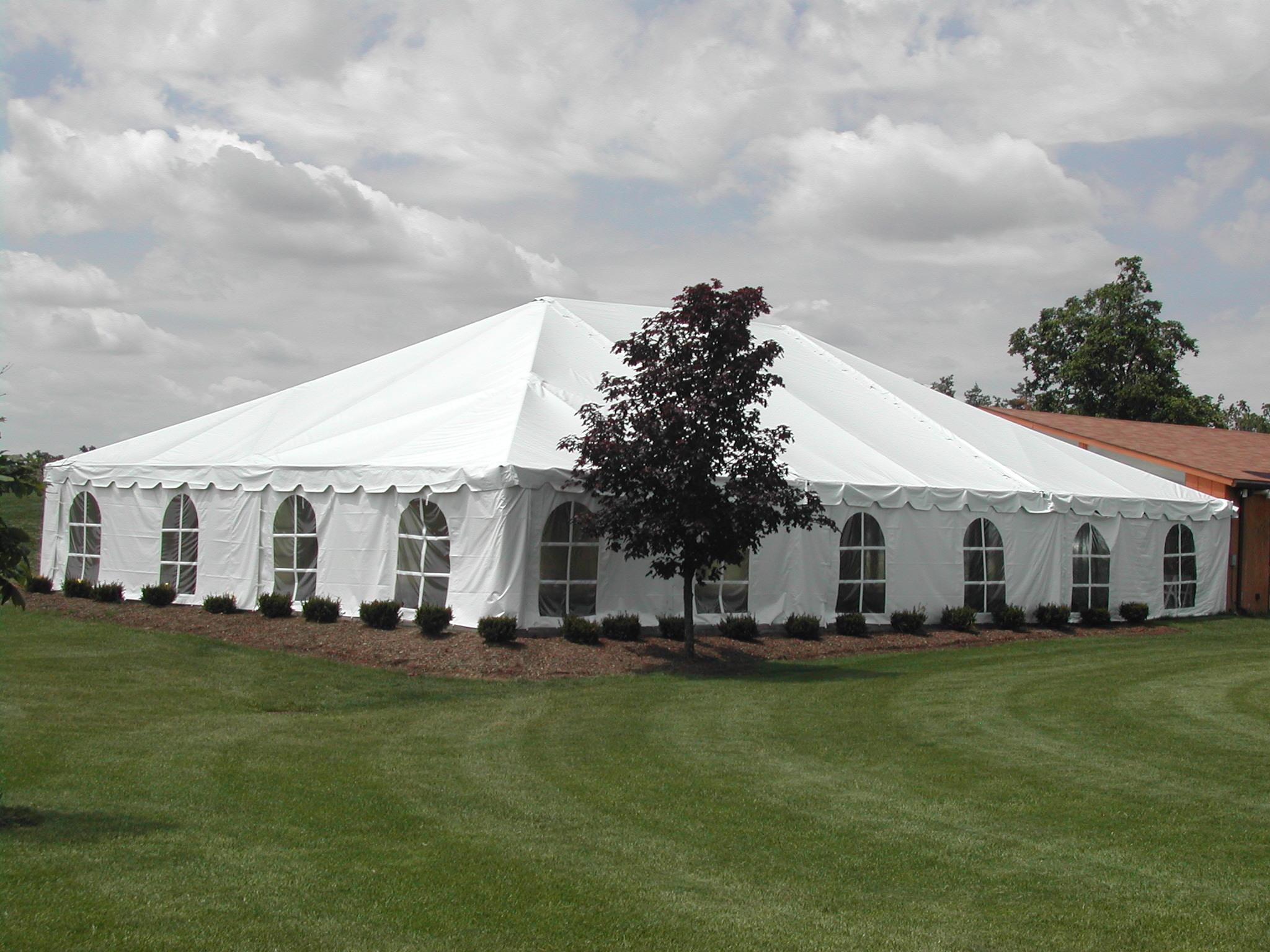
Proper maintenance helps sidewalls continue looking professional season after season.
After each event, clean vinyl panels and allow them to dry completely before storage. Packing damp fabric can lead to mildew, staining, and unnecessary damage that shortens the life of the panels.
During cleanup, inspect every panel for torn seams, worn grommets, damaged fasteners, or loose attachment hardware. Small repairs completed early are usually far less expensive than replacing an entire sidewall.
Many rental companies also organize sidewalls by tent size so installation crews can quickly locate matching panels and avoid delays during setup.
Common Sidewall Mistakes Rental Companies Make
Even experienced rental businesses can lose time and money by overlooking a few simple details.
- Ordering panels that are "close enough." Sidewalls should always match the exact tent size and frame style for the best appearance and performance.
- Not discussing wind procedures with clients. Customers should understand that sidewalls may need to be removed if weather conditions become unsafe.
- Only stocking solid panels. Clear and cathedral panels often generate higher-margin upgrades for weddings and premium events.
- Storing panels while they're still damp. Moisture is one of the quickest ways to shorten the lifespan of vinyl sidewalls.
How to Order the Right Sidewall Setup
Before placing an order, work through a simple checklist:
- Confirm whether your tent uses a frame or pole design.
- Match the panel dimensions to your tent's exact size.
- Choose the right mix of solid, clear, cathedral, and mesh panels for the types of events you serve.
- Request flame-resistance certification with your order.
- Verify that the attachment hardware matches your existing tent system.
- Make sure you have adequate storage space before expanding your inventory.
Ready to Add Sidewalls to Your Fleet?
A sidewall tent gives rental companies far more than additional weather protection. It creates higher-value rental packages, extends the outdoor event season, protects valuable equipment, and gives clients greater confidence when planning events in changing weather.
Ready to Add Commercial Sidewalls to Your Rental Fleet?
Explore solid, clear, cathedral, and mesh tent sidewalls built to help you extend your rental season, protect guests from the elements, and create premium event packages.
Shop Commercial Tent SidewallsSolid & Clear Panels | Commercial Grade | Fast Shipping
Frequently Asked Questions
What's the difference between a sidewall and a tent liner?
A sidewall encloses the perimeter of the tent to block wind and rain, while a tent liner hangs beneath the roof to conceal the frame and create a more finished appearance.
Do sidewalls make a tent windproof?
No. Sidewalls improve weather protection but also increase wind loads on the structure. Always follow the manufacturer's recommendations and remove sidewalls if conditions become unsafe.
Can I add sidewalls to a tent I already own?
In many cases, yes. Just be sure to purchase sidewalls designed specifically for your tent's size, frame style, and attachment system.
How many sidewall panels does a tent need?
The number of panels depends on the tent's dimensions and perimeter. Your supplier can recommend the correct quantity based on your exact tent model.
Can clear and solid panels be used together?
Absolutely. Many rental companies combine clear and solid panels on the same tent to balance natural light, visibility, privacy, and weather protection.