



Is a 20x40 Canopy the Right Size for Your Event?
A 20x40 canopy covers 800 square feet, which puts it right in the range most hosts land on once a standard 20x20 starts to feel tight. It's big enough for a full backyard wedding, a family reunion, or a weekend vendor setup, but it's still small enough to fit on most residential lots without needing a commercial site plan. Before you buy, it helps to know exactly what fits underneath, what drives the price, and what the canopy needs from your site to go up safely.
This guide walks through capacity, structure types, setup, and the accessories that turn a bare canopy into a finished event space.
What a 20x40 Canopy Actually Covers
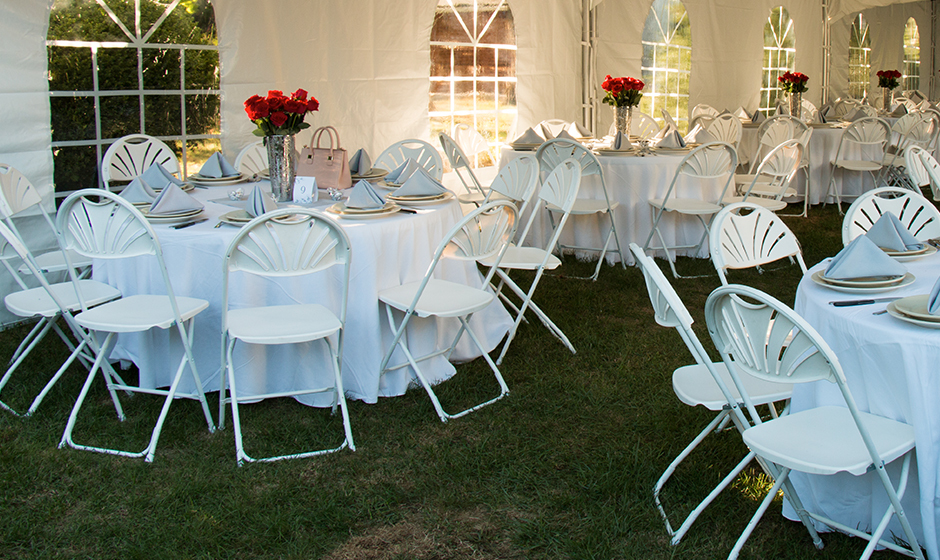
At 800 square feet, a 20x40 canopy gives you roughly the footprint of a small studio apartment. That's enough room for a mix of seating, a walkway, and a dedicated area for a bar, buffet, or dance floor—but only if you plan the layout before committing to furniture and accessories.
Many buyers focus only on the dimensions, but how you arrange the space has just as much impact as the overall size.
Planning ahead helps you avoid overcrowding and ensures guests can move comfortably throughout the event.
How Many People Fit Under a 20x40 Canopy?
The number of guests depends on the type of event you're hosting.
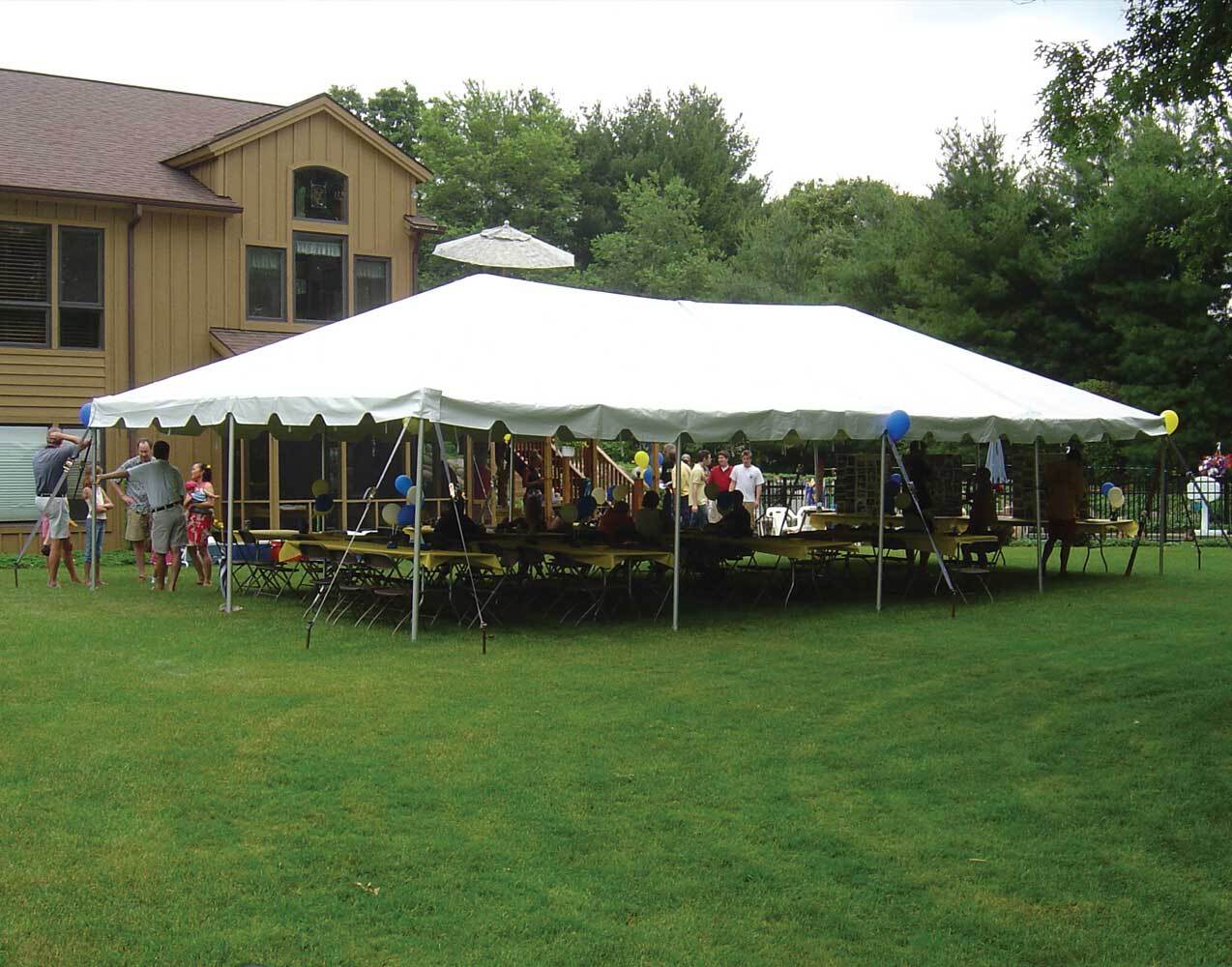
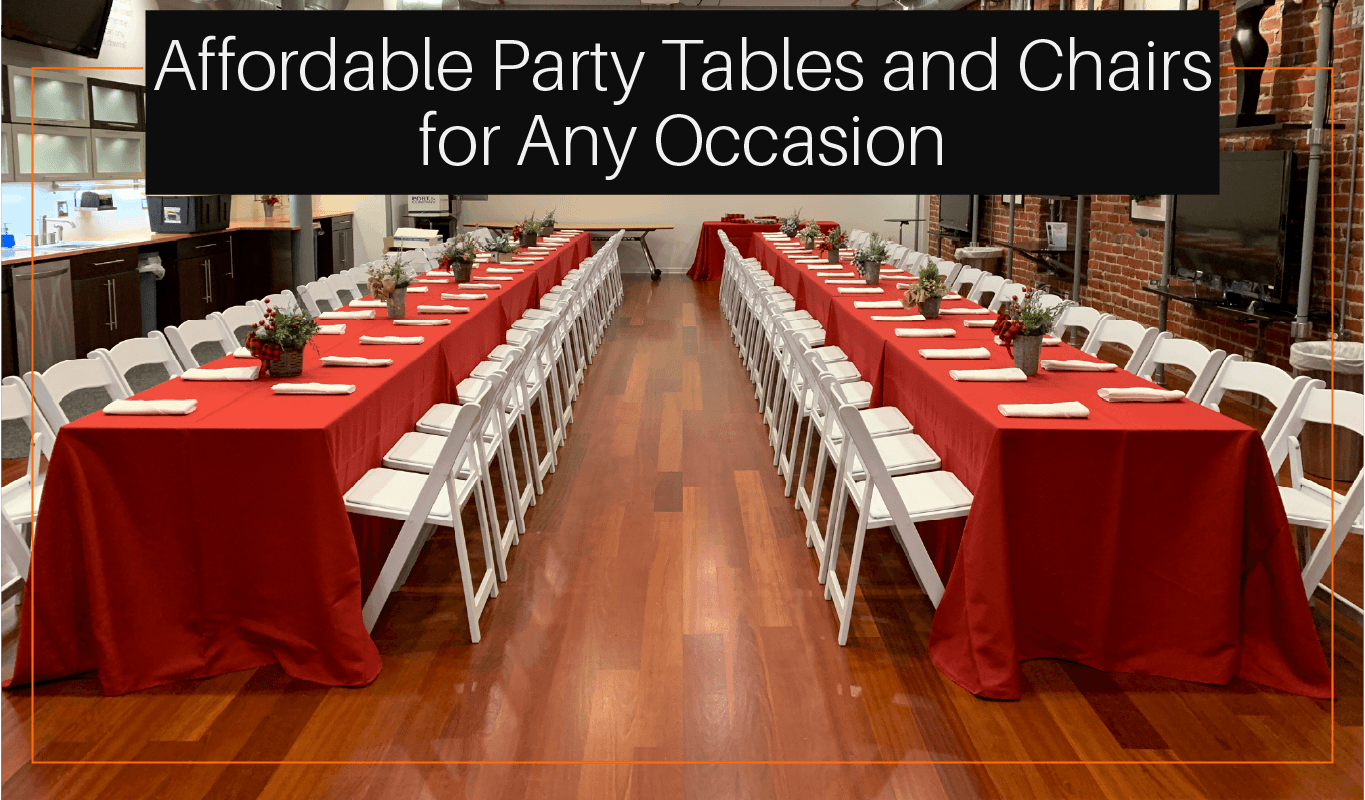
A standing reception allows more people under the canopy than a formal seated dinner because tables and chairs require significantly more floor space.
It's also important to consider whether you'll need room for:
- Round or banquet tables
- A buffet or catering station
- A bar
- A dance floor
- Entertainment or a DJ
- Comfortable walkways
Using a detailed layout before purchasing helps you determine whether a 20x40 canopy offers enough room for your specific event.
For additional planning guidance, see our Tent Size Guide.
Best Uses for a 20x40 Canopy
Backyard Parties and Family Reunions
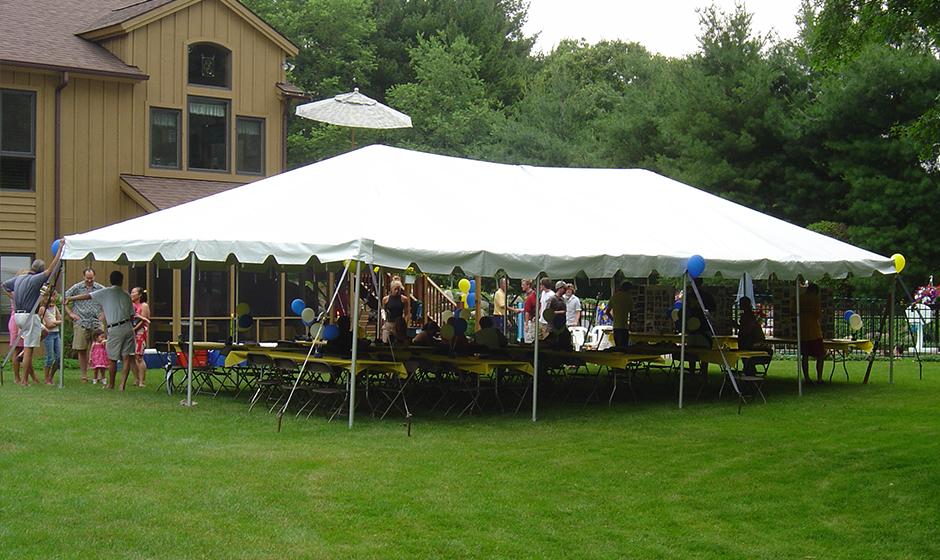
A 20x40 canopy fits comfortably in many residential backyards while still leaving room for seating, food service, and activities around the edges.
Wedding Receptions
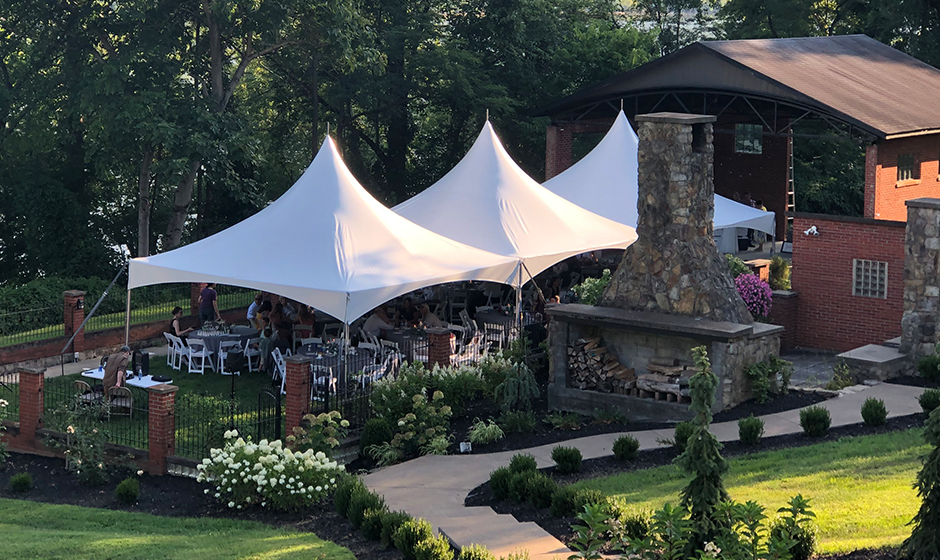
Smaller outdoor weddings often use this size for dining with enough remaining space for dancing or entertainment.
Community and Vendor Events
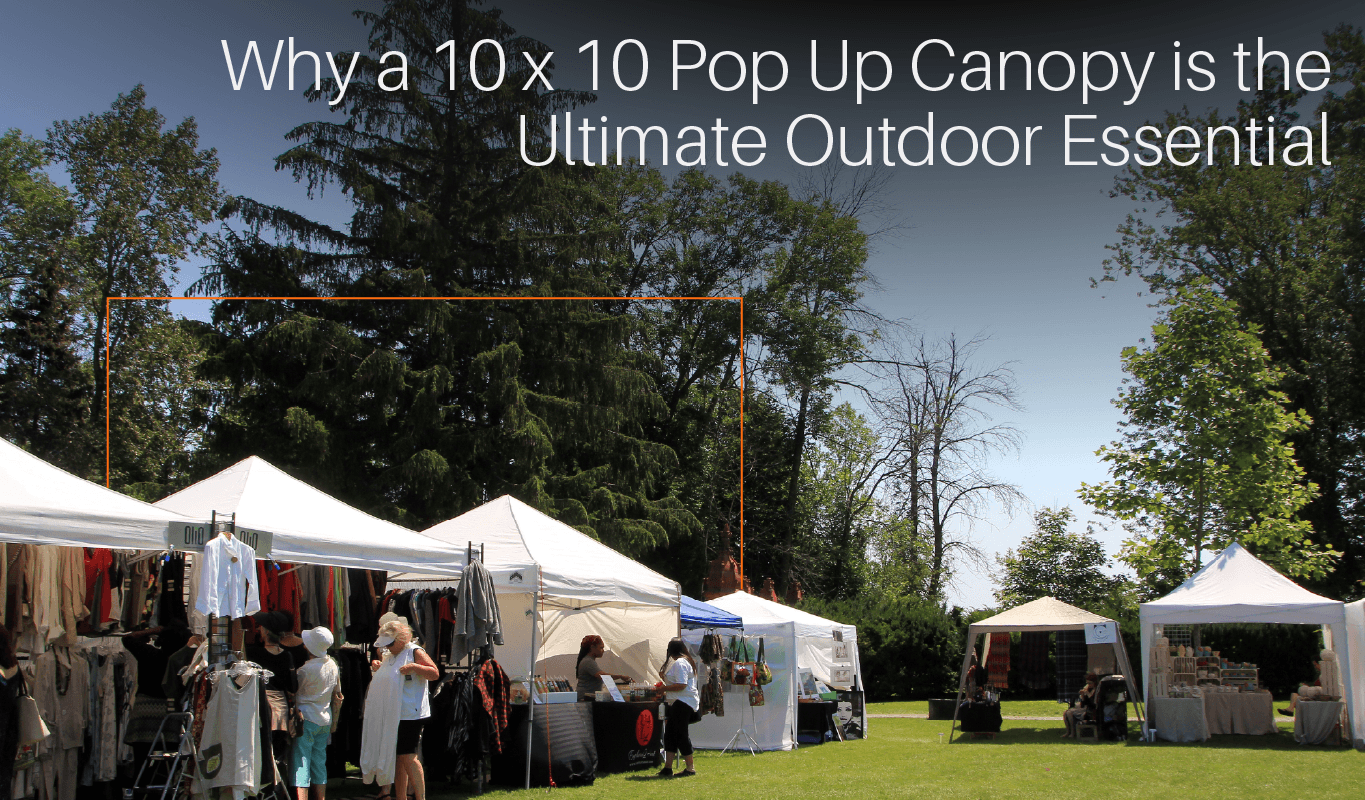
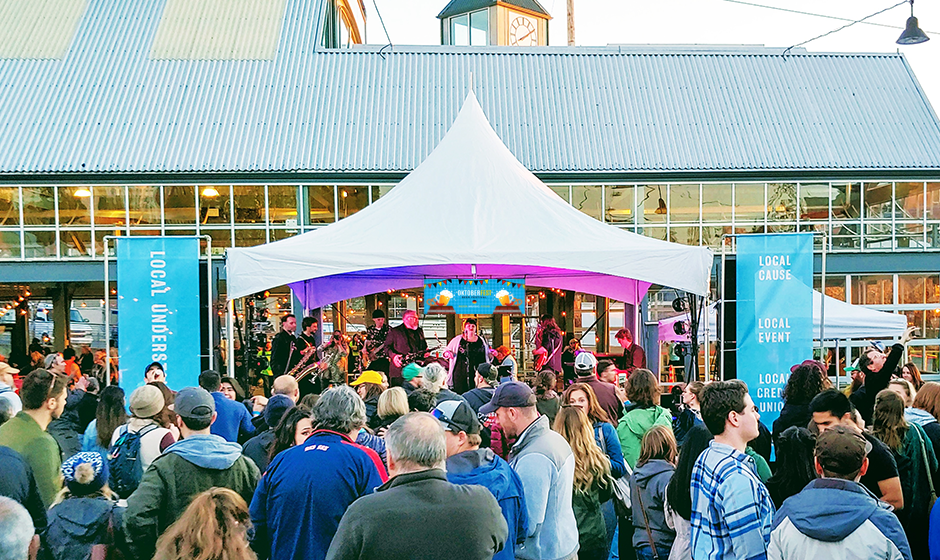
Farmers markets, church gatherings, neighborhood festivals, and vendor events frequently use 20x40 canopies to create covered spaces for multiple booths or activity areas.
School and Sporting Events
This size works well for registration tables, concession stands, team gathering areas, and equipment storage.
Canopy vs. Frame Tent vs. Pole Tent
Although the word "canopy" is often used to describe many outdoor shelters, the structural design affects how the space functions.
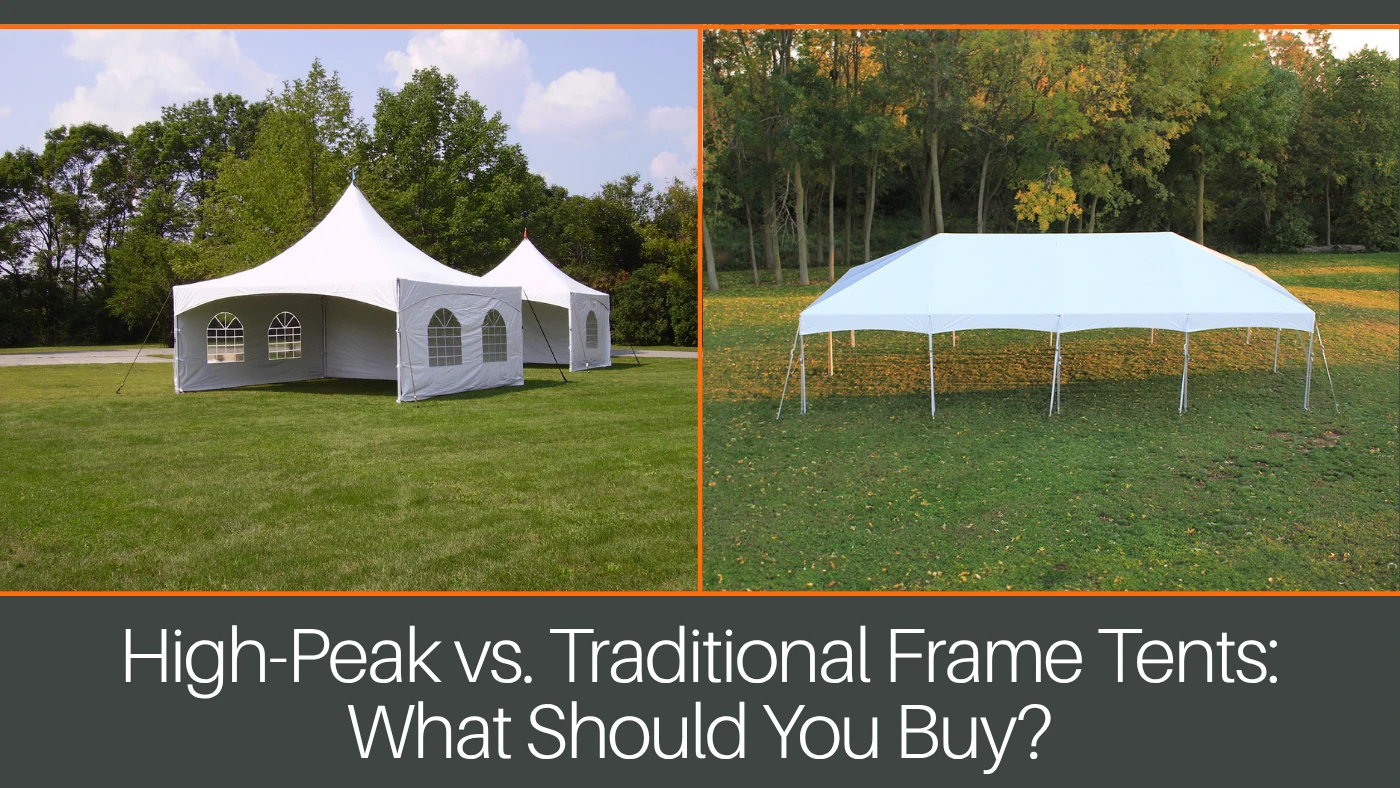
Frame Tents
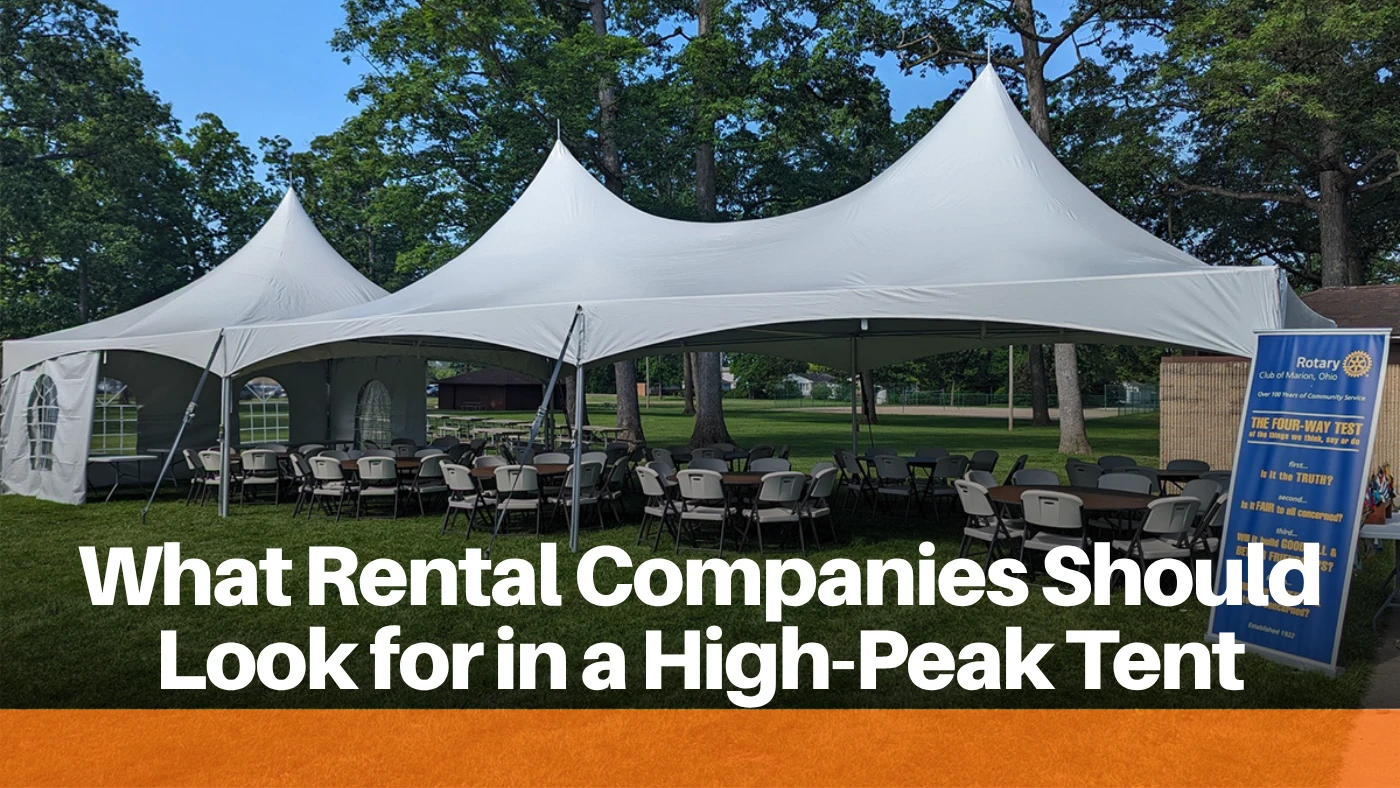
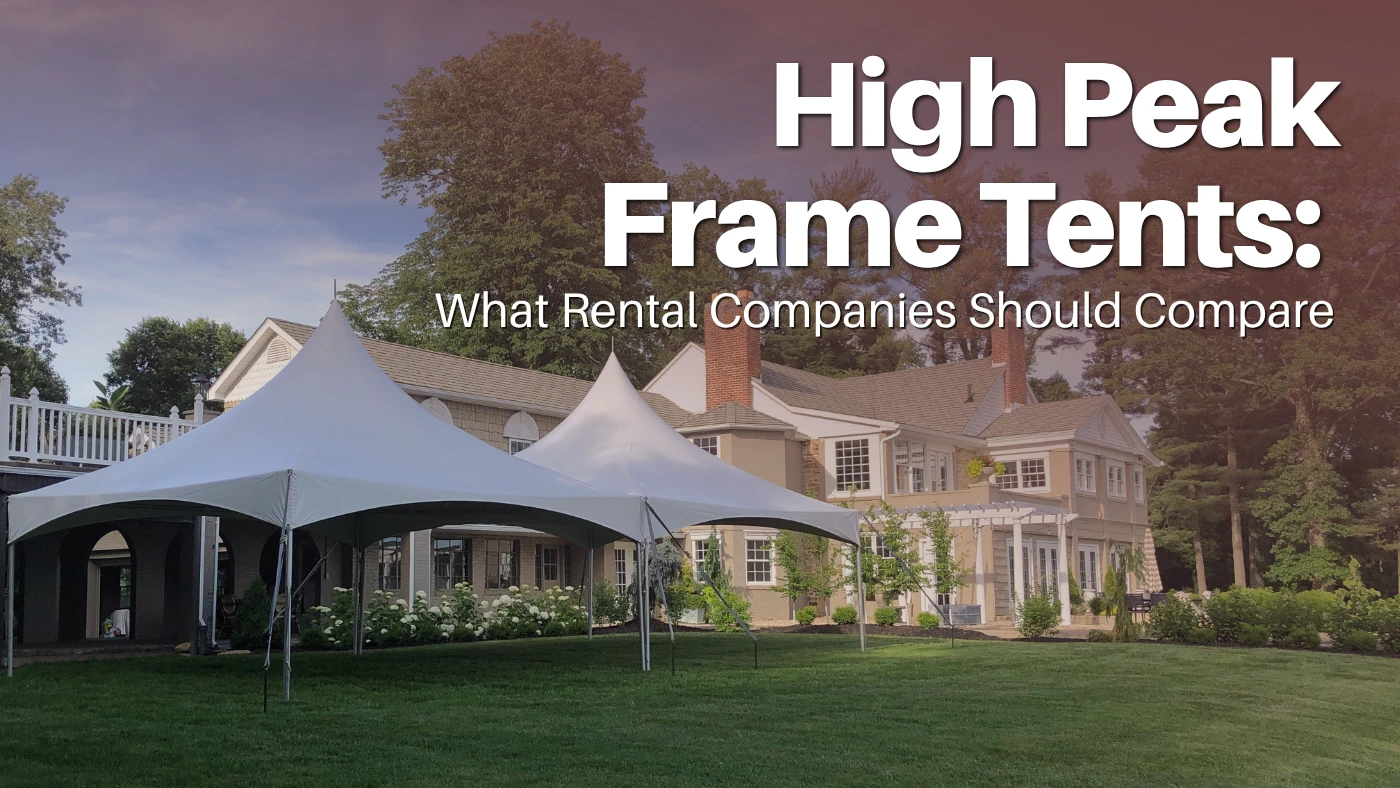
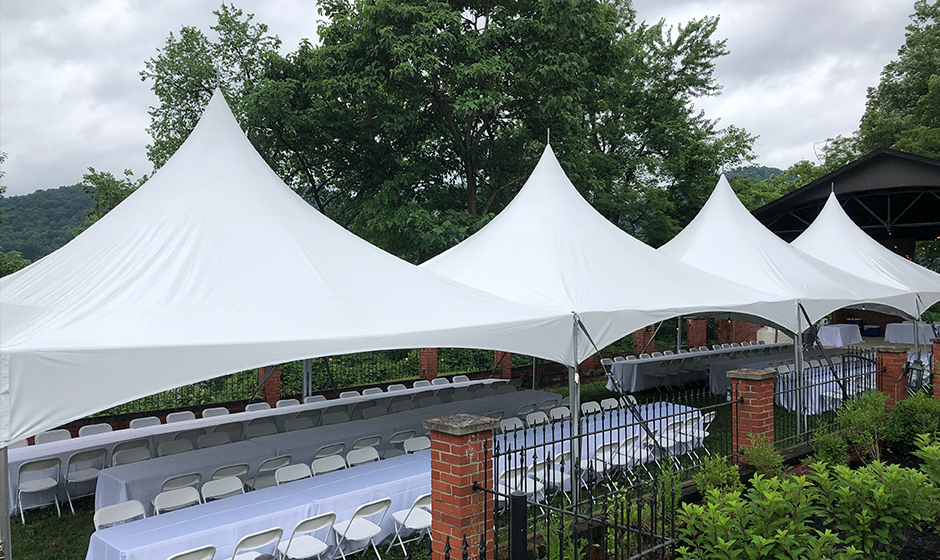
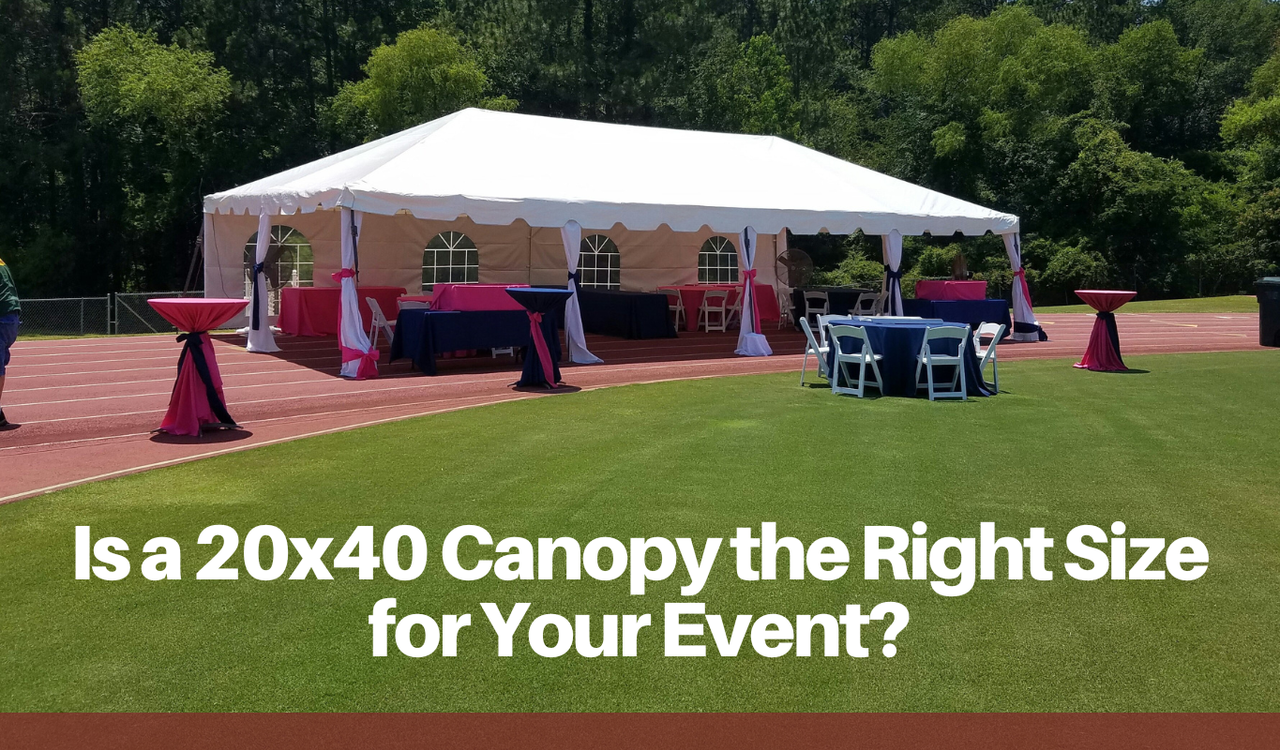
Frame tents use an aluminum framework to support the canopy without center poles.
This creates a completely open interior that's ideal for flexible seating arrangements, dance floors, and larger event layouts.
Frame tents can also be installed on grass, concrete, asphalt, and other surfaces using appropriate anchoring methods.
Pole Tents
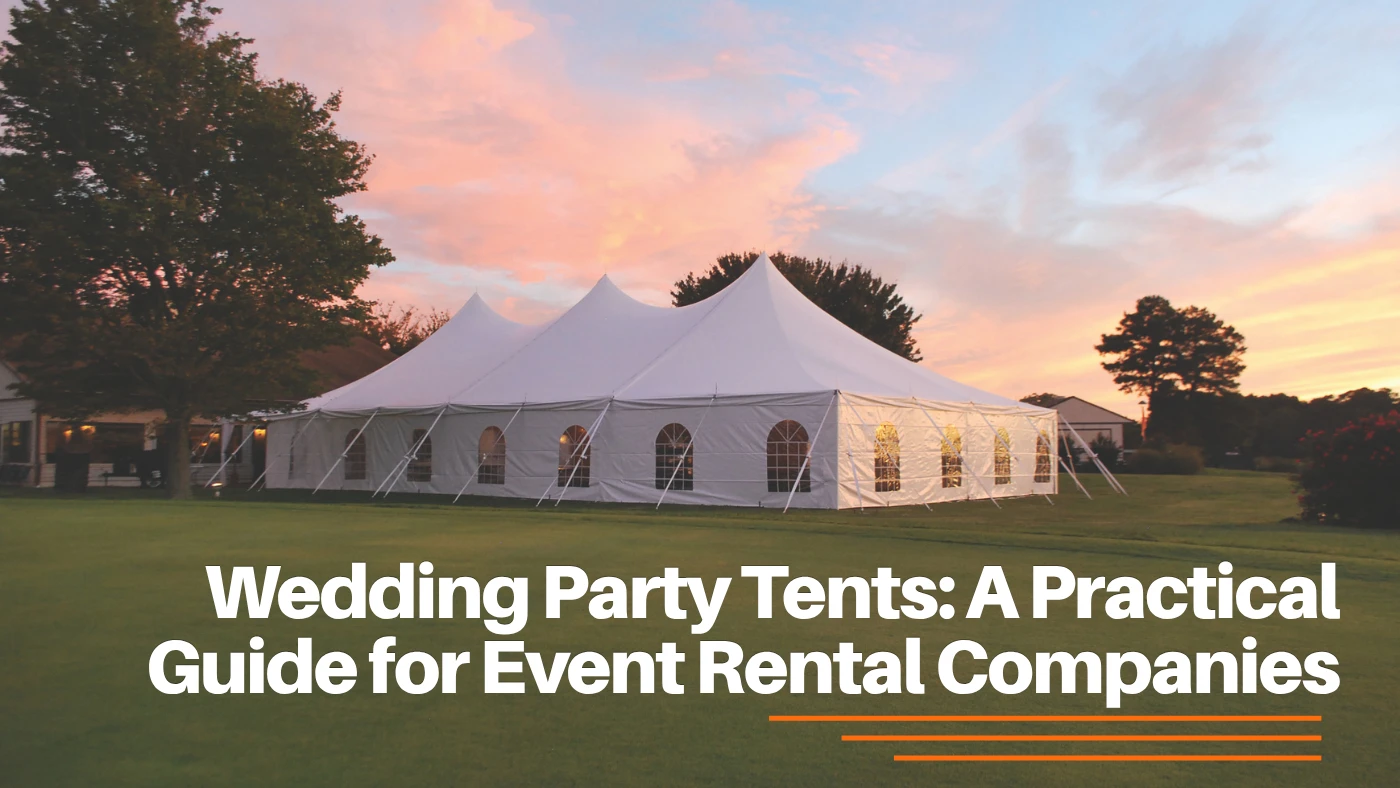
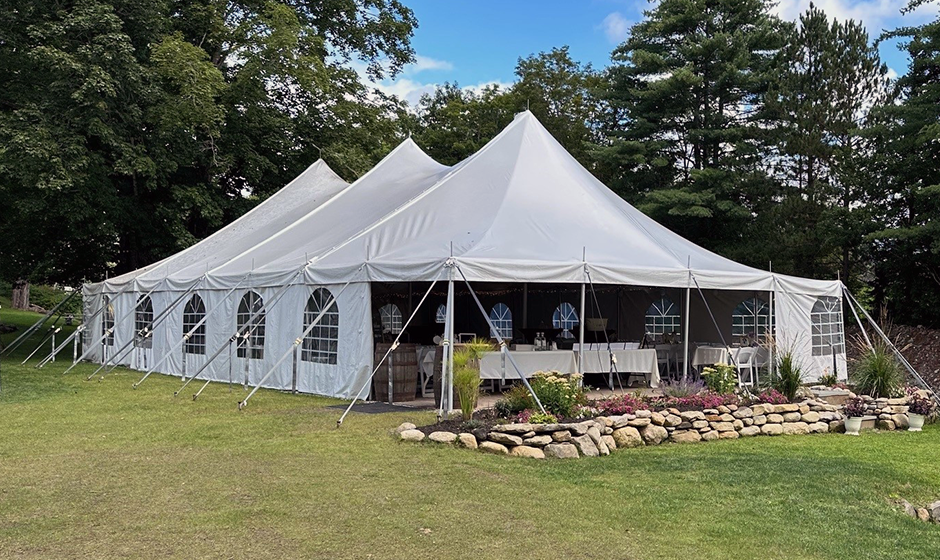
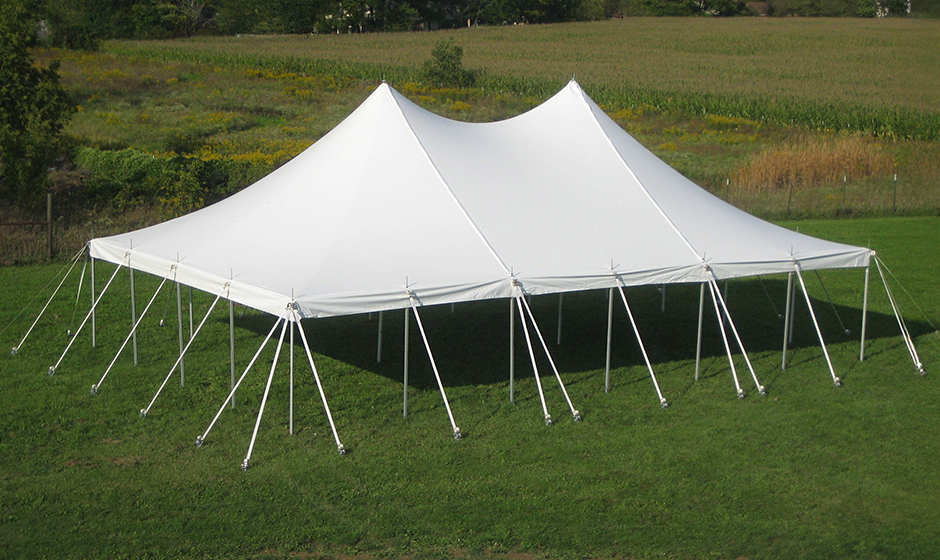
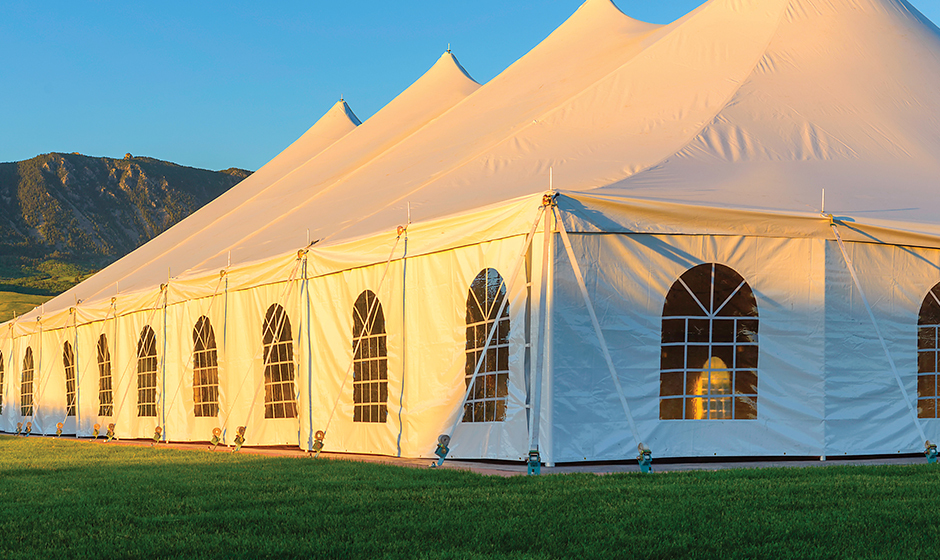
Pole tents rely on center poles and perimeter staking to create their distinctive peaked appearance.
They're often more economical than frame tents and remain a popular choice for weddings and outdoor celebrations held on grassy sites.
However, you'll need to plan your layout around the center poles.
What Affects the Price of a 20x40 Canopy?
Several factors influence the overall cost of a 20x40 canopy.
- Frame style
- Fabric quality and weight
- Included hardware
- Complete kit versus individual components
- Accessories such as sidewalls and liners
Understanding what's included makes comparing prices much easier.
For a detailed breakdown, read our 20x40 Tent Price Guide.
Setting Up a 20x40 Canopy
A canopy this size is typically not a one-person installation.
Most setups require a small crew, basic tools, and several hours depending on the installation surface and any accessories being added.
If you're working with sidewalls, lighting, or flooring, allow additional setup time.
Our 20x40 Tent Setup Guide explains what to expect before event day.
Prepare Your Site Before Installation
Don't measure only the canopy footprint.
You'll also need space around the perimeter for staking, anchoring, installation, and guest movement.
Ground conditions also affect how the canopy is secured.
- Grass typically allows standard staking.
- Concrete or asphalt usually requires ballast or weighted anchoring systems.
Before staking any tent, contact 811 to have underground utility lines marked.
It's a simple step that helps prevent costly damage and improves job-site safety.
Weather Considerations for a Large Canopy
An 800-square-foot canopy catches significantly more wind than a smaller structure, making proper anchoring essential.
Adding sidewalls improves protection from wind-driven rain and cooler temperatures, but it also increases the amount of wind pressure placed on the structure.
Always follow the manufacturer's recommendations for anchoring, sidewall use, and when panels should be removed if weather conditions worsen.
Checking the forecast several days before your event also gives you time to adjust your setup rather than making last-minute changes during installation.
Accessories That Complete a 20x40 Canopy
A canopy provides the structure, but accessories help turn it into a functional event space.
Popular additions include:
- Sidewalls for privacy and weather protection
- Tent liners for a clean, finished ceiling appearance
- Tables and chairs sized for your event layout
- Lighting for evening events
- Flooring for improved guest comfort and stability
- Heating or cooling equipment depending on the season
If you're planning a formal event, browse the available tent liner options to create a more polished interior.
Common Mistakes When Buying a 20x40 Canopy
A few planning mistakes appear repeatedly when buyers choose a canopy for the first time.
- Buying based only on square footage without planning the layout
- Skipping utility marking before staking the tent
- Assuming every canopy and tent structure is identical
- Forgetting to allow space for anchoring around the perimeter
- Waiting until the forecast changes before considering sidewalls
- Underestimating installation time and crew requirements
A little preparation before purchasing helps avoid unnecessary costs and setup challenges later.
Find the Right 20x40 Canopy for Your Event
A 20x40 canopy offers an excellent balance between generous covered space and practical installation requirements.
Whether you're planning a wedding, family reunion, vendor event, school function, or community celebration, this size provides enough flexibility for a wide variety of layouts while remaining manageable for many event sites.
Choosing the right structure, preparing your site properly, and selecting compatible accessories will help you get the most from your investment for years to come.
Ready to Find the Right 20x40 Canopy?
Explore commercial-grade 20x40 canopy systems designed for weddings, events, rental companies, and professional outdoor use.
Shop 20x40 CanopiesCommercial Quality | Built to Last | Fast Shipping
Frequently Asked Questions
How many people fit under a 20x40 canopy?
Capacity depends on your event layout. A seated dinner accommodates fewer guests than a standing reception because tables and chairs require additional floor space.
What's the difference between a 20x40 canopy and a 20x40 tent?
The terms are often used interchangeably, but the actual structure—whether it's a frame tent, pole tent, or canopy system—determines the setup process, interior layout, and overall functionality.
How much does a 20x40 canopy cost?
Pricing depends on the frame type, canopy fabric, included hardware, and whether you're purchasing a complete kit or individual components.
How long does it take to set up a 20x40 canopy?
Most installations require a small crew and several hours, depending on site conditions and accessories like sidewalls, lighting, or flooring.
Do I need sidewalls for a 20x40 canopy?
Not always, but sidewalls provide additional protection from wind and rain. Be sure to follow the manufacturer's recommendations because enclosed tents experience higher wind loads.
What size yard do I need for a 20x40 canopy?
You'll need more space than the 20x40 footprint alone. Allow additional room around the perimeter for staking, anchoring, installation, and guest movement.