



Date Published: 13 August 2026
Choosing a Portable Outdoor Shelter That Actually Holds Up
A portable outdoor shelter gives you covered space fast, without building anything permanent. Rental companies, event operators, vendors, schools, and work crews all reach for the same solution when they need reliable coverage that goes up, comes down, and moves to the next job. The right shelter depends on size, how often you'll set it up, and what kind of weather it needs to handle.
This guide covers the shelter types worth stocking, how to size one correctly, and what separates a shelter built for repeated commercial use from one that's only good for a single weekend.
What Is a Portable Outdoor Shelter?
A portable outdoor shelter is a temporary structure built to provide covered outdoor space without permanent construction. That covers a wide range of products, from compact pop-up canopies you can set up alone in minutes to larger commercial structures that need a crew and planning time.
Portability doesn't mean every shelter sets up the same way. A 10x10 pop-up folds into a bag one person can carry, while a large frame structure requires more hands, more tools, and additional planning. Match the shelter to how you'll actually use it, not simply the word "portable" on the label.
Where Portable Outdoor Shelters Come in Handy
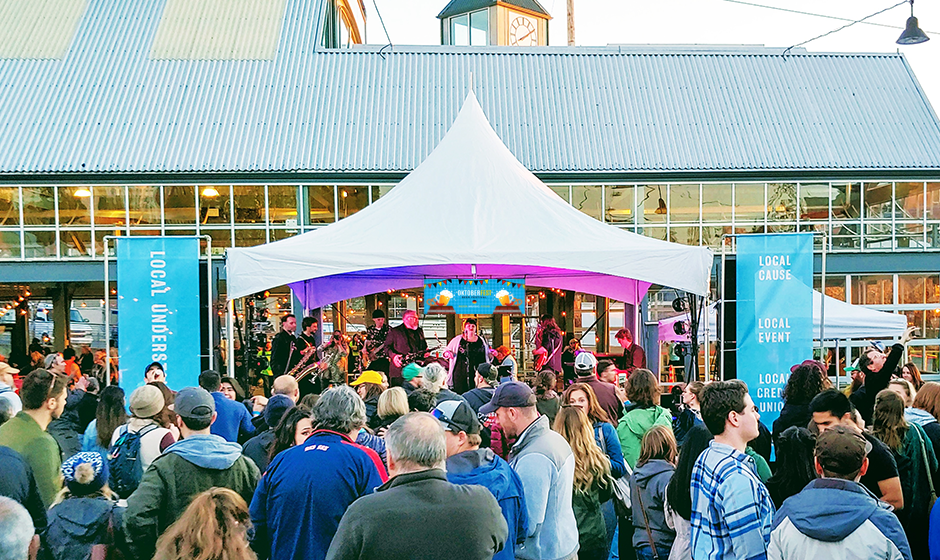
Festivals and Community Events
Vendor booths, information stations, ticket areas, and first-aid stations all rely on quick, dependable covered space that can be installed before gates open and removed once the event ends.
Farmers Markets and Vendor Booths
Weekly vendors need shelters designed for repeated setup and teardown. Along with dependable weather protection, display space and branding opportunities become just as important.
Sporting Events
Registration tables, officials, team areas, and equipment storage all benefit from portable shelters that can withstand a full day outdoors before moving to the next event.
Schools and Organizations
Registration days, outdoor fundraisers, campus events, and community programs often require shelters that volunteers or staff can assemble without professional installation crews.
Commercial and Work Sites
Temporary covered workspaces, equipment storage, break areas, and check-in stations help crews stay productive while remaining protected from the elements.
Choosing the Right Type of Portable Outdoor Shelter
Pop-Up Canopies
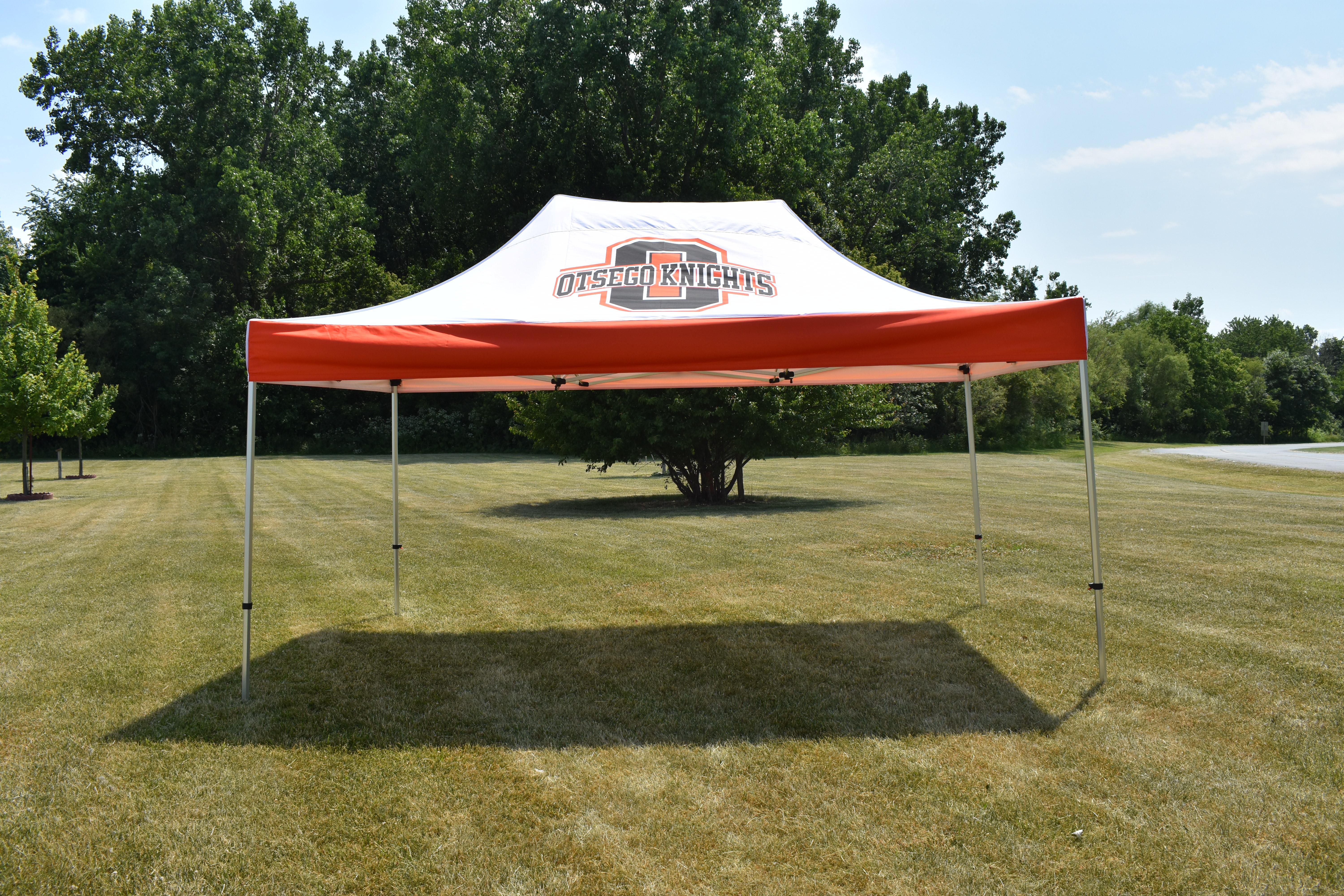
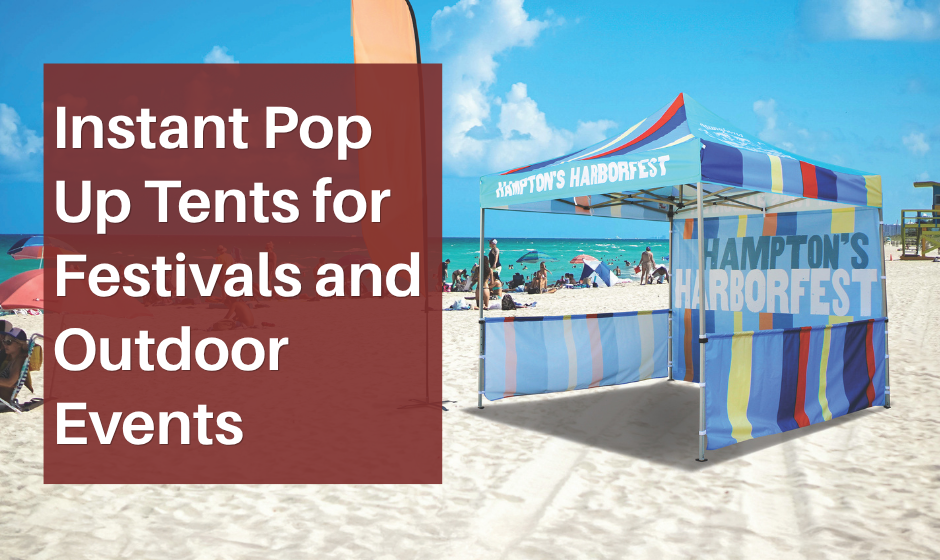
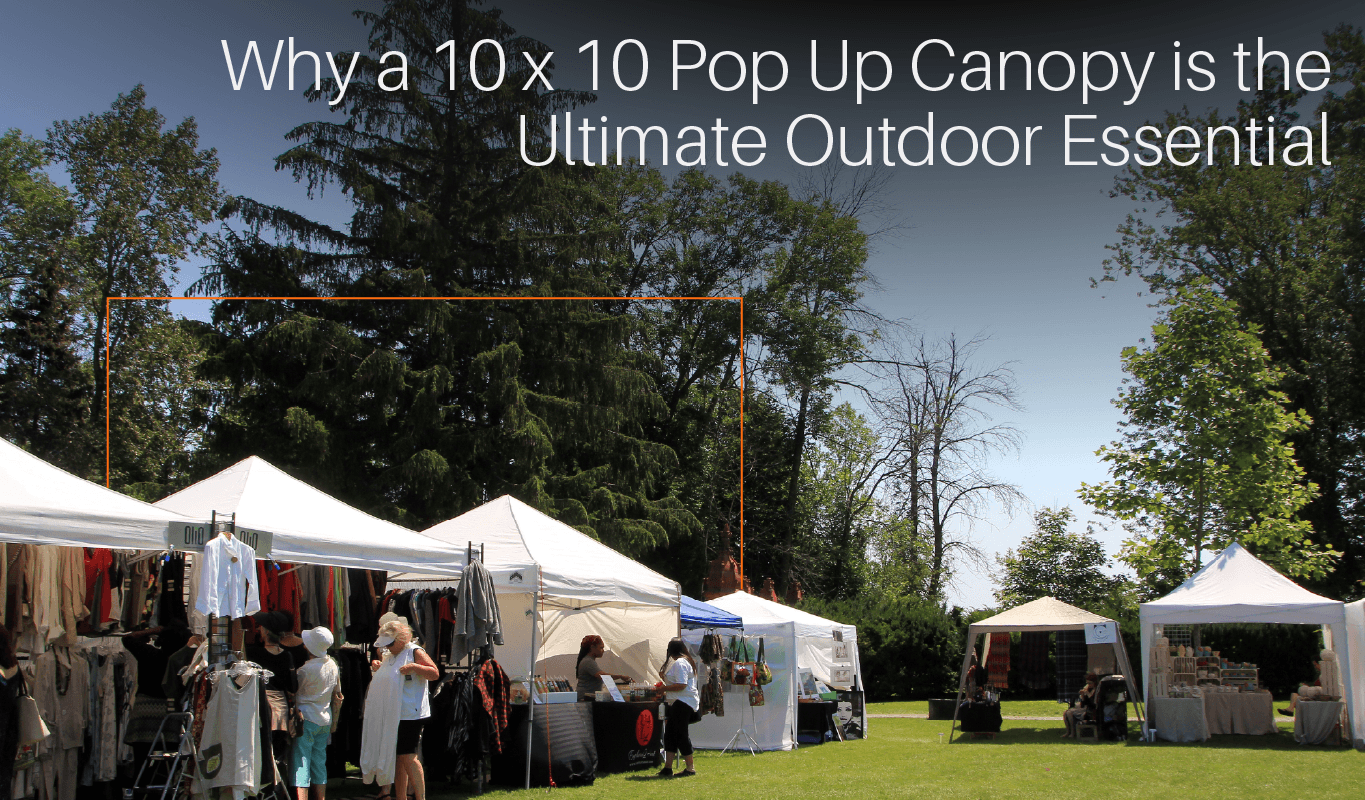
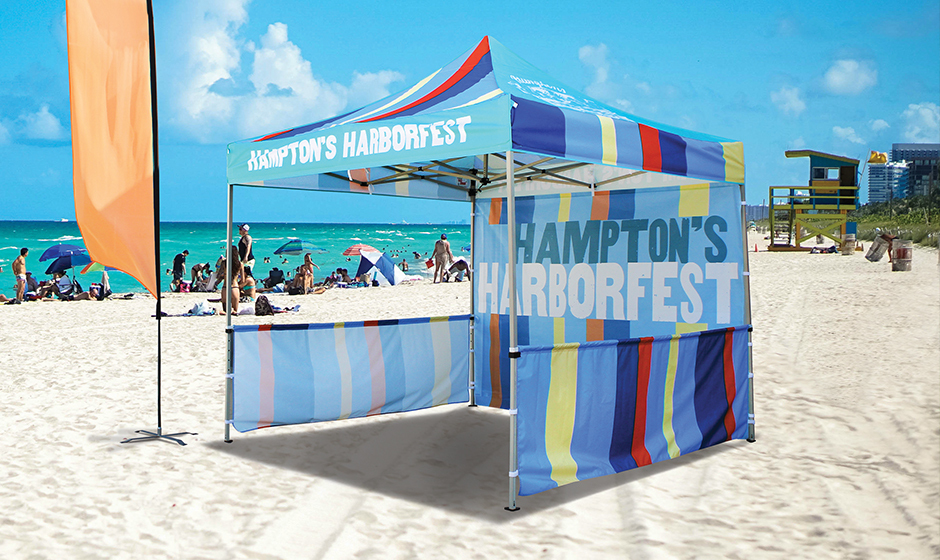
Pop-up canopies are ideal for frequent setup and transport. Their compact size and quick assembly make them popular with vendors, markets, sporting events, and promotional teams.
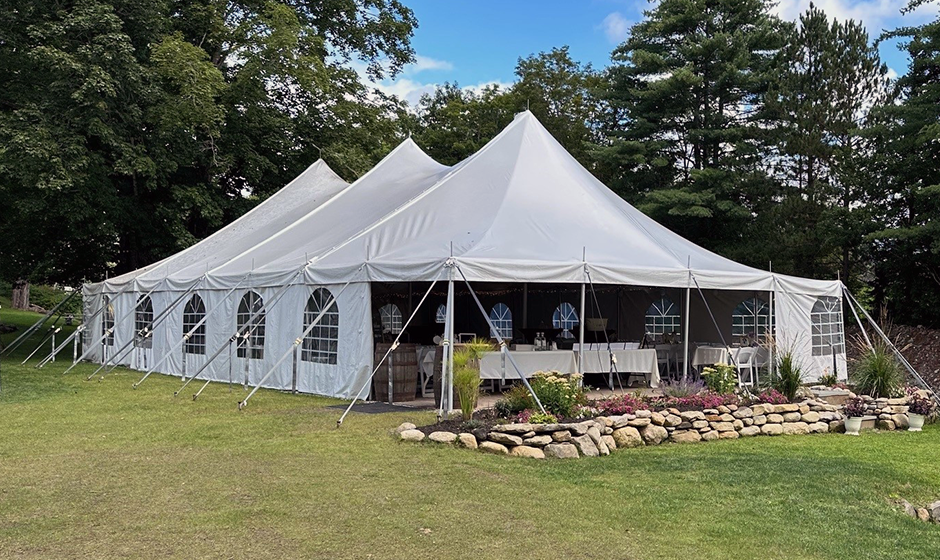
Frame Tents
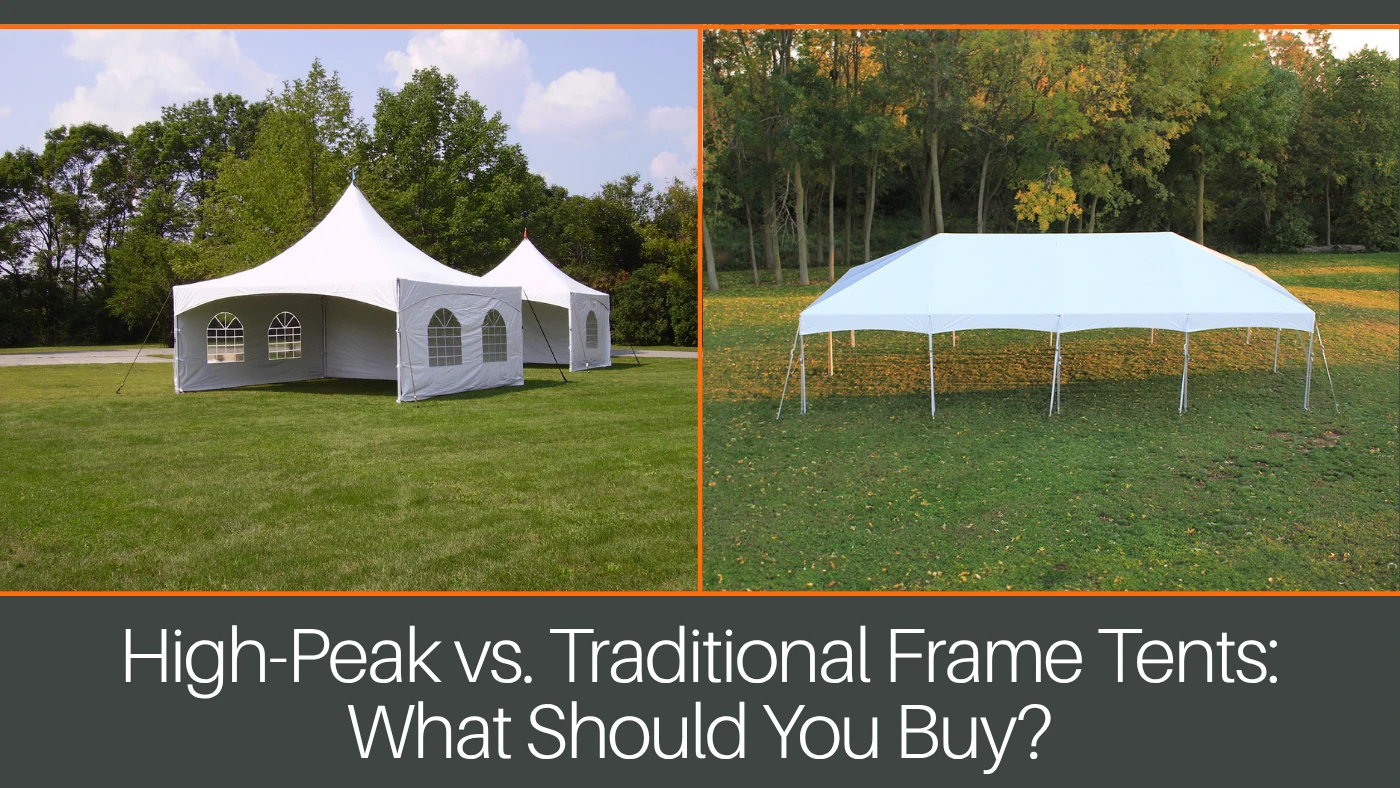
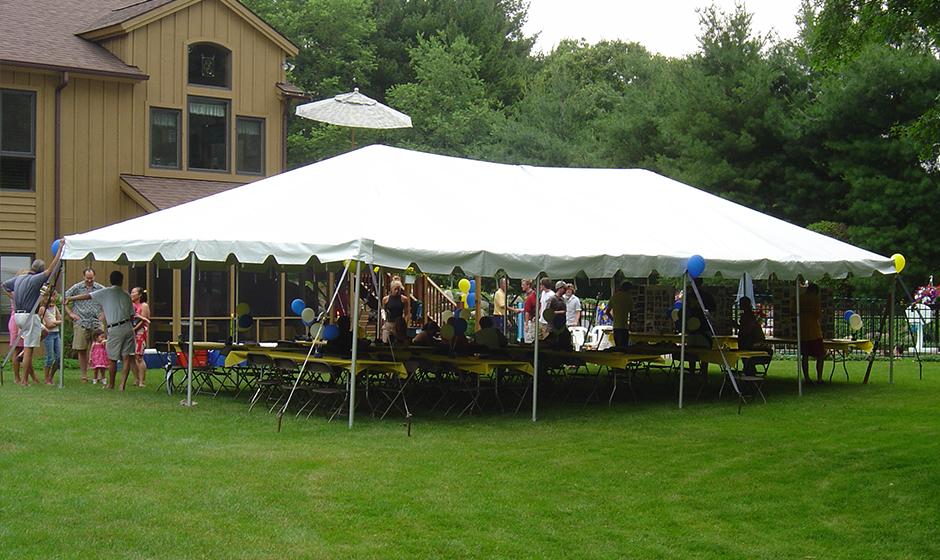
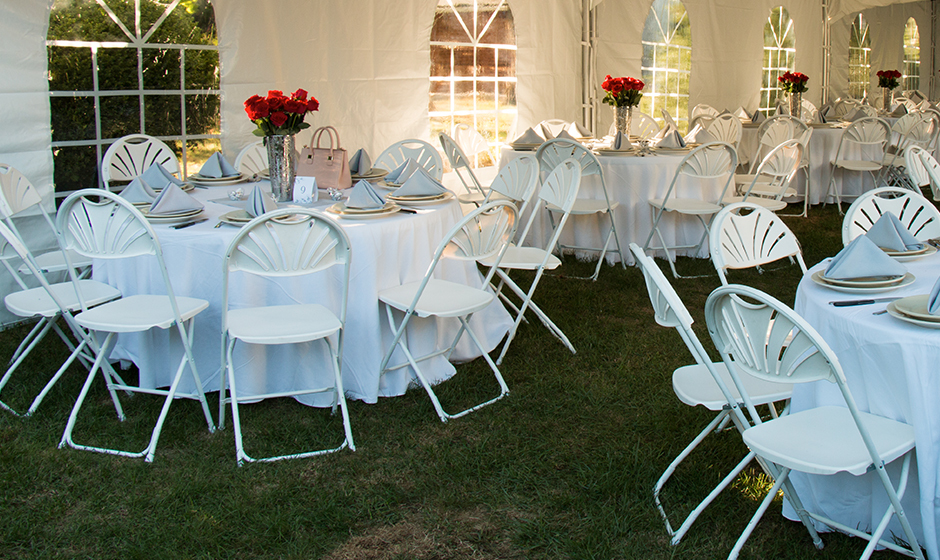
When a pop-up canopy isn't large enough, frame tents provide significantly more usable space. Because they don't use center poles, the interior remains completely open for seating, displays, or work areas.
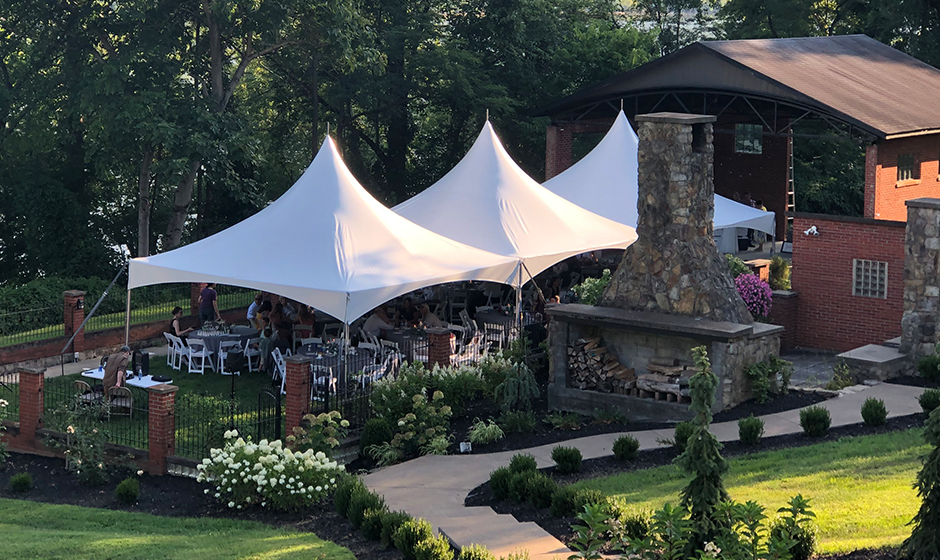
High Peak Tents
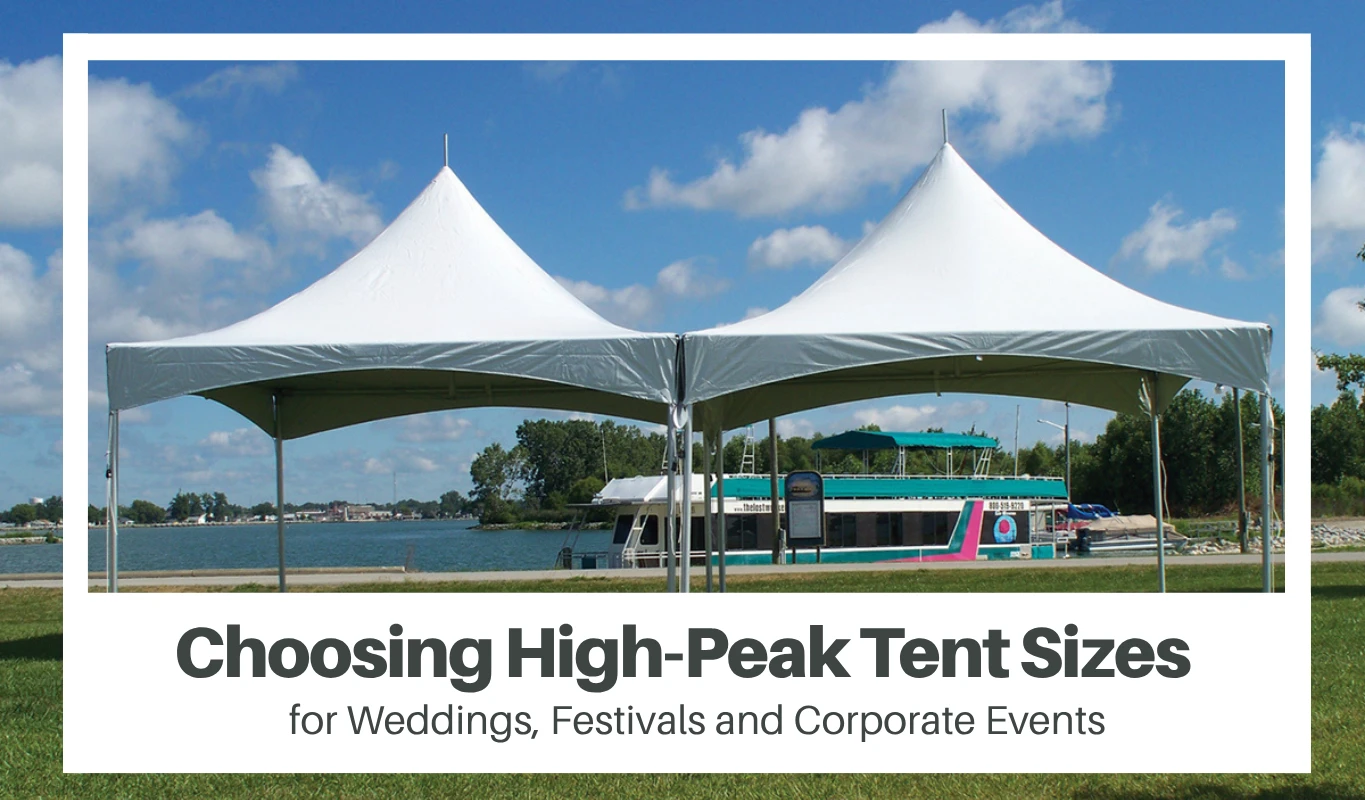
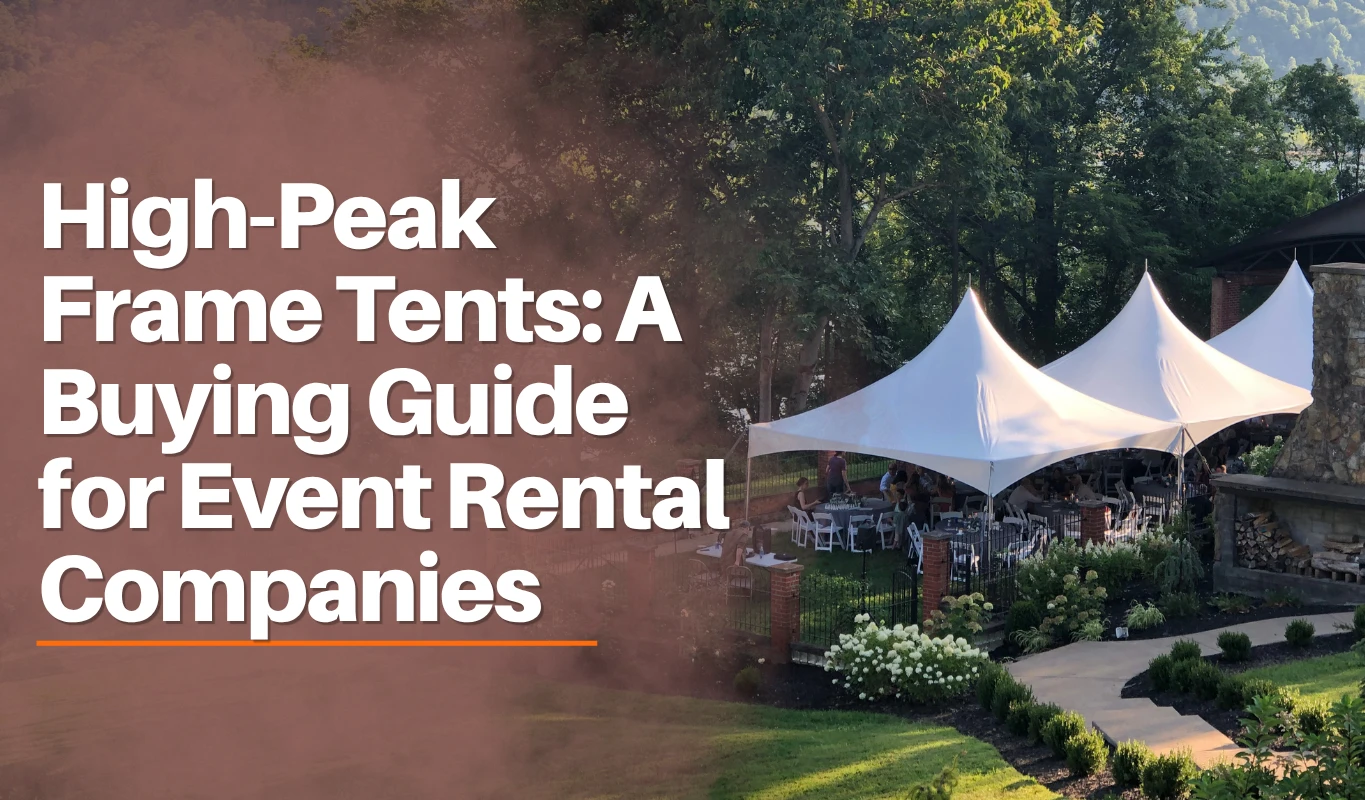
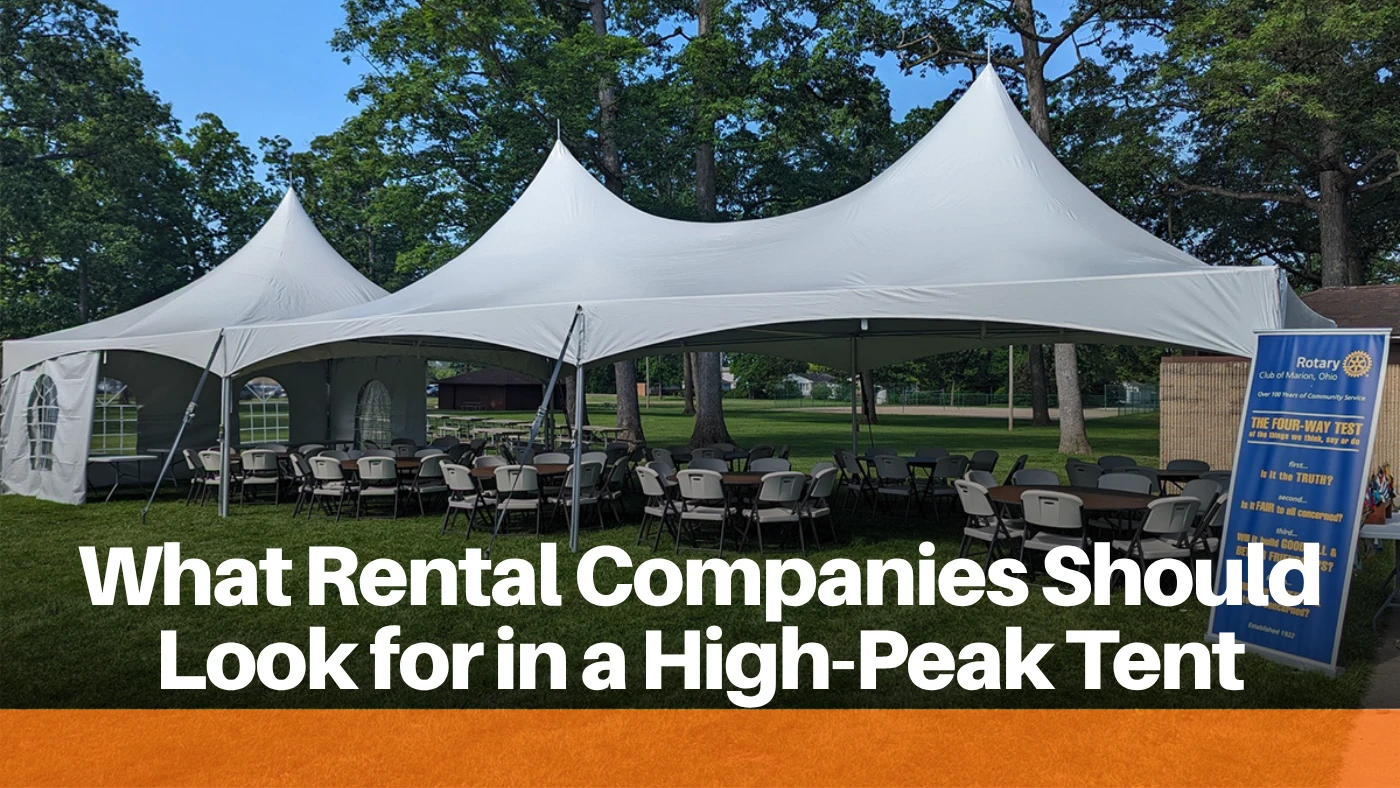
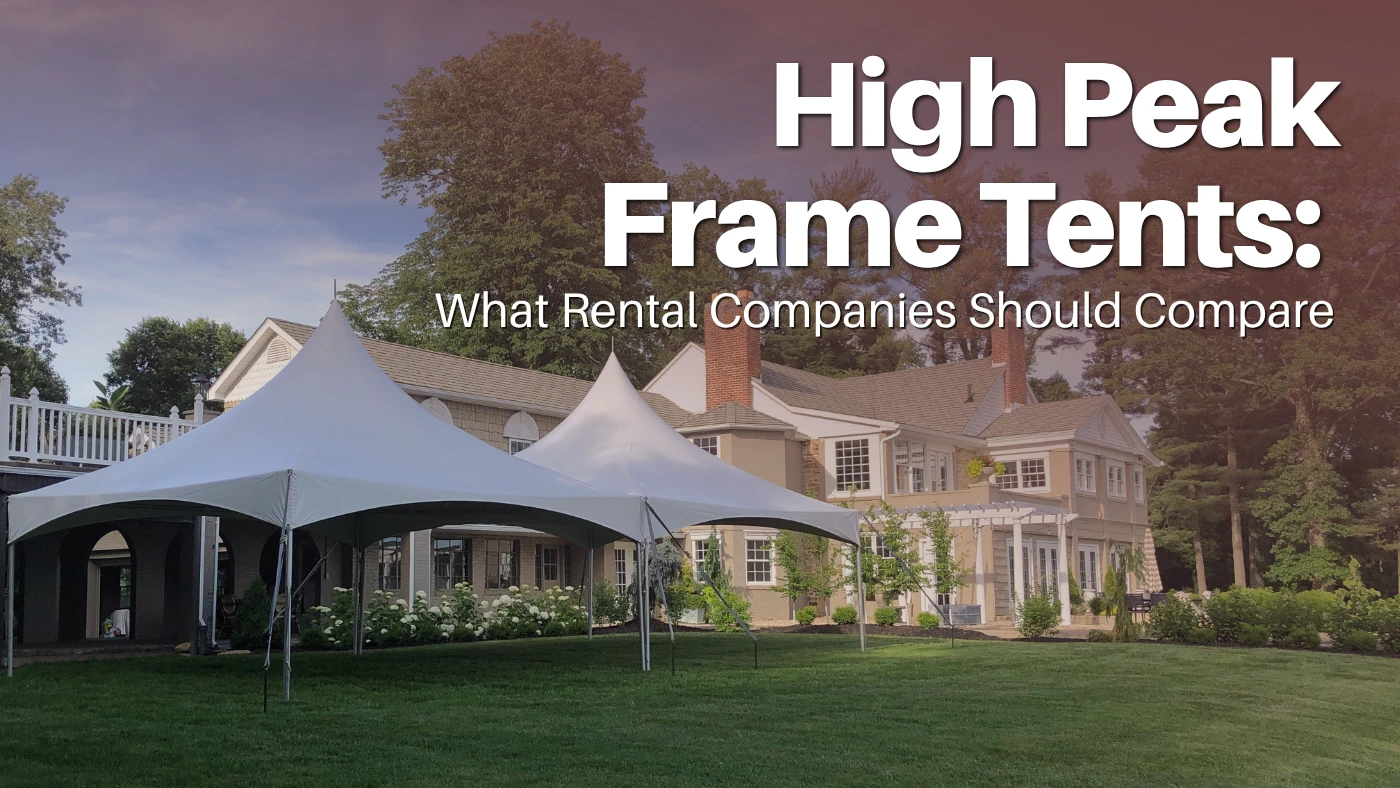
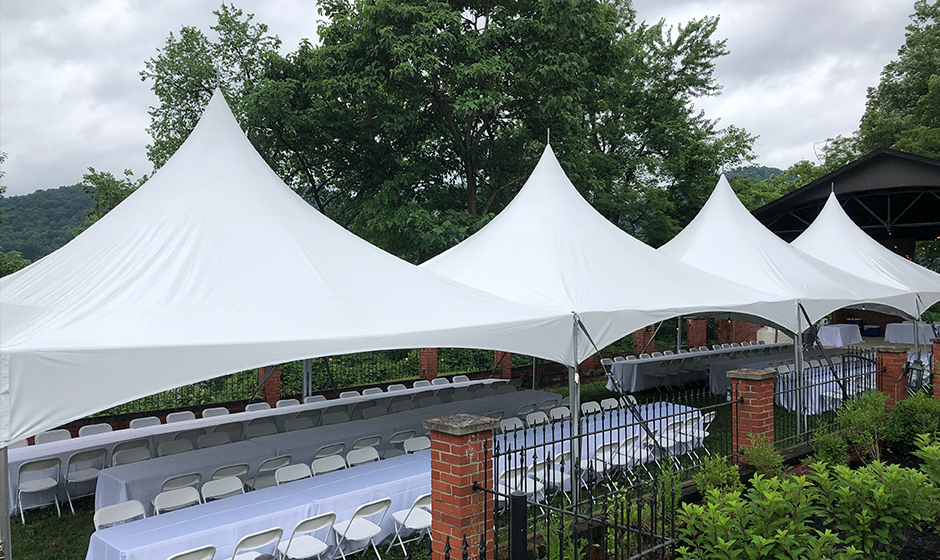
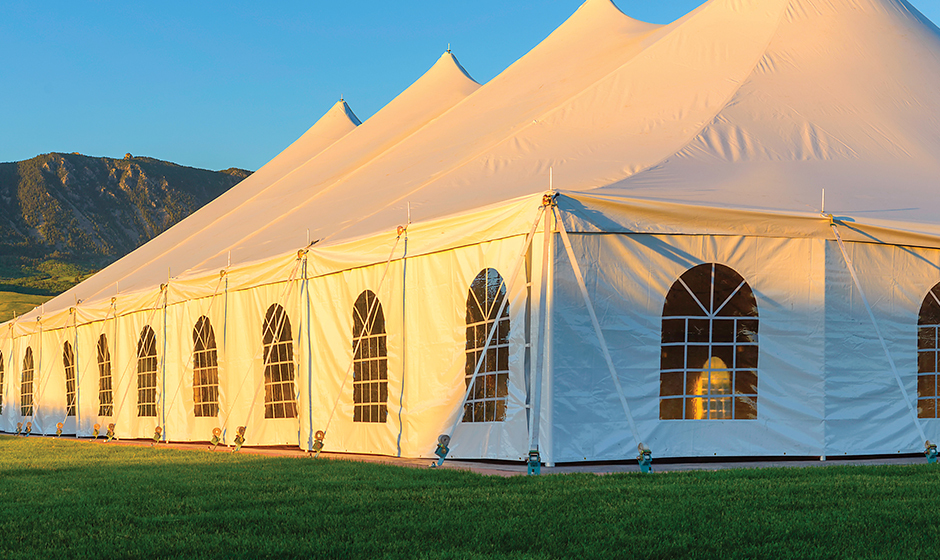
A high peak tent combines practical shelter with a more professional appearance, making it an excellent choice for entrances, vendor areas, and connected event layouts.
Larger Commercial Shelters
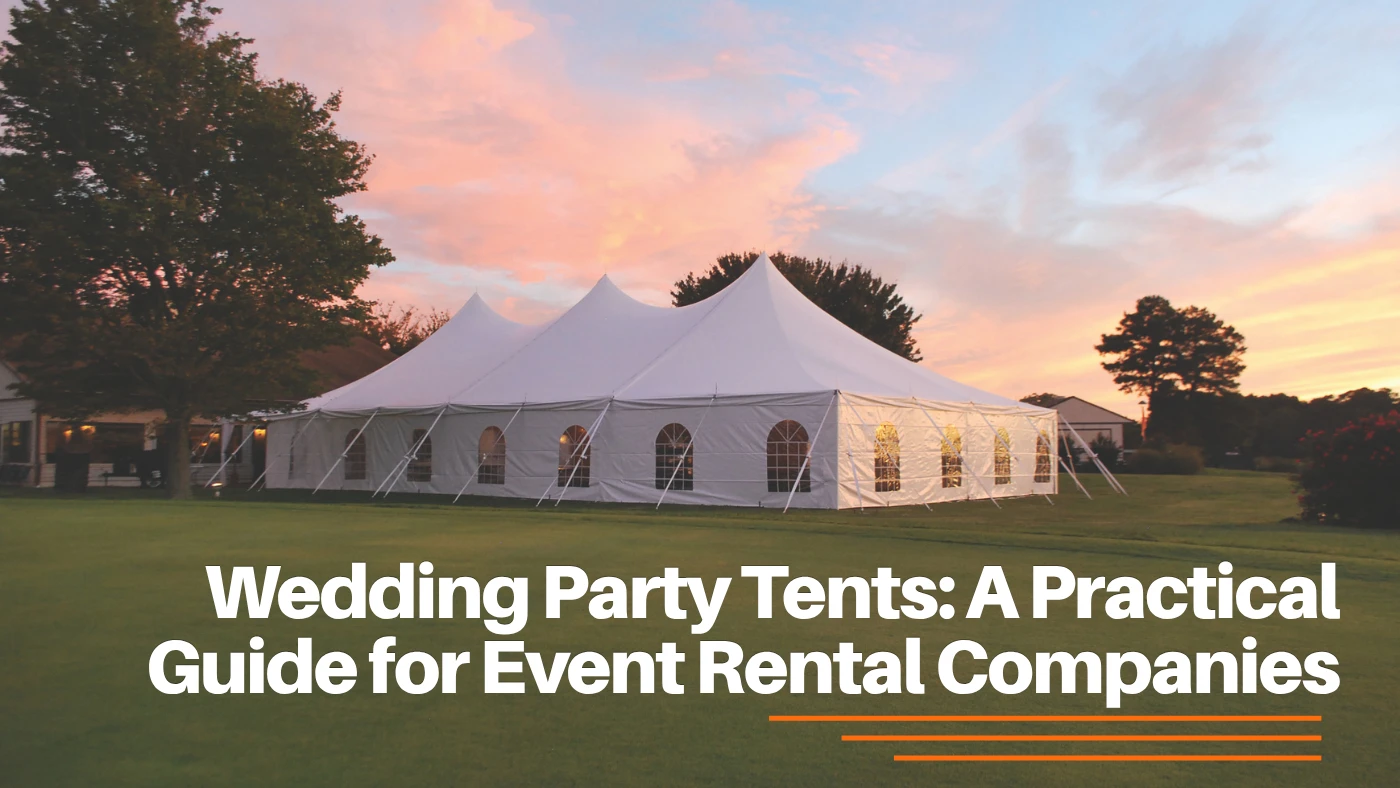
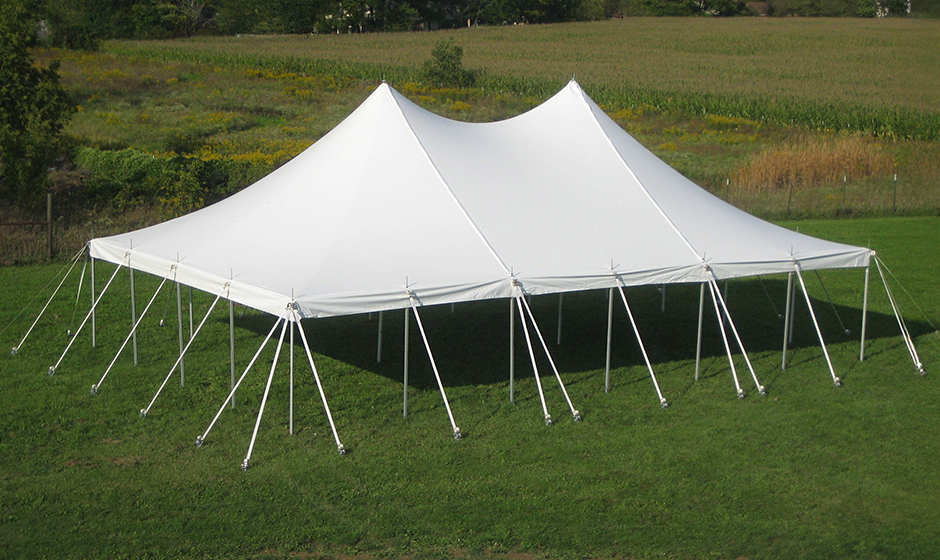
For large-scale events and demanding commercial operations, commercial structures provide expanded coverage while requiring additional planning, equipment, and installation crews.
How Much Shelter Space Do You Need?
Start With What Goes Under the Shelter
Instead of choosing dimensions first, begin by identifying everything the shelter needs to accommodate.
- People
- Tables
- Chairs
- Displays
- Equipment
- Walkways
- Service areas
Leave Room for Movement
Avoid filling every available square foot. Keeping entrances clear and leaving enough room for staff, vendors, or guests to move comfortably creates a much better experience.
Think About Future Uses
If the shelter will serve multiple purposes throughout the year, purchasing slightly more usable space may provide greater flexibility. However, buying significantly larger than necessary also increases transportation, storage, and setup requirements.
What Makes an Outdoor Shelter Truly Portable?
Packed Size and Weight
Think about how the shelter will travel between jobs. Check the packed dimensions against the vehicles you already use before purchasing, especially if multiple crews will be transporting shelters at the same time.
Setup Requirements
Crew size, installation time, tools, and training vary depending on the shelter. A pop-up canopy may require little to no training, while larger frame structures benefit from experienced installation crews.
Storage Between Uses
Store fabric completely dry, organize components by shelter, and protect frames during transport. Proper storage helps extend the lifespan of the entire system.
Don't Overlook the Frame and Fabric
Frame Construction
The frame determines how well the shelter performs after repeated transportation and installation. Look beyond general "heavy-duty" claims and review details such as material type, wall thickness, and connection systems.
Fabric Performance
Fabric quality affects weather resistance, UV protection, and long-term durability. If the shelter will be used in public spaces, verify that the fabric meets applicable flame-resistance requirements.
Replacement Parts
For rental companies and commercial users, access to replacement parts can significantly extend the life of a shelter. Replacing a damaged connector or frame section is often much more economical than replacing the entire structure.
Prepare Your Portable Outdoor Shelter for Changing Weather
Proper Anchoring Comes First
Always use the anchoring method recommended for both the shelter and the installation surface. Stakes, weights, and water barrels each serve different applications and shouldn't be treated as interchangeable.
Add Sidewalls When Needed
Tent sidewalls provide additional protection from wind, rain, and sun while creating more privacy for guests, equipment, or work areas.
Know When to Take the Shelter Down
Every temporary structure has weather limitations. Follow the manufacturer's guidance and monitor forecasts from the National Weather Service before and during outdoor events.
Accessories That Make Portable Shelters More Useful
- Sidewalls for additional weather protection and privacy.
- Storage bags that simplify transportation and protect equipment between events.
- Replacement tent tops for refreshing worn canopies without replacing the entire shelter.
- Anchoring equipment matched to different installation surfaces.
- Connecting hardware for joining multiple shelters into one continuous covered space.
- Custom printed tops and walls that transform shelters into professional branding opportunities.
Standard vs. Custom Portable Outdoor Shelters
When a Standard Shelter Works
For general event coverage, rental inventories, and internal business operations, standard shelters often provide everything needed without the additional cost of customization.
When Custom Printing Makes Sense
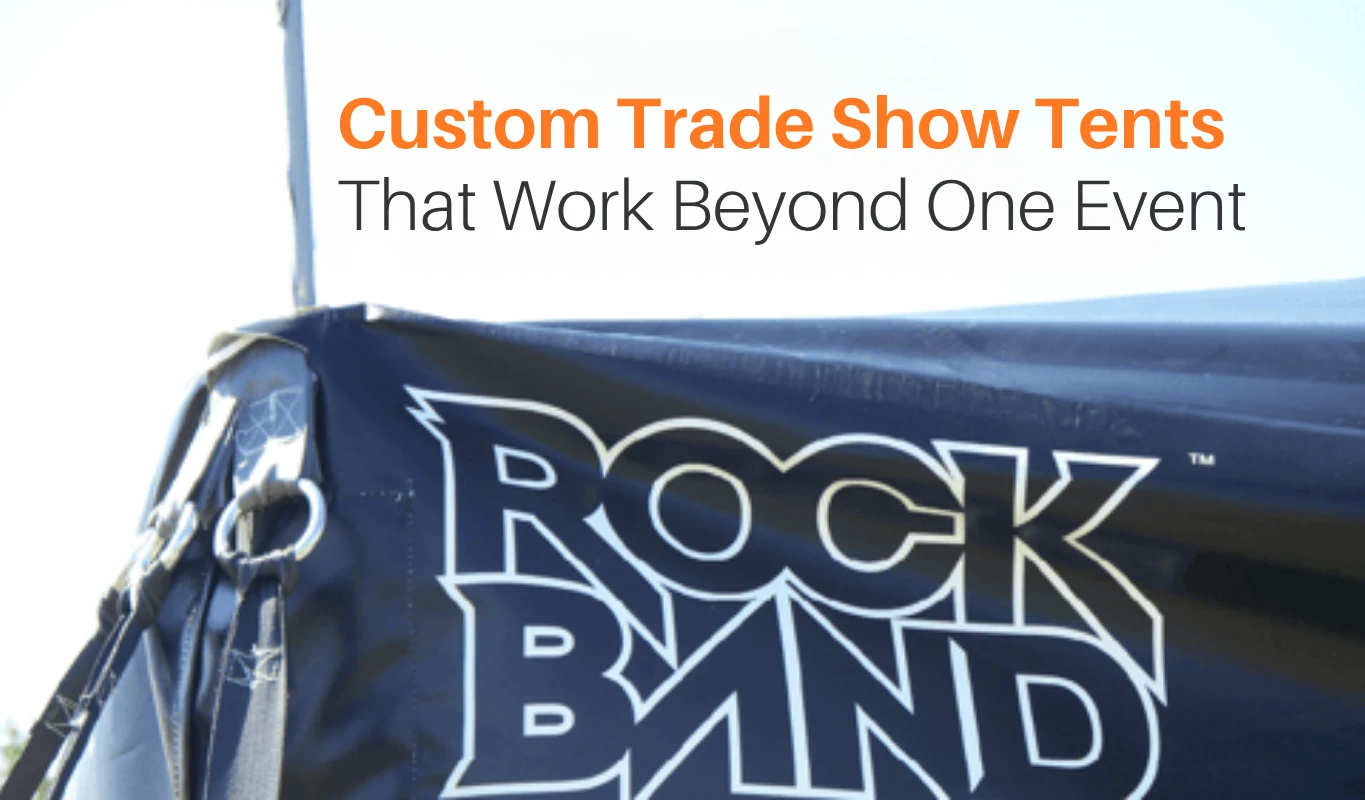
Trade shows, festivals, promotional events, and vendor booths often benefit from custom printing. A branded shelter can serve as both weather protection and highly visible marketing space.
What to Check Before Buying a Portable Outdoor Shelter
- Intended use
- Shelter dimensions
- Packed dimensions
- Weight
- Frame material
- Fabric specifications
- Setup requirements
- Anchoring requirements
- Sidewall compatibility
- Replacement part availability
- Custom printing options
- Warranty
Common Portable Shelter Buying Mistakes
- Choosing based only on price.
- Buying residential-grade equipment for frequent commercial use.
- Ignoring packed dimensions and transportation needs.
- Waiting until setup day to think about anchoring requirements.
- Assuming every shelter performs the same in different weather conditions.
- Purchasing accessories without confirming compatibility.
- Overlooking replacement part availability.
- Selecting a size before considering what actually needs to fit underneath.
Find a Portable Outdoor Shelter That Fits the Job
The best portable outdoor shelter depends on how often it will move, what it needs to cover, and how it will be installed. Matching the shelter to your real-world requirements is far more important than choosing dimensions alone.
CELINA offers pop-up canopies, frame tents, high peak tents, and larger commercial structures, along with compatible accessories, replacement parts, and custom printing options to support virtually any application.
Find the Right Portable Shelter for Every Job
Explore commercial-quality portable shelters, pop-up canopies, frame tents, and accessories designed for events, worksites, vendors, and organizations.
Shop Portable Outdoor SheltersCommercial Grade | Fast Shipping | Replacement Parts Available
Frequently Asked Questions
What is the best portable outdoor shelter for commercial use?
The right shelter depends on how often you'll use it and what it needs to cover. Pop-up canopies work well for quick, repeated setups, while frame tents and larger structures provide more space for commercial operations and events.
What size portable shelter should I buy?
Start by identifying everything that needs to fit underneath, including people, tables, equipment, and walkways. Choosing a size based on actual usage usually delivers the best results.
Can I add sidewalls to a portable outdoor shelter?
Yes. Most commercial shelters are compatible with sidewalls designed specifically for that model and size. Always verify compatibility before purchasing.
How should I anchor a portable outdoor shelter?
Use the anchoring method recommended for your installation surface. Stakes are commonly used on grass, while weights or water barrels are better suited to asphalt and concrete.
Are replacement tops and frame parts available?
Yes. Many commercial shelters offer replacement canopies, frame sections, connectors, and accessories, allowing you to extend the life of your investment without replacing the entire shelter.
Can portable outdoor shelters be customized?
Absolutely. Many commercial shelters are available with custom printed tops and sidewalls that display company logos, branding, or promotional graphics.